
The best things to do in Arusha include exploring the bustling Arusha Central Market for local crafts and produce, visiting the colorful Maasai Market, learning about Tanzanian history at the National Natural History Museum, enjoying the views from the Shanga community project, and using Arusha as your launchpad for unforgettable safaris to the Serengeti, Ngorongoro Crater, and climbs of Mount Kilimanjaro, with many tours and day trips available for 2026 and 2027.
Arusha: The Vibrant Heart of Northern Tanzania
Arusha, often referred to as the “Safari Capital of the World” or the “Gateway to the Northern Safari Circuit,” is a dynamic city located at the foot of Mount Meru. It serves as a crucial hub for travelers heading to some of Africa’s most iconic wildlife destinations, including the Serengeti National Park, Ngorongoro Conservation Area, Tarangire National Park, and Lake Manyara National Park. Beyond its role as a transit point, Arusha itself offers a unique blend of cultural experiences, local life, and natural beauty, making it a destination worth exploring in its own right before or after your grand Tanzanian adventures. For those planning their trips in 2026 and 2027, understanding the diverse activities available in and around Arusha will significantly enhance your overall travel experience.
This guide aims to provide a comprehensive overview of the best things to do in Arusha, catering to various interests, from cultural immersion and local exploration to pre-safari preparations and post-trek relaxation. We’ll cover the must-see attractions within the city, engaging day trips, and how Arusha perfectly positions you for the world-renowned safaris and treks that Tanzania is famous for. Whether you have a few hours or a few days to spare, Arusha has something to offer every traveler.
Exploring Arusha City: Local Culture and Daily Life
Arusha city pulses with a unique energy, a blend of Swahili culture, diverse ethnic groups, and international influences. While many visitors pass through, taking time to explore the city itself reveals a rich mix of local life, vibrant markets, and significant cultural landmarks. These experiences offer a genuine glimpse into Tanzania beyond the famous safari parks.
Arusha Central Market: A Feast for the Senses
No visit to Arusha is complete without a stroll through the sprawling Arusha Central Market (Soko Kuu). This is the city’s beating heart, a chaotic yet fascinating hub where locals shop for everything from fresh produce and spices to clothing and household goods. As a visitor, it’s an unparalleled opportunity to witness daily life unfold, interact with friendly vendors, and sample delicious local fruits like mangoes, pineapples, and bananas.
The market is divided into different sections, each with its own distinct aroma and atmosphere. You’ll find stalls piled high with vibrant textiles, aromatic spices such as cardamom and cinnamon, and an incredible array of fresh vegetables and fruits. Don’t be shy to haggle politely for souvenirs or local snacks. It’s a sensory experience that truly immerses you in the local culture. For photographers, the market offers endless opportunities to capture authentic moments of Tanzanian life.
Maasai Market: Treasures and Traditions
For those seeking authentic Tanzanian crafts and souvenirs, the Maasai Market is a must-visit. Located centrally, this market is a vibrant collection of stalls where local artisans, many from the Maasai community, display their wares. You’ll find intricately beaded jewelry, hand-carved wooden sculptures, colorful textiles, traditional Maasai shukas, and various other handicrafts.
The Maasai Market is an excellent place to find unique gifts and mementos. Remember that bargaining is expected, so be prepared to negotiate prices in a friendly manner. It’s also a chance to learn about the cultural significance of the items you’re purchasing, directly from the craftspeople themselves. Visiting the Maasai Market is not just shopping; it’s a cultural exchange.
National Natural History Museum: A Glimpse into Tanzania’s Past
Housed in the historic Old Boma building, the National Natural History Museum provides a fascinating overview of Tanzania’s natural heritage, from its prehistoric past to its diverse wildlife and geological formations. It’s a valuable stop for understanding the evolutionary history that shaped the very ecosystems you might explore on a safari.
The museum features exhibits on fossils discovered in the Olduvai Gorge (often called the “Cradle of Mankind”), which is located not too far from Arusha. You can also learn about the country’s rich biodiversity, including the various animal species, birds, and plants that inhabit its national parks. The museum offers context and depth to the wildlife viewing experiences that draw so many visitors to Tanzania. This is an especially good option for a rainy day or for those interested in paleontology and natural sciences.
Shanga: A Social Enterprise with a Heart
Shanga is a remarkable social enterprise that provides meaningful employment and training to people with disabilities. Located on a beautiful property just outside the city center, it offers a delightful café, a boutique selling handmade crafts, and a chance to witness the empowerment of its employees.
Visitors can enjoy a delicious meal at the café, browse the boutique for unique, ethically-made souvenirs, or simply take a walk through the gardens. The Shanga experience is heartwarming and inspiring, showcasing how a business can positively impact lives and the community. It’s a wonderful way to support a local cause while enjoying quality products and hospitality. The artisans create beautiful jewelry, clothing, and home decor items.
Arusha Declaration Museum: Understanding Tanzania’s History
For those interested in the political and social history of Tanzania, the Arusha Declaration Museum is a significant site. It commemorates the Arusha Declaration of 1967, a pivotal document in Tanzania’s post-independence history, outlining principles of socialism and self-reliance (Ujamaa). The museum houses artifacts and information related to this era and the country’s journey towards independence and nation-building.
While perhaps not as visually engaging as the natural history museum, it offers crucial insights into the philosophical underpinnings of modern Tanzania. It’s a place for reflection on the nation’s past and its development path, providing a deeper understanding of the country’s identity. For history buffs, this museum is a key stop.
Day Trips and Excursions from Arusha
Arusha’s strategic location makes it an ideal base for numerous day trips and short excursions that showcase the diverse landscapes and cultural richness of the surrounding region. These trips allow you to experience more of Tanzania without committing to a multi-day safari or trek, making them perfect for those with limited time or as add-ons to a longer itinerary in 2026 or 2027.
Mount Meru Hike (Day Trip Options)
While climbing Mount Meru is a multi-day trek, shorter hikes on its lower slopes are possible as day trips. These hikes offer stunning views of the surrounding plains, and on clear days, you can see Mount Kilimanjaro in the distance. The trails wind through lush montane forests, offering opportunities to spot unique birdlife and smaller mammals.
A guided day hike on Mount Meru can be tailored to your fitness level. It’s a great way to experience Tanzania’s highland scenery and get a taste of trekking in the region. The air is fresh, and the natural beauty is abundant. Guides are essential for safety and navigation, and they can point out interesting flora and fauna.
Arusha National Park: Wildlife and Scenery Close By
Arusha National Park is one of Tanzania’s most accessible and scenically diverse parks. It encompasses Mount Meru, the Ngurdoto Crater, and the Momella Lakes. This park is known for its stunning landscapes, including lush forests, alkaline lakes, and the dramatic Ngurdoto Crater.
While not as famous for large predators as the Serengeti, Arusha National Park is home to a variety of wildlife, including elephants, giraffes, zebras, buffaloes, and a rich array of birdlife. The park also offers unique activities like walking safaris, which provide an intimate way to experience the bush. Canoeing on the Momella Lakes, with views of Mount Meru, is another popular activity. A day trip here is highly recommended for its accessibility and varied attractions.
Chagga Cultural Tours: Coffee and Local Life
The fertile slopes of Mount Kilimanjaro, just a short drive from Arusha, are home to the Chagga people. Taking a cultural tour to a Chagga village offers a fascinating insight into their unique way of life, traditions, and history. These tours often include visits to local coffee plantations.
You’ll learn about the entire coffee-making process, from bean to cup, and have the chance to taste freshly brewed Chagga coffee. Many tours also involve visiting local markets, traditional homes, and learning about Chagga farming practices. This is an excellent opportunity to understand the agricultural backbone of the region and interact with local communities.
Lake Duluti: Canoeing and Nature Walks
Located about 20 kilometers east of Arusha, Lake Duluti is a serene volcanic crater lake surrounded by lush forests. It’s a tranquil escape offering opportunities for bird watching, nature walks, and canoeing.
Canoeing on Lake Duluti allows you to paddle through calm waters, observing the diverse birdlife that inhabits the area, including various kingfishers, herons, and cormorants. The surrounding forest is also home to monkeys and other small creatures. Guided nature walks provide further opportunities to explore the area’s flora and fauna. It’s a peaceful excursion perfect for a relaxing half-day trip.
Meserani Snake Park: Reptilian Encounters
For those with an interest in reptiles, Meserani Snake Park offers a unique educational experience. Located about 25 kilometers west of Arusha, it houses a variety of Tanzanian snakes, including venomous species like cobras and mambas, as well as non-venomous ones. It also features crocodiles and other local wildlife.
The park provides informative talks by guides who explain the behavior, habitats, and importance of these often-misunderstood creatures. It’s a chance to see these reptiles up close in a controlled and safe environment. The park also has a small Maasai cultural museum and a shop.
Arusha as the Gateway to Northern Tanzania’s Safari Circuit
Arusha’s primary fame comes from its role as the gateway to Tanzania’s most celebrated safari destinations. The Northern Safari Circuit is world-renowned for its incredible wildlife density, diverse landscapes, and iconic parks. Planning your safari from Arusha is a common and highly recommended approach for 2026 and 2027 travel.
Serengeti National Park: The Endless Plains
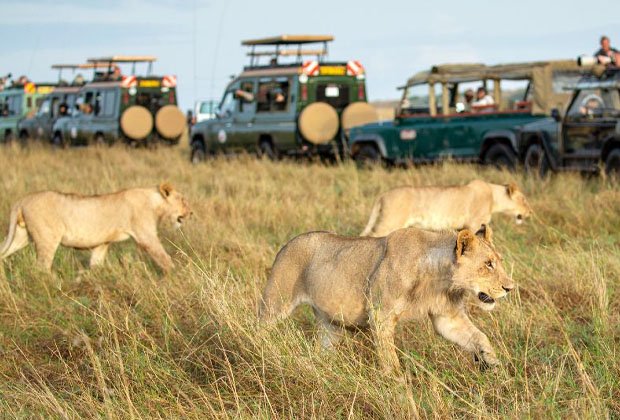
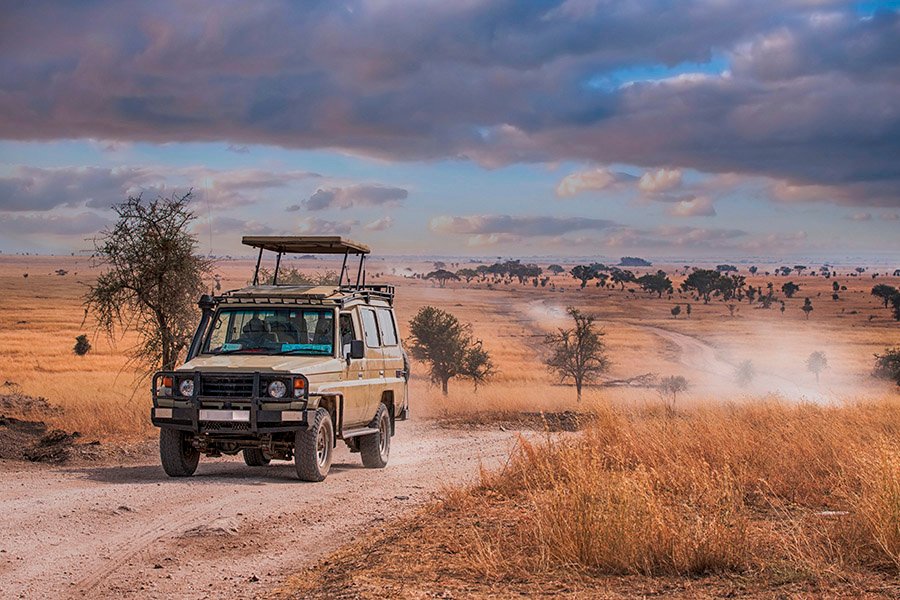
The Serengeti is synonymous with African wildlife. Famous for the Great Migration, where millions of wildebeest, zebras, and gazelles traverse the plains in search of fresh grazing, it offers unparalleled game viewing year-round. Arusha is the starting point for most Serengeti safaris, whether by flight or a scenic drive.
A typical safari itinerary from Arusha will include several days exploring the Serengeti’s vast ecosystems. Depending on the time of year (e.g., 2026 or 2027), you can position yourself to witness specific events of the migration, such as river crossings or calving seasons. Top Guide Adventures specializes in crafting bespoke Serengeti safaris that cater to your interests, whether it’s photography, birdwatching, or simply observing the incredible predator-prey dynamics.
Ngorongoro Conservation Area: The “Eighth Wonder”
The Ngorongoro Crater, a UNESCO World Heritage Site, is a collapsed volcano caldera that boasts an astonishing concentration of wildlife. It’s one of the few places in Africa where you can reliably see the Big Five (lion, leopard, elephant, rhino, and buffalo) in a single day. Arusha is the primary departure point for tours to this natural marvel.
A safari to Ngorongoro typically involves descending into the crater floor for a full day of game driving. The landscape is impressive, and the wildlife viewing is exceptional. The surrounding Ngorongoro Conservation Area also offers opportunities to visit Maasai villages and learn about the coexistence between people and wildlife. Many multi-day Northern Circuit safaris include both the Serengeti and Ngorongoro.
Tarangire National Park: Land of Giants
Known for its large elephant herds and iconic baobab trees, Tarangire National Park is a highlight of the Northern Circuit. The park is particularly spectacular during the dry season (June to October), when animals congregate around the Tarangire River.
Tarangire offers a different landscape from the Serengeti, with rolling hills, acacia woodlands, and the majestic baobabs creating a unique backdrop for game viewing. It’s an excellent destination for spotting elephants, giraffes, zebras, and various antelope species. Birdlife is also abundant. Many safaris starting from Arusha include Tarangire as the first or last stop.
Lake Manyara National Park: Tree-Climbing Lions and Flamingos
Famous for its tree-climbing lions, a large population of baboons, and its stunning alkaline lake that attracts thousands of flamingos, Lake Manyara National Park is a compact yet diverse park. It’s often included in itineraries departing from Arusha.
The park’s varied habitats, including groundwater forest, acacia woodlands, and the lake shore, support a rich array of wildlife. Birdwatchers will be particularly delighted by the sheer variety of species. The scenic drive along the Great Rift Valley escarpment on the way to Lake Manyara adds to the journey’s appeal.
Kilimanjaro Climbing Expeditions: Arusha as the Base Camp
Mount Kilimanjaro, Africa’s highest peak and the world’s tallest free-standing mountain, looms majestically near Arusha. For climbers, Arusha serves as the essential base for preparing and commencing their ascent. The city provides all the necessary logistical support, gear rental, and briefing sessions before you head to the mountain.
Choosing Your Kilimanjaro Route
There are several routes to the summit of Kilimanjaro, each offering a different experience, scenery, and difficulty level. The most popular routes, typically starting from or near Arusha, include:
- Marangu Route: Known as the “Coca-Cola” route, it’s the oldest and often considered the easiest, with hut accommodations.
- Machame Route: Highly recommended for its scenic beauty and higher success rates due to its excellent acclimatization profile.
- Lemosho Route: Offers stunning scenery and good acclimatization, starting on the western side.
- Shira Route: Similar to Lemosho but starts at a higher altitude.
- Rongai Route: Approaches from the north, offering a different perspective and good for dry season climbs.
- Northern Circuit: The longest route, offering the best acclimatization and panoramic views.
Top Guide Adventures works closely with climbers to select the best route based on fitness, budget, and desired experience for their 2026-2027 climbs. All routes require a minimum of 5-7 days to allow for proper acclimatization.
Pre-Climb Preparations in Arusha
Before you start your Kilimanjaro adventure, Arusha offers crucial preparation opportunities:
- Gear Check and Rental: Ensure you have all the necessary climbing gear. Arusha has reputable outfitters where you can rent items like sleeping bags, warm clothing, and trekking poles.
- Briefing Sessions: Your tour operator will conduct detailed briefings covering the climb, safety procedures, acclimatization strategies, and what to expect on the mountain.
- Medical Check-ups: It’s advisable to have a final check-up and consult with your doctor regarding altitude sickness medication.
- Rest and Acclimatization: Spend a day or two in Arusha to rest, hydrate, and adjust to the local altitude before beginning your trek.
Climbing Kilimanjaro in 2026 or 2027 requires careful planning. Booking well in advance is highly recommended, especially for popular routes and peak climbing seasons (typically January-March and June-October). Top Guide Adventures can assist with all aspects of your Kilimanjaro expedition, ensuring a safe and memorable climb.
Unique Arusha Experiences and Activities
Beyond the main attractions and gateway roles, Arusha offers a few more unique experiences that can enrich your visit and provide memorable moments.
Cultural Heritage Center: Art, Crafts, and History
The Cultural Heritage Centre is a large complex that combines a museum, art gallery, and souvenir shops. It offers a broad overview of Tanzanian culture, history, and art. You can find everything from traditional tribal artifacts and artwork to contemporary Tanzanian paintings and sculptures.
The museum section provides historical context, while the art galleries showcase the talent of local artists. The extensive shops offer a wide range of high-quality crafts, making it a convenient place to shop for souvenirs. They also have a restaurant serving local and international cuisine.
Explore Local Cuisine
Tanzanian food is flavorful and diverse, influenced by Swahili, Arab, Indian, and European cuisines. In Arusha, you can sample local dishes at various restaurants and street food stalls. Must-try items include:
- Ugali: A staple made from maize flour, often served with stews or vegetables.
- Pilau: A fragrant rice dish cooked with spices, meat, and vegetables.
- Nyama Choma: Grilled meat, usually goat or beef, a popular local delicacy.
- Mishkaki: Skewers of marinated and grilled meat, a common street food.
- Mandazi: Slightly sweet, deep-fried bread, perfect with tea or coffee.
Exploring local eateries, from simple roadside cafes to more established restaurants, is a culinary adventure in itself. Don’t hesitate to ask locals for recommendations.
Visiting Local Villages and Communities
Arranging visits to nearby villages, such as those inhabited by the Maasai or Chagga people, offers authentic cultural interactions. These visits are best organized through reputable tour operators like Top Guide Adventures to ensure they are respectful, beneficial to the community, and provide genuine insights rather than staged performances.
You can learn about traditional farming methods, daily routines, community structures, and perhaps even participate in local activities. Such interactions foster understanding and break down cultural barriers, creating meaningful travel memories.
Planning Your Arusha Adventure: Practical Tips for 2026-2027
To make the most of your time in Arusha and ensure a smooth experience, consider these practical tips for planning your trip, especially looking ahead to 2026 and 2027 travel seasons.
Best Time to Visit Arusha
Arusha enjoys a pleasant, tropical climate year-round, but the best times to visit depend on your primary activities:
- Dry Seasons (June to October, January to February): Ideal for safaris and Kilimanjaro climbs. Clear skies, less rain, and good wildlife viewing as animals gather around water sources. These are peak seasons, so booking well in advance for 2026 and 2027 is crucial.
- Green Seasons (March to May, November to December): Characterized by shorter rains (November) and longer rains (March-May). Landscapes are lush and beautiful, prices might be lower, and there are fewer crowds. Wildlife viewing is still possible, though dispersed.
Getting To and Around Arusha
By Air: Kilimanjaro International Airport (JRO) is the main gateway, located about an hour’s drive from Arusha. Many international flights arrive here. Arusha Airport (ARK) handles domestic flights, including those to the Serengeti and other safari destinations.
By Road: Arusha is accessible by bus from Dar es Salaam and other major Tanzanian cities, though these journeys can be long. For tourists, private transfers from JRO or between locations are more common and comfortable.
Getting Around Arusha: Taxis and motorcycle taxis (boda-bodas) are readily available for getting around the city. For excursions and day trips, arranging transport with a reputable tour operator is highly recommended for safety, convenience, and local knowledge.
Accommodation in Arusha
Arusha offers a wide range of accommodation options to suit all budgets:
- Luxury Hotels: Offer premium services, fine dining, and beautiful grounds.
- Mid-Range Lodges and Hotels: Provide comfortable rooms, good amenities, and often pleasant garden settings.
- Budget Guesthouses and Hostels: Affordable options for backpackers and budget-conscious travelers.
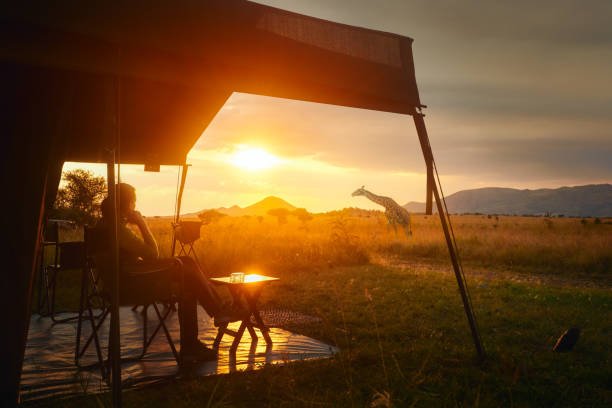
- Safari Lodges on the Outskirts: Some lodges are located in scenic areas just outside the city, offering a more tranquil experience.
Booking your accommodation in advance, especially during peak seasons like 2026 and 2027, is advisable.
Health and Safety Considerations
- Vaccinations: Consult your doctor about recommended vaccinations for Tanzania, including Yellow Fever (required for entry from endemic areas), Hepatitis A, Typhoid, and Tetanus.
- Malaria Prevention: Arusha is in a malaria-endemic area. Take antimalarial medication as prescribed and use insect repellent, especially during dawn and dusk.
- Water: Drink only bottled or purified water. Avoid ice in drinks unless you are sure it’s made from purified water.
- Sun Protection: The equatorial sun is strong. Use high-SPF sunscreen, wear hats, and stay hydrated.
- General Safety: Arusha is generally safe for tourists, but like any city, it’s wise to be aware of your surroundings, avoid displaying valuable items openly, and use reputable transport.
Currency and Payments
The local currency is the Tanzanian Shilling (TZS). However, US Dollars are widely accepted, especially for tourist-related services like park fees, safaris, and accommodation. It’s useful to have both.
ATMs are available in Arusha for withdrawing local currency. Credit cards are accepted in larger hotels, lodges, and some shops, but often with a surcharge. Carrying smaller denominations of USD for tips and small purchases is practical.
Why Choose Top Guide Adventures for Your Arusha Experience?
Arusha is more than just a stopover; it’s the beginning of incredible adventures. Whether you’re heading for a thrilling safari in the Serengeti, a challenging Kilimanjaro climb, or exploring the local culture, Top Guide Adventures is dedicated to providing exceptional travel experiences. We are one of Tanzania’s trusted tour companies, offering personal attention, care, and dedicated support for every client.
Our services include organizing Tanzania safaris, Serengeti and Ngorongoro tours, Kilimanjaro climbs, Zanzibar holidays, cultural experiences, day trips, beach vacations, airport transfers, and tailor-made journeys across Northern and Southern Tanzania. We pride ourselves on creating journeys that are not just trips, but life-changing adventures. For your 2026 or 2027 travel plans, let us help you craft the perfect itinerary starting from Arusha.
Contact us today to start planning your dream Tanzanian adventure:
WhatsApp: +255616946642
Email: topguideadventures@gmail.com
Backup Email: info@topguideadventurestanzania.com
We look forward to helping you discover the magic of Arusha and the unparalleled beauty of Tanzania.
Plan Your 2026-2027 Tanzania Trip from Arusha
Arusha is your gateway to the wonders of Northern Tanzania. Whether you’re dreaming of witnessing the Great Migration in the Serengeti, reaching the summit of Kilimanjaro, or exploring the unique ecosystems of the Ngorongoro Crater, planning is key. For 2026 and 2027, booking your safari or climb well in advance is highly recommended, especially for peak seasons. Top Guide Adventures offers expertly crafted itineraries tailored to your interests and budget, ensuring a safe, authentic, and unforgettable Tanzanian experience. Get in touch to discuss your adventure.
Key Arusha Activities Checklist
- Visit Arusha Central Market
- Shop at the Maasai Market
- Explore the National Natural History Museum
- Support Shanga Social Enterprise
- Take a day trip to Arusha National Park
- Consider a Chagga cultural tour
- Enjoy canoeing at Lake Duluti
- Book your Serengeti/Ngorongoro safari
- Arrange your Kilimanjaro climb
- Sample local Tanzanian cuisine
Frequently Asked Questions About Arusha
Here are answers to common questions travelers have when planning their visit to Arusha:
What is the best way to get from Kilimanjaro Airport (JRO) to Arusha?
The most convenient way is by pre-booked private transfer. It takes approximately 45-60 minutes. Many hotels and tour operators, including Top Guide Adventures, offer airport pickup services. Taxis are also available, but it’s wise to agree on the fare beforehand.
How many days should I spend in Arusha?
This depends on your overall itinerary. If Arusha is just a transit point, 1-2 days might suffice. However, to explore the city, take day trips, and prepare for safaris or climbs, 3-5 days is ideal. Many travelers spend additional days here before and after their main activities.
Is Arusha safe for tourists?
Arusha is generally considered safe for tourists, especially in tourist areas and when using reputable services. However, as in any city, it’s important to be aware of your surroundings, avoid walking alone at night in unfamiliar areas, and secure your belongings. Petty theft can occur, so vigilance is advised.
What is the best time of year for a safari starting from Arusha?
The dry seasons, from June to October and again in January-February, are generally considered the best for safaris in the Northern Circuit parks like Serengeti and Ngorongoro. Wildlife is easier to spot as it congregates around water sources, and the weather is pleasant. For 2026 and 2027, these periods will be popular.
Can I arrange safaris and Kilimanjaro climbs directly from Arusha?
Yes, Arusha is the hub for arranging safaris and Kilimanjaro climbs. Numerous tour operators, including Top Guide Adventures, are based here and can organize everything from day trips to multi-week expeditions. Booking in advance is strongly recommended for 2026-2027.
What currency is used in Arusha?
The official currency is the Tanzanian Shilling (TZS). However, US Dollars are widely accepted for tourist services, especially park fees, safaris, and accommodation. It’s advisable to carry some US Dollars in smaller denominations and also have Tanzanian Shillings for local markets and smaller purchases.
Do I need a visa for Tanzania?
Most nationalities require a visa for Tanzania. You can often obtain a visa on arrival at Kilimanjaro International Airport, or you can apply online in advance through the Tanzanian immigration website. Check the latest requirements for your specific nationality before traveling.
What should I pack for Arusha and a safari?
Pack light, breathable clothing in neutral colors for safaris (avoiding black and blue which can attract tsetse flies). Include layers for cooler mornings and evenings, a waterproof jacket, comfortable walking shoes, a wide-brimmed hat, sunglasses, high-SPF sunscreen, insect repellent, a basic first-aid kit, and any personal medications. Binoculars are also highly recommended for wildlife viewing.
What are the main differences between the Kilimanjaro routes?
Routes vary in length, difficulty, scenery, and acclimatization success rates. Marangu is the only route with hut accommodation; others use camping. Machame and Lemosho are highly recommended for their scenic beauty and good acclimatization profiles, leading to higher summit success rates. Rongai approaches from the north, offering a drier trek. The Northern Circuit is the longest and offers the best acclimatization. Choosing the right route is crucial for a successful and enjoyable climb in 2026 or 2027.
What kind of food can I expect in Arusha?
Arusha offers a mix of local Tanzanian cuisine and international options. Local dishes include staples like Ugali (maize porridge), Pilau (spiced rice), and Nyama Choma (grilled meat). Fresh fruits are abundant. Many restaurants cater to tourists, offering familiar dishes alongside local flavors. Cafes and eateries can be found throughout the city.
Is it possible to arrange airport transfers from JRO to Arusha with Top Guide Adventures?
Yes, Top Guide Adventures provides reliable airport transfers from Kilimanjaro International Airport (JRO) to Arusha and surrounding areas. This service ensures a smooth and comfortable start to your Tanzanian adventure. Please contact us in advance to arrange your transfer for your 2026-2027 trip.
Check Availability for Best Things To Do In Arusha: Your Ultimate Tanzania Gateway Guide 2026-2027
Ready to compare dates, prices, and the best option for your group? Send the package name and travel month so the team can reply with a clear quote, availability, and what is included.



