
The best Tanzania safaris in 2026-2027 focus on iconic wildlife destinations like the Serengeti and Ngorongoro Crater, offering incredible game viewing opportunities, particularly during the Great Migration season. Tailored itineraries, expert guides, and varied accommodation options ensure a personalized experience, whether you seek luxury lodges or comfortable tented camps. To plan your ultimate Tanzania safari, consider factors like the best time to visit for specific wildlife events, your preferred safari style (private or group), and the duration of your trip, aiming for at least 7-10 days to experience multiple parks. Top Guide Adventures specializes in crafting these bespoke safari experiences, ensuring you witness the magic of Tanzania.
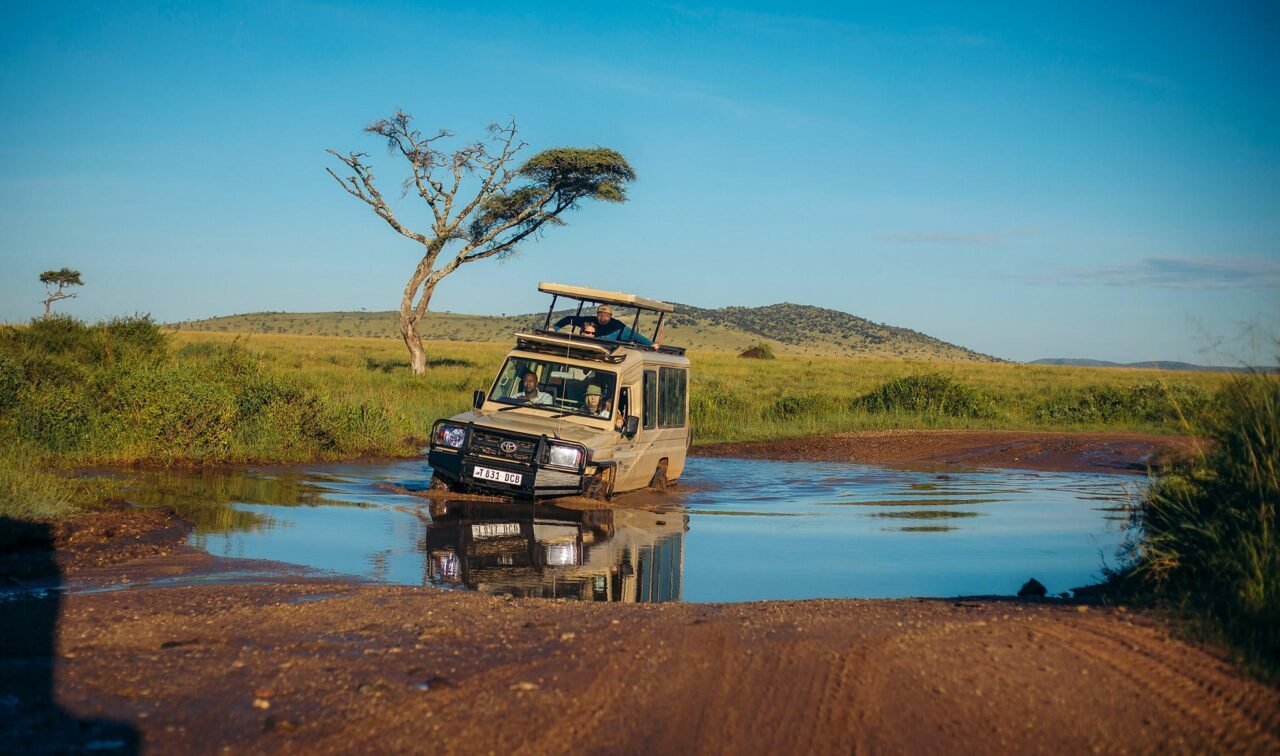
Planning Your Dream Tanzania Safari in 2026-2027
Tanzania is a name synonymous with the ultimate African safari. Its vast, diverse landscapes are home to an astonishing array of wildlife, from the thundering herds of the Great Migration to the elusive big cats and unique birdlife. For travelers planning their adventure in 2026 or 2027, understanding the nuances of a Tanzanian safari is key to crafting an unforgettable experience. This guide aims to demystify the process, covering everything from choosing the right parks and timing your visit to selecting the best safari style and accommodation. We’ll explore what makes Tanzania a premier safari destination and how you can make the most of your journey with expert insights.
The allure of a Tanzanian safari lies not just in the sheer abundance of animals, but also in the raw, untamed beauty of its national parks and conservation areas. Imagine witnessing a lion pride on the hunt across the endless plains of the Serengeti, observing a family of elephants at a waterhole in Tarangire, or descending into the impressive caldera of the Ngorongoro Crater, a natural amphitheater teeming with wildlife. These are the moments that define a Tanzanian safari, and planning them meticulously for 2026-2027 will ensure you capture the essence of this extraordinary country.
Why Tanzania Stands Out for Safaris in 2026-2027
Tanzania consistently ranks among the top safari destinations globally, and for good reason. Its commitment to conservation, combined with its unparalleled biodiversity and iconic landscapes, creates a safari experience that is both thrilling and deeply rewarding. Several factors contribute to its premier status, especially as we look towards planning for 2026 and 2027.
The Great Migration: A Natural Spectacle
Perhaps the most famous wildlife event on Earth, the Great Migration sees over 1.5 million wildebeest, zebras, and gazelles traverse the Serengeti-Mara ecosystem in search of fresh grazing lands. This constant movement, driven by the rains, creates incredible predator-prey interactions and dramatic river crossings that are a photographer’s and wildlife enthusiast’s dream. The exact timing of the migration varies each year, but understanding its general patterns is crucial for planning the best Tanzania safaris. For 2026-2027, booking well in advance is advisable, especially if you wish to witness the migration during peak periods like the river crossings.
Iconic National Parks and Reserves
Tanzania boasts a collection of world-renowned parks, each offering a unique safari experience:
- Serengeti National Park: The heart of the Great Migration, offering vast savannas, acacia woodlands, and incredible densities of predators.
- Ngorongoro Conservation Area: Home to the Ngorongoro Crater, a UNESCO World Heritage Site and a caldera teeming with wildlife, including the rare black rhino.
- Tarangire National Park: Famous for its large elephant herds and ancient baobab trees, especially vibrant during the dry season.
- Lake Manyara National Park: Known for its tree-climbing lions, diverse birdlife, and scenic lake setting.
- Selous Game Reserve (Nyerere National Park): One of Africa’s largest game reserves, offering a more remote and wild experience with boat safaris and walking safaris.
- Ruaha National Park: Tanzania’s largest national park, known for its dramatic landscapes and significant populations of elephants and lions.
Diverse Wildlife Viewing Opportunities
Beyond the migration, Tanzania is home to the “Big Five” (lion, leopard, elephant, rhino, buffalo) and a plethora of other fascinating animals. Whether you’re tracking cheetahs on the open plains, spotting leopards in acacia trees, watching hippos in rivers, or marveling at the diverse birdlife, the opportunities for incredible wildlife sightings are endless. The best Tanzania safaris are those that allow ample time to explore these varied ecosystems.
Commitment to Conservation
Tanzania has a strong track record of conservation, with well-managed national parks and reserves. This commitment ensures that wildlife populations are protected and that the natural habitats are preserved, offering future generations, including those planning for 2026 and 2027, the chance to experience these wild places.
Choosing the Best Time for Your Tanzania Safari in 2026-2027
The ‘best’ time to visit Tanzania depends heavily on what you want to see and experience. Each season offers its own unique charm and wildlife viewing opportunities. Understanding these seasonal shifts is vital for planning the best Tanzania safaris.
The Dry Season (June to October)
This is generally considered the peak safari season. The weather is pleasant, with sunny days and cooler nights. The vegetation is less dense, making wildlife easier to spot. Water sources become scarce, concentrating animals around rivers and waterholes, leading to excellent game viewing. This is also the prime time for witnessing the dramatic river crossings of the Great Migration in the Grumeti and Mara Rivers. For 2026-2027, expect higher prices and more crowds during these months, but unparalleled wildlife action.
The Wet Season (November to May)
This period offers a different kind of beauty. The landscape turns lush and green, and it’s the calving season for wildebeest and zebras, offering fantastic opportunities to see young animals and predator activity. Birdwatching is at its best, with migratory birds present. While game viewing can be more challenging due to thicker vegetation and scattered animals, the fewer crowds and lower prices make it an attractive option for budget-conscious travelers or those seeking a more tranquil experience. The short rains typically occur in November and December, followed by the long rains from March to May, which can sometimes make certain roads impassable.
Specific Migration Viewing in 2026-2027
If witnessing the Great Migration is your priority, consider these approximate timings:
- December to March: The herds are usually in the southern Serengeti, where calving occurs.
- April to May: The herds begin their northward journey, often gathering in the central Serengeti.
- June to October: The herds are typically in the western and northern Serengeti, with river crossings (Grumeti in June/July, Mara in July/August/September) being a highlight.
It’s important to remember that these are general patterns, and the exact movements can shift based on rainfall and grass availability. Consulting with experienced tour operators for the most current predictions for 2026-2027 is highly recommended.
Choosing Your Safari Style: Private vs. Group Tours
The type of safari you choose significantly impacts your experience. Tanzania offers both private and group tour options, each with its advantages.
Private Safaris
A private safari offers the ultimate flexibility and personalization. You have a dedicated vehicle and guide, allowing you to set the pace, choose your desired game drives, and spend as much time as you wish at sightings. This is ideal for photographers, families, or those seeking a more exclusive experience. Private safaris can be tailored to specific interests, such as birdwatching or tracking particular species. For 2026-2027, private tours offer unparalleled control over your adventure.
Group Safaris
Group or shared safaris are a more budget-friendly option. You join a small group of like-minded travelers in a shared safari vehicle. While less flexible than private tours, they still offer excellent wildlife viewing and a chance to share the experience with others. Many reputable operators, including Top Guide Adventures, organize scheduled group departures with fixed itineraries, making them easy to join for solo travelers or couples looking to save costs. Check for 2026-2027 group departure dates early.
Top National Parks for the Best Tanzania Safaris
While the entire country offers incredible wildlife, certain parks are essential for any comprehensive Tanzania safari itinerary. Understanding their unique offerings will help you tailor your trip for 2026-2027.
Serengeti National Park: The Crown Jewel
The Serengeti is vast, covering over 14,750 square kilometers. Its name, derived from the Maasai word ‘Siringet,’ meaning ‘endless plains,’ perfectly describes its landscape. The park is divided into different regions, each offering a distinct experience:
- Central Serengeti (Seronera): Open year-round, known for resident wildlife, including lions, leopards, and cheetahs. It’s a prime location for seeing predators.
- Western Corridor: Famous for the Grumeti River and its resident crocodiles. The migration passes through here around May-July, with dramatic river crossings.
- Northern Serengeti (Kogatende/Lamai): The stage for the Mara River crossings, typically from July to October. This is a highlight for many visitors planning their 2026-2027 safaris.
- Southern Serengeti (Ndutu Area): The calving grounds of the wildebeest, from December to March. A spectacular sight with thousands of newborns and increased predator activity.
A minimum of 3-4 days is recommended to explore different areas of the Serengeti.
Ngorongoro Conservation Area: A Natural Wonder
The Ngorongoro Crater is a UNESCO World Heritage Site and often called the ‘eighth wonder of the world.’ This collapsed volcano caldera is a self-contained ecosystem, boasting an exceptionally high concentration of wildlife, including the critically endangered black rhino. Within its 260 square kilometer floor, you can find lions, elephants, buffalo, hippos, flamingos, and a vast array of birdlife. Due to conservation regulations, game drives within the crater are limited to a few hours, and visitor numbers are managed. For 2026-2027, booking crater access permits in advance is crucial.
The Ngorongoro Conservation Area also includes the wider highlands, offering opportunities to visit Maasai villages and explore areas like Empakai Crater and Olduvai Gorge.
Tarangire National Park: Land of Giants
Known for its large elephant herds, Tarangire is a must-visit, especially during the dry season (June to October). The park’s landscape is dominated by iconic baobab trees, which are a stunning sight. Besides elephants, you can find lions, leopards, cheetahs, giraffes, and a rich variety of birdlife. The Tarangire River is the park’s lifeline during the dry months, attracting animals from surrounding areas. A day trip or an overnight stay here is highly recommended as part of the best Tanzania safaris.
Lake Manyara National Park: A Compact Gem
This relatively small park packs a punch. Famous for its tree-climbing lions, which often rest in the branches of the iconic acacia trees, Lake Manyara offers diverse habitats, including groundwater forests, acacia woodlands, and the lake itself, which attracts large numbers of flamingos and other waterbirds. It’s an excellent introduction to Tanzania’s wildlife and is often included in Northern Circuit itineraries for 2026-2027.
Selous Game Reserve / Nyerere National Park: Wilderness Adventure
For those seeking a more remote and less crowded experience, the southern circuit parks are ideal. Selous, now Nyerere National Park, is one of Africa’s largest game reserves. It offers a different safari style, with boat safaris on the Rufiji River, walking safaris, and fly camping for a truly wild adventure. It’s known for its large populations of elephants, hippos, crocodiles, and wild dogs. Access is typically via light aircraft from Dar es Salaam or a longer overland journey.
Ruaha National Park: Untamed Beauty
Tanzania’s largest national park, Ruaha, is a destination for the more adventurous traveler. Its rugged landscapes, including the Great Ruaha River, are home to a significant percentage of Tanzania’s wildlife, including large prides of lions and a healthy population of wild dogs. It’s a place of raw, untamed beauty, offering a true wilderness experience away from the main tourist trails. Reaching Ruaha usually involves a flight from Dar es Salaam or Arusha.
Designing Your Ideal Tanzania Safari Itinerary for 2026-2027
Crafting the perfect itinerary is crucial for a successful safari. The length of your trip, your interests, and your budget will all influence the route and parks you choose. Here are some popular itinerary structures and considerations for 2026-2027.
Classic Northern Circuit (5-7 Days)
This is the most popular route and offers a fantastic introduction to Tanzania’s highlights:
- Day 1: Arrive in Arusha, transfer to hotel.
- Day 2: Drive to Tarangire National Park for game drives.
- Day 3: Drive to Lake Manyara National Park, then proceed to Karatu (near Ngorongoro).
- Day 4: Full day game drive in the Ngorongoro Crater.
- Day 5: Drive to Serengeti National Park, afternoon game drive.
- Day 6: Full day game drives in the Serengeti.
- Day 7: Morning game drive in Serengeti, drive back to Arusha for departure or onward travel.
This itinerary can be extended to include more time in the Serengeti or additional parks.
Extended Northern Circuit (8-10 Days)
For a more in-depth experience, consider adding more days:
- Add extra days in the Serengeti to explore different regions (e.g., North for migration river crossings, South for calving).
- Include a visit to the Maasai Mara (Kenya) if combining parks, though this requires border crossing logistics.
- Spend more time in Tarangire or add a visit to the Ngorongoro Highlands.
This extended version allows for a more relaxed pace and deeper exploration of the ecosystems. For 2026-2027, booking these longer itineraries well in advance is recommended.
Southern Circuit Safaris (5-7 Days)
Focusing on the less-crowded southern parks:
- Day 1: Arrive in Dar es Salaam, transfer to hotel or take a flight to Selous.
- Day 2-3: Explore Nyerere National Park (Selous) with game drives, boat safaris, and walking safaris.
- Day 4: Fly to Ruaha National Park.
- Day 5-6: Game drives in Ruaha National Park.
- Day 7: Fly back to Dar es Salaam for departure.
This circuit is ideal for those seeking a wilder, more remote safari experience, often involving light aircraft transfers.
Combining Northern and Southern Circuits
For the ultimate Tanzania safari, combining both circuits is possible, but requires more time (10-14 days) and usually involves internal flights to connect the regions efficiently. This provides a comprehensive overview of Tanzania’s diverse wildlife and landscapes.
Accommodation Options on Your Tanzania Safari
Your choice of accommodation significantly influences your safari experience and budget. Tanzania offers a wide range of options to suit different preferences and budgets for 2026-2027.
Luxury Safari Lodges
These offer opulent comfort in stunning wilderness locations. Expect spacious rooms, fine dining, swimming pools, and exceptional service. Many lodges are situated within or on the borders of national parks, offering incredible views and convenience.
Tented Camps (Luxury & Mid-Range)
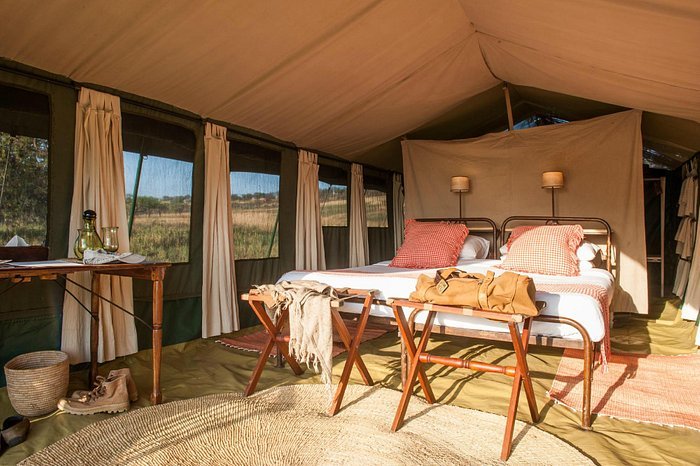
A classic safari experience. Tented camps range from luxurious canvas suites with en-suite bathrooms and private verandas to more comfortable, yet still well-appointed, permanent tents. They offer a closer connection to nature while providing essential comforts.
Budget Camps and Guesthouses
For budget-conscious travelers, basic campsites within national parks or designated areas outside the parks offer a more rustic experience. Public campsites are the most affordable, while some operators offer private campsites. Guesthouses in towns like Arusha or Karatu provide comfortable, no-frills accommodation.
Mobile Camps
These are temporary camps that move with the Great Migration, offering prime locations for witnessing the herds. They provide a unique, albeit often more basic, camping experience right in the heart of the action.
Top Guide Adventures works with a variety of carefully selected lodges and camps to match your desired level of comfort and budget for your 2026-2027 safari.
Wildlife Spotting Tips for the Best Tanzania Safaris
Maximizing your wildlife sightings requires a combination of luck, good timing, and expert guidance. Here are some tips:
- Hire an Expert Guide: Experienced guides are invaluable. They know animal behaviors, preferred habitats, and can spot camouflaged animals that you might otherwise miss.
- Early Morning and Late Afternoon Game Drives: Wildlife is most active during the cooler parts of the day, dawn and dusk.
- Patience is Key: Sometimes, the best sightings come after a period of patient waiting.
- Listen to Your Guide: They are trained to interpret animal sounds and tracks.
- Be Quiet: Loud noises can scare animals away.
- Choose Your Parks Wisely: Different parks excel in different sightings. For example, Ngorongoro for density, Serengeti for migration and predators, Tarangire for elephants.
Photography on Your Tanzania Safari
Tanzania offers unparalleled photographic opportunities. To make the most of it:
- Bring the Right Gear: A telephoto lens (200-400mm or more) is essential for wildlife. A wider lens is useful for landscapes.
- Protect Your Equipment: Dust is a constant factor. Use protective covers and cleaning kits.
- Shoot in RAW: This gives you more flexibility in post-processing.
- Understand Light: The ‘golden hours’ (early morning and late afternoon) offer the best light.
- Respect Wildlife: Never disturb or provoke animals for a photo. Maintain a safe distance.
Budgeting for Your Tanzania Safari in 2026-2027
Safari costs can vary significantly based on several factors. Understanding these will help you budget effectively for your 2026-2027 adventure.
Key Cost Factors:
- Safari Duration: Longer safaris naturally cost more.
- Parks and Concession Fees: These are charged per person per day and vary by park.
- Accommodation Style: Luxury lodges are significantly more expensive than mid-range camps or budget campsites.
- Vehicle Type: Private 4×4 safari vehicles are standard for comfort and performance.
- Number of Travelers: Private safaris are more cost-effective per person when shared among more people.
- Time of Year: Peak season (dry season) is more expensive than the low season (wet season).
- Inclusions: Meals, drinks, park fees, guide services, and internal flights all contribute to the total cost.
Typical Cost Ranges (Per Person Per Day):
- Budget: $200 – $350 (camping, basic lodges, shared transport).
- Mid-Range: $350 – $600 (comfortable tented camps, good lodges, private vehicle).
- Luxury: $600 – $1,200+ (high-end lodges and camps, exclusive services, internal flights).
These are approximate figures for 2026-2027 and can fluctuate. It’s best to get a personalized quote.
Important Note: Park fees and government taxes are subject to change. Always confirm the latest rates for your 2026-2027 safari dates.
Booking Your Tanzania Safari: Tips for 2026-2027
Booking your dream safari requires careful consideration. Here’s how to approach it for your 2026-2027 trip:
Choose a Reputable Tour Operator
Selecting a trusted tour operator is paramount. Look for companies with:
- Extensive experience in Tanzania.
- Positive reviews and testimonials (e.g., on TripAdvisor).
- Clear communication and responsiveness.
- Knowledgeable and professional guides.
- Commitment to sustainable tourism practices.
Top Guide Adventures prides itself on offering personalized service, expert guides, and unforgettable safari experiences. We have been organizing trips to Tanzania for years and are dedicated to ensuring your 2026-2027 safari is exceptional.
When to Book
For popular times like the Great Migration season or peak dry season (June-October), it’s advisable to book your 2026-2027 safari at least 6-12 months in advance, especially for specific lodges or group departures.
What to Ask Potential Operators
- What is included in the price? (Park fees, meals, drinks, guide, vehicle, accommodation, internal flights?)
- What is the cancellation policy?
- What are the payment terms?
- Can you customize an itinerary based on my interests?
- What are the qualifications of your guides?
- What safety measures are in place?
Health and Safety on Safari
Your well-being is a priority. Standard precautions for travel in Tanzania include:
- Consult Your Doctor: Discuss necessary vaccinations (e.g., Yellow Fever, Hepatitis A, Typhoid) and malaria prophylaxis well in advance of your 2026-2027 trip.
- Travel Insurance: Comprehensive travel insurance is essential, covering medical emergencies, evacuation, and trip cancellations.
- Stay Hydrated: Drink plenty of bottled water.
- Sun Protection: Use sunscreen, hats, and sunglasses.
- Follow Guide’s Instructions: Always adhere to your guide’s safety advice regarding wildlife encounters and park rules.
Packing Essentials for Your Tanzania Safari
Packing smart will enhance your comfort and enjoyment:
- Clothing: Lightweight, neutral-colored clothing (khaki, beige, green). Avoid bright colors and dark blue/black, which can attract insects. Include long-sleeved shirts and trousers for sun and insect protection. A warm fleece or jacket for cool mornings and evenings.
- Footwear: Comfortable walking shoes or hiking boots, plus sandals or trainers for relaxing.
- Sun Protection: Wide-brimmed hat, sunglasses, high SPF sunscreen.
- Insect Repellent: With DEET or Picaridin.
- Camera Gear: Camera, extra batteries, memory cards, zoom lens, dust protection.
- Binoculars: Essential for spotting distant wildlife.
- First-Aid Kit: Personal medications, basic first-aid supplies.
- Adapter and Power Bank: For charging electronics.
- Documents: Passport, visa, vaccination certificates, insurance details.
Sustainable Tourism Practices
Responsible tourism is crucial for preserving Tanzania’s natural beauty and supporting local communities. When planning your 2026-2027 safari, consider:
- Choosing operators committed to eco-friendly practices.
- Respecting wildlife by maintaining distance and not feeding animals.
- Minimizing waste and avoiding single-use plastics.
- Supporting local communities by purchasing handicrafts and engaging respectfully with local cultures.
- Staying on designated tracks to prevent habitat damage.
Top Guide Adventures is dedicated to promoting sustainable tourism, ensuring your safari has a positive impact.
The Future of Tanzania Safaris: Trends for 2026-2027
As we look ahead to 2026 and 2027, several trends are shaping the safari landscape in Tanzania:
- Increased Focus on Unique Experiences: Beyond traditional game drives, there’s growing interest in walking safaris, cultural interactions, hot air balloon rides, and conservation-focused tours.
- Sustainable and Eco-Tourism: Travelers are increasingly seeking out operators and accommodations with strong environmental and social responsibility credentials.
- Technology Integration: While maintaining authenticity, some operators are using technology for booking, communication, and even in-vehicle information systems.
- Personalized Itineraries: Tailor-made safaris catering to specific interests (photography, birding, family adventures) are becoming more popular.
- Wellness Safaris: Combining the restorative power of nature with mindfulness and relaxation elements.
These trends indicate a move towards more conscious, personalized, and enriching safari experiences for the coming years.
Conclusion: Your Unforgettable Tanzania Safari Awaits
Tanzania offers an unparalleled safari experience, a journey into the wild heart of Africa that promises adventure, discovery, and memories to last a lifetime. From the iconic plains of the Serengeti to the unique ecosystem of the Ngorongoro Crater, the opportunities for wildlife encounters are simply extraordinary. Whether you dream of witnessing the Great Migration in 2026, seeking out the elusive leopard in 2027, or simply immersing yourself in the impressive landscapes, the best Tanzania safaris are those meticulously planned with your interests and comfort in mind.
At Top Guide Adventures, we are passionate about crafting these bespoke experiences. Our deep knowledge of Tanzania’s parks, wildlife, and culture, combined with our commitment to personalized service and responsible tourism, ensures your safari will be everything you imagined and more. We handle all the details, from arranging expert guides and comfortable accommodation to navigating park logistics, allowing you to focus entirely on the magic unfolding around you.
Ready to plan your adventure for 2026 or 2027? Let us help you create the best Tanzania safari tailored specifically for you. Contact us today to start planning your dream trip:
WhatsApp: +255616946642
Email: topguideadventures@gmail.com
Backup Email: info@topguideadventurestanzania.com
Explore more about our safaris and group departures: Tanzania Safari Tours. See our commitment to quality on TripAdvisor: Top Guide Adventures Reviews.
“,
“faq_schema”: [
{
“question”: “What are the best national parks for a Tanzania safari in 2026-2027?”,
“answer”: “The most highly recommended parks for Tanzania safaris in 2026-2027 include the Serengeti National Park (for the Great Migration and predator sightings), the Ngorongoro Crater (for dense wildlife populations including black rhinos), Tarangire National Park (known for its large elephant herds and baobab trees), and Lake Manyara National Park (famous for tree-climbing lions and birdlife). For a more remote experience, consider Nyerere National Park (Selous) and Ruaha National Park in the southern circuit.”
},
{
“question”: “When is the best time to see the Great Migration in Tanzania in 2026-2027?”,
“answer”: “The Great Migration’s timing varies, but generally, December to March is calving season in the southern Serengeti. April and May see the herds moving north. The dramatic river crossings, particularly of the Mara River, typically occur between July and October in the northern Serengeti. For the best chances in 2026-2027, consult with safari experts for the most up-to-date predictions closer to your travel dates.”
},
{
“question”: “How much does a Tanzania safari cost in 2026-2027?”,
“answer”: “The cost of a Tanzania safari in 2026-2027 varies widely based on duration, accommodation style (budget camping, mid-range lodges, luxury camps), park fees, and whether it’s a private or group tour. Generally, expect daily costs to range from $200-$350 for budget safaris, $350-$600 for mid-range, and $600-$1,200+ for luxury options, per person. It’s best to get a personalized quote from a reputable tour operator like Top Guide Adventures.”
},
{
“question”: “What is the difference between a private and a group safari in Tanzania?”,
“answer”: “A private safari offers exclusive use of a safari vehicle and guide, allowing for maximum flexibility in itinerary and pace. A group safari involves sharing a vehicle and costs with other travelers, making it a more budget-friendly option. Both provide excellent wildlife viewing opportunities, but private tours offer more personalization and control.”
},
{
“question”: “How long should a Tanzania safari be?”,
“answer”: “For the best experience and to cover key highlights like the Serengeti and Ngorongoro Crater, a minimum of 5-7 days is recommended for the Northern Circuit. For a more comprehensive exploration, including different regions of the Serengeti or adding southern parks, 8-14 days is ideal. Longer trips allow for a more relaxed pace and deeper immersion.”
}
]
}
“`
Check Availability for Best Tanzania Safaris 2026-2027
Ready to compare dates, prices, and the best option for your group? Send the package name and travel month so the team can reply with a clear quote, availability, and what is included.



