
The best sightseeing safaris in Tanzania focus on iconic national parks and conservation areas, offering unparalleled opportunities to witness diverse wildlife and dramatic landscapes. Key destinations include the Serengeti for the Great Migration, the Ngorongoro Crater for its dense animal population, Tarangire for its elephants and baobab trees, and Lake Manyara for tree-climbing lions and birdlife. These safaris are best experienced during the dry seasons (June to October and December to February) for optimal wildlife viewing, with itineraries typically ranging from 3 to 10 days, providing a comprehensive look at Tanzania’s natural wonders for 2026-2027 travel.
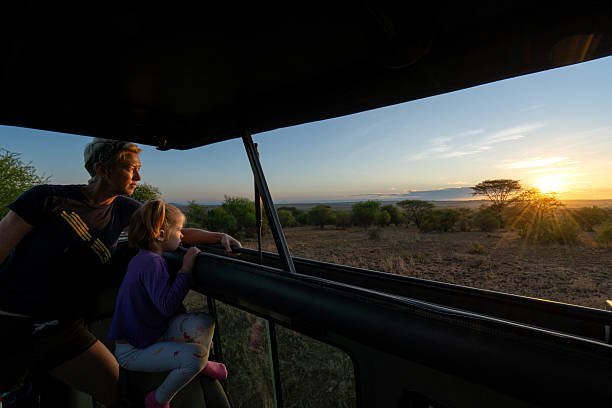

Why Tanzania Tops the List for Sightseeing Safaris
Tanzania stands as a premier destination for sightseeing safaris, a reputation built on its vast, protected wilderness areas teeming with iconic African wildlife. From the endless plains of the Serengeti to the unique caldera of the Ngorongoro Crater, the country offers a spectacle of nature that few places on Earth can match. Planning a safari here means preparing for an adventure that is as educational as it is visually stunning, a true immersion into the wild heart of Africa.
For travelers in 2026 and 2027 seeking the ultimate wildlife encounters and impressive scenery, Tanzania presents a compelling case. Its parks are not just backdrops; they are dynamic ecosystems where the circle of life unfolds daily. The sheer density and diversity of animals, combined with the dramatic landscapes – from volcanic craters to acacia-dotted savannas – make every moment an opportunity for incredible sightseeing.
Top Guide Adventures specializes in crafting these experiences, ensuring that your safari is not just a trip, but a profound connection with the natural world. We understand that a successful sightseeing safari is about more than just ticking off animals; it’s about understanding their behavior, appreciating the environment, and creating memories that last a lifetime. Our expertise in Northern Tanzania, encompassing the famous Northern Circuit, ensures you get the most out of your safari adventure.
### Understanding the Appeal: Beyond Just Wildlife Spotting
Sightseeing safaris in Tanzania are curated to provide a holistic experience. While spotting the “Big Five” (lion, leopard, elephant, rhino, and buffalo) is a significant draw, the true magic lies in observing the intricate web of life. This includes witnessing the Great Migration in the Serengeti, watching predators stalk their prey, observing the social dynamics of elephant herds, or marveling at the sheer variety of bird species.
What sets Tanzania apart is the scale of its conservation efforts and the accessibility of its wildlife. The parks are managed to allow for excellent game viewing while prioritizing the preservation of these natural treasures. This careful balance ensures that future generations, including those planning trips in 2026-2027, can experience the same awe-inspiring sights.
### The Role of Top Guide Adventures in Your Sightseeing Safari
As a trusted tour operator in Tanzania, Top Guide Adventures is dedicated to providing personalized and comprehensive safari experiences. We handle all the logistics, from comfortable accommodation and reliable transportation to experienced guides who bring the wilderness to life. Our deep knowledge of the parks, optimal viewing times, and animal behavior allows us to tailor itineraries that maximize your sightseeing opportunities. Whether you’re interested in photography, birdwatching, or simply soaking in the grandeur of the African savanna, we design safaris that meet your specific interests.
## The Crown Jewels: Top Destinations for Tanzania Sightseeing Safaris
When planning a sightseeing safari in Tanzania, certain destinations consistently deliver unparalleled wildlife and scenic experiences. These parks and reserves form the backbone of the renowned Northern Circuit and are essential for any comprehensive safari itinerary.
### Serengeti National Park: The Endless Plains and the Great Migration
No discussion of Tanzanian safaris is complete without mentioning the Serengeti. Its name, derived from the Maasai word “Siringet” meaning “endless plains,” perfectly captures the vast, sweeping grasslands that dominate its landscape. This iconic park is globally famous for the Great Migration, a spectacular natural phenomenon where over 1.5 million wildebeest, zebras, and gazelles traverse the plains in search of fresh grazing land, pursued by a host of predators.
#### Witnessing the Great Migration: A Sightseeing Spectacle
The timing of your visit to the Serengeti is crucial for witnessing the migration. While herds are present year-round, their movements follow a predictable pattern:
* December to March: The herds calve in the southern Serengeti and the Ndutu Plains (which straddle the border with Ngorongoro Conservation Area). This is an excellent time for viewing predator-prey interactions as lions, cheetahs, and hyenas capitalize on the vulnerable newborns.
* April to May: The “long rains” typically see the herds moving northwards, often in large, dense columns. This period can be wetter, but the green scenery is stunning, and the fewer tourists make for a more intimate experience.
* June to October: The herds reach the Grumeti River in the western Serengeti and then move towards the Mara River in the north. Crossing these rivers is a dramatic highlight, with crocodiles lying in wait. This is a prime time for dramatic wildlife sightings.
* November: The herds begin their return journey south, often accompanied by shorter rains.
Beyond the migration, the Serengeti boasts a resident population of wildlife that makes it a prime sightseeing destination year-round. Lions are abundant, leopards are elusive but present, cheetahs are often seen on the open plains, and elephants, giraffes, and a variety of antelopes are common. The sheer scale of the park means that even with other visitors, you can often find moments of solitude and incredible photographic opportunities.
#### Beyond the Migration: Serengeti’s Diverse Habitats
The Serengeti is not just about the migration. Its varied landscapes include acacia woodlands, riverine forests, and kopjes (rocky outcrops), each supporting different species. The Moru Kopjes, for instance, are known for black rhinos and resident lion prides. The Seronera Valley in the central Serengeti is a year-round wildlife haven, famous for its large lion populations and resident leopards.
### Ngorongoro Crater: The “Eighth Wonder of the World”
The Ngorongoro Conservation Area (NCA) offers a unique safari experience centered around the Ngorongoro Crater, a UNESCO World Heritage Site. This massive volcanic caldera, 19 kilometers (12 miles) wide, is home to an astonishingly high concentration of wildlife. Its natural enclosure means that animals rarely leave, resulting in remarkable game viewing opportunities within a relatively compact area.
#### A Microcosm of African Wildlife
The crater floor is a diverse ecosystem, featuring grasslands, swamps, forests, and a soda lake. This variety supports an incredible density of animals, including the Big Five. The Ngorongoro Crater is one of the best places in Tanzania to see black rhinos, which are notoriously difficult to spot elsewhere. Lions, buffalo, elephants, and hippos are also common. The soda lake is a haven for flamingos and other water birds.
#### Practicalities of a Ngorongoro Crater Safari
Game drives within the crater are strictly regulated to protect the environment and wildlife. Visitors are typically limited to a few hours on the crater floor, and only a certain number of vehicles are allowed at any given time. This ensures a more controlled and less crowded experience, enhancing the sightseeing value.
Top Guide Adventures ensures that your visit to the Ngorongoro Crater is optimally planned, often incorporating it into a Northern Circuit itinerary. We manage the necessary permits and park fees, allowing you to focus on the impressive scenery and abundant wildlife.
### Tarangire National Park: Land of Giants and Baobabs
Tarangire National Park is a gem often visited en route to the Serengeti or as a standalone destination. It’s particularly famous for its large elephant herds, especially during the dry season (July to October), when they congregate around the Tarangire River, the park’s only permanent water source. The park is also characterized by its vast baobab trees, which create a unique and majestic landscape.
#### Elephant Encounters and Baobab Scenery
Tarangire offers some of the most impressive elephant sightings in Tanzania. Herds of up to 300 elephants can be seen, often interacting, playing, and bathing in the river. Beyond elephants, the park is home to lions (sometimes seen in trees), leopards, giraffes, zebras, wildebeest, and a rich diversity of birdlife, including raptors and colorful rollers.
#### The Dry Season Spectacle
The dry season transforms Tarangire into a wildlife magnet. As other water sources dry up, animals are drawn to the Tarangire River, leading to concentrated game viewing. The landscape, dotted with ancient baobab trees, provides a stunning backdrop for these wildlife encounters, making it a top-tier sightseeing location.
### Lake Manyara National Park: Diverse Ecosystems in a Small Package
Despite its small size, Lake Manyara National Park packs a punch in terms of diverse habitats and wildlife viewing opportunities. The park is dominated by the shallow alkaline lake, which attracts a variety of birdlife, including thousands of flamingos, pelicans, and storks. The surrounding woodlands and grasslands are home to a good population of animals.
#### Famous for Tree-Climbing Lions
Lake Manyara is perhaps most famous for its population of tree-climbing lions. While not unique to this park, they are more frequently observed here than in other Tanzanian parks. The exact reason for their arboreal habit is debated, but the dense forest canopy provides shade and a vantage point.
#### Other Wildlife and Habitats
Besides lions, the park hosts large herds of baboons, wildebeest, zebras, giraffes, elephants, and hippos (visible in the hot springs). Birdwatchers will be delighted by the more than 400 species recorded in the park. The park’s compact nature makes it ideal for shorter safaris or as a day trip from Arusha or Karatu.
## Planning Your Best Sightseeing Safari in Tanzania for 2026-2027
Organizing a successful sightseeing safari involves careful planning, considering factors like the best time to visit, accommodation options, safari duration, and transportation. Top Guide Adventures simplifies this process, offering expert guidance tailored to your preferences and budget for trips in 2026 and 2027.
### Best Time to Visit for Sightseeing Safaris
Tanzania offers great safari experiences year-round, but certain periods are considered optimal for specific sightings:
* **Dry Season (June to October):** This is the most popular time for safaris. Wildlife is concentrated around permanent water sources, making game viewing easier. Skies are generally clear, offering excellent photographic conditions. The Great Migration river crossings often occur in the northern Serengeti during July and August. This is peak season, so booking well in advance for 2026-2027 is recommended.
* **Short Rains (November):** A transitional period. The landscape turns greener, and the migration begins its southern movement. Fewer crowds and potentially lower prices can make this an attractive option.
* **Long Rains (March to May):** The “green season” offers lush scenery and abundant newborn wildlife, particularly in February and March when the wildebeest calve in the southern Serengeti. Birdwatching is exceptional. However, roads can be challenging, and some lodges may close. This is the low season, offering the best value.
For the best all-around sightseeing, especially to witness the Great Migration in its dramatic phases, the dry season (June-October) and the calving season (January-February) are generally preferred. However, Top Guide Adventures can help you plan a fantastic safari regardless of the season, focusing on your specific interests.
### Safari Durations: Finding the Right Balance
The length of your safari directly impacts how much you can see and experience. Common durations for Northern Circuit sightseeing safaris include:
* **3-4 Days:** Typically covers Lake Manyara and the Ngorongoro Crater, offering a taste of Tanzania’s wildlife diversity.
* **5-7 Days:** Allows for a more in-depth exploration of the Ngorongoro Crater and the central or southern Serengeti, providing a good chance to see the migration (depending on the season).
* **8-10 Days (or longer):** Ideal for experiencing the full Northern Circuit, including Lake Manyara, Tarangire, Ngorongoro, and extensive exploration of the Serengeti, potentially following the Great Migration’s movements. This allows for a deeper appreciation of the ecosystems and more opportunities for diverse sightings.
Top Guide Adventures crafts tailor-made itineraries. A 7-day safari in 2026, for example, could include:
* Day 1: Arrival in Arusha, transfer to hotel.
* Day 2: Drive to Tarangire National Park for game drive.
* Day 3: Drive to Ngorongoro Conservation Area, descend into the crater for game drive.
* Day 4: Drive to Serengeti National Park, game drive en route.
* Day 5-6: Full days exploring Serengeti National Park.
* Day 7: Morning game drive in Serengeti, drive back to Arusha.
### Accommodation Styles: From Budget to Luxury
Your choice of accommodation significantly influences the safari experience and cost. Top Guide Adventures offers a range of options to suit different budgets and preferences:
* **Budget/Tented Camps:** Basic but comfortable canvas tents, often with shared facilities or en-suite bathrooms. These offer a rustic, close-to-nature feel.
* **Mid-Range Lodges/Tented Camps:** More amenities, private bathrooms, comfortable furnishings, and often swimming pools and dining areas.
* **Luxury Lodges/Tented Camps:** High-end facilities, gourmet dining, exceptional service, prime locations, and often exclusive experiences like private guides or bush dinners.
* **Mobile Camps:** Used primarily to follow the Great Migration, these camps offer a unique opportunity to be right in the middle of the action, moving with the herds.
For 2026-2027 bookings, consider that luxury and mid-range accommodations in prime locations, especially during peak season, get booked up to a year in advance. Top Guide Adventures assists in securing the best available options.
### Transportation: 4×4 Safari Vehicles
All reputable safaris in Tanzania utilize specially adapted 4×4 safari vehicles, typically Land Cruisers or Land Rovers. These vehicles are essential for navigating the varied terrain of the national parks and offer:
* **Pop-up Roofs:** Essential for unobstructed 360-degree views and photography.
* **Comfortable Seating:** Designed for long hours of driving.
* **Reliability:** Built to withstand the rigors of off-road travel.
Top Guide Adventures ensures your vehicle is well-maintained and driven by an experienced, knowledgeable guide.
## Crafting Your Perfect Itinerary: Key Considerations for Sightseeing
Designing a safari itinerary that maximizes sightseeing potential requires understanding the interplay of geography, wildlife behavior, and your personal interests. Top Guide Adventures excels at creating bespoke journeys.
### Tailoring to Interests: Photography, Birdwatching, and More
* **Photographic Safaris:** For photographers, itineraries can be structured to maximize golden hour game drives (early morning and late afternoon) when the light is softest and animals are often most active. Locations known for dramatic landscapes or specific photographic subjects (like the baobabs of Tarangire or the Big Cats of the Serengeti) can be emphasized. We can arrange for specialized vehicles or guides if needed for 2026-2027 trips.
* **Birdwatching Safaris:** Tanzania is a birdwatcher’s paradise. Parks like Lake Manyara, Tarangire, and the Ngorongoro Crater are rich in avian diversity. Itineraries can include more time in specific habitats known for particular species, and guides can focus on identifying different bird calls and species.
* **Cultural Experiences:** While primarily focused on sightseeing, many safaris can incorporate visits to Maasai villages or local communities. This offers a glimpse into the traditional lifestyles of the people who share these lands with the wildlife, adding another layer to your sightseeing adventure.
### The Pace of Your Safari
Some travelers prefer a fast-paced safari, covering as much ground as possible, while others enjoy a more relaxed approach, spending more time in fewer locations to truly appreciate the environment and wildlife. Top Guide Adventures designs safaris to match your preferred pace. A longer safari (8+ days) naturally allows for a more relaxed pace, with fewer travel days between parks and more time for spontaneous wildlife encounters.
### Combining Northern and Southern Circuits
While the Northern Circuit is the most popular for sightseeing safaris, Tanzania also boasts incredible wildlife in the Southern Circuit (e.g., Ruaha National Park, Selous Game Reserve). For the truly adventurous, combining elements of both circuits can offer a more diverse experience, though it requires more travel time and a longer duration. This is an option for those planning extended trips in 2026 or 2027.
## Expert Tips for Maximizing Your Sightseeing Safari Experience
To ensure your Tanzania safari is as rewarding as possible, consider these expert tips from Top Guide Adventures:
### Packing Essentials for Sightseeing
* **Clothing:** Neutral-colored, lightweight clothing (khaki, beige, green). Layers are important as mornings and evenings can be cool. Include a fleece or warm jacket.
* **Footwear:** Comfortable walking shoes or hiking boots (if any walking is planned outside the vehicle) and comfortable shoes for around camp.
* **Sun Protection:** Wide-brimmed hat, sunglasses, and high-SPF sunscreen are crucial.
* **Insect Repellent:** Especially important for evenings and near water sources.
* **Camera and Binoculars:** High-quality binoculars are essential for wildlife spotting. Bring extra batteries and memory cards for your camera.
* **First-Aid Kit:** Include personal medications, antiseptic wipes, pain relievers, and motion sickness medication if needed.
* **Headlamp or Flashlight:** Useful for navigating camps at night.
* **Reusable Water Bottle:** To stay hydrated and reduce plastic waste.
### Respecting Wildlife and the Environment
* **Maintain a Safe Distance:** Never approach or feed wild animals. Follow your guide’s instructions regarding distance.
* **Stay Inside the Vehicle:** Unless in designated areas, remain inside the safari vehicle during game drives.
* **Minimize Noise:** Loud noises can disturb wildlife and other visitors.
* **Leave No Trace:** Do not litter. Take all your rubbish with you.
* **Support Local Communities:** Be respectful when visiting villages and consider purchasing locally made crafts.
### Working with Your Guide
Your safari guide is your most valuable resource. Communicate your interests clearly, ask questions, and trust their expertise. They understand animal behavior, optimal viewing spots, and the best times to see specific wildlife. A good guide can transform a good safari into an exceptional one.
### Booking Your Safari: Planning Ahead for 2026-2027
Given the popularity of Tanzania’s national parks, especially for iconic events like the Great Migration, booking your safari well in advance is highly recommended, particularly for travel in 2026 and 2027. Peak season dates (June-October) and popular accommodations fill up quickly.
Top Guide Adventures advises booking at least 6-12 months in advance for peak season travel. Early booking ensures availability of your preferred lodges, vehicles, and safari dates. We can guide you through the entire booking process, from initial inquiry to final arrangements.
## Understanding Safari Costs for 2026-2027
Safari costs can vary significantly based on several factors. Top Guide Adventures provides transparent pricing and works with clients to create packages that fit their budget while delivering exceptional value.
### Key Cost Determinants:
* **Duration:** Longer safaris naturally incur higher costs.
* **Accommodation Level:** Luxury lodges are considerably more expensive than budget tented camps.
* **Number of Parks Visited:** More parks mean more park entry fees and travel time.
* **Vehicle Type and Exclusivity:** Private vehicles and guides are more expensive than shared options.
* **Season:** Peak season (dry season) is generally more expensive than the low season (long rains).
* **Number of Travelers:** Per-person costs can decrease with more people in a group, especially for shared departures.
### Typical Cost Ranges (Per Person Per Day, estimates for 2026-2027):
* **Budget Safari:** Approximately $200 – $300 USD per person per day. This typically includes basic tented accommodation, park fees, a shared safari vehicle, and a guide.
* **Mid-Range Safari:** Approximately $350 – $500 USD per person per day. This level offers comfortable lodges or mid-range tented camps, private vehicles, and often more inclusions.
* **Luxury Safari:** Approximately $600 – $1000+ USD per person per day. This includes high-end lodges, exclusive services, private guides, and premium inclusions.
These figures are estimates and exclude international flights, visas, travel insurance, tips, and personal expenses. Top Guide Adventures provides detailed quotes tailored to your specific itinerary and preferences. We recommend reaching out for a personalized quote for your 2026-2027 safari plans.
### Inclusions and Exclusions:
Most safari packages from reputable operators like Top Guide Adventures typically include:
* Park entrance fees
* Crater service fees (for Ngorongoro)
* Accommodation as per itinerary
* All meals during the safari (breakfast, lunch, dinner)
* A 4×4 safari vehicle with a professional driver/guide
* Bottled water during game drives
* Airport transfers
Exclusions usually are:
* International flights
* Visa fees
* Travel insurance
* Tips for guide and camp staff
* Alcoholic and non-alcoholic beverages (unless specified)
* Personal expenses (souvenirs, laundry)
## Why Choose Top Guide Adventures for Your Sightseeing Safari?
Top Guide Adventures is committed to providing exceptional sightseeing safaris in Tanzania. Our dedication to personalized service, expert knowledge, and ethical tourism practices makes us the ideal partner for your African adventure.
### Our Commitment to You:
* **Personalized Service:** We listen to your needs and craft itineraries that perfectly match your interests, budget, and travel style. Every safari is tailor-made.
* **Expert Guides:** Our guides are highly experienced, knowledgeable about wildlife, local culture, and passionate about sharing Tanzania’s wonders.
* **Quality Vehicles and Accommodation:** We partner with reliable vehicle providers and select accommodations that offer comfort, safety, and a true sense of place.
* **Responsible Tourism:** We are committed to sustainable practices that benefit local communities and conserve the environment.
* **Support:** From your initial inquiry to your departure, our team provides dedicated support, ensuring a smooth and stress-free experience.
### Planning Your 2026-2027 Safari with Us:
Starting your safari planning early for 2026 or 2027 is wise. Contact Top Guide Adventures today to discuss your dream sightseeing safari. We can provide detailed itineraries, answer all your questions, and help you secure the best arrangements.
Reach out via:
* **WhatsApp:** +255616946642
* **Email:** topguideadventures@gmail.com
* **Backup Email:** info@topguideadventurestanzania.com
Let us help you plan an unforgettable sightseeing safari adventure in Tanzania, creating memories that will last a lifetime. Explore our range of safaris at shared tour departures or inquire about a custom-tailored journey.
Check Availability for Best Sightseeing Safaris Guide
Ready to compare dates, prices, and the best option for your group? Send the package name and travel month so the team can reply with a clear quote, availability, and what is included.



