
The best safaris in Tanzania for 2026-2027 typically involve exploring the iconic Northern Circuit, encompassing the Serengeti National Park and the Ngorongoro Crater, renowned for unparalleled wildlife density and the Great Migration. Other top contenders include safaris focused on the Selous Game Reserve (Nyerere National Park) and Ruaha National Park in the south for a more remote experience, or specialized birding and walking safaris. Your ideal safari will depend on your interests, budget, and desired pace, with options ranging from classic game drives to walking safaris and fly-in adventures.
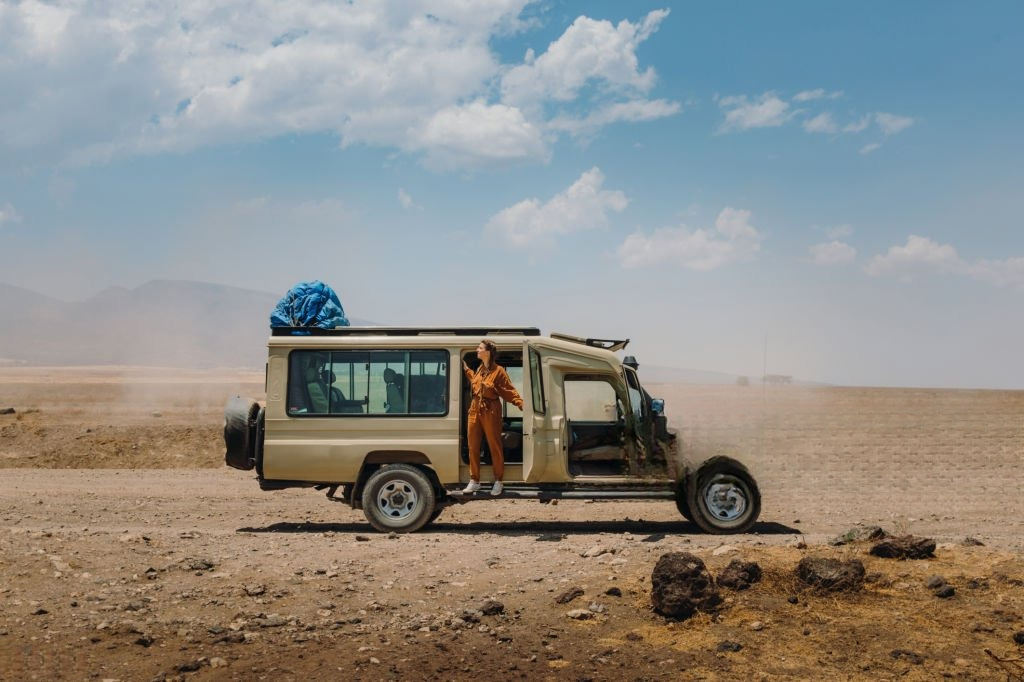
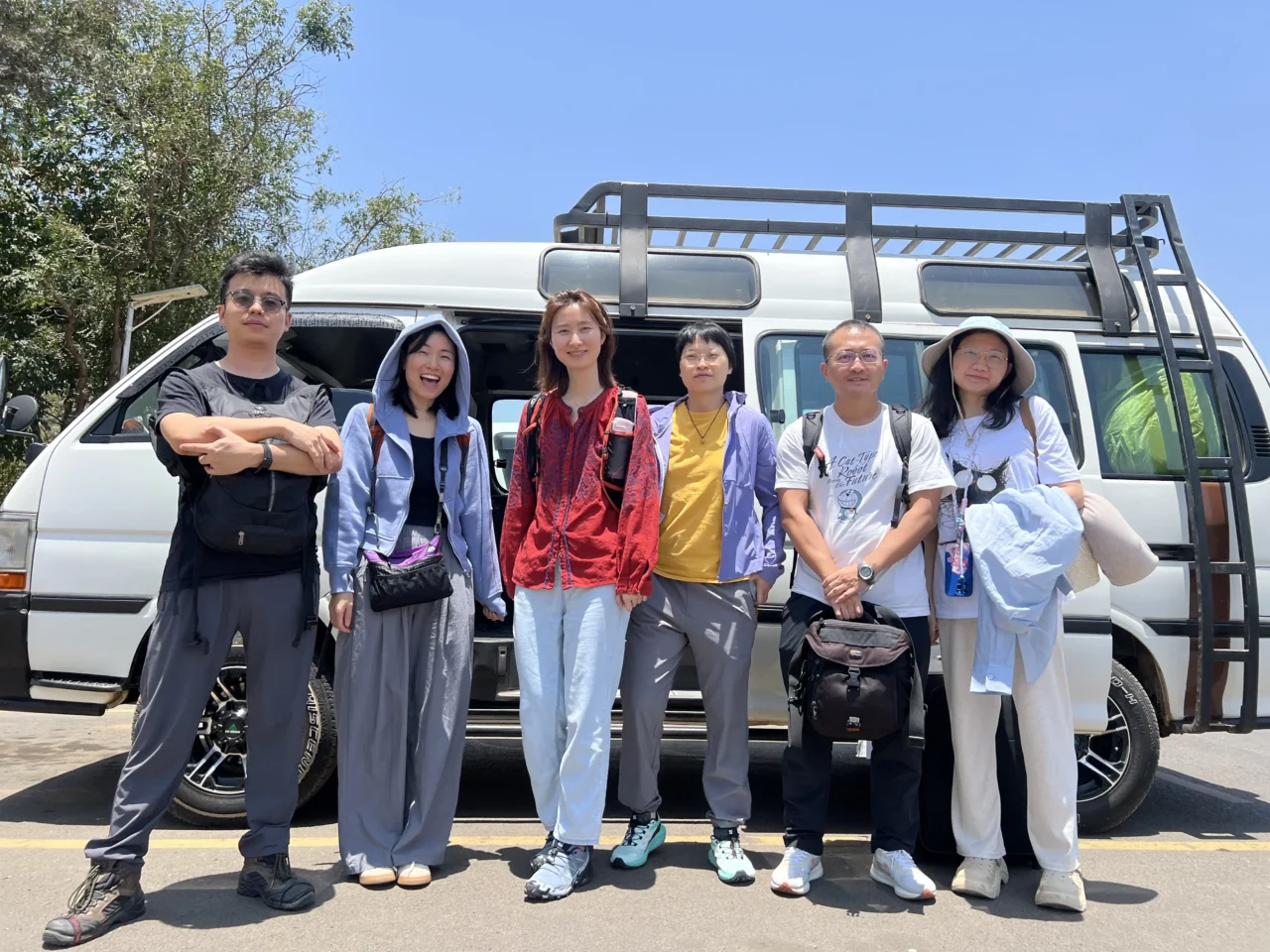
Unveiling the Pinnacle of African Wildlife: Why Tanzania Tops Safari Lists
Tanzania stands as a titan in the world of wildlife tourism, a vast and varied land that promises encounters with nature in its most raw and spectacular forms. For those seeking the ultimate African safari experience, Tanzania offers a collection of world-renowned national parks and conservation areas, each with its unique charm and wildlife spectacles. From the endless plains of the Serengeti, teeming with the Great Migration, to the geological wonder of the Ngorongoro Crater, a caldera teeming with predators, and the vast, untamed wilderness of Ruaha and Selous, Tanzania delivers unforgettable adventures. Planning a safari for 2026 or 2027 means tapping into decades of conservation success and expert guiding knowledge to witness the continent’s most iconic species in their natural habitat. This guide is designed to help you navigate the choices, understand the unique offerings of each region, and craft the perfect Tanzanian safari itinerary tailored to your dreams.
The Northern Circuit: Tanzania’s Crown Jewels for Unforgettable Safaris
The Northern Circuit is the undisputed heartland of Tanzanian safaris, drawing visitors from across the globe. This region boasts an unparalleled concentration of iconic wildlife destinations, offering diverse landscapes and consistently spectacular game viewing. For many, it represents the quintessential African safari experience, and its popularity is well-deserved. Planning a trip for 2026 or 2027 to this circuit means positioning yourself for some of the most reliable and diverse wildlife encounters available anywhere on Earth.
Serengeti National Park: Where the Great Migration Defines the Landscape
No discussion of the best safaris in Tanzania is complete without a deep look at the Serengeti. Its name, derived from the Maasai word ‘Siringet’ meaning ‘endless plains,’ perfectly captures the vastness of this iconic national park. Spanning over 14,750 square kilometers, the Serengeti is home to an astonishing array of wildlife, but it is most famous for hosting the Great Migration.
The Great Migration is one of the planet’s most phenomenal natural spectacles. Each year, over 1.5 million wildebeest, along with hundreds of thousands of zebras and gazelles, undertake a perilous journey in search of greener pastures. This circular migration is dictated by the rains, moving clockwise through the Serengeti’s vast ecosystem. From roughly January to March, the southern Serengeti plains are the calving grounds, a time of high drama as new life emerges amidst predator-rich environments. As the dry season approaches, typically from June to October, the herds move north and west, famously crossing the Mara River in dramatic, predator-attended events. Witnessing these river crossings is a bucket-list item for many safari-goers, offering raw, untamed action.
Beyond the migration, the Serengeti offers exceptional resident game viewing year-round. Its diverse habitats – from open grasslands and acacia woodlands to riverine forests – support a thriving population of predators, including lions, leopards, cheetahs, hyenas, and wild dogs. The park is also home to elephants, giraffes, buffaloes, hippos, crocodiles, and an incredible diversity of birdlife. For 2026-2027 safaris, choosing the right time and location within the Serengeti is crucial for maximizing your chances of witnessing specific events, like the river crossings or the calving season.
Key Serengeti Experiences and Planning for 2026-2027:
- Calving Season (Jan-Mar): Ideal for witnessing predator action and newborn animals on the southern plains (Ndutu area, which technically falls under the Ngorongoro Conservation Area but is part of the Serengeti ecosystem). This is a prime time for photographers and those interested in the circle of life.
- River Crossings (Jun-Oct): The northern Serengeti, particularly areas near the Mara River, is the place to be. This is peak season and requires booking well in advance for 2026 and 2027.
- General Game Viewing (Year-round): Central Serengeti (Seronera Valley) offers excellent game viewing throughout the year, with resident big cats and diverse wildlife.
- Hot Air Balloon Safaris: A magical way to view the Serengeti’s expanse and wildlife from above, offering a unique perspective, especially at sunrise. This is a highly recommended add-on for any Serengeti safari.
Ngorongoro Crater: A Natural Amphitheatre of Wildlife Abundance
Often referred to as the ‘Eighth Wonder of the World,’ the Ngorongoro Crater is a UNESCO World Heritage Site and a jewel of Tanzania’s Northern Circuit. This vast volcanic caldera, spanning approximately 260 square kilometers, is a self-contained ecosystem supporting an extraordinary density of wildlife, including the ‘Big Five’ (lion, leopard, elephant, rhino, buffalo). The crater floor is a unique environment, with grasslands, swamps, a soda lake, and pockets of forest, creating diverse habitats that attract a wide range of species.
What makes the Ngorongoro Crater exceptionally special is the high concentration and visibility of its predators. The crater’s relatively small size and rich resources mean animals tend to stay within its confines, making for incredibly rewarding game drives. It is one of the few places in Africa where you have a very high chance of spotting the endangered black rhinoceros, which thrives within the safety of the crater walls. The crater floor also boasts large prides of lions, resident leopards, cheetahs, hyenas, jackals, and an abundance of herbivores like wildebeest, zebras, buffaloes, gazelles, and hippos. The soda lake is a magnet for flamingos and other water birds.
Access to the crater floor is strictly controlled to preserve its delicate environment. Visitors typically spend a half-day to a full day on the crater floor, descending from the rim lodges or camps. For 2026-2027 bookings, it’s important to understand that visitor numbers are managed, and permits are required. Staying overnight on the crater rim offers stunning views and convenient early access, often allowing you to enter the crater before many day-trippers.
Planning Your Ngorongoro Crater Experience for 2026-2027:
- Best Time to Visit: While wildlife is present year-round, the dry season (June to October) often provides the clearest game viewing as animals congregate around water sources. However, it’s also the peak tourist season. Shoulder seasons can offer a great balance.
- Accommodation: Options range from luxurious lodges on the crater rim to more budget-friendly options in nearby Karatu town. For an exclusive experience, consider staying within the Ngorongoro Conservation Area.
- Duration: A half-day game drive on the crater floor is standard, but many combine it with a full day or visit nearby areas like Olduvai Gorge.
- Conservation Fees: Be aware that conservation fees for the Ngorongoro Conservation Area are significant and are separate from park fees.
Other Northern Circuit Gems: Tarangire and Lake Manyara
While Serengeti and Ngorongoro often steal the spotlight, the Northern Circuit is further enhanced by the inclusion of Tarangire National Park and Lake Manyara National Park, offering distinct safari experiences that complement the larger parks.
Tarangire National Park: The Land of Giants and Baobabs
Tarangire is celebrated for its large elephant herds, ancient baobab trees, and diverse birdlife. During the dry season, the Tarangire River becomes a vital water source, attracting massive congregations of elephants – often numbering in the hundreds. This makes it one of the best places in Africa to witness elephant behavior and family dynamics. The park’s landscape is characterized by rolling hills, acacia woodlands, and iconic, massive baobab trees that dot the savanna, creating a truly picturesque setting.
Tarangire also offers excellent opportunities to spot predators like lions, leopards, and cheetahs, as well as giraffes, zebras, wildebeest, and a variety of antelopes. Bird enthusiasts will find Tarangire particularly rewarding, with over 550 recorded species, including various raptors, storks, and the colorful lilac-breasted roller.
Lake Manyara National Park: Tree-Climbing Lions and Flamingo Spectacles
Lake Manyara is a relatively small but incredibly diverse park, famous for its tree-climbing lions – a behavior not commonly seen elsewhere. While sightings are not guaranteed, the chance to spot these elusive cats lounging in the branches of acacia trees adds a unique thrill to a safari here. The park’s shallow, alkaline lake is often fringed by thousands of flamingos, creating a vibrant pink spectacle, especially during certain times of the year.
Beyond the lions and flamingos, Lake Manyara supports a healthy population of elephants, giraffes, zebras, wildebeest, hippos, and numerous bird species. The park’s varied habitats, including groundwater forests, acacia woodlands, and the lake shore, contribute to its rich biodiversity. Many visitors combine a visit to Lake Manyara with Tarangire or Ngorongoro due to its proximity and compact size.
Northern Circuit Itinerary Ideas for 2026-2027
A classic Northern Circuit safari typically lasts between 5 to 8 days. Here are a couple of popular structures:
- 5-Day Northern Circuit: Day 1: Arrive Kilimanjaro Airport (JRO), transfer to Arusha. Day 2: Tarangire National Park. Day 3: Lake Manyara National Park, transfer to Serengeti. Day 4: Full day Serengeti game drive. Day 5: Morning Serengeti game drive, transfer to Arusha/JRO for departure.
- 7-Day Northern Circuit Explorer: Day 1: Arrive JRO, transfer to Arusha. Day 2: Tarangire National Park. Day 3: Lake Manyara National Park. Day 4: Drive to Ngorongoro Conservation Area, descend into the crater for game drive. Day 5: Drive to Serengeti National Park, afternoon game drive. Day 6: Full day Serengeti game drive. Day 7: Morning Serengeti game drive, transfer to Arusha/JRO.
These are flexible and can be customized. For 2026-2027, booking at least 6-12 months in advance is highly recommended, especially for peak migration seasons.
Southern Tanzania Safaris: Wilderness, Space, and Authentic Encounters
For travelers seeking a more off-the-beaten-path experience, Tanzania’s southern circuit offers vast, wild landscapes with fewer crowds and a sense of true wilderness. This region is ideal for those who appreciate solitude, diverse activities, and a more rugged, authentic safari adventure. Planning for 2026-2027 in the south promises a distinct contrast to the popular northern parks.
Nyerere National Park (formerly Selous Game Reserve): Africa’s Largest and Most Diverse
Nyerere National Park, formerly the Selous Game Reserve, is one of the largest wildlife sanctuaries in Africa, covering an immense area of over 50,000 square kilometers. This UNESCO World Heritage Site is renowned for its wild and undeveloped beauty, offering a range of safari activities that are less common in the north.
The park is characterized by the Rufiji River system, a network of channels, lakes, and swamps that create a unique and vital ecosystem. This river is the heart of Nyerere, supporting a rich variety of wildlife. While it hosts healthy populations of elephants, lions, leopards, buffaloes, and hippos, it is particularly famous for its wild dogs, crocodiles, and a staggering number of bird species. The sheer scale of Nyerere means that game viewing can be more spread out, offering a true sense of exploration.
The key differentiator for Nyerere is its emphasis on activities beyond traditional game drives. Boat safaris on the Rufiji River are a highlight, providing intimate views of hippos, crocodiles, elephants coming to drink, and abundant birdlife. Walking safaris are also a signature experience here, allowing visitors to connect with the bush on foot, guided by experienced rangers who teach tracking skills and offer insights into the smaller details of the ecosystem. For 2026-2027, Nyerere offers a more intimate and varied safari experience.
Planning a Nyerere Safari for 2026-2027:
- Best Time to Visit: The dry season (June to October) is generally best for game viewing, as animals concentrate around the Rufiji River. However, the green season (November to May) offers lush landscapes, excellent birding, and fewer visitors, with good game viewing still possible, especially along the river.
- Activities: Combine game drives with boat safaris and walking safaris for a comprehensive experience.
- Accessibility: Nyerere is typically accessed by light aircraft flights from Dar es Salaam or Zanzibar, or by road, though flights offer a more time-efficient and scenic approach.
Ruaha National Park: Tanzania’s Wildest Heart
Ruaha is Tanzania’s largest national park and the third largest in Africa. It is a place of raw, untamed wilderness, dramatic landscapes, and exceptional predator populations, particularly lions and wild dogs. Its remote location means it receives far fewer visitors than the Northern Circuit, offering an authentic and exclusive safari experience.
The park’s landscape is striking, dominated by the Great Ruaha River, rocky hills, acacia scrub, and vast miombo woodlands. Ruaha is renowned for having one of the highest concentrations of elephants in Tanzania, alongside significant populations of lions, cheetahs, leopards, and African wild dogs. The sheer number of lions here is remarkable, with prides sometimes exceeding 20 individuals. The park is also home to the rare greater kudu and the roan antelope.
For 2026-2027, Ruaha appeals to the seasoned safari-goer looking for true wilderness and the chance to encounter wildlife in a pristine, uncrowded environment. Game drives are the primary activity, often exploring vast distances to find elusive predators and large herds of herbivores. The sense of isolation and the sheer scale of the park are its defining features.
Planning Your Ruaha Safari for 2026-2027:
- Best Time to Visit: The dry season (June to October) is prime time for Ruaha, as animals gather around the dwindling water sources, making them easier to spot. The landscape is also drier, offering better visibility.
- Activities: Primarily game drives, with opportunities for guided walks in certain areas.
- Accessibility: Ruaha is most commonly reached by scheduled or charter flights from Dar es Salaam or Arusha. Road access is possible but very long and challenging.
Why Choose Southern Tanzania for Your 2026-2027 Safari?
The southern circuit offers a different pace and feel. If you value:
- Fewer crowds: Experience a more private and intimate safari.
- Diverse activities: Enjoy boat safaris and walking safaris alongside game drives.
- True wilderness: Explore vast, undeveloped landscapes.
- Unique wildlife: Focus on wild dogs, large elephant herds, and diverse birdlife.
This region is perfect for repeat visitors to Africa or those seeking a deeper connection with nature away from the main tourist trails.
Beyond the Big Parks: Other Tanzanian Safari Experiences
Tanzania’s safari offerings extend beyond the famous Northern and Southern Circuits. For those with specific interests or looking for unique encounters, other parks and regions provide exceptional opportunities.
Katavi National Park: The True Wilderness Frontier
Often described as the most wild and authentic park in East Africa, Katavi is a remote and rugged destination for the adventurous traveler. Its vast floodplains, acacia woodlands, and the Katuma River support incredible concentrations of wildlife, especially during the dry season when animals congregate around the few remaining water sources. It’s renowned for its huge herds of buffalo and elephants, large prides of lions, and its famous hippo and crocodile pools, where hundreds of these animals compete for space.
Katavi is not for the faint of heart. It requires a significant commitment in terms of travel time and logistics, typically involving flights from Arusha or Dar es Salaam. However, for those who make the journey, the reward is an unparalleled sense of isolation and the chance to witness wildlife in its most primal state, far from any crowds. For 2026-2027, Katavi remains a destination for the true explorer.
Gombe Stream National Park: Chimpanzee Trekking
For primatologists and primate enthusiasts, Gombe Stream National Park offers a unique chimpanzee trekking experience. Famous for the pioneering research of Jane Goodall, Gombe is a lush, mountainous rainforest along the shores of Lake Tanganyika. Here, you can track wild chimpanzees through the dense forest, observing their complex social structures and behaviors.
While Gombe doesn’t offer the vast plains or large mammal sightings of other parks, its intimate encounters with our closest living relatives are profoundly moving. Trekking can be challenging due to the steep terrain, but the reward of seeing chimps in their natural habitat is immense. This is a specialized safari, best suited for those with a keen interest in primates. For 2026-2027, booking chimpanzee permits and accommodation well in advance is essential.
Mahale Mountains National Park: Chimpanzees and Stunning Lake Views
Similar to Gombe, Mahale Mountains National Park, also on the shores of Lake Tanganyika, is another prime location for chimpanzee trekking. Mahale is considered by many to be even more stunning than Gombe, with its dramatic mountain scenery cascading down to the crystal-clear lake. It is home to a larger population of chimpanzees, and the trekking experience is often described as more in-depth.
In addition to chimpanzees, Mahale hosts other primates, diverse birdlife, and unique flora. The park’s remote location adds to its allure. Access is typically by boat or flight. For travelers looking for an exceptional primate experience combined with impressive natural beauty, Mahale is a top choice for a 2026-2027 safari.
Choosing Your Safari Style: From Classic to Adventurous
The best safaris in Tanzania can be tailored not just by destination, but by the style of experience you desire. The type of safari you choose will significantly impact your accommodation, activities, and overall budget.
Classic Game Drive Safaris
This is the most traditional and popular safari style. It involves exploring national parks and reserves in specially adapted 4×4 safari vehicles (usually Land Cruisers or Land Rovers) with pop-up roofs. Experienced guides drive you along designated tracks, seeking out wildlife. This style is excellent for covering large areas and maximizing sightings of a wide range of animals, including the Big Five.
Inclusions: Usually includes park fees, vehicle hire, guide services, accommodation (lodges or tented camps), and meals. For 2026-2027, this remains the most common and accessible safari option.
Walking Safaris
For a more intimate and engaging connection with the bush, walking safaris are unparalleled. Led by armed rangers or guides, these safaris allow you to explore the smaller details of the ecosystem, learn about tracking, identify plants, and experience the sounds and smells of the wilderness on foot. Walking safaris are often offered in specific areas outside of the main national parks or in designated zones within larger reserves like Nyerere.
Inclusions: Similar to game drives but with a focus on guided walks. Accommodation is typically in bush camps or lodges that facilitate these activities. These offer a unique perspective for 2026-2027 adventurers.
Mobile Camping Safaris
For a more adventurous and budget-friendly experience, mobile camping safaris involve camping in designated campsites within or near national parks. Your camp is set up and managed by a crew, allowing you to experience the wilderness under canvas. This style offers a greater sense of immersion and is often more economical than staying in lodges or permanent tented camps.
Inclusions: Camping equipment, camp crew, meals, guide, and vehicle. This is a great option for 2026-2027 travelers seeking authenticity and value.
Luxury Safaris
Luxury safaris focus on high-end accommodation, exclusive experiences, and impeccable service. This can include staying in lavish lodges or tented camps with private plunge pools, gourmet dining, private guides and vehicles, and exclusive access to certain areas. Fly-in safaris often fall into this category, utilizing light aircraft to transfer between remote lodges, saving time and offering spectacular aerial views.
Inclusions: All-encompassing, from premium accommodation and fine dining to private excursions and smooth transfers. For 2026-2027, luxury options continue to evolve with more exclusive and personalized offerings.
Family Safaris
Tanzania is a fantastic destination for family safaris, offering educational and exciting experiences for all ages. Many lodges and tour operators cater specifically to families, offering child-friendly activities, accommodation, and meal options. The focus is on safety, engagement, and creating lasting memories. Planning a family safari for 2026-2027 should involve choosing destinations and activities suitable for younger travelers.
Considerations: Age restrictions for certain activities, child-friendly accommodation, and ensuring a balance between game drives and downtime.
When is the Best Time to Go on Safari in Tanzania?
Understanding the seasons is key to planning the best safari in Tanzania for 2026-2027. Tanzania experiences two main seasons: the dry season and the wet (green) season.
The Dry Season (June to October)
This is widely considered the peak safari season in Tanzania. The weather is generally sunny and pleasant, with lower humidity and minimal rainfall. The vegetation thins out, making wildlife easier to spot, and animals tend to congregate around permanent water sources, leading to predictable game viewing.
- Pros: Excellent game viewing, comfortable temperatures, ideal for river crossings (Serengeti).
- Cons: Peak tourist season, higher prices, requires booking well in advance for 2026-2027.
The Wet/Green Season (November to May)
This season brings rainfall, which varies across the country. The landscape becomes lush and green, and it’s a fantastic time for birdwatching as migratory birds arrive. The southern Serengeti experiences its calving season from January to March, a dramatic time for wildlife enthusiasts. While some roads might become challenging, game viewing can still be excellent, and you’ll encounter fewer crowds and lower prices.
- Pros: Lush scenery, excellent birding, calving season in the south, fewer crowds, more affordable prices.
- Cons: Rainfall can disrupt travel, some areas may be inaccessible, game viewing can be more challenging in thick vegetation.
Shoulder Seasons (e.g., June, October-November): These months can offer a good balance of decent weather, good game viewing, and slightly lower prices than the absolute peak months.
Essential Planning for Your 2026-2027 Tanzania Safari
Organizing a safari to Tanzania involves several key considerations to ensure a smooth and memorable trip. Proper planning for 2026 or 2027 will maximize your experience and minimize potential issues.
Choosing a Tour Operator
Selecting the right tour operator is paramount. A reputable company will handle all logistics, from accommodation and transportation to guides and park permits. Look for operators with extensive local knowledge, positive reviews, and a commitment to sustainable tourism. For personalized service and complete travel experiences across Tanzania, Top Guide Adventures is a trusted choice. They specialize in organizing Tanzania safaris, Serengeti and Ngorongoro tours, and tailor-made journeys.
Visa and Passport Requirements
Ensure your passport is valid for at least six months beyond your intended stay and has sufficient blank pages. Most nationalities require a visa to enter Tanzania. You can apply for a visa online in advance or obtain one upon arrival at major entry points like Kilimanjaro International Airport (JRO). Check the latest visa regulations for your nationality well before your 2026-2027 travel dates.
Health and Vaccinations
Consult your doctor or a travel clinic at least 4-6 weeks before your trip regarding recommended vaccinations and malaria prophylaxis. Yellow fever vaccination is often required if arriving from or transiting through a country with a risk of yellow fever transmission. Malaria is present in most safari areas, so taking preventative measures is crucial.
Travel Insurance
Comprehensive travel insurance is essential for any safari. It should cover medical emergencies, evacuation, trip cancellation, and lost or stolen belongings. Ensure your policy covers adventure activities like game drives and walking safaris.
Packing Essentials
- Clothing: Lightweight, neutral-colored clothing (khaki, beige, green) is best for game viewing. Avoid bright colors and dark blue/black. Include layers for cooler mornings and evenings.
- Footwear: Comfortable walking shoes or hiking boots, plus sandals or trainers for relaxing at camp.
- Sun Protection: High SPF sunscreen, wide-brimmed hat, sunglasses.
- Insect Repellent: With DEET or Picaridin.
- Binoculars: Essential for spotting wildlife at a distance.
- Camera and Accessories: Plenty of memory cards and spare batteries.
- First-Aid Kit: Personal medications and a basic kit.
- Headlamp or Flashlight: Useful for navigating camps at night.
Budgeting for Your Safari
Safari costs in Tanzania can vary significantly based on accommodation style, duration, chosen parks, and private vs. shared tours. A rough estimate for a mid-range safari in 2026-2027 might range from $300 to $600 per person per day, while luxury options can exceed $800-$1500+ per person per day. Budget travelers might find options closer to $200-$250 per day, often involving mobile camping.
Key Cost Factors:
- Park and Conservation Fees: These are substantial and vary by park (e.g., Serengeti fees are higher than Tarangire).
- Accommodation: Lodges and luxury tented camps are significantly more expensive than standard tented camps or mobile camping.
- Vehicle and Guide: Private vehicles and guides are more costly than shared options.
- Duration: Longer safaris naturally incur higher costs.
- Time of Year: Peak season (dry season) is more expensive.
Typical Cost Breakdown Components (Estimates for 2026-2027):
| Component | Estimated Daily Cost (Per Person) | Notes |
|---|---|---|
| Park Fees (e.g., Serengeti) | $60 – $80 | Varies significantly by park. |
| Accommodation (Mid-range Tented Camp) | $150 – $300 | Includes meals. Luxury lodges are $400+. |
| Vehicle & Guide (Shared basis) | $100 – $200 | Private vehicle will be higher. |
| Meals (if not included) | $30 – $50 | Often included in lodge/camp rates. |
| Total Mid-Range Estimate | $300 – $600 | Excludes flights, tips, personal expenses. |
For precise quotes tailored to your 2026-2027 safari plans, contact Top Guide Adventures directly.
Making Your Dream Safari a Reality with Top Guide Adventures
Planning the best safari in Tanzania involves careful consideration of destinations, timing, style, and logistics. At Top Guide Adventures, we are dedicated to crafting unforgettable journeys that cater to your individual preferences and budget. Whether you envision yourself witnessing the Great Migration in the Serengeti, descending into the Ngorongoro Crater, or exploring the wild expanses of the south, we are here to make it happen.
We offer a comprehensive range of services, including expertly guided Serengeti and Ngorongoro tours, tailor-made itineraries across Northern and Southern Tanzania, Kilimanjaro climbs, Zanzibar holidays, and cultural experiences. Our personal attention, care, and dedicated support ensure that every aspect of your safari is handled with professionalism and expertise. Let us help you plan your dream Tanzanian adventure for 2026 or 2027. Get in touch to start designing your perfect safari.
Contact us today:
- WhatsApp: +255616946642
- Email: topguideadventures@gmail.com
- Backup Email: info@topguideadventurestanzania.com
- Website: Top Guide Adventures Tanzania
We look forward to helping you create the best safari in Tanzania possible for your 2026-2027 travels!
Check Availability for The Best Safaris In Tanzania: Your Ultimate Guide For 2026-2027
Ready to compare dates, prices, and the best option for your group? Send the package name and travel month so the team can reply with a clear quote, availability, and what is included.



