
The best routes up Kilimanjaro for 2026-2027 climbs are typically considered the Lemosho Route for its excellent acclimatization and stunning scenery, the Machame Route for its high success rate and dramatic landscapes, and the Northern Circuit for offering the longest and most thorough acclimatization, leading to the highest success rates. Your choice depends on desired scenery, available time, budget, and acclimatization needs.
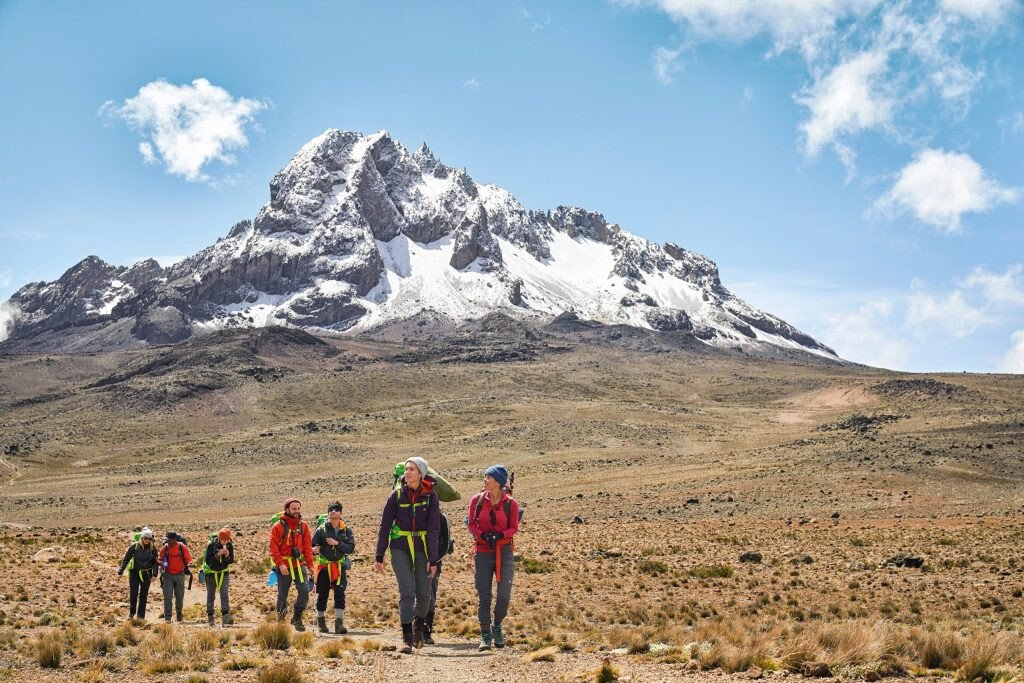
Understanding Kilimanjaro’s Routes: Your First Crucial Decision
Mount Kilimanjaro, Africa’s highest peak, is a dream destination for trekkers worldwide. Reaching its summit, Uhuru Peak, at 5,895 meters (19,341 feet), is an extraordinary achievement. However, the journey to the top is not a single path; Kilimanjaro is serviced by several distinct trekking routes, each offering a unique experience. Selecting the best route up Kilimanjaro is arguably the most critical decision you will make when planning your climb, profoundly impacting your acclimatization, acclimatization, enjoyment, and ultimate success. At Top Guide Adventures, we understand that each climber has different priorities, whether it’s impressive scenery, a challenging ascent, a faster trek, or the highest possible chance of reaching the summit. This comprehensive guide will walk you through the most popular and effective routes, providing the insights needed to choose wisely for your 2026 or 2027 Kilimanjaro adventure.
When considering the best routes up Kilimanjaro, it’s essential to look beyond just the distance. Factors like route length, daily ascent profile, camping versus hut accommodation, and, most importantly, the acclimatization schedule are paramount. A well-designed acclimatization profile is key to preventing altitude sickness and ensuring you can enjoy the trek and reach the summit. Shorter routes might seem appealing for time-constrained travelers, but they often compromise acclimatization, leading to lower success rates and a higher risk of altitude-related issues. Conversely, longer routes, while requiring more time and potentially costing more, generally offer superior acclimatization and a more comfortable ascent.
Key Factors for Choosing the Best Kilimanjaro Route
Before we look at the specifics of each route, let’s outline the critical factors that differentiate them and will help you decide which is the best route up Kilimanjaro for you:
- Acclimatization Profile: This is the most important factor for summit success. Routes that follow the ‘climb high, sleep low’ principle and have a gradual, steady ascent over more days significantly improve your body’s ability to adapt to the altitude. Longer routes generally offer better acclimatization.
- Scenery and Landscape: Kilimanjaro offers diverse ecosystems, from lush rainforests to alpine deserts and arctic summit zones. Some routes traverse more scenic areas or offer different viewpoints.
- Duration: Routes vary from 5 to 9 days. While shorter is quicker, longer generally means better acclimatization. We strongly recommend a minimum of 7 days for most routes to maximize your chances.
- Success Rate: This is directly linked to acclimatization. Routes with longer durations and better acclimatization profiles typically have higher success rates.
- Crowds: Some routes are significantly more popular than others, especially during peak seasons. If you prefer a quieter experience, this might influence your choice.
- Accommodation: Most routes involve camping. The Marangu route uniquely offers hut accommodation, which some trekkers prefer.
- Difficulty and Technicality: All routes are non-technical treks, but some have steeper ascents or more challenging terrain than others.
- Cost: Generally, longer routes with more days and better service will be more expensive.
The Top Kilimanjaro Routes Explained
Now, let’s explore the most popular and recommended routes for climbing Kilimanjaro, detailing their characteristics, pros, and cons. Understanding these will help you pinpoint the best route up Kilimanjaro for your specific needs.
1. Machame Route: The Popular Choice for Scenery and Success
Often called the ‘Whiskey Route’ by guides, the Machame Route is one of the most popular and scenic routes on Kilimanjaro. It is known for its excellent acclimatization profile when trekked over 6 or 7 days and its dramatic, ever-changing landscapes.
Machame Route at a Glance
- Duration: 6 or 7 days (7 days strongly recommended)
- Start Point: Machame Gate (1,800m / 5,905ft)
- End Point: Mweka Gate (1,640m / 5,380ft)
- Accommodation: Camping
- Scenery: Excellent, diverse landscapes from rainforest to moorland, alpine desert, and arctic zone.
- Acclimatization: Good on 7-day itineraries, fair on 6-day.
- Success Rate: High (around 70-80% for 7-day climbs)
- Crowds: Can be busy, especially during peak season.
The Machame Route begins in the lush rainforest on the southern western side of the mountain, offering a beautiful introduction to Kilimanjaro’s diverse flora. The path winds through spectacular valleys and ridges, providing stunning views. A key advantage of Machame is its ‘climb high, sleep low’ strategy, particularly on the 7-day itinerary. For instance, after climbing to Barranco Camp (around 3,950m), you descend slightly to Karanga Camp (around 3,995m) the next day, allowing your body to adjust. The climb up the Great Barranco Wall is a memorable challenge.
Pros of the Machame Route:
- Exceptional Scenery: Offers some of the most impressive views on the mountain, including the chance to see the sunrise from various vantage points.
- Good Acclimatization (7-day): The 7-day itinerary provides a solid acclimatization schedule, significantly increasing summit success chances.
- High Success Rate (7-day): Due to good acclimatization, success rates are among the highest for routes of this length.
- Varied Terrain: The trek presents a good challenge with diverse landscapes.
Cons of the Machame Route:
- Can be Crowded: As a popular route, you will encounter other trekkers, especially during the busy seasons of January-March and June-October.
- Steeper Sections: The Barranco Wall climb, while rewarding, can be challenging for some.
- Camping Only: No hut accommodation is available.
For many, the 7-day Machame Route is the best route up Kilimanjaro, striking a balance between scenery, challenge, and a good chance of reaching the summit. If you’re planning for 2026 or 2027 and prioritize stunning views and a solid climb, Machame is an excellent contender.
2. Lemosho Route: The Premier Choice for Scenery and Acclimatization
The Lemosho Route is widely regarded as one of the most beautiful and best-designed routes for acclimatization on Kilimanjaro. It starts on the western side of the mountain, near the Tanzanian-Kenyan border, and offers a more remote and wild experience in its initial days before joining the Machame route.
Lemosho Route at a Glance
- Duration: 7, 8, or 9 days (8 or 9 days highly recommended)
- Start Point: Lemosho Gate (2,100m / 6,890ft)
- End Point: Mweka Gate (1,640m / 5,380ft)
- Accommodation: Camping
- Scenery: Outstanding, considered by many to be the most scenic route.
- Acclimatization: Excellent, particularly on 8 and 9-day itineraries.
- Success Rate: Very High (often 85-90% for 8-day climbs and higher for 9-day)
- Crowds: Less crowded in the initial days, merging with Machame later.
The Lemosho route’s advantage lies in its gradual ascent and longer duration, allowing for superior acclimatization. The first few days are spent trekking through pristine rainforest and across the Shira Plateau, offering a sense of isolation and incredible views of the plains below and Mount Meru in the distance. By joining the Machame route on day 3 or 4, it benefits from the well-trodden path and the ‘climb high, sleep low’ strategy. The 8-day and 9-day options are particularly effective, with the 9-day itinerary providing the most leisurely pace and the best acclimatization available on a non-circuit route.
Pros of the Lemosho Route:
- Superb Scenery: Offers arguably the most diverse and spectacular scenery, including the dramatic Shira Plateau and panoramic views.
- Excellent Acclimatization: The longer duration (8 or 9 days) allows for a slow, steady ascent, greatly reducing altitude sickness risk.
- Very High Success Rate: Due to superior acclimatization, it boasts one of the highest summit success rates.
- Remote Start: The initial days are less crowded, providing a more tranquil trekking experience.
Cons of the Lemosho Route:
- Longer Duration: Requires more time off work or commitments.
- Higher Cost: Generally more expensive than shorter routes due to the extra days.
- Camping Only: No hut accommodation is available.
For trekkers in 2026-2027 prioritizing both stunning views and the highest possible chance of summit success, the 8-day or 9-day Lemosho Route is often considered the best route up Kilimanjaro. It provides a challenging yet rewarding experience with excellent support from experienced guides.
3. Northern Circuit: The Ultimate Route for Acclimatization and Success
The Northern Circuit is the longest route on Kilimanjaro, taking trekkers around the mountain’s northern slopes. Its extended duration (9 or 10 days) makes it the route with the best acclimatization profile, leading to the highest summit success rates.
Northern Circuit Route at a Glance
- Duration: 9 or 10 days (10 days recommended)
- Start Point: Lemosho Gate (2,100m / 6,890ft)
- End Point: Mweka Gate (1,640m / 5,380ft)
- Accommodation: Camping
- Scenery: Spectacular and diverse, offering unique perspectives from the northern side.
- Acclimatization: Superior, offering the best acclimatization on the mountain.
- Success Rate: Highest (often 90%+)
- Crowds: Significantly less crowded than southern routes.
The Northern Circuit begins similarly to Lemosho, trekking through rainforest and across the Shira Plateau. However, instead of heading towards Barafu Camp, it continues west and then north, circling the mountain’s base. This extended circuit allows for a very slow and gradual ascent, maximizing the body’s adaptation to altitude. The route offers unique views of the drier northern slopes and passes through the remote Lava Tower area before joining the Marangu route for the final ascent via Stella Point. The extra days allow for a more relaxed pace, more time to enjoy the surroundings, and significantly reduced risk of altitude sickness.
Pros of the Northern Circuit:
- Highest Success Rate: Unrivaled acclimatization leads to the best chance of reaching Uhuru Peak.
- Exceptional Acclimatization: The longest duration provides the most effective adaptation to altitude.
- Stunning and Diverse Scenery: Offers unique views from the northern side and traverses varied landscapes.
- Less Crowded: Provides a more exclusive and peaceful trekking experience for most of its duration.
- Leisurely Pace: The extended itinerary allows for a more comfortable and enjoyable trek.
Cons of the Northern Circuit:
- Longest Duration: Requires the most time commitment.
- Highest Cost: The most expensive route due to the extended duration and services.
- Camping Only: No hut accommodation is available.
For those who can commit the time and budget for a 2026 or 2027 climb, the Northern Circuit is undeniably the best route up Kilimanjaro for maximizing success and enjoying a less crowded, more in-depth experience. It’s the ultimate choice for serious trekkers.
4. Marangu Route: The ‘Coca-Cola’ or Hut Route
The Marangu Route is the oldest and most traditional route on Kilimanjaro. It is also the only route that offers accommodation in mountain huts, making it a popular choice for those who prefer not to camp. It’s often referred to as the ‘Coca-Cola’ route due to its popularity and ease of access.
Marangu Route at a Glance
- Duration: 5, 6, or 7 days (5-day is not recommended)
- Start Point: Marangu Gate (1,860m / 6,100ft)
- End Point: Marangu Gate (1,860m / 6,100ft)
- Accommodation: Huts
- Scenery: Good, but less varied and dramatic than western routes.
- Acclimatization: Poor on 5-day, fair on 6-day, moderate on 7-day.
- Success Rate: Lowest (around 30-40% for 5-day, 50-60% for 6-day)
- Crowds: Can be very crowded.
The Marangu route ascends and descends the same path. It offers two summit options: Gillman’s Point (5,685m) and Uhuru Peak (5,895m). The 5-day itinerary is extremely fast and is not recommended by any reputable operator due to its poor acclimatization. The 6-day itinerary is better but still compromises acclimatization significantly. The 7-day option improves acclimatization but still doesn’t match the profiles of routes like Lemosho or Machame.
Pros of the Marangu Route:
- Hut Accommodation: Comfortable lodging, avoiding camping gear and conditions.
- Potentially Lower Cost: Can sometimes be cheaper due to shorter durations and hut costs.
- Unique Scenery: Offers a different perspective of Kilimanjaro’s slopes.
Cons of the Marangu Route:
- Lowest Success Rate: Poor acclimatization significantly reduces chances of reaching the summit.
- Same Path Up and Down: Less scenic variety compared to other routes.
- Crowded: Often considered the busiest route.
- Less Adventurous Feel: The hut accommodation can feel less like a wilderness expedition.
While the Marangu route offers comfort through its huts, its poor acclimatization makes it a less ideal choice for those prioritizing summit success. For 2026-2027 climbs, if summit success is your primary goal, we recommend considering other routes. If comfort is paramount and you are aware of the lower success rates, the 7-day Marangu can be an option, but we strongly advise against the 5-day version.
5. Rongai Route: The Best Choice for Dry Season and Solitude
The Rongai Route approaches Kilimanjaro from the north, near the Kenyan border. It is the only route that starts from the dry northern side, making it a good option during the rainy seasons (April-May and November) when southern routes can be muddy and wet. It offers a more remote experience than Marangu or Machame.
Rongai Route at a Glance
- Duration: 6 or 7 days (7 days recommended)
- Start Point: Rongai Gate (1,950m / 6,398ft)
- End Point: Marangu Gate (1,860m / 6,100ft)
- Accommodation: Camping
- Scenery: Good, but generally less dramatic than western routes.
- Acclimatization: Fair on 6-day, good on 7-day.
- Success Rate: Moderate to High (around 65-75% for 7-day)
- Crowds: Less crowded than southern routes.
The Rongai Route offers a gradual ascent, making it relatively easy in terms of difficulty. It provides a different perspective of Kilimanjaro and is known for its solitude. The route typically joins the Marangu route from the east for the final push to the summit. The 7-day itinerary provides better acclimatization than the 6-day, allowing for a more comfortable ascent and a higher chance of reaching Uhuru Peak.
Pros of the Rongai Route:
- Good for Rainy Season: The northern approach is drier, making it suitable for wetter months in 2026-2027.
- Less Crowded: Offers a more tranquil experience compared to Marangu or Machame.
- Gradual Ascent: Easier on the body in the initial stages.
- Good Scenery: Offers unique views of the northern plains.
Cons of the Rongai Route:
- Less Dramatic Scenery: Generally considered less scenic than western routes like Lemosho or Machame.
- Joins Marangu Path: The final ascent is on the same path as Marangu trekkers, which can be crowded near the summit.
- Camping Only: No hut accommodation is available.
The Rongai Route is a solid choice for trekkers looking for a less crowded experience, especially if climbing during the shoulder seasons of the rainy periods in 2026 or 2027. The 7-day version offers decent acclimatization and a good chance of success.
6. Shira Route: A Shorter, Scenic Western Option
The Shira Route is similar to Lemosho in that it starts on the western side of Kilimanjaro and offers stunning scenery. However, it begins at a higher altitude (Shira Camp is at approximately 3,600m), meaning the first day involves a significant drop from the starting point, which is not ideal for acclimatization.
Shira Route at a Glance
- Duration: 7 or 8 days
- Start Point: Shira Gate (3,500m / 11,480ft)
- End Point: Mweka Gate (1,640m / 5,380ft)
- Accommodation: Camping
- Scenery: Very good, especially the Shira Plateau.
- Acclimatization: Fair, but the high start is a concern.
- Success Rate: Moderate to good (better on 8-day)
- Crowds: Merges with Machame/Lemosho, so can be busy later.
The main drawback of the Shira route is its high starting altitude. While it quickly joins the Lemosho and Machame routes, the initial high start can pose acclimatization challenges for some. The 8-day itinerary is much preferred over the 7-day to mitigate this risk. Despite this, it offers beautiful views across the Shira Plateau and is a good option for those seeking a western approach with good scenery, but it’s generally less recommended than Lemosho due to the acclimatization concerns.
Pros of the Shira Route:
- Beautiful Scenery: Trekking across the Shira Plateau is a highlight.
- Western Approach: Offers different views than eastern routes.
- Joins Popular Routes: Benefits from well-established paths after the initial days.
Cons of the Shira Route:
- High Start Altitude: Can negatively impact acclimatization.
- Not Ideal for Beginners: The high start may be challenging for those new to high altitudes.
- Camping Only: No hut accommodation.
While Shira offers scenic beauty, the acclimatization concerns make it a less optimal choice for many compared to Lemosho for a 2026-2027 climb seeking the best balance of scenery and success.
7. Umbwe Route: The Toughest and Steepest
The Umbwe Route is known as the shortest, steepest, and most challenging route on Kilimanjaro. It ascends steeply through the dense rainforest and offers a direct, aggressive approach to the summit. It is generally only recommended for very experienced and fit high-altitude trekkers.
Umbwe Route at a Glance
- Duration: 6 or 7 days
- Start Point: Umbwe Gate (1,600m / 5,250ft)
- End Point: Mweka Gate (1,640m / 5,380ft)
- Accommodation: Camping
- Scenery: Dramatic and direct, but less varied.
- Acclimatization: Poor.
- Success Rate: Lowest among the popular routes.
- Crowds: Very few trekkers use this route.
The Umbwe route’s aggressive ascent profile means very little time for acclimatization. Trekkers reach high altitudes very quickly, significantly increasing the risk of altitude sickness. While it offers a sense of adventure and solitude, the extremely low success rate and high risk of altitude-related problems make it unsuitable for most climbers. Even the 7-day option provides insufficient acclimatization for the rapid gain in altitude. It is a route for experienced mountaineers who understand the risks and have excellent high-altitude experience.
Pros of the Umbwe Route:
- Challenging and Adventurous: For those seeking extreme difficulty.
- Very Few Trekkers: Offers ultimate solitude.
- Direct and Steep: A fast ascent for the very fit.
Cons of the Umbwe Route:
- Extremely Low Success Rate: Very poor acclimatization.
- High Risk of Altitude Sickness: Significant danger due to rapid ascent.
- Difficult and Demanding: Not suitable for most trekkers.
- Camping Only: No hut accommodation.
For 2026-2027, the Umbwe Route is generally not recommended by Top Guide Adventures unless you are an experienced high-altitude mountaineer with a proven track record of success on difficult ascents and fully understand the risks involved.
Comparing Kilimanjaro Routes: Which is the Best for You?
To help you make an informed decision for your 2026 or 2027 climb, here’s a comparative overview of the most recommended routes. The best route up Kilimanjaro is subjective and depends on your priorities.
| Route | Duration (Recommended) | Scenery | Acclimatization | Success Rate (Approx.) | Crowds | Accommodation |
|---|---|---|---|---|---|---|
| Northern Circuit | 9-10 days | Outstanding (Best overall) | Superior (Highest) | 90%+ | Low | Camping |
| Lemosho | 8-9 days | Outstanding | Excellent | 85-90% (8-day) | Low (early) / Moderate (later) | Camping |
| Machame | 7 days | Excellent | Good | 70-80% | High | Camping |
| Rongai | 7 days | Good | Good | 65-75% | Low | Camping |
| Marangu | 7 days | Fair | Moderate | 50-60% (7-day) | Very High | Huts |
| Shira | 8 days | Very Good | Fair (due to high start) | 60-70% | Moderate (later) | Camping |
| Umbwe | 7 days | Dramatic | Poor | <40% | Very Low | Camping |
Choosing the Best Route Based on Your Priorities
To make the definitive choice for your best route up Kilimanjaro in 2026 or 2027:
- For Highest Success Rate & Best Acclimatization: Northern Circuit (10 days) or Lemosho (8-9 days). These are the top choices for serious trekkers who want to maximize their chances and enjoy a more comfortable ascent.
- For Excellent Scenery & Good Success Rate: Lemosho (8 days) or Machame (7 days). These routes offer a fantastic balance of visual appeal and a high probability of reaching the summit.
- For Solitude & Dry Conditions: Rongai (7 days). It’s ideal if you want to avoid crowds and are concerned about rain, especially during the wetter months.
- For Comfort (Hut Accommodation): Marangu (7 days). If camping is not for you, Marangu offers huts, but be aware of the lower success rates.
- For Experienced & Fit Climbers Seeking a Challenge: Umbwe (7 days) or potentially a shorter Machame (6 days) or Lemosho (7 days) if you have excellent high-altitude experience. However, these are generally not recommended for most.
When to Climb Kilimanjaro: Best Times for Your Chosen Route
The timing of your climb is crucial for both weather conditions and route availability. Kilimanjaro has two main climbing seasons and two shorter, less ideal seasons.
- Peak Seasons (Dry & Clear):
- January to March: Generally clear, cold, and dry. Excellent for all routes, though can be very cold at the summit.
- June to October: Dry and cool. Popular for trekkers avoiding the rainy seasons. Offers great visibility.
- Shoulder Seasons (Variable Weather):
- April to May: Long rains. Routes can be very muddy, especially southern approaches. Less crowded, but higher risk of weather disruption.
- November to December: Short rains. Can be unpredictable, with occasional showers. Less crowded than peak seasons.
Route Considerations for Timing:
- Rongai Route: Its northern starting point makes it a better option during the rainy seasons (April-May, November) as it is less affected by rain compared to southern routes.
- Other Routes (Machame, Lemosho, Northern Circuit, etc.): Best enjoyed during the dry seasons (January-March, June-October) for optimal trekking conditions and summit views.
For your 2026 or 2027 climb, planning around these seasons will enhance your experience. Peak seasons offer the most reliable weather, while shoulder seasons can provide a more secluded climb at the risk of encountering rain.
Preparing for Your Kilimanjaro Climb: Fitness and Gear
Regardless of which route you choose as the best route up Kilimanjaro for you, thorough preparation is essential. This involves physical training and gathering the right gear.
Physical Training
Kilimanjaro is a strenuous trek, not a technical climb. The primary challenge is the altitude. Focus your training on:
- Cardiovascular Fitness: Engage in regular activities like hiking, running, cycling, or swimming for at least 3-4 times a week.
- Strength Training: Focus on leg and core strength. Squats, lunges, and step-ups are beneficial.
- Hiking with a Pack: Practice hiking on varied terrain, ideally with a weighted backpack, to simulate mountain conditions. Aim for longer hikes (4-6 hours) on weekends.
- Altitude Simulation (if possible): If you live at high altitude, use it to your advantage. If not, focus on overall fitness and acclimatization on the mountain.
Essential Gear
Proper gear is critical for comfort and safety. Layering is key:
- Base Layers: Moisture-wicking thermal underwear (merino wool or synthetic).
- Mid Layers: Fleece jackets or down vests for insulation.
- Outer Layers: Waterproof and windproof jacket and trousers (Gore-Tex or similar).
- Insulated Jacket: A warm down or synthetic jacket for cold evenings and summit night.
- Footwear: Broken-in, waterproof hiking boots with good ankle support.
- Socks: Several pairs of warm wool or synthetic hiking socks.
- Headwear: Warm hat, sun hat, and balaclava or neck gaiter.
- Gloves: Warm waterproof outer gloves and thinner liner gloves.
- Sleeping Bag: A 4-season sleeping bag rated to at least -15°C (0°F).
- Backpack: A comfortable daypack (30-40 liters) for essentials and a larger duffel bag (80-100 liters) for porters to carry.
- Trekking Poles: Highly recommended for reducing knee strain on descents and providing stability.
- Headlamp: With extra batteries.
- Sunglasses: High UV protection.
- Sunscreen & Lip Balm: High SPF.
- Water Bottles/Hydration Reservoir: At least 2-3 liters capacity.
- Personal First-Aid Kit: Including blister treatment, pain relievers, and any personal medications.
Top Guide Adventures provides a detailed packing list to all clients, ensuring you are fully prepared for your chosen route and trek in 2026 or 2027.
Understanding Altitude Sickness on Kilimanjaro
Altitude sickness (Acute Mountain Sickness – AMS) is the most significant risk on Kilimanjaro. It occurs when your body cannot adapt quickly enough to the lower oxygen levels at higher altitudes. The symptoms can range from mild headaches and nausea to severe, life-threatening conditions like High Altitude Pulmonary Edema (HAPE) and High Altitude Cerebral Edema (HACE).
Prevention is Key:
- Choose a Longer Route: The best route up Kilimanjaro for acclimatization is the Northern Circuit (10 days), followed by Lemosho (8-9 days) and Machame (7 days). These longer itineraries allow your body to adjust gradually.
- Ascend Slowly: The ‘pole pole’ (slowly, slowly) mantra is crucial. Avoid rapid ascents.
- ‘Climb High, Sleep Low’: This principle, incorporated into routes like Machame and Lemosho, allows you to ascend to higher altitudes during the day and then descend to a lower camp to sleep, aiding acclimatization.
- Stay Hydrated: Drink plenty of water (3-4 liters per day).
- Avoid Alcohol and Smoking: These can exacerbate altitude sickness symptoms.
- Eat Well: Maintain energy levels with regular meals.
- Listen to Your Body: Report any symptoms to your guide immediately.
Symptoms of AMS:
- Headache
- Nausea and vomiting
- Dizziness or lightheadedness
- Fatigue
- Loss of appetite
- Difficulty sleeping
Treatment:
The primary treatment for AMS is descent. If symptoms are mild, your guide may recommend resting at the current altitude or descending slightly. If symptoms worsen, immediate descent is necessary. Diamox (Acetazolamide) can be prescribed by your doctor to aid acclimatization, but it is not a substitute for slow ascent and proper acclimatization. Your guide’s experience is your most important asset in managing altitude sickness.
Why Choose Top Guide Adventures for Your Kilimanjaro Climb in 2026-2027?
Selecting the right tour operator is as important as choosing the best route up Kilimanjaro. At Top Guide Adventures, we are committed to providing safe, memorable, and successful Kilimanjaro expeditions. Our experience and dedication ensure you have the best possible trekking experience.
Our Commitment to Safety and Success:
- Experienced Guides: Our guides are highly trained, certified in wilderness first aid, and possess extensive knowledge of Kilimanjaro and altitude sickness management.
- Quality Equipment: We use high-quality tents, sleeping pads, and cooking equipment, ensuring your comfort and safety.
- Nutritious Meals: Our chefs prepare delicious and energizing meals designed to fuel your trek.
- Proper Acclimatization Focus: We strongly recommend and structure our itineraries around longer, well-acclimatized routes like Lemosho and the Northern Circuit to maximize your summit success.
- Emergency Preparedness: We carry comprehensive first-aid kits, oxygen cylinders, and have established emergency evacuation procedures.
- Personalized Attention: We believe in small group sizes and dedicated support for every climber.
Planning Your 2026-2027 Climb:
We are already
Check Availability for Best Routes Up Kilimanjaro 2026-2027
Ready to compare dates, prices, and the best option for your group? Send the package name and travel month so the team can reply with a clear quote, availability, and what is included.
Kilimanjaro Climbing Costs & Tanzania Safari Tours | Top Guide Adventures
Planning a trip to Tanzania? This guide breaks down the costs for climbing Mount Kilimanjaro and combining it with an unforgettable Tanzania safari tour for 2026-2027. Learn about pricing...
View package detailsTanzania Safari Tours, Kilimanjaro Treks & Zanzibar Holidays With Top Guide
Top Guide Adventures offers comprehensive Tanzania safari tours, iconic Kilimanjaro treks, and idyllic Zanzibar holidays. Discover the best of East Africa with personalized itineraries...
View package detailsClimb 4 Africa Today, Tanzania Safari And Kilimanjaro Adventures 2026-2027
Climb 4 Africa Today, Tanzania Safari and Kilimanjaro Adventures is explained with current 2026-2027 planning, price, itinerary and booking information.
View package detailsDiscount Tanzania Treks And Affordable Safari Packages In 2026-2027
Discover how to plan discount Tanzania treks and affordable safari packages for your 2026-2027 adventure. This comprehensive guide covers budget-friendly options for iconic destinations...
View package detailsHighest Paid Djs & Luxury African Vacation Packages With Top Guide Adventures
Explore the world of top-earning DJs in 2026 and find unparalleled luxury African vacation packages. Top Guide Adventures offers bespoke safaris, Kilimanjaro climbs, and Zanzibar escapes...
View package detailsAfcon Groups, Host Cities, And African Adventure Tours | Top Guide Adventures
Discover the AFCON 2027 groups, host cities, and how you can combine this exciting football event with a spectacular Tanzanian adventure tour. Top Guide Adventures offers tailored safaris...
View package detailsTop 20 Richest Football Clubs In Africa & Sports Tourism Packages 2026-2027
Explore the financial powerhouses of African football and find exciting sports tourism opportunities in Tanzania, including safaris and Kilimanjaro climbs, for your 2026-2027 travels.
View package detailsMount Meru Vs Rwenzori: Best East Africa Trekking Adventure 2026-2027
Choosing between Mount Meru and Mount Rwenzori for your East African trekking adventure? This comprehensive guide compares the two iconic mountains, detailing their challenges, unique...
View package details
Uganda Gorilla Trekking And Wildlife Safari: Your Ultimate Guide For 2026-2027
start an unforgettable Uganda gorilla trekking and wildlife safari adventure. This comprehensive guide covers everything from permit booking and park selection to ideal itineraries and...
View package detailsNo related package matches those filters. Clear one or more filters to see the other topic-matched options.



