
The best Kilimanjaro packages for 2026-2027 typically offer a comprehensive all-inclusive experience covering routes like Machame or Lemosho, varying durations (7-9 days for higher success rates), essential inclusions such as park fees, guide and porter services, accommodation before/after the climb, meals, and airport transfers, with prices often ranging from $2,000 to $4,000 per person depending on the route, duration, and operator’s service level.
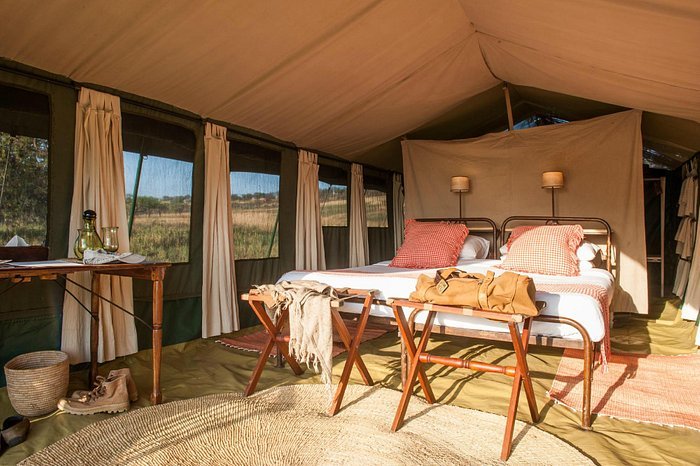
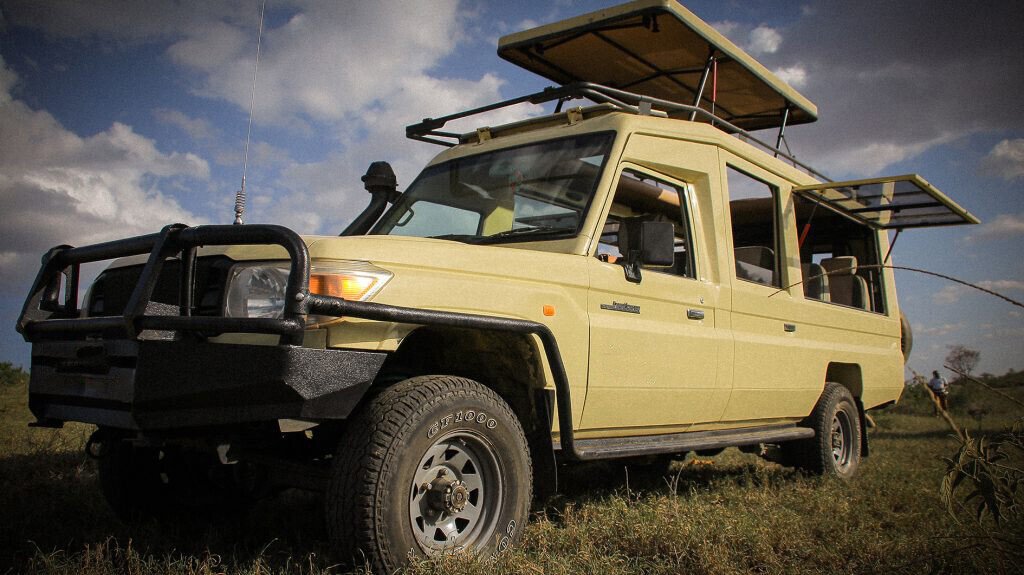
Understanding Kilimanjaro Packages: Your Gateway to Africa’s Roof
Climbing Mount Kilimanjaro is an ambition for many, a trek to the Roof of Africa that promises unparalleled views and a profound sense of accomplishment. To make this dream a reality, selecting the right Kilimanjaro package is paramount. A well-chosen package not only ensures safety and comfort but also maximizes your chances of reaching Uhuru Peak. Top Guide Adventures specializes in crafting these essential Kilimanjaro packages, focusing on quality, safety, and an unforgettable experience for every climber aiming for their ascent in 2026 or 2027.
This comprehensive guide is designed to help you navigate the complexities of choosing the best Kilimanjaro packages. We’ll break down everything from route selection and duration to what inclusions are vital and how pricing works, ensuring you’re well-equipped to make an informed decision for your 2026-2027 adventure.
What Constitutes a ‘Best’ Kilimanjaro Package?
The term “best” is subjective, but for Kilimanjaro climbs, it generally translates to a package that prioritizes safety, success rates, comfort, and value. A top-tier Kilimanjaro package should include:
- Experienced and Certified Guides: Crucial for navigation, safety, and acclimatization advice.
- Adequate Support Crew: Sufficient porters for gear and a cook to prepare nutritious meals.
- Quality Equipment: Well-maintained tents, sleeping mats, and cooking gear.
- Nutritious Meals: Specially prepared meals designed for high-altitude trekking.
- Comprehensive Inclusions: Park entry fees, rescue fees, camping fees, oxygen for emergencies.
- Proper Acclimatization: Routes and itineraries designed to promote gradual ascent.
- Pre and Post-Climb Accommodation: Comfortable lodging in Moshi or Arusha.
- Safety Protocols: Emergency oxygen, first-aid kits, and clear evacuation plans.
- Personalized Attention: Small group sizes or private climb options with dedicated support.
When looking at Kilimanjaro packages for 2026 or 2027, always scrutinize the details of what is included and excluded to avoid unexpected costs.
Kilimanjaro Routes: The Foundation of Your Package Choice
The route you choose significantly impacts the difficulty, acclimatization profile, scenery, and overall experience of your Kilimanjaro climb. Each route is offered within various Kilimanjaro packages, and understanding their differences is key to selecting the right one for your fitness level and preferences.
The Marangu Route (Coca-Cola Route)
- Duration: 5-6 days.
- Difficulty: Moderate to difficult, primarily due to its steepness and rapid ascent.
- Scenery: Less scenic than other routes, as the ascent and descent use the same path.
- Accommodation: Unique in offering dormitory-style huts rather than camping.
- Success Rate: Lower due to rapid ascent, making it less ideal for acclimatization.
- Best For: Climbers seeking basic comforts in huts, and those on a tighter schedule.
Marangu packages are often the most budget-friendly due to the hut accommodation and shorter duration, but they are not recommended for first-time high-altitude trekkers aiming for optimal acclimatization.
The Machame Route (Whiskey Route)
- Duration: 6-7 days (7 days recommended).
- Difficulty: Difficult, but offers excellent acclimatization.
- Scenery: Extremely scenic, traversing diverse ecosystems and offering stunning views.
- Accommodation: Camping.
- Success Rate: High, especially on the 7-day itinerary, due to its “climb high, sleep low” profile.
- Best For: Most trekkers, including first-timers, seeking a balance of scenery, challenge, and success.
Machame route packages are incredibly popular and often form the backbone of many tour operators’ offerings. The 7-day Machame package is a benchmark for a successful and enjoyable climb.
The Lemosho Route
- Duration: 7-8 days (8 days recommended).
- Difficulty: Difficult, but offers superb acclimatization and is considered one of the most beautiful.
- Scenery: Arguably the most scenic, starting in the west and traversing the Shira Plateau, offering panoramic views.
- Accommodation: Camping.
- Success Rate: Very high, due to its excellent acclimatization profile and longer duration.
- Best For: Climbers prioritizing scenery, a more remote experience, and high success rates.
Lemosho packages are often priced higher due to the longer duration and remote starting point, but they provide an exceptional trekking experience.
The Shira Route
- Duration: 7-8 days.
- Difficulty: Difficult.
- Scenery: Similar to Lemosho, starting at a high altitude on the Shira Plateau.
- Accommodation: Camping.
- Success Rate: Good, but the high starting altitude can pose acclimatization challenges for some.
- Best For: Experienced trekkers who are well-acclimatized or have prior high-altitude experience.
Shira route packages offer a quicker start to the alpine landscape but require careful consideration of acclimatization.
The Rongai Route
- Duration: 6-7 days (7 days recommended).
- Difficulty: Moderate, generally considered easier than Machame or Lemosho.
- Scenery: Starts from the drier, northern side of Kilimanjaro, offering different vegetation and wildlife viewing opportunities.
- Accommodation: Camping.
- Success Rate: Good, especially on the 7-day option.
- Best For: Climbers seeking a less crowded route, different scenery, and a slightly easier ascent.
Rongai packages are a solid choice for those wanting a less-trafficked path with a good balance of challenge and success.
The Northern Circuit Route
- Duration: 9 days.
- Difficulty: Moderate to difficult, but the longest route.
- Scenery: The most scenic and offers a complete circuit of the mountain, including the remote northern slopes.
- Accommodation: Camping.
- Success Rate: The highest of all routes due to its length and excellent “climb high, sleep low” acclimatization profile.
- Best For: Climbers who want the best chance of success, a more relaxed pace, and the most comprehensive views of Kilimanjaro.
Northern Circuit packages are premium options, offering the ultimate Kilimanjaro experience with the highest success rates, ideal for those with the time and budget.
The Umbwe Route
- Duration: 6-7 days.
- Difficulty: Very difficult, steep and direct.
- Scenery: Dramatic and challenging, with a direct ascent.
- Accommodation: Camping.
- Success Rate: Low, due to rapid ascent and lack of acclimatization.
- Best For: Only experienced, highly fit mountaineers accustomed to extreme altitudes and rapid ascents.
Umbwe route packages are rarely recommended and typically only for seasoned high-altitude adventurers.
Duration and Success Rates: Finding the Sweet Spot in Your Package
When comparing Kilimanjaro packages for 2026-2027, the duration is one of the most critical factors influencing your success. Shorter climbs, while cheaper, often lead to higher rates of altitude sickness and lower summit success.
- 5-day climbs (e.g., Marangu): Offer the lowest success rates (around 30-40%) due to insufficient acclimatization.
- 6-day climbs (e.g., Machame, Rongai): Improve success rates significantly (around 50-60%) but can still be challenging.
- 7-day climbs (e.g., Machame, Lemosho, Rongai): Widely considered the optimal duration for most climbers, offering success rates of 60-70% and good acclimatization.
- 8-day climbs (e.g., Lemosho, Shira): Further enhance acclimatization and success rates (around 70-80%).
- 9-day climbs (e.g., Northern Circuit): Provide the best acclimatization and the highest success rates (over 85%), allowing for a more comfortable and enjoyable trek.
For 2026 and 2027, we strongly recommend Kilimanjaro packages of at least 7 days, with 8 or 9 days offering a superior experience and higher probability of reaching Uhuru Peak comfortably.
Inclusions and Exclusions: What Your Kilimanjaro Package Should Cover
Transparency in what’s included and excluded is a hallmark of a reputable Kilimanjaro package provider. Here’s a breakdown of common inclusions and potential exclusions:
Essential Inclusions in Top Kilimanjaro Packages:
- Park Fees: Mount Kilimanjaro National Park entry fees, camping/hut fees, and conservation fees. These are substantial and a significant portion of the cost.
- Rescue Fees: Mandatory fees for emergency rescue services.
- Guides and Porters: Salaries, food, and accommodation for your trekking crew. This is a critical ethical consideration; reputable operators pay their staff fairly.
- Cook and Cooking Equipment: For routes involving camping.
- Meals: All meals during the trek (breakfast, lunch, dinner), often including snacks and purified water.
- Tents and Sleeping Mats: For camping routes; good quality, 4-season tents are essential.
- Pre and Post-Climb Accommodation: Typically 1-2 nights in a hotel in Moshi or Arusha.
- Airport Transfers: Pick-up from Kilimanjaro International Airport (JRO) and drop-off.
- Climbing Certificate: Awarded upon successful summit.
- Emergency Oxygen: For use by guides in case of altitude sickness.
- First-Aid Kit: Carried by guides.
Common Exclusions or Optional Extras:
- International Flights: To and from Kilimanjaro International Airport (JRO).
- Visa Fees: For Tanzania.
- Travel Insurance: Comprehensive insurance covering high-altitude trekking and emergency evacuation is mandatory.
- Personal Gear: Sleeping bag, trekking poles, warm clothing, waterproofs, headlamp, etc.
- Tips for Crew: A significant part of the crew’s income, typically ranging from $200-$300 per climber for an 8-day trek.
- Lunches and Drinks in Town: Meals and beverages outside the trek and pre/post-climb accommodation.
- Gratuities: Beyond standard tipping for the crew.
- Optional Extensions: Safari or Zanzibar trips.
Always confirm the exact inclusions and exclusions with your chosen operator for their 2026-2027 Kilimanjaro packages.
Pricing of Kilimanjaro Packages: What to Expect for 2026-2027
The cost of Kilimanjaro packages can vary widely. Prices are influenced by the route, duration, operator’s reputation, group size, and the quality of services provided. Expect the following price ranges for 2026-2027:
- Budget Operators: Often use shorter routes (5-6 days), may compromise on crew welfare, equipment quality, or inclusions. Prices can range from $1,500 to $2,200 per person. These are generally not recommended for a safe and successful climb.
- Mid-Range Operators: Offer good quality services, longer routes (7-8 days), fair crew wages, and reliable equipment. Prices typically fall between $2,200 to $3,500 per person. Top Guide Adventures offers competitive mid-range packages that focus on quality and client care.
- High-End/Luxury Operators: Provide premium services, longer routes (8-9 days), top-tier equipment, excellent food, smaller group sizes, and enhanced support. Prices can range from $3,500 to $5,000+ per person.
Factors Affecting Price:
- Route Choice: Longer routes like Lemosho or Northern Circuit are more expensive due to more days and higher park fees.
- Duration: More days mean higher park and crew fees.
- Group Size: Private climbs are more expensive per person than joining a group. Shared Kilimanjaro packages are the most economical.
- Operator Standards: Reputable operators who invest in their crew, safety, and equipment will naturally charge more.
- Season: Peak seasons (January-March, June-October) might see slightly higher prices or demand.
For 2026-2027, it’s wise to budget around $2,500 – $3,500 per person for a quality 7-8 day Kilimanjaro package that ensures safety and a good chance of summiting.
Choosing Between Group and Private Kilimanjaro Packages
Group Packages: These are ideal for solo travelers or small groups looking to save costs. You’ll join other climbers on a set departure date. This is a great way to meet fellow adventurers. Top Guide Adventures often runs Machame route group departures, which are popular choices for 2026-2027.
Private Packages: Offer flexibility in departure dates and a more personalized experience. You’ll have your own dedicated crew and guide. While more expensive, they provide greater control over your pace and schedule. These are excellent for families, friends, or those who prefer a more intimate journey.
Safety and Acclimatization: The Core of a Successful Climb
Reaching the summit of Kilimanjaro is less about physical strength and more about proper acclimatization. Altitude sickness is the primary reason climbers fail to reach Uhuru Peak.
Understanding Altitude Sickness (AMS)
Acute Mountain Sickness (AMS) can affect anyone, regardless of fitness level. Symptoms include headache, nausea, dizziness, fatigue, and loss of appetite. More severe forms, like High Altitude Pulmonary Edema (HAPE) and High Altitude Cerebral Edema (HACE), are life-threatening.
How Kilimanjaro Packages Promote Acclimatization:
- Route Selection: Longer routes (7+ days) with gradual ascent profiles are crucial. The “climb high, sleep low” principle, where you ascend to higher altitudes during the day and descend to lower camps to sleep, is key.
- Pacing: Guides ensure a slow, steady pace (“pole pole” – slowly, slowly in Swahili).
- Hydration: Drinking plenty of fluids (3-4 liters per day) helps the body adjust.
- Monitoring: Guides are trained to monitor climbers for signs of AMS and make critical decisions about descent if necessary.
- Emergency Oxygen: Carried by guides for immediate use in emergencies.
- Medications: Diamox (acetazolamide) can be prescribed by a doctor to aid acclimatization, though it’s not a substitute for proper ascent.
When booking Kilimanjaro packages for 2026-2027, inquire about the operator’s specific acclimatization strategies and emergency protocols.
Choosing the Right Time to Climb: Seasons for Your Kilimanjaro Package
Kilimanjaro can be climbed year-round, but certain periods offer better weather conditions, leading to more enjoyable treks and higher success rates.
- Dry Seasons (Best):
- January – March: Generally clear skies, warm temperatures, and low humidity. Can be colder at the summit. This is a popular time.
- June – October: Cooler temperatures, clear skies, and lower humidity. This is another peak season, especially July and August.
- Wet Seasons (Challenging):
- April – May: Long rains, can make trails muddy and visibility poor.
- November – December: Short rains, often characterized by afternoon showers. Trails can be slippery.
While packages are available year-round, booking for the dry seasons in 2026 or 2027 will generally offer a more comfortable experience. However, the shoulder seasons can be less crowded and potentially more budget-friendly.
What to Pack: Essential Gear for Your Kilimanjaro Package
Your Kilimanjaro package typically won’t include personal gear, so packing appropriately is crucial. Layering is key to managing temperature changes from the base to the summit.
Essential Clothing & Footwear:
- Base Layers: Moisture-wicking thermal tops and bottoms (merino wool or synthetic).
- Mid Layers: Fleece jackets or insulated vests for warmth.
- Outer Layer: Waterproof and windproof jacket and trousers (Gore-Tex or similar).
- Insulated Parka: A heavy down or synthetic insulated jacket for summit night.
- Trekking Trousers: Comfortable, quick-drying trousers (avoid jeans).
- Hiking Boots: Broken-in, waterproof, sturdy hiking boots with good ankle support.
- Camp Shoes: Comfortable shoes or sandals for evenings.
- Socks: Several pairs of warm, moisture-wicking hiking socks (wool blend).
- Gloves: Liner gloves and warm, waterproof outer gloves or mittens.
- Hat: Warm fleece hat and a sun hat with a brim.
Other Essentials:
- Backpack: A comfortable daypack (30-40 liters) for essentials.
- Duffel Bag: A large, waterproof duffel bag (80-100 liters) for porters.
- Sleeping Bag: Rated to at least -10°C (0°F), preferably -20°C (-4°F).
- Sleeping Mat: (Optional, as most packages provide one, but check).
- Headlamp: With extra batteries.
- Sunglasses: High UV protection.
- Water Bottles/Hydration Reservoir: At least 3 liters capacity.
- Sunscreen and Lip Balm: High SPF.
- Personal First-Aid Kit: Including any personal medications, blister treatment, pain relievers.
- Toiletries: Biodegradable soap, toothbrush, toothpaste, wet wipes.
- Trekking Poles: Highly recommended for stability and reducing knee strain.
- Camera and Power Bank.
- Snacks: Energy bars, nuts, dried fruit.
Pre- and Post-Climb Logistics: Accommodation and Transfers
Most reputable Kilimanjaro packages include accommodation for at least one night before your trek begins and one night after you descend. This is crucial for rest, preparation, and recovery.
- Pre-Climb Night: Typically in a comfortable hotel or lodge in Moshi or Arusha. This is where you’ll meet your guide for a pre-climb briefing, gear check, and final preparations.
- Post-Climb Night: Usually back in a hotel to rest, shower, and celebrate your achievement before your onward journey or airport transfer.
- Airport Transfers: Included transfers from Kilimanjaro International Airport (JRO) to your hotel and from your hotel back to the airport are standard in most comprehensive packages.
Ensure your chosen Kilimanjaro package for 2026-2027 clearly states the number of nights included and the type of accommodation.
Choosing a Reputable Operator for Your 2026-2027 Kilimanjaro Package
Selecting the right tour operator is as important as choosing the right route. A trustworthy operator ensures your safety, ethical treatment of crew, and a well-organized trek.
Key Indicators of a Reputable Operator:
- Transparency: Clear pricing, detailed itineraries, and honest information about inclusions/exclusions.
- Safety Record: Robust emergency protocols, provision of oxygen, and trained guides.
- Crew Welfare: Fair wages, adequate food, proper gear, and insurance for guides and porters. Look for operators who are members of organizations like the Kilimanjaro Porters Assistance Project (KPAP).
- Experience: Years of operation and a proven track record on Kilimanjaro.
- Reviews: Positive reviews on independent platforms like TripAdvisor.
- Communication: Responsive and helpful customer service.
Top Guide Adventures is a locally-owned company deeply committed to ethical trekking practices, client safety, and providing exceptional Kilimanjaro packages. We understand the mountain and pride ourselves on our experienced guides and support crew. We are happy to discuss your 2026 or 2027 climb plans via WhatsApp at +255616946642 or email at topguideadventures@gmail.com / info@topguideadventurestanzania.com.
Planning Your Kilimanjaro Climb for 2026-2027: A Step-by-Step Approach
1. Define Your Goals: Are you aiming for the summit at all costs, or is the experience and scenery more important? What is your fitness level?
2. Choose Your Route: Based on your goals, fitness, and desired experience, select a route (e.g., Machame, Lemosho, Northern Circuit are recommended).
3. Determine Duration: Opt for 7-9 days for the best acclimatization and success rates.
4. Research Operators: Compare Kilimanjaro packages from reputable companies. Look at inclusions, prices, reviews, and safety standards.
5. Book in Advance: Especially for peak seasons in 2026 and 2027, booking 6-12 months ahead is advisable.
6. Get Fit: Undertake a consistent training program focusing on cardiovascular fitness and strength.
7. Medical Check-up: Consult your doctor about high-altitude travel and discuss any necessary vaccinations or medications like Diamox.
8. Purchase Gear: Acquire or rent the essential equipment listed above.
9. Arrange Flights and Insurance: Book your international flights and secure comprehensive travel insurance.
10. Prepare Mentally: Understand the challenges and embrace the adventure!
Frequently Asked Questions about Kilimanjaro Packages
What is the average cost of a Kilimanjaro package in 2026?
For a reputable, mid-range Kilimanjaro package covering a 7-8 day route with comprehensive inclusions, expect prices to range from $2,500 to $3,500 per person for 2026-2027. Budget options exist but often compromise on safety and crew welfare.
Which Kilimanjaro route has the highest success rate?
The Northern Circuit (9 days) and the 8-day Lemosho route generally offer the highest summit success rates due to their excellent acclimatization profiles and longer durations.
Is Kilimanjaro suitable for beginners?
Yes, Kilimanjaro is often considered a “walkable” mountain, meaning no technical climbing skills are required. However, it is a serious high-altitude trek. Beginners should choose a longer route (7+ days), train diligently, and select a reputable operator. The Machame or Lemosho routes are good choices for beginners.
What is the best time of year for a Kilimanjaro climb in 2027?
The best times are the dry seasons: January to March and June to October. These periods offer clearer skies and more stable weather conditions, enhancing the trekking experience and summit chances.
Are tips for guides and porters included in Kilimanjaro packages?
Generally, tips for the trekking crew are not included in the package price. They are a significant part of the crew’s earnings and typically range from $200-$300 per climber for an 8-day trek. Your operator will provide recommended tipping guidelines.
What is the most important factor for summit success?
Proper acclimatization is the most critical factor. This is achieved through choosing a longer route (7+ days), ascending gradually, and listening to your body and your guide’s advice.
Making Your Kilimanjaro Dream a Reality with Top Guide Adventures
Choosing the right Kilimanjaro package is a significant step towards your summit goal. At Top Guide Adventures, we are dedicated to providing meticulously planned, safe, and ethical Kilimanjaro treks for 2026 and 2027. We believe in transparency, quality service, and supporting our local guides and porters. Whether you’re seeking a group adventure or a private expedition, we have Kilimanjaro packages designed to meet your needs and exceed your expectations.
We invite you to connect with us to discuss your specific requirements and to find the best Kilimanjaro package tailored for your unforgettable journey to the Roof of Africa. Reach out via WhatsApp at +255616946642, email us at topguideadventures@gmail.com, or our backup email info@topguideadventurestanzania.com. Let’s plan your successful 2026-2027 Kilimanjaro climb together!
Check Availability for Best Kilimanjaro Packages For : Routes, Costs, And Expert Advice 2026-2027
Ready to compare dates, prices, and the best option for your group? Send the package name and travel month so the team can reply with a clear quote, availability, and what is included.
Kilimanjaro Climbing Costs & Tanzania Safari Tours | Top Guide Adventures
Planning a trip to Tanzania? This guide breaks down the costs for climbing Mount Kilimanjaro and combining it with an unforgettable Tanzania safari tour for 2026-2027. Learn about pricing...
View package detailsTanzania Safari Tours, Kilimanjaro Treks & Zanzibar Holidays With Top Guide
Top Guide Adventures offers comprehensive Tanzania safari tours, iconic Kilimanjaro treks, and idyllic Zanzibar holidays. Discover the best of East Africa with personalized itineraries...
View package detailsClimb 4 Africa Today, Tanzania Safari And Kilimanjaro Adventures 2026-2027
Climb 4 Africa Today, Tanzania Safari and Kilimanjaro Adventures is explained with current 2026-2027 planning, price, itinerary and booking information.
View package detailsDiscount Tanzania Treks And Affordable Safari Packages In 2026-2027
Discover how to plan discount Tanzania treks and affordable safari packages for your 2026-2027 adventure. This comprehensive guide covers budget-friendly options for iconic destinations...
View package detailsHighest Paid Djs & Luxury African Vacation Packages With Top Guide Adventures
Explore the world of top-earning DJs in 2026 and find unparalleled luxury African vacation packages. Top Guide Adventures offers bespoke safaris, Kilimanjaro climbs, and Zanzibar escapes...
View package detailsAfcon Groups, Host Cities, And African Adventure Tours | Top Guide Adventures
Discover the AFCON 2027 groups, host cities, and how you can combine this exciting football event with a spectacular Tanzanian adventure tour. Top Guide Adventures offers tailored safaris...
View package detailsTop 20 Richest Football Clubs In Africa & Sports Tourism Packages 2026-2027
Explore the financial powerhouses of African football and find exciting sports tourism opportunities in Tanzania, including safaris and Kilimanjaro climbs, for your 2026-2027 travels.
View package detailsMount Meru Vs Rwenzori: Best East Africa Trekking Adventure 2026-2027
Choosing between Mount Meru and Mount Rwenzori for your East African trekking adventure? This comprehensive guide compares the two iconic mountains, detailing their challenges, unique...
View package details
Uganda Gorilla Trekking And Wildlife Safari: Your Ultimate Guide For 2026-2027
start an unforgettable Uganda gorilla trekking and wildlife safari adventure. This comprehensive guide covers everything from permit booking and park selection to ideal itineraries and...
View package detailsNo related package matches those filters. Clear one or more filters to see the other topic-matched options.



