
The Machame Route is widely regarded as the best Kilimanjaro climb due to its excellent acclimatization profile, stunning scenery, and high success rates, making it ideal for trekkers aiming for the summit in 2026 and 2027. It offers a good balance between challenging ascents and opportunities for the body to adjust to the altitude, typically completed over 6 or 7 days to maximize acclimatization and enjoyment.
Why the Machame Route Stands Out as the Best Kilimanjaro Trek
The question of the “best” Kilimanjaro route often sparks debate among trekkers and guides, but the Machame Route consistently emerges as a top contender. Its popularity isn’t accidental; it’s a testament to its well-rounded offering that caters to a wide range of trekkers, from those seeking a genuine challenge to those prioritizing acclimatization and scenic beauty. For those planning their ascent in 2026 or 2027, understanding why the Machame Route is so highly recommended is the first step towards a successful and memorable climb.
At Top Guide Adventures, we’ve guided countless climbers up Kilimanjaro, and the Machame Route is frequently their chosen path. We attribute its superior status to several key factors that directly impact the trekking experience and, crucially, the likelihood of reaching Uhuru Peak:
- Superior Acclimatization Profile: The Machame Route follows a “climb high, sleep low” strategy, particularly on its longer itineraries. This means ascending to higher altitudes during the day for acclimatization and then descending to lower camps for the night. This gradual adjustment is critical for preventing altitude sickness and is a hallmark of the Machame’s design.
- Spectacular Scenery: Unlike some of the more direct routes, Machame winds through diverse ecosystems, offering impressive views. From lush rainforests at the start to the alpine desert and the stark, lunar-like landscape near the summit, the visual journey is as rewarding as the climb itself.
- Higher Success Rates: While no route guarantees a summit, the Machame Route’s longer duration (typically 6 or 7 days) provides better acclimatization, which directly correlates with higher success rates. More time on the mountain means a better chance for your body to adapt.
- Established Infrastructure: As one of the most popular routes, Machame has well-established campsites and a clear trail. This means reliable facilities and experienced guides who know the route intimately, contributing to a safer and more comfortable trek.
- Social Atmosphere: The popularity of Machame also means you’re likely to trek with other like-minded individuals, creating a supportive and communal atmosphere, especially around the campsites.
When considering your Kilimanjaro climb in 2026-2027, the Machame Route offers a robust and rewarding experience that balances the physical challenge with the natural beauty and physiological demands of high-altitude trekking.
Machame Route Itinerary Options: 6 vs. 7 Days
The Machame Route is most commonly offered in two primary durations: 6 days and 7 days. While both ascend the same mountain and follow a similar path, the extra day on the 7-day itinerary significantly enhances the acclimatization process, making it the preferred choice for many seeking the best possible outcome. Understanding the nuances of each can help you decide which is best for your 2026 or 2027 Kilimanjaro adventure.
The 6-Day Machame Route: A Brisk Pace
The 6-day Machame Route is a popular option for those with limited time or a strong fitness base who are confident in their ability to acclimatize quickly. It’s a challenging trek that still offers good acclimatization compared to shorter routes like Marangu, but it compresses the ascent schedule.
Typical 6-Day Machame Route Itinerary:
- Day 1: Machame Gate (1,800m/5,905ft) to Machame Camp (3,000m/9,840ft) – Rainforest trek, ~5-6 hours.
- Day 2: Machame Camp to Shira 2 Camp (3,850m/12,630ft) – Moorland trek, ~4-5 hours.
- Day 3: Shira 2 Camp to Barranco Camp (3,950m/12,960ft) via Lava Tower (4,600m/15,090ft) – “Climb high, sleep low” day, ~6-7 hours.
- Day 4: Barranco Camp to Karanga Camp (4,000m/13,120ft) – Scramble up the Barranco Wall, ~3-4 hours.
- Day 5: Karanga Camp to Barafu Camp (4,650m/15,250ft) – Higher alpine desert, ~3-4 hours.
- Day 6: Summit Day: Barafu Camp to Uhuru Peak (5,895m/19,340ft) and descend to Mweka Camp (3,100m/10,170ft) – Longest day, ~10-12 hours to summit, then ~5-7 hours descent.
- Day 7: Mweka Camp to Mweka Gate (1,640m/5,380ft) – Rainforest descent, ~3-4 hours.
While viable, the 6-day version offers less buffer for acclimatization. Some trekkers may find Day 3’s ascent to Lava Tower and descent to Barranco challenging without sufficient prior adaptation. For many, especially those new to high altitudes or concerned about altitude sickness, extending to 7 days is a wiser investment in their summit success.
The 7-Day Machame Route: Enhanced Acclimatization and Enjoyment
The 7-day Machame Route is, in our expert opinion at Top Guide Adventures, the best Kilimanjaro Machame Route option for most trekkers. It builds in an extra day, typically by splitting the ascent to Barafu Camp into two stages, significantly improving the chances of reaching the summit comfortably and safely.
Typical 7-Day Machame Route Itinerary:
- Day 1: Machame Gate (1,800m/5,905ft) to Machame Camp (3,000m/9,840ft) – Rainforest trek, ~5-6 hours.
- Day 2: Machame Camp to Shira 2 Camp (3,850m/12,630ft) – Moorland trek, ~4-5 hours.
- Day 3: Shira 2 Camp to Barranco Camp (3,950m/12,960ft) via Lava Tower (4,600m/15,090ft) – “Climb high, sleep low” day, ~6-7 hours.
- Day 4: Barranco Camp to Karanga Camp (4,000m/13,120ft) – Scramble up the Barranco Wall, ~3-4 hours.
- Day 5: Karanga Camp to Barafu Camp (4,650m/15,250ft) – This is the standard Day 5 for the 6-day.
- Day 6: ***This is where the 7-day route differs***: Karanga Camp to Kosovo Camp (4,800m/15,750ft) – A shorter day allows for better rest and acclimatization at a higher camp before summit night. ~2-3 hours.
- Day 7: Kosovo Camp to Uhuru Peak (5,895m/19,340ft) and descend to Mweka Camp (3,100m/10,170ft) – Summit attempt, ~7-9 hours to summit, then ~5-7 hours descent.
- Day 8: Mweka Camp to Mweka Gate (1,640m/5,380ft) – Rainforest descent, ~3-4 hours.
The addition of Day 6 (or sometimes an earlier split of the Barafu ascent) provides a crucial extra night at altitude, allowing the body more time to adapt. This extra day is invaluable for preventing altitude sickness and reducing fatigue on summit night, making the 7-day Machame Route the best Kilimanjaro Machame Route for overall success and a more enjoyable experience, especially for trekkers planning for 2026-2027.
Preparing for Your Machame Route Kilimanjaro Climb in 2026-2027
Successfully climbing Kilimanjaro, especially via the Machame Route, requires more than just booking a trip. Thorough preparation is key to a safe, enjoyable, and successful summit. For those planning their expedition for 2026 or 2027, starting your preparations early will make a significant difference.
Physical Training: The Cornerstone of Success
Kilimanjaro is not a technical climb, but it is a demanding physical challenge. The altitude, duration, and sustained effort require significant cardiovascular fitness and leg strength. Your training should mimic the demands of the trek as closely as possible.
- Cardiovascular Endurance: Aim for at least 3-4 sessions per week. Activities like hiking, running, cycling, or swimming are excellent. Focus on longer duration sessions (60+ minutes) rather than short, intense bursts.
- Hiking with a Pack: This is crucial. Find hills or stairs and hike regularly with a backpack weighing 10-15 kg (20-30 lbs). This simulates the conditions on the mountain and conditions your body for carrying weight for extended periods.
- Strength Training: Focus on leg and core strength. Squats, lunges, step-ups, and planks will build the necessary muscle power and endurance.
- Stair Climbing: If hiking opportunities are limited, stair climbing is a fantastic substitute. Aim for long sessions, simulating the constant ascent.
- Consistency is Key: Start your training at least 2-3 months before your 2026-2027 Kilimanjaro climb. Gradually increase the intensity and duration of your workouts.
Acclimatization and Altitude Sickness Prevention
While the Machame Route’s design aids acclimatization, your personal preparation also plays a role.
- Arrive Early: If possible, spend a day or two in Moshi or Arusha before your trek begins. This allows your body to start adjusting to the Tanzanian altitude.
- Hydration: Drink plenty of water throughout your training and, critically, during the trek. Aim for 3-4 liters per day. Dehydration exacerbates altitude sickness symptoms.
- Avoid Alcohol and Smoking: These hinder acclimatization.
- Pace Yourself: “Pole pole” (slowly, slowly) is the mantra on Kilimanjaro. Go at a pace that allows you to converse comfortably. Your guides will manage the overall pace, but it’s your responsibility to communicate your condition.
- Medication: Discuss Diamox (Acetazolamide) with your doctor. It can significantly aid acclimatization for many individuals. Your tour operator will advise on its use.
Gear and Equipment: What to Pack
Proper gear is essential for comfort and safety. Investing in quality items will pay dividends on the mountain. For your Machame Route Kilimanjaro climb in 2026-2027, consider the following:
Essential Gear List:
- Layering System: Base layers (thermal underwear), mid-layers (fleece or down jacket), and outer shell (waterproof and windproof jacket and trousers).
- Footwear: Broken-in, waterproof hiking boots with good ankle support. Several pairs of wool or synthetic socks.
- Headwear: Warm hat covering ears, sun hat with brim, balaclava or neck gaiter for summit night.
- Gloves: Warm, waterproof gloves and lighter liner gloves.
- Sleeping Bag: A 4-season sleeping bag rated to at least -10°C (0°F).
- Backpack: A comfortable daypack (30-40 liters) for essentials, and a larger duffel bag (80-100 liters) for porters.
- Trekking Poles: Highly recommended for reducing strain on knees.
- Headlamp: With extra batteries. Essential for summit night and around camp.
- Sun Protection: High SPF sunscreen, sunglasses, lip balm.
- Personal Items: Toiletries (biodegradable), personal first-aid kit, blister treatment, hand sanitizer, wet wipes.
- Water Bottles/Bladder: At least 3 liters capacity. Insulated sleeves are recommended for cold weather.
- Camera and Power Bank: To capture the memories.
Top Guide Adventures provides a detailed packing list upon booking, ensuring you don’t miss any critical items for your Machame Route Kilimanjaro trek in 2026-2027.
Understanding Kilimanjaro’s Climate and Weather on the Machame Route
Kilimanjaro’s climate is as varied as its elevation. As you ascend the Machame Route, you’ll traverse distinct ecological zones, each with its unique weather patterns. Understanding these can help you pack appropriately and prepare mentally for the conditions you’ll face on your 2026-2027 climb.
The Five Ecological Zones of Kilimanjaro
The Machame Route passes through five major ecological zones, each presenting different challenges and beauty:
- Cultivation Zone (1,800m – 2,600m / 5,900ft – 8,500ft): This is the lowest zone, where the mountain’s slopes are farmed. You’ll start your trek here, typically in the lush rainforest. Expect warm temperatures, high humidity, and frequent rainfall. The trail can be muddy and slippery.
- Weather: Warm, humid, rainy.
- Flora: Rainforest, ferns, wild coffee plants.
- Heath Zone (2,600m – 3,500m / 8,500ft – 11,500ft): As you ascend, the rainforest gives way to moorland. Temperatures begin to drop, and the vegetation becomes sparser, characterized by heather, grasses, and giant heathers. Rain is still possible, but it’s generally cooler and drier than the rainforest.
- Weather: Cooler, wetter, misty.
- Flora: Heather, giant groundsels, senecios.
- Alpine Desert Zone (3,500m – 4,500m / 11,500ft – 14,750ft): This zone is characterized by a stark, almost lunar landscape. Vegetation is scarce, consisting of hardy mosses and lichens. Temperatures can fluctuate dramatically between day and night, with cold days and freezing nights. You’ll spend significant time in this zone on the Machame Route.
- Weather: Cold, dry, significant day-night temperature variation.
- Flora: Sparse, hardy plants, giant heathers.
- Arctic Zone (4,500m – 5,895m / 14,750ft – 19,340ft): Above the tree line and alpine desert, this zone is characterized by extreme cold, strong winds, and a lack of vegetation. The air is thin, and the landscape is rocky and icy. This is where summit night takes place.
- Weather: Extremely cold, windy, thin air.
- Flora: Almost none.
- Summit Zone (Uhuru Peak): The summit itself is an exposed, icy, and windswept area. Conditions can change rapidly, with temperatures well below freezing, often accompanied by strong winds and potentially snow.
- Weather: Extreme cold, high winds, potential snow.
- Flora: Glaciers and ice.
Best Time to Climb Kilimanjaro via Machame Route (2026-2027)
While Kilimanjaro can be climbed year-round, certain periods offer more favorable weather conditions, increasing comfort and summit success. For your Machame Route Kilimanjaro climb in 2026-2027, consider these seasons:
- Dry Seasons: These are generally the best times to climb. The weather is more stable, with clearer skies and less rain.
- January to early March: Generally dry and warm, though can be very cold at the summit.
- June to October: Cooler, but very dry. This is peak season, so expect more trekkers.
- Wet Seasons: These periods have higher rainfall, which can make trekking more challenging and reduce visibility.
- Late March to May: The ‘long rains’ can bring heavy and persistent rainfall.
- November to mid-December: The ‘short rains’ are usually lighter but can still bring showers.
Even during the dry seasons, weather on Kilimanjaro can be unpredictable. You must be prepared for all conditions, especially on summit night. Top Guide Adventures advises clients to pack for every eventuality, regardless of the season chosen for their 2026-2027 Kilimanjaro expedition.
The Machame Route vs. Other Kilimanjaro Routes
Choosing the right route is a critical decision for any Kilimanjaro trekker. While the Machame Route is our top recommendation, it’s helpful to compare it with other popular options to understand its unique advantages. This comparison is vital for trekkers planning their Kilimanjaro climb in 2026-2027.
Machame Route Key Advantages:
- Excellent acclimatization profile (especially 7-day).
- Stunning and varied scenery.
- High success rates.
- Good camping infrastructure.
Machame Route vs. Lemosho Route
- Similarities: Both routes are known for their scenic beauty and good acclimatization, especially when taken over 7 or 8 days. They share the same summit approach and descent paths.
- Differences: Lemosho is often considered more scenic in its initial days, offering more remote and pristine wilderness. It is also typically longer and more expensive than Machame. Machame is more established and generally less expensive.
- Recommendation: If budget and time are slightly more flexible and you prioritize the most stunning initial scenery, Lemosho is excellent. However, for a near-identical acclimatization and success rate with slightly more accessibility and potentially lower cost, Machame (7-day) is often preferred.
Machame Route vs. Marangu Route
- Differences: Marangu is the oldest and only route with hut accommodation (dormitory-style). It’s the shortest (5-day) and most direct route, leading to lower acclimatization and significantly lower success rates. Machame uses camping, offers better acclimatization, and has much higher success rates.
- Recommendation: Marangu is sometimes chosen for its huts and perceived ease, but for a serious summit attempt, especially for first-time high-altitude trekkers in 2026-2027, Machame is vastly superior.
Machame Route vs. Rongai Route
- Differences: Rongai approaches Kilimanjaro from the north, offering a different landscape and generally drier conditions, making it a good option during the rainy seasons. It’s less scenic in its early stages compared to Machame.
- Recommendation: If you are climbing during the rainy season and prioritize drier conditions, Rongai is a solid choice. However, for overall acclimatization and classic Kilimanjaro scenery, Machame is generally favored.
Machame Route vs. Northern Circuit / Lemosho (Extended)
- Differences: The Northern Circuit is the longest route, offering the best acclimatization and highest success rates by circumnavigating the mountain. Lemosho, when extended to 8 days, also offers exceptional acclimatization. Machame, even the 7-day version, is shorter.
- Recommendation: For those prioritizing the absolute highest chance of success and the most comprehensive Kilimanjaro experience, the Northern Circuit or an 8-day Lemosho is ideal. However, the 7-day Machame provides a fantastic balance of acclimatization, scenery, and duration for most trekkers aiming for 2026-2027.
In summary, the Machame Route offers a compelling blend of factors that make it the best Kilimanjaro Machame Route for many. Its well-balanced acclimatization, stunning vistas, and proven success rates make it a reliable choice for a memorable summit experience.
Costs and Inclusions for the Machame Route in 2026-2027
Understanding the cost and what’s included in your Machame Route package is crucial for budgeting and planning your Kilimanjaro climb in 2026-2027. Prices can vary significantly based on the operator, the duration of the trek, and the level of service provided.
Typical Machame Route Pricing (per person, based on 2026-2027 estimates):
- 6-Day Machame: $1,600 – $2,500 USD
- 7-Day Machame: $1,800 – $2,800 USD
Note: These are estimates. Exact pricing depends on the tour operator, group size, and specific inclusions.
What’s Typically Included in a Machame Route Package?
Reputable operators like Top Guide Adventures ensure a comprehensive package for your safety and comfort. Common inclusions are:
- Park Fees: All entrance fees for Kilimanjaro National Park, camping fees, rescue fees. These are a significant portion of the overall cost.
- Trekking Crew: Experienced guides (licensed, first-aid trained), assistant guides, and porters.
- Accommodation: Camping equipment (tents, sleeping mats) during the trek.
- Meals: All meals (breakfast, lunch, dinner) prepared by a dedicated cook during the trek.
- Water: Boiled or purified drinking water during the trek.
- Transfers: Airport transfers and transport from Moshi/Arusha to the Machame Gate and back to Moshi/Arusha after the climb.
- Campsite Equipment: Mess tent for dining, tables, chairs, portable toilet.
- Medications: Basic first-aid kit and oxygen cylinder for emergencies.
What’s Typically Excluded?
It’s equally important to know what costs you’ll incur separately:
- Flights: International flights to Kilimanjaro International Airport (JRO).
- Visas: Tanzania visa fees.
- Travel Insurance: Comprehensive travel and medical evacuation insurance is mandatory.
- Tips for the Crew: This is customary and a significant part of the crew’s earnings. Budget approximately $200-$300 per trekker for the entire crew.
- Personal Gear: Sleeping bag, trekking poles, clothing, etc. (some operators offer rentals).
- Drinks: Bottled water, sodas, beer, etc. (beyond the provided drinking water).
- Personal Expenses: Souvenirs, laundry, etc.
- Optional: Pre- or post-trek accommodation, day tours, climbing Kilimanjaro hats or t-shirts.
Choosing a Reputable Operator for 2026-2027
When booking your Machame Route Kilimanjaro climb in 2026-2027, choose a company that prioritizes safety, ethical treatment of porters, and has a proven track record. Top Guide Adventures is committed to these principles, ensuring your climb is not only successful but also responsible.
Key considerations when choosing an operator:
- Safety Standards: Do they carry oxygen and pulse oximeters? Are guides certified in first aid?
- Porter Welfare: Do they adhere to Kilimanjaro Porters Assistance Project (KPAP) standards or similar ethical guidelines?
- Group Size: Smaller groups often mean more personalized attention.
- Inclusions: Ensure all essential park fees and crew costs are covered.
- Reviews: Check independent reviews on platforms like TripAdvisor.
Contacting operators directly for quotes for 2026-2027 is the best way to get accurate pricing and understand their specific offerings.
The Summit Night Experience on the Machame Route
Summit night on Kilimanjaro is the culmination of your trek and the most challenging part of the entire journey. For those tackling the Machame Route, the experience is intense, requiring physical and mental fortitude. Understanding what to expect can help you prepare for this critical phase of your 2026-2027 Kilimanjaro adventure.
The Ascent from Barafu Camp (or Kosovo Camp)
Your summit attempt typically begins in the very early hours of the morning, usually between 11 PM and 2 AM, from Barafu Camp (or Kosovo Camp on a 7-day itinerary). The goal is to reach Uhuru Peak by sunrise.
- Setting Off in Darkness: You’ll be woken up, have a light meal and hot drink, and begin trekking in the dark, guided by headlamps. The trail is steep and rocky, often with scree.
- Slow and Steady Pace: The pace is extremely slow, often just a few steps at a time, followed by short breaks. This “pole pole” (slowly, slowly) approach is vital for conserving energy and aiding acclimatization.
- Extreme Cold: Temperatures can drop to -15°C to -25°C (-5°F to -13°F), with wind chill making it feel even colder. Wearing your full layering system is essential.
- Altitude Effects: The altitude at this stage is severe (above 4,600m / 15,000ft). Symptoms like headaches, nausea, and shortness of breath are common. Your guides will monitor you closely.
- Stunning Sunrise: If conditions permit, reaching Stella Point (5,756m / 18,885ft) or Uhuru Peak (5,895m / 19,340ft) around sunrise offers a spectacular reward, painting the sky with vibrant colors above the clouds.
Reaching Uhuru Peak
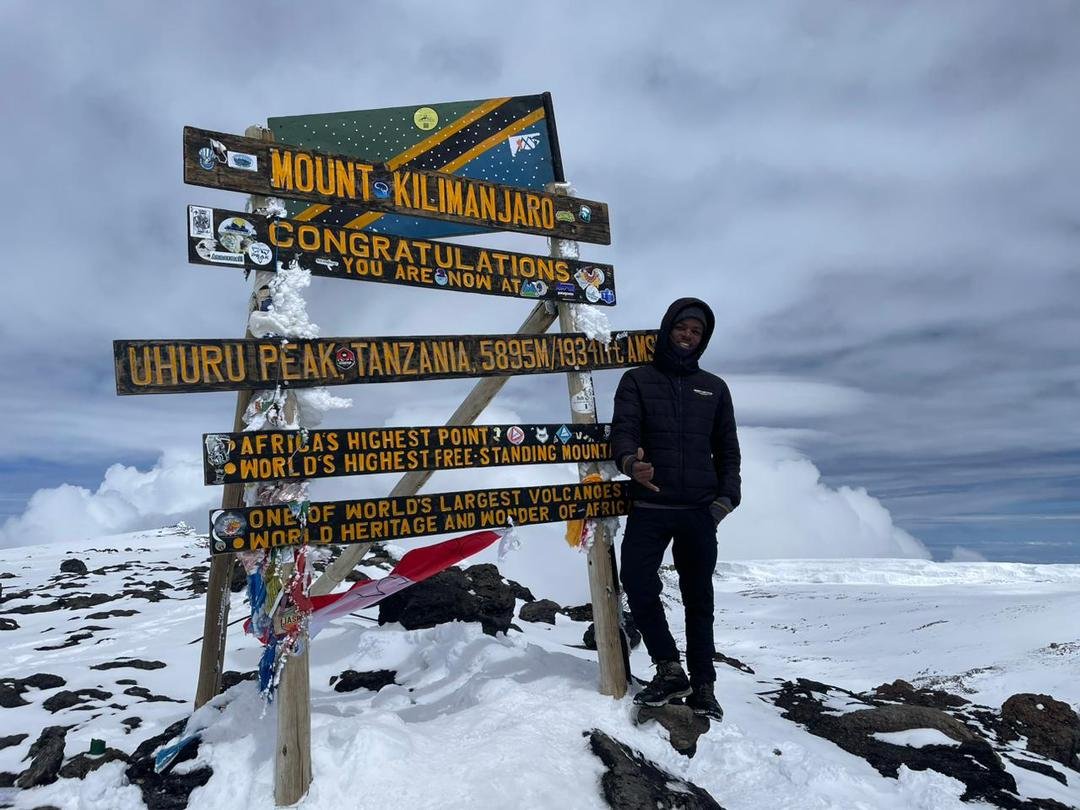
Uhuru Peak is the highest point in Africa and the culmination of your efforts. The final push from Stella Point to Uhuru Peak involves a walk along the crater rim, often with views of the remaining glaciers.
- The Final Stretch: This section can feel long after the arduous climb to Stella Point. The landscape is surreal, with icy terrain and stark beauty.
- Summit Celebration: Reaching Uhuru Peak is an emotional moment. You’ll have time for photos and to absorb the incredible achievement, but it’s crucial to keep moving and not linger too long due to the extreme conditions and the long descent ahead.
The Descent: Often Underestimated
The descent is frequently described as more challenging than the ascent, especially for the legs and knees.
- Rapid Descent: From Uhuru Peak, you’ll descend back to Barafu Camp (or Kosovo Camp) for a short rest and then continue down to Mweka Camp (around 3,100m / 10,170ft). This is a very long day, often 15-18 hours of trekking in total.
- Scree Slopes: The descent from Barafu/Kosovo Camp down towards Mweka Camp is often on loose scree, which can be hard on the knees and requires careful footing.
- Exhaustion: By this point, you will be physically and mentally exhausted. Staying hydrated and focused is important.
Tips for Summit Night Success:
- Train diligently: Especially for sustained effort and uphill hiking with a pack.
- Acclimatize well: The 7-day Machame is highly recommended.
- Hydrate and eat: Force yourself to drink and eat small amounts, even if you don’t feel like it.
- Layer effectively: Adjust layers to manage body temperature and prevent sweating, which can lead to hypothermia.
- Listen to your guides: They are experienced and will make critical decisions about your safety.
- Positive mental attitude: Believe in yourself and your ability to reach the summit.
Preparing mentally and physically for summit night is paramount. The Machame Route provides the best foundation for this challenging but incredibly rewarding experience on your 2026-2027 Kilimanjaro expedition.
Safety on the Machame Route: What Top Guide Adventures Prioritizes
Safety is paramount on any Kilimanjaro climb, and the Machame Route is no exception. At Top Guide Adventures, we implement rigorous safety protocols to ensure the well-being of every trekker throughout their journey. Understanding these measures should provide confidence for anyone planning their Machame Route Kilimanjaro climb in 2026-2027.
Experienced and Certified Guides
Our guides are the backbone of our safety system. They are not only highly experienced in leading treks on Kilimanjaro but also possess:
- Extensive Training: All our lead guides are certified in Wilderness First Aid and CPR. They receive ongoing training in high-altitude medicine and emergency response.
- Altitude Awareness: They are trained to recognize the signs and symptoms of Acute Mountain Sickness (AMS), High Altitude Pulmonary Edema (HAPE), and High Altitude Cerebral Edema (HACE).
- Decision-Making Authority: Guides have the ultimate authority to alter the itinerary, turn a climber back, or order an evacuation if they deem it necessary for safety.
Emergency Equipment and Procedures
We equip our teams with essential safety gear:
- Oxygen Cylinders: Portable oxygen cylinders are carried by guides for emergency use, providing immediate relief for severe altitude sickness symptoms.
- Pulse Oximeters: Guides regularly use pulse oximeters to monitor trekkers’ blood oxygen saturation and heart rate, providing objective data on acclimatization.
- First-Aid Kits: Comprehensive first-aid kits are carried by guides, stocked with medications and supplies to treat common ailments and injuries.
- Emergency Evacuation Plans: We have established relationships with local emergency services and evacuation providers. In case of a serious medical emergency, our team can quickly initiate an evacuation.
Porter Welfare and Support
While not directly a safety measure for the climber, the welfare of our porters is critical to the overall expedition’s success and safety. Our commitment to ethical porter treatment means:
- Fair Wages and Conditions: We ensure porters are paid fairly, have adequate food and shelter, and are not overloaded.
- Support for Crew: A healthy and well-supported crew is more attentive and can better assist in emergencies.
Communication and Monitoring
Communication is maintained throughout the trek:
- Radio Communication: Guides often carry radios to communicate with other team members and base operations, especially in areas with no mobile signal.
- Regular Check-ins: When possible, guides will use mobile phones to check in with our office in Moshi, providing updates on the team’s progress and well-being.
Choosing a reputable operator like Top Guide Adventures for your Machame Route Kilimanjaro climb in 2026-2027 means entrusting your safety to a team that prioritizes it above all else. We believe that proper preparation, skilled guides, and essential equipment are the foundations of a safe and successful Kilimanjaro experience.
Frequently Asked Questions about the Machame Route
To further clarify common queries about the Machame Route, here are answers to frequently asked questions, particularly relevant for those planning their 2026-2027 Kilimanjaro treks.
Is the Machame Route difficult?
The Machame Route is considered a difficult trek due to its altitude, length, and sustained effort. However, it is not technically difficult, meaning no ropes or climbing gear are required. The primary challenge is the altitude. The 7-day itinerary significantly reduces the difficulty by improving acclimatization.
What is the success rate for the Machame Route?
Success rates vary depending on the duration chosen and the operator. For the 6-day Machame, success rates are typically around 70-80%. For the 7-day Machame, this increases to 85-90% or higher, thanks to better acclimatization. These figures are for reaching Uhuru Peak.
What is the best duration for the Machame Route?
The 7-day Machame Route is widely considered the best duration. It provides an extra day for acclimatization, significantly increasing comfort and summit success rates compared to the 6-day option. For 2026-2027 climbs, we strongly recommend the 7-day itinerary.
Do I need to be very fit to climb Kilimanjaro via Machame?
Yes, a good level of physical fitness is essential. You should be able to hike for 5-8 hours a day, with a backpack, for multiple consecutive days. Cardiovascular fitness and leg strength are key. While fitness helps, acclimatization is the most critical factor for summit success.
Can I climb Kilimanjaro solo on the Machame Route?
It is not permitted to climb Kilimanjaro solo. All trekkers must be accompanied by at least one guide. Reputable operators like Top Guide Adventures ensure you have a full professional crew (guides, porters, cook) for your safety and support.
What is the temperature like on the Machame Route?
Temperatures vary greatly by zone. Rainforest areas are warm and humid. Higher up, in the alpine desert and arctic zones, expect temperatures from freezing to well below freezing, especially at night and on summit night. It can range from 20°C (70°F) in the rainforest to -15°C (5°F) or colder at the summit.
When is the best time to climb the Machame Route in 2026-2027?
The dry seasons are generally best: January-March and June-October. These months offer clearer skies and less rain. However, Kilimanjaro can be climbed year-round, and the Machame Route’s robust infrastructure and our experienced guides ensure safety regardless of the season.
What is the difference between Machame and Lemosho?
Check Availability for Best Kilimanjaro Machame Route 2026-2027
Ready to compare dates, prices, and the best option for your group? Send the package name and travel month so the team can reply with a clear quote, availability, and what is included.
Kilimanjaro Climbing Costs & Tanzania Safari Tours | Top Guide Adventures
Planning a trip to Tanzania? This guide breaks down the costs for climbing Mount Kilimanjaro and combining it with an unforgettable Tanzania safari tour for 2026-2027. Learn about pricing...
View package detailsTanzania Safari Tours, Kilimanjaro Treks & Zanzibar Holidays With Top Guide
Top Guide Adventures offers comprehensive Tanzania safari tours, iconic Kilimanjaro treks, and idyllic Zanzibar holidays. Discover the best of East Africa with personalized itineraries...
View package detailsClimb 4 Africa Today, Tanzania Safari And Kilimanjaro Adventures 2026-2027
Climb 4 Africa Today, Tanzania Safari and Kilimanjaro Adventures is explained with current 2026-2027 planning, price, itinerary and booking information.
View package detailsDiscount Tanzania Treks And Affordable Safari Packages In 2026-2027
Discover how to plan discount Tanzania treks and affordable safari packages for your 2026-2027 adventure. This comprehensive guide covers budget-friendly options for iconic destinations...
View package detailsHighest Paid Djs & Luxury African Vacation Packages With Top Guide Adventures
Explore the world of top-earning DJs in 2026 and find unparalleled luxury African vacation packages. Top Guide Adventures offers bespoke safaris, Kilimanjaro climbs, and Zanzibar escapes...
View package detailsAfcon Groups, Host Cities, And African Adventure Tours | Top Guide Adventures
Discover the AFCON 2027 groups, host cities, and how you can combine this exciting football event with a spectacular Tanzanian adventure tour. Top Guide Adventures offers tailored safaris...
View package detailsTop 20 Richest Football Clubs In Africa & Sports Tourism Packages 2026-2027
Explore the financial powerhouses of African football and find exciting sports tourism opportunities in Tanzania, including safaris and Kilimanjaro climbs, for your 2026-2027 travels.
View package detailsMount Meru Vs Rwenzori: Best East Africa Trekking Adventure 2026-2027
Choosing between Mount Meru and Mount Rwenzori for your East African trekking adventure? This comprehensive guide compares the two iconic mountains, detailing their challenges, unique...
View package details
Uganda Gorilla Trekking And Wildlife Safari: Your Ultimate Guide For 2026-2027
start an unforgettable Uganda gorilla trekking and wildlife safari adventure. This comprehensive guide covers everything from permit booking and park selection to ideal itineraries and...
View package detailsNo related package matches those filters. Clear one or more filters to see the other topic-matched options.



