
The best Kilimanjaro equipment list for your 2026-2027 climb prioritizes layering for varied weather, reliable footwear, and essential survival gear. Key items include waterproof and windproof outer layers, warm insulated clothing (down jacket, fleece), thermal base layers, sturdy hiking boots, a comfortable sleeping bag rated to -15°C (5°F), a headlamp, trekking poles, sun protection, and a comprehensive first-aid kit. Proper gear significantly enhances safety, comfort, and your chances of reaching the summit.
Why Your Kilimanjaro Equipment List Matters for 2026-2027 Treks
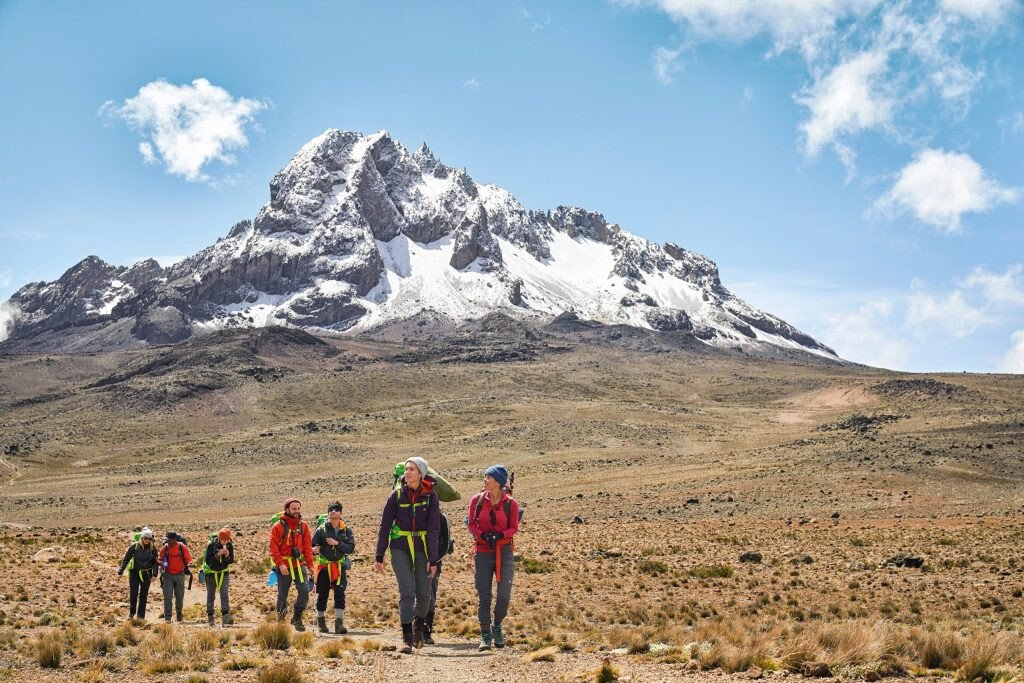
Climbing Kilimanjaro is an extraordinary undertaking, a journey through diverse climatic zones culminating at the Roof of Africa. The success and enjoyment of your trek in 2026 or 2027 hinges significantly on being properly equipped. Unlike casual hiking, a Kilimanjaro climb subjects you to extreme temperature fluctuations, from the warm rainforest at the base to the freezing arctic conditions near the summit. Your equipment isn’t just about comfort; it’s a critical component of your safety and well-being. Top Guide Adventures emphasizes that having the right Kilimanjaro equipment list ensures you can adapt to these changing environments, stay warm, dry, and energized throughout your multi-day ascent. This guide provides a detailed breakdown of every essential item you’ll need, drawing on years of experience guiding climbers to the summit.
Understanding Kilimanjaro’s Climatic Zones and Their Gear Implications
Kilimanjaro is a mountain of contrasts, and understanding its unique ecosystem is the first step to building an effective Kilimanjaro equipment list. The mountain features five distinct ecological zones, each presenting its own challenges and requiring specific gear considerations for your 2026-2027 expedition:
- Cultivation Zone (approx. 800m – 1,800m / 2,600ft – 5,900ft): This is the lower, warmer, and often humid zone, characterized by farms and forests. You’ll start your trek here, so lightweight, breathable clothing is suitable, along with sun protection. Expect rain, especially during the rainy seasons.
- Rainforest Zone (approx. 1,800m – 2,800m / 5,900ft – 9,200ft): Dense, humid, and often misty. Waterproof gear, including a rain jacket and trousers, is crucial here to stay dry and prevent chilling. Sturdy, waterproof hiking boots are essential for navigating muddy and slippery trails.
- Heath Zone (approx. 2,800m – 4,000m / 9,200ft – 13,100ft): The landscape opens up to moorlands with shrubs and grasses. Temperatures begin to drop significantly, especially at night. You’ll need warmer layers, including fleece and possibly a light insulated jacket.
- Alpine Desert Zone (approx. 4,000m – 4,700m / 13,100ft – 15,400ft): Arid and exposed, this zone experiences strong winds and cold temperatures, with significant day-night temperature swings. Sun protection (hat, sunglasses, sunscreen) is paramount due to the intense UV radiation at this altitude. Layering becomes critical, and a warm, windproof outer shell is indispensable.
- Arctic Zone (above 4,700m / 15,400ft): The summit zone, including Uhuru Peak, is a harsh, cold, and windy environment. Temperatures can plummet well below freezing, often reaching -15°C (5°F) or lower, especially with wind chill. This is where your warmest gear—a heavy-duty down jacket, insulated trousers, thick gloves, and a warm hat—is non-negotiable. Oxygen levels are also very low, so physical preparedness is as important as your equipment.
Considering these zones when packing your Kilimanjaro equipment list ensures you are prepared for every condition you will encounter, making your trek safer and more comfortable. For any climb booked for 2026 or 2027, this understanding is your foundational planning tool.
The Core Kilimanjaro Equipment List: Layering is Key
The principle of layering is fundamental to staying comfortable and regulating body temperature on Kilimanjaro. Instead of relying on one heavy garment, you’ll use multiple thinner layers that can be added or removed as conditions change. This approach is far more effective than wearing a single thick item. Your Kilimanjaro equipment list should be built around this concept.
1. Base Layers: The Foundation of Warmth
Base layers are the first line of defense against the cold, worn directly against your skin. Their primary function is to wick moisture away from your body to keep you dry, which is essential for preventing heat loss. Avoid cotton, as it holds moisture and makes you cold when wet.
- Thermal Tops (2-3): Long-sleeved shirts made from merino wool or synthetic materials (polyester, polypropylene). Merino wool is excellent for its natural odor resistance and warmth, even when damp. Synthetics are durable and wick moisture effectively. Choose varying weights (lightweight for warmer days, midweight for cooler conditions).
- Thermal Bottoms (2-3): Similar to the tops, these should be made of merino wool or synthetic materials. You’ll use these during colder days and at higher altitudes, especially for sleeping.
2. Mid Layers: Insulation and Versatility
Mid layers provide the bulk of your insulation. They trap body heat and can be easily adjusted. Fleece is a popular choice for its warmth-to-weight ratio and breathability.
- Fleece Jacket or Pullover (1-2): A mid-weight fleece (e.g., Polartec 100 or 200) is versatile. You might opt for one heavier fleece for extra warmth, especially for summit night.
- Insulated Vest (Optional): A lightweight down or synthetic vest can add core warmth without restricting arm movement, useful during ascents or around camp.
3. Outer Layers: Protection from the Elements
These are your shields against wind and rain, crucial for maintaining warmth and dryness. They should be waterproof, windproof, and breathable to prevent overheating and sweating.
- Waterproof and Windproof Jacket (Hardshell): This is a non-negotiable item. Look for a jacket with a breathable membrane (like Gore-Tex or similar) and features such as a good hood, adjustable cuffs, and pit zips for ventilation. It must be robust enough to withstand wind and heavy rain.
- Waterproof and Windproof Trousers (Hardshell): Full-length side zippers are highly recommended, allowing you to put them on or take them off over your boots without removing your footwear. Essential for rainy periods and windy conditions.
- Insulated Parka/Down Jacket: A crucial item for summit night and cold evenings at high camps. This should be a warm, puffy jacket filled with down or synthetic insulation, providing significant warmth. Ensure it has a hood and can be worn over your other layers. This is one of the most important pieces of gear on your Kilimanjaro equipment list for reaching the summit in 2026-2027.
Footwear: Your Most Important Kilimanjaro Equipment
Your feet are your primary mode of transport on Kilimanjaro. Neglecting proper footwear can lead to blisters, frostbite, and serious discomfort, potentially ending your trek prematurely. Investing in good quality footwear is paramount.
Hiking Boots
- Sturdy, Waterproof Hiking Boots: These should be well broken-in before your trek. Mid-to-high cut boots offer ankle support, which is beneficial on uneven terrain. Ensure they are waterproof to keep your feet dry from rain and puddles. They need to be durable enough for a week-long trek.
Camp Shoes and Socks
- Camp Shoes (Optional but Recommended): Lightweight trainers, sturdy sandals, or comfortable slip-on shoes for wearing around camp. This allows your feet to breathe and recover from being in boots all day.
- Hiking Socks (4-6 pairs): Made of wool or synthetic blends. Avoid cotton. You’ll need a mix of mid-weight and heavier socks for colder days and summit night.
- Liner Socks (2-3 pairs): Thin socks worn under your main hiking socks. These help wick away moisture and can prevent blisters.
- Thick Wool/Insulated Socks (2-3 pairs): Specifically for summit night and cold mornings. These are your primary defense against cold feet at high altitudes.
Headwear and Handwear: Crucial for Temperature Regulation
Extremities are often the first to suffer from cold. Protecting your head and hands is vital for overall comfort and preventing frostbite.
Headwear
- Warm Fleece Hat: A hat that covers your ears is essential for retaining heat.
- Balaclava or Ski Mask: Protects your face, neck, and ears from wind and cold, especially during the summit push.
- Sun Hat or Wide-Brimmed Hat: Crucial for sun protection during the day, especially in the alpine desert zone.
- Bandana or Buff: Versatile for sun protection, dust protection, or wiping sweat.
Handwear
- Liner Gloves (1 pair): Thin gloves, often made of silk or lightweight fleece, for dexterity in milder conditions or as a base layer under warmer gloves.
- Warm Insulated Gloves or Mittens (1 pair): Waterproof and windproof, with good insulation. Mittens are generally warmer than gloves as they keep fingers together. Essential for summit night.
- Waterproof Over-Mittens (Optional): For extreme cold and wet conditions, these provide an extra layer of protection over your insulated gloves.
Sleeping Gear: Ensuring Restful Nights
Adequate rest is critical for acclimatization and energy levels. Your sleeping gear must keep you warm and comfortable in potentially freezing temperatures.
- Sleeping Bag: A four-season bag rated to at least -15°C (5°F) is recommended. Down offers the best warmth-to-weight ratio, but synthetic fills are also effective and perform better when damp. Top Guide Adventures often provides high-quality sleeping bags for rent or includes them in premium packages for 2026-2027 climbs, so inquire about this.
- Sleeping Bag Liner: Made of silk or fleece, this adds extra warmth (around 5-10°C / 10-15°F) and keeps your sleeping bag cleaner.
- Sleeping Pad/Mat: While porters usually provide a basic mat, bringing your own inflatable or foam sleeping pad offers superior insulation from the cold ground and added comfort.
Trekking and Day Gear: Essentials for the Trail
These items are used throughout your trek, from daily hiking to camp activities.
- Backpack (Daypack): A comfortable, 30-40 liter backpack is essential for carrying your daily essentials: water, snacks, extra layers, camera, sunscreen, and rain gear. It should have a padded hip belt and shoulder straps.
- Duffel Bag (Porter Bag): Porters will carry your main luggage. This should be a large, sturdy, waterproof duffel bag (typically 80-100 liters, max 15kg/33lbs). Ensure it’s easy for them to handle. Top Guide Adventures will provide specific weight limits for porters.
- Trekking Poles: Highly recommended. They reduce strain on your knees and legs, especially during descents, and provide stability on uneven or slippery terrain.
- Water Bottles or Hydration Reservoir: Carry at least 2-3 liters of water capacity. Hydration reservoirs (like Camelbaks) are convenient but can freeze at high altitudes. Insulated water bottles are a good alternative.
- Water Purification Tablets or Filter: Essential for treating water collected from streams, as guides will typically only provide boiled water or you’ll need to purify your own.
Lighting: Essential for Visibility
Reliable light sources are crucial for navigating in the dark, whether in camp or on the trail.
- Headlamp: A hands-free light is indispensable. Bring spare batteries, as they drain quickly in the cold. A powerful LED headlamp is ideal.
- Spare Batteries: Pack extra batteries for your headlamp and any other electronic devices. Lithium batteries perform better in cold temperatures.
Health and Safety: Prioritizing Well-being
Your health and safety are paramount. A well-stocked first-aid kit and personal care items are vital for managing minor issues and preparing for emergencies.
- Personal First-Aid Kit: Include blister treatment (moleskin, Compeed), pain relievers (ibuprofen, paracetamol), antiseptic wipes, bandages, gauze pads, medical tape, antihistamines, and any personal medications.
- Sunscreen: High SPF (30-50+) broad-spectrum sunscreen is essential due to the intense UV radiation at altitude.
- Lip Balm with SPF: Protect your lips from sun and windburn.
- Insect Repellent: While less of an issue at higher altitudes, it’s useful in the lower rainforest sections.
- Hand Sanitizer: For hygiene when clean water isn’t readily available.
- Toiletries: Biodegradable soap, toothbrush, toothpaste, wet wipes, and any personal hygiene items. Consider a small, quick-drying towel.
- Prescription Medications: Bring enough for your trip plus a buffer, with copies of prescriptions.
- Diamox (Acetazolamide): Consult your doctor about altitude sickness medication. It can help with acclimatization but is not a substitute for proper ascent and hydration.
Personal Items and Miscellaneous Gear
These are the smaller items that significantly contribute to your comfort and preparedness.
- Sunglasses: High-quality, UV-protective sunglasses are essential to prevent snow blindness and reduce eye strain.
- Camera and Spare Batteries/Memory Cards: To capture the incredible scenery.
- Power Bank/Portable Charger: For recharging electronic devices, though power sources are limited on the mountain.
- Duct Tape: Invaluable for quick repairs to gear.
- Small Knife or Multi-tool: Useful for various small tasks.
- Ziploc Bags: For waterproofing items and organizing gear.
- Personal Snacks: High-energy snacks like energy bars, nuts, and dried fruit can be a welcome supplement to meals.
- Book or Journal: For downtime in camp.
- Passport and Visa: Keep these in a waterproof pouch.
- Cash: For tips for guides and porters, and any personal purchases.
Choosing Your Kilimanjaro Equipment: Quality Over Quantity
When selecting gear for your Kilimanjaro equipment list, prioritize quality and functionality. While it might be tempting to save money, investing in reliable equipment can make a significant difference in your comfort and safety. Brands known for outdoor gear (e.g., The North Face, Patagonia, Mountain Hardwear, Marmot, Arc’teryx) often offer durable and high-performance products. However, good quality gear can also be found from more budget-friendly brands if you research carefully. Remember to check reviews and specifications, especially for items like sleeping bags and waterproof outerwear.
Renting vs. Buying Kilimanjaro Equipment
For some items, renting can be a cost-effective solution, especially if you don’t plan on frequent mountain expeditions. Top Guide Adventures offers rental services for key items like sleeping bags, trekking poles, and sometimes down jackets for your 2026-2027 climb. This can significantly reduce the initial cost and the amount of gear you need to transport.
Items typically recommended to buy:
- Hiking boots (must be well-fitted and broken in)
- Base layers
- Hiking socks
- Daypack
Items often available for rent:
- Sleeping bag (rated to -15°C or -20°C)
- Down jacket
- Trekking poles
- Waterproof trousers
Always confirm rental availability and conditions with your tour operator, such as Top Guide Adventures, well in advance of your 2026 or 2027 trek to ensure they have your size and the required specifications.
Packing Your Kilimanjaro Equipment: Tips for Efficiency
How you pack your gear is almost as important as what you pack. Efficient packing ensures you can access essentials easily and keeps your load manageable.
- Use your daypack for daily essentials: Water, snacks, camera, sunscreen, rain gear, warm hat and gloves, headlamp.
- Pack your duffel bag strategically: Keep items you’ll need immediately upon arrival at camp (e.g., warm jacket, sleeping bag) easily accessible. Use stuff sacks or compression sacks to organize clothing and minimize volume.
- Waterproof everything: Use dry bags or sturdy plastic bags for electronics, sleeping bags, and spare clothing to protect them from moisture.
- Distribute weight: Ensure your duffel bag stays within the porter’s weight limit (usually 15 kg / 33 lbs). Pack heavier items closer to the bottom.
Kilimanjaro Equipment Checklist Summary (2026-2027)
Here’s a consolidated checklist to help you finalize your Kilimanjaro equipment list. This list is designed for a typical 7-day climb, but adjust quantities based on the duration of your chosen route and personal needs.
Clothing:
- Waterproof/windproof jacket (hardshell)
- Waterproof/windproof trousers (hardshell)
- Insulated down or synthetic jacket
- Fleece jacket or pullover (mid-weight)
- Thermal base layers (tops and bottoms, 2-3 sets)
- Hiking trousers (quick-drying, 1-2 pairs)
- Hiking shorts (optional, for lower altitudes)
- T-shirts (quick-drying, 2-3)
- Underwear
- Warm hat (fleece, covers ears)
- Sun hat (wide-brimmed)
- Balaclava or ski mask
- Buff or bandana
Footwear:
- Broken-in waterproof hiking boots (mid/high cut)
- Camp shoes (trainers, sandals)
- Hiking socks (wool/synthetic, 4-6 pairs)
- Liner socks (2-3 pairs)
- Thick wool/insulated socks (2-3 pairs)
Handwear:
- Liner gloves
- Warm insulated gloves or mittens (waterproof)
Sleeping Gear:
- Sleeping bag (rated to -15°C/5°F or colder)
- Sleeping bag liner (fleece or silk)
- Sleeping pad (optional, for comfort/insulation)
Trekking & Day Gear:
- Daypack (30-40L) with rain cover
- Duffel bag (porter bag, waterproof, max 15kg)
- Trekking poles
- Water bottles or hydration reservoir (2-3L capacity)
- Water purification tablets/filter
Lighting:
- Headlamp with spare batteries
Health & Safety:
- Personal first-aid kit
- Sunscreen (SPF 30-50+)
- Lip balm with SPF
- Insect repellent
- Hand sanitizer
- Toiletries (biodegradable soap, toothbrush, etc.)
- Quick-drying towel
- Prescription medications
- Diamox (consult doctor)
Miscellaneous:
- Sunglasses (UV protection)
- Camera, spare batteries, memory cards
- Power bank (optional)
- Duct tape
- Ziploc bags
- Personal high-energy snacks
- Passport, visa, copies
- Cash for tips and incidentals
Pre-Climb Preparation and Gear Checks for 2026-2027 Treks
Finalizing your Kilimanjaro equipment list is just one part of preparation. Before you depart for Tanzania in 2026 or 2027, it’s crucial to:
- Test your gear: Wear your hiking boots around the house and on short walks to ensure they are comfortable and well-broken in. Test your headlamp. Check your rain gear for leaks.
- Familiarize yourself with your equipment: Know how to adjust your backpack, use your trekking poles, and operate your water filter.
- Pack smart: Organize your gear so you can find what you need quickly.
- Get a physical check-up: Ensure you are medically fit for the climb.
- Acclimatization training: While not strictly equipment, understanding acclimatization is key. Follow your guide’s advice on pacing and hydration.
Top Guide Adventures is committed to ensuring your climb is as safe and enjoyable as possible. We provide detailed pre-departure information and support to help you prepare your Kilimanjaro equipment list. Our experienced guides are trained in altitude sickness management and first aid, and they will be with you every step of the way.
Final Thoughts on Your Kilimanjaro Equipment List
As you plan your Kilimanjaro adventure for 2026 or 2027, remember that your equipment is your primary ally against the mountain’s challenges. A well-thought-out Kilimanjaro equipment list, focusing on layering, quality, and functionality, will significantly contribute to your comfort, safety, and ultimately, your success in reaching the summit. Don’t underestimate the importance of each item, from your sturdy boots to your warm gloves. Proper preparation, including meticulous attention to your gear, is the hallmark of a successful Kilimanjaro climb. We look forward to helping you achieve your summit dreams!
For personalized advice on your Kilimanjaro equipment list and to discuss your 2026-2027 climb, please feel free to contact Top Guide Adventures:
- WhatsApp: +255616946642
- Email: topguideadventures@gmail.com
- Backup Email: info@topguideadventurestanzania.com
Visit our website for more information on our Kilimanjaro climbs and other Tanzanian adventures: topguideadventurestanzania.com.
Check Availability for Best Kilimanjaro Equipment List: Essential Gear For Your Climb In 2026-2027
Ready to compare dates, prices, and the best option for your group? Send the package name and travel month so the team can reply with a clear quote, availability, and what is included.
Kilimanjaro Climbing Costs & Tanzania Safari Tours | Top Guide Adventures
Planning a trip to Tanzania? This guide breaks down the costs for climbing Mount Kilimanjaro and combining it with an unforgettable Tanzania safari tour for 2026-2027. Learn about pricing...
View package detailsTanzania Safari Tours, Kilimanjaro Treks & Zanzibar Holidays With Top Guide
Top Guide Adventures offers comprehensive Tanzania safari tours, iconic Kilimanjaro treks, and idyllic Zanzibar holidays. Discover the best of East Africa with personalized itineraries...
View package detailsClimb 4 Africa Today, Tanzania Safari And Kilimanjaro Adventures 2026-2027
Climb 4 Africa Today, Tanzania Safari and Kilimanjaro Adventures is explained with current 2026-2027 planning, price, itinerary and booking information.
View package detailsDiscount Tanzania Treks And Affordable Safari Packages In 2026-2027
Discover how to plan discount Tanzania treks and affordable safari packages for your 2026-2027 adventure. This comprehensive guide covers budget-friendly options for iconic destinations...
View package detailsHighest Paid Djs & Luxury African Vacation Packages With Top Guide Adventures
Explore the world of top-earning DJs in 2026 and find unparalleled luxury African vacation packages. Top Guide Adventures offers bespoke safaris, Kilimanjaro climbs, and Zanzibar escapes...
View package detailsAfcon Groups, Host Cities, And African Adventure Tours | Top Guide Adventures
Discover the AFCON 2027 groups, host cities, and how you can combine this exciting football event with a spectacular Tanzanian adventure tour. Top Guide Adventures offers tailored safaris...
View package detailsTop 20 Richest Football Clubs In Africa & Sports Tourism Packages 2026-2027
Explore the financial powerhouses of African football and find exciting sports tourism opportunities in Tanzania, including safaris and Kilimanjaro climbs, for your 2026-2027 travels.
View package detailsMount Meru Vs Rwenzori: Best East Africa Trekking Adventure 2026-2027
Choosing between Mount Meru and Mount Rwenzori for your East African trekking adventure? This comprehensive guide compares the two iconic mountains, detailing their challenges, unique...
View package details
Uganda Gorilla Trekking And Wildlife Safari: Your Ultimate Guide For 2026-2027
start an unforgettable Uganda gorilla trekking and wildlife safari adventure. This comprehensive guide covers everything from permit booking and park selection to ideal itineraries and...
View package detailsNo related package matches those filters. Clear one or more filters to see the other topic-matched options.



