
Tanzania boasts a rich and diverse culture shaped by over 120 ethnic groups, a history of trade, and influences from Arab and European settlers, complemented by essential general information including Swahili as the national language, English as a common second language, a tropical climate with distinct wet and dry seasons, and a currency of the Tanzanian Shilling (TZS) for travelers planning trips in 2026-2027.
Understanding Tanzania’s Cultural Mosaic
Tanzania is a land of remarkable cultural depth, a vibrant mosaic woven from the traditions, languages, and customs of its many peoples. Far more than just the famed wildlife safaris, the true spirit of Tanzania lies in its inhabitants, their history, and their daily lives. For travelers looking to connect with the destination on a profound level, understanding this cultural landscape is paramount. As we look towards planning trips in 2026 and 2027, a deeper appreciation for Tanzanian culture will undoubtedly enrich your experience, transforming a simple holiday into a meaningful engagement with a fascinating society.
The Heartbeat of Tanzania: Its People and Ethnic Groups
With over 120 distinct ethnic groups, Tanzania presents an incredible spectrum of traditions. While the Maasai, with their iconic red shukas and pastoral lifestyle, are perhaps the most globally recognized, they represent just one facet of this rich diversity. Other significant groups include the Sukuma, the largest tribe, known for their agricultural prowess and vibrant ceremonies; the Chagga, who inhabit the fertile slopes of Mount Kilimanjaro and are renowned for their coffee farming and cooperative societies; and the Hadzabe, one of the last hunter-gatherer tribes in Africa, offering a unique glimpse into ancient ways of life. Each group possesses its own distinct language, social structures, art forms, and belief systems, contributing to the nation’s unparalleled cultural richness.
Understanding these distinctions is key. While Swahili serves as the lingua franca, bridging communication gaps between different tribes and with the outside world, many local communities continue to speak their ancestral languages. Respecting these linguistic nuances, even if only by acknowledging their existence, shows a genuine appreciation for the local heritage.
Languages Spoken in Tanzania
The official languages of Tanzania are Swahili (Kiswahili) and English. Swahili is the national language and is spoken by the vast majority of the population, making it surprisingly easy for visitors to navigate daily interactions in towns and villages. English is widely spoken in business, government, and tourism sectors, and many guides and hotel staff are fluent. However, in more remote areas or during interactions with elders in traditional settings, you might encounter individuals who primarily speak their local dialect. Learning a few basic Swahili phrases, such as ‘Jambo’ (Hello), ‘Asante’ (Thank you), and ‘Karibu’ (Welcome), is always greatly appreciated and can open doors to warmer interactions.
Social Customs and Etiquette
Respect for elders and authority is deeply ingrained in Tanzanian society. Greetings are important; it’s customary to greet people before launching into a conversation. A handshake is common, and it’s polite to wait for a woman to offer her hand first. When visiting villages or people’s homes, dress modestly. For men, this means avoiding sleeveless shirts, and for women, covering shoulders and knees is advisable, especially outside major tourist hubs. It’s also customary to remove shoes before entering a home. When taking photographs of people, always ask for permission first. Offering a small gift, like sweets for children or useful items for the household, can be a thoughtful gesture, but it’s best done discreetly and not in a way that encourages begging.
Religious Diversity
Tanzania is a secular nation with a diverse religious landscape. The coastal regions and Zanzibar have a strong Muslim majority, while the mainland interior is predominantly Christian, with significant populations of both Catholic and Protestant denominations. There are also smaller communities practicing traditional African religions, and a growing number of adherents to other faiths. Religious tolerance is a hallmark of Tanzanian society, and people generally live together harmoniously. Visitors are encouraged to be mindful of local religious customs, particularly during Ramadan in Muslim areas or when visiting churches and mosques. Modest dress is particularly important when visiting religious sites.
Essential General Information for Travelers
Beyond the cultural mix, practical information is crucial for a smooth and enjoyable trip to Tanzania. Understanding the climate, currency, visa requirements, and health considerations will ensure you are well-prepared for your adventure in 2026-2027.
Climate and Best Time to Visit
Tanzania experiences a tropical climate, with temperatures generally warm year-round. However, there are distinct seasons that can influence your travel plans. The country has two main rainy seasons: the ‘long rains’ from March to May, and the ‘short rains’ from November to December. The dry season, from June to October, is generally considered the best time for safaris, as wildlife congregates around water sources, and the vegetation is less dense, offering better viewing opportunities. However, the shoulder months, particularly June and October, can offer a good balance of good weather and fewer crowds. Zanzibar and the coast enjoy a tropical climate with high humidity, but sea breezes often provide relief. Temperatures on the coast typically range from 25°C to 30°C (77°F to 86°F).
For 2026-2027, the general advice remains the same. If your priority is witnessing the Great Migration in the Serengeti, the best time is generally between June and October when the herds cross the Grumeti and Mara Rivers. For Kilimanjaro climbs, the dry seasons (January-March and June-October) are preferred for clearer skies and less challenging conditions.
Currency and Exchange Rates
The official currency is the Tanzanian Shilling (TZS). While US Dollars are widely accepted, especially for park fees and in tourist lodges, it’s always advisable to have some Tanzanian Shillings for smaller purchases, local markets, and tipping. It’s recommended to carry clean, relatively new US Dollar bills (preferably dated 2009 or later) as older notes may not be accepted. ATMs are available in major towns and cities, but can be unreliable in remote areas. Credit cards are accepted in larger hotels and some tour operators, but often with a surcharge. Exchange rates fluctuate, so it’s wise to check current rates before your trip. For 2026-2027 travel, budgeting with a mix of USD and TZS will be most practical.
Visa Requirements
Most nationalities require a visa to enter Tanzania. You can apply for a visa in advance through the Tanzanian embassy or consulate in your country, or obtain one upon arrival at Kilimanjaro International Airport (JRO), Julius Nyerere International Airport (DAR), or other major entry points. However, applying in advance is often recommended to avoid potential delays. Visa requirements can change, so it is essential to check the latest regulations with the Tanzanian immigration authorities or your local embassy well before your planned travel in 2026 or 2027. Some nationalities may be eligible for e-visas, which can streamline the process.
Health and Vaccinations
Consult your doctor or a travel clinic at least 4-6 weeks before your trip for personalized advice on vaccinations and malaria prophylaxis. Recommended vaccinations often include Hepatitis A, Typhoid, Tetanus, and potentially others depending on your medical history and itinerary. Malaria is present in most parts of Tanzania, including safari destinations. Your doctor will advise on the most suitable antimalarial medication. It is also crucial to protect yourself from mosquito bites by using repellent, wearing long sleeves and trousers at dawn and dusk, and sleeping under a mosquito net. Drink bottled or purified water only. Many lodges and camps provide safe drinking water, but it’s wise to carry your own water bottle and purification tablets as a backup for 2026-2027 travels.
Safety and Security
Tanzania is generally a safe country for tourists, but like any destination, petty crime can occur, particularly in urban areas. It’s advisable to be aware of your surroundings, avoid displaying large amounts of cash or valuables, and not walk alone at night in unfamiliar areas. Secure your belongings in your hotel room safe. When on safari, always follow the instructions of your guide. They are experienced professionals trained in wildlife behavior and safety protocols. For 2026-2027 trips, staying informed about current local conditions is always wise, though major tourist areas are well-patrolled and secure.
Planning Your Tanzanian Adventure: Practicalities and Tips
With the cultural and general information in hand, let’s explore the practical aspects of planning your Tanzanian adventure, ensuring a well-organized and memorable experience for your 2026-2027 travels.
Choosing Your Safari Experience
Tanzania offers a diverse range of safari experiences. The northern circuit, encompassing the Serengeti, Ngorongoro Crater, Tarangire, and Lake Manyara, is the most popular and renowned for its high concentration of wildlife and iconic landscapes. The southern circuit, including Selous Game Reserve (now Nyerere National Park) and Ruaha National Park, offers a more remote and wilder experience, often with fewer vehicles. Zanzibar provides a tropical escape with beautiful beaches, historical Stone Town, and spice tours.
Top Guide Adventures specializes in crafting tailor-made safaris that cater to your interests, budget, and travel style. Whether you dream of witnessing the Great Migration, exploring the vastness of Ruaha, or combining a safari with a beach holiday in Zanzibar, we can design the perfect itinerary for you. For 2026-2027, early booking is highly recommended, especially for peak safari seasons.
Accommodation Options
Accommodation in Tanzania ranges from budget-friendly campsites and guesthouses to mid-range lodges and luxurious tented camps and hotels. Campsites offer a truly detailed experience, often situated within or near national parks, providing a close-to-nature feel. Lodges and tented camps typically offer comfortable rooms or canvas tents with en-suite facilities, dining areas, and common lounges. High-end lodges and tented camps provide exceptional service, gourmet meals, and exclusive locations. When planning for 2026-2027, consider your comfort level and budget when selecting accommodation. Many of our packages include a mix of these options to provide a balanced experience.
Packing Essentials for Tanzania
Packing smart is key to enjoying your Tanzanian adventure. Light, neutral-colored clothing is best for safaris, as bright colors can startle wildlife. Long sleeves and trousers are useful for sun protection and mosquito protection in the evenings. Essential items include:
- Lightweight, breathable clothing (long-sleeved shirts, trousers, t-shirts)
- A warm fleece or jacket for cooler evenings and early mornings, especially at higher altitudes (like the Ngorongoro Crater rim)
- Comfortable walking shoes or hiking boots
- Sandals or flip-flops for relaxing
- A wide-brimmed hat and sunglasses for sun protection
- Sunscreen with high SPF
- Insect repellent containing DEET
- A reusable water bottle
- A camera with extra batteries and memory cards
- Binoculars for wildlife viewing
- A basic first-aid kit
- Personal toiletries
- A headlamp or flashlight
- Adapter for electronics (Type G, UK style, is common, but Type D is also found)
For cultural visits, pack modest clothing that covers shoulders and knees. For 2026-2027, remember that layering is always a good strategy to adapt to changing temperatures.
Responsible Tourism Practices
As visitors, we have a responsibility to minimize our impact and contribute positively to the communities and environments we visit. This includes:
- Respecting wildlife: Maintain a safe distance, never feed animals, and avoid using flash photography.
- Supporting local communities: Purchase authentic local crafts, eat at local restaurants when possible, and consider visiting community projects.
- Conserving resources: Be mindful of water and energy usage, especially in lodges and camps.
- Ethical wildlife viewing: Choose tour operators who adhere to strict ethical guidelines and regulations.
Top Guide Adventures is committed to responsible tourism. We work with local communities and prioritize conservation efforts, ensuring your 2026-2027 adventure contributes positively to Tanzania.
Experiencing Tanzanian Culture Firsthand
While safaris offer incredible wildlife encounters, opportunities to engage with Tanzania’s vibrant culture are abundant and highly recommended for a complete travel experience.
Village Visits and Cultural Tours
Many safari itineraries can be enhanced with visits to local villages. This provides a unique chance to interact with communities, learn about their daily lives, traditions, and perhaps even participate in local activities. Maasai boma visits are popular, offering insights into their traditional homesteads and way of life. Similarly, visits to Chagga villages near Kilimanjaro can reveal their unique agricultural practices and community structures. These interactions are often facilitated by local guides who ensure they are conducted respectfully and beneficially for both visitors and the community. For 2026-2027, we recommend incorporating at least one such experience.
Local Markets and Crafts
Exploring local markets is a sensory delight and a fantastic way to experience the local culture. From bustling food markets selling fresh produce to craft markets offering intricate carvings, paintings, and textiles, these places are alive with activity. Buying souvenirs directly from local artisans supports their livelihoods and provides you with authentic mementos of your trip. Remember that bargaining is common in markets, but always do so respectfully and with a smile.
Culinary Delights of Tanzania
Tanzanian cuisine is a flavorful reflection of its diverse influences. Staples include ugali (a stiff porridge made from maize flour), rice, beans, and various stews. Nyama choma (grilled meat) is a popular delicacy, often served with ugali and kachumbari (a fresh tomato and onion salad). On the coast and in Zanzibar, seafood is abundant, with dishes like pilau (spiced rice) and biryani being common. Don’t miss trying Tanzanian coffee, particularly the beans grown on the slopes of Kilimanjaro. For adventurous eaters, trying local street food can be a rewarding experience, but ensure it’s prepared hygienically.
Planning Your 2026-2027 Tanzanian Trip with Top Guide Adventures
As you finalize your plans for Tanzania in 2026 or 2027, remember that a well-planned trip allows for deeper cultural immersion and a more rewarding experience. Top Guide Adventures is dedicated to providing personalized service and expert guidance for your Tanzanian journey.
We offer a comprehensive range of services, including:
- Tanzania Safaris: From the vast plains of the Serengeti to the depths of the Ngorongoro Crater, we craft unforgettable wildlife experiences.
- Kilimanjaro Climbs: Ascend Africa’s highest peak with our experienced guides and support teams, utilizing routes like Machame.
- Zanzibar Holidays: Relax on pristine beaches, explore historic Stone Town, and discover the island’s spice heritage.
- Cultural Experiences: Integrate authentic village visits and local interactions into your itinerary.
- Tailor-Made Journeys: We design bespoke itineraries to match your specific interests, budget, and travel style.
Our team is passionate about Tanzania and committed to ensuring your trip is everything you dreamed of and more. We handle all the logistics, from accommodation and transportation to park fees and expert guiding, allowing you to focus on soaking in the incredible beauty and culture of this remarkable country. For inquiries or to start planning your 2026-2027 adventure, please reach out to us.
Ready to Plan Your 2026-2027 Tanzanian Adventure?
Contact Top Guide Adventures today to discuss your dream safari, Kilimanjaro climb, or Zanzibar getaway. Our team is ready to provide expert advice and craft a personalized itinerary that perfectly suits your interests and budget. Let us help you experience the magic of Tanzania!
WhatsApp: +255616946642
Email: Topguideadventures@gmail.com
Backup Email: Info@topguideadventures.com
Visit our website for more information on our tours and services: Top Guide Adventures Tanzania.
Check Availability for Tanzania Culture & General Information For Travelers 2026-2027
Ready to compare dates, prices, and the best option for your group? Send the package name and travel month so the team can reply with a clear quote, availability, and what is included.
Dar Es Salaam: Your Comprehensive Guide To Tanzanias Coastal Hub 2026-2027
A comprehensive guide to Dar es Salaam, Tanzania's bustling coastal metropolis, covering its attractions, culture, practical travel advice, and how to best experience the city in 2026-2027.
View package details
Arusha City Tour: Your Gateway To Northern Tanzanias Wonders 2026-2027
Experience Arusha, the vibrant hub of Northern Tanzania. Our Arusha city tours offer a perfect introduction to local life, culture, and the stunning landscapes that await your adventure.
View package details
Arusha: Your Gateway To Tanzanias Northern Safari Circuit And Kilimanjaro
Arusha serves as Tanzania's vibrant gateway, connecting travelers to the world-renowned Northern Safari Circuit, the majestic Mount Kilimanjaro, and the unique cultural landscapes of the...
View package details
Best Cafes In Tanzania: A Local Guide For 2026-2027
Exploring Tanzania offers incredible wildlife and cultural experiences, but sometimes you need a moment to relax, recharge, and enjoy a good cup of coffee. This guide highlights the best...
View package details
Best Coffee Shops In Tanzania: A Local Guide For 2026-2027
Explore Tanzania's burgeoning coffee culture and find the best local cafes for an authentic brew. From Arusha to Zanzibar, discover artisanal coffee experiences tailored for your 2026-2027...
View package details
Best Time Of Year To Visit Tanzania For Safaris & Zanzibar 2026-2027
Planning a trip to Tanzania? This guide breaks down the best times to visit for unparalleled wildlife viewing, beach relaxation, and cultural experiences, considering weather, animal...
View package detailsBig Coffee Shops Near Me: Finding Your Perfect Brew In Tanzania 2026-2027
Discovering a welcoming "big coffee shop near me" is essential for travelers and locals alike, whether you're seeking a quiet spot to plan your next adventure or a lively place to connect...
View package details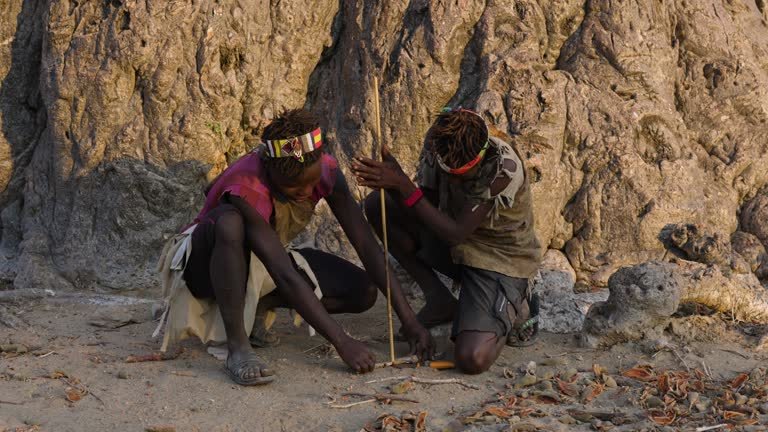
Chabba Hadzabe Tribe Tanzania: Meet The Famous Hunter Of Lake Eyasi 2026-2027
Discover the fascinating Hadzabe tribe of Tanzania, renowned for their traditional hunting practices and unique way of life near Lake Eyasi. This guide provides insights for respectful...
View package details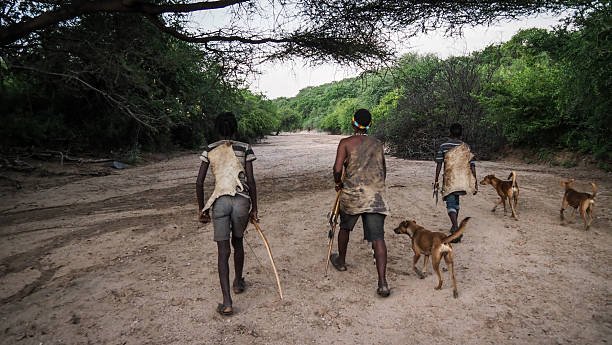
Hadzabe Tribe Culture: Traditions, Lifestyle, Location & Best Time To Visit
Discover the fascinating Hadzabe tribe, one of Africa's last hunter-gatherer communities. Learn about their ancient traditions, unique lifestyle, where they live near Lake Eyasi in...
View package details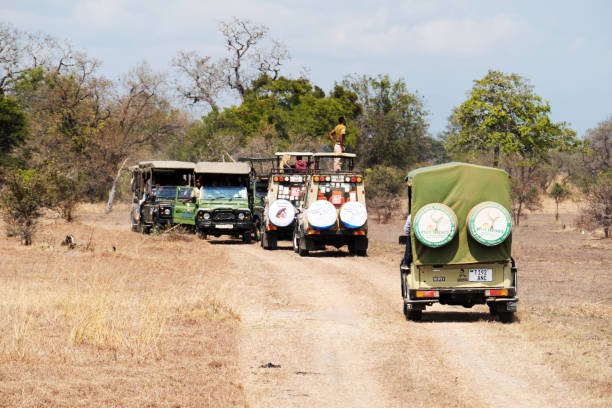
Hadzabe Tribe Tanzania – Complete Guide To Lake Eyasi Hadzabe Experience Guide
Discover the authentic cultural encounter with the Hadzabe people of Lake Eyasi, Tanzania. This comprehensive guide offers insights into their unique way of life, how to respectfully visit...
View package detailsOther Local Tanzania Places: Beyond The Great Migration And Kilimanjaro
While the Serengeti's Great Migration and Mount Kilimanjaro's summit are iconic, Tanzania offers a wealth of other striking destinations. Explore these diverse 'other local Tanzania places'...
View package detailsTanzania Dress Code: What To Wear For Safaris, Kilimanjaro & Zanzibar
Navigating what to wear in Tanzania is key to a comfortable and respectful trip. This guide covers the essential dress code for safaris, trekking Kilimanjaro, and enjoying Zanzibar...
View package detailsNo closely related package is available for this topic yet.



