
Arusha is the quintessential starting point for exploring Tanzania’s famed Northern Safari Circuit, including the Serengeti and Ngorongoro Crater, and is the primary base for climbing Mount Kilimanjaro. It’s a bustling city offering essential tourist services, accommodation, and a vibrant cultural introduction to the country, positioning itself as the undisputed gateway for most international visitors planning adventures in northern Tanzania for 2026 and 2027.
Discovering Arusha: More Than Just a Transit Town
Often perceived merely as a logistical hub, Arusha, Tanzania, reveals itself as a dynamic and engaging destination upon closer inspection. Situated at the crossroads of iconic safari destinations and the continent’s highest peak, its strategic importance cannot be overstated. For travelers arriving in Tanzania, Arusha is typically the first encounter with East African urban life, a place where the anticipation of adventure meets the reality of a thriving local culture. The city’s location, located between the majestic Mount Meru and the foothills of Kilimanjaro, provides a stunning backdrop and a constant reminder of the natural wonders that await.
Whether you’re planning a Serengeti safari, a Ngorongoro Crater tour, or a challenging ascent of Kilimanjaro, Arusha serves as your essential starting point. It’s here that you’ll likely meet your guides, receive pre-trip briefings, and perhaps spend a night or two acclimatizing or recovering. Understanding Arusha’s role and its own attractions is key to maximizing your Tanzanian travel experience, ensuring a smooth transition into the wilderness and a deeper appreciation for the region’s diverse offerings. As we look towards 2026 and 2027, Arusha continues to solidify its position as Tanzania’s premier adventure capital.
Why Arusha is the Undisputed Gateway to Northern Tanzania
Arusha’s claim as Tanzania’s primary gateway is built on several critical factors, primarily its proximity and connectivity to the most sought-after tourist attractions in the country’s northern region. The city is strategically located to offer convenient access to the famed Northern Safari Circuit, a collection of national parks and conservation areas renowned for their exceptional wildlife viewing opportunities. These include the vast plains of the Serengeti National Park, the wildlife-rich Ngorongoro Conservation Area and its caldera, Tarangire National Park with its iconic baobab trees and elephant herds, and Lake Manyara National Park, known for its tree-climbing lions and diverse birdlife.
Furthermore, Arusha is the de facto starting point for nearly all Mount Kilimanjaro expeditions. The Machame, Lemosho, Marangu, and other popular routes typically begin with a transfer from Arusha to the mountain’s base. This concentration of major tourist activities makes Arusha the natural entry and exit point for a significant majority of international visitors to Tanzania.
The city boasts a well-developed tourism infrastructure, including numerous hotels, lodges, restaurants, and tour operator offices. This concentration of services ensures that travelers can easily arrange logistics, purchase last-minute supplies, attend pre-climb briefings, and connect with their guides and safari vehicles. The presence of Kilimanjaro International Airport (JRO), located between Arusha and Moshi, further cements its status as the primary arrival point for those heading to the northern circuit. For those planning their trips for 2026 or 2027, this established infrastructure means efficient planning and reliable services.
Essential Services and Preparations in Arusha
Before embarking on a safari or a Kilimanjaro climb, Arusha offers a critical range of services that are indispensable for a successful and enjoyable trip. Tour operators, like Top Guide Adventures, have their main offices or representatives here, providing a vital point of contact for pre-trip consultations, final payments, and itinerary confirmations. This is where many travelers finalize their arrangements, ensuring all details are in place for their upcoming adventure. It’s a chance to ask those last-minute questions and gain confidence in the plan.
Pre-Safari Briefings: For safaris, operators will often conduct a briefing to discuss what to expect, packing essentials, wildlife viewing etiquette, and the specific itinerary. This session is invaluable for setting expectations and preparing for the unique environment of the national parks.
Kilimanjaro Briefings: For Kilimanjaro climbs, these briefings are even more crucial. They cover acclimatization strategies, daily trek plans, gear checks, health and safety protocols, and an introduction to the climbing crew. A thorough briefing can significantly impact the success and safety of the climb, especially for first-time trekkers planning for 2026 or 2027.
Gear Rental and Purchase: Arusha provides access to shops where you can rent or purchase essential gear for Kilimanjaro climbs, such as warm clothing, sleeping bags, and trekking poles. While bringing your own is recommended, rental options offer flexibility for travelers who prefer not to carry bulky items or need specific items last minute.
Health and Vaccinations: While major vaccinations should be obtained before arrival, Arusha has clinics and pharmacies where travelers can pick up basic medical supplies, insect repellent, and discuss any immediate health concerns with local professionals.
Currency Exchange and ATMs: The city offers numerous banks and ATMs, making it convenient to obtain Tanzanian Shillings for local expenses, tips, and souvenirs. It’s advisable to have some local currency on hand upon arrival.
Communication: SIM cards for local calls and data can be purchased in Arusha, ensuring you can stay connected with family and friends or communicate with your tour operator during your travels.
What to See and Do in Arusha Itself
While the main draw for most visitors is the surrounding wilderness, Arusha itself offers a number of attractions and activities that can enrich your stay and provide a cultural immersion. Spending a day or two exploring the city can offer a fascinating contrast to the wildlife parks and the mountain.
Cultural Heritage Centre
This is a popular stop for tourists, offering a glimpse into Tanzanian culture, art, and history. It features a museum with exhibits on local tribes, wildlife, and the country’s history. The center also houses a large craft market where you can find a wide variety of souvenirs, from wood carvings and paintings to textiles and jewelry. It’s a good place to practice your bargaining skills and find unique items to take home. The center also has a restaurant serving local and international cuisine.
Arusha Central Market
For a truly authentic local experience, visit the bustling Arusha Central Market. This is where locals shop for fresh produce, spices, clothing, and household goods. It’s a vibrant, sensory overload of sights, sounds, and smells. While it can be overwhelming, it offers an unparalleled opportunity to observe daily life and interact with local vendors. Be prepared for crowds and a lively atmosphere.
Maasai Market
While the Cultural Heritage Centre has a market, there are also dedicated Maasai markets that offer authentic Maasai crafts. These are often found in specific areas of the city and are a great place to purchase Maasai beadwork, shuka (traditional cloth), and other tribal artifacts. Remember that bargaining is expected, and it’s always polite to be respectful.
Mount Meru Views
The city offers stunning views of Mount Meru, the second-highest mountain in Tanzania, which stands sentinel to the west of Arusha. On clear days, its snow-capped peak is a majestic sight. Some lodges and viewpoints on the outskirts of the city provide particularly good vantage points for photography.
Arusha National Park
Just a short drive from the city, Arusha National Park offers a compact yet diverse safari experience. It’s home to Mount Meru, the Momella Lakes, and the Ngurdoto Crater. While it doesn’t boast the Big Five like the Serengeti, it’s excellent for viewing giraffes, zebras, buffalos, and a wide array of birdlife. Canoeing on the Momella Lakes or guided walking safaris on the slopes of Mount Meru are unique activities not found in other northern parks.
Local Cuisine
Arusha’s restaurants offer a taste of Tanzanian flavors. Try local dishes like Ugali (a stiff maize porridge) served with various stews, Nyama Choma (grilled meat), and Pilau rice. Many restaurants also cater to international tastes, providing a comfortable dining experience.
Planning Your Arusha-Based Adventure for 2026-2027
When planning your Tanzanian adventure, particularly for 2026 or 2027, Arusha plays a pivotal role in the logistical framework. Early planning is highly recommended, especially for peak safari seasons and Kilimanjaro climbs, as popular dates and accommodations can book up well in advance.
Choosing Your Safari or Climb
Northern Circuit Safaris: These typically range from 3 days to 10 days or more, covering parks like Tarangire, Lake Manyara, Serengeti, and Ngorongoro. The best time to visit for wildlife viewing is often the dry season (June to October), though the Great Migration in the Serengeti has specific timings that vary annually. For 2026-2027, consider booking your safari at least 6-12 months in advance, especially for the peak migration viewing periods.
Kilimanjaro Climbs: Climbs vary in duration from 5 to 9 days, depending on the route chosen. The dry seasons (January-March and June-October) are generally considered the best for climbing. Popular routes like Machame and Lemosho are often fully booked, so booking 9-18 months ahead is prudent for 2026-2027 climbs.
Accommodation in Arusha
Arusha offers a wide spectrum of accommodation, catering to all budgets and preferences:
- Budget Guesthouses and Hostels: Basic, clean, and affordable options for backpackers and budget-conscious travelers.
- Mid-Range Hotels and Lodges: Comfortable hotels with amenities like swimming pools, restaurants, and reliable Wi-Fi. These are popular choices for most safari-goers.
- Luxury Lodges and Boutique Hotels: High-end properties offering exquisite service, fine dining, spacious rooms, and often stunning views. Ideal for those seeking comfort and indulgence.
Booking your Arusha accommodation in advance is advisable, especially if you are arriving during a peak season or have specific requirements. Many tour operators can assist with accommodation bookings as part of your overall package.
Transportation to and from Arusha
Most international travelers arrive at Kilimanjaro International Airport (JRO), which is approximately 40-60 minutes drive from Arusha. Airport transfers can be pre-arranged with your tour operator, ensuring a smooth and safe journey to your hotel. Many operators, including Top Guide Adventures, offer reliable airport pick-up services.
For travel within Tanzania, Arusha is a hub for domestic flights and bus services. However, for safari and Kilimanjaro expeditions, your tour operator will typically arrange all necessary ground transportation in 4×4 safari vehicles or specialized tour buses.
Top Guide Adventures: Your Partner for Arusha and Beyond
Choosing the right tour operator is paramount for a successful and memorable Tanzanian adventure. Top Guide Adventures is a highly reputable company specializing in creating personalized travel experiences across Tanzania, with a strong focus on the Arusha region and its surrounding wonders. They offer a comprehensive range of services designed to cater to every traveler’s needs, from thrilling Serengeti safaris and unforgettable Ngorongoro Crater tours to challenging Kilimanjaro climbs and relaxing Zanzibar holidays.
With years of experience and a deep understanding of the local landscape and culture, Top Guide Adventures prides itself on delivering exceptional customer care, attention to detail, and dedicated support throughout your journey. Whether you are looking for a group departure in 2026 or a tailor-made itinerary for 2027, their team is committed to crafting the perfect trip for you.
Why Choose Top Guide Adventures for Your Arusha-Based Trip?
- Expert Local Knowledge: Benefit from guides and staff who know Tanzania intimately, ensuring authentic experiences and efficient logistics.
- Personalized Itineraries: Whether it’s a family safari, a honeymoon, or a solo adventure, they tailor journeys to your specific interests and budget.
- Comprehensive Services: Safaris, Kilimanjaro climbs, cultural tours, Zanzibar holidays, airport transfers, and more, all organized under one roof.
- Dedicated Support: Enjoy peace of mind with 24/7 support from their experienced team, ensuring any issues are resolved promptly.
- Commitment to Quality: They focus on providing high-quality service, comfortable accommodations, and safe transportation.
For those planning their 2026 or 2027 Tanzanian adventure, Top Guide Adventures offers a reliable and experienced partner. They are well-equipped to handle all aspects of your trip, starting from your arrival in Arusha.
You can explore their group safari departures and dates here: Tanzania Safari Group Departures. For Kilimanjaro enthusiasts, check out the Machame Route group departures: Machame Route Kilimanjaro Group Departures.
Arusha’s Role in Conservation and Community
Arusha is not only a gateway to natural wonders but also a city deeply connected to conservation efforts and community development in Tanzania. Many organizations and lodges in and around Arusha are involved in wildlife conservation, anti-poaching initiatives, and community outreach programs. Choosing a responsible tour operator like Top Guide Adventures often means supporting these efforts, as reputable companies prioritize sustainable tourism practices.
The presence of institutions like the Tanzania Wildlife Research Institute (TAWIRI) and various conservation NGOs in Arusha highlights the city’s commitment to protecting its natural heritage. Visitors can sometimes engage with these initiatives through educational talks or by choosing tours that directly benefit local communities. This aspect of travel is becoming increasingly important for travelers planning trips for 2026 and 2027, who are seeking meaningful and responsible travel experiences.
The economic activity generated by tourism in Arusha provides livelihoods for many local residents, from guides and drivers to lodge staff and craft vendors. By participating in organized tours and purchasing local goods, travelers contribute directly to the well-being of these communities. Understanding this interconnectedness adds another layer of appreciation to the Arusha experience.
Navigating Arusha: Practical Tips for Travelers
To make your stay in Arusha as smooth as possible, consider these practical tips:
- Currency: The local currency is the Tanzanian Shilling (TZS). US Dollars are widely accepted for tourist services, but it’s good to have Shillings for smaller purchases and local markets.
- Language: Swahili is the national language, but English is widely spoken in tourist areas, hotels, and by tour operators.
- Safety: Arusha is generally safe for tourists, but like any city, it’s wise to be aware of your surroundings, avoid displaying excessive wealth, and use reputable taxi services. Keep valuables secure.
- Getting Around: Taxis and ‘dala-dalas’ (local minibuses) are common. For tourist transfers, pre-arranged services with your tour operator are the most convenient and recommended option.
- Water: Drink only bottled or purified water to avoid stomach issues.
- Tipping: Tipping is customary for guides, drivers, and hotel staff. Your tour operator will usually provide guidelines on appropriate amounts.
Arusha’s Climate and Best Times to Visit
Arusha enjoys a pleasant, tropical climate year-round, thanks to its altitude. Temperatures typically range between 15°C (59°F) and 28°C (82°F). The city experiences two rainy seasons:
- The ‘Long Rains’: Typically from March to May, characterized by heavy rainfall.
- The ‘Short Rains’: Usually in November, with lighter, intermittent showers.
The dry seasons, from June to October and December to February, are generally considered the best times to visit Arusha and the surrounding areas for safaris and Kilimanjaro climbs. These periods offer sunny days, cooler evenings, and are ideal for game viewing and trekking. However, the shoulder seasons (like September-October or December-February) can offer fewer crowds and potentially lower prices for some services, making them attractive options for planning trips in 2026 and 2027.
The Future of Arusha as a Tourist Hub
Arusha’s role as Tanzania’s premier adventure gateway is set to strengthen in the coming years. Investments in infrastructure, including improvements to Kilimanjaro International Airport and local road networks, are anticipated to enhance accessibility and visitor experience. As global travel trends evolve, there’s an increasing demand for authentic, sustainable, and personalized travel experiences, areas where Arusha and its surrounding regions, with the support of operators like Top Guide Adventures, are exceptionally well-positioned.
The city’s unique combination of proximity to world-class natural attractions, a developing urban culture, and a growing focus on responsible tourism ensures its continued relevance for travelers. For anyone dreaming of a Tanzanian safari or a Kilimanjaro ascent in 2026 or 2027, understanding Arusha’s significance and preparing adequately for its unique offerings will undoubtedly lead to a more rewarding and memorable journey. It’s a place where the adventure truly begins.
For personalized safari and Kilimanjaro packages starting from Arusha, or to discuss your tailor-made journey across Tanzania, feel free to reach out to the experts at Top Guide Adventures. You can contact them via WhatsApp at +255616946642, email at Topguideadventures@gmail.com, or their backup email at Info@topguideadventures.com. Their team is ready to help you plan an unforgettable experience for 2026-2027 and beyond.
Check Availability for Arusha: Your Gateway To Tanzanias Northern Safari Circuit And Kilimanjaro
Ready to compare dates, prices, and the best option for your group? Send the package name and travel month so the team can reply with a clear quote, availability, and what is included.
Best Arusha Guide
Arusha serves as Tanzania's primary tourism hub, making it the best starting point for exploring the country's iconic Northern Circuit, including Serengeti, Ngorongoro Crater, and Mount...
View package details
Best Cafes In Tanzania: A Local Guide For 2026-2027
Exploring Tanzania offers incredible wildlife and cultural experiences, but sometimes you need a moment to relax, recharge, and enjoy a good cup of coffee. This guide highlights the best...
View package detailsBest Mojarra Frita Near Me Guide
When craving perfectly crispy, golden-brown fried fish, particularly the local favorite 'mojarra frita,' finding the right spot is key. This guide helps you locate the best places near you...
View package details
Arusha City Tour: Your Gateway To Northern Tanzanias Wonders 2026-2027
Experience Arusha, the vibrant hub of Northern Tanzania. Our Arusha city tours offer a perfect introduction to local life, culture, and the stunning landscapes that await your adventure.
View package details
Jro Airport To Arusha: Your Essential Transfer Guide For 2026-2027
Seamlessly transition from Kilimanjaro International Airport (JRO) to Arusha, the gateway to Tanzania's Northern Circuit safaris. This comprehensive guide covers all transfer options...
View package details
Jro To Arusha: Your Essential Guide For Transfers & Travel 2026-2027
This comprehensive guide covers everything you need to know for your transfer from Kilimanjaro International Airport (JRO) to Arusha, Tanzania. We detail transport options, estimated costs...
View package details
Meru Forest Arusha: Your Essential Guide To Tanzanias Verdant Oasis 2026-2027
Explore the natural beauty and adventure opportunities within Meru Forest, Arusha. This guide covers everything from hiking trails and wildlife spotting to cultural encounters and essential...
View package details
Things To Do In Arusha 2026-2027
Things to do in Arusha is explained with current 2026-2027 planning, price, itinerary and booking information.
View package details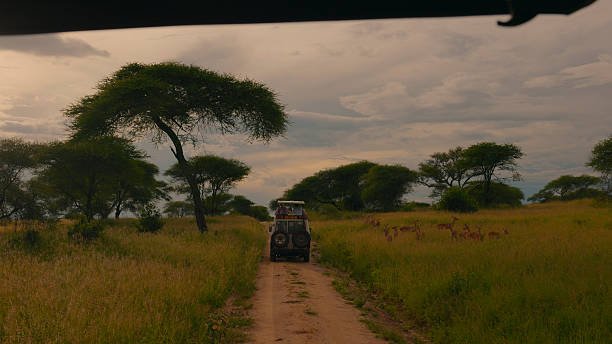
What To Do In Arusha: Your Gateway To Tanzanias Northern Circuit 2026-2027
Arusha, often called the 'Safari Capital of the World,' is more than just a transit point. This guide explores vibrant markets, cultural centers, and essential pre-safari activities in...
View package details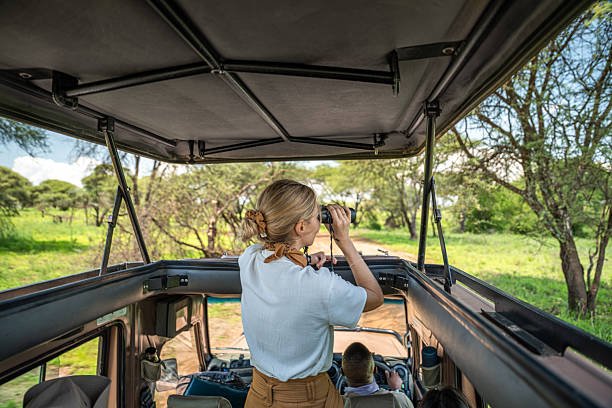
Best Coffee Shops In Tanzania: A Local Guide For 2026-2027
Explore Tanzania's burgeoning coffee culture and find the best local cafes for an authentic brew. From Arusha to Zanzibar, discover artisanal coffee experiences tailored for your 2026-2027...
View package details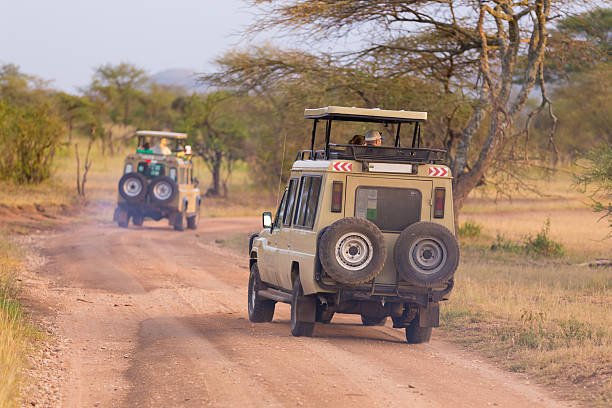
Best One Day Safari Tours In Tanzania: Your Ultimate Guide 2026-2027
Explore the best one day safari experiences Tanzania offers. This guide details top destinations like Arusha National Park, Tarangire, and Lake Manyara, perfect for short, impactful...
View package detailsAgence Safari Tanzanie: Top Guide Adventures Expert Planning For 2026-2027
Top Guide Adventures is a premier agence safari Tanzanie, specializing in crafting unforgettable wildlife encounters, mountain climbs, and beach escapes across Tanzania. With a focus on...
View package detailsNo closely related package is available for this topic yet.



