
The Tanzania best time to travel Generally falls between June and October, during the dry season, which offers excellent wildlife viewing, particularly for the Great Migration in the Serengeti. However, the shoulder months of January to March can be ideal for birdwatching and fewer crowds, while the short rains in November and early December can also present unique safari opportunities. For Kilimanjaro climbs, the dry seasons from January to March and June to October are preferred. Zanzibar’s prime time is also during the dry spells, aligning with the main safari season.
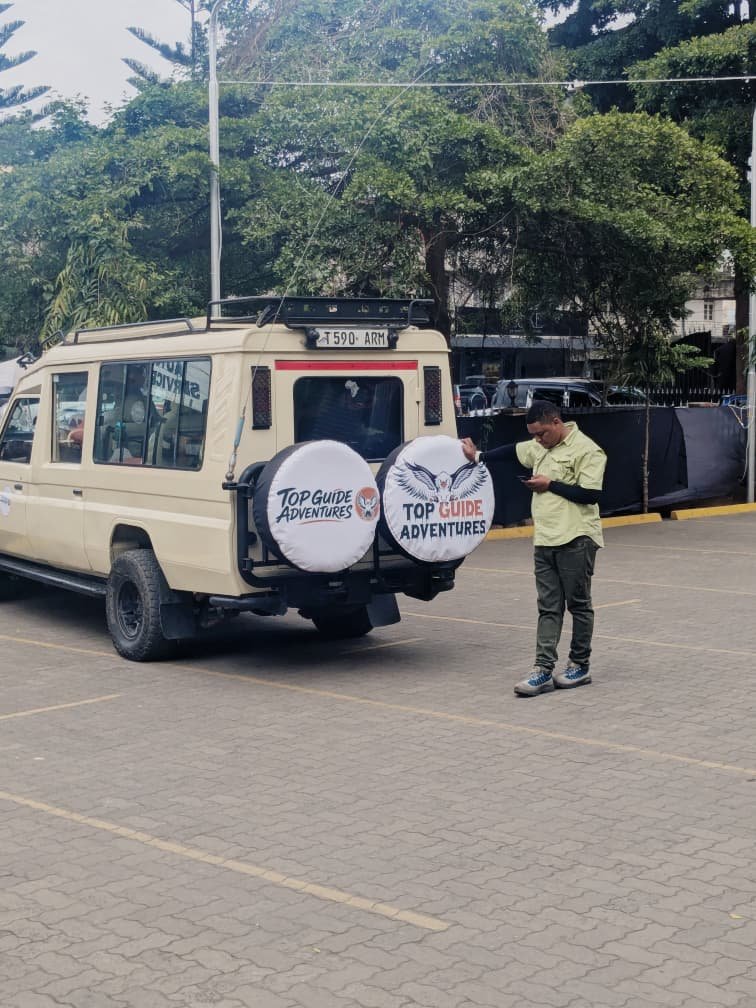

Understanding Tanzania’s Climate and Seasons
Tanzania, located near the equator, experiences a tropical climate that is generally warm year-round. However, distinct wet and dry seasons significantly influence the travel experience, particularly for safaris, trekking, and beach holidays. Understanding these patterns is crucial for planning your trip to align with your specific interests, whether it’s witnessing the Great Migration, conquering Mount Kilimanjaro, or relaxing on Zanzibar’s beaches. For 2026 and 2027, these climatic patterns are expected to remain consistent, making early planning essential for securing preferred dates and accommodations.
The Dry Season: June to October
This period is widely considered the Best time for Tanzania safari Adventures. The weather is characterized by cooler temperatures, lower humidity, and minimal rainfall. The landscape is drier, meaning vegetation is less dense, making wildlife spotting easier. Animals tend to congregate around water sources, concentrating them in predictable locations.
- Wildlife Viewing: Exceptional. The Serengeti’s Northern Plains are often the stage for the dramatic river crossings of the Great Migration during July and August. While the exact timing can vary slightly year to year, this is the peak period to witness thousands of wildebeest and zebras making their perilous journey across the Mara River.
- Temperature: Pleasant, with daytime highs typically ranging from 20°C to 27°C (68°F to 81°F) and cooler evenings, especially at higher altitudes.
- Activities: Ideal for game drives, walking safaris, and hot air balloon safaris. It’s also a prime time for climbing Mount Kilimanjaro, as the trails are drier and visibility is generally better.
- Crowds: This is peak tourist season, so expect more visitors and higher prices for accommodations and tours. Booking well in advance, especially for 2026 and 2027 trips, is highly recommended.
- Zanzibar: Perfect for beach holidays. The weather is dry and sunny, with comfortable temperatures and calm seas, ideal for swimming, snorkeling, and diving.
The Shoulder Season: November to March
This period encompasses the short rains and the start of the long rains, but it offers a different kind of magic for those seeking fewer crowds and different wildlife spectacles.
The Short Rains (Vuli): November to Early December
These are typically light, intermittent showers, often in the afternoons. The landscape begins to turn greener, and the air is fresh.
- Wildlife Viewing: Good. The migration begins its southern movement towards the Serengeti’s Ndutu area. Newborns start to appear, making it a fantastic time for predator-prey interactions. Birdwatching is excellent as migratory birds arrive.
- Temperature: Warmer than the dry season, with daytime highs around 25°C to 30°C (77°F to 86°F).
- Activities: Safaris are still very feasible, though occasional afternoon showers might interrupt game drives. It’s a good time for photography with lush landscapes.
- Crowds: Significantly fewer tourists compared to the peak dry season. Prices might be slightly lower.
- Zanzibar: Can be humid with some rain, but often interspersed with sunshine. Good for a quieter beach experience.
The Long Rains (Masika): Late March to May
This is Tanzania’s primary rainy season, characterized by heavier, more persistent rainfall, especially in the afternoons and evenings. Roads, particularly in unpaved areas, can become challenging.
- Wildlife Viewing: Can be more challenging due to denser vegetation and dispersed wildlife. However, the Serengeti’s short-grass plains in the southern region become incredibly lush, attracting herbivores. This is the calving season for wildebeest, offering prime opportunities to witness births and the ensuing predator action.
- Temperature: Warm and humid, with daytime highs around 26°C to 30°C (79°F to 86°F).
- Activities: Safaris are still possible, often with morning game drives being most productive. Some lodges and camps might close or operate with reduced services. Kilimanjaro climbs are generally not recommended due to slippery trails and poor visibility.
- Crowds: Lowest tourist numbers, leading to potentially lower prices. This is the time for budget-conscious travelers or those seeking solitude.
- Zanzibar: The humidity is high, and rainfall can be significant, making it less ideal for beach activities.
The Transition Period: May to June and October to November
These periods mark the transition between wet and dry seasons and can offer a good balance of favorable weather, wildlife activity, and fewer crowds.
- May to June: The long rains are ending, and the landscape is vibrantly green. Wildlife is starting to concentrate as water sources diminish. Temperatures begin to cool. This is a good time to visit before the peak season crowds arrive.
- October to November: The short rains are approaching. The landscape is still relatively dry from the previous season, but the weather is warming up. The migration is typically moving northwards or starting its southern journey, offering dynamic viewing opportunities. This period can be excellent for those who want to avoid the peak season prices and crowds but still experience good wildlife sightings.
Specific Considerations for Different Tanzanian Experiences
While the general climate dictates the overall best times to visit, tailoring your choice to specific activities and regions within Tanzania will enhance your experience. For 2026 and 2027, understanding these nuances will help you pinpoint your ideal travel window.
The Great Migration: Serengeti National Park
Witnessing the Great Migration is a bucket-list item for many. Its location and movements are dictated by the rains and the availability of fresh grass.
- January – March: The migration is in the southern Serengeti and Ndutu area, focusing on calving. This is a prime time for witnessing predator-prey action as newborns are vulnerable.
- April – May: The herds begin their trek northwards, often moving through the central Serengeti. This period can be wet, but the migration is on the move.
- June – August: The migration reaches the Western Corridor and then moves north towards the Mara River. This is the peak time for witnessing the dramatic river crossings, particularly in July and August.
- September – October: The herds are in the Northern Serengeti, and the migration begins to move southwards again, potentially crossing the Mara River in reverse.
It’s important to note that the migration is a continuous cycle, and while these are general timings, the exact location can vary. For specific planning for 2026 or 2027, consulting with local experts who track the migration daily is advisable.
Mount Kilimanjaro Climbs
Climbing the Roof of Africa requires favorable weather conditions for safety and enjoyment. The best times are during the dry seasons.
- January – March: Dry and clear, with good visibility. Temperatures are moderate. This is an excellent window for climbing.
- June – October: Also dry seasons, often cooler than the January-March period, especially at higher altitudes. Visibility is excellent. This is another prime window, often preferred by those who dislike extreme heat.
Climbing during the rainy seasons (April-May and November-December) is possible but significantly more challenging due to slippery trails, poor visibility, and increased risk of hypothermia. Booking your Kilimanjaro climb for 2026 or 2027 during these dry windows is highly recommended.
Zanzibar and the Coast
For beach lovers, the dry seasons offer the most pleasant experience with sunshine and minimal rain.
- June – October: The main dry season. Ideal for beach relaxation, water sports, and exploring Stone Town. The weather is sunny, with low humidity and comfortable temperatures.
- January – February: Another short dry spell, often hot and humid, but still very good for beach holidays.
- November – December: The short rains can bring some showers, but often it’s still sunny with fewer crowds and slightly lower prices.
The long rains (March-May) are generally avoided for beach holidays due to high humidity, heavy rainfall, and rough seas. For your 2026 or 2027 Zanzibar getaway, aim for these drier periods for the best coastal experience.
Other Parks and Regions
Tanzania boasts diverse ecosystems beyond the Serengeti, each with its own peak seasons.
- Ngorongoro Conservation Area: Wildlife is present year-round due to the permanent water source within the crater. However, the dry season (June-October) offers the best general game viewing as animals are more concentrated. The calving season (January-March) is also spectacular for predator sightings.
- Tarangire National Park: Famous for its elephant herds, especially during the dry season (June-October) when they congregate around the Tarangire River.
- Lake Manyara National Park: Good for game viewing year-round, but particularly rewarding during the dry season (June-October).
- Selous Game Reserve (Nyerere National Park) & Ruaha National Park (Southern Tanzania): These parks are best visited during the dry season (June-October) when wildlife is concentrated around water sources. The landscape is drier and more accessible.
Comparing Tanzania Travel Seasons
To help you make an informed decision for your 2026-2027 trip, here’s a comparative overview:
High Season (June – October)
Pros: Best weather for safaris and Kilimanjaro. Peak of the Great Migration river crossings. Ideal for Zanzibar beaches. Excellent wildlife visibility.
Cons: Most expensive. Most crowded. Requires booking very far in advance.
Green Season / Shoulder Season (November – March, excluding peak Christmas/New Year)
Pros: Fewer crowds. Potentially lower prices. Excellent for birdwatching and predator-prey action (calving season Jan-Mar). Lush landscapes. Good for budget travelers.
Cons: Risk of rain, especially in April/May. Can be hot and humid. Some roads may be challenging. Not ideal for Kilimanjaro.
Low Season (April – May)
Pros: Lowest prices. Very few tourists. Dramatic green scenery. Potential for calving season sightings.
Cons: Heavy rainfall. Poor visibility. Difficult road conditions. Not recommended for Kilimanjaro or beach holidays.
Planning Your 2026-2027 Tanzania Adventure
When planning your trip for 2026 or 2027, consider these practical tips based on the best times to travel:
Key Planning Steps:
- Define Your Priorities: Are you primarily interested in the Great Migration, climbing Kilimanjaro, beach relaxation, or a mix? This will heavily influence your chosen travel dates.
- Book in Advance: For the peak dry season (June-October) and popular periods like Christmas/New Year, book your safari lodges, Kilimanjaro permits, and flights at least 9-12 months ahead. For 2026 and 2027, this advice is even more critical due to increasing demand.
- Consider Shoulder Seasons: If you’re flexible and want to experience Tanzania with fewer crowds and potentially lower costs, the shoulder months offer excellent value and unique experiences.
- Budget: High season will be the most expensive. Shoulder seasons offer a good balance. Low season is the most budget-friendly but comes with weather compromises.
- Itinerary Customization: Work with a trusted tour operator like Top Guide Adventures to craft an itinerary that maximizes your chances of seeing what you want, based on the season. For instance, if your heart is set on seeing the river crossings in 2026, you’ll need to book for July or August.
- Pack Appropriately: Regardless of the season, pack layers. Evenings can be cool, especially in the Serengeti and on Kilimanjaro, while days are warm. Waterproofs are essential during the rainy seasons.
Why Choose Top Guide Adventures for Your Tanzania Trip?
As a leading tour operator in Tanzania, Top Guide Adventures specializes in creating unforgettable travel experiences tailored to your interests and the best times to visit. Whether you’re aiming for the peak of the Great Migration in 2026, a successful Kilimanjaro ascent in 2027, or a serene Zanzibar holiday, our expert local knowledge ensures you get the most out of your journey.
We understand the nuances of Tanzania’s seasons and can guide you to the optimal travel windows for your desired activities. Our comprehensive packages cover everything from private and group safaris in the Serengeti and Ngorongoro to Kilimanjaro climbs via various routes, and idyllic beach escapes in Zanzibar.
We offer personalized attention, dedicated support, and tailor-made journeys across Northern and Southern Tanzania. Don’t leave your dream Tanzanian adventure to chance. Let us help you plan the perfect trip during the best time to travel for you.
For inquiries about tailor-made itineraries, group departures, or to get a personalized quote for your 2026 or 2027 Tanzania adventure, please reach out:
- WhatsApp: +255616946642
- Email: Topguideadventures@gmail.com
- Backup Email: Info@topguideadventures.com
Explore our curated safari options at Tanzania Safari Group Departures Or learn more about climbing Kilimanjaro at Machame Route Kilimanjaro. Follow us on Instagram for inspiration: @top_guide_adventures. Read client testimonials on Tripadvisor: Top Guide Adventures Reviews.
Check Availability for Tanzania Best Time To Travel: A Comprehensive Guide For 2026-2027
Ready to compare dates, prices, and the best option for your group? Send the package name and travel month so the team can reply with a clear quote, availability, and what is included.

Best Time Of Year To Visit Tanzania For Safaris & Zanzibar 2026-2027
Planning a trip to Tanzania? This guide breaks down the best times to visit for unparalleled wildlife viewing, beach relaxation, and cultural experiences, considering weather, animal...
View package details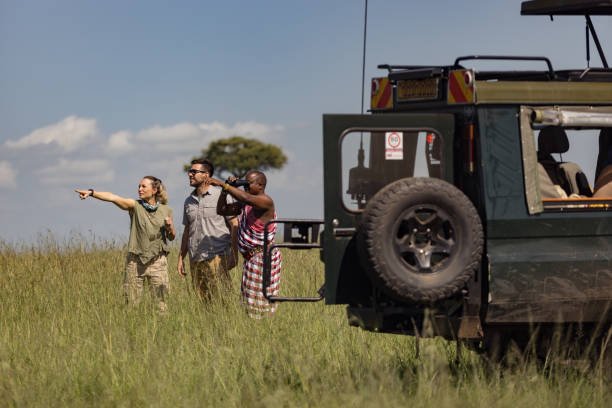
Best Month To Visit Tanzania For Safari And Zanzibar In 2026-2027
Planning your dream Tanzania adventure? This guide breaks down the best months to visit for optimal safari experiences, including the Great Migration, and idyllic beach time in Zanzibar...
View package details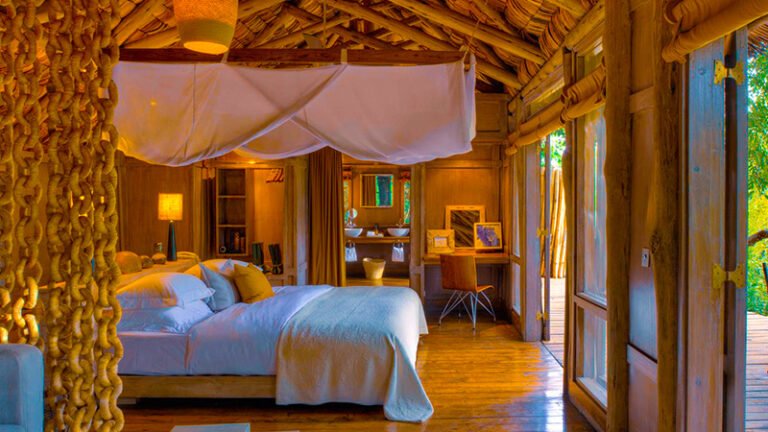
Big Five Safari Tanzania: Your Ultimate Guide For 2026-2027
Start an unforgettable Big Five safari adventure in Tanzania. This comprehensive guide covers everything you need to know for your 2026-2027 trip, from prime wildlife destinations to expert...
View package details
Big Five Tanzania Safari: Your Ultimate Guide To Spotting The Icons 2026-2027
Start an incredible Big Five Tanzania safari, a quest for the continent's most sought-after wildlife. This guide covers the best parks, optimal timing, and what to expect on your 2026-2027...
View package details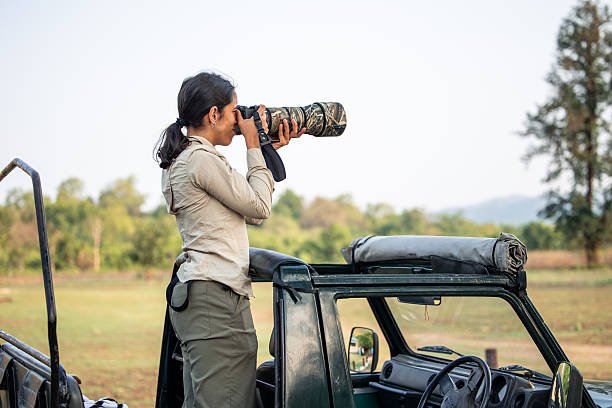
Grumeti Game Reserve: Your Ultimate Tanzania Safari Guide 2026-2027
Grumeti Game Reserve offers an exclusive and luxurious safari experience in Tanzania's Serengeti ecosystem, renowned for its high concentration of wildlife, especially during the Great...
View package details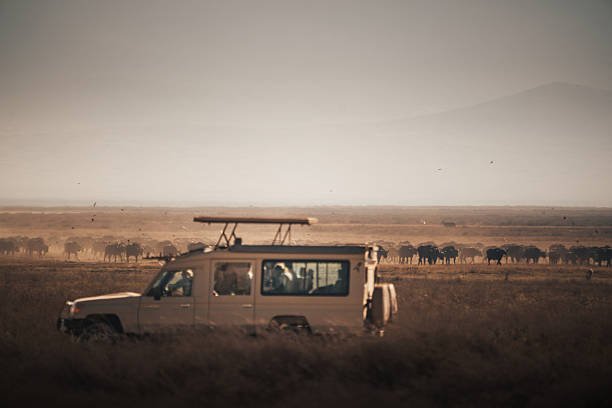
Maswa Game Reserve Tanzania: Your Ultimate Guide For Safaris 2026-2027
Maswa Game Reserve offers an unparalleled, off-the-beaten-path safari experience in Tanzania, known for its exclusivity and exceptional wildlife encounters, particularly lions and wild...
View package details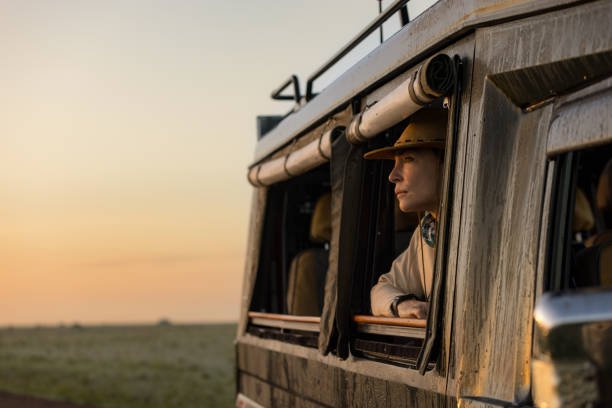
Mikumi National Park Safari: Your Essential Guide For 2026-2027
Mikumi National Park offers incredible wildlife viewing in Tanzania, often called 'Little Serengeti.' This guide covers everything you need for a 2026-2027 safari, from animals to planning.
View package detailsNorth Tanzania Group Trip: Your Ultimate Shared Safari Adventure In 2026-2027
Explore the wonders of North Tanzania on a shared safari adventure. This guide details group trip options for 2026-2027, covering iconic destinations like the Serengeti and Ngorongoro...
View package details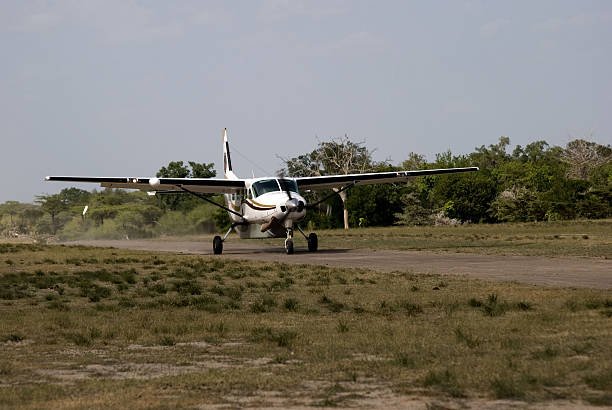
Pacchetti Safari Tanzania: Guida Completa Per Il Tuo Viaggio 2026-2027
Una guida approfondita ai pacchetti safari in Tanzania, con dettagli su itinerari, costi, cosa aspettarsi e come scegliere l'esperienza perfetta per il 2026-2027. Organizza la tua avventura...
View package details
Tanzania In December: Your Ultimate Guide For Adventures 2026-2027
Planning a trip to Tanzania in December? This guide covers everything from the Great Migration's status and Zanzibar's beaches to Kilimanjaro climbs and essential packing tips for the...
View package details
Tanzania In June Guide
Planning a trip to Tanzania in June? This is a prime time for wildlife viewing, with dry conditions, lush landscapes after the rains, and the Great Migration beginning its journey. Our...
View package detailsTanzania Tour With Private Driver Guide
Discover the magic of Tanzania on a private driver-guided tour, offering exclusive access to its most iconic wildlife destinations. Enjoy bespoke itineraries, luxurious accommodations, and...
View package detailsNo closely related package is available for this topic yet.



