
The Best time of year to visit Tanzania For a safari, particularly to witness the Great Migration in the Serengeti, is generally during the dry seasons from June to October And again from January to February. For Zanzibar, the dry periods of June to October And January to March Offer the most pleasant beach weather, avoiding the heavy rains.

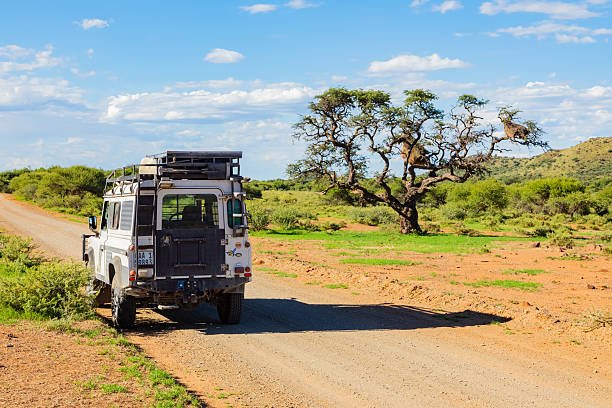
Understanding Tanzania’s Climate: A Tale of Two Seasons
Tanzania, a land of vast savannas, iconic wildlife, and tropical islands, experiences a climate dictated by distinct wet and dry seasons. Understanding these patterns is fundamental to planning the most rewarding trip, whether your focus is on tracking the Great Migration, summiting Kilimanjaro, or unwinding on Zanzibar’s pristine beaches. The prevailing weather conditions directly influence wildlife viewing opportunities, the accessibility of certain parks, and the overall comfort of your travel experience. For those planning a visit in 2026 or 2027, grasping these seasonal shifts will help you align your itinerary with your specific interests and maximize your adventure.
The country’s climate is broadly divided into two main periods: the dry season and the wet season. However, within these, there are further nuances, including a ‘short rains’ period and variations in temperature and humidity across different regions. The northern safari circuit, including the Serengeti, Ngorongoro Crater, Tarangire, and Lake Manyara, experiences a climate influenced by its proximity to the equator and its varied altitudes. Zanzibar and the coastal regions, conversely, have a more tropical, humid climate with distinct monsoon influences.
The Dry Seasons: Peak Wildlife Viewing and Beach Bliss
Tanzania’s most popular periods for tourism generally fall within its dry seasons. These times offer clearer skies, less humidity, and, crucially for safari-goers, concentrated wildlife populations near dwindling water sources. The longer dry season, running from June through October, is often considered the prime time for a Tanzania safari. During these months, the landscape is drier, making it easier to spot animals against the savanna backdrop. The vegetation is less dense, and animals tend to congregate around permanent waterholes and rivers, such as the Grumeti and Mara Rivers in the Serengeti, where dramatic river crossings of wildebeest and zebra can occur.
Following the short rains, the second dry spell, typically from January to February, is also an excellent time, particularly for birdwatchers and those interested in newborn wildlife. This period often coincides with the calving season in the southern Serengeti, a spectacle of life and survival as wildebeest herds give birth. The weather during these months is usually hot and dry, offering excellent visibility and photographic opportunities. For Zanzibar, these dry periods translate to ideal beach weather: sunny days, low humidity, and calm seas, perfect for snorkeling, diving, and simply relaxing on the white-sand beaches.
The Wet Seasons: Greener Landscapes and Fewer Crowds
Tanzania experiences two distinct rainy seasons: the ‘long rains’ and the ‘short rains’. The long rains usually occur from Late March through May. During this period, heavy downpours are common, particularly in the afternoons, which can make some unpaved roads in the national parks challenging to navigate. Consequently, many lodges and camps in certain areas may close or operate with reduced services. However, this ‘low season’ has its own unique advantages. The landscape transforms into a lush, green paradise, offering stunning photographic opportunities. The rains also bring out a plethora of migratory birds, making it a fantastic time for ornithology enthusiasts. Furthermore, with fewer tourists, you can often enjoy a more private and intimate safari experience, and prices for accommodations and tours might be more competitive for 2026-2027 Travel.
The short rains, or ‘Vuli’, typically occur from November to mid-December. These are usually less intense and more sporadic than the long rains, often manifesting as brief afternoon showers. This period can be a good compromise, offering a blend of good wildlife viewing and fewer crowds than the peak dry season. The vegetation starts to green up, and temperatures are generally pleasant. For Zanzibar, the short rains can mean occasional showers but often still provide plenty of sunshine, with the added benefit of fewer visitors before the Christmas and New Year rush.
The Great Migration: Timing is Everything
For many visitors, the primary draw to Tanzania is the chance to witness the Great Migration, one of nature’s most spectacular events. This constant movement of over 1.5 million wildebeest, zebras, and gazelles across the Serengeti-Mara ecosystem is a year-round phenomenon, but its location and the dramatic river crossings are highly dependent on the season and rainfall. Understanding the migration’s cyclical path is key to planning the best time of year to visit Tanzania for this specific spectacle.
Serengeti’s Migration Calendar: A Year-Round Journey
The migration’s location shifts throughout the year, following the availability of fresh grazing and water. Here’s a general guide:
- December to March: Southern Serengeti & Ndutu Area. This is the calving season. Thousands of wildebeest calves are born in the short space of a few weeks. This period is excellent for witnessing predator-prey interactions as lions, cheetahs, and hyenas capitalize on the abundance of vulnerable young. The short rains usually bring sufficient grazing to this region.
- April to May: Moving North (Long Rains). As the grazing in the south is depleted and the long rains begin, the herds start their northward journey. This is generally the wettest period, and many roads can be impassable, making game viewing more challenging.
- June to July: Western Corridor & River Crossings. The migration moves towards the western and northern Serengeti, often congregating along the Grumeti River. While dramatic, the Grumeti River crossings are typically less frequent and on a smaller scale than those further north. This marks the beginning of the main dry season.
- July to October: Northern Serengeti & Mara River Crossings. This is arguably the most iconic period. The herds gather along the Mara River in the far north of the Serengeti, waiting for opportune moments to cross. These river crossings are legendary, with crocodiles and opportunistic predators creating intense drama. This is peak dry season, offering excellent general game viewing across the Serengeti.
- November: Moving South (Short Rains). As the short rains begin, the herds start their journey back south, often moving through the central and eastern Serengeti, heading towards the greener pastures of the south.
For the dramatic Mara River crossings, the period from July to October Is your best bet. If you’re keen on witnessing the calving season and the subsequent predator action, aim for January to March. Remember that while this is a predictable cycle, the exact timing can vary slightly year to year due to rainfall patterns, so flexibility and expert guidance are valuable when planning your 2026 or 2027 Safari.
Beyond the Migration: Other Wildlife Wonders
While the Great Migration is a star attraction, Tanzania’s parks offer incredible wildlife viewing year-round. The Ngorongoro Crater, a UNESCO World Heritage Site, is a natural amphitheater teeming with wildlife. Its dense population of predators, including the Big Five (lion, leopard, elephant, rhino, and buffalo), makes it a superb destination regardless of the season. The Crater’s unique ecosystem means that animals tend to stay within its boundaries, providing consistent viewing opportunities.
Tarangire National Park is renowned for its large elephant herds, especially during the dry season (June to October) when they congregate around the Tarangire River. This park also offers excellent chances to spot lions, leopards, and a variety of antelope species. Lake Manyara National Park, famous for its tree-climbing lions and large troops of baboons, is a beautiful park that can be visited at any time of year, though the dry season generally offers more concentrated game viewing.
For those interested in the southern parks, like Selous Game Reserve (now Nyerere National Park) and Ruaha National Park, the dry season (June to October) is also the best time for game viewing. These parks are less crowded than the northern circuit and offer a more wild and remote safari experience. Their large predator populations and diverse birdlife make them attractive destinations, especially for repeat visitors to Tanzania.
Zanzibar and the Coast: Sun, Sand, and Spice
Tanzania’s Indian Ocean coast and its islands, most famously Zanzibar, offer a tropical counterpoint to the savanna adventures. The best time to visit Zanzibar for beach holidays is during the dry seasons, mirroring the optimal safari months: June to October And January to March. During these periods, you can expect plenty of sunshine, low humidity, and minimal rainfall, making it perfect for swimming, sunbathing, water sports, and exploring Stone Town.
The turquoise waters are clear, and the coral reefs are at their best for snorkeling and diving. The island’s spice tours and historical sites are also more enjoyable when the weather is dry and pleasant.
The rainy seasons, particularly the long rains from April to May, can bring heavy downpours and high humidity, making beach activities less appealing. While you might find lower prices during this period, it’s generally not the ideal time for a quintessential Zanzibar beach experience. The short rains (November to mid-December) can be a mixed bag, with some sunny days interspersed with brief showers, but can offer a quieter experience before the holiday season.
Kilimanjaro Climbs: A Year-Round Endeavor with Optimal Windows
Climbing Mount Kilimanjaro is an adventure that can be undertaken year-round, but certain periods offer more favorable weather conditions, increasing your chances of a successful summit. The best times to climb are during the dry seasons, which generally coincide with the peak safari seasons: January to March And June to October.
- January to March: This period is characterized by clear skies, good visibility, and moderate temperatures. It’s a popular time for climbers, and you’ll likely encounter other trekkers on the mountain.
- June to October: This is the longest dry season and offers excellent climbing conditions. The weather is typically stable, though it can be colder at higher altitudes, especially in September and October. This is often considered the absolute best time due to consistently clear skies.
The rainy seasons (April to May And November to mid-December) are generally best avoided for Kilimanjaro climbs. The trails can become muddy and slippery, visibility is often poor due to clouds and mist, and the cold can be more biting with persistent rain or snow at higher elevations. While it is possible to climb during these times, success rates can be lower, and the experience can be significantly less comfortable. For those planning a Kilimanjaro expedition in 2026 or 2027, booking your climb during the dry months will offer the most pleasant and successful experience.
Comparing the Seasons: Making Your Choice for 2026-2027
Choosing the best time of year to visit Tanzania depends heavily on your priorities. Here’s a comparative look to help you decide:
Peak Season (June – October & January – February)
- Pros: Excellent wildlife viewing (especially migration river crossings July-Oct; calving Jan-Feb), dry weather, clearer skies, ideal beach conditions in Zanzibar, good for Kilimanjaro climbs.
- Cons: Higher prices, larger crowds, need to book well in advance (especially for 2026-2027 Peak dates).
Shoulder Season (March, November – mid-December)
- Pros: Fewer crowds than peak season, potentially lower prices, lush landscapes starting to appear, good for birdwatching, still decent wildlife viewing. Short rains can mean brief showers.
- Cons: Chance of rain, some roads might be affected, humidity can be higher.
Low Season (April – May)
- Pros: Lowest prices, very few tourists, stunning green scenery, excellent for photography and birding.
- Cons: Heavy rains can disrupt travel, some lodges may close, wildlife may be more dispersed, not ideal for beach holidays or Kilimanjaro climbs.
Which Year for Your Tanzania Adventure? 2026 vs. 2027
For planning purposes in 2026 and 2027, the general advice remains consistent. The dry seasons (June-October and Jan-Feb) will offer the most predictable and rewarding experiences for safaris and beach holidays. If you are targeting specific events like the Mara River crossings, booking your 2026 or 2027 Safari for July-October is essential. For the calving season, January-February is prime time. If budget is a significant concern and you don’t mind a higher chance of rain, consider the shoulder months or even the low season for potential savings.
It’s also worth noting that the Great Migration’s exact movements can be influenced by rainfall patterns, so consulting with experienced tour operators like Top Guide Adventures is crucial. They can provide up-to-date information on wildlife movements and help you tailor your itinerary for 2026-2027 To maximize your chances of witnessing specific events.
Practical Planning Tips for Your Tanzania Trip
Beyond understanding the best time of year, a few practical tips will ensure your Tanzania adventure is smooth and enjoyable:
- Book in Advance: Especially for peak seasons (June-October, January-February) and specific events like the Great Migration river crossings, popular lodges and safari vehicles fill up quickly. For 2026 and 2027, booking at least 6-12 months ahead is highly recommended.
- Consider the Itinerary: Your chosen itinerary will influence the best time. If you want to focus on the northern circuit, the dry seasons are generally best. If you’re interested in the southern parks or less crowded experiences, the shoulder seasons might be perfect.
- Pack Appropriately: Layering is key. Pack light, neutral-colored clothing for safaris, a warm jacket for cool evenings and higher altitudes (especially for Kilimanjaro), rain gear (even in the dry season, unexpected showers can occur), comfortable walking shoes, a hat, sunglasses, and high-SPF sunscreen.
- Health Precautions: Consult your doctor about necessary vaccinations and malaria prophylaxis well in advance of your trip.
- Visa Requirements: Check the visa requirements for your nationality and apply in advance if necessary.
- Flexibility: While planning is essential, remember that wildlife sightings and weather can be unpredictable. Embrace flexibility and enjoy the unexpected moments.
Why Choose Top Guide Adventures for Your Tanzania Journey?
At Top Guide Adventures, we understand that the best time of year to visit Tanzania is subjective and depends on your personal travel goals. Our expert team is dedicated to crafting tailor-made itineraries that align with your interests, budget, and desired experiences for 2026 and 2027. Whether you dream of witnessing the Great Migration, exploring the Ngorongoro Crater, climbing Kilimanjaro, or relaxing on Zanzibar’s beaches, we provide personalized attention, care, and dedicated support every step of the way.
We offer a comprehensive range of Tanzania safaris, including Serengeti and Ngorongoro tours, Kilimanjaro climbs, Zanzibar holidays, cultural experiences, and custom-designed journeys across Northern and Southern Tanzania. Our deep knowledge of the country and its seasons ensures that we can help you pinpoint the perfect time for your adventure, maximizing your chances of seeing incredible wildlife and enjoying the best weather conditions.
Don’t leave your dream Tanzanian adventure to chance. Contact us today to start planning your unforgettable trip for 2026 or 2027. Reach out via WhatsApp at +255616946642 Or email us at Topguideadventures@gmail.com Or Info@topguideadventures.com.
Check Availability for Best Time Of Year To Visit Tanzania For Safaris & Zanzibar 2026-2027
Ready to compare dates, prices, and the best option for your group? Send the package name and travel month so the team can reply with a clear quote, availability, and what is included.
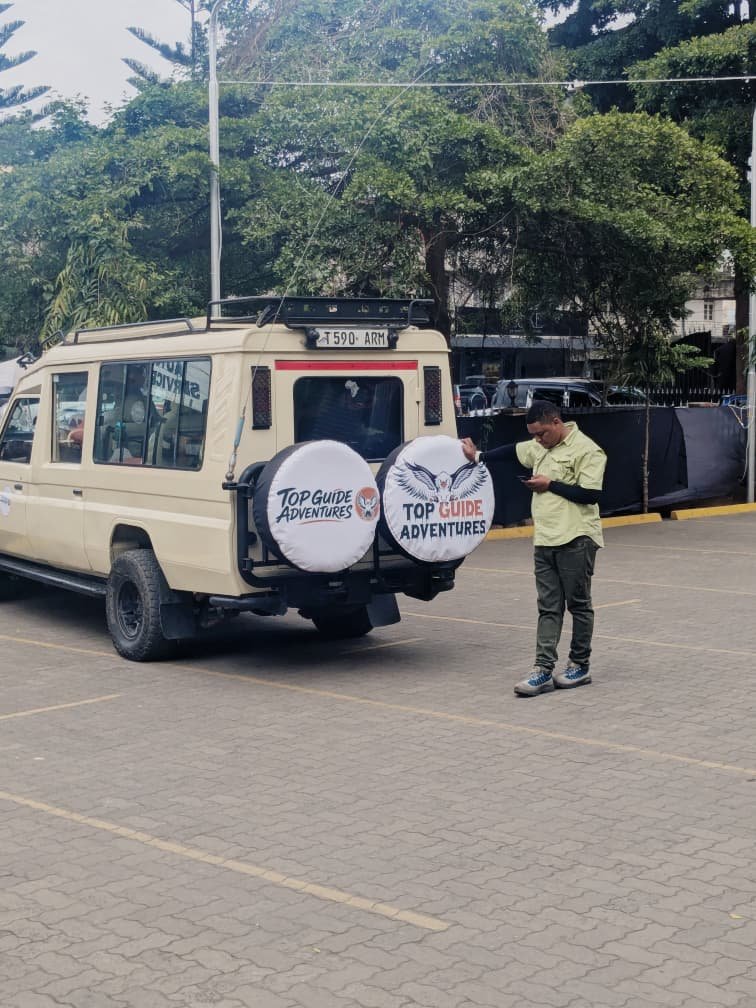
Tanzania Best Time To Travel: A Comprehensive Guide For 2026-2027
Planning a trip to Tanzania? This guide details the best times to visit for safaris, Kilimanjaro climbs, and Zanzibar holidays in 2026-2027, considering weather patterns, wildlife...
View package details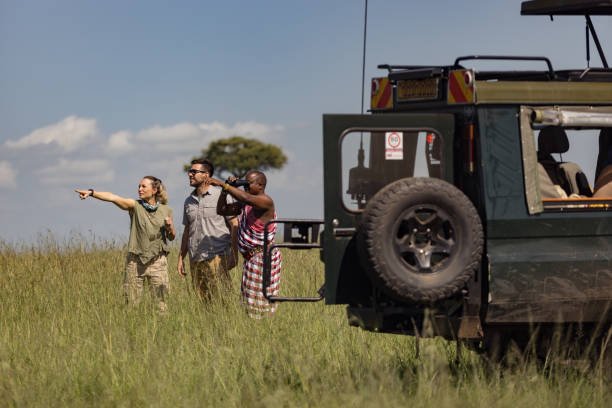
Best Month To Visit Tanzania For Safari And Zanzibar In 2026-2027
Planning your dream Tanzania adventure? This guide breaks down the best months to visit for optimal safari experiences, including the Great Migration, and idyllic beach time in Zanzibar...
View package details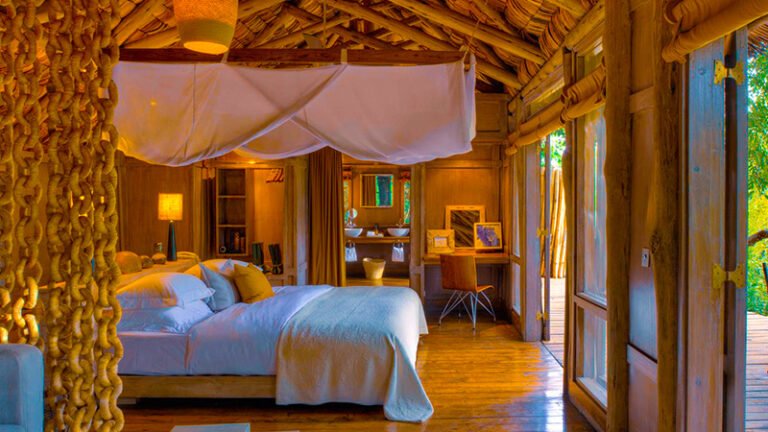
Big Five Safari Tanzania: Your Ultimate Guide For 2026-2027
Start an unforgettable Big Five safari adventure in Tanzania. This comprehensive guide covers everything you need to know for your 2026-2027 trip, from prime wildlife destinations to expert...
View package details
Big Five Tanzania Safari: Your Ultimate Guide To Spotting The Icons 2026-2027
Start an incredible Big Five Tanzania safari, a quest for the continent's most sought-after wildlife. This guide covers the best parks, optimal timing, and what to expect on your 2026-2027...
View package details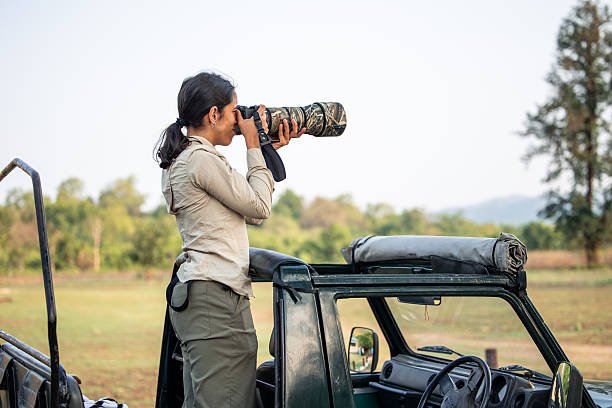
Grumeti Game Reserve: Your Ultimate Tanzania Safari Guide 2026-2027
Grumeti Game Reserve offers an exclusive and luxurious safari experience in Tanzania's Serengeti ecosystem, renowned for its high concentration of wildlife, especially during the Great...
View package details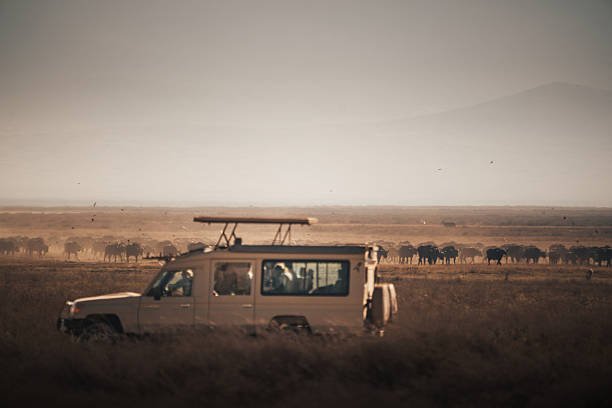
Maswa Game Reserve Tanzania: Your Ultimate Guide For Safaris 2026-2027
Maswa Game Reserve offers an unparalleled, off-the-beaten-path safari experience in Tanzania, known for its exclusivity and exceptional wildlife encounters, particularly lions and wild...
View package details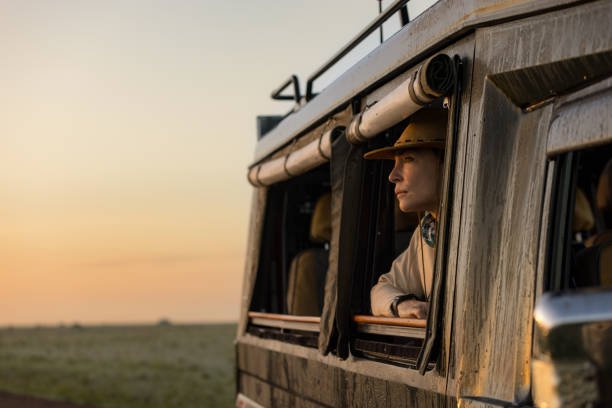
Mikumi National Park Safari: Your Essential Guide For 2026-2027
Mikumi National Park offers incredible wildlife viewing in Tanzania, often called 'Little Serengeti.' This guide covers everything you need for a 2026-2027 safari, from animals to planning.
View package details
North Tanzania Group Trip: Your Ultimate Shared Safari Adventure In 2026-2027
Explore the wonders of North Tanzania on a shared safari adventure. This guide details group trip options for 2026-2027, covering iconic destinations like the Serengeti and Ngorongoro...
View package details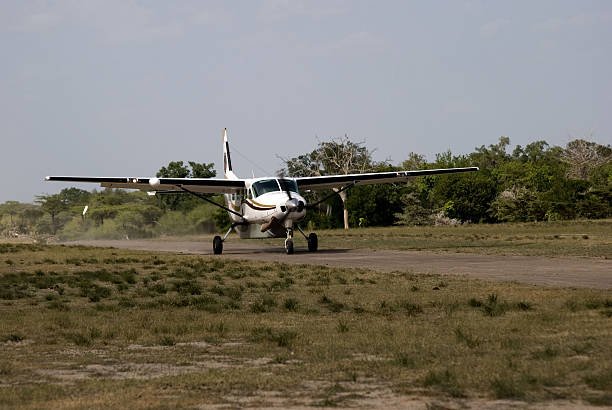
Pacchetti Safari Tanzania: Guida Completa Per Il Tuo Viaggio 2026-2027
Una guida approfondita ai pacchetti safari in Tanzania, con dettagli su itinerari, costi, cosa aspettarsi e come scegliere l'esperienza perfetta per il 2026-2027. Organizza la tua avventura...
View package details
Tanzania In December: Your Ultimate Guide For Adventures 2026-2027
Planning a trip to Tanzania in December? This guide covers everything from the Great Migration's status and Zanzibar's beaches to Kilimanjaro climbs and essential packing tips for the...
View package details
Tanzania In June Guide
Planning a trip to Tanzania in June? This is a prime time for wildlife viewing, with dry conditions, lush landscapes after the rains, and the Great Migration beginning its journey. Our...
View package detailsTanzania Tour With Private Driver Guide
Discover the magic of Tanzania on a private driver-guided tour, offering exclusive access to its most iconic wildlife destinations. Enjoy bespoke itineraries, luxurious accommodations, and...
View package detailsNo closely related package is available for this topic yet.



