
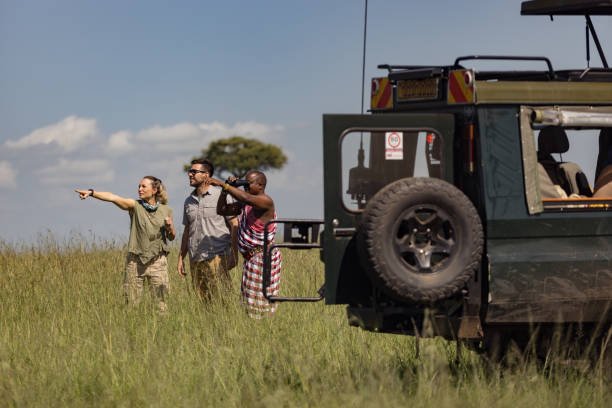
The Best month to visit Tanzania For a safari is generally during the dry season, from June to October, which offers excellent wildlife viewing as animals congregate around water sources and the vegetation is less dense. For those seeking to witness the Great Migration’s river crossings, July to September is prime. If combining safari with Zanzibar, consider the shoulder months of June or October/November for a good balance of dry weather on the mainland and pleasant conditions on the islands, though Zanzibar is tropical year-round with distinct wet and dry periods.
Understanding Tanzania’s Seasons: A Planner’s Essential Guide
Tanzania, a jewel of East Africa, beckons with its iconic wildlife spectacles, from the vast plains of the Serengeti to the wildlife-rich caldera of the Ngorongoro Crater, and the exotic spice-scented shores of Zanzibar. Deciding on the Best month to visit Tanzania Hinges on your primary interests: witnessing the Great Migration, maximizing wildlife sightings, enjoying beach relaxation, or perhaps climbing Mount Kilimanjaro. Tanzania experiences two main seasons: the dry season and the wet season, with variations that impact the entire travel experience, including wildlife behavior, vegetation, road conditions, and prices. Understanding these nuances is key to crafting an unforgettable 2026 or 2027 adventure.
At Top Guide Adventures, we believe that knowing the optimal time for your visit allows for a richer, more rewarding journey. This comprehensive guide will help you pinpoint the ideal period for your Tanzanian escapade, ensuring you align your travel dates with the experiences you dream of, whether it’s the thrill of a leopard sighting or the serene beauty of a Zanzibar sunset.
The Dry Season: Prime Time for Wildlife Encounters (June to October)
The period from June through October is widely regarded as the Best time for Tanzania safari. This is the heart of the dry season, characterized by clear skies, lower humidity, and comfortable temperatures, making it ideal for extended game drives. The lack of rainfall means wildlife is more concentrated around permanent waterholes and rivers, making them easier to spot against the sparser vegetation. This is also the period when the Great Migration is typically making its dramatic journey northwards across the Serengeti plains.
June: The Dawn of the Dry Season
June marks the beginning of the dry season and is an excellent month to visit Tanzania. The rains have typically subsided, leaving the landscape refreshed and vibrant. Wildlife viewing is already superb, and the crowds are generally lighter than in the peak months of July and August. Temperatures are pleasant, usually ranging from the mid-20s Celsius (mid-70s Fahrenheit) during the day and dropping to cooler evenings, especially in higher altitudes like the Ngorongoro Conservation Area. It’s a fantastic time to catch the initial stages of the Great Migration moving into the Western Corridor of the Serengeti.
July & August: Peak Migration and Optimal Game Viewing
These two months represent the absolute peak of the dry season and, consequently, the peak tourist season. If your primary goal is to witness the dramatic river crossings of the Great Migration as the wildebeest and zebras attempt to navigate the Mara River, then July and August are your best bet. The conditions are near-perfect for safari: sunny days, minimal rain, and animals are easily visible. However, this popularity means that accommodations and flights can be more expensive, and parks can be busier. Early booking for Tanzania safari best time Travel in 2026 or 2027 is highly recommended.
September & October: Continued Dry Season Excellence
As the dry season continues into September and October, wildlife viewing remains exceptional. The Mara River crossings may still be occurring, though they become less predictable as the migration shifts. The vegetation starts to thin further, making spotting predators and their prey easier. Temperatures remain warm during the day, with cooler mornings and evenings. These months offer a slightly less crowded experience than July and August, and prices might begin to ease slightly, making them a sweet spot for many travelers seeking the Best month to visit Tanzania For safari.
The Green Season: Lush Landscapes and Fewer Crowds (November to May)
While the dry season is often touted as the prime time, the green season (also known as the wet season) offers a different, yet equally rewarding, Tanzanian experience. From November to May, the landscape transforms into a verdant paradise, with dramatic skies and fewer tourists. This period is often more budget-friendly and offers unique photographic opportunities with the lush scenery.
November & December: The Short Rains and Shorter Migrations
November can be a transition month, with the possibility of short rains (Vuli rains) in some areas, particularly the northern highlands. However, these are often brief showers, and game viewing remains good. The wildebeest migration begins its southern journey from the northern Serengeti towards the Ndutu Plains in the Ngorongoro Conservation Area. December sees more consistent rainfall in some regions, but it’s often still possible to have excellent safari days between showers. This is a great time for birdwatchers, as migratory birds arrive.
January & February: Calving Season and Serengeti’s Southern Plains
January and February are a magical time in the southern Serengeti and Ndutu area. This is the calving season, when thousands of wildebeest give birth, presenting incredible opportunities to witness predator-prey interactions as lions, cheetahs, and hyenas take advantage of the vulnerable newborns. The landscape is stunningly green, and the weather is generally warm with occasional rain showers. This period is fantastic for photographers and for those interested in the life cycle of the migration. It’s an excellent time for a Tanzania safari best time, especially if you’re not solely focused on river crossings.
March, April & May: The Long Rains and Park Closures
These months typically experience the ‘long rains’ (Masika rains), which are more substantial and prolonged. While the landscapes are at their most vibrant and the air is clean, heavy downpours can make some roads within the parks impassable, particularly in the Serengeti. Consequently, many camps and lodges in the Serengeti close down during April and May. However, the Ngorongoro Crater and the Tarangire National Park often remain accessible and offer excellent game viewing, as animals are less dispersed due to the availability of water. For those looking for a budget-friendly, less crowded experience, and who don’t mind the potential for rain, this can still be a viable, though less conventional, time to visit.
Zanzibar: A Tropical Paradise Year-Round
Zanzibar, with its turquoise waters, white-sand beaches, and rich history, offers a tropical escape. Unlike the mainland safari circuit, Zanzibar’s weather is more consistent, though it does have distinct wet and dry periods. Understanding these helps in choosing the Best month to visit Zanzibar For your beach holiday.
The Dry Seasons in Zanzibar (June to October & December to February)
The longest dry season in Zanzibar runs from June to October. This period offers sunny days, low humidity, and calm seas, making it ideal for swimming, snorkeling, diving, and simply relaxing on the beach. The temperatures are warm but moderated by sea breezes. Another shorter dry spell occurs from December to February, which is also a popular time to visit, especially for those combining it with a Christmas or New Year celebration. However, this period can be hotter and more humid than the June-October window.
The Wet Seasons in Zanzibar (March to May & November)
Zanzibar experiences two rainy seasons. The ‘long rains’ typically fall from March to May, with April often being the wettest month. During this time, heavy downpours are common, and some beach resorts might experience closures or reduced services. The ‘short rains’ occur in November and are usually characterized by brief, intense showers that don’t typically disrupt travel for extended periods. Despite the rain, Zanzibar remains lush and green, and prices for accommodation can be significantly lower. For travelers on a budget or seeking fewer crowds, November can be a surprisingly good option.
The Great Migration: Timing is Everything
For many, the ultimate Tanzanian safari experience is witnessing the Great Migration, a perpetual movement of over 1.5 million wildebeest, zebras, and gazelles across the Serengeti-Mara ecosystem. The timing of this natural wonder is crucial for planning your safari.
- December to March: Calving Season in the South – The migration congregates in the southern Serengeti and Ndutu plains for the calving season. This is a prime time for predator sightings.
- April to May: Moving North – The herds begin their journey northwards, often facing the long rains.
- June to October: The Western and Northern Serengeti – This is when the herds are typically in the western and northern parts of the Serengeti. The dramatic river crossings of the Mara River are most likely to occur between July and September.
If witnessing the river crossings is your top priority, aim for July, August, or September. However, remember that wildlife viewing is excellent across Tanzania throughout the year, and the migration’s movement can vary slightly year by year based on rainfall patterns. Planning your Tanzania safari best time Trip with expert guides can help you position yourself for the best possible sightings.
Mount Kilimanjaro: Climbing Season Considerations
While safari and beach are major draws, climbing Mount Kilimanjaro is another iconic Tanzanian adventure. The best times to ascend Africa’s highest peak are during the dry seasons, which offer clearer views and more stable weather conditions.
- January to March: Dry and Cold – This is a popular climbing season. The weather is generally dry and clear, though it can be quite cold at higher altitudes.
- June to October: Dry and Moderate Temperatures – This period also offers excellent climbing conditions, with dry weather and moderate temperatures, though it can be busier due to the overlap with the peak safari season.
The rainy seasons (April-May and November) are generally avoided for climbing due to slippery trails, reduced visibility, and potential for heavy snow and ice at the summit. For trekkers planning for 2026 or 2027, booking your Kilimanjaro climb well in advance is essential, especially for the peak months.
Shoulder Seasons: The Sweet Spot for Value and Experience
For travelers seeking a balance of good weather, fewer crowds, and potentially better value, the shoulder seasons are often ideal. These periods bridge the gap between the peak dry and wet seasons.
- June: As the dry season begins, it offers great game viewing with fewer crowds than later in the summer months.
- October/November: The end of the dry season and the beginning of the short rains. Wildlife is still abundant, and the landscapes are beautiful. This is also a good time for birding.
- December: While technically part of the short rains, December can offer good safari conditions before the heavier rains set in, and it’s a festive time.
These periods can provide a fantastic Best month to visit Tanzania Experience without the peak season prices or congestion. They are particularly good for combining safari with a visit to Zanzibar, as the weather on the coast is usually pleasant.
Factors Influencing Your Choice for 2026-2027
When deciding on the Best month to visit Tanzania For your 2026 or 2027 trip, consider these practical factors:
1. Budget Considerations
Peak Season (July-August, December-February): Expect the highest prices for flights, accommodations, and safari packages. This is due to high demand during good weather and holiday periods.
Shoulder Season (June, October-November): Prices may be slightly lower than peak season, offering good value for money.
Green Season (March-May): This is typically the most affordable time to visit, with significant discounts available. However, be prepared for potential rain and some park closures.
2. Crowd Levels
If you prefer a more intimate safari experience and want to avoid large crowds, the green season (November to May, excluding holidays) and the shoulder months of June and October are your best options. The peak dry months of July, August, and September will be the busiest.
3. Specific Wildlife Interests
Great Migration River Crossings: July to September are crucial.
Calving Season: January to February in the southern Serengeti/Ndutu.
Bird Watching: November to April, when migratory birds are present.
General Wildlife Viewing: The dry season (June to October) generally offers the easiest sightings due to concentrated animals and sparser vegetation.
4. Combining Safari and Zanzibar
For a well-organized blend of safari and beach, aim for the drier months. June and October are excellent choices, offering good weather on both the mainland and the islands. You can also travel in December, but be aware that it’s a popular time and can be hotter.
5. Activities Beyond Safari
Kilimanjaro Climbing: Stick to the dry seasons (January-March and June-October).
Cultural Tours: Possible year-round, but more pleasant during the dry season.
Sample Itinerary Alignments by Month (2026-2027)
To illustrate how different months cater to varied interests, here are sample alignments:
For the Great Migration Enthusiast (July-September)
Focus: Witnessing the Mara River crossings and peak dry season wildlife viewing.
Typical Itinerary: 7-10 days covering the Serengeti (central, western, and northern sectors) and Ngorongoro Crater. Expect higher prices and early booking necessity for 2026-2027 travel.
For the Wildlife Photographer (January-February)
Focus: Calving season in the southern Serengeti/Ndutu, abundant predator action, lush green landscapes.
Typical Itinerary: 7-10 days focusing on Serengeti National Park and the Ngorongoro Conservation Area, with special emphasis on the southern plains.
For the Budget-Conscious Explorer (April-May)
Focus: Lush scenery, fewer crowds, lower prices, potentially good game viewing in accessible areas like Ngorongoro and Tarangire.
Typical Itinerary: 5-7 days exploring Tarangire National Park, Lake Manyara, and the Ngorongoro Crater. Serengeti access might be limited.
For the Beach Lover & Safari Combo (June or October)
Focus: Excellent weather for both safari and Zanzibar beaches.
Typical Itinerary: A 10-14 day trip combining 4-5 days of safari in the northern circuit parks (Serengeti, Ngorongoro) with 5-7 days relaxing in Zanzibar.
Making Your Choice: When is the True Best Month?
Ultimately, the Best month to visit Tanzania Is subjective and depends entirely on what you wish to experience. There isn’t a single ‘perfect’ month that caters to every traveler’s desires simultaneously.
- For the classic safari experience with the best chance of seeing the Great Migration river crossings: July, August, or September. Be prepared for higher costs and more visitors.
- For incredible wildlife action, especially predator-prey dynamics and abundant newborns: January or February. Enjoy lush landscapes and potentially better prices than the peak migration months.
- For a balance of good weather, fewer crowds, and reasonable prices: June or October. These are excellent shoulder months.
- For budget travelers who don’t mind the possibility of rain: The green season (November to May) offers significant savings, though April and May can be challenging for travel in some areas.
- For pristine beach holidays in Zanzibar: June to October Offers the most reliable dry and sunny weather.
When planning your 2026 or 2027 adventure, consider what your priorities are. Do you dream of dramatic migration scenes, intimate wildlife encounters, serene beach days, or conquering Kilimanjaro? By aligning your expectations with the seasonal offerings, you can select the Best month to visit Tanzania That perfectly suits your travel style and aspirations.
Planning Your 2026-2027 Tanzania Adventure with Top Guide Adventures
At Top Guide Adventures, we specialize in crafting personalized Tanzanian experiences that cater to your specific interests and chosen travel dates. Whether you’re aiming for the peak of the Great Migration in July 2026, seeking the tranquility of the green season in March 2027, or planning a combination safari and Zanzibar holiday, our expert team is here to guide you. We offer a range of safaris, Kilimanjaro climbs, and Zanzibar packages, all designed with personal attention and dedicated support. Let us help you find the Best month to visit Tanzania For your unforgettable journey. Get in touch with us today to start planning your dream trip!
Contact us for a personalized quote or to discuss the best timing for your 2026-2027 Tanzania safari:
WhatsApp: +255616946642
Email: Topguideadventures@gmail.com
Backup Email: Info@topguideadventures.com
Explore our safari options here: Tanzania Safari Tours
Learn more about Kilimanjaro climbs: Machame Route Kilimanjaro
Check Availability for Best Month To Visit Tanzania For Safari And Zanzibar In 2026-2027
Ready to compare dates, prices, and the best option for your group? Send the package name and travel month so the team can reply with a clear quote, availability, and what is included.

Best Time Of Year To Visit Tanzania For Safaris & Zanzibar 2026-2027
Planning a trip to Tanzania? This guide breaks down the best times to visit for unparalleled wildlife viewing, beach relaxation, and cultural experiences, considering weather, animal...
View package detailsWhen To Visit Tanzania: Your Ultimate Guide For 2026-2027
Planning a trip to Tanzania? This comprehensive guide details the optimal times to visit for unforgettable safaris, Kilimanjaro treks, and Zanzibar holidays in 2026 and 2027, considering...
View package details
Big Five Safari Tanzania: Your Ultimate Guide For 2026-2027
Start an unforgettable Big Five safari adventure in Tanzania. This comprehensive guide covers everything you need to know for your 2026-2027 trip, from prime wildlife destinations to expert...
View package details
Big Five Tanzania Safari: Your Ultimate Guide To Spotting The Icons 2026-2027
Start an incredible Big Five Tanzania safari, a quest for the continent's most sought-after wildlife. This guide covers the best parks, optimal timing, and what to expect on your 2026-2027...
View package details
Grumeti Game Reserve: Your Ultimate Tanzania Safari Guide 2026-2027
Grumeti Game Reserve offers an exclusive and luxurious safari experience in Tanzania's Serengeti ecosystem, renowned for its high concentration of wildlife, especially during the Great...
View package details
Maswa Game Reserve Tanzania: Your Ultimate Guide For Safaris 2026-2027
Maswa Game Reserve offers an unparalleled, off-the-beaten-path safari experience in Tanzania, known for its exclusivity and exceptional wildlife encounters, particularly lions and wild...
View package details
Mikumi National Park Safari: Your Essential Guide For 2026-2027
Mikumi National Park offers incredible wildlife viewing in Tanzania, often called 'Little Serengeti.' This guide covers everything you need for a 2026-2027 safari, from animals to planning.
View package details
North Tanzania Group Trip: Your Ultimate Shared Safari Adventure In 2026-2027
Explore the wonders of North Tanzania on a shared safari adventure. This guide details group trip options for 2026-2027, covering iconic destinations like the Serengeti and Ngorongoro...
View package details
Pacchetti Safari Tanzania: Guida Completa Per Il Tuo Viaggio 2026-2027
Una guida approfondita ai pacchetti safari in Tanzania, con dettagli su itinerari, costi, cosa aspettarsi e come scegliere l'esperienza perfetta per il 2026-2027. Organizza la tua avventura...
View package details
Tanzania Best Time To Travel: A Comprehensive Guide For 2026-2027
Planning a trip to Tanzania? This guide details the best times to visit for safaris, Kilimanjaro climbs, and Zanzibar holidays in 2026-2027, considering weather patterns, wildlife...
View package details
Tanzania In December: Your Ultimate Guide For Adventures 2026-2027
Planning a trip to Tanzania in December? This guide covers everything from the Great Migration's status and Zanzibar's beaches to Kilimanjaro climbs and essential packing tips for the...
View package detailsTanzania In June Guide
Planning a trip to Tanzania in June? This is a prime time for wildlife viewing, with dry conditions, lush landscapes after the rains, and the Great Migration beginning its journey. Our...
View package detailsNo closely related package is available for this topic yet.



