
The distance from Ngorongoro Crater to the Serengeti National Park is not a single figure, as the Serengeti is immense and has multiple entry and exit points. Typically, the drive from the Ngorongoro Conservation Area boundary to the nearest popular area of the Serengeti, such as Seronera, is approximately 100-150 kilometers (60-95 miles) and takes about 2 to 4 hours, depending on the specific start and end points, road conditions, and wildlife sightings along the way. Many travelers combine these destinations within a single Northern Circuit safari, often traveling from the crater rim or a nearby lodge to the Seronera area, which is central to the Serengeti.
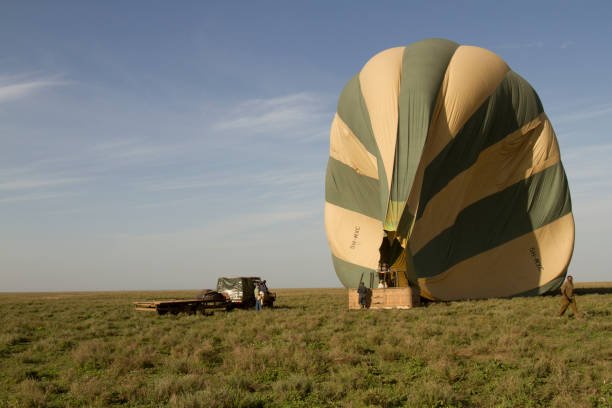

Understanding the Geography: Ngorongoro and Serengeti
When planning a Tanzania safari, the Ngorongoro Crater and the Serengeti National Park are almost always at the top of the list. These two world-renowned destinations, while geographically close in the grand scheme of Tanzania, offer distinctly different safari experiences. The Ngorongoro Crater is famous for its unique caldera ecosystem, a natural amphitheater teeming with wildlife, including the Big Five, within a relatively compact area. The Serengeti, on the other hand, is a vast, rolling grassland stretching towards the horizon, celebrated for its immense wildlife populations, the annual Great Migration, and its sheer scale.
The question, “How far is Ngorongoro Crater from Serengeti?” Is a common one for safari planners. The answer isn’t as straightforward as a single mileage because the Serengeti is the second-largest national park in Tanzania, covering over 14,750 square kilometers (5,700 square miles). Therefore, the travel time and distance depend heavily on which part of the Serengeti you are heading to or departing from, and which gate you use.
Most safari itineraries that include both locations will involve a transition from the Ngorongoro Conservation Area (NCA) to the southern or central sectors of the Serengeti. The most common route is from the Ngorongoro Crater rim or lodges situated nearby, heading towards the Seronera area, which is often considered the heart of the Serengeti.
Key Travel Routes and Distances
The journey between Ngorongoro and Serengeti is typically undertaken by 4×4 safari vehicle, as these are the primary modes of transport for safaris in Tanzania. The roads can vary significantly, from well-maintained gravel tracks to more challenging, dusty paths, especially during the wet seasons of 2026 and 2027.
Route 1: Ngorongoro Crater Rim to Seronera (Central Serengeti)
This is the most popular route for tourists combining the two parks. Travelers often spend a morning exploring the Ngorongoro Crater floor and then ascend to the rim, have lunch, and begin their journey towards the Serengeti. The drive usually involves exiting the NCA via the Naabi Hill Gate or another designated exit, and then proceeding through the Serengeti’s southern plains towards the Seronera airstrip and lodge area.
- Approximate Distance: 100-150 kilometers (60-95 miles)
- Estimated Travel Time: 2 to 4 hours. This can extend significantly if you encounter major wildlife sightings along the route through the Serengeti plains, which often serve as an impromptu game drive.
- Road Conditions: Generally good gravel roads through the NCA and into the southern Serengeti. The condition can deteriorate during heavy rains.
- Key Gates: Naabi Hill Gate is the main entry/exit point for this route.
This route offers an immediate taste of the Serengeti’s vastness, as you drive across its plains towards your accommodation or next game drive area. Many travelers choose to make their first game drive within the Serengeti itself as they traverse towards Seronera.
Route 2: Ngorongoro Crater Rim to Lobo (Northern Serengeti)
For travelers aiming for the northern Serengeti, perhaps to witness the Great Migration river crossings (typically July-October), the journey is considerably longer. This route often takes you further north within the NCA before heading west and then north again into the Serengeti’s northern territories.
- Approximate Distance: 200-250 kilometers (125-155 miles)
- Estimated Travel Time: 4 to 6 hours, or more. This is a substantial drive that often consumes a significant portion of the day.
- Road Conditions: Can be more variable and challenging, especially in the more remote northern sections of both the NCA and Serengeti.
- Scenery: This route offers diverse landscapes as you move through different ecological zones.
This option is less common for a direct transfer between the crater and the Serengeti’s main attractions but might be incorporated if your itinerary is specifically focused on the northern migration or if you are combining a visit to Lake Natron or other northern areas.
Route 3: From Arusha to Ngorongoro, then Serengeti
Most safaris begin in Arusha, the gateway city for Northern Tanzania. The typical sequence is Arusha -> Ngorongoro -> Serengeti, or Arusha -> Serengeti -> Ngorongoro. If you are asking “How far is Ngorongoro Crater from Serengeti”, you are likely interested in the direct transfer between the two parks, assuming you’ve already reached Ngorongoro.
The drive from Arusha to the Ngorongoro Conservation Area entrance gate (Karatu area) is about 180-190 km and takes around 3-4 hours. From the NCA gate, you descend into the crater or stay at rim lodges. The subsequent drive from Ngorongoro to Serengeti, as detailed above, adds another 2-4 hours.
Factors Affecting Travel Time and Distance
Several factors can influence the actual time and distance covered when traveling between Ngorongoro and Serengeti:
Wildlife Sightings
This is perhaps the biggest variable. As you drive through the NCA and the southern Serengeti plains, you are essentially on a game drive. Herds of wildebeest, zebras, gazelles, and various predators are common sights. Stopping for photos and observation can easily add hours to your journey. Many travelers consider this part of the safari experience, not just transit.
Road Conditions
Tanzania’s road infrastructure, while improving, can still be challenging. During the rainy seasons (typically March-May and November-December), roads can become muddy and slow, significantly increasing travel times. Dust can also be a factor during the dry season, requiring slower speeds for comfort and visibility. Planning your safari for 2026 or 2027 with an experienced operator can help navigate these conditions.
Vehicle Type and Driver Expertise
The type of safari vehicle used and the skill of your driver-guide are paramount. A well-maintained 4×4 safari vehicle is essential for comfort and capability. An experienced guide knows the best routes, can anticipate road conditions, and is adept at navigating the park boundaries and gates efficiently.
Specific Start and End Points
As mentioned, the Serengeti is vast. Are you starting from a lodge on the Ngorongoro crater rim or descending to the crater floor? Are you heading to Seronera, Kogatende, or Grumeti? These specific locations will alter the distance and time. For example, the Serengeti to Ngorongoro distance Calculation is the reverse of what’s described above.
Time of Day
Starting your journey early in the morning from Ngorongoro allows for more flexibility and the chance to enjoy the Serengeti plains as the day warms up. Midday travel can be hot, and afternoon travel might be affected by approaching weather or the need to reach your lodge before dark.
Practical Itinerary Planning: Ngorongoro to Serengeti
When constructing a safari itinerary for 2026 or 2027, integrating the Ngorongoro Crater and Serengeti National Park requires careful planning to maximize your safari experience without excessive travel time.
Typical Itinerary Flow
A common flow for a 7-day Northern Circuit safari might look like this:
- Day 1: Arrive in Arusha, transfer to lodge.
- Day 2: Drive to Ngorongoro Conservation Area, visit a Maasai village (optional), overnight at a lodge near the crater rim.
- Day 3: Descend into Ngorongoro Crater for a morning game drive. Ascend and drive towards the Serengeti National Park, entering via Naabi Hill Gate. Afternoon game drive en route to your lodge in the Seronera area.
- Day 4: Full day game drive in the Serengeti, focusing on the Seronera Valley.
- Day 5: Morning game drive in the Serengeti. Fly from Seronera airstrip back to Arusha or Kilimanjaro International Airport (JRO), or continue to your next destination.
Alternatively, some itineraries might place Serengeti before Ngorongoro, depending on migration patterns and logistical considerations. The Serengeti to Ngorongoro travel time Would be the reverse of the Ngorongoro to Serengeti journey.
Choosing Your Lodging
The choice of accommodation significantly impacts the travel experience. Staying at lodges on the Ngorongoro Crater rim means you are poised for an early descent. For the Serengeti, lodges and tented camps are strategically located in different sectors:
- Seronera Area (Central Serengeti): Excellent year-round game viewing, good for general wildlife and big cats. This is the most common destination when traveling from Ngorongoro.
- Western Serengeti (Grumeti River): Best known for migration river crossings (May-July).
- Northern Serengeti (Kogatende/Mara River): Famous for the dramatic river crossings of the Great Migration (July-October).
If your goal is to see the Great Migration river crossings in the north, you might opt for a flight from the Ngorongoro area to Kogatende to save a very long drive, or plan your route to include several days in the Serengeti, moving northwards.
The Value of Internal Flights
For those with limited time or who prefer to avoid long drives, internal flights are a fantastic option. You can fly from the Manyara Airstrip (close to Ngorongoro) or Arusha directly to Seronera Airstrip in the Serengeti. This dramatically cuts down travel time, allowing more hours for game drives.
- Flight from Manyara to Seronera: Approximately 30-45 minutes.
- Flight from Arusha to Seronera: Approximately 1 hour.
While flights add to the overall cost of a safari, they are invaluable for maximizing wildlife viewing time and comfort, especially when covering significant distances like the Serengeti to Ngorongoro distance If you were doing the reverse journey.
Comparing Ngorongoro Crater and Serengeti
While close geographically, these destinations offer distinct safari experiences, and understanding this helps in planning your route.
| Feature | Ngorongoro Crater | Serengeti National Park |
|---|---|---|
| Size | Compact caldera (approx. 265 sq km / 100 sq mi floor) | Vast plains (approx. 14,750 sq km / 5,700 sq mi) |
| Topography | Crater floor, diverse habitats (grassland, swamps, forest, lake) | Rolling grasslands, savannas, acacia woodlands, kopjes |
| Wildlife Density | Extremely high, concentrated | High, spread across a large area; seasonal concentrations (Migration) |
| Key Attractions | Big Five (high chance of seeing rhino), unique ecosystem, stunning views | Great Migration, large predator populations, vastness, diverse birdlife |
| Typical Visit Duration | Half-day to one full day game drive | 2-4 days or more for deeper exploration |
| Driving Experience | Limited area, can feel busy with other vehicles | Expansive, feels wild and remote, more driving between sightings |
Many visitors find that spending a full day in the Ngorongoro Crater followed by 2-3 days in the Serengeti provides a balanced and comprehensive introduction to Tanzania’s iconic wildlife areas. The transition between these two environments is a key part of the safari journey, and understanding the How far is Ngorongoro Crater from Serengeti Question is fundamental to smooth logistics.
Planning Your 2026-2027 Safari: Expert Tips
When booking your safari for 2026 or 2027, consider these tips to ensure your journey between Ngorongoro and Serengeti is as well-organized as possible:
- Book in Advance: Popular lodges and safari packages, especially during peak seasons (June-October and December-February), fill up quickly. Booking 6-12 months ahead is recommended.
- Choose the Right Operator: A reputable tour operator like Top Guide Adventures will help you craft an itinerary that balances travel time with wildlife viewing, considering your interests and budget. They understand the nuances of the routes, road conditions, and optimal timings.
- Consider the Season: The time of year you travel will affect road conditions and wildlife movements. For instance, the Great Migration is in the north for river crossings during July-October, influencing where you might want to spend more time in the Serengeti.
- Pack Appropriately: Light, neutral-colored clothing, a good camera, binoculars, sunscreen, insect repellent, and a hat are essential.
- Stay Flexible: While planning is key, remember that wildlife viewing is unpredictable. Be prepared for spontaneous stops and enjoy the journey.
The distance from Ngorongoro Crater to Serengeti is best managed with a clear understanding of your final destination within the Serengeti and the transport options available. For most travelers, the 2-4 hour drive from the Ngorongoro rim to Seronera is a manageable and often rewarding part of their safari.
Making the Transfer: Your Safari Vehicle and Guide
The vehicle and guide are your lifeline on a Tanzanian safari. For the transfer between Ngorongoro and Serengeti, and for your game drives, you’ll typically be in a custom-built 4×4 safari vehicle. These vehicles are designed for comfort and optimal game viewing, featuring:
- Pop-up roofs for unobstructed views and photography.
- Spacious seating, allowing for comfortable travel even on longer drives.
- Ample storage for luggage.
- Reliable suspension to handle rough terrain.
Your driver-guide is more than just a driver; they are an expert naturalist, a storyteller, and your safety companion. They possess in-depth knowledge of animal behavior, the best game-viewing spots, and the park regulations. A good guide will make the journey from Ngorongoro to Serengeti an educational and exciting experience, pointing out animals you might otherwise miss and explaining the unique ecosystems of both regions.
Communication and Logistics
Experienced tour operators ensure smooth communication between lodges, guides, and clients. If you are moving from Ngorongoro to Serengeti, your guide will coordinate with your next lodge to ensure a timely arrival. They will also manage park entry fees and any necessary paperwork at the gates, such as Naabi Hill Gate.
Understanding the Serengeti to Ngorongoro travel time, or vice versa, helps in scheduling your day. For example, if you have a flight to catch from Seronera airstrip, your guide will ensure you depart from your Ngorongoro lodge with ample time, factoring in potential delays.
Booking Your Ngorongoro & Serengeti Adventure
Planning a safari that includes both the Ngorongoro Crater and the Serengeti National Park is an exciting prospect. These two iconic locations offer an unparalleled wildlife experience. At Top Guide Adventures, we specialize in crafting personalized safari itineraries that maximize your time in these incredible destinations.
We understand the importance of accurate travel times and distances, and we use our local expertise to create efficient and unforgettable journeys for 2026 and 2027. Whether you’re looking for a classic Northern Circuit safari, a private tour tailored to your specific interests, or a group departure, we can help.
To discuss your dream safari, including the logistics of traveling between Ngorongoro Crater and Serengeti, please feel free to contact us:
- WhatsApp: +255616946642
- Email: Topguideadventures@gmail.com
- Backup Email: Info@topguideadventures.com
Let us help you plan an incredible adventure that answers all your questions about How far is Ngorongoro Crater from Serengeti And ensures you experience the best of Tanzania’s wildlife wonders.
Check Availability for How Far Is Ngorongoro Crater From Serengeti: Distances, Travel Times &…
Ready to compare dates, prices, and the best option for your group? Send the package name and travel month so the team can reply with a clear quote, availability, and what is included.
Distance From Serengeti To Ngorongoro Crater: Your Essential Safari Guide
Planning a Tanzania safari often involves combining the vast plains of the Serengeti with the unique ecosystem of the Ngorongoro Crater. Understanding the distance and travel time between...
View package details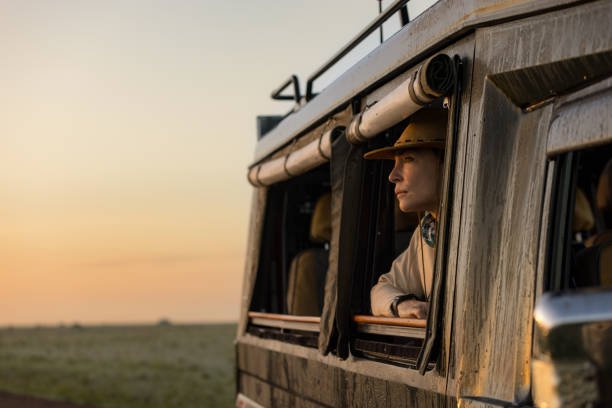
Ngorongoro To Serengeti Distance: Your Safari Travel Guide 2026-2027
Planning a Tanzania safari? Understanding the Ngorongoro to Serengeti distance is crucial for itinerary planning. This guide covers travel times, routes, and what to expect when moving...
View package details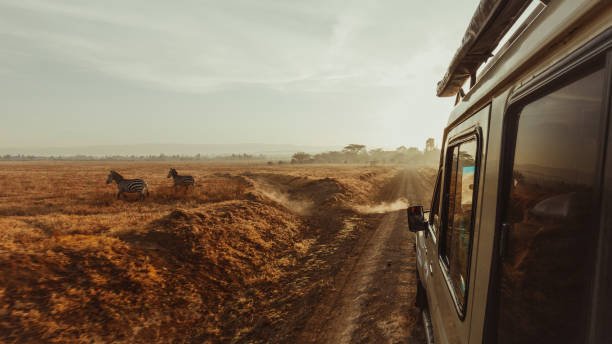
Serengeti To Ngorongoro Distance: Planning Your Transfer Across Tanzanias
Discover the essential details about the Serengeti to Ngorongoro distance, including travel times, route options, and what to expect when moving between these two iconic Tanzanian wildlife...
View package details
Is Ngorongoro More Expensive Than Serengeti? A Cost Comparison 2026-2027
Planning a Tanzania safari and wondering about the costs? This in-depth guide compares Ngorongoro Crater and Serengeti National Park pricing to help you budget your 2026-2027 trip...
View package details
Serengeti And Ngorongoro Tours Guide
Discover the magic of Tanzania's most iconic wildlife destinations with expertly guided Serengeti and Ngorongoro tours. Top Guide Adventures offers personalized safari experiences for...
View package details
Ngorongoro Crater Tour: Expert Guide For Safaris 2026-2027
Your comprehensive guide to planning an unforgettable Ngorongoro Crater tour. Learn about the best times to visit, essential wildlife viewing tips, accommodation options, and what to expect...
View package details
Ngorongoro Tours: Planning Your Unforgettable Crater Safari In 2026-2027
Discover the magic of Ngorongoro Crater with expert-led tours. Plan your 2026-2027 safari adventure, covering wildlife viewing, conservation insights, logistics, and booking tips from Top...
View package details
Grumeti Serengeti Guide
The Grumeti Serengeti offers an exclusive safari experience, blending luxury accommodations with exceptional wildlife viewing opportunities, especially for big cats and the Great Migration...
View package details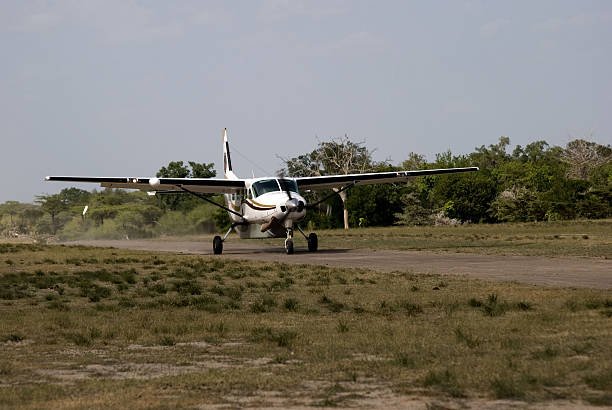
Serengeti And Ngorongoro Crater Safari 2026-2027
Serengeti and Ngorongoro Crater safari is explained with current 2026-2027 planning, price, itinerary and booking information.
View package details
10 Days Serengeti, Ngorongoro And Zanzibar Safari Cost 2026-2027
Plan your dream 10-day adventure combining the iconic wildlife of the Serengeti and Ngorongoro Crater with the tropical paradise of Zanzibar. Understand the potential costs for 2026-2027...
View package details
3 Days Serengeti & Ngorongoro Group Safari From Moshi/Zanzibar 2026-2027
Discover the magic of Tanzania's Northern Circuit on a 3-day shared group safari, departing from Moshi or Zanzibar. This tour is perfect for solo travelers or small groups looking for an...
View package details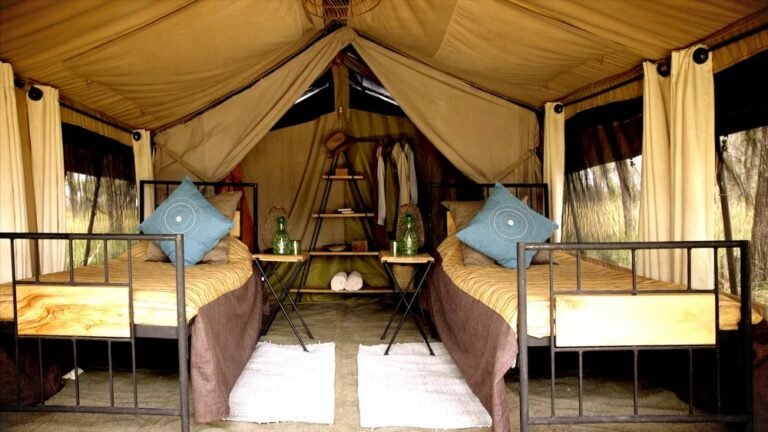
3 Days Serengeti And Ngorongoro Safari Price From Arusha In | Top Guide
Plan your 3-day Serengeti and Ngorongoro safari from Arusha with Top Guide Adventures. This guide details pricing factors, what's included, and how to get the best value for your 2026-2027...
View package detailsNo closely related package is available for this topic yet.



