
A Wildlife & animal safari In Tanzania offers an unparalleled opportunity to witness the continent’s most iconic species, including the Big Five, in their natural, expansive habitats, with the Serengeti and Ngorongoro Crater being prime locations for viewing the Great Migration and diverse ecosystems. For 2026-2027, expect a range of safari experiences from budget-friendly shared tours to luxurious private expeditions, typically lasting from 3 to 10 days, focusing on game drives and expert-guided wildlife encounters.
The Unrivaled Majesty of a Tanzania Wildlife & Animal Safari
Tanzania stands as a titan among safari destinations, a place where the very essence of wild Africa is preserved and presented in its most raw, awe-inspiring form. Planning a Wildlife & animal safari Here is not merely a trip; it’s an immersion into a world governed by ancient rhythms, where predator and prey engage in a timeless dance, and where landscapes stretch to horizons painted with the dust of migrating herds. For travelers in 2026 and 2027, the promise of Tanzania remains as potent as ever: an encounter with nature at its most grand, its most untamed, and its most profoundly beautiful.
This isn’t about ticking boxes or seeing a few animals; it’s about experiencing the sheer scale of life, the vibrant ecosystems, and the profound connection to the natural world that only a true African safari can provide. Whether you dream of the vast plains of the Serengeti, the unique caldera of the Ngorongoro Crater, or the tree-climbing lions of Lake Manyara, Tanzania delivers an unforgettable spectacle of Tanzania wildlife safari Adventures.
Why Tanzania for Your Next Wildlife & Animal Safari?
Several factors elevate Tanzania to the pinnacle of safari destinations, making it the go-to choice for discerning travelers seeking authentic African animal safaris. Its sheer abundance of wildlife, coupled with its commitment to conservation, creates an environment where animals thrive, and visitors can witness them with remarkable clarity and proximity.
Unmatched Biodiversity and Iconic Species
Tanzania is home to an estimated 430 species of mammals, and it is one of the few places on Earth where you can reliably see the ‘Big Five’ – lion, leopard, elephant, rhino, and buffalo – in a single safari. Beyond these giants, the country boasts an incredible diversity of plains game, primates, and birdlife. The sheer density of animals, particularly in its world-renowned national parks, is staggering.
The Great Migration: A Natural Spectacle
Perhaps the most famous wildlife event on the planet, the Great Migration, sees over 1.5 million wildebeest, zebras, and gazelles traverse the plains of the Serengeti-Mara ecosystem in search of fresh grazing. This colossal movement, with its dramatic river crossings and predator-prey interactions, is a highlight for many planning a Wildlife & animal safari. The timing of your visit in 2026 or 2027 will determine which stage of this incredible journey you might witness.
World-Class National Parks and Reserves
Tanzania’s park system is exceptional. The Serengeti National Park, a UNESCO World Heritage Site, offers endless savannas teeming with life. The Ngorongoro Conservation Area, with its unique crater ecosystem, provides a concentrated wildlife viewing experience. Other jewels include Tarangire National Park, famous for its large elephant herds and baobab trees, Lake Manyara National Park for its tree-climbing lions and diverse birdlife, and the vast, remote wilderness of the Selous Game Reserve (now Nyerere National Park) and Ruaha National Park in the south.
Commitment to Conservation
Through stringent anti-poaching measures, community involvement, and sustainable tourism practices, Tanzania is dedicated to preserving its natural heritage. This commitment ensures that the wildlife populations continue to flourish, offering future generations, including those planning safaris in 2026-2027, the same opportunities for incredible encounters.
Key Destinations for Your Tanzania Wildlife & Animal Safari
Choosing where to go is crucial for tailoring your Wildlife & animal safari Experience. Tanzania offers a diverse range of ecosystems, each providing unique viewing opportunities.
Serengeti National Park: The Endless Plains
No discussion of Tanzania wildlife safari Is complete without mentioning the Serengeti. Its name, derived from the Maasai word ‘Siringet,’ meaning ‘endless plains,’ perfectly describes its vast, sweeping landscapes. This is the heartland of the Great Migration, and the park is renowned for its high predator concentrations, especially lions, cheetahs, and leopards. A typical Serengeti safari experience Might involve early morning game drives to catch predators on the hunt, sundowner drives with panoramic views, and exploring different regions like Seronera (central), Grumeti (western corridor), and Kogatende (northern). Expect to see vast herds of wildebeest and zebras, elephants, giraffes, and numerous other plains animals throughout the year.
Ngorongoro Conservation Area: The Eighth Wonder
Often called the ‘Eighth Wonder of the World,’ the Ngorongoro Crater is a UNESCO World Heritage Site and a natural amphitheater teeming with wildlife. This collapsed volcano caldera, measuring about 19 kilometers in diameter, boasts one of the highest densities of predators in Africa, including a healthy population of black rhinos. The crater floor is a microcosm of the wider Tanzanian ecosystem, supporting large herds of wildebeest, zebras, buffalo, gazelles, and hippos. The unique environment means you can often see a remarkable variety of animals in a single day. While game drives are primarily confined to the crater floor, the surrounding highlands offer opportunities for cultural interactions with the Maasai people.
Tarangire National Park: Land of Giants
Famous for its massive elephant herds, Tarangire is a must-visit, especially during the dry season (June to October). The park’s landscape is dominated by ancient baobab trees, which create a dramatic backdrop for wildlife viewing. Beyond elephants, Tarangire is an excellent place to spot lions, leopards, cheetahs, giraffes, zebras, and a variety of antelope species. The Tarangire River acts as a magnet for wildlife during the dry months, making game viewing particularly rewarding. Birdwatchers will also be delighted by the park’s rich avian life.
Lake Manyara National Park: Diverse Habitats
Though smaller than other parks, Lake Manyara offers an incredibly diverse safari experience within a compact area. Its shallow alkaline lake attracts thousands of flamingos, while the surrounding woodlands and grasslands support a rich array of animals. The park is most famous for its tree-climbing lions, a behavior not commonly seen elsewhere. You can also find large troops of baboons, herds of elephants, giraffes, zebras, and a variety of antelopes. The park’s canopy walkways offer a unique perspective on the forest ecosystem.
Nyerere National Park (formerly Selous): Vast Wilderness
Located in southern Tanzania, Nyerere National Park is one of the largest game reserves in Africa, offering a more remote and less crowded safari experience. Its vast size encompasses diverse habitats, including miombo woodlands, grasslands, and the Rufiji River system. Nyerere is known for its large populations of wild dogs, elephants, lions, leopards, cheetahs, and hippos. Boat safaris on the Rufiji River provide excellent opportunities for viewing hippos, crocodiles, and abundant birdlife, while walking safaris offer a more intimate connection with the wilderness.
Ruaha National Park: Untamed and Rugged
Ruaha is Tanzania’s largest national park and offers a truly wild and rugged safari adventure. It’s known for its dramatic landscapes, including the Great Ruaha River gorge, and its significant populations of elephants and buffalos. Ruaha also boasts one of the highest concentrations of predators in Tanzania, with prides of lions, leopards, cheetahs, and the endangered African wild dog. The park’s remoteness means fewer visitors, providing a more exclusive and authentic Wildlife & animal safari Experience. It’s an ideal destination for those seeking to get off the beaten path in 2026 or 2027.
Planning Your 2026-2027 Wildlife & Animal Safari: Key Considerations
To ensure your Wildlife & animal safari Is everything you dream of and more, careful planning is essential. Here are the key aspects to consider when booking your trip for 2026 or 2027:
Best Time to Visit for Wildlife Viewing
The ‘best’ time often depends on what you want to see. For the Great Migration, the dry season (June to October) is prime, with river crossings often occurring from July to September in the northern Serengeti. The short rains (November to December) can bring animals closer to water sources, while the long rains (March to May) can make travel more challenging but offer lush landscapes and fewer crowds. Generally, the dry season offers the most reliable game viewing across most parks.
- Dry Season (June – October): Ideal for Great Migration river crossings, excellent game viewing across all parks, pleasant temperatures.
- Green Season (November – March): Lush landscapes, excellent birdwatching, calving season for wildebeest in the southern Serengeti (Jan-Feb), fewer tourists, potentially lower prices.
- Shoulder Seasons (April – May, November): Can offer a mix of conditions, fewer crowds, and good value.
Safari Duration and Itinerary
Most Wildlife & animal safari Itineraries in Tanzania range from 3 to 10 days. A shorter trip (3-4 days) might focus on one or two parks like Lake Manyara and Ngorongoro. A week-long safari (6-7 days) can cover the Northern Circuit (Tarangire, Lake Manyara, Ngorongoro, Serengeti). For a more in-depth experience, including southern parks or extended time in the Serengeti, 10-14 days are recommended. When planning for 2026-2027, consider how much travel time you have and what you prioritize seeing.
Choosing Your Safari Style: Group vs. Private
Your choice of safari style significantly impacts your experience and cost.
- Group/Shared Safaris: These are more budget-friendly, with costs shared among travelers. You’ll join a safari vehicle with other guests, typically on set departure dates. This is a great option for solo travelers or those on a tighter budget, and it’s important to check availability for Group departures dates 2026 Or 2027 well in advance. You can explore options at Shared tours.
- Private Safaris: These offer flexibility, exclusivity, and personalized attention. You have a private vehicle and guide, and the itinerary can be customized to your interests. While more expensive, they provide a more intimate and tailored African animal safaris Experience.
Accommodation Options
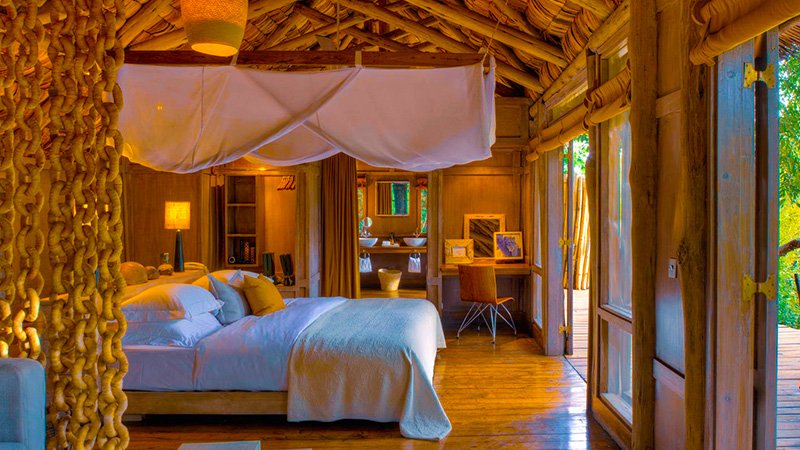
Accommodation ranges from budget-friendly campsites and basic lodges to mid-range tented camps and luxurious lodges with all amenities. Your choice will depend on your budget and desired comfort level. Tented camps often offer a fantastic balance, providing comfortable lodging with a close-to-nature feel.
Packing Essentials for a Wildlife & Animal Safari
Packing smart is key to comfort and enjoyment. Lightweight, neutral-colored clothing is best to avoid startling animals. Layers are advisable as temperatures can vary significantly between day and night.
Safari Packing Checklist:
- Lightweight, breathable long-sleeved shirts and trousers (neutral colors: khaki, olive, beige)
- T-shirts and shorts
- Warm fleece or jacket for cool mornings and evenings
- Comfortable walking shoes or hiking boots
- Sandals or flip-flops for camp
- Sun hat with a wide brim
- Sunglasses
- Sunscreen (high SPF)
- Insect repellent (with DEET)
- Binoculars (essential for wildlife viewing)
- Camera with extra batteries and memory cards
- Reusable water bottle
- Personal first-aid kit
- Small backpack for day trips
- Adapter for electronics
Experiencing the Wildlife & Animal Safari: What to Expect
Your daily safari routine will likely revolve around early morning and late afternoon game drives, which are typically the best times for spotting active wildlife. Midday is often spent relaxing at your lodge or camp, perhaps enjoying lunch or a swim if available.
Game Drives: The Core of the Safari
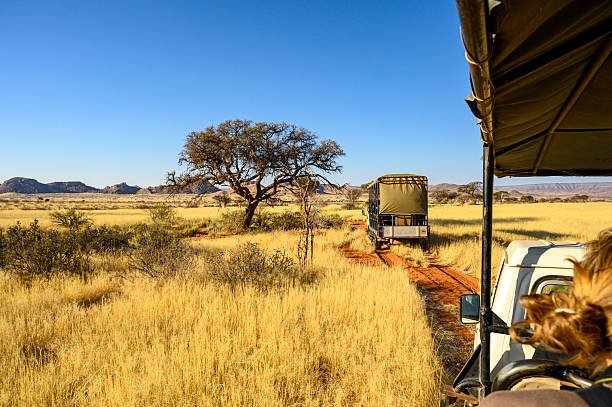
Game drives are conducted in specially adapted 4×4 safari vehicles, usually with pop-up roofs for unobstructed viewing and photography. Your experienced guide will use their knowledge of animal behavior, tracks, and local conditions to find wildlife. They are also trained to spot animals that might otherwise be missed, like camouflaged leopards or elusive rhinos. Expect to spend several hours each day in the vehicle, covering vast distances within the parks.
Guided Walks and Other Activities
In certain areas, like the Ngorongoro Conservation Area or parts of Nyerere National Park, guided walking safaris are permitted. These offer a different perspective, allowing you to connect with the bush on foot and learn about smaller details like plants, insects, and tracks. Boat safaris, particularly in Nyerere or on Lake Manyara, provide unique views of aquatic wildlife and birds.
The Role of Your Safari Guide
Your guide is arguably the most important person on your Wildlife & animal safari. A good guide is not just a driver but a naturalist, a storyteller, and a problem-solver. They possess deep knowledge of the animals, their behaviors, and the ecosystems. They are skilled at tracking, can identify countless bird species, and often have fascinating insights into local culture and history. The quality of your guide can truly make or break your safari experience, so choosing a reputable tour operator like Top Guide Adventures is crucial for 2026-2027 bookings.
Understanding the Costs of a Wildlife & Animal Safari
Safari costs in Tanzania can vary significantly based on duration, accommodation style, vehicle type (shared vs. Private), park fees, and the time of year. While exact prices for 2026-2027 are best obtained via a custom quote, understanding the cost components is vital.
Typical Cost Factors for Tanzania Safaris:
- Park Entrance Fees: These are fixed daily rates per person, varying by park (e.g., Serengeti is higher than Tarangire).
- Accommodation: Ranges from budget campsites (around $30-$60 per person per night) to mid-range lodges/tented camps ($150-$300 pp/pn) to luxury lodges ($400-$1000+ pp/pn).
- Vehicle & Guide: Private safari vehicles and guides are more expensive than shared options.
- Meals: Usually included in lodge/camp rates; camping safaris include all meals.
- Activities: Game drives are standard; hot air balloon safaris or walking safaris may incur extra costs.
- Tour Operator’s Margin: Covers planning, support, and profit.
A 7-day Tanzania wildlife safari In the Northern Circuit, staying in mid-range accommodation with a private vehicle, might typically range from $2,500 to $4,500 per person For 2026-2027 travel. Budget-friendly shared safaris could be lower, while luxury options can significantly exceed this range.
Safety and Responsible Tourism on Your Safari
Your safety and the preservation of the natural environment are paramount. Reputable tour operators adhere to strict safety protocols and promote responsible tourism practices.
- Animal Etiquette: Always maintain a safe distance from wildlife. Never feed animals, and avoid making loud noises or sudden movements that could disturb them.
- Vehicle Safety: Stay inside the safari vehicle unless instructed otherwise by your guide.
- Environmental Respect: Do not litter. Stick to designated tracks to minimize environmental impact.
- Cultural Sensitivity: If visiting local communities, dress modestly and ask permission before taking photographs.
Choosing operators committed to conservation and community support ensures your safari contributes positively to Tanzania’s future. Top Guide Adventures is dedicated to these principles, ensuring your African animal safaris Are both incredible and responsible.
Booking Your 2026-2027 Wildlife & Animal Safari with Top Guide Adventures
Embarking on a Wildlife & animal safari In Tanzania is a significant undertaking, and partnering with an experienced, trusted local operator makes all the difference. Top Guide Adventures specializes in creating tailor-made safari experiences that cater to your specific interests, budget, and travel style. From the moment you inquire about a 2026 or 2027 safari, our team provides personal attention, expert advice, and dedicated support to craft your perfect adventure.
We understand the nuances of each park, the best times for viewing specific wildlife events, and how to maximize your chances of incredible encounters. Whether you’re interested in a classic Northern Circuit tour focusing on the Serengeti and Ngorongoro, an adventurous journey to the southern parks, or a combination of safari with a Kilimanjaro climb or Zanzibar beach holiday, we can design an itinerary that exceeds your expectations.
We pride ourselves on offering a high level of service, ensuring all logistics are handled smoothly, from airport transfers and comfortable accommodations to knowledgeable guides and well-maintained safari vehicles. Our goal is to allow you to fully experience the magic of Tanzania’s wildlife without any worries.
Ready to plan your dream 2026-2027 wildlife & animal safari? Get in touch with us today for a personalized quote and expert advice. You can reach us via:
- WhatsApp: +255616946642
- Email: Topguideadventures@gmail.com
- Backup Email: Info@topguideadventures.com
Let Top Guide Adventures be your guide to the extraordinary wildlife and striking landscapes of Tanzania.
Check Availability for Wildlife & Animal Safari In Tanzania: Your Ultimate Guide 2026-2027
Ready to compare dates, prices, and the best option for your group? Send the package name and travel month so the team can reply with a clear quote, availability, and what is included.
Group Joining Day Safari From Moshi: Experience Tanzanias Wildlife 2026-2027
Discover the thrill of a group joining day safari from Moshi, offering an accessible and budget-friendly way to experience Tanzania's incredible wildlife in 2026-2027. Explore iconic parks...
View package details
Luxury Safari Lodges In Tanzania: Unrivaled Wildlife Experiences For 2026-2027
Experience the pinnacle of African wildlife viewing with Tanzania's exclusive luxury safari lodges. These top-tier accommodations provide unparalleled access to iconic parks like the...
View package details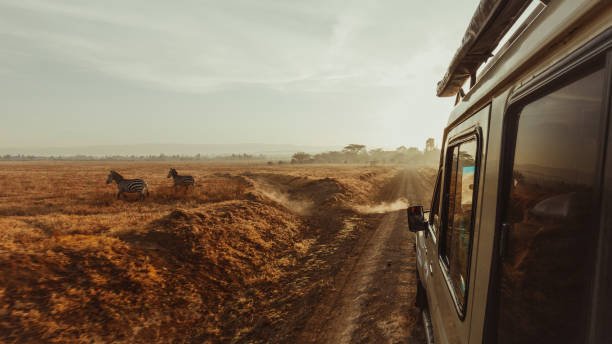
Luxury Wildlife Safari Tour Tanzania: Ultimate Experiences 2026-2027
Plan your ultimate luxury wildlife safari tour in Tanzania for 2026-2027. Explore iconic national parks like the Serengeti and Ngorongoro Crater with Top Guide Adventures, focusing on...
View package details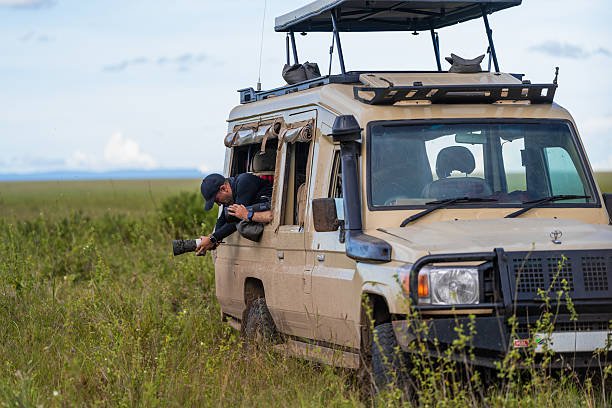
One Day Safari From Jro Airport: Your Ultimate Wildlife Experience 2026-2027
Maximize your travel time with an unforgettable one day safari starting right from Kilimanjaro International Airport (JRO). Experience Tanzania's stunning wildlife and vibrant culture on a...
View package details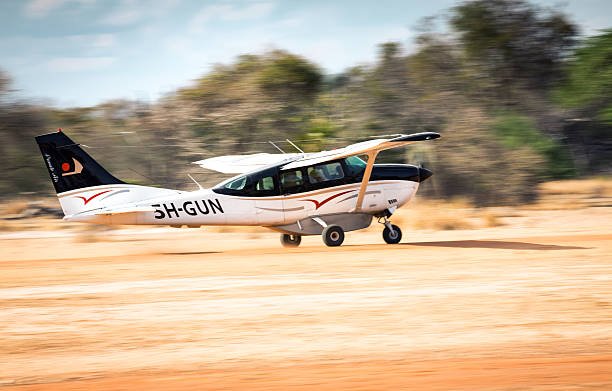
Randilen Wildlife Management Area Safari Cost, & Visitor Guide 2026-2027
Discover the costs, wildlife, and visitor essentials for a safari in Randilen Wildlife Management Area, a gem for wildlife viewing in Tanzania. Get practical tips for planning your...
View package details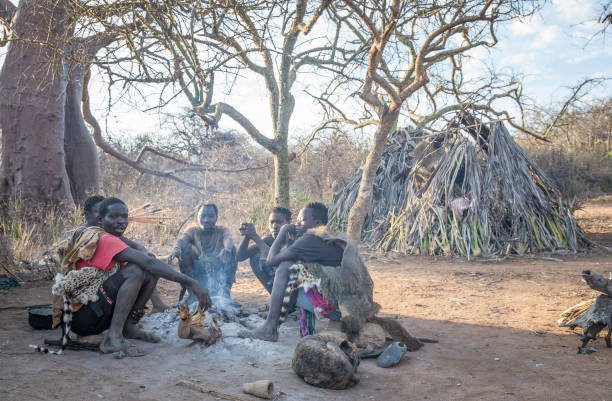
2 Days Hadzabe Cultural Safari From Zanzibar: A Detailed Experience 2026-2027
A condensed yet deeply impactful 2-day cultural safari from Zanzibar offers a unique opportunity to connect with the Hadzabe people, Tanzania's last hunter-gatherer tribe. This short...
View package details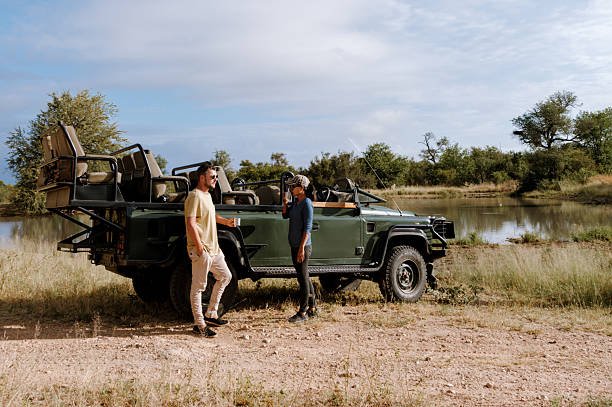
Agence Safari Tanzanie: Top Guide Adventures Expert Planning For 2026-2027
Top Guide Adventures is a premier agence safari Tanzanie, specializing in crafting unforgettable wildlife encounters, mountain climbs, and beach escapes across Tanzania. With a focus on...
View package details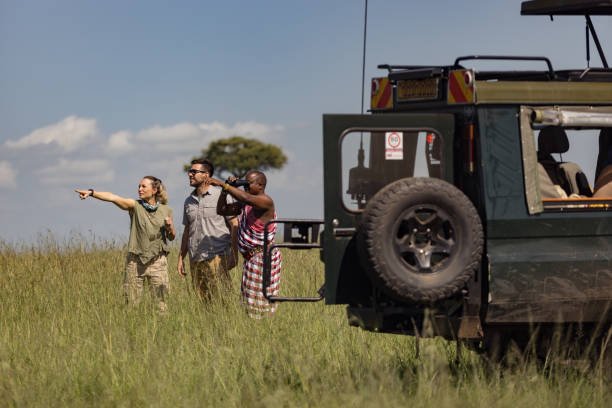
Best Month To Visit Tanzania For Safari And Zanzibar In 2026-2027
Planning your dream Tanzania adventure? This guide breaks down the best months to visit for optimal safari experiences, including the Great Migration, and idyllic beach time in Zanzibar...
View package details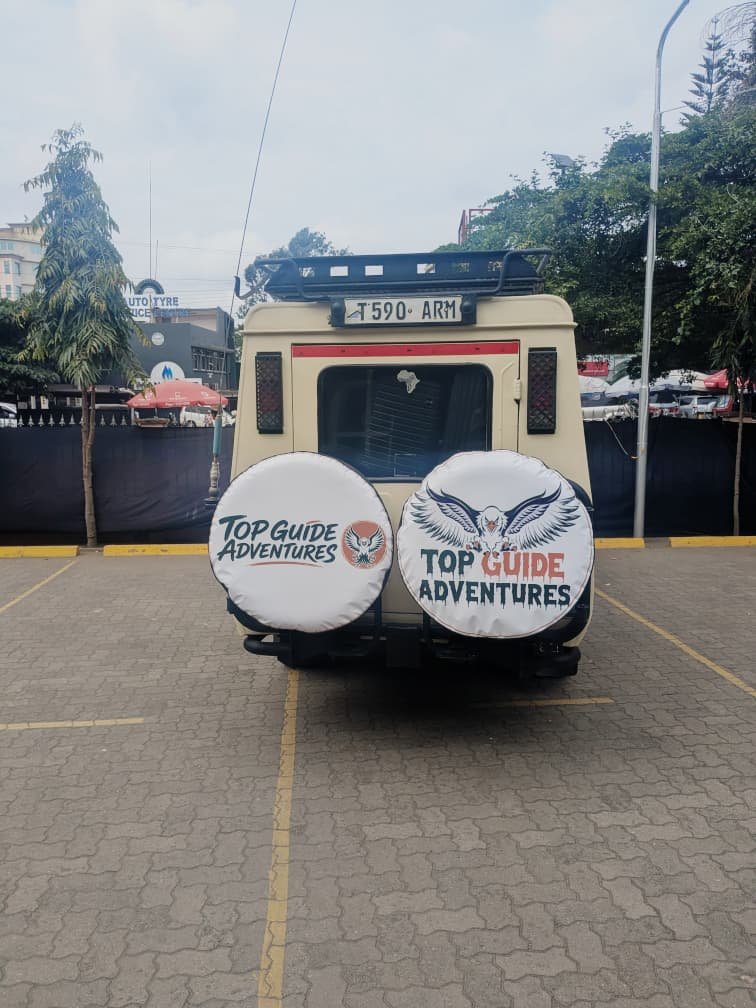
Best One Day Safaris From Moshi : Top Adventures & Planning 2026-2027
Explore the most rewarding one-day safari experiences departing from Moshi for 2026-2027. Top Guide Adventures highlights the best parks, what to expect, and how to plan your unforgettable...
View package details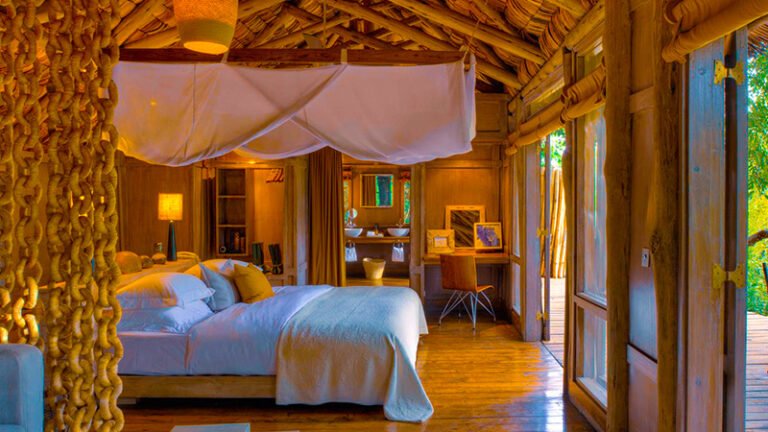
Big Five Safari Tanzania: Your Ultimate Guide For 2026-2027
Start an unforgettable Big Five safari adventure in Tanzania. This comprehensive guide covers everything you need to know for your 2026-2027 trip, from prime wildlife destinations to expert...
View package details
Big Five Tanzania Safari: Your Ultimate Guide To Spotting The Icons 2026-2027
Start an incredible Big Five Tanzania safari, a quest for the continent's most sought-after wildlife. This guide covers the best parks, optimal timing, and what to expect on your 2026-2027...
View package details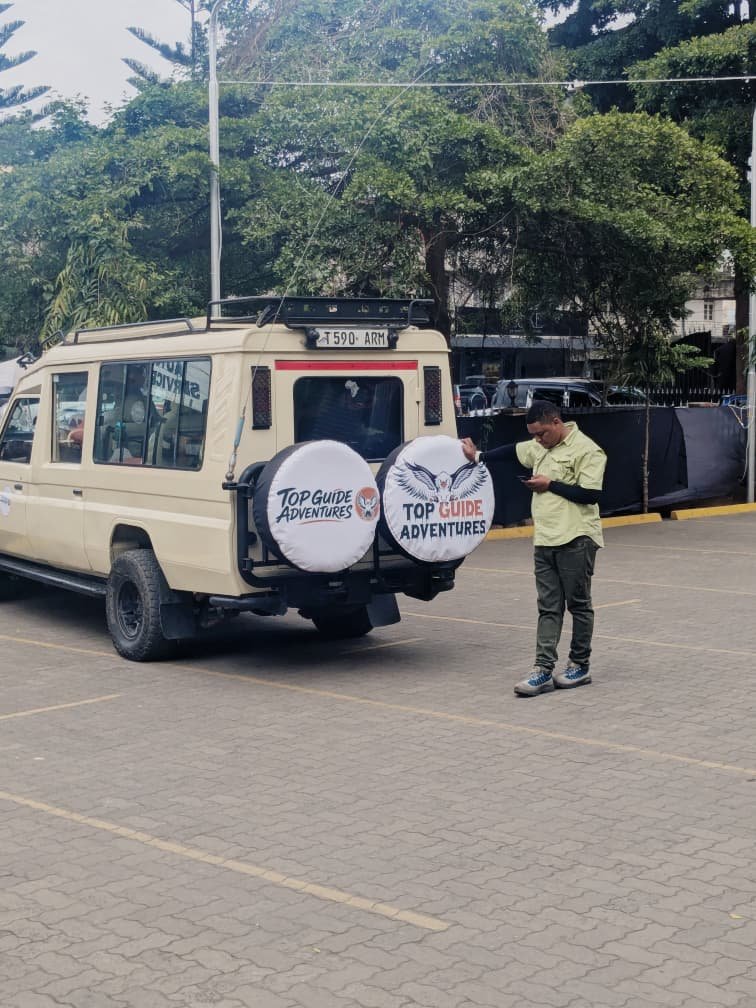
Cheetah Safari In Tanzania: Best Parks, Timing & Expert Tips 2026-2027
Plan your ultimate cheetah safari in Tanzania with this comprehensive guide. Learn about the prime locations, best times to visit for sightings, and expert advice for an unforgettable...
View package detailsNo closely related package is available for this topic yet.



