
Climbing Mount Kilimanjaro in Tanzania offers a life-changing adventure, with the best time for ascents typically falling during the drier seasons: January to March and June to October. Planning your Tanzania Kilimanjaro Expedition involves selecting the ideal route from options like Marangu, Machame, Lemosho, and others, considering your fitness and desired acclimatization, with most climbs ranging from 5 to 9 days and costs typically from $1,800 to $4,000+ per person Depending on the route, duration, and operator for 2026-2027 bookings.
Your Ultimate Guide to Climbing Mount Kilimanjaro in Tanzania
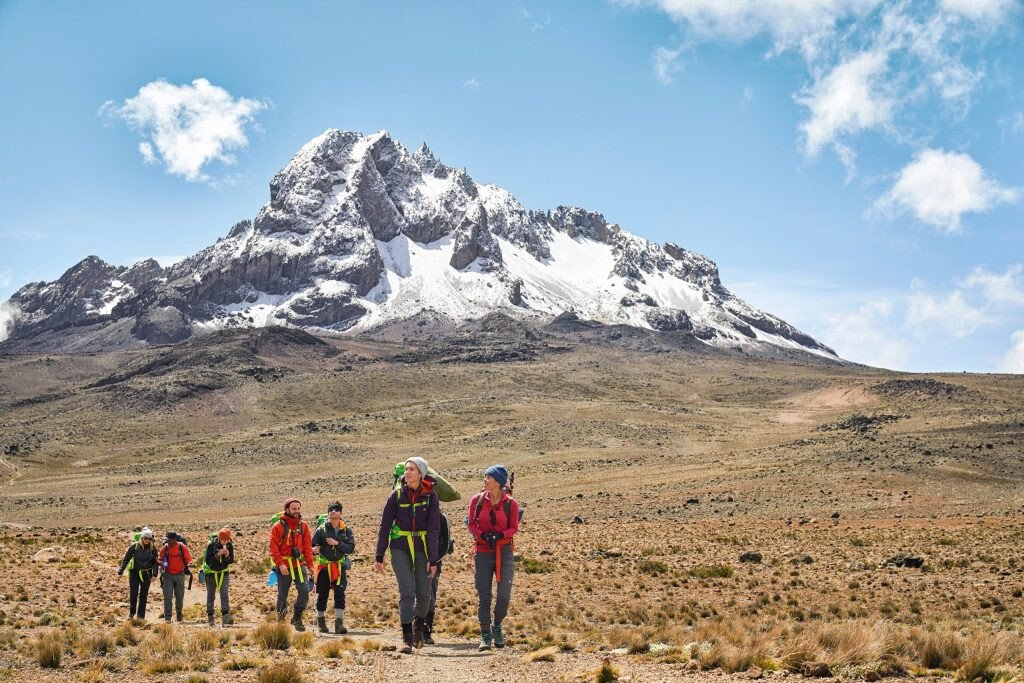
Mount Kilimanjaro, Africa’s highest peak and the world’s tallest free-standing mountain, stands majestically in northern Tanzania. Its iconic snow-capped summit, Uhuru Peak, at 5,895 meters (19,341 feet), draws thousands of trekkers annually. A Tanzania Kilimanjaro Expedition is more than just a hike; it’s a journey through diverse ecosystems, from lush rainforests to alpine deserts and arctic zones, testing your physical and mental endurance while rewarding you with unparalleled panoramic views. At Top Guide Adventures, we specialize in crafting unforgettable Kilimanjaro climbing experiences, ensuring safety, success, and an intimate connection with this natural wonder. Whether you’re aiming for a personal challenge or celebrating a milestone, understanding the nuances of climbing Kilimanjaro is key to a successful summit. This guide will walk you through everything you need to know for your 2026-2027 adventure.
Choosing Your Kilimanjaro Route: A Critical Decision
The path you take to the summit significantly impacts your experience, affecting acclimatization, scenery, difficulty, and success rates. With several well-established routes, selecting the Best Kilimanjaro routes For your Tanzania Kilimanjaro Climb is perhaps the most important pre-trip decision. Each route offers a unique perspective and varying levels of challenge.
The Marangu Route (Coca-Cola Route)
Often called the ‘Coca-Cola’ route due to its popularity and accessibility, Marangu is the oldest and most direct route. It’s the only route that offers dormitory-style accommodation in huts rather than camping, making it a popular choice for those seeking more comfort. However, its steep ascent profile means a lower acclimatization rate, leading to generally lower success rates compared to longer routes.
- Duration: 5 to 6 days.
- Scenery: Good, but you often descend the same path you ascended.
- Accommodation: Mountain huts.
- Pros: More comfortable huts, shorter duration.
- Cons: Lower success rates due to rapid ascent, less scenic variety on descent.
The Machame Route (Whiskey Route)
Known as the ‘Whiskey’ route, Machame is arguably the most popular route for trekkers seeking a scenic and well-acclimatized ascent. It’s a camping route that winds its way up the southern side of the mountain, offering spectacular views and a gradual climb that significantly improves acclimatization and summit success rates. It is known for its ‘climb high, sleep low’ strategy.
- Duration: 6 to 7 days (7 days recommended for better acclimatization).
- Scenery: Excellent, with diverse landscapes and panoramic views.
- Accommodation: Camping.
- Pros: High success rates, beautiful scenery, good acclimatization.
- Cons: More physically demanding than Marangu, requires camping.
The Lemosho Route
Lemosho is a newer route that has gained immense popularity for its stunning scenery and excellent acclimatization profile. It starts on the western side of the mountain, offering a more remote and wild experience in its initial days before joining the Machame route. It’s a longer route, which contributes to higher success rates.
- Duration: 7 to 8 days (8 days is highly recommended).
- Scenery: Considered one of the most beautiful routes, especially in the early stages.
- Accommodation: Camping.
- Pros: Excellent acclimatization, very high success rates, remote and beautiful start.
- Cons: Longer duration, can be more expensive due to logistics.
The Shira Route
Similar to Lemosho, Shira is a camping route that starts at a higher altitude on the Shira Plateau. It offers striking views from the outset. While it provides a dramatic introduction, its higher starting point means immediate acclimatization is crucial, and it’s often recommended for those with prior high-altitude experience or as an extension of Lemosho.
- Duration: 7 to 8 days.
- Scenery: Dramatic and expansive from the start.
- Accommodation: Camping.
- Pros: Fantastic initial views, good acclimatization if managed well.
- Cons: Higher starting altitude can be challenging for some, less common than Lemosho.
The Rongai Route
Rongai is the only route that approaches Kilimanjaro from the north, near the Kenyan border. It is a preferred option during the rainy season because the northern side receives less rainfall. It’s a gradual ascent, offering a less crowded experience and good acclimatization, though the scenery is generally considered less varied than the southern routes.
- Duration: 6 to 7 days.
- Scenery: Interesting, but less dramatic than southern routes.
- Accommodation: Camping.
- Pros: Good for rainy seasons, less crowded, good acclimatization.
- Cons: Scenery can be less varied, less challenging terrain initially.
The Northern Circuit & Umbwe Route
The Northern Circuit is the longest route, taking 9 days, and offers the highest success rates due to its excellent acclimatization. It circumnavigates the mountain, providing a comprehensive trekking experience. The Umbwe route, on the other hand, is the shortest and steepest, considered the most challenging and least successful due to its rapid ascent. It’s typically only recommended for very experienced high-altitude climbers.
For most trekkers aiming for a balance of success, scenery, and acclimatization, Machame And Lemosho Are often the top choices for a Kilimanjaro climb cost Consideration, as they offer the best chance of reaching Uhuru Peak safely. When planning for 2026-2027, consider booking your preferred route well in advance, especially for peak seasons.
Understanding Kilimanjaro Climb Costs for 2026-2027
The Kilimanjaro climb cost Can vary significantly, and it’s crucial to understand what influences pricing. Top Guide Adventures is committed to transparency and providing value for your investment in this incredible journey. The overall cost is influenced by the route chosen, the duration of the trek, the quality of the operator, and the services included. For 2026-2027 expeditions, expect a range, but a good quality climb with a reputable operator will typically fall between $1,800 and $4,000+ per person.
Key Factors Influencing Kilimanjaro Climb Costs:
- Route Length and Complexity: Longer routes with better acclimatization (like Lemosho or Northern Circuit) generally cost more due to more days of guide, porter, and cook services, plus park fees for longer durations.
- Operator Reputation and Service Level: Established companies with a strong safety record, experienced guides, better equipment, and higher quality food and support tend to charge more. Top Guide Adventures prioritizes safety and client satisfaction, reflecting this in our pricing.
- Group Size: Private climbs are more expensive per person than joining a group. We offer both options for your Tanzania Kilimanjaro Adventure.
- Inclusions: What’s covered in the price? Look for inclusions like park fees, rescue fees, accommodation before/after the climb, meals, equipment, and porter services. Exclusions might include tips, personal gear, travel insurance, and flights.
- Park Fees: These are a significant portion of the cost and are set by the Tanzanian government. They are non-negotiable and can change annually, so factor in potential adjustments for 2026-2027.
- Gear Rental: Some operators include or offer rental of essential gear like sleeping bags, trekking poles, and down jackets.
When comparing prices for your Tanzania Kilimanjaro Climb in 2026 or 2027, be wary of extremely low prices. These often indicate compromises on guide experience, food quality, porter welfare, or safety equipment, which can severely impact your trek’s success and safety. Top Guide Adventures ensures fair wages for our crew and invests in quality equipment and training, providing a safe and enjoyable climb.
Preparing for Your Kilimanjaro Ascent
Successfully climbing Kilimanjaro requires more than just booking a trip; it demands thorough physical and mental preparation. The altitude is the biggest challenge, so fitness and acclimatization are paramount for anyone planning to Climb Mount Kilimanjaro.
Physical Training
Your training should focus on cardiovascular endurance and leg strength. Start training at least 2-3 months before your departure date. Aim for:
- Cardiovascular Exercise: Engage in activities like hiking (with a backpack), running, cycling, or swimming at least 3-4 times a week.
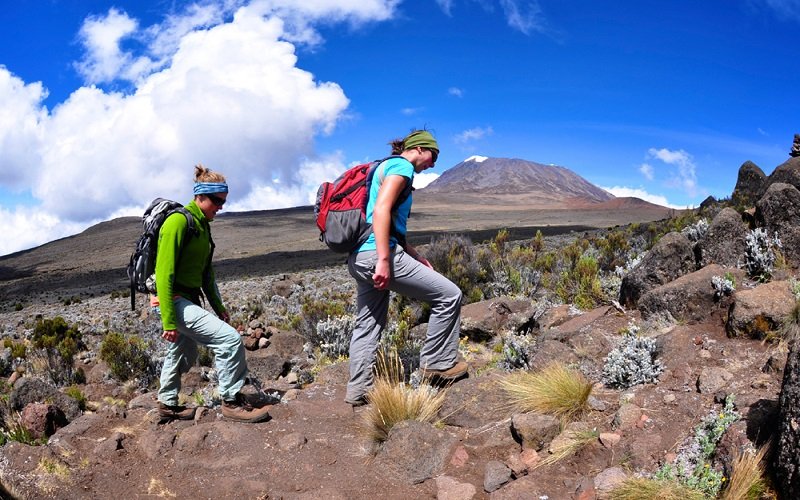
- Hiking: Regular hikes, especially those with significant elevation gain and carrying a weighted backpack, are excellent preparation.
- Strength Training: Focus on leg muscles (squats, lunges) and core strength.
- Stamina: Try to do longer hikes on weekends to build endurance.
Acclimatization Strategies
The key to avoiding altitude sickness is slow ascent and proper acclimatization. Choosing a longer route (6-7 days or more) is the best strategy. On the mountain, listen to your body and communicate any symptoms to your guide immediately. Hydration is also critical; drink plenty of water (3-4 liters per day).
Mental Preparation
Climbing Kilimanjaro is a mental challenge as much as a physical one. The summit night can be long and arduous. Develop a positive mindset, break the climb into manageable stages, and focus on one step at a time. Your guides are experienced in motivating climbers and will be invaluable support.
What to Pack
Packing correctly is essential for comfort and safety. Layering is key to managing temperature changes. Essential items include:
- Clothing: Thermal base layers, fleece mid-layers, waterproof and windproof outer shell jacket and trousers, down jacket for summit night.
- Footwear: Broken-in hiking boots, comfortable camp shoes, warm socks.
- Headwear: Warm hat, sun hat, balaclava or neck gaiter.
- Gloves: Warm waterproof gloves and liner gloves.
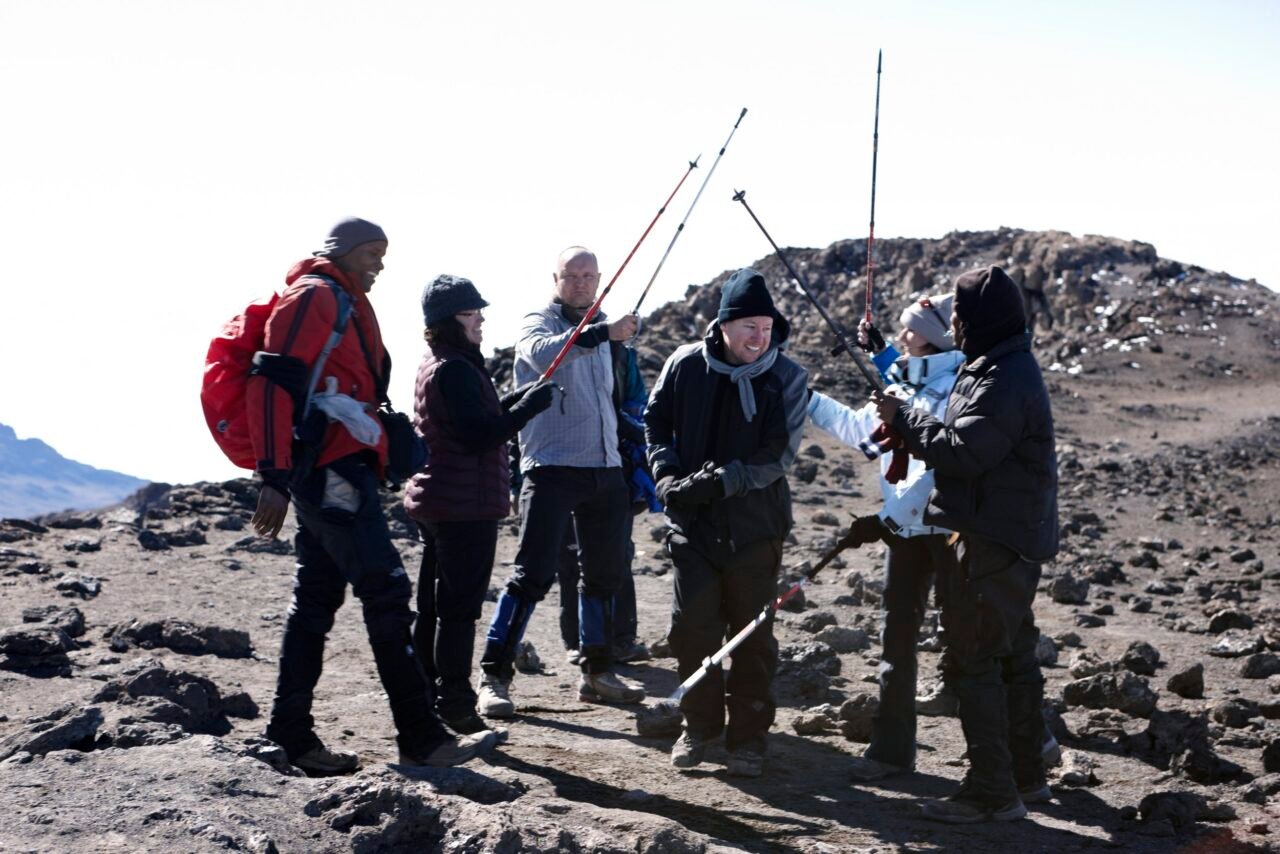
- Equipment: 4-season sleeping bag, trekking poles, headlamp with extra batteries, sunglasses, sunscreen, lip balm, water bottles or hydration reservoir, basic first-aid kit.
- Personal Items: Toiletries, camera, power bank, snacks.
Top Guide Adventures can provide a detailed packing list tailored to your specific climb in 2026-2027.
When to Climb Kilimanjaro: Best Seasons
The weather on Kilimanjaro can be unpredictable, but there are distinct dry and wet seasons that influence the best times to visit. For optimal conditions and clearer views, aim for the dry seasons.
- January to March: This is one of the two main dry seasons. It’s typically sunny with clear skies, though it can be cold, especially at higher altitudes. The northern slopes may experience slightly more cloud cover.
- June to October: This is the longest and most popular dry season. The weather is generally stable, with warm days and cold nights. This period offers excellent visibility and is ideal for summiting. Many trekkers choose this window for their Tanzania Kilimanjaro Expeditions in 2026 and 2027.
- April to May: This is the main rainy season. Expect heavy rainfall, particularly in the lower rainforest zone, which can make trekking muddy and challenging.
- November to December: This is a shorter, drier period, often referred to as the ‘small dry season’. It’s a good alternative if you cannot travel during the main dry seasons, though occasional showers are possible.
While the dry seasons are preferred, it’s possible to climb Kilimanjaro year-round. Climbing during the shoulder seasons (like November) can offer fewer crowds and potentially lower prices, but requires preparedness for varied weather.
Safety and Support on Your Kilimanjaro Climb
Your safety is our highest priority at Top Guide Adventures. Climbing Kilimanjaro involves inherent risks, primarily related to altitude sickness. Our experienced guides are trained in wilderness first aid and altitude sickness management. We employ a strict safety protocol:
Safety Protocols on Kilimanjaro:
- Experienced Guides: Our guides have extensive knowledge of the mountain, its routes, and the signs and symptoms of altitude sickness. They are trained to make critical decisions regarding climber safety.
- Oxygen Monitoring: Guides regularly monitor climbers’ vital signs and oxygen saturation levels.
- Emergency Evacuation: We carry comprehensive first-aid kits and have arrangements for emergency evacuation, including the use of oxygen cylinders. Park authorities also operate a rescue system.
- Pacing and Acclimatization: Guides ensure a slow and steady pace (‘pole pole’) and encourage proper acclimatization techniques.
- Adequate Crew: We ensure a sufficient ratio of guides and porters to climbers to provide support and carry necessary equipment.
Choosing a reputable operator like Top Guide Adventures means you are investing in professional support, experienced crew, and a commitment to your well-being throughout your Tanzania Kilimanjaro Journey. We recommend comprehensive travel insurance that covers high-altitude trekking and emergency evacuation.
Beyond the Summit: Other Adventures in Tanzania
While Kilimanjaro is a magnificent goal, Tanzania offers a wealth of other incredible experiences. After your successful climb, consider extending your adventure with:
- Serengeti Safari: Witness the Great Migration and experience the vast plains teeming with wildlife.
- Ngorongoro Crater Tour: Descend into this natural wonder, a UNESCO World Heritage Site, for incredible game viewing.
- Zanzibar Holiday: Relax on the pristine beaches, explore historic Stone Town, and enjoy the spice islands.
- Cultural Tours: Engage with local communities and learn about the rich traditions of Tanzania.
Top Guide Adventures can help you combine your Kilimanjaro climb with a safari or a Zanzibar beach escape for a complete Tanzania Kilimanjaro Package. We can tailor itineraries for 2026-2027 to suit your interests and timeframe.
Booking Your 2026-2027 Kilimanjaro Climb with Top Guide Adventures
Ready to take on the challenge of Kilimanjaro? Top Guide Adventures is your trusted partner for an exceptional mountain climbing experience. We pride ourselves on personalized service, expert guides, and a deep commitment to responsible tourism and client safety. Our team is dedicated to making your dream of climbing Kilimanjaro a reality.
We offer various group departure dates for 2026 and 2027, allowing you to join fellow adventurers, or we can arrange a private climb tailored specifically for you. Explore our Kilimanjaro group departures And Tanzania safari departures To find a schedule that suits you.
For personalized advice, custom itineraries, or to inquire about the Kilimanjaro climb cost For your specific needs in 2026-2027, please do not hesitate to contact us. We are here to answer all your questions and help you prepare for an unforgettable ascent of Mount Kilimanjaro.
WhatsApp: +255616946642
Email: Topguideadventures@gmail.com
Backup Email: Info@topguideadventures.com
Let us guide you to the Roof of Africa!
Check Availability for Tanzania Kilimanjaro Climbs: Routes, Costs, And Planning For 2026-2027
Ready to compare dates, prices, and the best option for your group? Send the package name and travel month so the team can reply with a clear quote, availability, and what is included.
Best Kilimandscharo Routen Guide
Choosing the best Kilimanjaro route is crucial for your summit success and overall experience. This guide details the top routes, comparing their difficulty, scenery, acclimatization, and...
View package details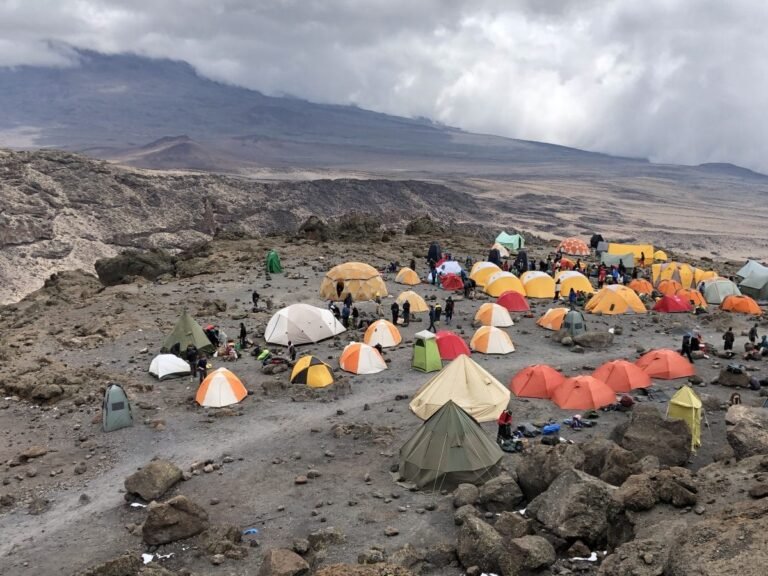
Kilimanjaro Ascent: Your Ultimate Guide To Climbing Africas Highest Peak
Start an unforgettable journey to the Roof of Africa. This comprehensive guide to climbing Kilimanjaro covers everything from choosing the right route and essential preparation to...
View package details
Luxus Lodge Tansania: Ultieme Luxe Safari Ervaringen In 2026-2027
Ervaar de ongekende luxe van een safari in Tanzania met verblijf in exclusieve lodges. Van de Serengeti tot de Ngorongoro, ontdek de wildernis in stijl in 2026 en 2027.
View package details
Tansania Luxusreise 2026-2027
Tansania Luxusreise is explained with current 2026-2027 planning, price, itinerary and booking information.
View package details
Tanzania 4X4 Safari: Expert Guide To Your Ultimate Adventure 2026-2027
Explore the ultimate Tanzania 4x4 safari experience, covering everything from essential vehicle choices and park selections to detailed itinerary planning and cost considerations for your...
View package details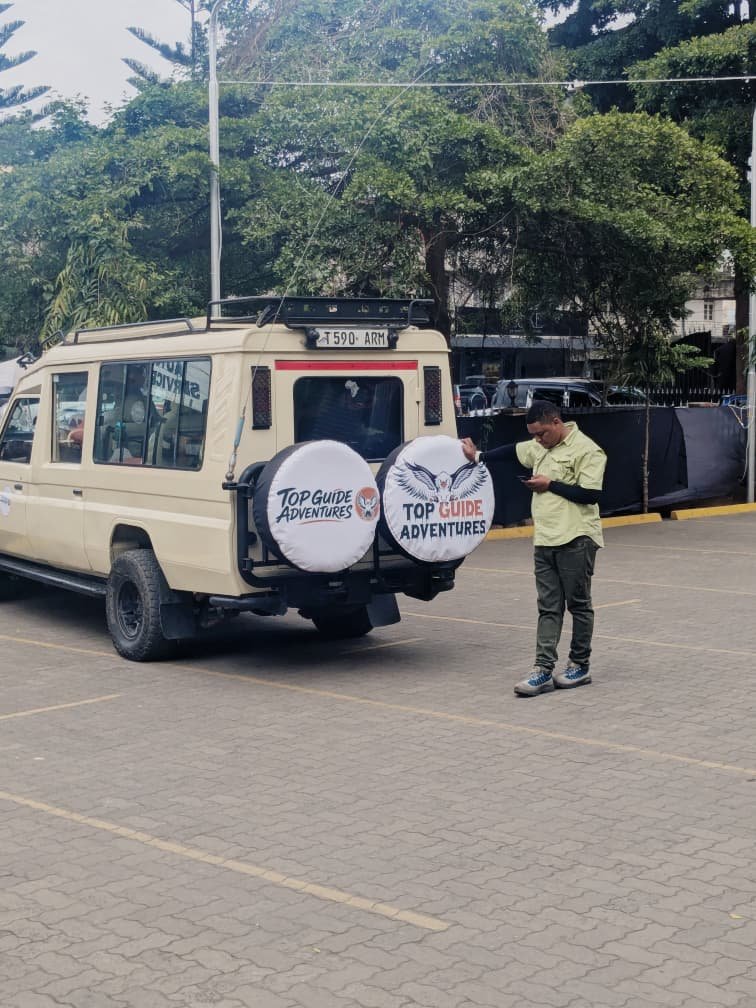
Tanzania Private Driver Tour: Ultimate Custom Safaris For 2026-2027
Discover the unparalleled freedom and personalized experience of a Tanzania private driver tour. Top Guide Adventures crafts bespoke safari itineraries for 2026-2027, ensuring you explore...
View package details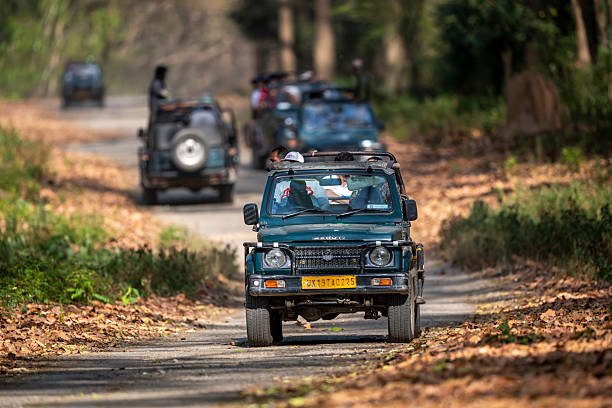
Algeria Travel Guide: Discover Ancient History, Sahara Adventures & Vibrant
start an unforgettable journey through Algeria, a North African gem brimming with ancient history, dramatic desert landscapes, and a vibrant cultural mix. This guide covers everything you...
View package details
Angola Travel Guide: Your Ultimate Adventure Planning For 2026-2027
Explore Angola's diverse attractions, from its dramatic coastlines and lush interior to its rich history and vibrant cities. This comprehensive guide helps you plan your 2026-2027...
View package details
Arusha: Your Gateway To Tanzanias Northern Safari Circuit And Kilimanjaro
Arusha serves as Tanzania's vibrant gateway, connecting travelers to the world-renowned Northern Safari Circuit, the majestic Mount Kilimanjaro, and the unique cultural landscapes of the...
View package details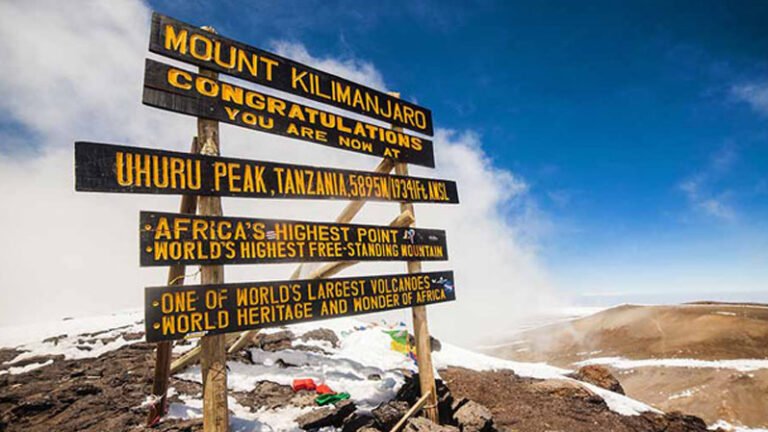
Ascension Du Kilimandjaro 2026-2027
Ascension du Kilimandjaro is explained with current 2026-2027 planning, price, itinerary and booking information.
View package details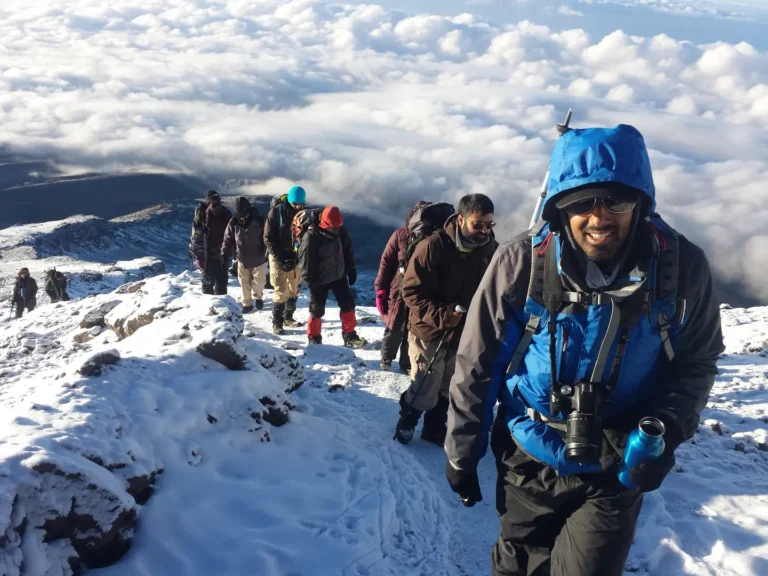
Ascension Kilimandjaro Prix: What To Expect For Your Climb 2026-2027
Planning your Kilimanjaro climb means understanding the 'Ascension Kilimandjaro prix'. This guide breaks down the costs for 2026-2027, detailing what influences the price and what you can...
View package details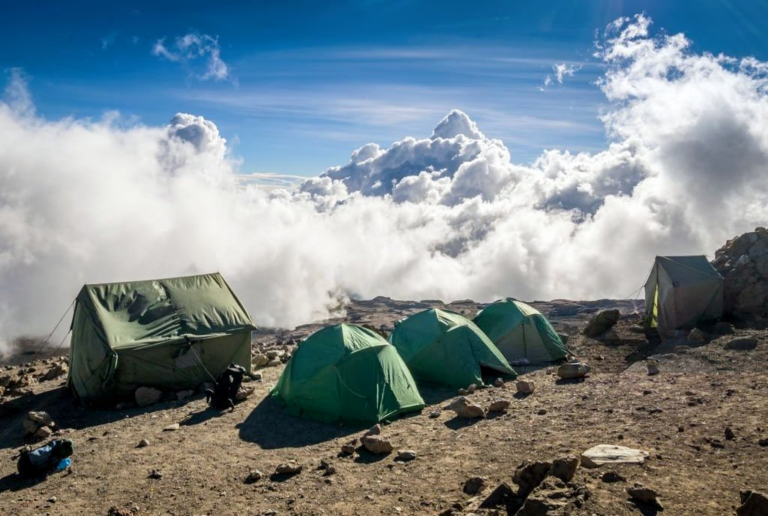
Ascension Kilimandjaro: Your Ultimate Guide To Climbing Africas Highest Peak
Your comprehensive guide to climbing Mount Kilimanjaro, covering everything from route selection and essential gear to acclimatization and summit success strategies for 2026-2027.
View package detailsNo closely related package is available for this topic yet.



