
A Hadzabe Tribe Safari at Lake Eyasi offers an unparalleled opportunity to connect with one of the world’s last remaining hunter-gatherer communities, providing a deeply authentic cultural immersion and a unique perspective on ancient human survival techniques. This experience typically involves guided interactions with the Hadzabe people, witnessing their traditional hunting methods, learning about their foraging practices, and understanding their distinct way of life, often over one to two days as part of a broader Northern Tanzania itinerary for 2026 or 2027.
Understanding the Hadzabe: Tanzania’s Enduring Hunter-Gatherers
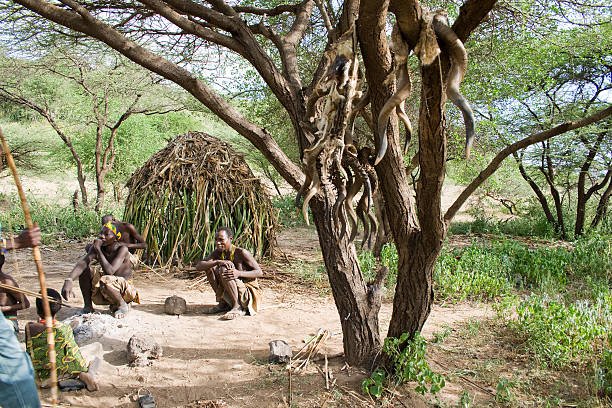
The allure of Tanzania extends far beyond its iconic wildlife parks. For those seeking a profound connection with human heritage, a visit to the Hadzabe people, also known as the Watindiga or Kindiga, offers an experience that resonates deeply. Located in the semi-arid lands surrounding the soda-rich Lake Eyasi in northern Tanzania, the Hadzabe are one of the last indigenous groups on the continent to maintain a traditional hunter-gatherer lifestyle. Their existence is a living testament to humanity’s ancient past, a stark contrast to the modern world that surrounds them. A Hadzabe Tribe Safari is not merely a tourist activity; it is an expedition into a different way of being, a chance to witness traditions that have endured for millennia against the backdrop of changing times.
For travelers planning a trip in 2026 or 2027, the Hadzabe experience provides a unique educational and emotional journey. It challenges perceptions and fosters a greater appreciation for the diversity of human culture and the resilience of ancient practices. Top Guide Adventures specializes in facilitating respectful and meaningful encounters with the Hadzabe, ensuring that the experience benefits both the visitors and the community.
The Significance of Lake Eyasi as a Cultural Hub
Lake Eyasi itself is a geological marvel, a shallow, alkaline lake that plays a vital role in the ecosystem of the Great Rift Valley. Its fluctuating water levels and saline nature mean it’s not a source of abundant fish for communities, pushing inhabitants towards other means of sustenance. This environment, though challenging, has shaped the Hadzabe’s survival strategies, forcing them to rely on their intimate knowledge of the land, its plants, and its animals. The surrounding areas, characterized by acacia woodlands, dry savannah, and rugged hills, are the natural pantry and hunting grounds of the Hadzabe. Understanding the landscape is key to understanding their culture, and a Lake Eyasi Cultural Safari allows visitors to see this connection firsthand. The region also hosts other ethnic groups, such as the Datoga and the Iraqw, adding further layers to the cultural mix of the Lake Eyasi area, though the focus for a specialized Hadzabe safari remains firmly on this unique community.
Planning Your Hadzabe Tribe Safari: Essential Considerations for 2026-2027
Organizing a successful Hadzabe Tribe Safari requires careful planning, especially when aiming for specific travel dates in 2026 or 2027. The experience is sensitive and requires a responsible approach to ensure it remains authentic and respectful. Top Guide Adventures prioritizes ethical tourism, working closely with Hadzabe elders and community leaders to facilitate visits that are both enriching for travelers and sustainable for the tribe.
Best Time to Visit Lake Eyasi for Cultural Encounters
While the Hadzabe people live a nomadic lifestyle and are accessible year-round, certain periods offer a more comfortable travel experience. The dry season, typically from June to October, is generally preferred. During these months, the weather is cooler and less humid, and the landscape is drier, making travel easier and often improving visibility for observing hunting and foraging activities. However, the dry season can also mean scarcer water sources, which might influence the movement patterns of both wildlife and the Hadzabe. The wet season (November to May) brings lush vegetation and water, which can make foraging easier but may also present challenges with muddy roads and denser bush cover. For 2026-2027, consider that the shoulder months – late May to early June, and October to November – can offer a good balance of pleasant weather and fewer crowds.
Duration and Itinerary Integration
A dedicated Hadzabe experience typically lasts between one to two full days. This allows sufficient time to observe their daily routines, participate in (or at least witness) a hunt, learn about their medicinal plants, and engage in cultural exchange. Most visitors integrate a Lake Eyasi Cultural Safari into a broader Northern Tanzania safari itinerary. This often follows a visit to the Serengeti National Park and the Ngorongoro Conservation Area, or it can be combined with trips to the Serengeti’s less-visited areas like Lake Natron or Tarangire National Park. A common route might see travelers journey from Karatu or Arusha towards Lake Eyasi, spending a night or two in the vicinity before continuing their journey. For a 2026-2027 trip, planning a minimum of 5-7 days for a circuit including Lake Eyasi, Serengeti, and Ngorongoro is advisable to allow for travel time and a meaningful pace.
Accommodation Options Around Lake Eyasi
Accommodation near Lake Eyasi is more rustic compared to the lodges found in major national parks. Options typically include:
* Budget Camps: Basic campsites offering a true sense of being in the wilderness. Facilities are usually shared and minimal.
* Mid-Range Lodges/Tented Camps: These offer more comfort with en-suite bathrooms and better amenities, often designed to blend into the natural surroundings.
* Luxury Tented Camps: For those seeking a higher level of comfort, these camps provide spacious tents, fine dining, and personalized service, often located with prime views of the lake or surrounding landscape.
Top Guide Adventures can recommend and book accommodations that suit your budget and travel style for your 2026-2027 safari, ensuring a comfortable base from which to explore the Hadzabe community.
The Core of the Experience: Hunter-Gatherer Life in Practice
The true magic of a Hadzabe Tribe Safari lies in witnessing the Hadzabe’s daily life and their profound connection to their environment. This is not a performance; it is a genuine glimpse into a way of life that has sustained them for thousands of years.
Participating in a Traditional Hunt
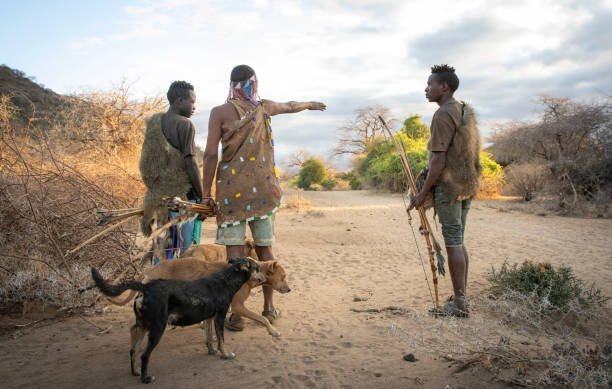
One of the most anticipated aspects of a Hadzabe cultural tour is the opportunity to accompany the men on a hunt. The Hadzabe are renowned for their exceptional tracking skills and their use of bows and arrows. They hunt small game such as dik-dik, guinea fowl, and rabbits. The hunt is not about guaranteed success; it’s about skill, patience, and understanding animal behavior. Visitors are encouraged to observe quietly and respectfully, learning about the techniques used to stalk prey and the deep knowledge of the bush required. The success of the hunt often depends on factors beyond human control, and witnessing the attempt itself is an education.
Foraging for Food and Medicinal Plants
The women and children of the Hadzabe are experts in foraging. They possess an encyclopedic knowledge of the local flora, identifying edible roots, berries, fruits, and tubers. They also know which plants have medicinal properties, using them to treat various ailments. A guided walk with the Hadzabe women offers fascinating insights into their understanding of the natural pharmacy. You’ll learn how they gather honey, a staple in their diet, and how they process various plants for food and medicine. This aspect of the Hunter-Gatherer Experience Tanzania highlights the sustainability and deep ecological wisdom embedded in their culture.
Daily Life and Social Structure
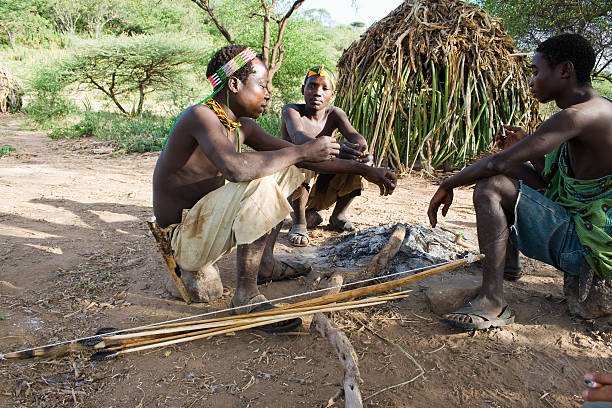
Beyond hunting and foraging, visitors gain insight into the daily rhythms of Hadzabe life. This includes observing the preparation of meals, the crafting of tools and clothing from animal hides and plant materials, and the social interactions within their camps. The Hadzabe live in small, nomadic family groups, and their social structure is largely egalitarian, with decisions made collectively. Their language is characterized by click consonants, distinct from most other Bantu languages in the region. Understanding these facets provides a holistic view of their unique society.
Ethical Considerations and Responsible Tourism
When visiting indigenous communities like the Hadzabe, ethical considerations are paramount. Top Guide Adventures is committed to ensuring that all cultural interactions are conducted with the utmost respect for the Hadzabe people and their traditions. This approach is crucial for the long-term preservation of their culture and for providing a genuine experience for visitors.
Respectful Interaction Guidelines
* Ask Before Photographing: Always seek permission before taking photos or videos of individuals, especially children. Some may not wish to be photographed, or a small fee might be expected.
* Follow Your Guide’s Lead: Your guide is the bridge between you and the community. They will advise on appropriate behavior, what to wear, and how to interact.
* Avoid Giving Gifts Directly: While well-intentioned, direct gift-giving can sometimes disrupt the social dynamics or create dependency. It’s best to discuss appropriate contributions with your tour operator, such as donating to a community project or providing essential supplies through the elders.
* Be Mindful of Your Presence: Remember that you are a guest in their home. Maintain a respectful distance, avoid intrusive questioning, and be aware of your impact on their daily lives.
* Support Local Economy: Purchasing handcrafted items directly from the Hadzabe, when offered, provides a direct economic benefit.
The Role of Tour Operators in Supporting the Hadzabe
Responsible tour operators like Top Guide Adventures play a critical role in ensuring that cultural tourism benefits the Hadzabe community. This involves:
* Fair Compensation: Ensuring that the community receives fair payment for visits, which can be channeled into community projects or distributed among families.
* Cultural Preservation: Working with the Hadzabe to ensure that interactions do not undermine their traditions or lead to commodification of their culture.
* Education for Visitors: Preparing travelers with cultural sensitivity training and clear expectations about the experience.
* Minimizing Impact: Planning visits to avoid disrupting daily activities and ensuring that waste and environmental impact are managed responsibly.
For your planned 2026 or 2027 travels, choosing a tour operator with a strong commitment to ethical tourism is essential for a truly meaningful Hadzabe experience.
Comparing Hadzabe Cultural Experiences: What to Expect
While the core experience of visiting the Hadzabe is consistent, the quality and depth can vary significantly depending on the tour operator and the specific arrangements made. Top Guide Adventures focuses on creating authentic, in-depth encounters that go beyond superficial interactions.
What Differentiates a Top Guide Adventures Experience
* Authenticity: We prioritize genuine interactions over staged performances. Our guides have established relationships with the Hadzabe, allowing for more natural engagement.
* Depth of Immersion: We aim for longer, more meaningful interactions, allowing you to witness various aspects of their daily lives, from morning hunts to afternoon foraging.
* Expert Guides: Our guides are knowledgeable about Hadzabe culture, history, and the surrounding environment, enriching your understanding.
* Ethical Framework: We operate under strict ethical guidelines, ensuring respect and benefit for the Hadzabe community.
* Customization: We tailor itineraries to your interests, whether you are particularly keen on observing hunting techniques, learning about medicinal plants, or understanding their social structure.
Typical Hadzabe Tour Itinerary Snippet (Example)
This is a sample of what a 2-day Hadzabe experience might look like, which can be integrated into your larger 2026-2027 Tanzania safari:
Day 1: Arrival and First Encounters
- Morning: Drive from Karatu/Arusha to the Lake Eyasi region.
- Late Morning: Arrive at your lodge or camp near Lake Eyasi. Meet your local Hadzabe guide.
- Afternoon: Head out with the Hadzabe men for a tracking and hunting expedition. Learn about their methods and observe their skills in the bush.
- Late Afternoon: Join the Hadzabe women and children for a foraging walk. Discover edible plants, roots, and berries, and learn about their medicinal uses.
- Evening: Return to your accommodation. Optional: A brief cultural exchange session around a campfire (arranged respectfully).
Day 2: Deeper Immersion and Departure
- Early Morning: Wake up early to join the hunters for a second attempt at a hunt, or observe the community preparing for the day.
- Morning: Learn about the Hadzabe’s traditional tools, clothing, and shelter construction. Participate in a demonstration of fire-making or arrow crafting.
- Late Morning: Opportunity for respectful photography and a final Q&A session with your guide and community representatives.
- Midday: Bid farewell to the Hadzabe community.
- Afternoon: Depart for your next destination or return to Arusha.
This itinerary provides a framework; actual activities can vary based on the day’s events and the Hadzabe’s movements.
The Broader Context: Hadzabe in Northern Tanzania
While the Hadzabe are the focus of this unique safari, the Lake Eyasi region and the broader Northern Tanzania circuit offer a wealth of diverse experiences. Understanding how the Hadzabe fit into this landscape provides a richer perspective.
Contrasting with Other Cultural Encounters
Northern Tanzania is home to several prominent ethnic groups, each with distinct traditions. The Maasai, perhaps the most famous pastoralist tribe, are known for their vibrant red shukas, intricate beadwork, and semi-nomadic lifestyle. The Iraqw, primarily agriculturalists, are known for their distinctive underground dwellings and unique language. The Datoga, skilled metalworkers and pastoralists, often share proximity with the Hadzabe. While visits to these communities offer valuable cultural insights, the Hadzabe experience stands apart due to its direct connection to a pre-agricultural, hunter-gatherer way of life. It is a living anthropological museum, offering a direct link to humanity’s ancestral past that is increasingly rare globally.
Integrating Hadzabe Visits into Your 2026-2027 Safari Plan
A Hadzabe Tribe Safari can be a powerful addition to a classic Northern Tanzania safari. Imagine this: after days spent observing the Great Migration in the Serengeti and the incredible wildlife density in the Ngorongoro Crater, you transition to the human element of the region. This contrast highlights the incredible diversity of Tanzania, from its striking natural landscapes and abundant wildlife to its rich and varied human cultures. For 2026-2027, consider a 7-10 day itinerary that includes:
* Arusha: Arrival and preparation.
* Tarangire National Park: Known for its large elephant herds and baobab trees.
* Lake Manyara National Park: Famous for tree-climbing lions and diverse birdlife.
* Serengeti National Park: The ultimate wildlife spectacle, especially during migration seasons.
* Ngorongoro Crater: A unique caldera ecosystem teeming with wildlife.
* Lake Eyasi: For the Hadzabe and Datoga cultural experiences.
This comprehensive approach ensures you experience the best of Tanzania’s wildlife and culture.
Frequently Asked Questions About Hadzabe Safaris
What is the best way to visit the Hadzabe?
The most recommended way to visit the Hadzabe is through a reputable tour operator like Top Guide Adventures, which has established relationships with the community and adheres to ethical tourism principles. Independent visits can be challenging to arrange respectfully and may not provide the same depth of experience.
How much does a Hadzabe safari cost?
The cost of a Hadzabe experience is typically included as part of a larger safari package. It often involves park fees, community contributions, guide fees, and transportation. For a 1-2 day Hadzabe immersion, expect it to add approximately $200 – $500 per person To your overall safari cost, depending on the operator and inclusions for 2026-2027. This fee directly supports the community.
Can I stay overnight with the Hadzabe?
Direct overnight stays within Hadzabe camps are generally not feasible or recommended for tourists due to cultural sensitivities and logistical challenges. Instead, visitors usually stay in nearby lodges or tented camps and make day trips to interact with the Hadzabe. Some operators may arrange a more rustic camping experience in designated areas near Hadzabe territories, but this is distinct from living within their community.
What should I bring for a Hadzabe cultural visit?
Bring comfortable walking shoes, light clothing suitable for warm weather, a hat, sunscreen, and insect repellent. Essential items include plenty of water, snacks (though you will be shown how the Hadzabe live off the land), a camera (with permission for photos), and binoculars. It’s also advisable to bring any requested supplies for the community, as advised by your tour operator.
Is it safe to interact with the Hadzabe?
Yes, the Hadzabe are known for being peaceful and welcoming to visitors who approach them with respect. Following the guidance of your experienced local guide is crucial for ensuring a safe and positive interaction. They have no history of aggression towards outsiders.
Start Your Unforgettable Hadzabe Experience with Top Guide Adventures
An encounter with the Hadzabe people is more than just a tourist activity; it’s a profound journey into the heart of human history and resilience. It’s a chance to witness a way of life that has endured for millennia, offering a unique perspective on our place in the world. As you plan your 2026 or 2027 adventure to Tanzania, consider making room for this extraordinary cultural immersion.
Top Guide Adventures is dedicated to providing authentic, respectful, and enriching cultural experiences. We work closely with the Hadzabe community to ensure that your visit is not only memorable for you but also beneficial for them. Our expert guides and personalized service guarantee a journey that is both educational and deeply moving.
Ready to connect with one of the world’s last hunter-gatherer tribes? Let us help you craft the perfect Hadzabe Tribe Safari and Lake Eyasi Cultural Safari. Contact us today to start planning your 2026-2027 adventure.
For inquiries and bookings, reach us via:
- WhatsApp: +255616946642
- Email: Topguideadventures@gmail.com
- Backup Email: Info@topguideadventures.com
Visit our website at Topguideadventurestanzania.com To explore more about our Tanzania safari packages and tailor-made journeys.
Check Availability for Hadzabe Tribe Safari: Lake Eyasi Cultural & Hunter-Gatherer Experience
Ready to compare dates, prices, and the best option for your group? Send the package name and travel month so the team can reply with a clear quote, availability, and what is included.

Hadzabe Tribe Tour From Arusha: Best Lake Eyasi Day Trip 2026-2027
Discover the last hunter-gatherers of Tanzania on an in-depth Hadzabe Tribe Tour from Arusha to Lake Eyasi. This day trip cultural safari offers a profound glimpse into ancient traditions...
View package detailsHadzabe And Datoga Tribe Tour – Lake Eyasi Cultural Experience Tanzania
Discover the rich cultural mix of Tanzania with a Hadzabe and Datoga tribe tour at Lake Eyasi. Top Guide Adventures offers unparalleled opportunities to connect with these indigenous...
View package details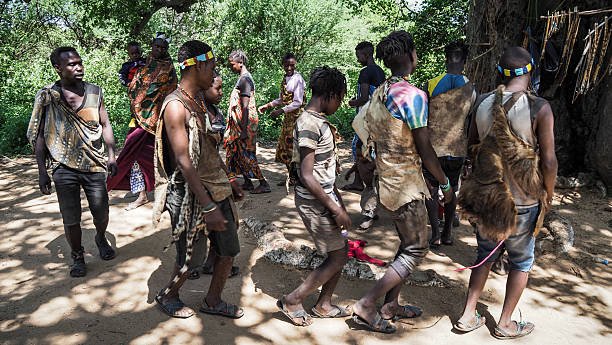
Chabba Hadzabe Experience – Visit Hunter-Gatherers At Lake Eyasi 2026-2027
Discover the unique Chabba Hadzabe experience near Lake Eyasi, Tanzania. Top Guide Adventures offers respectful visits to Hadzabe hunter-gatherers, showcasing their traditional hunting...
View package details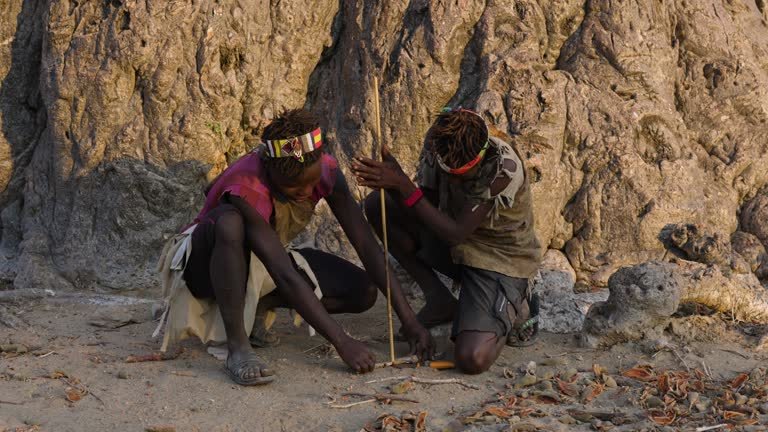
Chabba Hadzabe Tribe Tanzania: Meet The Famous Hunter Of Lake Eyasi 2026-2027
Discover the fascinating Hadzabe tribe of Tanzania, renowned for their traditional hunting practices and unique way of life near Lake Eyasi. This guide provides insights for respectful...
View package details
Hadzabe Tribe Tanzania – Complete Guide To Lake Eyasi Hadzabe Experience Guide
Discover the authentic cultural encounter with the Hadzabe people of Lake Eyasi, Tanzania. This comprehensive guide offers insights into their unique way of life, how to respectfully visit...
View package details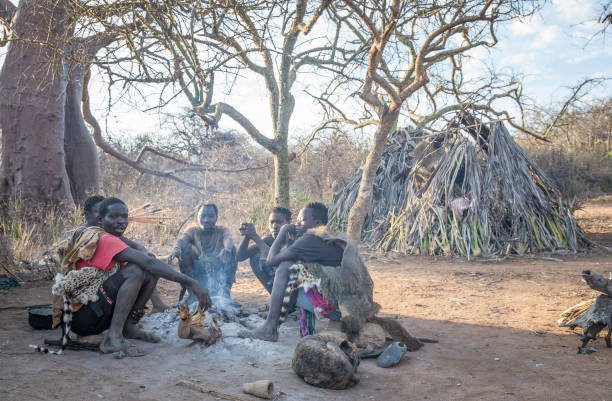
2 Days Hadzabe Cultural Safari From Zanzibar: A Detailed Experience 2026-2027
A condensed yet deeply impactful 2-day cultural safari from Zanzibar offers a unique opportunity to connect with the Hadzabe people, Tanzania's last hunter-gatherer tribe. This short...
View package details
Hadzabe Safari Adventure: Witness The Last Hunter-Gatherers Of Tanzania
Start an extraordinary Hadzabe safari adventure in Tanzania to connect with one of the planet's last remaining hunter-gatherer communities. This unique journey offers a profound glimpse...
View package details
One Day Safari From Jro Airport: Your Ultimate Wildlife Experience 2026-2027
Maximize your travel time with an unforgettable one day safari starting right from Kilimanjaro International Airport (JRO). Experience Tanzania's stunning wildlife and vibrant culture on a...
View package details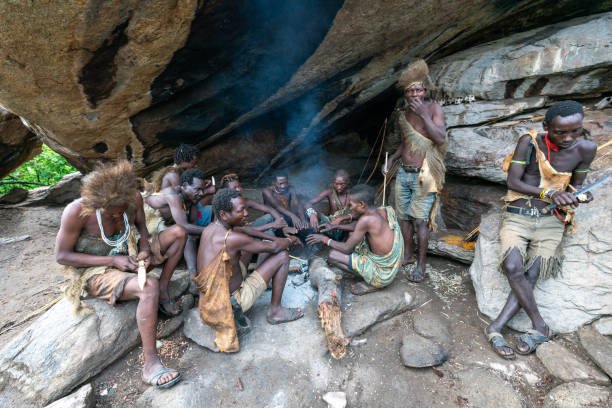
Hadzabe Tribe Day Trip – Lake Eyasi Tour From Karatu & Ngorongoro 2026-2027
start an unforgettable Hadzabe Tribe Day Trip – Lake Eyasi Tour from Karatu & Ngorongoro. Witness ancient hunter-gatherer traditions with Top Guide Adventures. Book your 2026-2027 cultural...
View package details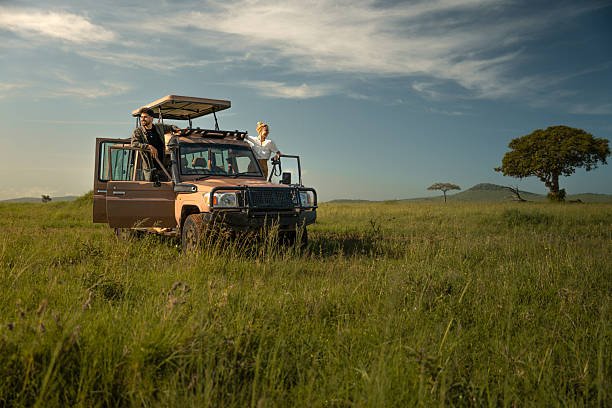
Family Safari In South Africa: Your Ultimate Guide 2026-2027
Planning a family safari in South Africa is an exciting endeavor, offering a unique blend of wildlife encounters, cultural immersion, and educational experiences for all ages. This guide...
View package details2 Days Hadzabe Tour And Lake Eyasi Visit From Zanzibar: An Authentic Cultural
Start a unique 2-day journey from Zanzibar to the Lake Eyasi region for an intimate encounter with the Hadzabe people, Tanzania's last hunter-gatherer tribe. This short but impactful tour...
View package details
Best Time Of Year To Visit Tanzania For Safaris & Zanzibar 2026-2027
Planning a trip to Tanzania? This guide breaks down the best times to visit for unparalleled wildlife viewing, beach relaxation, and cultural experiences, considering weather, animal...
View package detailsNo closely related package is available for this topic yet.



