
A South Luangwa walking safari is a deeply in-depth wildlife experience, allowing you to explore Zambia’s premier park on foot with expert guides. It emphasizes tracking animals, understanding ecosystems, and experiencing the bush intimately, typically lasting 2-5 days and often combined with game drives. The best time to plan for a 2026-2027 South Luangwa walking safari is during the dry season, from May to October, offering excellent game viewing and comfortable walking conditions.
Why Choose South Luangwa for Your Walking Safari Adventure?
South Luangwa National Park in Zambia is widely considered the birthplace of the walking safari. The concept was pioneered here decades ago, and the tradition continues to thrive, offering an authentic and profound connection with the wild that is difficult to replicate elsewhere. Unlike game drives where you observe from a vehicle, a walking safari allows you to engage all your senses. The sounds of the bush become sharper, the scents more vivid, and the sheer scale of the landscape unfolds at a human pace. This is not just about seeing animals; it’s about understanding their tracks, their habits, their environment, and your place within it.
For travelers seeking a more profound wildlife experience, a South Luangwa walking safari in 2026 or 2027 promises unparalleled immersion. It’s an opportunity to step away from the confines of a vehicle and truly feel the pulse of Africa. The park is renowned for its high concentrations of wildlife, including large prides of lions, leopards, elephants, hippos, and a spectacular array of birdlife. When you walk, you notice the smaller details: the intricate patterns on an insect’s wing, the delicate tracks of a duiker, the way a tree’s bark tells a story of the seasons. This level of detail transforms a typical safari into an educational and deeply personal journey.
The Genesis of the Walking Safari in South Luangwa
The history of the walking safari is intrinsically linked to South Luangwa. Norman Carr, a renowned conservationist and safari pioneer, is credited with popularizing and formalizing the walking safari concept in the 1950s and 60s. He believed that experiencing the bush on foot fostered a deeper respect and understanding of wildlife and the environment. His vision was to create a safari that was less about ticking off sightings and more about a genuine connection with nature. This philosophy is still the bedrock of walking safaris in South Luangwa today, making it a pilgrimage for those who wish to experience the wilderness in its purest form.
When you book a walking safari with a reputable operator like Top Guide Adventures for your 2026-2027 trip, you are tapping into this rich heritage. The guides are not just trackers; they are custodians of this tradition, deeply knowledgeable about the local flora, fauna, and the intricate balance of the ecosystem. They carry the legacy of pioneers like Carr, ensuring that each step you take is informed by generations of expertise and a profound respect for the wild.
What to Expect on a South Luangwa Walking Safari
A typical South Luangwa walking safari experience is structured to maximize your immersion while ensuring safety. It usually begins early in the morning, as the sun rises and the wildlife becomes most active. You’ll set out from your chosen camp, often with one or two armed professional guides and sometimes a scout. The pace is relaxed, allowing for frequent stops to examine tracks, identify plants, discuss animal behavior, and simply absorb the sights and sounds around you.
Your guides will point out details you might otherwise miss: the alarm calls of birds indicating a predator nearby, the subtle signs of elephant passage, the medicinal uses of various plants. You might spend time observing a herd of impala grazing, learning to distinguish males from females and understanding their social dynamics. The thrill of tracking a leopard or identifying the pugmarks of a lion is an integral part of the experience. While seeing large predators is always a possibility and a highlight, the focus is on the entire ecosystem, from the smallest insect to the largest mammal.
The duration of walks can vary, typically lasting between 3 to 5 hours. Depending on the camp and itinerary, you might have a mid-morning break for refreshments or return to camp for lunch and a siesta during the hottest part of the day, before heading out for an afternoon or evening game drive. Some walking safari itineraries are designed as multi-day treks, where you might move between different camps or even sleep out in a remote bush camp, further enhancing the sense of adventure and isolation.
The Role of the Guide
The professional guide is the heart of any walking safari. In South Luangwa, guides are highly trained, licensed professionals with an encyclopedic knowledge of the bush. They are skilled trackers, capable of reading the story left behind in the sand or dust. Their expertise extends to ornithology, botany, entomology, and the behavior of all the park’s inhabitants. Crucially, they are also trained in safety protocols, understanding how to read animal behavior and how to react in potentially dangerous situations. They carry rifles for protection against dangerous game, but their primary skill is in avoidance and respectful observation.
Your guide will be your interpreter of the wilderness, sharing insights that transform your understanding of the natural world. They will teach you about the intricate web of life, the adaptations animals have made to survive, and the delicate balance of the savanna ecosystem. This educational aspect is what elevates a South Luangwa walking safari beyond a simple wildlife viewing trip into a profound learning experience. When planning your 2026-2027 trip, remember that the quality of your guide will significantly shape your adventure.
Safety First: Navigating the Wild
Safety is paramount on a South Luangwa walking safari. The guides are rigorously trained and experienced in handling all wildlife encounters. They maintain a safe distance, read animal moods, and will always prioritize your well-being. You will receive a thorough safety briefing before your first walk, covering essential guidelines such as staying close to your guide, not making sudden movements or loud noises, and always following their instructions implicitly.
The park is home to a variety of potentially dangerous animals, including elephants, buffalo, lions, and leopards. However, encounters are usually managed safely through the guide’s expertise. The emphasis is on observing animals in their natural habitat without disturbing them or posing a threat. Your guide will ensure you maintain a respectful distance and understand how to behave if an animal approaches or seems agitated. The knowledge that you are in the hands of highly skilled professionals allows you to relax and fully appreciate the experience.
When to Go: Best Time for a South Luangwa Walking Safari
The timing of your South Luangwa walking safari is crucial for optimal experience. Zambia’s climate is characterized by distinct wet and dry seasons, which significantly impact wildlife viewing and walking conditions.
The Dry Season (May to October)
This is generally considered the prime time for a walking safari in South Luangwa. The weather is cooler and drier, with sunny days and pleasant temperatures. As the water sources dwindle, wildlife tends to congregate around the Luangwa River and remaining waterholes, making sightings more reliable. The vegetation thins out, providing better visibility. Crucially for walking safaris, the bush is less dense, and the cooler temperatures make walking more comfortable. The park is typically at its most accessible during these months. For those planning their trip for 2026 or 2027, targeting the dry season is highly recommended.
The Green Season (November to April)
This period is characterized by summer rains, transforming the landscape into a lush, vibrant green. While the scenery is beautiful, the dense vegetation can make wildlife spotting more challenging, and the heat and humidity can be intense. Walking can be more strenuous. However, the Green Season offers unique advantages: it’s a birder’s paradise with migratory birds present, and the dramatic African thunderstorms can be spectacular. It’s also a quieter time to visit, with fewer tourists and often lower prices. Some camps close during the peak of the rains, so it’s essential to check availability. If you are looking for a different perspective and don’t mind the challenges, the Green Season can offer a unique South Luangwa experience for 2026-2027.
Choosing Your South Luangwa Walking Safari Itinerary
South Luangwa offers a variety of options for walking safaris, catering to different preferences and fitness levels. The park is divided into different areas, each with its own character and prime wildlife viewing opportunities. Many walking safaris are based out of a single lodge, offering day walks in the surrounding areas, while others are mobile or multi-camp experiences.
Classic Walking Safari (2-3 Days)
This is the most common format. You’ll typically stay at a lodge or camp and head out on guided walks each morning and possibly late afternoon. These walks explore the areas around the camp, focusing on tracking, bushcraft, and observing the local wildlife. This is ideal for those who want a taste of the walking safari experience combined with the comfort of a permanent camp. Many visitors combine these walks with afternoon game drives for a comprehensive safari.
Mobile Walking Safaris (3-5 Days)
For a more adventurous experience, consider a mobile walking safari. These itineraries involve moving between different locations within the park, often camping in more remote areas. You might walk from one established camp to another, or stay in fly-camps that are set up specifically for your safari. This allows you to cover more ground and experience different habitats within South Luangwa. These are more rugged and require a good level of fitness and a spirit of adventure.
Multi-Lodge Walking Experiences
Some operators offer itineraries that combine stays at several different lodges or camps within South Luangwa. Each camp might specialize in walking safaris or offer different walking routes. This provides variety in terms of scenery, wildlife, and the overall safari experience. It’s a great way to see more of the park’s diverse landscapes and ecosystems without the need for a fully mobile setup.
When planning your South Luangwa walking safari for 2026-2027, discuss your preferences with your tour operator. Top Guide Adventures can help you tailor an itinerary that perfectly matches your interests, fitness level, and desired level of comfort and adventure.
Top Camps and Lodges for Walking Safaris in South Luangwa
South Luangwa is home to some of Africa’s most iconic and respected safari lodges and camps, many of which have a long history of offering exceptional walking safaris. The choice of accommodation will significantly influence your experience. When selecting a camp for your 2026-2027 trip, consider their walking safari focus, guide quality, and location.
Sheldon & Carr Zambia (formerly Robin Pope Safaris camps)
Camps like Nkwali, Tena Tena, and Luwi are renowned for their walking safari offerings. They are often situated in prime wildlife areas and staffed by some of the most experienced guides in the park. These camps provide a blend of classic safari comfort and authentic bush experiences. They are consistently rated highly for their walking safaris and commitment to conservation.
Remote Africa Safaris Camps
Chamilandu, Lion Camp, and Sausage Tree Camp are other excellent choices. These camps often offer intimate settings and a high level of personalized service. They are known for their skilled guides who lead exceptional walking excursions, allowing guests to get up close and personal with the wilderness.
Other Notable Camps
Several other camps, including Mwamba Bushcamp and Kapamba Bushcamp, also offer fantastic walking safari experiences. These camps are often smaller and more remote, providing a truly exclusive feel. They are perfect for those seeking a deeper connection with the wild and who appreciate the expertise of dedicated walking guides.
When considering your 2026-2027 South Luangwa walking safari, Top Guide Adventures can provide expert recommendations based on your specific needs and preferences. We work with a selection of the finest camps that uphold the highest standards for walking safaris, safety, and guest experience.
What to Pack for Your South Luangwa Walking Safari
Packing for a walking safari requires a slightly different approach than for a standard vehicle-based safari. Comfort, practicality, and blending in with the environment are key. Layers are essential, as temperatures can fluctuate throughout the day.
Clothing Essentials
- Neutral-colored clothing: Opt for khaki, olive green, beige, or light brown. Avoid bright colors and black, as they can attract insects or make you too conspicuous to wildlife.
- Lightweight long-sleeved shirts and trousers: These provide protection from the sun, insects, and thorny vegetation. Breathable fabrics are best.
- T-shirts and shorts: For warmer days or relaxing at the camp.
- Fleece or warm jacket: Evenings and early mornings can be cool, especially during the dry season (May-August).
- Comfortable walking shoes: Sturdy, broken-in hiking boots or sturdy walking shoes are essential. Ensure they have good grip.
- Socks: Bring several pairs of comfortable, moisture-wicking socks.
- Hat: A wide-brimmed hat for sun protection is crucial.
- Swimsuit: Many camps have pools.
Other Important Items
- Binoculars: Essential for spotting wildlife at a distance.
- Camera and extra batteries/memory cards: You’ll want to capture every moment.
- Sunscreen and insect repellent: High SPF sunscreen and a repellent containing DEET are recommended.
- Small backpack: For carrying water, snacks, camera, and personal items during walks.
- Water bottle: Many camps provide reusable bottles, but having your own is useful.
- Personal first-aid kit: With any personal medications you require.
- Torch/headlamp: Useful for navigating around camp after dark.
- Sunglasses: For eye protection.
- Field guide: To identify birds, mammals, and plants (though your guide will be your primary source of information).
Remember to pack light, as luggage space on light aircraft transfers can be limited. Most lodges offer laundry services, so you don’t need to pack an outfit for every day.
Wildlife You Might Encounter on a Walking Safari
South Luangwa is teeming with wildlife, and a walking safari offers a unique perspective on many of its inhabitants. While you might not cover as much ground as in a vehicle, the intimate encounters can be incredibly rewarding.
Mammals
You’ll have excellent opportunities to see a variety of antelope species, including impala, puku, kudu, waterbuck, and the elusive roan and sable antelope. Elephants are common, and observing them on foot (at a safe distance, guided by your expert!) provides a humbling perspective on their size and presence. Buffalo herds are also a regular sight. While lions and leopards are more challenging to spot on foot due to their stealth, tracking their pugmarks and listening for alarm calls adds an exciting dimension to the walk. You might also encounter hippos (usually viewed from a safe distance near water), warthogs, baboons, vervet monkeys, and various smaller mammals like genets and civets. Smaller predators like wild dogs and cheetahs are less common in South Luangwa but can be seen.
Birds
South Luangwa is a birdwatcher’s paradise, with over 400 species recorded. Walking safaris are perfect for observing birds at close range. Look out for vibrant species like the Pel’s fishing owl, lilac-breasted roller, various kingfishers, hornbills, eagles, and vultures. Your guide will help you identify calls and point out species you might otherwise overlook.
Insects and Reptiles
Don’t underestimate the fascinating world of smaller creatures. Walking safaris allow you to appreciate the intricate details of insects, including colorful butterflies and dung beetles rolling their balls. You might also spot various reptiles, such as lizards and snakes (your guide will ensure you maintain a safe distance). Understanding the role of these smaller creatures in the ecosystem is a key part of the walking safari experience.
Comparing Walking Safaris with Vehicle-Based Safaris
Both walking safaris and vehicle-based safaris offer incredible wildlife viewing opportunities in South Luangwa, but they provide distinctly different experiences.
Vehicle-Based Safaris
Pros: Cover larger distances, allowing you to potentially see more animals and a wider variety of species in a shorter time. Offer comfort, especially during hot weather or long game drives. Provide a sense of security as you are elevated and protected within the vehicle. Ideal for spotting distant animals or those that are more shy of human presence on foot.
Cons: Can feel more detached from the environment. Limited access to certain areas. Noise from the vehicle can sometimes disturb wildlife. Less sensory engagement with the bush.
Walking Safaris
Pros: Unparalleled immersion and connection with the environment. Engage all senses – sights, sounds, smells. Learn about tracking, plants, and the smaller details of the ecosystem. More intimate and often more thrilling encounters. Quieter and less intrusive to wildlife. Offers a sense of adventure and accomplishment.
Cons: Cover less ground, so you might see fewer large animals in a single outing. Can be physically demanding, especially in hot weather. Limited by safety considerations – certain areas or encounters might be avoided. Less comfortable for very young children or those with mobility issues.
For a truly comprehensive South Luangwa experience in 2026-2027, many visitors choose to combine both walking safaris and game drives. This allows you to benefit from the strengths of each approach, creating a well-rounded and unforgettable safari adventure.
Planning Your 2026-2027 South Luangwa Walking Safari with Top Guide Adventures
Choosing the right tour operator is crucial for a successful and memorable walking safari. Top Guide Adventures has extensive experience in crafting bespoke safari experiences in Zambia, including South Luangwa. We understand the nuances of walking safaris, the best times to visit, and the top camps and guides to ensure your trip is exceptional.
Our team can help you navigate the complexities of planning, from selecting the ideal itinerary and accommodation to arranging logistics like flights and transfers. We pride ourselves on providing personal attention, care, and dedicated support to every client.
Tailor-Made Itineraries
We specialize in creating tailor-made journeys across Northern and Southern Tanzania, and our expertise extends to Zambia’s premier wildlife destinations. Whether you envision a few days of walking combined with game drives or a more intensive multi-day walking expedition, we can design an itinerary that fits your desires. We consider your interests, budget, and preferred travel style to craft the perfect South Luangwa walking safari for 2026 or 2027.
Expert Advice and Support
Our consultants are passionate about African wildlife and have firsthand knowledge of South Luangwa. They can advise you on the best camps, the optimal time to travel for walking safaris, what to pack, and what to expect. We are committed to ensuring you have all the information you need to feel confident and excited about your upcoming adventure.
Booking Your 2026-2027 Safari
The best walking safari camps in South Luangwa, especially those known for their walking programs, tend to book up well in advance. For peak season travel in 2026 and 2027, we recommend booking at least 9-12 months ahead. This is particularly important if you have specific dates or require family rooms or multi-room configurations.
To start planning your South Luangwa walking safari, please reach out to us:
- WhatsApp: +255616946642
- Email: info@topguideadventures.com
- Backup Email: [Please provide backup email if available]
We look forward to helping you create an unforgettable South Luangwa walking safari experience.
The Future of Walking Safaris in South Luangwa (2026-2027 Outlook)
The walking safari in South Luangwa is not just a tourism product; it’s a philosophy and a vital part of conservation. As we look towards 2026 and 2027, the commitment to this authentic safari style is expected to remain strong. Conservation efforts in South Luangwa are ongoing, with walking safaris playing a role in educating visitors and supporting local communities. The park’s management, in collaboration with conservation organizations and responsible tour operators, continues to focus on sustainable tourism practices that benefit both wildlife and people.
For travelers in 2026-2027, expect the standards of guiding to remain exceptionally high. The emphasis on low-impact tourism and deep appreciation for the wilderness will continue. New conservation initiatives might emerge, and camps will likely continue to refine their offerings to provide even more intimate and educational experiences. The growing awareness of ecotourism means that travelers are increasingly seeking experiences like walking safaris that align with their values. South Luangwa is perfectly positioned to meet this demand, offering a genuine connection to nature that is both thrilling and responsible.
We encourage you to book your South Luangwa walking safari for 2026 or 2027 early to secure your preferred dates and camps. The wilderness of South Luangwa awaits, offering an adventure that will stay with you long after you leave.
Frequently Asked Questions about South Luangwa Walking Safaris
Here are answers to some common questions about planning a South Luangwa walking safari for 2026-2027:
- What is the best time of year for a walking safari in South Luangwa?
- The dry season, from May to October, is ideal due to cooler temperatures, less dense vegetation, and better wildlife visibility. For 2026-2027, this period offers the most comfortable and productive walking conditions.
- Are walking safaris safe?
- Yes, walking safaris are conducted with highly trained and armed professional guides who prioritize safety. You will receive a thorough safety briefing and must follow their instructions. Encounters are managed with respect for wildlife and human safety.
- What is the typical duration of a walking safari?
- Individual walks usually last 3-5 hours. A walking safari itinerary can range from 2-3 days focusing on walks from a single camp, to 4-5 days or longer for mobile walking safaris that cover more ground.
- What kind of wildlife can I expect to see?
- You can expect to see a wide variety of mammals like elephants, buffalo, zebras, and numerous antelope species. Birdlife is abundant. While lions and leopards are possible, tracking their signs is often part of the experience. The focus is on the entire ecosystem.
- Do I need to be very fit for a walking safari?
- A moderate level of fitness is beneficial, as walks can be several hours long and sometimes over uneven terrain. However, the pace is generally relaxed, and you can discuss your fitness level with your guide. Mobile safaris require a higher level of fitness.
- What should I pack for a walking safari?
- Pack neutral-colored, lightweight clothing, comfortable walking shoes, a hat, sunscreen, insect repellent, binoculars, and a camera. Layers are recommended for varying temperatures. Refer to our detailed packing list above for comprehensive guidance for your 2026-2027 trip.
- Can children participate in walking safaris?
- Generally, the minimum age for walking safaris is 12 years, though this can vary by camp and operator. Some camps may allow younger children on shorter walks within the camp vicinity under strict supervision. It’s best to check with your tour operator when booking for 2026-2027.
- How far in advance should I book?
- It is highly recommended to book your South Luangwa walking safari at least 9-12 months in advance, especially for peak season travel in 2026 and 2027, as the best camps and lodges fill up quickly.
Planning your 2026-2027 South Luangwa walking safari is an exciting prospect. With Top Guide Adventures, you can be assured of expert guidance and a smooth planning process. Contact us today to start crafting your dream African adventure.
Check Availability for South Luangwa Walking Safari: The Ultimate Guide For 2026-2027
Ready to compare dates, prices, and the best option for your group? Send the package name and travel month so the team can reply with a clear quote, availability, and what is included.
South Africa Luxury Train And Safari Package: The Ultimate Guide 2026-2027
Discover the pinnacle of African travel with a South Africa luxury train and safari package. This guide details exclusive itineraries, wildlife encounters, and opulent rail journeys for...
View package details
South Africa Family Safari: Planning Your Ultimate Wildlife Adventure
start an incredible South Africa family safari in 2026-2027, combining thrilling wildlife encounters with comfortable, engaging experiences for all ages. This guide covers everything from...
View package details
South Africa Safari, Cape Town And Garden Route Holiday: The Ultimate Guide
Discover the best of South Africa with a combined safari, Cape Town, and Garden Route adventure. This comprehensive guide covers everything you need for an unforgettable 2026-2027 trip...
View package details
Gorongosa National Park Wildlife Safari 2026-2027
Gorongosa National Park Wildlife Safari is explained with current 2026-2027 planning, price, itinerary and booking information.
View package details
Mozambique Beach And Safari Holiday: Your Ultimate Guide For 2026-2027
Discover the perfect blend of sun-drenched beaches and thrilling wildlife encounters with a Mozambique beach and safari holiday. This guide covers everything from top safari destinations to...
View package details
Zimbabwe Luxury Safari Packages: Expert Planning For 2026-2027
Explore the pinnacle of African travel with Zimbabwe luxury safari packages. From the majestic Victoria Falls to the wildlife-rich Hwange National Park, experience unparalleled service...
View package detailsLake Kariba Houseboat Safari: Your Ultimate Tanzania Adventure Guide 2026-2027
Discover the magic of a Lake Kariba houseboat safari, a truly unique adventure in Tanzania. Combining the thrill of wildlife viewing with the tranquility of life on the water, this...
View package details
Mana Pools Canoe Safari: Your Ultimate Tanzania Adventure 2026-2027
Discover the unparalleled experience of a Mana Pools canoe safari in Tanzania. This guide covers everything from planning your 2026-2027 adventure to what to expect on the water, wildlife...
View package details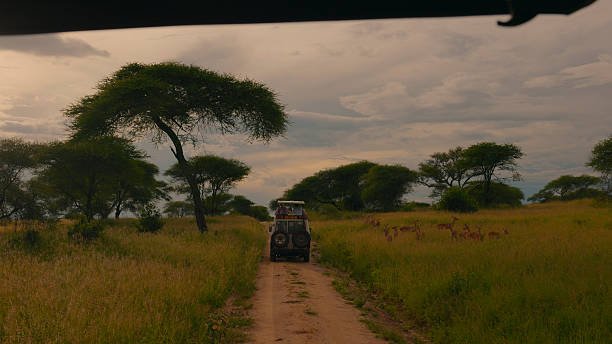
Zimbabwe Victoria Falls And Hwange Safari: Your Ultimate Adventure Guide
Combine the awe-inspiring Victoria Falls with the wildlife-rich plains of Hwange National Park for an unforgettable Zimbabwe safari experience. This guide covers everything you need to plan...
View package details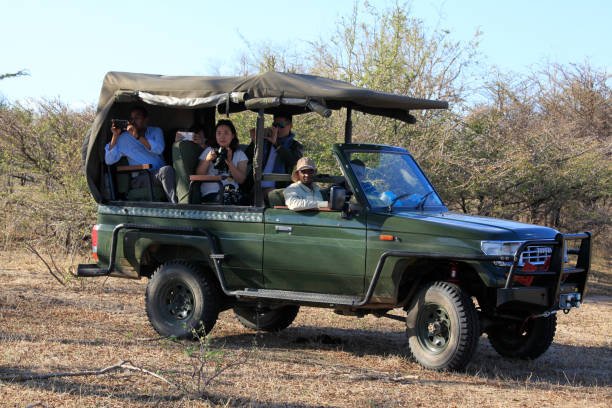
Zimbabwe Travel Guide: Top Destinations, Safaris & Planning For 2026-2027
Explore Zimbabwe with Top Guide Adventures. This comprehensive guide covers everything you need to know for planning an unforgettable trip to Zimbabwe, including its best destinations...
View package details
Zambia Safari Cost And Park Fees: A Planning Guide 2026-2027
Planning a safari in Zambia involves understanding the various costs, including park entry fees, accommodation, and tour operator charges. This guide breaks down the typical Zambia safari...
View package detailsZambia Luxury Fly-In Safari: Ultimate Guide For 2026-2027
A Zambia luxury fly-in safari offers an exclusive and efficient way to explore the country's most remote and pristine wilderness areas. This travel style maximizes time spent on game...
View package detailsNo related package matches those filters. Clear one or more filters to see the other topic-matched options.



