
Travel to the Central African Republic (CAR) offers a rare opportunity to explore one of Africa’s least-visited yet incredibly diverse nations, featuring unique wildlife, distinct cultural encounters, and raw, untamed landscapes. For adventurers planning trips in 2026-2027, understanding the current safety landscape, the potential for wildlife viewing, and the depth of cultural experiences is paramount. While challenging, responsible tourism can provide immense rewards, focusing on community engagement and supporting conservation efforts.
Understanding the Central African Republic: A Jewel of Untamed Africa
The Central African Republic, often abbreviated as CAR or CAR, is a landlocked nation situated in the heart of the continent. It is bordered by Chad to the north, Sudan to the east, South Sudan and the Democratic Republic of the Congo to the south, and the Republic of the Congo and Cameroon to the west. Its geography is dominated by savannas, with dense forests in the south and arid plains in the north. This vast country, rich in natural resources and cultural heritage, remains largely undiscovered by mainstream tourism, presenting an allure for the truly intrepid traveler.
For decades, the CAR has faced significant challenges, including political instability and humanitarian crises. These factors have profoundly impacted its tourism infrastructure and international perception. However, beneath the surface of these difficulties lies a country of immense natural beauty, vibrant traditions, and resilient people. As we look towards 2026-2027, there’s a nascent hope for increased stability, which could pave the way for more organized and safer travel experiences, albeit still for the most adventurous and well-prepared individuals.
Top Guide Adventures, while primarily focused on the rich safari experiences within Tanzania, acknowledges the growing interest in exploring more remote and less-traveled destinations. Our expertise in organizing complex itineraries and ensuring client safety in challenging environments provides a foundation for understanding the requirements for travel to places like the Central African Republic. We emphasize that any journey to the CAR requires meticulous planning, a deep respect for local customs, and a flexible approach.
The Allure of CAR Safaris: Wildlife in its Wildest Form
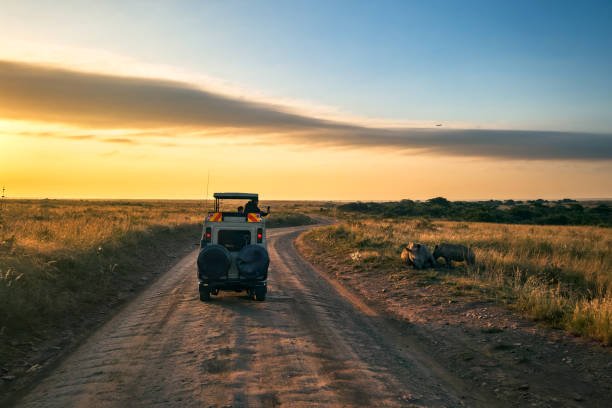
While not as developed as safari destinations like Kenya or Botswana, the Central African Republic boasts a remarkable array of wildlife, particularly in its protected areas. The country is home to several national parks and reserves, though their management and accessibility can vary significantly. These areas offer a glimpse into an ecosystem that has remained relatively untouched by mass tourism.
Dzanga-Sangha National Park: A Biodiversity Hotspot
Perhaps the most renowned destination for wildlife viewing in the CAR is the Dzanga-Sangha National Park, located in the southwestern part of the country. This park is part of the larger Sangha Trinational UNESCO World Heritage site, a vast expanse of rainforest shared with Cameroon and the Republic of the Congo. Dzanga-Sangha is particularly famous for its:
- Western Lowland Gorillas: The park offers opportunities for gorilla trekking, allowing visitors to observe these magnificent creatures in their natural habitat. This is a rare and profound experience, requiring expert guides and adherence to strict protocols to ensure the welfare of the gorillas and the safety of visitors.
- Forest Elephants: Unlike their savanna cousins, forest elephants are shyer and more elusive. Dzanga-Sangha is one of the best places in the world to see them, especially at the Dzanga Bai, a large, open mineral lick where herds of elephants, bongo, and other animals gather.
- Other Wildlife: The park’s dense forests are home to a rich diversity of species, including chimpanzees, various monkey species (such as mandrills and red colobus monkeys), bongos, leopards, and an astonishing variety of birdlife.
Visiting Dzanga-Sangha requires significant logistical planning. Access is typically via Bangui, the capital, followed by a flight or long overland journey. Accommodation options are limited and often rustic, focusing on eco-lodges that aim to minimize environmental impact and benefit local communities.
Bamingui-Bangoran National Park: Savanna and Plains Wildlife
In the northern part of the CAR, Bamingui-Bangoran National Park offers a different safari experience, characterized by vast savannas and gallery forests. This park was once a prime location for white rhinos, though their presence is now uncertain due to poaching and instability. It is still known for:
- Large Mammals: Herds of buffalo, various antelope species (including hartebeest and kob), warthogs, and potentially lions and leopards can be found here.
- Birdlife: The park’s diverse habitats support a wide range of avian species.
Access to Bamingui-Bangoran is challenging, and its infrastructure is minimal. Security can be a significant concern in this region, necessitating expert guidance and up-to-date intelligence on the ground situation. For 2026-2027, travel to this park would be contingent on significant improvements in safety and accessibility.
Manovo-Gounda St. Floris National Park: A UNESCO Site Under Threat
Another significant protected area, Manovo-Gounda St. Floris National Park, is a UNESCO World Heritage site known for its vast plains and diverse fauna. It was historically a sanctuary for cheetahs, wild dogs, elephants, and rhinos. However, the park has suffered greatly from poaching and incursions, leading to its inclusion on the list of World Heritage in Danger. While its wildlife populations have been severely impacted, it represents a critical area for conservation efforts and potential future ecotourism, provided security and management can be re-established.
Cultural Encounters: The Heartbeat of the CAR
Beyond its wildlife, the Central African Republic is home to a rich mix of ethnic groups, each with unique traditions, languages, and social structures. Engaging with these cultures respectfully offers a profound dimension to any visit.
Ethnic Diversity
The CAR is home to over 70 ethnic groups, including the Baya, Banda, Mandjia, Sara, and many others. Each group has its own distinct customs, art forms, music, and spiritual beliefs. Interactions can range from visiting traditional villages to witnessing local markets and festivals, though these are often spontaneous and require local knowledge to access.
Traditional Practices and Art
Many communities maintain traditional ways of life, centered around agriculture, hunting, and artisanal crafts. Visitors might have the opportunity to see traditional housing, learn about local farming techniques, or witness wood carving and other crafts. The musical traditions of the CAR are also vibrant, often featuring intricate rhythms and unique instruments.
Challenges to Cultural Tourism
Due to the country’s challenges, organized cultural tourism is not widely developed. Experiences are often facilitated through local contacts or by intrepid travelers who are willing to step off the beaten path. It’s crucial to approach such interactions with sensitivity, ensuring that tourism benefits the communities directly and respects their customs. For 2026-2027, any cultural immersion would likely be through community-based initiatives that prioritize the well-being and empowerment of the local people.
Planning Your Trip to the Central African Republic for 2026-2027
Traveling to the CAR is not for the faint of heart. It requires a high degree of preparedness, flexibility, and a robust understanding of the risks involved. For those considering a trip in 2026-2027, here’s what you need to know:
Visa and Entry Requirements
All foreign nationals require a visa to enter the Central African Republic. The visa application process can be complex and should be started well in advance of your travel dates. It’s advisable to consult the CAR embassy or consulate in your country for the most current requirements. A letter of invitation may be required, which reputable tour operators can sometimes assist with.
Health and Vaccinations
A yellow fever vaccination is mandatory for entry into the CAR. Other recommended vaccinations include Hepatitis A and B, Typhoid, Tetanus, and Polio. Malaria prophylaxis is strongly advised, as malaria is endemic throughout the country. It’s essential to consult a travel health professional at least 4-6 weeks before your trip to get personalized advice and ensure all necessary vaccinations and medications are obtained. Comprehensive travel insurance that covers medical evacuation is non-negotiable.
Safety and Security Considerations
This is the most critical aspect of planning a trip to the CAR. The country has a history of political instability, armed conflict, and crime. The security situation can change rapidly and vary significantly by region.
- Government Advisories: Always check the latest travel advisories issued by your home country’s government. These advisories often provide detailed information on safety risks, areas to avoid, and security recommendations.
- Regional Instability: Border regions, particularly those adjacent to Sudan, South Sudan, and the Democratic Republic of the Congo, can be particularly volatile.
- Internal Travel: Overland travel, especially outside of major routes, can be hazardous. Road conditions are often poor, and security risks such as banditry exist.
- Hiring Local Guides and Security: For any travel within the CAR, it is highly recommended, and often essential, to travel with experienced local guides who have up-to-date knowledge of the security situation. In some areas, private security may also be advisable.
- Awareness: Maintain a high level of situational awareness at all times. Avoid displaying wealth, travel in groups where possible, and be cautious when taking photographs.
For 2026-2027, a thorough security assessment will be crucial before finalizing any travel plans. Relying on trusted, experienced local contacts and operators is paramount.
Best Time to Visit
The best time to visit the Central African Republic for wildlife viewing and general travel is typically during the dry season, which runs from November to April. During these months:
- Weather: The weather is generally cooler and drier, making travel more comfortable and improving visibility for wildlife viewing.
- Wildlife: Animals tend to congregate around water sources, making them easier to spot.
- Road Conditions: Roads are generally in better condition, although they can still be challenging.
The wet season (May to October) can make travel difficult due to impassable roads and can impact wildlife viewing as vegetation becomes denser. However, for birdwatchers, the wet season can be rewarding.
Logistics and Transportation
Getting around the CAR is a significant challenge. The infrastructure is underdeveloped.
- Flights: Domestic flights are available but can be unreliable and expensive. They are often the only feasible way to reach remote areas like Dzanga-Sangha quickly.
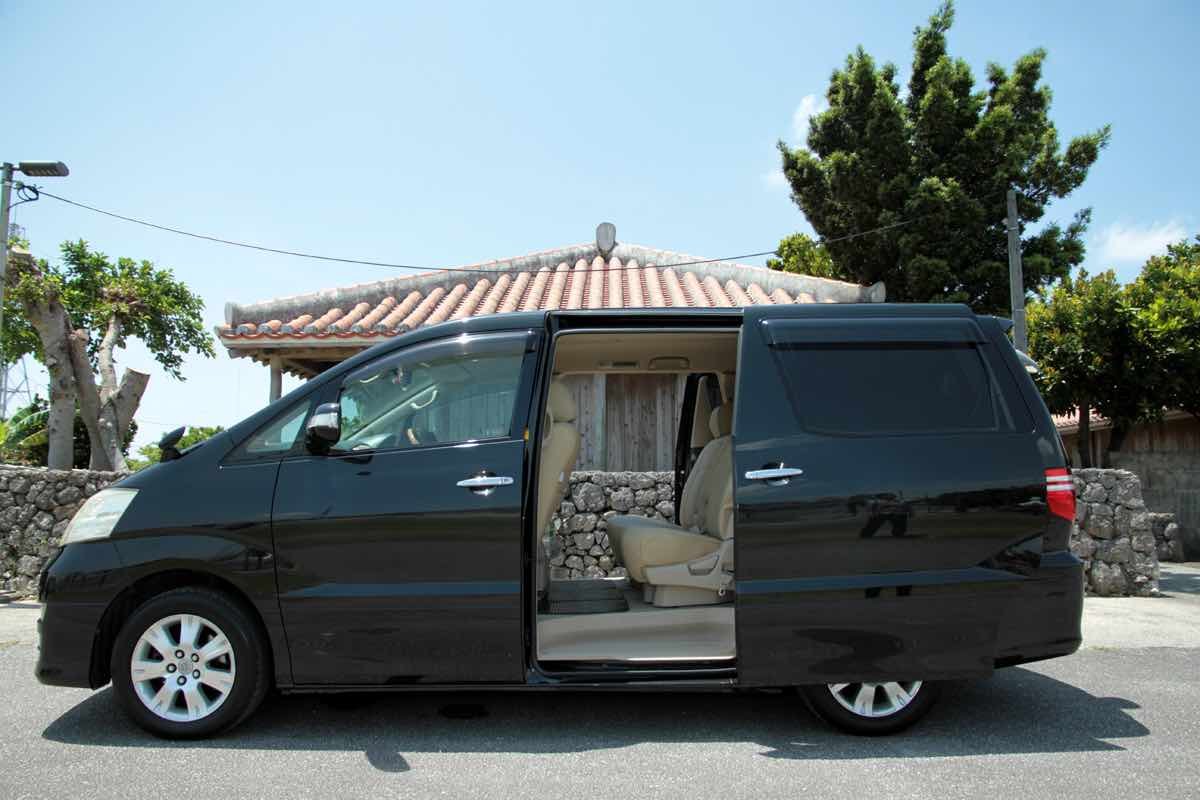
- Road Travel: Overland travel is slow and often requires sturdy 4×4 vehicles. Roads can be in very poor condition, especially during the rainy season. Travel times can be long and unpredictable.
- Bangui: The capital city, Bangui, is the main entry point and transport hub. Navigating within Bangui also requires caution.
Accommodation
Accommodation options are limited and vary greatly in quality. In Bangui, there are a few hotels, but standards can be basic by international comparison. In national parks or remote areas, accommodation typically consists of eco-lodges or basic guesthouses. These are often managed with a focus on sustainability and community involvement. Booking well in advance is essential, especially for the limited options available.
Responsible Tourism in the Central African Republic
Given the country’s challenges and its unique environment, responsible tourism is not just a buzzword; it’s a necessity. For travelers in 2026-2027, adopting a responsible approach is key to ensuring a positive impact.
Supporting Local Communities
Choose tour operators and lodges that are committed to employing local staff, sourcing local goods, and investing in community development projects. Your tourism dollars can make a significant difference in providing sustainable livelihoods and supporting education and healthcare initiatives.
Conservation Efforts
The CAR’s wildlife faces significant threats from poaching and habitat loss. By visiting protected areas and supporting conservation organizations, travelers can contribute to vital efforts to protect endangered species like gorillas and elephants. Adhering strictly to park rules, such as maintaining a safe distance from wildlife and not feeding animals, is crucial.
Cultural Sensitivity
Always show respect for local customs and traditions. Ask permission before taking photographs of people. Dress modestly, especially when visiting villages or religious sites. Learn a few basic phrases in Sango or French, the official languages, to facilitate better interactions.
Environmental Impact
Minimize your environmental footprint by reducing waste, conserving water and energy, and avoiding the purchase of souvenirs made from endangered species or unsustainable materials.
Potential Itinerary Concepts for 2026-2027
Crafting an itinerary for the CAR requires a highly specialized approach. Given the current realities, most trips would likely focus on a single region or a combination of accessible areas, prioritizing safety and logistics. Here are some conceptual ideas for intrepid travelers in 2026-2027:
1. Dzanga-Sangha Gorilla and Forest Elephant Expedition (Approx. 7-10 Days)
This itinerary would focus on the biodiversity hotspot of Dzanga-Sangha.
- Day 1-2: Arrive in Bangui, transfer to hotel, pre-trip briefing. Arrange domestic flight to Bayanga.
- Day 3-5: Settle into eco-lodge near Dzanga-Sangha. Guided treks for Western Lowland Gorilla observation (requires permits booked in advance). Visits to Dzanga Bai to observe forest elephants and other wildlife.
- Day 6: Explore the rainforest with local guides, focusing on birdwatching and smaller mammals.
- Day 7: Return flight to Bangui.
- Day 8: Departure from Bangui.
Inclusions: Permits for gorilla trekking, park entrance fees, guided activities, accommodation, some meals, ground transport within the park area, domestic flights (if arranged). Exclusions: International flights, visa fees, travel insurance, tips, personal expenses.
2. A Glimpse of the CAR: Bangui and Central Region Exploration (Approx. 5-7 Days)
For travelers with limited time or those prioritizing slightly more accessible areas, this could offer a cultural and basic wildlife overview.
- Day 1-2: Arrive in Bangui. City tour including the Presidential Palace, Grand Mosque, Notre Dame Cathedral, and the central market. Visit the National Museum (if accessible and open).
- Day 3: Day trip to nearby villages to understand local life and traditions (requires secure arrangements).
- Day 4: Travel towards a more accessible wildlife area or reserve within driving distance of Bangui, focusing on savanna species (e.g., potentially exploring areas near Bamingui-Bangoran if security permits, though this is highly conditional). This segment would be highly dependent on current security assessments for 2026-2027.
- Day 5: Return to Bangui.
- Day 6: Departure from Bangui.
This type of itinerary would be heavily focused on cultural immersion and understanding the capital city, with wildlife viewing being secondary and potentially limited to areas with better security and accessibility. It would require significant flexibility.
Expert Advice for 2026-2027 Travel Planning
As Top Guide Adventures, we understand that planning a trip to a destination like the Central African Republic requires a level of expertise and caution that differs significantly from more established tourist routes. Our experience in Tanzania, which also involves careful logistical planning and client care in diverse environments, informs our perspective on CAR travel.
Work with Specialized Operators
For a trip to the CAR in 2026 or 2027, it is absolutely essential to work with tour operators who specialize in complex, off-the-beaten-path destinations and have a proven track record in the region. These operators will have the necessary local contacts, understand the security nuances, and can arrange permits, specialized transport, and guides. While Top Guide Adventures focuses on Tanzania, we can advise on the *types* of considerations needed for such a journey.
Flexibility is Key
Situations in the CAR can change rapidly. Flight schedules can be altered, security situations can shift, and road conditions can deteriorate. A successful trip requires a high degree of flexibility and patience. Be prepared for itinerary changes and have contingency plans in place.
Manage Expectations
Travel to the CAR is an adventure, not a luxury holiday. Infrastructure is basic, and comfort levels may be lower than in more developed tourist destinations. Embrace the raw, authentic nature of the experience. The rewards lie in the unique encounters, the pristine wilderness, and the privilege of visiting a place few others do.
The Role of Technology and Communication
Reliable communication can be challenging. Satellite phones are often recommended for remote areas. Ensure you have a plan for staying connected where possible and for emergency communication. Download offline maps and carry essential navigation tools.
Budget Considerations for 2026-2027
Travel to the Central African Republic is generally expensive due to the logistical complexities, specialized transport (like charter flights), security arrangements, and limited infrastructure. Costs are significantly higher than for standard African safaris.
- Flights: International flights to Bangui, plus domestic flights (often charter), will be a major expense.
- Accommodation: Options are limited, and eco-lodges in remote areas like Dzanga-Sangha can be costly.
- Permits and Fees: Gorilla trekking permits, national park fees, and conservation contributions add to the overall cost.
- Guides and Security: Hiring experienced local guides and potentially security personnel is a necessary expense.
- Logistics: Vehicle hire (robust 4x4s), fuel, and driver costs are substantial.
A rough estimate for a well-organized, safe trip focusing on Dzanga-Sangha for 7-10 days could range anywhere from USD 5,000 to USD 10,000+ per person, excluding international flights. This is a broad estimate, and actual costs would depend heavily on the specific itinerary, level of service, and prevailing conditions in 2026-2027. Obtaining a detailed quote from a specialized operator is essential.
The Future of Tourism in the CAR
The potential for tourism in the Central African Republic is undeniable. Its natural beauty, rich biodiversity, and cultural heritage are significant assets. However, realizing this potential hinges on sustained peace, improved security, and strategic investment in infrastructure and conservation. For 2026-2027, any growth in tourism will likely be slow and focused on niche markets such as adventure travel, ecotourism, and scientific research.
Organizations like the African Parks Network are working to manage and protect key areas, including Dzanga-Sangha. Their efforts are crucial for both conservation and for creating a more stable environment for responsible tourism to emerge. As stability hopefully increases, we might see more organized tours, better accommodation, and improved accessibility, making the CAR a more viable, though still challenging, destination.
For travelers who are drawn to the allure of the unknown, who possess a spirit of adventure, and who are committed to responsible travel, the Central African Republic offers an experience unlike any other. It is a journey into the heart of Africa, raw, real, and unforgettable.
If you are contemplating an adventure that pushes boundaries and offers unparalleled insights into a seldom-seen part of the world, understanding the complexities is the first step. While Top Guide Adventures specializes in the wonders of Tanzania, we are committed to providing guidance and support for travelers seeking the extraordinary. For inquiries regarding specialized travel planning or to discuss how to approach destinations like the CAR with the utmost preparation, please feel free to reach out. You can contact us via WhatsApp at +255616946642 or email us at info@topguideadventures.com. We believe that with careful planning and respect, unique travel experiences are possible, even in the most remote corners of our planet.
Check Availability for Central African Republic Travel Guide: Safaris, Culture & Safety In…
Ready to compare dates, prices, and the best option for your group? Send the package name and travel month so the team can reply with a clear quote, availability, and what is included.
Current Travel Information For The Central African Republic In 2026-2027
Planning a trip to the Central African Republic (CAR) for 2026-2027 requires careful consideration of its unique travel landscape. This guide provides essential current information on...
View package detailsNo related package matches those filters. Clear one or more filters to see the other topic-matched options.



