
The most significant wildlife migration in South Sudan involves the vast herds of antelopes, particularly white-eared kob, tiang, and Mongalla gazelles, which typically move across the Sudd wetlands and surrounding grasslands in large numbers. While not as globally famous as the Great Migration in neighboring Kenya and Tanzania, South Sudan’s migrations are critically important for the region’s ecology and offer a truly wild, off-the-beaten-path safari experience. The best time to witness these movements is generally during the dry season, from approximately December to March, when animals congregate around water sources and make their way through the Sudd. Planning for 2026-2027 requires understanding these seasonal patterns and the logistical considerations of traveling in this remote region.
Understanding South Sudan’s Unique Wildlife Migrations
South Sudan, a nation emerging into the global travel consciousness, holds some of Africa’s most spectacular, yet least-explored, wildlife phenomena. Unlike the well-trodden paths of East African safaris, South Sudan offers a raw, untamed wilderness where immense animal populations still roam relatively undisturbed. The centerpiece of its wildlife spectacle is the seasonal migration of vast herds, primarily composed of various antelope species. These movements are driven by the search for fresh grazing and water, dictated by the rhythm of the wet and dry seasons across its diverse landscapes, from the expansive Sudd wetlands to the drier savannas.
The sheer scale of these migrations is staggering. Estimates suggest that over a million large mammals, including white-eared kob, tiang, hartebeest, and gazelles, traverse the country. This makes South Sudan potentially home to the second-largest mammal migration in Africa, after the Serengeti-Mara system. However, due to its recent history and underdeveloped tourism infrastructure, witnessing these events is an adventure reserved for the most intrepid travelers. For those seeking an authentic, crowd-free encounter with nature’s grandest movements, South Sudan presents an unparalleled opportunity, especially when planning for future travel in 2026 and 2027.
The Sudd Wetlands: A Crucial Migration Highway
The Sudd is an immense area of wetlands in South Sudan, formed by the White Nile. It is one of the largest swamps in the world and plays a pivotal role in the country’s wildlife migrations. This vast, intricate network of rivers, lakes, and marshes provides a vital water source and grazing ground for millions of animals, especially during the dry season.
During the dry months, typically from December through March, the receding waters and sparser vegetation elsewhere force enormous herds to converge on the Sudd. White-eared kob, tiang, and Mongalla gazelles, among other species, undertake long journeys to reach these life-sustaining areas. The Sudd acts as both a destination and a critical corridor, allowing these animals to survive the harshest parts of the year. For travelers, the Sudd region offers unique viewing opportunities, often from boats or specialized vehicles, allowing close proximity to these magnificent gatherings. The challenge and reward of navigating this complex ecosystem make it a highlight for anyone interested in the South Sudan wildlife migration.
Navigating the Sudd: Challenges and Rewards
Exploring the Sudd presents unique logistical challenges. Its vastness, remoteness, and the very nature of its wetland terrain require specialized knowledge and equipment. Traditional safari vehicles may struggle in certain areas, making boat excursions or even light aircraft reconnaissance essential for optimal viewing. The infrastructure is minimal, meaning that expeditions must be fully self-sufficient, relying on experienced local guides and operators who understand the terrain, the wildlife patterns, and the cultural sensitivities of the region.
Despite these challenges, the rewards are immense. Witnessing millions of animals moving across the plains, with the Sudd as a backdrop, is an awe-inspiring experience. The absence of large tourist crowds means an intimate and authentic connection with the natural world. For photographers, researchers, and dedicated wildlife enthusiasts, the Sudd offers unparalleled opportunities for observation and documentation. Planning a trip to the Sudd for the South Sudan wildlife migration in 2026-2027 requires meticulous preparation and a flexible itinerary.
Key Species Involved in South Sudan’s Migrations
While South Sudan boasts a rich diversity of wildlife, its migrations are primarily characterized by large herds of herbivores. Understanding these key species is fundamental to appreciating the scale and significance of these movements.
White-eared Kob (Kobus kob leucotis)
The white-eared kob is arguably the most iconic species associated with South Sudan’s migrations. These medium-sized antelopes are found in large numbers and are known for their spectacular seasonal movements, often numbering in the hundreds of thousands. Their diet consists mainly of grasses, and their migration patterns are closely tied to the availability of fresh grazing, particularly after the rains and around the Sudd wetlands.
Tiang (Damaliscus lunatus tiang)
Closely following or accompanying the kob are the tiang, a large antelope that also forms vast herds. Tiang are known for their impressive stamina and long-distance migrations, often traveling hundreds of kilometers in search of optimal feeding grounds. Their presence significantly adds to the sheer volume of the South Sudan wildlife migration spectacle.
Mongalla Gazelle (Eudorcas rufifrons hulli)
These graceful gazelles are another important component of the migratory herds. While perhaps not as numerous as the kob or tiang, their presence is a vital part of the ecosystem. They are well-adapted to drier savanna environments but will move towards the Sudd region during periods of scarcity.
Other Notable Herbivores
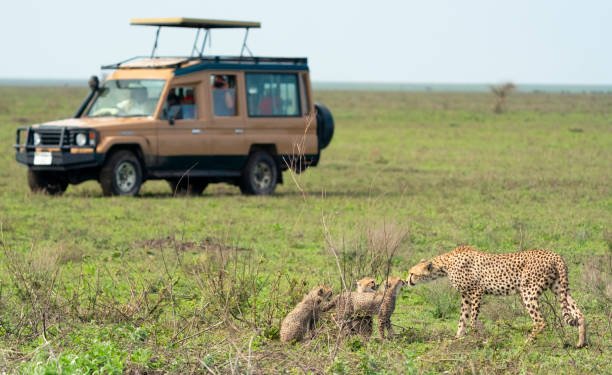
Beyond these primary species, various other antelopes and herbivores also participate in or are influenced by these large-scale movements. These can include hartebeest, oryx, and various smaller gazelle species, all contributing to the dynamic ecological processes of the region. Predators like lions, cheetahs, and hyenas naturally follow these prey herds, creating a complete predator-prey ecosystem that is a marvel to witness.
Timing Your South Sudan Wildlife Migration Safari (2026-2027)
The timing of a safari to witness the South Sudan wildlife migration is crucial. The movements of the animals are dictated by the annual rainfall patterns, influencing the availability of grazing and water. Generally, the dry season offers the best opportunities for viewing large congregations of animals.
The Dry Season (December – March): Peak Migration Viewing
The period from December to March is considered the prime time for South Sudan wildlife migrations. As the rainy season subsides, water sources outside the Sudd begin to dry up, and vegetation becomes less abundant. This forces vast herds to move towards the permanent waters and greener pastures found within and around the Sudd wetlands.
- December & January: Animals begin congregating and moving towards the Sudd. Early sightings of large herds can be expected. The weather is typically pleasant, with cooler temperatures.
- February & March: This is often the peak period. The largest concentrations of animals are usually found around the Sudd. Grazing is at its most critical, drawing the maximum number of herbivores. Temperatures start to rise as the dry season progresses.
The Wet Season (April – November): Different Wildlife Experiences
While the major migrations are less concentrated during the wet season, South Sudan still offers incredible wildlife viewing opportunities. The rains bring lush vegetation, and animals disperse across the landscape. This period can be excellent for observing resident wildlife, birdwatching, and experiencing the country’s vibrant landscapes.
- April – May: The end of the dry season and the onset of rains. Animals may be dispersing from the Sudd.
- June – November: The height of the wet season. Roads can become impassable in many areas, making travel challenging. However, for those who can navigate, the landscapes are incredibly green, and birdlife is abundant. Some smaller, localized movements might still occur.
For planning a safari in 2026 or 2027, targeting the dry season (December to March) is highly recommended for the best chance of witnessing the large-scale migrations. However, discuss your specific interests with tour operators, as alternative wildlife viewing or cultural experiences might be better suited to the wet season.
Top Locations for Witnessing the Migration
South Sudan’s vastness means that specific locations offer the best vantage points for observing the migrations. These areas are often remote and require specialized logistical arrangements.
Boma National Park
Located in the southeastern part of South Sudan, Boma National Park is a critical area for wildlife. It is known to be a key corridor and breeding ground for vast numbers of white-eared kob and tiang. During the dry season, large herds can be seen moving through the park’s grasslands and savannas. Boma is one of the most promising areas for experiencing the South Sudan wildlife migration firsthand.
Bandigilo National Park
Adjacent to Boma, Bandigilo National Park is another significant protected area. It is particularly noted for its large populations of Mongalla gazelles and also hosts substantial numbers of kob and tiang. The park’s varied terrain, including open grasslands and some woodland, supports diverse wildlife populations.
The Sudd Region
As mentioned earlier, the Sudd itself is a primary destination. While not a formal national park in the traditional sense, its vast wetland ecosystem is where millions of animals converge. Viewing here often involves boat-based safaris, offering a unique perspective on the sheer scale of the migration as animals cross rivers or graze along the water’s edge.
Vast Open Plains and Savannas
Beyond the designated parks, the expansive plains and savannas that stretch across much of South Sudan serve as the migration highways. These areas, often dotted with acacia trees and riverine forests, are where the herds travel between grazing grounds and water sources. Experienced guides are essential for locating these herds in such immense landscapes.
When planning for 2026-2027, consult with tour operators specializing in South Sudan about the most reliable locations based on current wildlife movements and accessibility. The specific routes and concentrations can vary slightly year by year.
Planning Your South Sudan Safari in 2026-2027
A safari to South Sudan is unlike any other. It requires meticulous planning, flexibility, and a deep appreciation for adventure. The country’s infrastructure is still developing, making it essential to work with experienced and reputable tour operators.
Choosing the Right Tour Operator
Given the complexities of travel in South Sudan, selecting a knowledgeable and reliable tour operator is paramount. Look for companies with a proven track record of organizing safe and successful expeditions in the region. They should have strong local contacts, expertise in logistics, and a commitment to responsible tourism. Top Guide Adventures, with extensive experience in East African safaris, can provide invaluable guidance for planning your South Sudan adventure for 2026 or 2027. Contact them via WhatsApp +255616946642 or Email info@topguideadventures.com for personalized itinerary planning.
Visa and Travel Documents
Ensure all travel documents are in order well in advance. This includes a valid passport, necessary visas for South Sudan, and any required vaccinations (such as Yellow Fever). Your tour operator will guide you through the specific requirements, which can change. It’s wise to start this process at least 3-6 months before your intended travel date for 2026-2027.
Health and Safety Precautions
Malaria is prevalent, so anti-malarial medication and insect repellent are essential. Consult your doctor about recommended vaccinations and health precautions. Given the remote nature of migration viewing, having a well-stocked first-aid kit and access to emergency medical evacuation plans is crucial. Your tour operator will have detailed safety protocols in place.
What to Pack
Packing should focus on practicality and comfort. Lightweight, neutral-colored clothing is best. Essential items include:
- Lightweight long-sleeved shirts and trousers (for sun and insect protection)
- A wide-brimmed hat
- Sunglasses
- Comfortable walking shoes or boots
- Sandals or flip-flops for camp
- A light jacket or fleece for cooler evenings
- High SPF sunscreen
- Personal toiletries and medications
- Binoculars for wildlife viewing
- A good quality camera with extra batteries and memory cards
- A reusable water bottle
- Personal first-aid kit
Budget Considerations for 2026-2027 Safaris
Safaris in South Sudan are generally more expensive than in more developed tourist destinations due to the logistical complexities and the need for specialized arrangements. Costs typically include:
- Flights: International flights to Juba, and potentially domestic charter flights.
- Accommodation: Tented camps or basic lodges.
- Transportation: 4×4 safari vehicles, potentially boats or small aircraft.
- Guides and Staff: Experienced local guides, drivers, cooks, and support staff.
- Park Fees: Entrance fees for national parks.
- Permits: Special permits may be required for certain areas.
- Food and Supplies: All meals and necessary provisions for remote travel.
Expect costs to be in the mid-to-high range for African safaris. For precise pricing and tailored packages for 2026 or 2027, it is best to request a quote from specialized operators like Top Guide Adventures.
Responsible Tourism in South Sudan
Traveling to South Sudan for wildlife migration viewing comes with a significant responsibility. As tourism is in its nascent stages, visitors have a crucial role in ensuring that it develops sustainably and ethically.
Respecting Wildlife
Maintain a safe and respectful distance from all animals. Never feed wildlife, and avoid making loud noises or sudden movements that could disturb them. Follow the guidance of your tour operator and guides regarding wildlife interactions.
Cultural Sensitivity
South Sudan is home to diverse ethnic groups with rich cultural traditions. Always show respect for local customs and people. Ask permission before taking photographs of individuals, and be mindful of local dress codes and social etiquette. Engaging respectfully with local communities can greatly enrich your travel experience.
Supporting Local Communities
Choose tour operators who employ local staff, source supplies locally, and contribute to community development projects. Your tourism spending can have a positive impact on the livelihoods of people in the areas you visit. For inquiries about responsible travel practices and community engagement in 2026-2027 safaris, reach out to info@topguideadventures.com.
Minimizing Environmental Impact
Adhere to “leave no trace” principles. This means properly disposing of waste, staying on designated paths where applicable, and avoiding activities that could harm the fragile ecosystems, especially in sensitive areas like the Sudd wetlands.
Comparing South Sudan’s Migration with Other African Safaris
South Sudan’s wildlife migration offers a distinct experience compared to more established safari destinations like Kenya, Tanzania, or Botswana.
Unspoiled Wilderness
The most significant difference is the lack of mass tourism. While the Serengeti or Masai Mara can host hundreds of vehicles at a time during peak migration seasons, South Sudan offers a chance to witness nature’s grandeur with few, if any, other tourists. This provides an unparalleled sense of solitude and raw wilderness.
Logistical Complexity
Destinations like Kenya and Tanzania have well-developed tourism infrastructure, including paved roads, numerous lodges, and easy internal flights. South Sudan, conversely, requires more complex logistics, often involving charter flights, rugged 4×4 travel, and fully supported mobile camping. This makes it a more adventurous choice.
Animal Behavior
In highly touristed areas, animals can sometimes become habituated to vehicles. In South Sudan, the relative absence of human interference means wildlife is likely to exhibit more natural behaviors, offering a more authentic viewing experience.
Cost Structure
While the upfront cost of a South Sudan safari can be high due to logistics, the “per-animal” or “per-experience” cost might be lower than in heavily commercialized parks where peak season prices are inflated. For 2026-2027, understanding these cost drivers is key to budgeting.
South Sudan is for the traveler who prioritizes true wilderness, adventure, and the chance to witness immense natural events in a way that is increasingly rare elsewhere on the continent. It is an expedition, not just a vacation.
Future Prospects for South Sudan Wildlife Tourism (2026-2027 and Beyond)
The future of wildlife tourism in South Sudan holds immense potential, though it is closely tied to the country’s ongoing stability and development. As security improves and infrastructure gradually expands, the opportunities for experiencing its unique natural heritage are set to grow.
Developing Infrastructure
Investment in basic infrastructure, such as improved airstrips, more reliable road networks in key wildlife areas, and the establishment of more permanent, eco-friendly camps, will be crucial. This development is expected to be gradual, with significant progress anticipated between 2026 and 2027 as international interest in the country’s potential grows.
Conservation Efforts
The success of South Sudan’s wildlife tourism hinges on effective conservation strategies. Protecting migration corridors, combating poaching, and involving local communities in conservation efforts will be vital. International support and partnerships will play a key role in these initiatives.
Rise of Experiential Travel
There is a growing global trend towards experiential travel, seeking authentic, off-the-beaten-path adventures. South Sudan, with its raw beauty and incredible wildlife migrations, is perfectly positioned to capitalize on this trend in the coming years, including for travelers planning for 2026-2027.
While challenges remain, the trajectory is positive. For those seeking an adventure that combines incredible wildlife viewing with a sense of discovery, South Sudan offers a compelling proposition. Operators like Top Guide Adventures are at the forefront of developing these opportunities responsibly.
Making Your Booking for the South Sudan Wildlife Migration
Securing your spot for a South Sudan wildlife migration safari in 2026 or 2027 requires early planning. Due to the specialized nature of these trips and limited operational capacity, availability can be restricted.
We recommend contacting experienced tour operators well in advance. Top Guide Adventures specializes in crafting unique safari experiences across East Africa and can assist you in planning a safe, memorable, and logistically sound expedition to witness the South Sudan migrations. They offer personalized itineraries tailored to your interests and ensure all necessary arrangements, from permits to local logistics, are handled meticulously.
Reach out to Top Guide Adventures today to start planning your extraordinary journey:
- WhatsApp: +255616946642
- Email: info@topguideadventures.com
- Website: Top Guide Adventures
By engaging with experts early, you can ensure the best possible experience for your South Sudan wildlife migration adventure in 2026-2027, navigating the complexities and focusing on the sheer wonder of this incredible natural phenomenon.
“,
“faq_schema”: [
{
“question”: “When is the best time to see the South Sudan wildlife migration?”,
“answer”: “The best time to witness the major wildlife migrations in South Sudan, particularly the large herds of kob, tiang, and gazelles, is during the dry season, from December to March. During these months, animals congregate around the Sudd wetlands and surrounding areas in search of water and grazing.”
},
{
“question”: “What animals are part of the South Sudan wildlife migration?”,
“answer”: “The primary species involved in the South Sudan wildlife migration are large herds of herbivores, most notably white-eared kob, tiang, and Mongalla gazelles. Hundreds of thousands of these antelopes undertake significant seasonal movements across the country.”
},
{
“question”: “Which locations are best for viewing the South Sudan migration?”,
“answer”: “Key areas for viewing the South Sudan wildlife migration include Boma National Park and Bandigilo National Park in the southeast, which are crucial habitats and corridors for migratory herds. The vast Sudd wetlands themselves are also a major focal point, often best viewed from boats.”
},
{
“question”: “Is South Sudan a safe destination for wildlife tourism in 2026-2027?”,
“answer”: “While South Sudan has faced challenges, security has improved in many areas, making wildlife tourism increasingly feasible. However, it remains an adventurous destination. It is crucial to travel with reputable tour operators who are experienced in managing logistics and safety for trips planned for 2026-2027 and beyond. Always consult current travel advisories.”
},
{
“question”: “How does the South Sudan migration compare to the Great Migration in East Africa?”,
“answer”: “South Sudan’s migration offers a much wilder, less crowded experience compared to the more famous Great Migration in Kenya and Tanzania. While the scale of animal numbers is comparable, South Sudan provides a raw, off-the-beaten-path adventure with fewer tourists and a greater sense of untouched wilderness.”
}
]
}
“`
Check Availability for South Sudan Wildlife Migration Guide 2026-2027
Ready to compare dates, prices, and the best option for your group? Send the package name and travel month so the team can reply with a clear quote, availability, and what is included.
Uganda Gorilla Trekking And Wildlife Safari: Your Ultimate Guide For 2026-2027
start an unforgettable Uganda gorilla trekking and wildlife safari adventure. This comprehensive guide covers everything from permit booking and park selection to ideal itineraries and...
View package details
Is East Africa Or Southern Better For Safari? A Comprehensive Comparison
Deciding between an East Africa and Southern Africa safari is a classic dilemma for wildlife enthusiasts. Both regions offer unparalleled wildlife viewing, but they cater to different...
View package detailsUsajili Wa Simba / Dates: Football Tourism Tanzania & Safari Packages
Planning to experience 'Usajili wa Simba' in Tanzania during the 2026/2027 season? This guide covers the likely dates, what to expect, and how to combine this unique football event with...
View package detailsAfcon Tanzania Travel Guide, Safari Tours And Match Packages 2026-2027
AFCON 2027 Tanzania Travel Guide, Safari Tours and Match Packages is explained with current 2026-2027 planning, price, itinerary and booking information.
View package detailsFootball Players With Most Endorsements And Their African Holidays 2026-2027
Explore the connection between high-earning footballers, their lucrative endorsement deals, and their preferred holiday escapes in Africa. From the beaches of Zanzibar to the wilds of the...
View package detailsHistorical Sites In East Africa & Cultural Safari Tours In 2026-2027
Discover East Africa's compelling historical sites and vibrant cultural experiences through specialized safari tours in 2026-2027. This guide covers key locations, tour types, and planning...
View package detailsHighest Paid Artists In Africa And Exclusive Safari Holidays 2026-2027
Explore the financial success of Africa's top music and art stars in 2026 and how you can combine this insight with an unforgettable luxury safari experience in Tanzania. Top Guide...
View package detailsRichest African Musician And The Luxury Safari Lifestyle 2026-2027
Discover the opulent world of Africa's wealthiest musicians and their unparalleled luxury safari experiences in Tanzania. Learn about the 2026-2027 trends in exclusive travel, focusing on...
View package detailsDiscount Tanzania Treks And Affordable Safari Packages In 2026-2027
Discover how to plan discount Tanzania treks and affordable safari packages for your 2026-2027 adventure. This comprehensive guide covers budget-friendly options for iconic destinations...
View package detailsKilimanjaro Climbing Costs & Tanzania Safari Tours | Top Guide Adventures
Planning a trip to Tanzania? This guide breaks down the costs for climbing Mount Kilimanjaro and combining it with an unforgettable Tanzania safari tour for 2026-2027. Learn about pricing...
View package detailsTop 20 Richest Presidents In The World And Exclusive Safari Holidays 2026-2027
Explore the financial standing of the world's wealthiest presidents in 2026 and connect this with the allure of exclusive safari holidays, particularly in stunning Tanzania.
View package detailsRichest Man In Tanzania & Luxury Safari Experiences In 2026-2027
Explore the pinnacle of luxury safari experiences in Tanzania, from exclusive lodges to private game drives, and gain insight into the nation's wealthiest individuals. Top Guide Adventures...
View package detailsNo related package matches those filters. Clear one or more filters to see the other topic-matched options.



