
A Burundi coffee and cultural experience offers travelers a unique journey into the heart of East Africa’s vibrant traditions and its world-renowned coffee production, allowing for direct engagement with farmers, understanding the “bean to cup” process, and appreciating the rich heritage that shapes both the beverage and the people. For those planning trips in 2026-2027, this offers an authentic and deeply rewarding travel adventure.

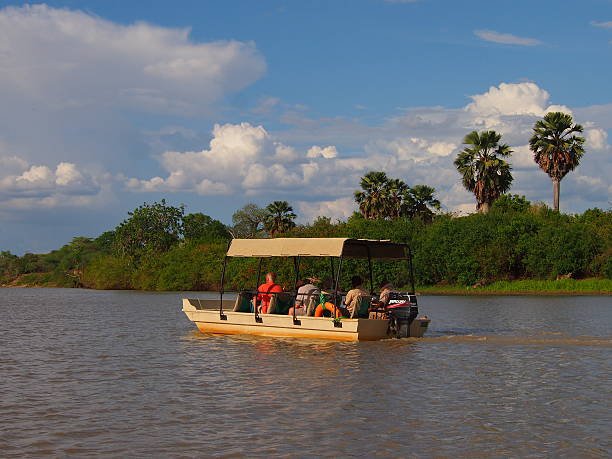
The Allure of Burundi’s Coffee Landscape
Burundi, a landlocked nation in the Great Rift Valley, is often overshadowed by its more prominent safari destinations. Yet, for those seeking an authentic connection to local life and a genuine appreciation for one of the world’s finest coffee-producing regions, Burundi presents an unparalleled opportunity. The country’s high altitudes, volcanic soil, and favorable climate create the perfect conditions for cultivating high-quality Arabica beans, particularly the renowned Bourbon varietal. However, the story of Burundi coffee is far more than just the beans; it is intrinsically woven into the fabric of its culture, history, and daily life.
For travelers in 2026-2027, the Burundi coffee and cultural experience promises an intimate look at a nation deeply proud of its agricultural heritage. It’s an invitation to step away from the well-trodden tourist paths and discover a destination rich in natural beauty, warm hospitality, and a profound connection between people and their land. This journey is not just about tasting exquisite coffee; it’s about understanding the hands that grow it, the communities that sustain it, and the traditions that have been passed down through generations.
Understanding Burundi’s Coffee Terroir
The exceptional quality of Burundi’s coffee is rooted in its unique geographical and environmental conditions. The country lies within the “Bean Belt,” straddling the equator, with an average altitude of over 1,500 meters above sea level. This high elevation is crucial for slow bean maturation, leading to denser beans with complex flavor profiles. The soil, often rich in volcanic minerals, further enhances the coffee’s character, contributing to its distinctive taste notes.
Key coffee-growing regions include:
- Marangara Highlands: Known for its vibrant, fruity notes.
- Mugamba Highlands: Producing coffees with floral aromas and a clean finish.
- Mosso Region: Offering coffees with a balanced sweetness and acidity.
- Kivu Region: Famous for its complex, wine-like characteristics.
These regions, characterized by their rolling hills and lush vegetation, are not only vital for coffee production but also offer impressive scenic beauty. Visiting these areas provides a tangible connection to the origin of the coffee, allowing travelers to witness firsthand the environment that cultivates such prized beans.
The “Bean to Cup” Journey: A Deeper Dive
Experiencing Burundi coffee is most rewarding when one understands the entire journey from the plant to the final brew. This process is often a communal effort, deeply embedded in the social structure of the coffee-growing communities.
Cultivation and Harvesting
Burundi’s coffee farms are typically smallholder operations, with families cultivating coffee on plots of land that may also grow other crops. The Bourbon varietal, a descendant of the original coffee plants brought from the island of Bourbon (now Réunion), is the dominant type, prized for its quality and distinctive flavor. Harvesting is a meticulous process, often done by hand. Ripe coffee cherries, signaling peak sugar content and flavor development, are carefully selected. This selective picking is vital for ensuring the quality of the final product.
Travelers can often visit farms during the harvest season (typically March to August) to witness this labor-intensive process. Seeing the dedication and skill involved in hand-picking cherries offers a profound appreciation for the coffee in your cup.
Washing Stations (Centrales)
After harvesting, the coffee cherries are transported to washing stations, known locally as “centrales.” These are crucial hubs where the beans are processed to remove the outer layers of the cherry. Burundi is renowned for its exceptional washed coffee processing, which significantly impacts the final taste profile. The most common method involves:
- Pulping: Removing the outer skin and pulp of the cherry.
- Fermentation: Beans are soaked in water for 12-48 hours, allowing natural enzymes to break down the sticky mucilage layer. This stage is critical for developing complex flavors.
- Washing: The fermented beans are thoroughly washed to remove any remaining mucilage.
- Drying: Beans are spread on raised drying beds, where they are turned regularly to ensure even drying and prevent mold.
Many washing stations welcome visitors, offering a chance to see the machinery, understand the fermentation process, and observe the careful drying on raised beds. This is where the coffee’s clarity and acidity are often refined.
Natural and Honey Processing
While washed processing is dominant, some producers are experimenting with natural and honey processing methods. Natural processing involves drying the whole coffee cherry, allowing the fruit’s sugars to impart sweetness and body to the bean. Honey processing falls between washed and natural, where some of the mucilage is left on the bean during drying. These methods offer different flavor profiles, and experiencing them firsthand provides a broader understanding of Burundi’s coffee diversity.
Milling and Export
Once dried to the optimal moisture content (around 10-12%), the beans undergo further processing at dry mills. Here, the parchment layer (endocarp) is removed, and the beans are sorted by size and density. They are then graded, and defects are removed. The highest quality beans are then bagged and prepared for export, often to specialty coffee roasters around the world.
Cultural Immersion: Beyond the Coffee Farm
The Burundi coffee and cultural experience is incomplete without exploring the vibrant traditions and daily life of the Burundian people. The country’s rich cultural heritage is expressed through music, dance, storytelling, and community practices.
Traditional Music and Dance
Burundi is famous for its Royal Drummers, whose performances are a spectacular display of synchronized drumming, chanting, and energetic dance. The “Abatimbo” drum, a sacred instrument, is central to these performances. Experiencing a live drumming show is an unforgettable cultural encounter, showcasing the rhythmic soul of Burundi. Many cultural tours can arrange for these performances, often in authentic village settings.
Local Markets and Crafts
Visiting local markets is a sensory explosion and a fantastic way to interact with locals. Markets in cities like Bujumbura, Gitega, and smaller towns are bustling hubs where vendors sell everything from fresh produce and spices to traditional crafts. Look for intricately woven baskets, colorful textiles, wood carvings, and pottery. Engaging with local artisans and learning about their craft offers a deeper appreciation for Burundian creativity.
Community Visits and Homestays
For the most authentic cultural immersion, consider participating in community visits or even a homestay. This allows for direct interaction with families, sharing meals, learning about daily routines, and understanding local customs and social structures. It’s an opportunity to build genuine connections and gain insights that are impossible to find in guidebooks.
The Importance of “Ubuto” (Hospitality)
Burundians are known for their warmth and hospitality, often referred to as “ubuto.” Despite facing economic challenges, they are generally welcoming and eager to share their culture with respectful visitors. Engaging with locals, learning a few basic phrases in Kirundi (like “Bite” for hello, “Amashimwe” for thank you), and showing genuine interest can lead to incredibly rewarding interactions.
Planning Your Burundi Coffee and Cultural Experience for 2026-2027
Organizing a trip focused on Burundi’s coffee and culture requires careful planning to maximize your experience. Top Guide Adventures specializes in creating such tailored journeys, ensuring you connect with the best of Burundi’s offerings.
Best Time to Visit
The best time for a Burundi coffee and cultural experience often aligns with the coffee harvest season, which runs from March to August. During these months, you can witness the picking and processing firsthand. The weather is generally drier during this period, making travel more comfortable. However, Burundi’s climate is tropical, so expect warmth and humidity year-round, with distinct rainy seasons.
- Dry Season (June to August): Ideal for travel, with pleasant temperatures and less rain. This is peak harvest time for many regions.
- Shoulder Seasons (March-May, September-November): Can offer good travel conditions with fewer crowds and potentially lower prices, though some rain is possible. The early part of the harvest season is active.
- Wet Season (December to February): Least ideal for extensive travel, with heavier rainfall that can affect road conditions and outdoor activities.
For planning in 2026 and 2027, booking your trip between March and August will offer the most comprehensive coffee-related activities.
Duration of the Trip
A comprehensive Burundi coffee and cultural experience typically requires at least 7 to 10 days. This allows sufficient time to visit multiple coffee-growing regions, engage with farmers and cooperatives, explore local markets, and experience key cultural highlights like drumming performances.
A sample itinerary might include:
- Days 1-2: Arrival in Bujumbura, city tour, visit local markets.
- Days 3-4: Travel to a coffee-growing region (e.g., Marangara), visit a washing station, interact with farmers.
- Days 5-6: Explore another coffee region, learn about different processing methods, participate in a coffee tasting.
- Day 7: Visit a cultural site, witness a drumming performance.
- Day 8: Return to Bujumbura, departure.
Longer trips of 14 days or more can incorporate visits to national parks like Kibira or Ruvubu for wildlife viewing and exploring Burundi’s natural beauty, offering a more rounded East African adventure.
Accommodation Options
Accommodation in Burundi ranges from comfortable lodges and hotels in cities to simpler guesthouses and homestays in rural areas. When visiting coffee regions, lodging might be at:
- Coffee Estate Guesthouses: Some larger estates offer accommodation, providing an in-depth experience.
- Local Hotels and Guesthouses: Basic but clean options are available in towns.
- Community-run Lodges: Emerging options that directly support local communities.
- Homestays: For the most authentic cultural immersion, arranged through reputable tour operators.
Top Guide Adventures can arrange accommodation that balances comfort with authentic local experiences, ensuring you are well-positioned to engage with the coffee and cultural aspects of your trip.
Visa and Health Requirements
Travelers should check the latest visa requirements for Burundi well in advance of their planned 2026-2027 trip. Many nationalities can obtain a visa on arrival, but it is advisable to confirm this and any application procedures. Standard vaccinations are recommended, including Yellow Fever, Hepatitis A, Typhoid, and Tetanus. Consult your doctor or a travel clinic for personalized advice.
The Economic and Social Impact of Coffee in Burundi
Coffee has historically been, and remains, a cornerstone of Burundi’s economy. For decades, it was the country’s primary export commodity, employing a significant portion of the population, particularly in rural areas. Understanding this economic context adds another layer to the Burundi coffee and cultural experience.
The “washing station” model, where farmers bring their cherries to a central processing facility, has been crucial. These stations not only process the coffee but also often provide essential services to the local community, such as micro-finance, education support, and healthcare initiatives. By purchasing specialty Burundi coffee, consumers and travelers are directly contributing to the livelihoods of thousands of families.
However, the sector has faced challenges, including fluctuating global coffee prices, climate change impacts, and political instability in the past. Efforts are continuously being made to improve quality, increase yields, and ensure fair prices for farmers. Experiencing this firsthand, perhaps by visiting a cooperative that focuses on fair trade practices, provides valuable insight into the resilience and dedication of Burundian coffee farmers.
Tasting Burundi’s Coffee: What to Expect
Burundi’s specialty coffee is gaining international recognition for its unique flavor profiles. When you taste Burundi coffee, you’re likely to encounter:
- Bright Acidity: Often described as citrusy or wine-like, providing a lively and refreshing quality.
- Complex Sweetness: Notes of honey, brown sugar, and ripe fruit are common.
- Floral Aromas: Delicate scents of jasmine or other flowers can be present.
- Fruity Undertones: Flavors of berries, stone fruits, or tropical fruits.
- Clean Finish: A smooth and pleasant aftertaste.
The specific flavor notes will vary greatly depending on the region, varietal, processing method, and the skill of the roaster. A coffee tasting experience, whether at a local café or a specialized tasting session arranged by a tour operator, is a highlight of any Burundi coffee tour.
Tips for Coffee Tasting:
- Slurp: Professionals slurp coffee to aerate it and spread it across the palate, enhancing flavor perception.
- Smell: Pay attention to the aroma before and after tasting.
- Identify Flavors: Use a flavor wheel if provided, or simply try to describe what you taste.
- Note Acidity and Body: Consider the brightness and mouthfeel of the coffee.
Responsible Tourism in Burundi
As you plan your Burundi coffee and cultural experience for 2026-2027, embracing responsible tourism is paramount. This means:
- Supporting Local Communities: Choose tour operators and accommodations that directly benefit local people. Purchase crafts and coffee from local producers.
- Respecting Culture: Dress modestly when visiting villages or religious sites. Always ask permission before taking photos of people. Be mindful of local customs and traditions.
- Environmental Awareness: Minimize your environmental impact. Avoid single-use plastics and be conscious of water usage.
- Ethical Engagement: Approach interactions with genuine curiosity and respect. Avoid patronizing behavior.
Top Guide Adventures is committed to promoting sustainable and responsible tourism practices. We work with local partners to ensure that your visit contributes positively to the communities you encounter.
Why Choose Top Guide Adventures for Your Burundi Journey?
Planning a trip to a destination like Burundi can seem complex, but with the right partner, it becomes an enriching and manageable adventure. Top Guide Adventures offers:
- Expert Local Knowledge: We have deep insights into Burundi’s coffee regions, cultural sites, and best practices for responsible tourism.
- Tailor-Made Itineraries: Whether you’re focused solely on coffee, keen on cultural immersion, or wish to combine it with other experiences, we craft journeys to fit your interests and pace.
- Authentic Connections: We facilitate meaningful interactions with local farmers, artisans, and communities, ensuring a genuine cultural exchange.
- Logistical Support: From transportation and accommodation to guided tours and activities, we handle all the details so you can focus on the experience.
- Commitment to Quality: We are dedicated to providing high-quality service and ensuring your trip is safe, comfortable, and unforgettable.
For your Burundi coffee and cultural experience in 2026 or 2027, let us help you discover the soul of this remarkable country. We understand the nuances of coffee production and the richness of Burundian culture, allowing us to design a journey that is both educational and deeply personal.
Planning Your 2026-2027 Burundi Coffee Adventure
Timing is key for experiencing Burundi’s coffee harvest. Aim for trips between March and August. Consider a 7-10 day itinerary for a comprehensive immersion. Top Guide Adventures can assist with visa guidance, health advice, and crafting a personalized itinerary. Contact us to start planning your unique Burundi coffee and cultural journey.
The Future of Burundi Coffee
The global specialty coffee market is dynamic, and Burundi is well-positioned to capitalize on the growing demand for high-quality, traceable, and ethically produced coffee. Trends for 2026-2027 and beyond suggest a continued focus on:
- Traceability and Transparency: Consumers want to know where their coffee comes from and how it’s produced. Burundi’s smallholder model, when well-managed, can offer excellent traceability.
- Sustainability: Environmental practices, water management at washing stations, and fair labor conditions are increasingly important.
- Direct Trade Relationships: Building direct links between Burundian producers and international roasters can ensure better prices and foster long-term partnerships.
- Innovation in Processing: Experimentation with different drying and fermentation techniques will continue to yield exciting new flavor profiles.
By visiting Burundi and engaging with the coffee sector, travelers become part of this positive future, supporting the farmers and communities that are the backbone of this exceptional coffee industry.
Combining Coffee with Other Burundian Experiences
While coffee and culture are central, Burundi offers diverse experiences that can be woven into your itinerary:
- Lake Tanganyika: The world’s second-deepest freshwater lake offers beautiful beaches, opportunities for swimming, snorkeling, and boat trips. The capital, Bujumbura, is situated on its shores.
- National Parks: Kibira National Park, a lush rainforest, is a haven for primates and diverse birdlife, offering excellent hiking opportunities. Ruvubu National Park is known for its hippos, buffaloes, and antelope.
- Rusizi Nature Reserve: Located near Bujumbura, this reserve protects diverse wildlife and offers scenic views of the Rusizi River delta.
- Gitega: The country’s political capital, Gitega, offers a glimpse into Burundi’s history and traditions, including the National Museum.
A well-planned trip for 2026-2027 can seamlessly blend the aromatic world of coffee with the natural beauty and cultural richness of Burundi, creating a truly comprehensive African adventure.
Practical Tips for Travelers
To ensure a smooth and enjoyable Burundi coffee and cultural experience, consider these practical tips:
- Currency: The local currency is the Burundian Franc (BIF). USD is sometimes accepted in tourist establishments, but it’s best to have local currency. ATMs are available in Bujumbura, but credit card acceptance is limited.
- Language: Kirundi and French are the official languages. Swahili is also spoken in some areas. English is not widely spoken outside of tourist hubs, so learning basic phrases in French or Kirundi is helpful.
- Connectivity: Mobile phone coverage is generally good in urban areas, and SIM cards are readily available. Wi-Fi can be found in hotels and some cafes, but speed and reliability can vary.
- Safety: While Burundi has made significant strides in stability, it’s always wise to stay informed about the current political and security situation. Traveling with a reputable tour operator like Top Guide Adventures enhances safety and provides local guidance. Avoid traveling at night.
- Photography: Always ask for permission before photographing people, especially in rural communities.
Booking Your Burundi Coffee and Cultural Experience
Ready to explore the exceptional coffee and vibrant culture of Burundi? Top Guide Adventures is your trusted partner for creating an unforgettable journey in 2026 or 2027. We specialize in crafting personalized itineraries that connect you with the heart of Burundi.
Whether you dream of visiting family-run coffee farms, witnessing the intricate processing at a washing station, experiencing the thunderous rhythm of the Royal Drummers, or simply enjoying the warm hospitality of the Burundian people, we can make it happen. Our deep understanding of the local landscape, from the coffee highlands to the shores of Lake Tanganyika, ensures an authentic and enriching experience.
Let us help you design a trip that goes beyond the ordinary. Contact us today to start planning your custom Burundi coffee and cultural adventure. You can reach us via WhatsApp at +255616946642 or send an email to info@topguideadventures.com. For alternative communication, a backup email is also available.
Discover the soul of Burundi, one coffee bean and one cultural encounter at a time. We look forward to guiding you on this extraordinary exploration.
Check Availability for Burundi Coffee And Cultural Experience: A Travelers Guide For 2026-2027
Ready to compare dates, prices, and the best option for your group? Send the package name and travel month so the team can reply with a clear quote, availability, and what is included.
Nubian Village Cultural Experiences In Tanzania: A Deep Dive With Top Guide
Explore the rich cultural heritage of Nubian villages in Tanzania. Top Guide Adventures offers in-depth experiences, highlighting traditions, daily life, and community connections for your...
View package details
Algiers Casbah Cultural Experience: A Deep Look At History And Heritage
experience the living history of Algiers by experiencing its Casbah, a UNESCO World Heritage site. This guide explores its rich cultural mix, historical significance, architectural wonders...
View package details
Juba Cultural And Historical Experiences: A Deep Dive For 2026-2027
Discover the vibrant cultural heritage and pivotal historical sites of Juba, South Sudan. This guide offers an in-depth look at experiences for travelers in 2026-2027, from traditional life...
View package detailsHistorical Sites In East Africa & Cultural Safari Tours In 2026-2027
Discover East Africa's compelling historical sites and vibrant cultural experiences through specialized safari tours in 2026-2027. This guide covers key locations, tour types, and planning...
View package details
Sudan Red Sea Marine Heritage: Exploring Underwater Wonders And Cultural
Explore the unparalleled marine heritage of Sudan's Red Sea coast. This guide covers its rich biodiversity, historical shipwrecks, vibrant coral ecosystems, and tips for responsible...
View package details
Morocco Luxury Desert Camp Experience: Ultimate Guide 2026-2027
Plan your unforgettable Morocco luxury desert camp experience. This guide covers everything from choosing the right camp in areas like Merzouga and Zagora to essential packing tips and...
View package details
Sudan Nubian Pyramids And Nile Heritage Guide: Ancient Wonders & Cultural
Discover the unparalleled ancient wonders of Sudan's Nubian Pyramids and the rich cultural heritage along the Nile River. This comprehensive guide provides essential information for...
View package detailsTripoli Architecture And Cultural Heritage: A Deep Look At Libyas Historic
Discover the architectural marvels and vibrant cultural heritage of Tripoli, Libya's historic coastal capital. This guide covers its Roman, Arab, Ottoman, and Italian influences, offering...
View package details
Ghardaïa And Mzab Valley Cultural Guide: Ancient Algerias Living Heritage
Your definitive guide to Ghardaïa and the M'Zab Valley, exploring the unique Mozabite culture, traditional architecture, and historical significance of this Algerian UNESCO World Heritage...
View package details
Tunisia Cultural, Coastal And Sahara Tour Guide
Discover Tunisia's diverse landscapes and rich heritage on a comprehensive tour. Explore ancient ruins, relax on Mediterranean beaches, and traverse the majestic Sahara Desert. This...
View package details
Egypt Red Sea And Cultural Holiday: Your Ultimate Adventure 2026-2027
Discover the perfect blend of ancient history and vibrant marine life on an Egypt Red Sea and Cultural Holiday. This guide covers itineraries, activities, and planning for your 2026-2027...
View package details
Morocco Food And Cultural Holiday: A Deep Dive 2026-2027
Plan your dream Morocco food and cultural holiday. This comprehensive guide covers essential insights for 2026-2027 travel, from iconic dishes to deep dives into local traditions, ensuring...
View package detailsNo related package matches those filters. Clear one or more filters to see the other topic-matched options.



