
Kenya offers unparalleled safari experiences, featuring iconic wildlife viewing in parks like the Maasai Mara, Amboseli, and Samburu, alongside rich cultural encounters and diverse landscapes. Planning a Kenya safari for 2026 or 2027 involves choosing the right parks, understanding seasonal wildlife movements (especially the Great Migration), selecting accommodation, and budgeting for tours, flights, and activities. Top Guide Adventures specializes in crafting tailor-made Kenya safaris, ensuring personalized attention and dedicated support for an unforgettable journey.
Discovering the Heartbeat of East Africa: Your Comprehensive Kenya Safari Guide
Kenya. The very name conjures images of vast savannas dotted with acacia trees, thundering herds of wildebeest, majestic lions, and the vibrant cultures of its people. As a premier destination for wildlife enthusiasts and adventure seekers, Kenya stands as a beacon of classic African safari experiences. From the world-renowned Maasai Mara National Reserve to the dramatic landscapes of Amboseli and the rugged beauty of Samburu, this East African jewel promises an unforgettable journey into the wild. Whether you are dreaming of witnessing the Great Migration, spotting the “Big Five,” or immersing yourself in the local traditions, a Kenya safari offers a profound connection with nature and culture.
At Top Guide Adventures, we are passionate about sharing the magic of East Africa. While our expertise extends across Tanzania, we understand the allure and unique offerings of Kenya as a safari destination. This guide is designed to provide you with a complete picture of what a Kenya safari entails, covering everything from the best times to visit and must-see destinations to practical planning tips and what you can expect for your 2026-2027 travels. Let us help you envision and plan the ultimate Kenyan adventure.
Why Choose Kenya for Your Next Safari Adventure?
Kenya is not just another safari destination; it’s the birthplace of the safari concept itself. It offers a unique blend of world-class wildlife viewing, stunning natural beauty, and a rich cultural heritage that sets it apart. For travelers planning their trips in 2026 and 2027, Kenya presents an enduring appeal:
- Iconic Wildlife: Home to an astonishing array of wildlife, including the “Big Five” (lion, leopard, elephant, rhino, and buffalo), and the site of the Great Wildebeest Migration.
- Diverse Ecosystems: From the sweeping plains of the Maasai Mara to the arid landscapes of Samburu and the elephant-rich Amboseli with Mount Kilimanjaro as a backdrop, Kenya’s parks offer varied and dramatic scenery.
- Cultural Richness: Opportunities to engage with communities like the Maasai and Samburu provide deep insights into traditional ways of life.
- Established Infrastructure: Kenya boasts a well-developed tourism infrastructure, offering a range of accommodations from luxury lodges to comfortable tented camps, and reliable transport options.
- The Great Migration: Witnessing the annual migration of over 1.5 million wildebeest and zebras across the Mara River is a spectacle unmatched anywhere else on Earth. This phenomenon is a major draw for visitors, particularly between July and October.
Planning Your Kenya Safari: The Essential First Steps for 2026-2027
A successful safari begins with meticulous planning. For your 2026 or 2027 Kenya adventure, consider these key aspects early on:
1. Define Your Safari Style and Interests
What kind of experience are you seeking? Are you focused on photography, birdwatching, cultural immersion, or simply seeing as much wildlife as possible? Your interests will shape your itinerary. For instance, a keen photographer might prioritize locations known for big cats and ample opportunities for close-up shots, while a family might look for lodges with child-friendly activities and diverse wildlife sightings.
2. Determine Your Travel Dates and Duration
The time of year significantly impacts your safari experience, especially regarding the Great Migration and weather patterns. Safaris can range from short 3-day trips to extensive 14-day or longer explorations. A typical safari might last 7-10 days to cover 2-3 key parks.
- Peak Season (June-October): Dry season, ideal for wildlife viewing as animals congregate around water sources. This is also the period for the Great Migration in the Maasai Mara. Expect higher prices and more crowds.
- Shoulder Season (January-March): Generally dry and warm, good for birdwatching and seeing predators. The calving season for wildebeest occurs in the southern Serengeti (bordering Kenya) during February.
- Green Season (November-May): Lush landscapes, fewer tourists, and lower prices. This is the birthing season for many animals and a great time for photography due to softer light, though rain can occur, sometimes in short bursts.
For 2026 and 2027, booking well in advance, especially for peak season travel, is highly recommended. Popular lodges and camps, particularly those within or bordering the Maasai Mara during the migration months, fill up quickly.
3. Budget Considerations for Your Kenya Safari
Safari costs in Kenya can vary widely based on accommodation style, duration, parks visited, and transportation. A realistic budget is crucial for planning. As a general guideline for 2026-2027:
- Budget Safaris: Can range from $150-$250 per person per day, often involving camping or basic lodges and shared transport.
- Mid-Range Safaris: Typically $250-$500 per person per day, offering comfortable lodges, tented camps, and private vehicles.
- Luxury Safaris: Can range from $500-$1000+ per person per day, featuring high-end lodges, exclusive concessions, gourmet dining, and premium services.
These estimates generally exclude international flights, visa fees, travel insurance, tips, and personal expenses. It’s essential to get a detailed quote from your tour operator, like Top Guide Adventures, to understand precisely what is included.
4. Choosing a Reputable Tour Operator
Selecting the right tour operator is paramount. A good operator will handle logistics, provide expert guides, ensure safety, and tailor the trip to your specific needs. Look for companies with extensive experience, positive reviews, and a clear understanding of Kenya’s diverse offerings. Top Guide Adventures is committed to providing personalized service and unforgettable safari experiences.
Kenya’s Premier Safari Destinations: Where to Experience the Magic
Kenya is home to a wealth of national parks and reserves, each offering a unique landscape and wildlife viewing opportunities. Here are some of the most celebrated destinations:
The Maasai Mara National Reserve: The Crown Jewel
The Maasai Mara is arguably Kenya’s most famous wildlife park, renowned for its high concentration of predators and its role in the Great Wildebeest Migration. Covering 1,510 square kilometers, the Mara’s rolling grasslands, acacia woodlands, and riverine forests teem with life.
- Wildlife: Excellent chances to see the “Big Five,” cheetahs, hyenas, zebras, giraffes, and a vast array of bird species.
- The Great Migration: From July to October, over 1.5 million wildebeest, zebras, and gazelles cross the Mara River from the Serengeti in search of greener pastures. River crossings are dramatic and a highlight for many visitors.
- Activities: Game drives, hot air balloon safaris, guided bush walks, and cultural visits to Maasai villages.
- Accommodation: A wide range of options, from luxury tented camps and lodges within the reserve to more affordable options just outside its borders.
For 2026-2027, booking Mara accommodation and migration-focused safaris requires early planning due to high demand.
Amboseli National Park: Elephants and Kilimanjaro’s Majesty
Located in southern Kenya, Amboseli is famous for its large elephant herds and the impressive backdrop of Mount Kilimanjaro, Africa’s highest peak, which straddles the border with Tanzania. The park’s open plains and acacia woodlands are ideal for wildlife viewing.
- Wildlife: Known for its huge elephant populations, Amboseli also hosts lions, cheetahs, giraffes, zebras, wildebeest, and over 400 bird species.
- Scenery: The iconic view of elephants silhouetted against Kilimanjaro is a photographer’s dream.
- Activities: Game drives, birdwatching, and cultural visits to Maasai communities.
- Accommodation: A mix of lodges and tented camps, many offering stunning views of Kilimanjaro.
Samburu National Reserve: Unique Wildlife in Arid Beauty
Samburu offers a starkly different landscape – arid, rugged, and dotted with doum palms along the Ewaso Nyiro River. This reserve is known for its unique species adapted to the dry conditions, often referred to as the “Samburu Special Five.”
- Wildlife: The “Samburu Special Five” include the Grevy’s zebra, reticulated giraffe, Somali ostrich, gerenuk (long-necked antelope), and the Beisa oryx. Lions, leopards, and elephants are also present.
- Scenery: Dramatic rocky outcrops, dry riverbeds, and the life-giving Ewaso Nyiro River.
- Activities: Game drives, guided walks, and cultural visits to Samburu villages.
- Accommodation: Tented camps and lodges, many situated along the river, offering excellent wildlife viewing opportunities.
Lake Nakuru National Park: Birdlife Spectacle and Rhinos
Famous for its vast flocks of flamingos that once turned its waters pink, Lake Nakuru is a shallow alkaline lake within a national park that also serves as a vital rhino sanctuary.
- Wildlife: While the flamingo numbers can fluctuate, the park is a sanctuary for both black and white rhinos, Rothschild’s giraffes, lions, leopards, and hippos.
- Scenery: The lake itself, surrounded by acacia and euphorbia forests, offers beautiful vistas.
- Activities: Game drives, birdwatching, and visiting viewpoints overlooking the lake.
Tsavo National Parks (East & West): Vast Wilderness
Tsavo is Kenya’s largest protected area, a vast wilderness known for its red-tinged elephants (due to the iron-rich soil) and dramatic landscapes like the Yatta Plateau and Mzima Springs.
- Wildlife: “Big Five” are present, along with cheetahs, hippos, crocodiles, and a rich birdlife. Tsavo West is known for its rhino sanctuary.
- Scenery: Arid plains, volcanic hills, lava flows, and the unique Mzima Springs.
- Activities: Game drives, exploring lava flows, visiting Mzima Springs, and enjoying the rugged wilderness.
Mount Kenya National Park: Alpine Beauty
While not a traditional safari destination for large mammals, Mount Kenya National Park offers stunning alpine scenery, unique vegetation zones, and opportunities for trekking and climbing.
- Wildlife: Unique high-altitude species like the Mount Kenya hyrax, various antelopes, and rare birds. Elephants and buffalos can be found at lower elevations.
- Scenery: Glaciers, tarns, and rugged peaks, including Batian and Nelion.
- Activities: Hiking, trekking, rock climbing, and birdwatching.
The Great Wildebeest Migration: A Natural Spectacle
The Great Migration is the movement of over 1.5 million wildebeest, 200,000 zebras, and 300,000 gazelles across the Serengeti-Mara ecosystem. This incredible natural event is a primary reason many people choose to visit Kenya.
When and Where to Witness the Migration in 2026-2027
The migration is a year-round cycle, but its most dramatic phase, the river crossings, occurs in the Maasai Mara between July and October. During these months, vast herds gather, and the perilous journey across the Mara River is a spectacle of survival.
- July-August: Herds begin arriving in the Maasai Mara from the Serengeti, often with dramatic river crossings.
- September-October: The Mara ecosystem supports the large numbers, and further river crossings are common. This is prime time for spotting predators taking advantage of the migration.
- November-December: Herds begin to move south, back towards the Serengeti, often accompanied by rains.
Planning a safari specifically to witness the migration requires careful timing and booking well in advance, especially for 2026 and 2027, as lodges in the Mara become highly sought after during this period.
Choosing the Best Location within the Maasai Mara for Migration Viewing
The Maasai Mara itself is vast. For optimal migration viewing during peak months:
- Western Mara (Kichwa Tembo, Musiara Gate area): Often sees significant river crossings.
- Central Mara (Talek, Mara River areas): Also prime for crossings and general game viewing.
- Southern Mara Conservancies (e.g., Olare Motorogi, Mara North): Offer a more exclusive experience, often with excellent game viewing and migration herds passing through.
Top Guide Adventures can advise on the best camps and conservancies based on the expected migration patterns for your 2026-2027 travel dates.
Kenya Safari Itinerary Ideas for 2026-2027
Crafting the perfect itinerary depends on your interests, budget, and time. Here are a few sample itineraries to inspire your Kenya safari planning.
Sample Itinerary 1: Classic Kenya Safari (8 Days)
Focus: Wildlife, “Big Five,” Maasai Culture. Ideal for first-time visitors.
- Day 1: Arrive in Nairobi, transfer to hotel.
- Day 2: Fly to Samburu National Reserve. Afternoon game drive.
- Day 3: Full day in Samburu, searching for the “Special Five.”
- Day 4: Fly to Lake Nakuru National Park. Afternoon game drive, rhino and bird watching.
- Day 5: Fly to Maasai Mara National Reserve. Afternoon game drive.
- Day 6: Full day in Maasai Mara. Optional hot air balloon safari.
- Day 7: Morning game drive in Maasai Mara, fly back to Nairobi. Optional city tour or souvenir shopping.
- Day 8: Depart from Nairobi.
Best for: Travelers seeking diverse landscapes and wildlife, particularly the unique Samburu species and the iconic Mara.
Sample Itinerary 2: Great Migration Focus (10 Days)
Focus: Witnessing the Great Wildebeest Migration, predator action.
- Day 1: Arrive Nairobi, overnight.
- Day 2: Fly to Amboseli National Park. Game drive with Kilimanjaro backdrop.
- Day 3: Full day Amboseli, elephant herds.
- Day 4: Fly to Maasai Mara National Reserve (focusing on areas known for river crossings).
- Day 5: Full day Maasai Mara, seeking migration river crossings.
- Day 6: Full day Maasai Mara, exploring different sections.
- Day 7: Morning game drive, fly to a conservancy bordering the Mara for a more exclusive experience.
- Day 8: Full day in conservancy, guided walks, night drives.
- Day 9: Morning game drive, fly back to Nairobi.
- Day 10: Depart Nairobi.
Best for: Travelers prioritizing the Great Migration experience, ideally scheduled between July and October for 2026 or 2027.
Sample Itinerary 3: Diverse Kenya Experience (12 Days)
Focus: Combination of wildlife, scenery, and culture.
- Day 1: Arrive Nairobi, overnight.
- Day 2: Drive to Samburu National Reserve. Afternoon game drive.
- Day 3: Full day Samburu.
- Day 4: Drive to Mount Kenya region. Optional activities like hiking or visiting a conservation project.
- Day 5: Drive to Lake Nakuru National Park. Afternoon game drive.
- Day 6: Morning in Lake Nakuru, drive to Lake Naivasha. Boat trip, explore Hell’s Gate National Park.
- Day 7: Drive to Maasai Mara National Reserve. Afternoon game drive.
- Day 8: Full day Maasai Mara.
- Day 9: Full day Maasai Mara, cultural visit.
- Day 10: Fly to Amboseli National Park. Game drive.
- Day 11: Full day Amboseli.
- Day 12: Morning game drive, fly back to Nairobi for departure.
Best for: Travelers wanting a comprehensive overview of Kenya’s natural and cultural highlights.
These are just examples. Top Guide Adventures excels at creating tailor-made journeys that perfectly match your preferences and budget for 2026-2027. We can adjust durations, swap destinations, and add specific activities to create your ideal Kenya safari.
What to Expect on Your Kenya Safari: Daily Life in the Bush
A typical day on a Kenya safari is an adventure in itself, blending early morning excitement with relaxed afternoons and thrilling evenings.
- Early Morning: Most safaris begin before sunrise. This is often the best time for wildlife viewing as animals are most active, and the light is perfect for photography. After a cup of coffee or tea, you’ll head out in your safari vehicle with your guide.
- Mid-Morning: Return to your lodge or camp for a hearty breakfast or brunch. This is a time to relax, perhaps by the pool, read a book, or review your photos.
- Afternoon: After lunch, you’ll head out for your afternoon game drive, which usually lasts until sunset. This period offers different wildlife viewing opportunities as diurnal animals become active again.
- Evening: Back at camp, you’ll enjoy sundowners (drinks and snacks in a scenic spot) followed by dinner. Many lodges offer communal dining, allowing you to share experiences with other travelers. Some camps in private conservancies also offer night game drives, providing a chance to see nocturnal animals.
Guides: Your safari guide is your key to understanding the bush. They are highly knowledgeable about animal behavior, tracks, local flora, and fauna. They are trained to spot wildlife you might otherwise miss and ensure your safety. Top Guide Adventures partners with experienced, local guides who are passionate about sharing their expertise.
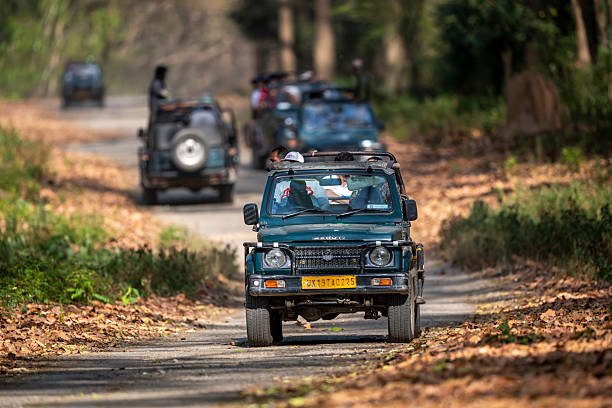
Vehicles: Safari vehicles are typically 4x4s, often customized with pop-up roofs or open sides for optimal viewing and photography. They are designed for comfort and to navigate the terrain of the parks.
Packing Essentials for Your Kenya Safari
Packing smart is crucial for a comfortable and enjoyable safari. Focus on light, practical clothing.
Clothing:
- Neutral Colors: Khaki, beige, olive green, or light brown are best. Avoid bright colors (which can startle animals) and dark colors like blue or black (which attract tsetse flies). White is also best avoided as it shows dirt easily.
- Layers: Mornings and evenings can be cool, especially in higher altitudes or during the dry season. Pack T-shirts, long-sleeved shirts, a fleece or sweater, and a light jacket.
- Trousers/Shorts: Comfortable walking trousers or shorts for daytime. Convertibles are useful.
- Rain Gear: A lightweight, waterproof jacket is advisable, especially during the green season.
- Swimsuit: For lodges with pools.
Footwear:
- Comfortable Walking Shoes: Broken-in trainers or light hiking boots.
- Sandals/Flip-flops: For relaxing at the lodge.
Accessories:
- Sun Protection: Wide-brimmed hat, sunglasses, high SPF sunscreen.
- Insect Repellent: Especially for evenings and areas near water.
- Binoculars: Essential for spotting wildlife at a distance.
- Camera: With extra batteries, memory cards, and a zoom lens.
- Chargers/Power Bank: For electronics.
- Adapter: Kenya uses Type G (UK-style) sockets, 230V.
- Headlamp/Torch: Useful for navigating camps at night.
- Personal First-Aid Kit: Include any personal medications.
- Reusable Water Bottle: To stay hydrated and reduce plastic waste.
Documents & Money:
- Passport: Valid for at least six months beyond your stay.
- Visas: Check requirements for your nationality. Many can be obtained online.
- Yellow Fever Certificate: May be required if arriving from certain countries.
- Travel Insurance Details: Essential for medical emergencies and trip cancellations.
- Cash: USD is widely accepted for tips and souvenirs. Carry some Kenyan Shillings too.
Health and Safety on a Kenya Safari
Your well-being is a top priority. Here’s what to consider for your health and safety:
- Vaccinations: Consult your doctor or a travel clinic at least 4-6 weeks before your trip. Recommended vaccinations often include Hepatitis A, Typhoid, Tetanus, and Polio. Yellow Fever vaccination may be required.
- Malaria Prevention: Kenya is a malaria-risk area. Discuss anti-malarial medication options with your doctor. Use insect repellent, wear long sleeves and trousers in the evenings, and sleep under mosquito nets where provided.
- Water: Drink only bottled or purified water. Avoid ice in drinks unless you are sure it’s made from purified water.
- Sun Exposure: The equatorial sun is strong. Protect yourself with sunscreen, hats, and sunglasses, and stay hydrated.
- Wildlife Encounters: Always follow your guide’s instructions. Maintain a safe distance from animals, never feed them, and remain inside your vehicle unless instructed otherwise.
- Road Safety: Safari vehicles are driven by experienced guides. Be aware of road conditions, which can be rough.
Top Guide Adventures ensures all its partners adhere to strict safety protocols to provide a secure and enjoyable safari experience for all travelers in 2026-2027.
Cultural Etiquette and Responsible Tourism in Kenya
Respecting local culture and practicing responsible tourism enhances your safari experience and benefits the communities and environment you visit.
- Dress Modestly: Especially when visiting local villages. Avoid overly revealing clothing.
- Ask Before Photographing: Always seek permission before taking photos of people.
- Support Local Communities: Purchase local crafts and support community-based tourism initiatives.
- Respect Wildlife: Do not litter, stay on designated paths, and never feed wild animals. Follow your guide’s advice on minimizing your impact.
- Tipping: Tipping is customary for guides, lodge staff, and drivers. Your tour operator can provide guidelines on appropriate amounts.
Top Guide Adventures is committed to promoting sustainable tourism practices that benefit local communities and conserve wildlife habitats.
Booking Your Kenya Safari for 2026-2027 with Top Guide Adventures
Planning a safari can seem complex, but with the right partner, it becomes an exciting journey. Top Guide Adventures offers comprehensive safari packages and tailor-made itineraries for Kenya, ensuring a smooth and memorable experience.
Why Choose Top Guide Adventures for Your Kenya Safari?
- Expertise: Deep knowledge of Kenya’s parks, wildlife, and logistics.
- Personalization: We craft bespoke itineraries tailored to your interests, budget, and travel style.
- Quality: We partner with reputable lodges and use well-maintained safari vehicles.
- Local Guides: Our guides are experienced, knowledgeable, and passionate about sharing Kenya’s wonders.
- Dedicated Support: From initial inquiry to your departure, we provide personal attention and support.
- Value: We strive to offer competitive pricing without compromising on quality.
Whether you’re looking for a classic Maasai Mara migration safari in 2026, a family adventure in 2027, or a specialized photography tour, we can help.
Getting Started with Your Booking
To begin planning your dream Kenya safari for 2026 or 2027, contact us:
- WhatsApp: +255616946642
- Email: info@topguideadventures.com
- Website: Visit Top Guide Adventures for more information and inspiration.
We look forward to helping you create an unforgettable Kenyan safari adventure!
Check Availability for Kenya Safaris & Travel Guide: Your Ultimate Adventure Plan 2026-2027
Ready to compare dates, prices, and the best option for your group? Send the package name and travel month so the team can reply with a clear quote, availability, and what is included.
Kenya Luxury Safari And Beach Holidays 2026-2027
Kenya Luxury Safari and Beach Holidays is explained with current 2026-2027 planning, price, itinerary and booking information.
View package detailsNo related package matches those filters. Clear one or more filters to see the other topic-matched options.



