
Tanzania cultural tours offering authentic encounters with the Maasai, Hadzabe, and Datoga tribes provide deeply rewarding experiences for travelers seeking to understand indigenous ways of life. These tours typically involve visiting traditional villages, learning about daily routines, participating in cultural activities, and gaining insights into the unique customs, beliefs, and histories of these distinct communities, with many tours available for planning in 2026 and 2027.
Experience the Heartbeat of Tanzania: Maasai, Hadzabe, and Datoga Cultural Journeys
Tanzania is a land of unparalleled natural beauty, from the vast plains of the Serengeti to the majestic peak of Kilimanjaro. Yet, beyond the iconic wildlife and dramatic landscapes lies an even richer, more profound dimension: its people and their ancient cultures. For travelers yearning for genuine connection and a deeper understanding of the world, a Tanzania cultural tour focusing on the Maasai, Hadzabe, and Datoga tribes offers an unforgettable journey into the soul of East Africa. These tours are not mere sightseeing excursions; they are carefully curated opportunities for respectful engagement, learning, and mutual exchange.
At Top Guide Adventures, we specialize in crafting these memorable experiences, ensuring that your interaction with these proud communities is both enriching for you and respectful of their traditions. We understand that cultural tourism is a delicate art, requiring sensitivity, authenticity, and a commitment to ethical practices. Our Maasai, Hadzabe, and Datoga cultural tours are designed to connect you directly with these peoples, offering a window into their distinct ways of life, their connection to the land, and their enduring heritage. Planning for 2026 and 2027, we are dedicated to providing unparalleled access and authentic experiences that go beyond the surface, fostering understanding and appreciation.
Why Choose a Cultural Tour with Maasai, Hadzabe, and Datoga Focus?
The appeal of visiting these specific tribes lies in their unique cultural identities and their significant roles in Tanzania’s rich human history. Each group offers a different perspective:
- The Maasai: Renowned for their vibrant red shuka, intricate beadwork, and deep connection to their cattle, the Maasai represent a pastoralist lifestyle that has endured for centuries. Their traditional bomas (homesteads) and their strong community structures are fascinating to observe.
- The Hadzabe (or Hadzapi): These are one of the last remaining hunter-gatherer tribes in Africa. Their intimate knowledge of the bush, their traditional hunting methods using bows and arrows, and their unique language, characterized by click consonants, offer a glimpse into a way of life that predates agriculture.
- The Datoga (or D’toga): Skilled artisans, particularly known for their metalworking and intricate facial tattoos, the Datoga have a rich history as warriors and pastoralists. Their communities often feature unique architectural styles and traditional crafts.
By focusing on these three distinct groups, your Tanzania cultural tour provides a multifaceted understanding of the diverse human mix that makes up this incredible nation. You’ll witness different approaches to survival, social organization, spirituality, and art, all within the impressive backdrop of Tanzania.
Planning Your 2026-2027 Tanzania Cultural Adventure: What to Expect
When you book a Tanzania cultural tour with Maasai, Hadzabe, and Datoga experiences through Top Guide Adventures, you are opting for an authentic and well-organized journey. We handle the logistics so you can focus on the experience. Here’s a general overview of what your adventure might entail, keeping in mind that itineraries can be customized to your interests and available time.
Typical Tour Durations and Itineraries
Cultural tours can range from short, focused day trips to more extensive multi-day immersions. For a comprehensive experience that allows for meaningful interaction with all three tribes, we typically recommend a duration of 7 to 14 days. This allows for travel time between locations, sufficient time at each community, and opportunities for deeper engagement.
A possible itinerary structure for a 10-day Tanzania cultural tour with Maasai, Hadzabe, and Datoga might look like this:
Sample 10-Day Cultural Immersion Itinerary (2026-2027)
- Day 1-2: Arrival in Arusha & Cultural Briefing
Arrive at Kilimanjaro International Airport (JRO). Transfer to your hotel in Arusha, the gateway to Northern Tanzania. Enjoy a pre-departure briefing from your guide, covering cultural etiquette, expectations, and insights into the tribes you will be visiting. This is also a good time to finalize any last-minute preparations for your Tanzania cultural tour. - Day 3-4: Maasai Cultural Experience near Arusha/Tarangire
Travel towards the Maasai lands, often in areas bordering national parks like Tarangire or in dedicated cultural heritage sites. Visit a traditional Maasai boma, interact with villagers, learn about their daily life, cattle herding practices, and perhaps witness traditional dances (like the ‘Adumu’ or jumping dance). You might also learn about medicinal plants and traditional Maasai remedies. Accommodation can be in a comfortable lodge or a more rustic camp. - Day 5-6: Journey to Lake Eyasi & Datoga Encounters
Drive to the Lake Eyasi region, a dramatic rift valley landscape. Here, you will spend time with the Datoga people. Focus on their skilled craftsmanship, particularly ironworking. Witness a blacksmith at work, shaping tools and jewelry using traditional methods passed down through generations. You may also learn about their pastoralist lifestyle and unique spiritual beliefs. Stay in a camp near the lake. - Day 7-8: Hadzabe Hunter-Gatherer Immersion
The highlight for many, spending time with the Hadzabe. Rise early to accompany hunters on a tracking expedition (respecting their customs and success rates). Learn about their deep knowledge of the bush, edible plants, and survival skills. Participate in activities like fire-making using traditional methods or observing their unique language. This is a truly special part of your Maasai, Hadzabe, and Datoga tour. - Day 9: Return towards Arusha / Relaxation
Begin your journey back towards Arusha, reflecting on the incredible cultural experiences. You might stop at local craft markets or enjoy a final scenic viewpoint. - Day 10: Departure
Transfer to JRO for your onward flight, carrying memories of your profound cultural encounters.
This is a sample, and Top Guide Adventures excels at tailoring these journeys. For instance, if you have more time, we can extend your stay with the Maasai, explore different Datoga communities, or dedicate more time to understanding the nuances of Hadzabe daily life. For 2026 and 2027 bookings, we encourage early planning to secure preferred dates and ensure the best possible arrangements.
Key Inclusions in Our Cultural Tours
When you book a Tanzania cultural tour with Maasai, Hadzabe, and Datoga focus through Top Guide Adventures, you can expect comprehensive support:
- Expert Local Guides: Our guides are not only knowledgeable about the geography and wildlife but also deeply familiar with the cultural protocols and have established relationships with the communities. They act as crucial bridges for respectful interaction.
- Authentic Community Access: We work directly with tribal elders and community leaders to arrange visits that are respectful, non-intrusive, and mutually beneficial. We ensure that a portion of your tour cost directly supports the communities.
- Accommodation: Depending on your preference and the location, accommodation can range from comfortable lodges and guesthouses in nearby towns to well-equipped tented camps or even basic, authentic cultural homestays for a truly in-depth experience.
- Transportation: Reliable 4×4 safari vehicles equipped for comfort and navigating varied terrain, ensuring safe and comfortable travel between destinations.
- Meals: Delicious meals prepared by experienced cooks, often featuring local ingredients, catering to various dietary needs.
- Park Fees & Community Contributions: All necessary fees for entering protected areas or cultural sites, as well as direct contributions to the communities you visit, are included.
What to Pack for Your Cultural Tour
Packing wisely is essential for comfort and respect. We provide a detailed packing list upon booking, but here are some key items:
- Lightweight, neutral-colored clothing (respectful of local customs – avoid overly revealing attire).
- Comfortable walking shoes or hiking boots.
- A hat and sunglasses for sun protection.
- Insect repellent.
- Sunscreen.
- A reusable water bottle.
- A small backpack for day trips.
- A camera and extra batteries/memory cards (always ask permission before photographing people).
- Personal medications.
- Hand sanitizer.
- A small gift for the community (e.g., school supplies, practical items – discuss with your guide beforehand for appropriate suggestions).
Deep look at the Maasai Culture
The Maasai are arguably one of the most iconic indigenous groups in East Africa, inhabiting parts of Kenya and northern Tanzania. Their culture is deeply intertwined with their semi-nomadic pastoralist lifestyle, centered around their cattle, which are considered a measure of wealth and status.
Daily Life and Social Structure
A visit to a Maasai boma (homestead) offers a fascinating glimpse into their social organization. Bomas are typically circular, enclosed by a thorny fence to protect people and livestock from predators. Within the boma, families live in huts made from mud, sticks, and cow dung. The community is led by elders, and decisions are made collectively. Children play a vital role in herding younger animals, while men are responsible for protecting the herds and the community.
The Significance of Cattle
For the Maasai, cattle are more than just livestock; they are central to their existence. They provide milk, blood (a vital source of protein, often mixed with milk), and meat. Cattle are used in dowries, for ceremonies, and are a symbol of social standing. The Maasai have an intimate understanding of their cattle’s needs and movements, often migrating with their herds in search of grazing land and water.
Maasai Traditions and Ceremonies
Maasai culture is rich in traditions and ceremonies that mark important life stages. The ‘Adumu’ or jumping dance, performed by warriors (‘morans’), is a well-known ritual where young men compete to jump the highest, demonstrating strength and agility. Other significant ceremonies include those marking the transition from boyhood to manhood (circumcision) and from warriorhood to elder status. These events are often accompanied by singing, dancing, and feasting.
Maasai Art and Adornment
Maasai art is most famously expressed through their intricate beadwork. Colorful beads are fashioned into necklaces, bracelets, earrings, and headdresses, each often carrying symbolic meaning related to age, social status, and marital status. The men, particularly the ‘morans’, are known for their distinctive hairstyles and adornments. The vibrant red ‘shuka’ (cloth) worn by both men and women is another iconic element of Maasai identity.
Ethical Maasai Encounters
Top Guide Adventures ensures that visits to Maasai communities are conducted ethically. This means respecting their privacy, engaging in genuine dialogue, and ensuring that tourism benefits the community directly. We often arrange visits to communities that are actively involved in tourism initiatives, allowing them to share their culture on their own terms and receive fair compensation for their time and hospitality. For your Tanzania cultural tour in 2026 or 2027, we prioritize authenticity and respect.
Exploring the World of the Hadzabe Bushmen
The Hadzabe, living around the remote shores of Lake Eyasi in Tanzania, are a remarkable people who maintain one of the world’s last remaining hunter-gatherer lifestyles. Their existence is a testament to a deep, ancestral connection with the natural environment.
Hunter-Gatherer Lifestyle
The Hadzabe’s daily life revolves around foraging for food and hunting. Men typically hunt with hand-carved bows and arrows, often tipped with poison derived from plants or animal parts, targeting small game like antelopes, warthogs, and birds. Women and children are skilled gatherers, collecting a wide variety of edible plants, roots, berries, fruits, and honey. Their knowledge of the bush is profound, knowing which plants are medicinal, edible, or poisonous, and understanding animal behavior intimately.
The Hadzabe Language
One of the most distinctive features of the Hadzabe is their unique language, characterized by a variety of click consonants, similar to those found in the Khoisan languages of Southern Africa. This linguistic feature has long intrigued anthropologists and linguists, suggesting ancient connections and migrations. Learning a few basic Hadzabe greetings, with the help of your guide, can be a rewarding part of your experience.
Community and Social Dynamics
Hadzabe society is egalitarian and fluid, with small, mobile bands forming the basis of their social structure. They do not have formal chiefs or leaders in the way other tribes do. Decisions are often made communally, and resources are shared. Their campsites are temporary, reflecting their nomadic lifestyle, often constructed from branches and grass. They have a strong spiritual connection to the land and the animals they share it with.
Respectful Engagement with the Hadzabe
Visiting the Hadzabe requires the utmost sensitivity. Their traditional lifestyle is increasingly under pressure from land encroachment and external influences. Top Guide Adventures works with specific Hadzabe communities that have chosen to engage with visitors, ensuring that your presence is welcomed and that your visit contributes positively to their well-being. This might involve purchasing their handcrafted bows and arrows or providing practical support. During your cultural tour in Tanzania 2026-2027, observing their hunting and gathering techniques firsthand is a truly unique privilege.
What to Expect on a Hadzabe Visit
An encounter with the Hadzabe is often an early morning affair. You might join the men as they track game, or observe the women gathering food. You’ll learn about their fire-making techniques, their simple yet effective tools, and their deep understanding of the environment. It’s important to remember that this is their life, not a performance, and observing with respect is paramount. Your guide will facilitate communication and ensure that interactions are appropriate and meaningful.
Discovering the Datoga Artisans and Pastoralists
The Datoga people, also known as the D’toga, are a pastoralist tribe found in northern Tanzania, particularly around the Lake Eyasi basin and towards the Ngorongoro Conservation Area. They are renowned for their distinct cultural practices, including their impressive metalworking skills and traditional tattoos.
Datoga Artisanship: Blacksmithing Prowess
The Datoga are among the most skilled blacksmiths in Tanzania. Their workshops, often found within their villages, are places where ancient techniques are still practiced. Using bellows made from animal skins, they heat iron ore and hammer it into shape to create essential tools, agricultural implements, hunting knives, and intricate jewelry. Observing a Datoga blacksmith at work is a interesting experience, showcasing a mastery of a craft that has sustained their communities for generations. You can often purchase these unique, handcrafted items directly from the artisans, providing valuable income.
Facial Tattoos and Traditional Dress
Datoga women are known for their distinctive facial and body tattoos, often featuring geometric patterns etched into their skin. These tattoos are considered a sign of beauty and are an important part of their cultural identity. They also adorn themselves with elaborate beadwork and wear traditional leather garments.
Pastoralist Lifestyle and Village Life
Like the Maasai, the Datoga are primarily pastoralists, herding cattle, goats, and sheep. Their villages are typically made of mud and thatch, often with a central enclosure for livestock. The social structure involves elders who guide the community, and traditional beliefs play a significant role in their daily lives. While they share pastoralist traits with the Maasai, their customs, language, and artistic expressions are distinctly their own.
Interactions with the Datoga
A visit to a Datoga village allows for a close look at their daily activities, from tending to livestock to the intricate work of the blacksmiths. We facilitate respectful visits where you can observe their crafts, learn about their traditions, and interact with community members. Your guide will ensure that your visit is welcomed and that you gain genuine insights into Datoga life. This aspect of your Tanzania cultural tour provides a unique perspective on the diverse livelihoods within the country.
Choosing the Right Cultural Tour Operator: Top Guide Adventures
Selecting the right tour operator is crucial for an authentic, ethical, and memorable Tanzania cultural tour with Maasai, Hadzabe, and Datoga experiences. Top Guide Adventures is committed to providing unparalleled service and genuine cultural immersion.
Our Commitment to Authenticity and Ethics
We believe that cultural tourism should be a force for good. Our principles include:
- Respectful Engagement: We prioritize interactions that are non-intrusive and respectful of the tribes’ customs, privacy, and dignity.
- Community Benefit: We ensure that a significant portion of your tour cost directly benefits the communities you visit, through fair payments for visits, opportunities to purchase crafts, and support for community projects.
- Authentic Experiences: We aim to provide genuine insights into the daily lives, traditions, and beliefs of the Maasai, Hadzabe, and Datoga, avoiding staged performances or overly commercialized interactions.
- Experienced Local Guides: Our guides are locals with deep cultural understanding and established relationships within the communities. They are essential in facilitating meaningful and respectful exchanges.
Why Book Your 2026-2027 Cultural Tour with Us?
Top Guide Adventures offers:
- Personalized Itineraries: We tailor every tour to your interests, budget, and timeframe. Whether you want to focus more on the Maasai or spend extra time with the Hadzabe, we can design the perfect itinerary.
- Unrivaled Expertise: With years of experience in organizing tours across Tanzania, we have the knowledge and connections to offer unique cultural experiences.
- Safety and Comfort: We use well-maintained 4×4 vehicles and experienced drivers, ensuring your safety and comfort throughout the journey.
- Dedicated Support: From your initial inquiry to your departure, our team provides constant support. You can reach us via WhatsApp at +255616946642 or email us at info@topguideadventures.com. We also have a backup email at .
- Competitive Pricing: We offer excellent value for money, ensuring that your investment in a cultural tour contributes to both your enriching experience and the well-being of the communities. While exact pricing for 2026 and 2027 tours depends on the itinerary and accommodation choices, we provide transparent quotes.
Frequently Asked Questions About Tanzania Cultural Tours
We understand you might have questions about embarking on a cultural journey. Here are some common queries:
Can I take photos of people during the tour?
It is crucial to always ask for permission before taking photographs of individuals, especially children. While many communities are open to being photographed, it is a sign of respect to ask first. Your guide will assist you with this. Be mindful of cultural sensitivities; some individuals may prefer not to be photographed.
What is the best time of year for a cultural tour?
Cultural tours can be undertaken year-round. However, the dry seasons (June to October and December to February) are generally more comfortable for travel due to less rain. The shoulder seasons can also offer pleasant weather and fewer crowds. The timing of certain cultural ceremonies may influence specific dates for some travelers.
How much should I tip my guide and local hosts?
Tipping is customary for guides and drivers. Your tour operator will provide specific recommendations based on the length and complexity of your tour. For community visits, it’s often more appropriate to offer a collective gift to the village or specific contributions for crafts purchased, rather than individual tips, as advised by your guide.
Are these tours safe?
Top Guide Adventures prioritizes your safety. Our experienced guides are trained in first aid, and we use reliable transportation. We work with communities that are accustomed to visitors and ensure respectful interactions. The areas visited are generally safe for tourism, but standard travel precautions should always be observed.
What if I want a more customized itinerary for 2026 or 2027?
Customization is our specialty! We encourage you to contact us with your specific interests, desired duration, and budget. Whether you wish to spend more time learning about Maasai traditions, explore deeper into Hadzabe survival skills, or explore unique Datoga crafts, we can design a bespoke Tanzania cultural tour for you.
Making Your Booking for 2026-2027
Planning your Tanzania cultural tour with Maasai, Hadzabe, and Datoga experiences is an exciting prospect. Whether you are looking to book for late 2026 or any time in 2027, we recommend starting the planning process well in advance to secure your preferred dates and ensure the best possible arrangements. Our team is ready to assist you every step of the way.
To get a personalized quote or discuss your dream cultural adventure, please reach out to us:
- WhatsApp: +255616946642
- Email: info@topguideadventures.com
- Backup Email:
We look forward to helping you create a meaningful and unforgettable Tanzania cultural tour that offers genuine connection and deep insights into the lives of the Maasai, Hadzabe, and Datoga people. Let Top Guide Adventures be your trusted partner in exploring the rich cultural heritage of Tanzania in 2026 and 2027.
Check Availability for Tanzania Cultural Tours: Maasai, Hadzabe & Datoga Experiences In 2026-2027
Ready to compare dates, prices, and the best option for your group? Send the package name and travel month so the team can reply with a clear quote, availability, and what is included.

Nubian Village Cultural Experiences In Tanzania: A Deep Dive With Top Guide
Explore the rich cultural heritage of Nubian villages in Tanzania. Top Guide Adventures offers in-depth experiences, highlighting traditions, daily life, and community connections for your...
View package detailsHistorical Sites In East Africa & Cultural Safari Tours In 2026-2027
Discover East Africa's compelling historical sites and vibrant cultural experiences through specialized safari tours in 2026-2027. This guide covers key locations, tour types, and planning...
View package details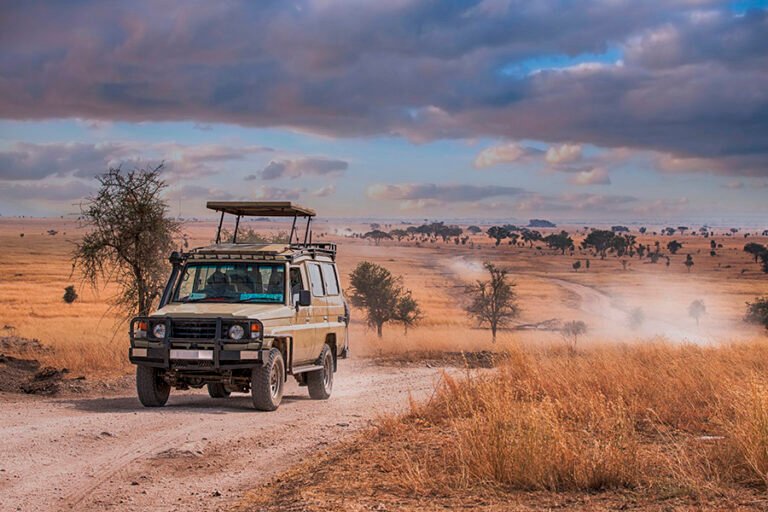
Sudan Red Sea Marine Heritage: Exploring Underwater Wonders And Cultural
Explore the unparalleled marine heritage of Sudan's Red Sea coast. This guide covers its rich biodiversity, historical shipwrecks, vibrant coral ecosystems, and tips for responsible...
View package details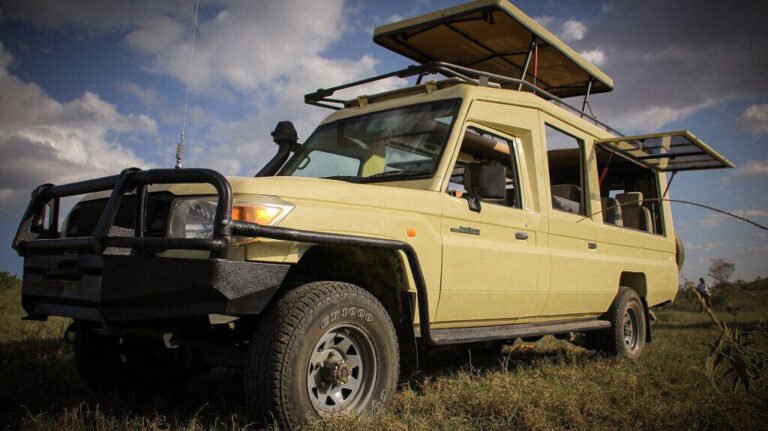
Sudan Nubian Pyramids And Nile Heritage Guide: Ancient Wonders & Cultural
Discover the unparalleled ancient wonders of Sudan's Nubian Pyramids and the rich cultural heritage along the Nile River. This comprehensive guide provides essential information for...
View package detailsTripoli Architecture And Cultural Heritage: A Deep Look At Libyas Historic
Discover the architectural marvels and vibrant cultural heritage of Tripoli, Libya's historic coastal capital. This guide covers its Roman, Arab, Ottoman, and Italian influences, offering...
View package details
Ghardaïa And Mzab Valley Cultural Guide: Ancient Algerias Living Heritage
Your definitive guide to Ghardaïa and the M'Zab Valley, exploring the unique Mozabite culture, traditional architecture, and historical significance of this Algerian UNESCO World Heritage...
View package details
Algiers Casbah Cultural Experience: A Deep Look At History And Heritage
experience the living history of Algiers by experiencing its Casbah, a UNESCO World Heritage site. This guide explores its rich cultural mix, historical significance, architectural wonders...
View package details
Tunisia Cultural, Coastal And Sahara Tour Guide
Discover Tunisia's diverse landscapes and rich heritage on a comprehensive tour. Explore ancient ruins, relax on Mediterranean beaches, and traverse the majestic Sahara Desert. This...
View package details
Egypt Red Sea And Cultural Holiday: Your Ultimate Adventure 2026-2027
Discover the perfect blend of ancient history and vibrant marine life on an Egypt Red Sea and Cultural Holiday. This guide covers itineraries, activities, and planning for your 2026-2027...
View package details
Morocco Food And Cultural Holiday: A Deep Dive 2026-2027
Plan your dream Morocco food and cultural holiday. This comprehensive guide covers essential insights for 2026-2027 travel, from iconic dishes to deep dives into local traditions, ensuring...
View package details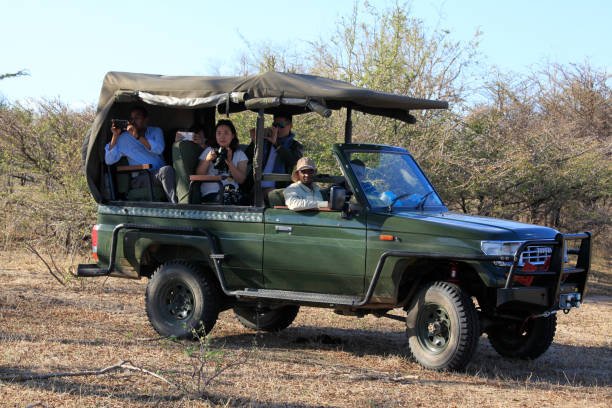
Atlas Mountains And Sahara Adventure: Your Ultimate Tanzania Expedition
start an unforgettable journey through the Atlas Mountains and Sahara Desert, experiencing the raw beauty and rich culture of Tanzania. This comprehensive guide covers everything you need...
View package details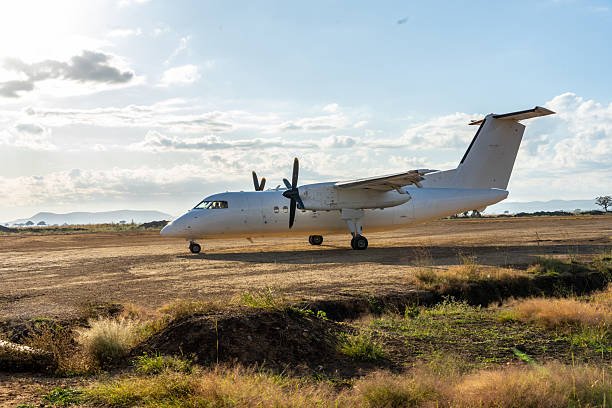
Juba Cultural And Historical Experiences: A Deep Dive For 2026-2027
Discover the vibrant cultural heritage and pivotal historical sites of Juba, South Sudan. This guide offers an in-depth look at experiences for travelers in 2026-2027, from traditional life...
View package detailsNo related package matches those filters. Clear one or more filters to see the other topic-matched options.



