
When packing for a safari, focus on comfortable, breathable clothing in neutral colors like khaki, olive green, or beige, avoiding bright colors that can startle wildlife or dark colors that attract tsetse flies. Layers are key: pack short-sleeved shirts, long-sleeved shirts for sun and insect protection, comfortable trousers or convertible pants, a fleece or warm jacket for cooler evenings and early mornings, and sturdy, broken-in walking shoes. A wide-brimmed hat and sunglasses are essential for sun protection.
Choosing the Right Safari Wardrobe: A Comprehensive Guide
A well-planned safari wardrobe is more than just about looking the part; it’s about ensuring your comfort, safety, and ability to fully appreciate the incredible wildlife and landscapes of Tanzania. The clothing you wear on safari directly impacts your experience, from how well you blend in with your surroundings to how protected you are from the sun and insects. At Top Guide Adventures, we understand that packing can be a daunting part of planning your dream Tanzanian adventure, whether it’s a Serengeti safari, a Ngorongoro Crater tour, or a Kilimanjaro climb. This guide will break down exactly what clothes you should wear on safari, focusing on practicality, functionality, and suitability for the East African climate and environment throughout 2026 and 2027.
The core principle of safari dressing is layering and versatility. The weather can change rapidly, especially in different altitudes and at different times of day. Mornings can be cool, sometimes even cold, while midday can be hot and sunny. Your clothing choices should accommodate these shifts seamlessly, allowing you to adjust your attire without discomfort.
The Golden Rules of Safari Clothing Colors
Color is perhaps the most critical factor when selecting your safari attire. The goal is to blend in with the natural environment, not to stand out. This is important for two main reasons: animal behavior and insect protection.
Why Neutral Colors?
Wildlife on safari is naturally skittish. Bright, vibrant colors – reds, yellows, electric blues, and stark whites – can be perceived as alarming by animals, causing them to flee or become agitated. This can significantly hinder your wildlife viewing opportunities. Neutral tones mimic the earth, grasses, and muted foliage of the savanna, allowing you to observe animals more closely and naturally.
The best colors for safari clothing are:
- Khaki: A classic safari color, versatile and blends well.
- Olive Green: Excellent for camouflage in grassy and bush environments.
- Beige and Tan: Similar to khaki, these are practical and unobtrusive.
- Light Brown and Earth Tones: Reflect the dry savanna landscape.
- Muted Blues and Grays: Can work, but avoid overly bright or dark shades.
What to Avoid and Why
Conversely, certain colors should be avoided:
- Bright Colors (Red, Orange, Yellow, Pink, Bright Blue): These are highly visible and can scare animals away. Red, in particular, is often associated with danger by many animals.
- Dark Blue and Black: These colors are known to attract tsetse flies, which can deliver a painful bite and transmit diseases like sleeping sickness. While the risk might be low on many tourist routes, it’s best to err on the side of caution.
- White: While it might seem like a good neutral, white can be too stark and easily get dirty on a dusty safari. It also doesn’t offer the best camouflage.
When planning your packing list for a safari in 2026 or 2027, make sure the majority of your clothing falls into the recommended neutral color palette.
Fabric Choices: Comfort and Functionality
The materials your clothing is made from play a huge role in your comfort, especially under the African sun. You’ll want fabrics that are breathable, quick-drying, and comfortable against your skin.
Recommended Fabrics:
- Cotton and Cotton Blends: Lightweight cotton is excellent for breathability and comfort in warm weather. However, pure cotton can be slow to dry if it gets wet from sweat or rain. Cotton blends can offer a good balance of comfort and durability.
- Linen: Highly breathable and cool, making it ideal for hot climates. It does wrinkle easily, which might not bother some but could be a consideration for others.
- Moisture-Wicking Synthetics (Polyester, Nylon Blends): Modern performance fabrics are fantastic for safaris. They are lightweight, durable, quick-drying, and often have UPF (Ultraviolet Protection Factor) ratings. These are particularly good for active days or if you anticipate significant sweating. Look for these in travel-specific clothing lines.
Fabrics to Limit:
- Denim: Heavy denim jeans are generally not recommended. They are hot, slow to dry, and can be restrictive, especially if you’re spending a lot of time in a vehicle.
- Heavy Wool or Fleece (as base layers): While a fleece is good for warmth, heavy wool layers directly against the skin can be too hot for daytime.
- Shiny or Slippery Synthetics: Some synthetic materials can feel clammy and don’t breathe well, leading to discomfort.
Consider packing a mix of natural and synthetic fabrics to cover all your needs. For instance, cotton shirts for casual wear and synthetic tops for more active days or longer drives.
Essential Clothing Items for Your Safari Packing List
Let’s break down the specific items you’ll need. The key is to pack versatile pieces that can be mixed and matched.
Tops:
- Short-Sleeved Shirts: 2-3 lightweight, breathable shirts in neutral colors. These are great for warm days.
- Long-Sleeved Shirts: 2-3 lightweight, breathable shirts. These are crucial for sun protection during the day and insect protection in the evenings. Look for ones with collars for added neck protection. Many travel shirts offer built-in UPF protection.
- A Warm Layer: 1 fleece jacket or a warm, lightweight insulated jacket. Essential for early morning game drives and evenings, especially in cooler months or higher altitudes like the Ngorongoro Crater rim.
- A Versatile Sweater or Cardigan: A mid-weight option can be useful for layering over a t-shirt or under a jacket.
Bottoms:
- Trousers/Pants: 2-3 pairs of comfortable, lightweight trousers. Convertible pants that zip off into shorts are incredibly practical, offering versatility for changing temperatures. Cargo pants with pockets are also useful for carrying small items. Avoid jeans.
- Shorts: 1-2 pairs of comfortable shorts. These are good for hotter days, but trousers are often preferred for evenings due to insect protection.
Outerwear:
- Lightweight, Waterproof Jacket: A rain jacket or a windbreaker is advisable, especially during the rainy seasons (typically March-May and November). It can also provide an extra layer of warmth.
Undergarments and Sleepwear:
- Underwear: Pack enough for your trip, considering laundry options. Moisture-wicking fabrics are a good choice.
- Socks: Several pairs of comfortable socks. Consider thicker hiking socks if you plan on any walking excursions, and thinner socks for everyday wear.
- Pajamas: Lightweight sleepwear.
Footwear:
- Comfortable Walking Shoes/Hiking Boots: Essential if your safari includes walking safaris or any significant trekking. Ensure they are well broken-in before your trip to avoid blisters.
- Closed-toe Shoes: Comfortable sneakers or walking shoes for everyday wear in the vehicle and around lodges.
- Sandals or Flip-flops: Useful for relaxing at the lodge or in your room.
Accessories:
- Wide-brimmed Hat: Absolutely crucial for sun protection for your face, neck, and ears. A safari hat with a chin strap is ideal for windy conditions.
- Sunglasses: Protect your eyes from the strong sun. Polarized lenses are great for reducing glare.
- Scarf or Bandana: Versatile for dust protection, sun protection, or a bit of warmth.
- Swimsuit: If your lodge has a pool.
Remember to pack items that are easy to care for. Many lodges offer laundry services, which can help you pack lighter. When planning for 2026-2027 safaris, consider the time of year for specific weather patterns.
Layering for All Conditions
The concept of layering is fundamental to safari dressing. It allows you to adapt to the fluctuating temperatures and conditions throughout the day.
The Base Layer:
This is your first layer against the skin. Opt for lightweight, breathable fabrics like cotton or moisture-wicking synthetics. T-shirts and lightweight long-sleeved tops are ideal.
The Mid Layer:
This layer provides insulation. A fleece jacket, a warm sweater, or a lightweight down vest works well. It can be added or removed as needed.
The Outer Layer:
This is your protection against the elements. A waterproof and windproof jacket is essential, especially during the wetter months. It can also serve as an extra warmth layer when needed.
By combining these layers, you can stay comfortable whether it’s a chilly dawn game drive, a hot midday sun, or a cool evening under the stars. This strategy is particularly important for safaris that might include varied altitudes, such as a visit to the Ngorongoro Conservation Area.
Footwear on Safari: Comfort and Practicality
Your feet will thank you for choosing the right footwear. Comfort and support are paramount, especially if your itinerary involves any walking.
Walking Safaris and Hiking:
If you’re planning on walking safaris, which are offered in some areas of Tanzania, sturdy, ankle-supporting hiking boots are a must. Ensure they are well broken-in to prevent blisters. Good traction is also important for uneven terrain.
Everyday Safari Wear:
For game drives and general exploration, comfortable, closed-toe shoes are best. Sneakers, trail runners, or sturdy walking shoes are excellent choices. They offer protection and comfort for long hours spent in a safari vehicle.
Lodge Wear:
A pair of sandals or flip-flops is useful for relaxing at your lodge, especially if it has a swimming pool. These are easy to slip on and off.
Important Tip: Avoid brand-new shoes. Always wear your safari footwear for a few days before your trip to ensure they are comfortable and don’t cause any issues.
Headwear and Eyewear: Essential Protection
The African sun can be intense. Protecting your head and eyes is vital for comfort and preventing sunburn or heatstroke.
The Safari Hat:
A wide-brimmed hat is non-negotiable. It shields your face, neck, and ears from the sun’s harsh rays. Look for a hat made of breathable material. A chin strap is a great feature for windy conditions, preventing your hat from blowing away during game drives.
Sunglasses:
Invest in a good pair of sunglasses. Polarized lenses are highly recommended as they reduce glare from the sun, making it easier to spot wildlife and reducing eye strain. They also offer protection from dust.
Specific Considerations for Different Safari Activities
While the general principles apply across the board, certain activities might warrant slight adjustments to your packing list.
Walking Safaris:
As mentioned, sturdy hiking boots are essential. You’ll also want comfortable, breathable trousers (not shorts) for full leg protection against sun, insects, and thorny bushes. Lightweight, moisture-wicking shirts are ideal.
Cultural Visits:
When visiting local villages or communities, it’s respectful to dress more conservatively. This means covering your shoulders and knees. Long trousers or skirts and shirts with sleeves are recommended. While neutral colors are still fine, avoid anything too revealing.
Kilimanjaro Climbs:
If your trip combines a safari with a Kilimanjaro climb, you’ll need specialized trekking gear. This includes thermal base layers, waterproof and windproof outer shells, sturdy hiking boots, and warm accessories like gloves and a beanie. Our Machame Route Kilimanjaro tours page provides detailed packing lists for climbers.
Zanzibar Holidays:
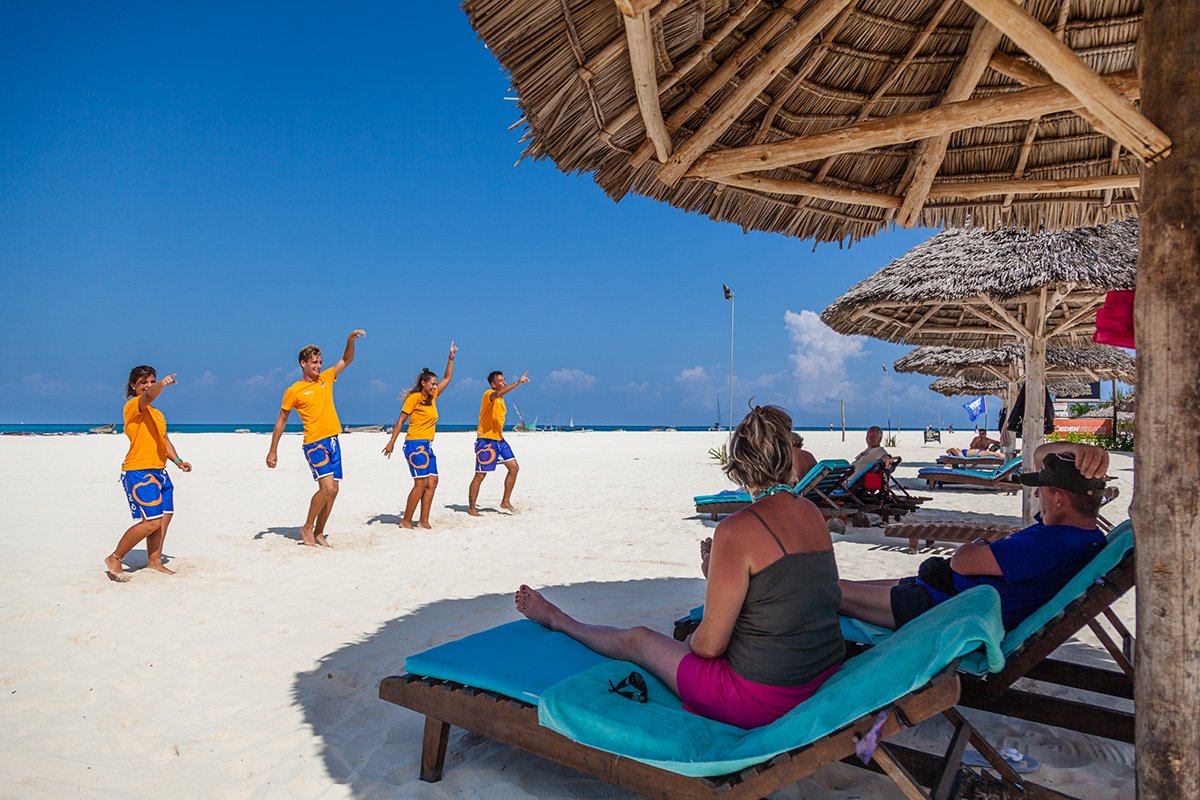
For beach destinations like Zanzibar, you’ll need swimwear, light casual wear, and sun protection. While conservative dress is advised when visiting towns or villages, beachwear is acceptable at resorts.
What About Laundry on Safari?
Most safari lodges and tented camps offer laundry services, though they can vary in cost and turnaround time. Some may hand-wash items, while others have more extensive facilities. It’s wise to check with your lodge in advance.
This service is a important choice for packing light. You can often get away with packing fewer outfits if you plan to use laundry services every few days. This is especially useful for longer safaris in 2026 or 2027.
Tip: Pack a small amount of travel-sized laundry soap if you plan on hand-washing small items in your room.
Packing for Different Seasons in Tanzania
Tanzania has distinct seasons, and your packing list might need minor adjustments based on when you travel.
Dry Season (June to October):
This is the most popular time for safaris. The weather is generally sunny and dry. You’ll need lightweight clothing for the day, but pack warm layers for cool mornings and evenings. Temperatures can drop significantly, especially in higher elevations like the Ngorongoro Crater.
Short Rains (November to December):
Expect scattered showers. Days can still be warm and sunny, but bring a light waterproof jacket. Layers are still essential as temperatures can vary.
Long Rains (March to May):
This is the wet season. While game viewing can still be excellent (and lodges less crowded), be prepared for frequent rain. A good waterproof jacket and trousers are highly recommended. Days can be cooler, so warmer layers are important. The landscape is lush and green, offering beautiful photographic opportunities.
Hot Season (January to February):
These months can be very hot and dry, particularly in the low-lying areas. Focus on lightweight, breathable fabrics. Hydration is key, and sun protection is paramount.
No matter the season in 2026 or 2027, always pack layers and neutral colors. The core safari wardrobe remains consistent.
A Note on Footwear for Specific Locations
While most of your safari time will be spent in a vehicle, comfortable footwear is still important for short walks at viewpoints, lodges, or during walking safaris.
- Closed-toe shoes are generally preferred for most situations to protect against dust, insects, and rough terrain.
- If you plan on visiting the Ngorongoro Crater floor, expect dusty conditions. Your shoes should be easy to clean.
- For climbing Kilimanjaro, specialized mountaineering boots are required.
What to Wear on a Luxury Safari vs. Budget Safari
The fundamental principles of safari clothing (neutral colors, breathable fabrics, layers) apply regardless of your budget. However, there might be slight differences in emphasis:
- Luxury Safaris: While comfort and practicality remain key, you might have more opportunities for laundry services and potentially more relaxed dress codes at high-end lodges. You might choose slightly more refined fabrics or styles, but still within the neutral color palette. Think stylish linen shirts or high-quality cotton trousers.
- Budget Safaris: Durability and versatility become even more important. Clothing that can withstand more wear and tear and dries quickly is beneficial. You might rely more on convertible pants and multi-purpose items. Laundry services might be more basic or limited, so packing smart is crucial.
Regardless of your budget, Top Guide Adventures ensures an exceptional experience. Whether you opt for a 2026 luxury lodge safari or a 2027 budget-friendly camping safari, your clothing choices will significantly enhance your comfort and enjoyment.
Packing for Children on Safari
Children need comfort and protection too. The same principles apply:
- Lightweight, breathable clothing in neutral colors.
- Long-sleeved shirts and trousers for sun and insect protection.
- Comfortable walking shoes.
- A wide-brimmed hat.
- Layers for changing temperatures.
- Consider quick-drying fabrics as children can be more prone to spills and sweat.
Ensure clothing is not too tight and allows for freedom of movement. Pack a few extra pairs of clothes, as spills and dirt are common.
The Importance of a Good Daypack
While not clothing, a daypack is essential for carrying your safari essentials. It should be large enough to hold:
- Water bottle
- Sunscreen
- Insect repellent
- Camera and extra batteries/memory cards
- Binoculars
- A light jacket or sweater
- Snacks
- A small first-aid kit
Choose a comfortable, well-fitting daypack, preferably in a neutral color.
What to Wear on Your Flight to Tanzania
You’ll be traveling a long way, so comfort is key. Wear comfortable layers, as airplane temperatures can vary. It’s often a good idea to wear your bulkiest items, like hiking boots or a fleece jacket, on the plane to save space in your luggage.
Final Packing Checklist Summary for Safari Clothing
To make your planning for a 2026 or 2027 safari as smooth as possible, here’s a quick checklist:
Safari Clothing Checklist:
- Tops: 2-3 short-sleeved, 2-3 long-sleeved (neutral colors, breathable fabric)
- Bottoms: 2-3 pairs of lightweight trousers or convertible pants, 1-2 pairs of shorts (neutral colors)
- Warm Layer: 1 fleece jacket or warm sweater
- Outer Layer: 1 lightweight waterproof/windproof jacket
- Underwear & Socks: Sufficient for trip duration, consider moisture-wicking
- Sleepwear: Lightweight pajamas
- Footwear: Comfortable walking shoes/sneakers, hiking boots (if needed), sandals/flip-flops
- Headwear: Wide-brimmed hat with chin strap
- Eyewear: Sunglasses
- Accessories: Scarf/bandana, swimsuit (optional)
Making the Most of Your Safari Experience with Top Guide Adventures
Choosing the right clothes is a significant step towards a successful and enjoyable safari. At Top Guide Adventures, we are dedicated to providing you with an unforgettable experience in Tanzania. Our expert guides will ensure you have ample opportunities to witness the incredible wildlife, from the vast plains of the Serengeti to the depths of the Ngorongoro Crater.
We organize complete travel experiences across Tanzania, offering personal attention and dedicated support for every client. Whether you’re planning a safari for 2026, booking a tour for 2027, or considering a tailor-made journey, our team is here to help. We specialize in Tanzania safaris, Serengeti and Ngorongoro tours, Kilimanjaro climbs, Zanzibar holidays, cultural experiences, day trips, beach vacations, and airport transfers across Northern and Southern Tanzania.
Ready to plan your dream safari? Don’t hesitate to reach out to our travel experts. We can answer all your questions and help you craft the perfect itinerary, ensuring you pack appropriately for your adventure. Contact us today!
WhatsApp: +255616946642
Email: info@topguideadventures.com
Backup Email: (Please specify if you have a backup email to list)
Visit our website to explore our tours and start planning: Top Guide Adventures Tanzania.
Check Availability for What Clothes Should You Wear On Safari? Your Essential Tanzania Packing…
Ready to compare dates, prices, and the best option for your group? Send the package name and travel month so the team can reply with a clear quote, availability, and what is included.



