
Generally, you should book an African safari 6 to 12 months in advance, especially if you plan to travel during peak seasons (like June to October for Tanzania’s dry season) or want specific lodges, private guides, or family accommodations for 2026 or 2027. For more flexible travel or off-peak dates, 3 to 6 months might suffice, but earlier booking always secures better options.
Understanding the Safari Booking Window: Why Timing Matters
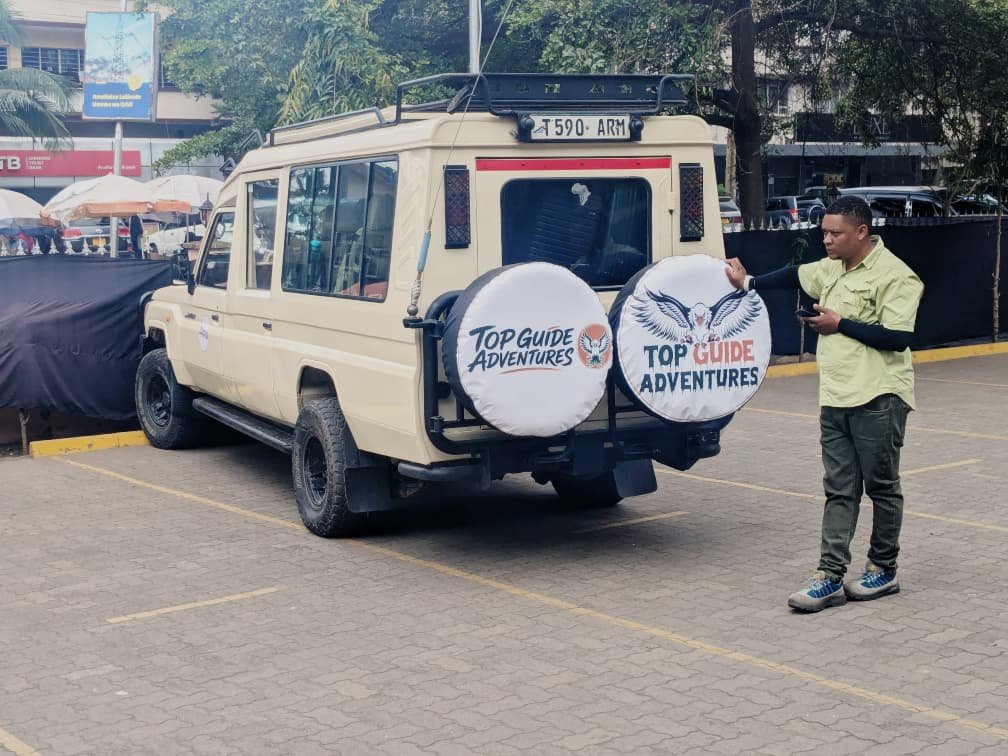
An African safari is more than just a holiday; it’s a carefully orchestrated experience that often involves remote locations, specialized lodges, and precise logistical planning. The question of how far in advance you should book an African safari is crucial for ensuring your trip is everything you dreamed of, without the stress of last-minute scrambles or missing out on prime experiences. At Top Guide Adventures, we guide travelers through this process, helping them navigate the best booking times for their unique safari aspirations in Tanzania and beyond.
The ideal booking window is influenced by several key factors, including the seasonality of wildlife viewing, the availability of sought-after accommodations, the demand for specific safari routes or parks, and the need for customized itinerary planning. For popular destinations like the Serengeti, Ngorongoro Crater, and the Masai Mara (in neighboring Kenya), or for iconic events like the Great Migration, booking well in advance is not just recommended—it’s often essential.
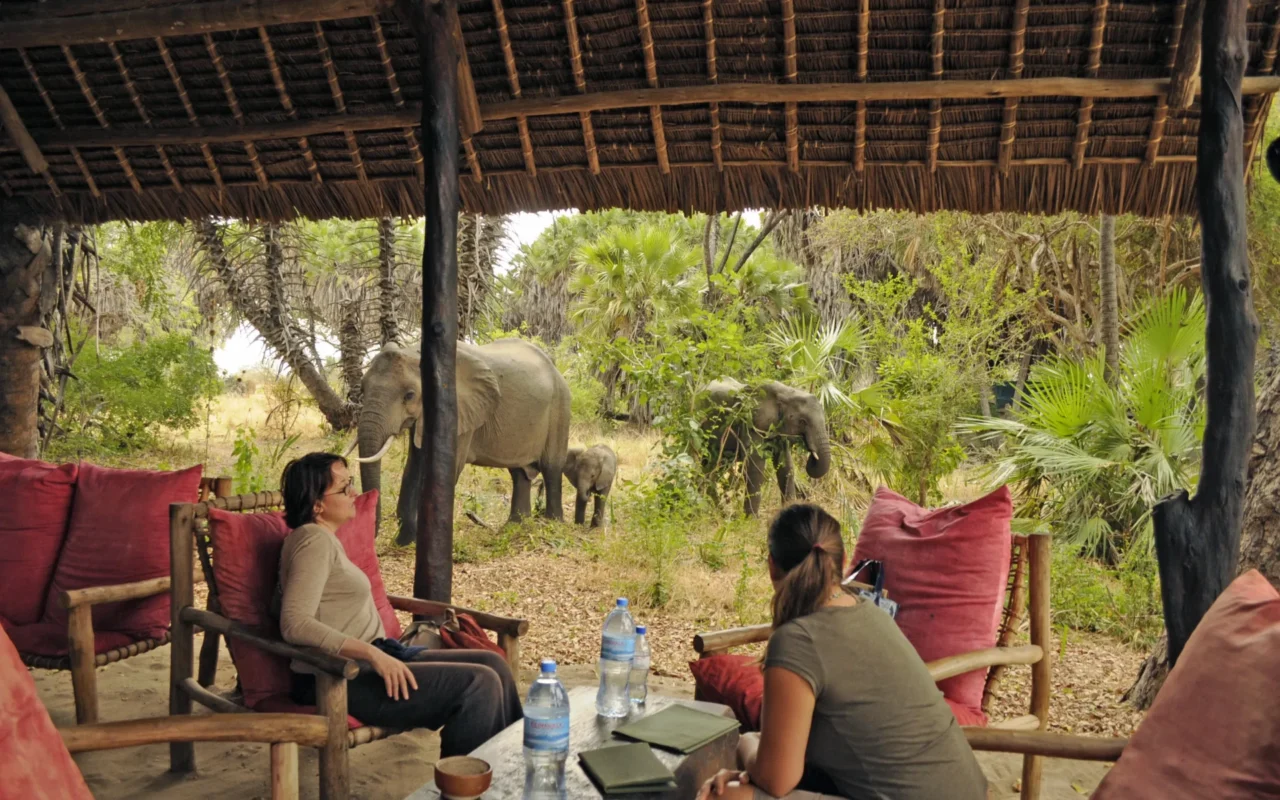
Consider that the most desirable lodges, particularly those offering prime locations or exclusive experiences, can be fully booked 12 months or even more ahead, especially for family rooms or specific dates. Similarly, the best safari guides and vehicles are in high demand. By understanding these dynamics, you can approach your safari planning with confidence, ensuring that your 2026 or 2027 adventure is booked at the optimal time.
Peak Season vs. Shoulder Season: Impact on Booking Time
The timing of your safari significantly influences how far in advance you need to book. African wildlife viewing is often tied to distinct seasons, and these seasons directly correlate with tourist demand.
Peak Safari Seasons (High Demand, Earlier Booking Needed)
Peak seasons are characterized by the most favorable weather conditions for game viewing, typically the dry season. In Tanzania, this generally falls between June and October. During these months:
- Dry Conditions: Wildlife congregates around permanent water sources, making them easier to spot. Vegetation is less dense, improving visibility.
- The Great Migration: For Serengeti National Park, this period often coincides with crucial stages of the Great Migration, drawing immense global interest. Witnessing the river crossings, particularly in the Grumeti or Mara rivers, is a bucket-list experience for many.
- Pleasant Weather: Cooler temperatures and less rainfall make for comfortable safari days.
Due to these ideal conditions, peak season is the most popular time to visit. This surge in demand means:
- Accommodation fills up quickly: The most sought-after lodges and tented camps, especially those with prime locations or luxury amenities, can be fully booked 9 to 15 months in advance for peak season travel in 2026 and 2027.
- Flights and internal transfers are limited: Popular flight routes and transfer times also become scarce.
- Prices tend to be higher: Demand drives up costs, making early booking potentially more cost-effective by securing rates before seasonal adjustments.
If your heart is set on a Tanzania safari during the dry season, aiming to book at least 10-12 months prior is highly advisable. For specific lodges or unique experiences, even 15-18 months might be necessary.
Shoulder Seasons (Moderate Demand, Slightly More Flexibility)
Shoulder seasons offer a balance between good wildlife viewing and fewer crowds. In Tanzania, these often include:
- Late dry season (November): Still good for game viewing, with a possibility of early rains.
- Early dry season (May): The landscape is greening up after the rains, and the herds may be dispersing from the calving grounds.
During these periods, booking 6 to 9 months in advance is generally sufficient. You’ll still find good availability for most lodges and guides, and prices might be slightly more favorable than in the absolute peak months.
Low Season (Lower Demand, Maximum Flexibility)
The low season typically coincides with the long rainy season (roughly March to May). While game viewing can be more challenging due to dense vegetation and dispersed wildlife, it offers unique advantages:
- Lush Landscapes: The scenery is vibrant and green, ideal for photographers.
- Calving Season: In the Serengeti, this is often the time for wildebeest calving, offering incredible predator-prey interactions.
- Fewer Crowds: You’ll experience a more intimate and exclusive safari.
- Lower Prices: Many lodges offer significant discounts.
For travel during the low season, booking 3 to 6 months in advance is usually adequate. However, even in the low season, if you have very specific lodge preferences or require bespoke arrangements, giving yourself more lead time is always a good idea.
Key Factors Influencing Your Safari Booking Timeline
Beyond seasonality, several other elements play a significant role in determining how far ahead you should book your African safari. Understanding these will help you tailor your planning timeline to your specific trip.
1. Accommodation Preferences
The type of accommodation you choose is a primary driver of booking urgency.
- Exclusive Lodges & Camps: High-end lodges, tented camps known for their prime locations (e.g., overlooking a waterhole, within a migration corridor), or those offering unique experiences (e.g., walking safaris, hot air ballooning) are in extremely high demand. These properties often have limited rooms and are booked up to 12-18 months in advance, particularly for peak season dates in 2026 and 2027.
- Family Rooms/Suites: If you are traveling with children, securing family rooms or adjoining suites requires even earlier booking, as these are often limited in number. Many families plan 12-15 months ahead.
- Specific Camps/Areas: If you have a particular camp in mind, perhaps one renowned for its leopard sightings in the central Serengeti or its proximity to the Ngorongoro Crater rim, check its availability as soon as possible.
- Budget/Mid-Range Options: While generally more available, even standard lodges and tented camps can fill up during peak times. Booking 6-9 months ahead is still wise.
2. Group Size and Type of Safari
The nature of your safari group and the type of safari you desire will also impact booking timelines.
- Private Safaris: If you are booking a private safari with a dedicated vehicle and guide, this offers immense flexibility but also requires more planning. To secure your preferred guide and vehicle, especially during peak times, booking 8-12 months in advance is recommended. This allows ample time for itinerary customization.
- Group/Scheduled Safaris: Joining a scheduled group safari (like those offered by Top Guide Adventures) can offer more flexibility. However, popular group departures, especially those with fixed dates for the Great Migration viewing, can sell out 6-9 months ahead. Check departure dates for 2026 and 2027 as soon as they are released.
- Large Groups/Family Reunions: Organizing a safari for a larger group requires significant coordination. Booking 12-18 months in advance is essential to ensure accommodation availability, suitable vehicles, and a cohesive itinerary for everyone.
3. Special Interests and Events
Certain safari experiences or wildlife events necessitate a longer booking lead time.
- The Great Migration: Witnessing the wildebeest migration in the Serengeti is a major draw. The timing and location of the migration’s river crossings (Grumeti in July/August, Mara in August/September/October) are highly sought after. Lodges in these specific areas are booked up to 15 months in advance for these prime viewing periods.
- Bird Watching: For avid birdwatchers, specific seasons might be more rewarding. If you’re targeting a particular migratory bird season, confirm the best timing and book accordingly.
- Photography Safaris: Specialized photography tours often involve dedicated vehicles and expert guides, requiring early booking, typically 9-12 months ahead.
- Cultural Experiences: Integrating visits to local communities or cultural bomas requires careful arrangement and respect for local schedules, suggesting a booking window of at least 6-9 months.
4. International Travel and Visa Requirements
While not directly related to safari bookings, international travel logistics also influence your planning timeline.
- Flight Bookings: International flights to Kilimanjaro International Airport (JRO) or other regional hubs are best booked 4-8 months in advance for competitive pricing and good schedules, especially for travel in 2026 and 2027.
- Visa Applications: Depending on your nationality, you may need a visa for Tanzania. Research the requirements and application process well in advance. Some visas can be obtained on arrival, but applying beforehand can save time and potential hassle.
- Travel Insurance: Comprehensive travel insurance should be secured once your safari is confirmed, ideally within a few weeks of booking.
Booking for Specific Years: 2026 and 2027 Safari Plans
Planning for future safari seasons, such as 2026 and 2027, requires understanding how far in advance operators and lodges typically open their books and how demand trends.
2026 Safari Bookings: What to Expect
By now (or very soon), many popular lodges and tour operators for 2026 safaris will have opened their booking calendars. For the prime season of June-October 2026, especially for the Serengeti during the migration, booking is strongly recommended to begin 10-12 months prior, which means starting your search around June-August 2025. If you are looking for specific family accommodations or a private charter flight, you might need to start even earlier, perhaps by March-June 2025.
For the shoulder seasons (May and November 2026), a booking window of 6-9 months (i.e., starting around September 2025 – February 2026) is generally sufficient. Low season travel (March-April 2026) allows for more flexibility, with bookings possible 3-6 months in advance (i.e., from September 2025 – December 2025).
2027 Safari Bookings: Getting Ahead
As 2026 bookings firm up, operators begin opening their calendars for 2027. The same principles apply:
- Peak Season (June-October 2027): Start seriously looking and booking 12-15 months in advance, ideally from June 2026 onwards. Prime lodges and migration viewing spots will fill quickly.
- Shoulder Season (May, November 2027): Aim for 6-9 months in advance, from approximately November 2026 to May 2027.
- Low Season (March-April 2027): 3-6 months in advance should be adequate, meaning bookings can be made from around September 2026 to December 2026.
It’s always wise to contact your preferred tour operator, like Top Guide Adventures, early in the planning process, even if you’re just starting to explore options for 2027. We can advise on availability trends and help you secure your dream safari dates.
When is it Too Late to Book an African Safari?
While flexibility exists, there are certainly times when it becomes too late to secure your ideal safari, particularly for certain experiences or during peak demand periods.
- Less than 3 Months Before Travel (Peak Season): For travel during the high season (June-October), booking less than three months out significantly limits your options. You may find availability only in less desirable lodges, on less convenient dates, or with significantly higher prices. It becomes very difficult to secure specific family rooms or private vehicles.
- Less than 1 Month Before Travel (Any Season): For any travel season, booking with less than a month’s notice is highly challenging. Internal flights might be full, lodges might have no vacancies, and guides might be fully committed. Last-minute deals are rare for safaris due to the complex logistics involved.
- Specific Migration Viewing Times: If you are set on witnessing the wildebeest river crossings in the Serengeti during August or September, and you haven’t booked at least 9-12 months in advance, it’s likely too late to secure accommodation in the prime viewing areas.
The takeaway is clear: for the best experience, avoid last-minute bookings. Proactive planning is key to a stress-free and exceptional safari.
Can You Book a Last-Minute Safari?
While not recommended for optimal experience, booking a last-minute safari (within 1-3 months) is sometimes possible, though it comes with significant caveats:
- Flexibility is Key: You must be extremely flexible with your travel dates, accommodation choices, and potentially even the parks you visit.
- Higher Costs: Last-minute bookings often incur higher prices due to limited availability and potentially rush fees for certain arrangements.
- Limited Choice: Expect fewer options for lodges, vehicle types, and guide preferences.
- Potential for Disappointment: The specific lodge or experience you envisioned might be unavailable.
When might a last-minute booking work?
- Low Season Travel: If you’re traveling during the low rainy season, there’s a slightly better chance of finding last-minute availability.
- Less Popular Parks: If you’re open to exploring parks outside the main northern circuit (like Selous Game Reserve or Ruaha National Park in southern Tanzania), you might find more openings.
- Operator Assistance: A good tour operator like Top Guide Adventures can sometimes leverage their relationships to find last-minute openings, but this is never guaranteed.
In summary, while not impossible, booking a last-minute safari significantly compromises your options and is generally not advisable for a truly memorable trip.
Tips for Securing Your Safari Booking
To make the booking process smoother and ensure you get the safari you desire, consider these practical tips:
- Start Research Early: Even if you’re not ready to book, begin researching destinations, lodges, and tour operators 12-18 months before your desired travel date. This gives you a solid understanding of what’s available and what fits your budget.
- Define Your Priorities: What are the must-sees and must-dos for your safari? The Great Migration? Big Five sightings? Specific bird species? Cultural interaction? Knowing your priorities helps narrow down choices and informs your booking urgency.
- Consult with Experts: Work with a reputable tour operator like Top Guide Adventures. Our expertise helps demystify the process, suggest optimal timing, and handle complex logistics. Reach out via WhatsApp +255616946642 or email info@topguideadventures.com.
- Be Flexible with Dates: If possible, having a flexible travel window of a few weeks can significantly increase your chances of securing preferred accommodations, especially during peak seasons.
- Consider Shoulder or Low Seasons: If your schedule allows, traveling during shoulder or low seasons can offer excellent value, fewer crowds, and still provide fantastic wildlife viewing, often with more availability.
- Book Key Elements Together: Booking your safari package (accommodation, transfers, guides) through one operator simplifies coordination and often provides better value.
- Understand Deposit and Cancellation Policies: Carefully review the payment schedule and cancellation terms before booking. Most operators require a deposit to confirm, with the balance due closer to the travel date.
- Confirm Inclusions: Always clarify what is included in your safari package (e.g., park fees, meals, activities, drinks, tips) to avoid unexpected costs.
Sample Booking Timelines for Top Tanzania Safari Experiences
To provide a clearer picture, let’s look at typical booking timelines for popular Tanzanian safari experiences:
Example 1: Serengeti Migration Safari (Peak Season, August 2026)
- 15-18 Months Out (Feb-May 2025): Initial research, contact Top Guide Adventures, discuss migration timing and lodge options in the Western or Northern Serengeti.
- 12-14 Months Out (June-August 2025): Confirm itinerary, select lodges, pay deposit. Prime lodges and family rooms are likely still available.
- 6-9 Months Out (Nov 2025 – Feb 2026): Finalize internal flight bookings, confirm visa requirements.
- 1-3 Months Out (May-July 2026): Settle final balance, arrange travel insurance, pack.
- Travel: August 2026.
Example 2: Ngorongoro Crater & Tarangire (Shoulder Season, November 2026)
- 9-12 Months Out (Nov 2025 – Feb 2026): Research, contact Top Guide Adventures, discuss itinerary combining Ngorongoro and Tarangire.
- 6-8 Months Out (March-May 2026): Confirm itinerary, select lodges, pay deposit. Good availability expected.
- 3-5 Months Out (July-September 2026): Book international flights, confirm visa.
- 1-2 Months Out (Oct-Nov 2026): Settle final balance, final preparations.
- Travel: November 2026.
Example 3: Southern Tanzania Safari (Ruaha/Selous – Low Season, April 2027)
- 6-9 Months Out (July-October 2026): Research southern parks, contact Top Guide Adventures, discuss best areas for April (end of rains, lush scenery).
- 4-6 Months Out (Nov 2026 – Jan 2027): Confirm itinerary, select lodges, pay deposit. More flexibility with lodge choices.
- 2-3 Months Out (Feb-March 2027): Book flights, confirm visa.
- 1 Month Out (April 2027): Settle final balance, final preparations.
- Travel: April 2027.
The Role of Top Guide Adventures in Your Booking Timeline
As a leading tour operator in Tanzania, Top Guide Adventures plays a vital role in helping you navigate the complexities of safari planning and booking. We understand the nuances of seasonality, accommodation availability, and logistical challenges.
- Expert Advice: We provide personalized recommendations based on your interests, budget, and travel dates, guiding you on the optimal booking time for your specific safari.
- Access to Availability: We maintain direct relationships with lodges and camps across Tanzania, giving us up-to-date information on availability and helping us secure prime spots for our clients.
- Custom Itinerary Planning: Whether you dream of a classic Serengeti migration experience, a deep look at the Ngorongoro Crater, or an adventure in the less-explored southern parks, we craft tailor-made itineraries that fit your desires and timeline.
- Logistical Management: From internal flights and park transfers to accommodation and guide arrangements, we handle all the details, ensuring a smooth experience from booking to safari completion.
- Booking for 2026 and 2027: We are already accepting and planning safaris for 2026 and 2027. Contact us early to secure the best options for these popular travel years.
Don’t let the booking timeline add unnecessary stress to your safari planning. Let the experts at Top Guide Adventures guide you. Reach out to us today to start planning your unforgettable Tanzanian adventure for 2026 or 2027.
For inquiries and booking assistance, please contact us:
- WhatsApp: +255616946642
- Email: info@topguideadventures.com
We look forward to helping you create the safari of a lifetime.
Check Availability for How Far In Advance Should You Book An African Safari? 2026-2027
Ready to compare dates, prices, and the best option for your group? Send the package name and travel month so the team can reply with a clear quote, availability, and what is included.
Richest African Musician And The Luxury Safari Lifestyle 2026-2027
Discover the opulent world of Africa's wealthiest musicians and their unparalleled luxury safari experiences in Tanzania. Learn about the 2026-2027 trends in exclusive travel, focusing on...
View package detailsCaf Champions League Travel Packages & African Safari Extensions | Top Guide
Combine the excitement of the CAF Champions League 2027 with the adventure of a Tanzanian safari. Top Guide Adventures offers bespoke travel packages, blending world-class football with...
View package detailsRichest African Artist : Their Favorite Safari Adventures In Tanzania
In 2026, the allure of Tanzania's vast wilderness continues to draw global attention, including from some of Africa's wealthiest artists. While exact personal preferences remain private...
View package detailsRichest Rappers In The World And African Safari Destinations 2026-2027
Richest Rappers in the World 2026 and African Safari Destinations is explained with current 2026-2027 planning, price, itinerary and booking information.
View package detailsCaf Champions League Travel Packages And African Safari Tours 2026-2027
CAF Champions League 2027 Travel Packages and African Safari Tours is explained with current 2026-2027 planning, price, itinerary and booking information.
View package details
Which African Countries Combine Safari And Beach? 2026-2027
Which African countries combine safari and beach? is explained with current 2026-2027 planning, price, itinerary and booking information.
View package detailsUsajili Wa Simba / Dates: Football Tourism Tanzania & Safari Packages
Planning to experience 'Usajili wa Simba' in Tanzania during the 2026/2027 season? This guide covers the likely dates, what to expect, and how to combine this unique football event with...
View package detailsAfcon Tanzania Travel Guide, Safari Tours And Match Packages 2026-2027
AFCON 2027 Tanzania Travel Guide, Safari Tours and Match Packages is explained with current 2026-2027 planning, price, itinerary and booking information.
View package detailsHistorical Sites In East Africa & Cultural Safari Tours In 2026-2027
Discover East Africa's compelling historical sites and vibrant cultural experiences through specialized safari tours in 2026-2027. This guide covers key locations, tour types, and planning...
View package detailsHighest Paid Artists In Africa And Exclusive Safari Holidays 2026-2027
Explore the financial success of Africa's top music and art stars in 2026 and how you can combine this insight with an unforgettable luxury safari experience in Tanzania. Top Guide...
View package detailsDiscount Tanzania Treks And Affordable Safari Packages In 2026-2027
Discover how to plan discount Tanzania treks and affordable safari packages for your 2026-2027 adventure. This comprehensive guide covers budget-friendly options for iconic destinations...
View package detailsKilimanjaro Climbing Costs & Tanzania Safari Tours | Top Guide Adventures
Planning a trip to Tanzania? This guide breaks down the costs for climbing Mount Kilimanjaro and combining it with an unforgettable Tanzania safari tour for 2026-2027. Learn about pricing...
View package detailsNo related package matches those filters. Clear one or more filters to see the other topic-matched options.



