
While subjective preferences exist, Tanzania is widely considered to offer the best wildlife viewing experiences in Africa, particularly due to the Serengeti’s vast plains hosting the Great Migration and the unique, dense wildlife population within the Ngorongoro Crater. These locations, combined with other exceptional parks, provide an unparalleled concentration and diversity of animals, making Tanzania a top choice for serious wildlife enthusiasts planning safaris for 2026 and 2027.
The Ultimate Question: Which African Country Truly Hosts the Best Wildlife?
The allure of Africa’s wild spaces draws millions of visitors each year, all eager to witness nature’s grandest spectacles. Deciding where to go for the ultimate wildlife encounter is a question that sparks passionate discussions among travelers, conservationists, and safari guides alike. While countries like Kenya, Botswana, South Africa, and Namibia all offer incredible wildlife viewing, Tanzania consistently emerges as a leading contender, and for many, the undisputed champion. This isn’t just a matter of opinion; it’s backed by the sheer density and diversity of its animal populations, the iconic status of its national parks, and the sheer drama of events like the Great Migration.
For those planning their adventures for 2026 or 2027, understanding what makes Tanzania stand out is crucial for making an informed decision. It’s about more than just spotting animals; it’s about experiencing them in their natural, expansive habitats, witnessing behaviors that have unfolded for millennia, and feeling the pulse of a continent teeming with life. Top Guide Adventures, deeply rooted in this incredible landscape, has seen firsthand why Tanzania captures the hearts and imaginations of so many.
Why Tanzania Often Takes the Crown for Wildlife Encounters
Several key factors contribute to Tanzania’s reputation as a premier wildlife destination. These elements combine to create an experience that is both profoundly wild and remarkably accessible, catering to a wide range of safari-goers.
1. The Serengeti and the Great Migration: A Natural Phenomenon of Unrivaled Scale
The Serengeti National Park is arguably Africa’s most famous wildlife sanctuary. Its name, derived from the Maasai word ‘Siringet,’ meaning ‘endless plains,’ perfectly describes its vast, sweeping landscapes. But it’s the Great Migration that truly elevates the Serengeti to legendary status. Each year, approximately 1.5 million wildebeest, along with hundreds of thousands of zebras and gazelles, undertake a monumental journey across the plains in search of fresh grazing land. This cyclical migration is the largest overland animal migration on Earth, a impressive display of nature’s power and resilience.
Witnessing the migration is a bucket-list item for many. The drama unfolds throughout the year, with different phases offering unique viewing opportunities:
- Late December to March: The Calving Season. This is when the herds gather in the southern Serengeti and Maswa Game Reserve. Thousands of wildebeest calves are born within a short period, providing incredible predator-prey action as lions, cheetahs, and hyenas capitalize on the abundance of young, vulnerable animals. This is a prime time for photographers and those interested in the intricate dynamics of the ecosystem.
- April to May: The Wet Season. The herds begin their northward trek, moving towards the central and western Serengeti. This period often sees fewer tourists due to the rains, offering a more exclusive experience. The lush, green landscapes provide a stunning backdrop.
- June to October: The River Crossings. This is perhaps the most dramatic phase, as the herds reach the Grumeti and Mara Rivers. These powerful rivers are home to formidable Nile crocodiles, and the crossings are fraught with danger. Watching hundreds or thousands of wildebeest and zebras brave the currents is an unforgettable, raw spectacle of survival. The western Serengeti and northern Serengeti/Masai Mara ecosystem are key areas during this time.
- November to Early December: The Southern Return. The herds may begin to drift southwards again, following the rains, completing the immense circle.
The sheer number of animals, the predator interactions, and the constant movement make the Serengeti a wildlife photographer’s and enthusiast’s paradise. Planning your 2026 or 2027 safari around the migration’s predicted path is key to maximizing your chances of witnessing this incredible event.
2. The Ngorongoro Crater: A Natural Amphitheater of Wildlife
Often referred to as the ‘Eighth Wonder of the World,’ the Ngorongoro Crater is a UNESCO World Heritage Site and a jewel in Tanzania’s crown. This massive volcanic caldera, spanning about 19 kilometers (12 miles) in diameter, boasts one of the highest densities of wildlife in Africa. Unlike the migratory patterns of the Serengeti, the crater’s permanent residents mean that wildlife viewing is exceptional year-round.
What makes Ngorongoro so special?
- Incredible Animal Concentration: Within its 260 square kilometers (100 square miles), the crater floor supports an estimated 25,000 to 30,000 large mammals. This includes the ‘Big Five’ – lion, leopard, elephant, rhino, and buffalo – often seen in close proximity.
- Black Rhino Haven: The crater is one of the best places in Tanzania to see the critically endangered black rhinoceros. The dense vegetation and water sources provide an ideal habitat, and sightings are relatively common for those who venture into the crater.
- Diverse Habitats: The crater floor is a microcosm of African landscapes, featuring grasslands, swamps, forests, and a saline lake (Lake Magadi). This diversity supports a wide array of species, from large herbivores like wildebeest, zebras, and buffalo to predators like lions, hyenas, and jackals. Flamingoes often congregate on the lake, adding a splash of color.
- Easy Viewing: The relatively compact size and the lack of extensive bush cover on the crater floor make spotting animals easier than in many other vast wilderness areas. Game drives are typically conducted on the floor itself, offering stunning views and close encounters.
A visit to the Ngorongoro Crater is often combined with a Serengeti safari, offering a contrasting yet complementary wildlife experience. Its unique geography ensures a high probability of seeing a vast array of animals in a single day, making it a highlight for any Tanzanian itinerary planned for 2026 or 2027.
3. Beyond Serengeti and Ngorongoro: Tanzania’s Rich Safari Circuit
While the Serengeti and Ngorongoro are undoubtedly the stars, Tanzania’s safari circuit offers a wealth of other remarkable destinations, each with its own unique charm and wildlife attractions. This variety ensures that a Tanzanian safari can be tailored to specific interests and offers opportunities to escape the crowds.
- Tarangire National Park: Famous for its large elephant herds, particularly during the dry season when they congregate around the Tarangire River. The park is also known for its giant baobab trees and diverse birdlife. It’s an excellent destination for spotting lions, leopards, and various antelope species.
- Lake Manyara National Park: While small, this park offers a diverse ecosystem, from groundwater forests to acacia woodlands and a large alkaline lake. It’s renowned for its tree-climbing lions, large troops of baboons, and abundant birdlife. The scenic beauty and varied habitats make it a delightful stop.
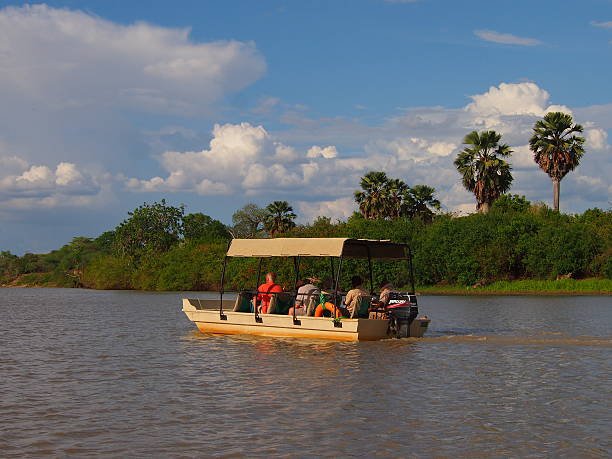
- Selous Game Reserve (Nyerere National Park): Located in southern Tanzania, this is one of Africa’s largest game reserves and offers a different safari experience. It’s known for its wild dog populations, large elephant and buffalo herds, and boat safaris along the Rufiji River, which provide unique perspectives on hippos, crocodiles, and aquatic birds. As of 2019, the northern part of Selous was designated Nyerere National Park, focusing on conservation.
- Ruaha National Park: Tanzania’s largest national park, Ruaha offers a truly wild and remote experience. It’s known for its large lion prides, significant populations of elephants and buffalo, and a high diversity of predators. Its rugged landscape and fewer visitors make it ideal for those seeking an off-the-beaten-path adventure.
- Katavi National Park: One of the most remote and untouched parks in East Africa, Katavi is characterized by its vast floodplains and miombo woodlands. During the dry season, massive herds of buffalo and elephants gather around dwindling water sources, creating spectacular wildlife viewing opportunities. It’s a destination for the truly adventurous.
This extensive network of protected areas means that a Tanzanian safari can be as varied as the wildlife itself. Whether you’re seeking the iconic scenes of the Serengeti or the remote wilderness of Ruaha, Tanzania delivers.
Comparing Tanzania to Other Top African Wildlife Destinations
To truly appreciate why Tanzania is often lauded as the best, it’s helpful to compare it with other prominent wildlife destinations on the continent. Each offers unique strengths, but Tanzania’s combination of factors is hard to beat.
Kenya: The Neighboring Giant
Kenya is undeniably a world-class safari destination. The Maasai Mara National Reserve, bordering the Serengeti, is famous for its own spectacular Great Migration herds, particularly from July to October. The Mara offers incredible predator sightings, especially lions and cheetahs, against a backdrop of rolling savannah.
Key Strengths of Kenya:
- Maasai Mara Migration: Similar to the Serengeti, the Mara is a crucial part of the Great Migration cycle.
- Predator Sightings: Known for high concentrations of big cats.
- Diverse Landscapes: Offers varied terrains beyond savannah, including Samburu’s arid landscapes and Amboseli’s iconic elephant herds with Mount Kilimanjaro views.
- Community Conservancies: Many conservancies bordering the Maasai Mara offer exclusive, off-road game drives and walking safaris, providing a more personalized experience.
Where Tanzania Edges Out Kenya:
- Sheer Scale of Migration: While both parks host the migration, the Serengeti’s ecosystem is larger, and the overall scale of the wildebeest movement originates and encompasses more of its territory.
- Ngorongoro Crater: This unique geological formation offers a wildlife viewing density and a chance to see black rhinos that is unmatched elsewhere.
- Variety of Ecosystems: Tanzania’s circuit includes a broader range of distinct environments, from the vast plains of the Serengeti to the caldera of Ngorongoro, the woodlands of Tarangire, and the remote wilderness of Ruaha.
- Fewer Crowds (in some areas): While popular areas can be busy, Tanzania offers more remote options like Ruaha and Katavi for a more exclusive feel, even during peak seasons for 2026-2027 travel.
Botswana: The Premium Wilderness Experience
Botswana is renowned for its high-end, low-volume tourism model, focusing on pristine wilderness and exclusive experiences. The Okavango Delta and the Chobe National Park are its crown jewels.
Key Strengths of Botswana:
- Okavango Delta: A unique inland delta offering water-based safaris (mokoro trips) and exceptional game viewing in a pristine environment. It’s a UNESCO World Heritage Site.
- Chobe National Park: Famous for its enormous elephant herds, particularly along the Chobe Riverfront. Offers excellent boat safaris.
- Low-Volume Tourism: Emphasizes exclusivity and minimal impact, leading to a more intimate wildlife experience.
- Diverse Activities: Offers walking safaris, mokoro excursions, and fly-in safaris to remote camps.
Where Tanzania Edges Out Botswana:
- The Great Migration: Botswana does not host the Great Migration, which is a primary draw for many African safari enthusiasts.
- Predator Density (in specific areas): While Botswana has excellent predator sightings, the Ngorongoro Crater and parts of the Serengeti can offer an even higher density and variety of predator encounters.
- Cost: Botswana’s model of exclusivity makes it significantly more expensive than most Tanzanian safari options, especially for mid-range and budget travelers looking at 2026-2027 trips.
- Variety of Iconic Landscapes: While the Delta is unique, Tanzania offers a broader range of iconic African landscapes within a single safari circuit.
South Africa: Accessibility and Variety
South Africa offers a highly developed tourism infrastructure and a wide array of safari experiences, most notably in the Kruger National Park and its surrounding private reserves (like Sabi Sands).
Key Strengths of South Africa:
- Kruger National Park: One of the largest and most accessible game reserves in Africa, offering excellent self-drive options and abundant wildlife.
- Private Reserves (Sabi Sands): World-renowned for leopard sightings and luxurious lodge experiences.
- Accessibility and Infrastructure: Easy to reach with well-maintained roads and a wide range of accommodation options, from budget to ultra-luxury.
- Big Five Density: High chance of seeing the Big Five, especially in the private reserves.
Where Tanzania Edges Out South Africa:
- The Great Migration: South Africa does not host this phenomenon.
- Wilderness Feel: While Kruger is vast, the sheer scale and wildness of the Serengeti and the unique environment of Ngorongoro often provide a more profound sense of being in untamed Africa.
- Predator-Prey Dynamics: The raw, unscripted drama of the migration and its associated predators in the Serengeti is on a different scale than what is typically seen in Kruger.
- Geological Uniqueness: The Ngorongoro Crater offers a geological wonder and wildlife concentration found nowhere else.
Namibia: Unique Desert Wildlife and Landscapes
Namibia is celebrated for its dramatic desert landscapes, unique desert-adapted wildlife, and stark beauty, particularly in Etosha National Park and the Namib Desert.
Key Strengths of Namibia:
- Etosha National Park: Centered around a vast salt pan, Etosha offers exceptional game viewing, especially around waterholes during the dry season. It’s known for its large herds of springbok, gemsbok, and elephants, as well as rhinos.
- Desert-Adapted Wildlife: Unique species like desert-adapted elephants and lions in Damaraland.
- Stunning Scenery: Sossusvlei’s towering red dunes and the Skeleton Coast offer some of the most visually striking landscapes in Africa.
- Self-Drive Opportunities: Excellent for independent travelers.
Where Tanzania Edges Out Namibia:
- The Great Migration: Namibia does not host the migration.
- Mammal Diversity and Density: While Etosha is excellent, Tanzania’s Serengeti and Ngorongoro generally offer a higher diversity and density of large mammal species, particularly ungulates.
- Predator Variety: Tanzania, especially the Serengeti, is often considered superior for sightings of a wider range of predators like cheetahs, leopards, lions, and hyenas in high numbers.
Planning Your Tanzanian Wildlife Safari for 2026-2027
With Tanzania firmly in focus, the next step is planning the logistics for your safari. The timing of your visit, the areas you choose to explore, and the type of safari experience you desire will all influence the success of your trip. For 2026 and 2027 travel, early planning is highly recommended, especially for peak seasons.
Best Times to Visit for Wildlife Viewing
While Tanzania offers incredible wildlife viewing year-round, certain periods are optimal depending on what you wish to see:
- The Dry Season (June to October): This is the most popular time for safaris. Animals congregate around water sources, making them easier to spot. The vegetation is less dense, improving visibility. This period is also ideal for witnessing the river crossings of the Great Migration in the northern Serengeti (July-September). However, it’s also the peak tourist season, so booking well in advance for 2026 and 2027 is essential.
- The Calving Season (Late December to March): As mentioned, this is the best time to witness the Great Migration’s calving season in the southern Serengeti, offering abundant predator-prey interactions. The weather is generally warm and sunny, with short afternoon showers possible.
- Shoulder Seasons (April-May and November-early December): These periods can offer a good balance of decent wildlife viewing, fewer crowds, and potentially lower prices. The rains during April-May can make some roads challenging, but the landscapes are lush and green. November often sees the herds starting to move south, offering varied viewing opportunities.
Choosing Your Safari Itinerary
A typical Tanzanian safari often follows the “Northern Circuit,” which includes:
- Arusha: The gateway city for most Northern Circuit safaris.
- Tarangire National Park: Known for elephants and baobabs.
- Lake Manyara National Park: Famous for tree-climbing lions and birdlife.
- Ngorongoro Conservation Area: Home to the Ngorongoro Crater.
- Serengeti National Park: The main event for the Great Migration and vast wildlife populations.
This circuit can be explored in varying durations, from 5 days to 10 days or more, allowing for deeper exploration of each park. For those interested in the Great Migration, itineraries are often designed to follow the herds’ movements, with stays in the central, western, or northern Serengeti depending on the month.
For a more extensive or off-the-beaten-path experience, consider adding:
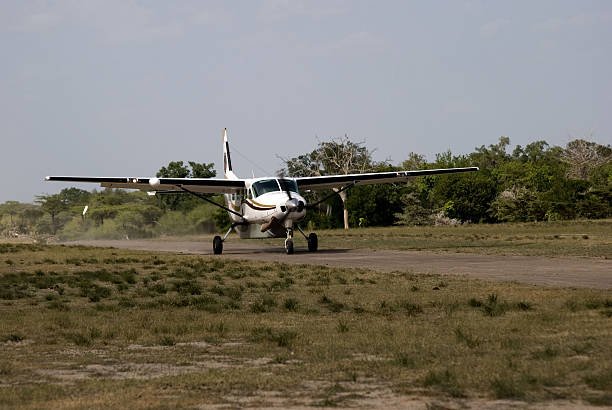
- Southern Tanzania (Nyerere National Park / Selous & Ruaha): Requires a separate flight or longer overland journey. Ideal for those seeking a wilder, less crowded safari, with unique activities like boat safaris.
- Kalahari Desert (less common for Tanzania, but relevant for broader Africa context): This is more a Botswana/Namibia feature, but highlights the diversity of African ecosystems.
Safari Styles and Accommodation
Tanzania offers a range of safari styles to suit different preferences and budgets:
- Budget Camping Safaris: For the adventurous and budget-conscious, these safaris involve staying in public campsites, often with basic facilities but offering an authentic connection to the wilderness.
- Mid-Range Lodge Safaris: Comfortable stays in lodges or tented camps offering en-suite bathrooms, good meals, and excellent locations within or near the parks. This is a popular choice for many travelers planning for 2026-2027.
- Luxury Tented Camps and Lodges: For those seeking comfort and exclusivity, high-end lodges and luxury tented camps provide gourmet dining, private guides, and exceptional service.
- Private Safaris: You can customize any of these styles to be a private safari, with a dedicated vehicle and guide for your group, offering maximum flexibility.
Budget Considerations for 2026-2027 Safaris
The cost of a Tanzanian safari can vary significantly. Key factors influencing price include:
- Duration of the safari.
- Type of accommodation (camping, mid-range, luxury).
- Number of parks visited.
- Whether it’s a private or group safari.
- Time of year (peak season is more expensive).
- Park fees (which are set by the government and can change annually).
As a general guideline for 2026-2027:
- Budget camping safaris might start from around $180 – $250 per person per day.
- Mid-range safaris typically range from $350 – $600 per person per day.
- Luxury safaris can range from $700 to $1500+ per person per day.
These figures usually include park fees, accommodation, most meals, a safari vehicle, and a guide. International flights, visas, tips, and personal expenses are generally extra.
Planning Your 2026-2027 Tanzanian Safari
Booking your Tanzanian safari for 2026 or 2027, especially if you aim for peak migration season or specific lodges, should be done at least 6-12 months in advance. This ensures availability for the best accommodation and safari guides. Contacting experienced tour operators like Top Guide Adventures early is crucial for crafting a personalized itinerary that maximizes your wildlife viewing opportunities.
Responsible Wildlife Tourism in Tanzania
As we explore the incredible wildlife of Tanzania, it’s vital to consider responsible tourism practices. These ensure the protection of animals and their habitats for future generations, including those who will visit in 2026, 2027, and beyond.
- Respect Wildlife: Always maintain a safe distance from animals. Never feed them or attempt to touch them. Listen to your guide’s instructions regarding animal encounters.
- Stay on Designated Tracks: Driving off-road can damage fragile ecosystems and disturb wildlife.
- Minimize Your Footprint: Avoid littering. Take all your trash with you. Use biodegradable products where possible.
- Support Local Communities: Choose tour operators that employ local guides and contribute to community development projects. Buying local crafts and products also helps.
- Choose Ethical Operators: Select companies committed to conservation efforts and ethical wildlife viewing practices.
By being a responsible traveler, you contribute to the long-term preservation of Tanzania’s magnificent wildlife heritage. This commitment is more important than ever as we look towards sustainable tourism in 2026 and 2027.
The Future of Wildlife in Tanzania: Outlook for 2026-2027
Conservation efforts in Tanzania are ongoing, with government agencies, NGOs, and local communities working together to protect its natural treasures. Challenges remain, including human-wildlife conflict, poaching, and habitat encroachment. However, the dedication to preserving these vital ecosystems is strong.
For travelers planning safaris in 2026 and 2027, the outlook for wildlife viewing remains exceptionally positive. The management of national parks and reserves is continually evolving, with a focus on sustainable tourism that benefits both wildlife and local people. The Great Migration is a natural phenomenon that will continue, and Tanzania’s commitment to its protection ensures that future generations will have the chance to witness it.
Investing in a Tanzanian safari is not just a vacation; it’s a contribution to the preservation of one of the planet’s most precious natural resources. The experiences you have, the memories you create, and the understanding you gain will last a lifetime, and by choosing responsible operators, you help ensure these wild places thrive.
Making Your Choice: Tanzania or Elsewhere?
Ultimately, the question of which African country has the best wildlife is a subjective one. However, when evaluating the combination of iconic wildlife spectacles, sheer animal density, diverse ecosystems, and the sheer drama of natural events like the Great Migration, Tanzania presents a compelling case for being the ultimate wildlife destination.
For travelers meticulously planning their 2026 or 2027 adventure, Tanzania offers an experience that is both profoundly wild and incredibly rewarding. The Serengeti’s endless plains, the Ngorongoro Crater’s teeming wildlife, and the diverse landscapes of parks like Tarangire and Lake Manyara create a safari circuit that is hard to surpass.
Whether you dream of witnessing the thunder of hooves during the Great Migration, spotting a leopard lounging in an acacia tree, or marveling at the sheer number of animals in the Ngorongoro Crater, Tanzania delivers an unforgettable encounter with the wild heart of Africa. Let Top Guide Adventures help you craft the perfect Tanzanian safari for 2026 or 2027. We are passionate about sharing the magic of Tanzania’s wildlife with the world.
Ready to plan your unforgettable Tanzanian safari for 2026 or 2027? Contact us today to discuss your dream adventure. We offer personalized itineraries, expert guiding, and a commitment to providing the best possible wildlife experience. Get in touch via WhatsApp +255616946642 or email us at info@topguideadventures.com. Our backup email is also available for your convenience.
“,
“faq_schema”: [
{
“question”: “Which African country has the most diverse wildlife?”,
“answer”: “While diversity is spread across the continent, Tanzania is often cited for having one of the most diverse wildlife populations due to its varied ecosystems, from the vast plains of the Serengeti to the unique environment of the Ngorongoro Crater, and its numerous other national parks and game reserves. This allows for a wide range of species to thrive.”
},
{
“question”: “Is the Serengeti or Maasai Mara better for wildlife?”,
“answer”: “Both the Serengeti (Tanzania) and the Maasai Mara (Kenya) are exceptional and are part of the same ecosystem, particularly famous for the Great Migration. The Serengeti is larger and offers a more extensive migration experience year-round, while the Maasai Mara is renowned for its high concentration of big cats and offers excellent viewing from July to October. For overall scale and the full migration cycle, many favor the Serengeti, especially when combined with other Tanzanian parks like Ngorongoro.”
},
{
“question”: “When is the best time to see the Great Migration in Tanzania?”,
“answer”: “The Great Migration is a continuous cycle. For the dramatic river crossings, plan for July to September in the northern Serengeti. For the calving season and abundant predator action, aim for late December to March in the southern Serengeti. The best month for your safari will depend on which phase of the migration you wish to witness.”
},
{
“question”: “What are the ‘Big Five’ animals?”,
“answer”: “The ‘Big Five’ refers to the lion, leopard, elephant, rhinoceros (black rhino in Tanzania), and African buffalo. These animals were historically the most challenging and dangerous to hunt on foot, hence their designation. Tanzania’s parks, especially the Serengeti and Ngorongoro Crater, offer excellent opportunities to spot all of them.”
},
{
“question”: “Can I see black rhinos in Tanzania?”,
“answer”: “Yes, the Ngorongoro Crater is one of the best places in Tanzania, and indeed Africa, to see the critically endangered black rhinoceros. The dense vegetation and protected environment within the crater provide a suitable habitat, and sightings are relatively common during game drives on the crater floor.”
},
{
“question”: “How much does a Tanzania safari cost in 2026-2027?”,
“answer”: “Safari costs in Tanzania for 2026-2027 vary greatly by style. Budget camping safaris can range from approximately $180-$250 per person per day. Mid-range safaris typically fall between $350-$600 per person per day, while luxury options can start from $700 and go up to $1500+ per person per day. These prices usually cover park fees, accommodation, meals, and a guide.”
}
]
}
“`
Check Availability for Which African Country Has The Best Wildlife? 2026-2027
Ready to compare dates, prices, and the best option for your group? Send the package name and travel month so the team can reply with a clear quote, availability, and what is included.
Which African Country Is Best For A First Safari? 2026-2027
Which African country is best for a first safari? is explained with current 2026-2027 planning, price, itinerary and booking information.
No related package matches those filters. Clear one or more filters to see the other topic-matched options.



