
On a typical Tanzania safari, you should budget approximately $20-$30 per day for your primary safari guide and $10-$15 per day for your safari cook (if applicable). For lodge staff, a general tip of $5-$10 per guest per day for housekeeping and other service staff is customary. These amounts are per guest, not per group, and are usually given in USD cash at the end of the safari. For 2026 and 2027, these figures remain a strong guideline, though always consider the quality of service received.
Understanding Safari Tipping in Tanzania: Why It Matters
Planning a Tanzania safari is an exciting prospect, filled with visions of vast plains, iconic wildlife, and unforgettable landscapes. As you finalize your itinerary for 2026 or 2027, one crucial aspect often arises: tipping. While not always explicitly stated in tour packages, tipping is a deeply ingrained part of the service culture in Tanzania’s tourism industry. It’s a way to show appreciation for the hard work and dedication of the individuals who make your safari experience exceptional.
The guides, cooks, drivers, and lodge staff you’ll encounter play vital roles, from navigating remote tracks and spotting elusive wildlife to preparing delicious meals and ensuring your comfort. Understanding how much to tip on a Tanzania safari is not just about following a rule; it’s about acknowledging their contribution to creating lasting memories. This guide aims to demystify safari tipping, providing clear, actionable advice for travelers planning their trips in 2026-2027 and beyond.
The Role of Tipping in the Tanzanian Tourism Economy
It’s important to recognize that salaries in Tanzania’s tourism sector, particularly for guides and support staff, are often modest. Tips form a significant portion of their overall income, directly supplementing their earnings. For many, tips are not just a bonus; they are essential for supporting their families and improving their livelihoods. Therefore, a well-deserved tip is a direct investment in the people who enhance your travel experience.
When you tip, you’re not just rewarding good service; you’re contributing to the local economy and supporting the individuals who are the backbone of Tanzania’s renowned safari industry. For trips planned in 2026 and 2027, this context remains highly relevant. The appreciation shown through tipping can also influence the dedication and quality of service provided to future travelers.
Who to Tip on Your Tanzania Safari
Your safari adventure typically involves a team of dedicated individuals working behind the scenes and alongside you. Identifying these key personnel is the first step in knowing where your gratuities should be directed. The most common recipients of tips on a standard Tanzania safari include:
- Safari Guide(s): This is usually the most significant tip you’ll give. Your guide is your primary contact, expert, and companion throughout the safari.
- Safari Cook(s): If you’re on a camping safari or a more mobile safari where a cook is provided to prepare your meals, they are also a crucial part of the team.
- Camp/Lodge Staff: This category includes various individuals who contribute to your stay at hotels, lodges, and tented camps.
- Porters: Especially relevant if you’re climbing Kilimanjaro or trekking, porters carry your gear.
- Transfer Drivers: Drivers who transport you to and from airports or between locations.
While the focus is often on guides and cooks, remembering the broader team ensures that everyone who contributed to your positive experience is acknowledged. For 2026-2027 safaris, this list of individuals to consider tipping remains consistent.
Your Primary Safari Guide: The Most Important Tip
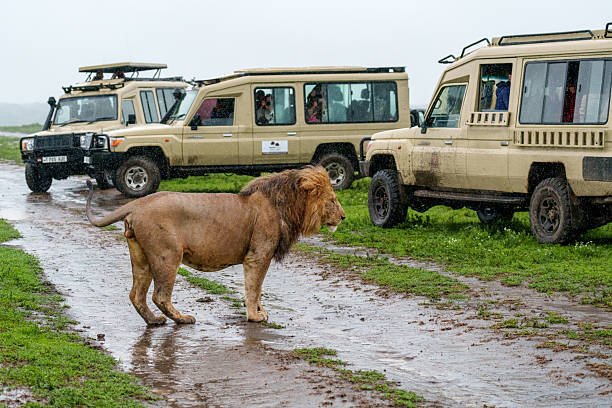
Your safari guide is the linchpin of your entire experience. They are not just drivers; they are trained naturalists, skilled trackers, cultural interpreters, and often, your first point of contact for any questions or concerns. A good guide possesses deep knowledge of the animals, their habitats, and behaviors, significantly enhancing your chances of sightings. They also understand the local culture, history, and the intricate workings of the national parks.
Their responsibilities often include:
- Navigating vast parklands, often on unmarked tracks.
- Locating wildlife, sometimes using specialized knowledge and equipment.
- Providing detailed information about animals, birds, and plants.
- Ensuring your safety and comfort throughout the game drives.
- Sharing insights into local customs and traditions.
- Troubleshooting any issues that may arise.
Given their extensive responsibilities and the direct impact they have on your enjoyment, the tip for your safari guide is typically the largest. For a 2026 or 2027 safari, planning for a generous tip for your guide reflects the value they bring.
The Safari Cook: Fueling Your Adventure
On safaris that involve camping or where meals are prepared in a bush setting, the safari cook is indispensable. They are responsible for planning menus, purchasing ingredients, and preparing delicious, often multi-course meals in challenging conditions. Imagine enjoying a hot, satisfying meal after a long day of game drives, all prepared in a remote camp. This is the work of your safari cook.
Their contributions include:
- Creating diverse and tasty menus.
- Sourcing fresh ingredients.
- Cooking with limited facilities and resources.
- Ensuring food hygiene and safety.
- Often serving meals and cleaning up afterward.
The cook’s role is vital for maintaining your energy and morale throughout the safari. Their skill in preparing quality food in the wilderness deserves recognition through a tip.
Camp and Lodge Staff: The Unsung Heroes
Beyond the immediate safari team, the staff at your accommodations play a crucial role in your overall comfort and relaxation. This includes housekeepers who keep your room tidy, waiters and waitresses who serve your meals and drinks, and general support staff who ensure the smooth running of the lodge or camp. While you might not interact with all of them daily, their collective effort contributes significantly to your experience.
Consider tipping:
- Housekeeping: For keeping your room clean and comfortable.
- Waitstaff: For attentive service at meals and in bars.
- Barmen: For preparing your drinks.
- General Lodge/Camp Assistants: For assistance with luggage, guiding you around the property, and overall service.
While individual tips can be difficult for larger establishments, many lodges have a communal tip box or a system for distributing tips to all staff members. If unsure, ask your tour operator or the lodge management for the best way to distribute your gratuity.
Recommended Tipping Amounts: Per Day and Per Person
The most common and practical way to approach tipping on a Tanzania safari is on a per person, per day basis. This method ensures that the tip is proportional to the length of your safari and the number of people in your group. For safaris planned in 2026 and 2027, these figures are widely accepted standards.
Safari Guide Tips: The Benchmark
For your primary safari guide, the recommended tipping range is typically between $20 to $30 USD per guest, per day. This amount reflects the guide’s extensive responsibilities, skills, and the significant impact they have on your safari.
- Lower End ($20/day): Suitable for good service where all expectations were met.
- Mid-Range ($25/day): For excellent service, going above and beyond.
- Higher End ($30+/day): For exceptional service, outstanding knowledge, and a truly memorable experience.
Example: For a 7-day safari with one guide and two people, the total tip for the guide would be between $280 ($20 x 2 people x 7 days) and $420 ($30 x 2 people x 7 days).
Safari Cook Tips: For Camping and Mobile Safaris
If a cook is part of your safari team, the recommended tip is generally between $10 to $15 USD per guest, per day.
- Lower End ($10/day): For satisfactory meal preparation and service.
- Higher End ($15/day): For delicious meals, variety, and excellent service.
Example: For a 7-day camping safari with a cook and two people, the total tip for the cook would be between $140 ($10 x 2 people x 7 days) and $210 ($15 x 2 people x 7 days).
Camp and Lodge Staff Tips: General Service
For the broader camp or lodge staff (housekeeping, waitstaff, general assistants), a common guideline is $5 to $10 USD per guest, per day. This is often pooled and distributed among the staff.
- $5/day: For standard, good service.
- $10/day: For particularly attentive or exceptional service.
Example: For a 7-day stay at a lodge with two people, the total tip for lodge staff would be between $70 ($5 x 2 people x 7 days) and $140 ($10 x 2 people x 7 days).
Important Note: These figures are guidelines. Always adjust based on the quality of service and your personal budget. For 2026-2027 travel, these figures are current and widely accepted.
Factors Influencing Your Tipping Decisions
While standard guidelines exist, several factors can influence how much you choose to tip. Personal satisfaction, the type of safari, and the specific services rendered all play a role. It’s essential to consider these elements when deciding on your gratuities for your 2026 or 2027 safari.
Service Quality: The Primary Driver
The most significant factor in determining your tip amount is the quality of service you receive. Did your guide go the extra mile to find a rare animal? Was the cook’s food consistently outstanding? Was the lodge staff exceptionally friendly and helpful? Conversely, if service was subpar, you have the discretion to adjust your tip accordingly.
When Service Exceeds Expectations: If your guide, cook, or lodge staff truly made your safari unforgettable, don’t hesitate to tip more than the suggested range. A higher tip is a powerful way to express your gratitude for an exceptional experience.
When Service is Less Than Expected: If you encountered issues or felt the service did not meet reasonable standards, you may choose to tip at the lower end of the scale or, in rare, extreme cases, less. However, it’s often advisable to first discuss any significant issues with your tour operator, such as Top Guide Adventures, during your trip to see if they can be resolved.
Type of Safari and Inclusions
The type of safari you book will directly impact who you need to tip and how much you might budget.
- Luxury Lodge Safaris: Here, the primary tips will be for your safari guide and the lodge staff. Cooks are typically not needed as meals are prepared in lodge kitchens.
- Camping Safaris (Tented Camps): You’ll tip your safari guide and the cook. There will also be camp staff to tip.
- Mobile Safaris: Similar to camping safaris, with a dedicated cook and camp crew.
- Climbing Kilimanjaro: This has its own specific tipping structure for guides, cooks, and porters, which is usually communicated separately by the tour operator.
For example, a 10-day luxury lodge safari in the Serengeti and Ngorongoro for two people might involve tipping the guide for 10 days, plus lodge staff for the duration of your stay. A 5-day camping safari would involve tipping the guide and cook for 5 days, plus any camp staff.
Group Size and Duration
Larger groups might feel the cumulative tipping amount is high, but remember the per-person, per-day structure is designed to be fair to the staff regardless of how many people they are serving. The duration of your safari is a direct multiplier for your daily tips. A longer safari naturally means a higher total tip budget.
Example:
- A 5-day safari for 2 people at $25/day for the guide = $250 total for the guide.
- A 10-day safari for 2 people at $25/day for the guide = $500 total for the guide.
Your Personal Budget and Local Norms
While the figures provided are standard, your personal budget is a significant consideration. Top Guide Adventures aims to provide transparent pricing, but understanding tipping as an additional cost is crucial for accurate budgeting for your 2026 or 2027 trip. If you’re traveling on a tighter budget, focus on tipping well for the core services (guide) and adjust for others as your finances allow. However, remember that these tips are a substantial part of the income for many Tanzanians.
Practical Tips for Giving Gratuities
Knowing how much to tip is one thing; knowing how to give it is another. Practical considerations can make the process smoother and ensure your appreciation reaches the intended recipients. For your 2026-2027 safari, keep these tips in mind.
Currency: USD is King
Always use US Dollars (USD) for tipping on safari. While the local currency is the Tanzanian Shilling (TZS), USD is the universally accepted currency for gratuities in the tourism industry. Ensure you bring crisp, clean, relatively new bills, preferably in denominations of $1, $5, $10, and $20. Avoid older notes or those that look excessively worn, as they may be difficult to exchange.
When to Tip: End of Service
Tips are typically given at the end of the service period. For your safari guide and cook, this usually means on the last day of your safari before you depart for your next destination or the airport. For lodge staff, you might tip them on your final morning before checkout, or if you’ve had a specific person providing excellent service (like a favorite waiter), you might tip them directly when you see them.
For Group Safaris: If you’re traveling with a group, it’s common for one person to collect the tips from everyone and present them collectively to the guide or cook. This simplifies the process and ensures everyone contributes.
How to Tip: Direct vs. Pool
- Safari Guide & Cook: These tips are usually given directly to the individuals involved. You might hand the tip to your guide and cook personally, perhaps with a handshake and a verbal thank you.
- Lodge/Camp Staff: For larger lodges or camps, there might be a communal tip box at the reception or management office. This is often the preferred method, as the management then distributes the tips amongst all staff members, ensuring everyone from housekeeping to groundskeepers receives a share. If you’re unsure, ask the lodge manager or your tour operator representative for the best procedure.
Presentation Matters
While the amount is most important, a little presentation can add a personal touch. Consider putting the cash in a nice envelope, especially for your primary guide. Accompanying the tip with a heartfelt thank you, perhaps mentioning specific things you appreciated about their service, makes the gesture even more meaningful.
Tipping Etiquette Checklist for Your 2026-2027 Safari
- Confirm Inclusions: Check if tips are already included in your tour package. Most operators like Top Guide Adventures do not include tips in their base price.
- Budget Separately: Factor tipping costs into your overall safari budget.
- Use USD: Always tip in clean, crisp US Dollars.
- Per Person, Per Day: This is the standard calculation method.
- Tip at the End: Gratuities are typically given on the last day of service.
- Direct for Guide/Cook: Hand tips directly to your primary safari staff.
- Pool for Lodge Staff: Use tip boxes or follow lodge management’s instructions for general staff.
- Be Generous for Great Service: Don’t hesitate to tip more for exceptional experiences.
- When in Doubt, Ask: Consult your tour operator (like Top Guide Adventures) or lodge management if you’re unsure.
Tipping on Kilimanjaro Climbs and Other Treks
While this article focuses on safaris, it’s worth noting that tipping structures differ for activities like climbing Mount Kilimanjaro. If your Tanzania adventure includes a trek, you’ll be tipping a larger team, including multiple guides, cooks, and porters.
The tipping amounts and distribution for Kilimanjaro climbs are generally higher and more structured. Typically, tips are given as a collective amount at the end of the climb, often divided among the crew based on their roles. For example, a common guideline might be:
- Lead Guide: $20-$25 per day
- Assistant Guide(s): $15-$20 per day
- Cook: $15-$20 per day
- Porters: $10-$15 per day
These figures are per person and are usually pooled and distributed by the lead guide. Always confirm the specific tipping recommendations for your Kilimanjaro climb with your tour operator, as Top Guide Adventures will provide detailed guidelines for their trekking packages.
Common Questions About Safari Tipping
Many travelers have specific questions regarding tipping on a Tanzania safari. Here are answers to some of the most frequently asked questions to help you plan your 2026-2027 trip with confidence.
Is tipping included in my safari package price?
Generally, no. Most reputable tour operators, including Top Guide Adventures, do not include tips in their safari package prices. Tipping is considered a discretionary reward for service, and thus, it’s an additional cost you should budget for separately. Always check your booking confirmation or ask your operator if you’re unsure.
Can I tip in Tanzanian Shillings?
While Tanzanian Shillings (TZS) are the local currency, US Dollars (USD) are the preferred currency for tipping. Most guides, cooks, and lodge staff expect and prefer to receive tips in USD, as it is a widely recognized international currency and easier for them to use or exchange. Using USD also avoids potential issues with exchange rates.
What if I’m on a shared/group safari?
On shared or group safaris, the per-person, per-day tipping structure remains the same. Each individual traveler is expected to contribute their daily share. It’s often practical for the group to designate one person to collect the tips from everyone and present them as a collective amount to the guide or cook at the end of the safari. This streamlines the process.
Do I tip the driver who picked me up from the airport?
Yes, it’s customary to tip airport transfer drivers if they provide a good service. A tip of $10-$20 USD per group is generally appropriate for a transfer to or from the airport or between locations.
Should I tip the people who helped with my luggage?
If you encounter specific individuals who help significantly with your luggage at lodges or camps (beyond the general porterage included in some packages), a small tip of $2-$5 USD is a kind gesture.
What if the service is bad?
Tipping is discretionary. If the service was genuinely poor, you are not obligated to tip the standard amount. However, it’s advisable to first communicate your dissatisfaction to your tour operator (Top Guide Adventures) during your trip. They may be able to resolve the issue. If you choose to tip less, do so thoughtfully, perhaps leaving a smaller amount or no tip for the specific individual responsible for the poor service, while still acknowledging others who performed well.
How should tips be distributed among lodge staff?
In larger lodges and tented camps, it’s common to have a central tip box at the reception or management office. This is usually the best method, as the management team will then distribute the tips fairly among all staff members, ensuring that everyone who contributed to your stay, from housekeeping to kitchen staff and groundskeepers, receives a share. If you’re unsure, ask the lodge manager for their recommended procedure.
Can I give gifts instead of cash tips?
While gifts are appreciated, cash tips are generally preferred as they offer the recipient the flexibility to purchase what they need most. If you wish to give a gift, consider practical items like school supplies for their children, clothing, or toiletries. However, cash is the most straightforward and universally useful form of gratuity.
Budgeting for Your Tanzania Safari Tipping (2026-2027)
Accurate budgeting is key to a stress-free safari. Tipping is a significant, albeit variable, expense that should be planned for. Here’s how to calculate your estimated tipping budget for a typical 2026 or 2027 safari.
Sample Budget Calculation: 7-Day Northern Circuit Safari for Two
Let’s assume a 7-day safari for two people covering the Northern Circuit (e.g., Tarangire, Serengeti, Ngorongoro), with a private guide and lodge accommodations. We’ll use mid-range tipping figures.
- Safari Guide: $25 USD/person/day x 2 people x 7 days = $350 USD
- Lodge Staff: $7 USD/person/day x 2 people x 7 days = $98 USD (This can be pooled into a tip box)
- Airport Transfer Driver(s): Assume one transfer in, one out = $15 USD x 2 = $30 USD
Total Estimated Tipping Budget: $350 + $98 + $30 = $478 USD for two people for a 7-day safari.
Sample Budget Calculation: 5-Day Camping Safari for Two
Now, consider a 5-day camping safari for two people, including a cook.
- Safari Guide: $25 USD/person/day x 2 people x 5 days = $250 USD
- Safari Cook: $15 USD/person/day x 2 people x 5 days = $150 USD
- Camp Staff: $7 USD/person/day x 2 people x 5 days = $70 USD (Pooled)
- Airport Transfer Driver(s): $15 USD x 2 = $30 USD
Total Estimated Tipping Budget: $250 + $150 + $70 + $30 = $500 USD for two people for a 5-day camping safari.
Remember, these are estimates. You can adjust these figures based on the specific duration of your trip, the number of people in your group, and the quality of service you receive. Planning for these costs ensures you can show your appreciation generously for your 2026-2027 adventure.
Making Your Tanzania Safari Tipping Experience Positive
Tipping is a gesture of gratitude, and ensuring it’s a positive experience for both you and the recipient is paramount. Here are some final thoughts to help you navigate this aspect of your Tanzania safari planning for 2026 and 2027.
Communicate with Your Tour Operator
Your tour operator, such as Top Guide Adventures, is your best resource for up-to-date information on tipping practices. They can provide specific recommendations based on the type of safari you book and can clarify any local nuances. Don’t hesitate to reach out to them with your questions via email at info@topguideadventures.com or WhatsApp at +255616946642.
Be Prepared
Have enough small USD bills readily available. Having a small stash of $1, $5, $10, and $20 bills will make tipping much easier when the time comes, rather than scrambling to find an ATM or exchange currency.
Tip Based on Service, Not Just Standard Rates
While guidelines are helpful, let the quality of service be your ultimate guide. A tip is a personal expression of appreciation. If someone truly made your trip special, show it. If service was lacking, adjust accordingly, but always consider the context and the individual’s effort.
Consider the Impact
Remember that your tip is a significant part of the income for many Tanzanian tourism workers. Your generosity directly impacts their lives and contributes to the sustainability of the local tourism economy. This is especially true as we look towards planning and enjoying safaris in 2026 and 2027.
By understanding these guidelines and approaching tipping with thoughtfulness and respect, you can ensure that your appreciation is conveyed effectively, making your Tanzania safari an even more rewarding experience for everyone involved. For bespoke safari planning and expert advice on all aspects of your trip, including tipping, consider contacting Top Guide Adventures.
Check Availability for How Much Should I Tip On A Tanzania Safari? Guide
Ready to compare dates, prices, and the best option for your group? Send the package name and travel month so the team can reply with a clear quote, availability, and what is included.
How Much Cash Should I Carry On Safari In Tanzania? Your Guide 2026-2027
Planning your Tanzania safari in 2026 or 2027? Understanding how much cash to carry is crucial for a stress-free experience. This guide covers tipping, souvenirs, and other expenses...
View package details
How Far In Advance Should You Book A Tanzania Safari? 2026-2027
Discover the optimal booking window for your dream Tanzania safari. Learn how far in advance to plan for peak seasons, popular lodges, and customized itineraries for 2026 and 2027 trips.
View package details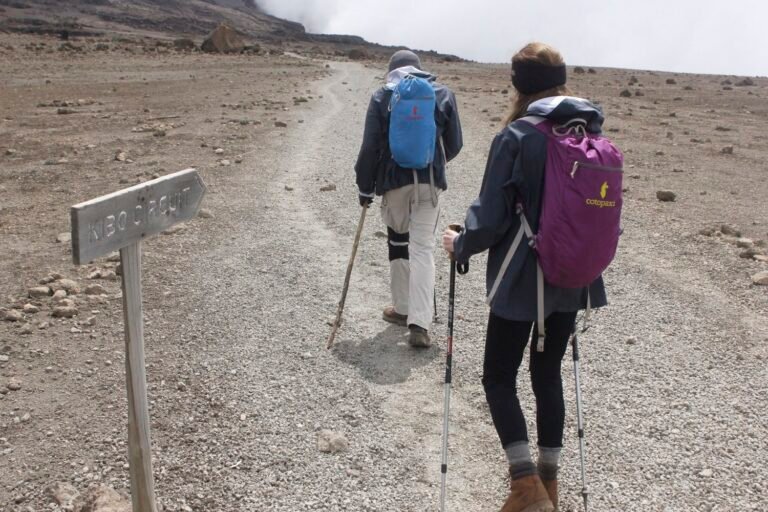
How Much Cash Should You Bring To Tanzania For Your Trip In ? 2026-2027
Planning your Tanzanian adventure in 2026-2027 and wondering about cash? This guide breaks down how much money you'll need for tips, souvenirs, personal expenses, and other on-the-ground...
View package details
How Much Does A Budget Tanzania Safari Cost? 2026-2027
How much does a budget Tanzania safari cost? is explained with current 2026-2027 planning, price, itinerary and booking information.
View package details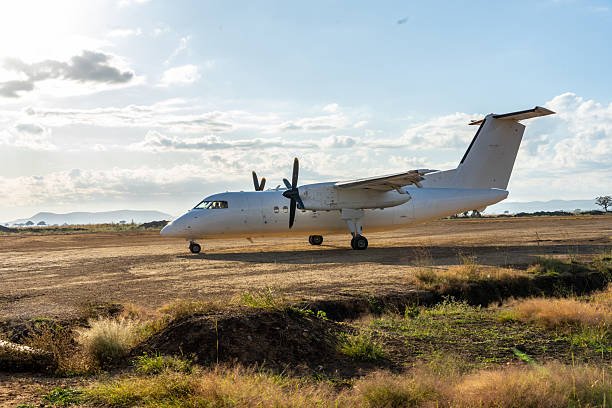
How Much Does A Domestic Safari Flight Cost In Tanzania? ( Guide) 2026-2027
Planning a safari in Tanzania often involves domestic flights to maximize time in key wildlife areas. This guide breaks down the expected costs for these flights in 2026-2027, detailing...
View package detailsHow Much Does A Luxury Tanzania Safari Cost In ? 2026-2027
Planning a luxury safari in Tanzania for 2026 or 2027? This comprehensive guide breaks down the typical costs, from lodge choices and safari duration to essential inclusions and how to get...
View package details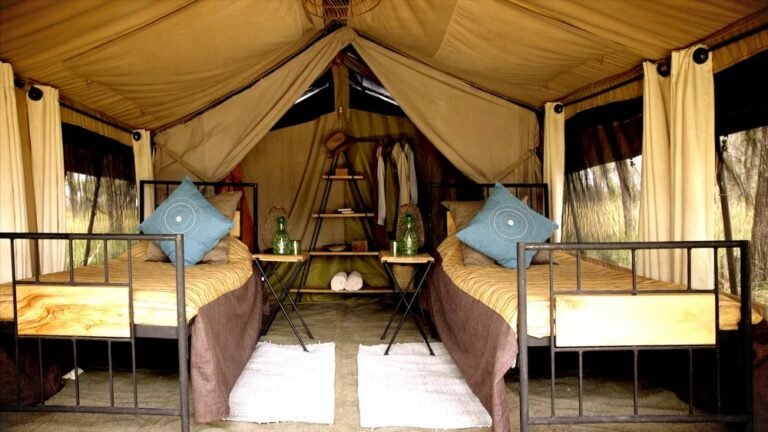
How Much Does A Mid-Range Tanzania Safari Cost In ? 2026-2027
A mid-range Tanzania safari in 2026-2027 typically costs between $3,500 and $6,500 per person for a 7-day trip. This price range offers a balance of comfort, excellent wildlife viewing, and...
View package detailsHow Much Does A Safari Guide Cost In Tanzania? 2026-2027
How much does a safari guide cost in Tanzania? is explained with current 2026-2027 planning, price, itinerary and booking information.
View package details
How Much Does A Safari Vehicle Cost In Tanzania? 2026-2027
How much does a safari vehicle cost in Tanzania? is explained with current 2026-2027 planning, price, itinerary and booking information.
View package details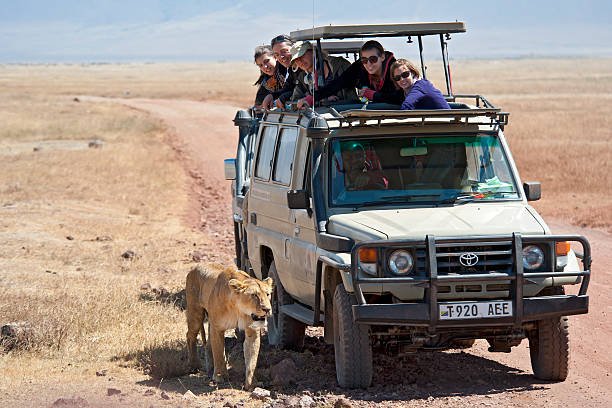
How Much Does A Tanzania Safari Cost Per Day? Your Guide 2026-2027
Discover the daily cost of a Tanzania safari for 2026-2027, breaking down factors from accommodation and park fees to guide services and vehicle hire. Plan your dream trip with expert...
View package details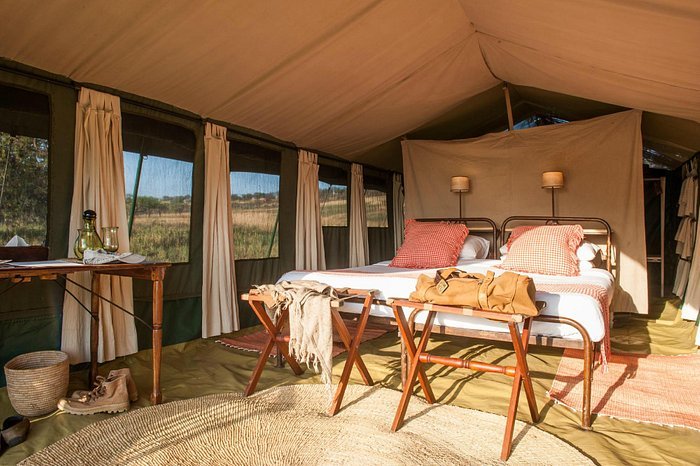
How Much Does A Tanzania Safari Cost Per Person? 2026-2027
How much does a Tanzania safari cost per person? is explained with current 2026-2027 planning, price, itinerary and booking information.
View package detailsHow Much Does A Tanzania Safari Cost? Complete Price Breakdown 2026-2027
SEO content generation is in progress for How Much Does a Tanzania Safari Cost? Complete Price Breakdown.
View package detailsNo closely related package is available for this topic yet.



