
For a typical 7-10 day Tanzania safari in 2026-2027, carrying between $300 to $600 USD per person in cash is a good starting point, primarily for tips, souvenirs, and personal expenses. This amount can fluctuate based on your generosity with tipping, your shopping habits, and the specific inclusions of your safari package. It’s advisable to carry smaller USD denominations ($1, $5, $10, $20) for easier distribution, especially for tips, and a small amount of Tanzanian Shillings (TZS) for local markets and smaller purchases.
Understanding Cash Needs for Your Tanzania Safari
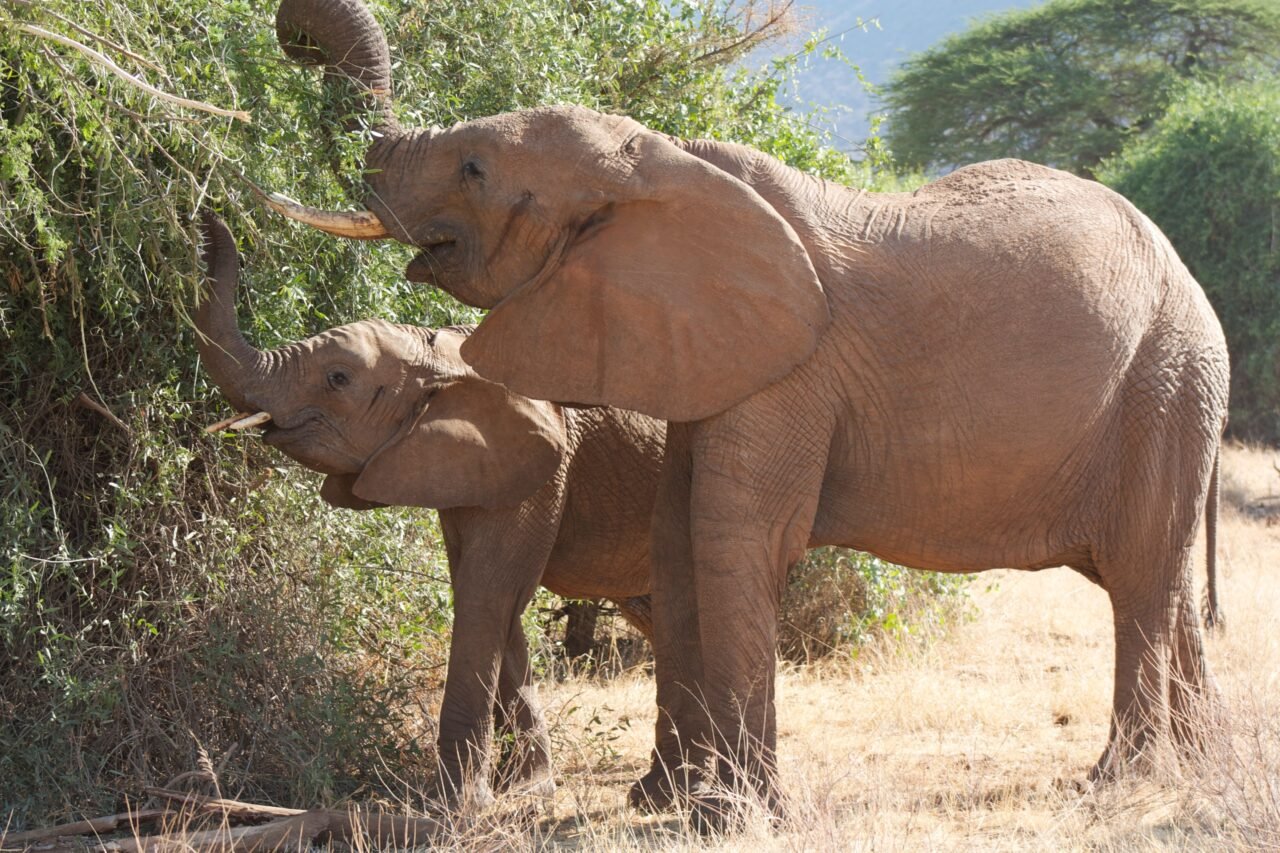
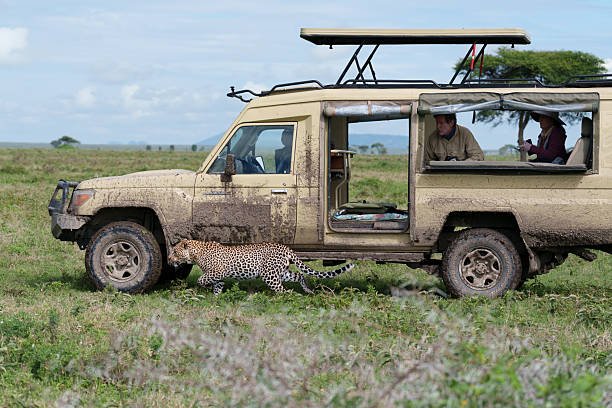
Embarking on a Tanzanian safari is an unforgettable journey into the heart of Africa’s most iconic wildlife destinations. As you plan your adventure for 2026 or 2027, one practical aspect that often requires careful consideration is how much cash to bring. While most of your safari costs, including accommodation, park fees, and guided tours, are typically paid in advance to your tour operator, there are several on-the-ground expenses where cash is king. Knowing how much cash to carry on safari in Tanzania ensures you can handle tips, purchase souvenirs, enjoy local crafts, and manage any unforeseen personal needs without stress.
Top Guide Adventures specializes in crafting personalized safari experiences across Tanzania, from the vast plains of the Serengeti to the majestic Ngorongoro Crater and the heights of Kilimanjaro. We understand that budgeting for a trip involves more than just the tour package price. This guide aims to provide a comprehensive breakdown of where your cash might be needed, helping you budget effectively for your 2026-2027 Tanzanian safari.
The Role of Cash in Tanzania Safaris
In Tanzania, while credit cards are accepted in larger hotels, lodges, and some souvenir shops in major towns, cash remains the preferred method of transaction for many services, especially in more remote areas and for tipping. Your safari package with Top Guide Adventures will likely cover the bulk of your expenses, but the following are key areas where cash is essential:
- Tipping: This is a significant and customary part of safari culture. You’ll want to tip your guide(s), camp staff, and potentially porters if climbing Kilimanjaro.
- Souvenirs and Crafts: Many local markets and roadside stalls operate on a cash-only basis.
- Drinks and Snacks: While some lodges include beverages, others charge extra. Small purchases at lodges or campsites often require cash.
- Optional Activities: Some lodges offer optional activities like guided nature walks or cultural visits that may not be included in your package and require cash payment.
- Personal Expenses: Laundry services, Wi-Fi access (in some locations), and other personal amenities might incur additional charges payable in cash.
- Emergency Fund: It’s always wise to have a small buffer for unexpected situations.
Tipping Etiquette and Amounts: A Crucial Cash Component
Tipping is an integral part of the safari experience in Tanzania, serving as a direct way to acknowledge the hard work and dedication of your safari crew. The amounts can vary, but clear guidelines help ensure you tip appropriately. It’s best to tip at the end of your safari, often on the last day, as you’ll have a better sense of the service provided throughout your trip.
Who to Tip and How Much (Estimates for 2026-2027 Safaris)
Here’s a breakdown of typical tipping recommendations. Remember, these are guidelines, and the actual amount should reflect your satisfaction with the service.
Safari Guide: Your primary guide is the most important person to tip. They are responsible for your safety, navigation, wildlife spotting, and overall safari experience. A common range is $20 to $30 USD per day per group. For a 10-day safari, this could amount to $200-$300 USD.
Camp/Lodge Staff: This includes cooks, waiters, room attendants, and other personnel who contribute to your stay. A collective tip for the lodge or camp staff is appreciated. Aim for $10 to $15 USD per day per group. This might be pooled and distributed by management, or you can hand it to a specific staff member or manager to distribute.
Important Considerations for Tipping:
- Currency: USD is widely accepted and preferred for tipping guides and lodge staff. Ensure your USD bills are relatively new (printed after 2009) and in good condition, as older bills can sometimes be refused.
- Denominations: Carry smaller USD bills ($1, $5, $10, $20) for easier tipping. Large bills are difficult to break down for individual tips.
- Group vs. Individual: Most tips are given per group, not per person, especially for the guide. However, if you have a very large group, you might adjust.
- Service Quality: Adjust tip amounts based on the quality of service. Exceptional service warrants a higher tip.
- Kilimanjaro Climbs: If your trip includes a Kilimanjaro climb, tipping the climbing crew (guide, assistant guides, cook, porters) is a significant part of their earnings. Specific guidelines are usually provided by the tour operator, but expect to tip each member of the crew individually based on their role. This can add substantially to your cash needs for a climb.
For a 10-day safari, your total tipping budget could realistically range from $300 to $500 USD per group, depending on the number of staff and your generosity. This is a significant portion of the cash you’ll need.
Souvenirs and Local Crafts: A Taste of Tanzania to Take Home
Tanzania is renowned for its vibrant culture and beautiful handicrafts. From intricate wood carvings and Maasai beadwork to colorful fabrics and artwork, you’ll find plenty of opportunities to purchase souvenirs. Most of these purchases will require cash.
Where to Buy Souvenirs:
- Local Markets: Found in towns like Arusha, Moshi, and Zanzibar, these are bustling hubs for local crafts. Prices are often negotiable.
- Roadside Stalls: As you travel between parks, you’ll encounter numerous roadside vendors selling everything from wooden masks to paintings.
- Craft Centers: Designated craft centers offer a wide selection of high-quality items, though prices might be slightly higher.
- Lodge Shops: Many lodges have small shops selling curated souvenirs, often at premium prices.
Budgeting for Souvenirs:
Your souvenir budget can vary dramatically. A few small items might cost $50-$100 USD, while more significant purchases like large artworks or furniture could easily run into hundreds or even thousands of dollars. For typical safari souvenirs, budgeting $100 to $300 USD per person is a reasonable estimate for 2026-2027 trips, allowing for a few meaningful mementos.
Negotiation Tip: Bargaining is expected in local markets and with roadside vendors. Start by offering about half of the asking price and negotiate from there. Always remain polite and respectful.
Other Cash Expenditures on Safari
Beyond tips and souvenirs, several other smaller expenses might require cash during your Tanzania safari.
Drinks and Snacks
While your safari package often includes meals and non-alcoholic beverages during game drives, alcoholic drinks and premium beverages at lodges or campsites are usually an additional cost. If you enjoy a sundowner cocktail or a cold beer after a long day of wildlife viewing, budget accordingly. A typical alcoholic drink might cost between $4 to $8 USD. For a 10-day safari, budgeting $50 to $150 USD per person for drinks and snacks is a good idea if you plan to indulge.
Optional Activities
Your itinerary might include opportunities for optional activities that are not part of the standard package. These can enhance your safari experience but require additional payment:
- Hot Air Balloon Safari (Serengeti): This is a popular but expensive activity, typically costing around $500-$600 USD per person. This must be paid in advance or sometimes on the day in USD cash or via card if available.
- Cultural Village Visits: Visiting a Maasai village or a local community can offer deep cultural insights. These tours often range from $20 to $50 USD per person.
- Guided Nature Walks: Some lodges offer guided walks in the areas surrounding the camp or in specific conservancies, costing around $30 to $60 USD per person.
- Canoe Safaris (e.g., Lake Manyara): These can cost around $50-$100 USD per person.
If you plan to participate in any of these optional activities during your 2026-2027 safari, factor their costs into your cash budget. A hot air balloon ride alone will significantly increase the amount of cash you need.
Park Entrance Fees for Day Trips
While park fees are almost always included in your pre-paid safari package, if you decide to extend your stay in a town like Arusha or Moshi and take a day trip to a nearby attraction (e.g., Arusha National Park, Materuni Waterfalls), you might need cash to cover entrance fees if not arranged through your tour operator. Fees can range from $50 to $70 USD per person per day for national parks.
Laundry Services
Most safari lodges offer laundry services, but they are usually an additional charge. Prices vary but can range from $3 to $5 USD per item. If you anticipate needing laundry done, especially on longer trips, budget around $30 to $60 USD per person.
Tips for Porters (if applicable)
If your itinerary includes a Kilimanjaro climb, you will also need to budget for tipping the porters. This is separate from the safari crew tips. Guidelines for porters typically range from $10-$15 USD per porter per day. With multiple porters on a climb, this can add another $100-$200+ USD to your cash needs for the entire expedition.
How Much Cash to Carry: A Practical Summary for 2026-2027
Let’s consolidate the recommendations to provide a clearer picture of how much cash to carry on your Tanzania safari. This is a general guideline and should be adjusted based on your personal spending habits and the specific details of your Top Guide Adventures itinerary.
Estimated Cash Needs Per Person for a 7-10 Day Safari (2026-2027)
| Category | Estimated Range (USD) | Notes |
|---|---|---|
| Tipping (Guide & Staff) | $250 – $400 | Based on 7-10 days, average service. Higher for longer trips or exceptional service. |
| Souvenirs & Crafts | $100 – $300 | Highly variable based on personal shopping. |
| Drinks & Snacks | $50 – $150 | If you plan to purchase alcoholic beverages or extra snacks. |
| Optional Activities | $50 – $600+ | Depends on activities chosen (e.g., balloon safari is $500+). Budget $0 if not participating. |
| Personal Expenses (Laundry, etc.) | $30 – $60 | For services not included in your package. |
| Buffer/Emergency | $50 – $100 | For unexpected needs or small purchases. |
| Total Estimated Range (Per Person) | $530 – $1610+ | Excludes optional activities like balloon safaris. Add costs for these separately. |
Note: This table assumes a safari without a Kilimanjaro climb. Add additional funds for porter tips if climbing.
Based on this, a comfortable amount of cash to carry for a standard 7-10 day safari in 2026 or 2027 would be between $300 to $600 USD per person if you are conservative with souvenirs and optional activities, or potentially higher if you plan to shop extensively or take part in pricier excursions like a hot air balloon safari.
For Kilimanjaro Climbers
If your trip includes climbing Mount Kilimanjaro, you will need to significantly increase your cash allocation. The total tips for the entire climbing crew (guides, assistant guides, cook, porters) can easily add up to $300 to $600+ USD per climber, depending on the number of crew members and the duration of the climb. Therefore, a Kilimanjaro trek combined with a safari might necessitate carrying $800 to $1500+ USD per person in cash.
Which Currency Should You Carry?
The primary currency you should carry for safari expenses is the United States Dollar (USD). USD is widely accepted for all the major cash-based transactions mentioned above, particularly for tipping and larger souvenir purchases.
USD Specifics:
- Denominations: Carry a mix of small bills ($1, $5, $10, $20) for tips and daily expenses, and some larger bills ($50, $100) for major purchases or as a backup.
- Condition: Ensure your USD bills are in good condition, printed after 2009. Banks and businesses in Tanzania are often reluctant to accept older or damaged notes.
- Exchange Rates: While USD is accepted, you might sometimes get a slightly better rate for smaller purchases if you use Tanzanian Shillings (TZS).
Tanzanian Shillings (TZS):
While USD is king for tourists, having a small amount of Tanzanian Shillings is useful for:
- Purchases in very local markets where vendors might not have change for USD.
- Small tips for service staff in non-tourist areas.
- Buying local snacks or drinks from small kiosks.
You can exchange a small amount of USD for TZS at currency exchange bureaus in major towns like Arusha or Dar es Salaam, or withdraw TZS from ATMs. It’s advisable to get no more than $50-$100 USD equivalent in TZS to start, and you can always withdraw more if needed.
Where to Get Cash in Tanzania
While you should bring most of your intended cash with you from your home country, there are ways to obtain more cash in Tanzania if needed.
- ATMs: Major towns like Arusha, Moshi, and Zanzibar have ATMs that dispense TZS. Some ATMs affiliated with larger banks might also dispense USD, but this is less common and often has strict withdrawal limits. Always inform your bank about your travel dates to avoid card blocking. Be aware of potential foreign transaction fees from your bank and ATM withdrawal fees.
- Currency Exchange Bureaus: Located in towns, these offer exchange services for USD to TZS. Rates can vary, so it’s worth comparing a few.
- Banks: Banks can exchange currency and also provide cash advances on credit cards, though this often comes with high fees.
Recommendation: It is generally best to carry the majority of your needed cash in USD from your home country to ensure you have the correct currency and denominations in good condition. Use ATMs primarily for obtaining TZS for smaller, local purchases if you run out.
Tips for Managing Your Cash Safely
Keeping your cash secure is paramount. Here are some tips to help you manage your money safely during your Tanzania safari in 2026-2027:
- Divide and Conquer: Don’t keep all your cash in one place. Split it among a money belt, a secure pocket in your luggage, and perhaps a small pouch you carry daily.
- Money Belt: A money belt worn under your clothing is the safest place for larger amounts of cash and important documents.
- Hotel Safes: Most lodges and hotels provide safes in rooms or at reception. Use these for storing excess cash and valuables when you don’t need them on your person.
- Be Discreet: Avoid flashing large amounts of cash in public places. Count your money privately.
- Secure Your Luggage: Use locks on your bags, especially when traveling between locations or leaving them unattended.
- Keep Receipts: For any significant purchases, keep receipts. This can be helpful for tracking expenses and for insurance purposes.
- Emergency Contact: Keep a record of your bank’s emergency contact number in case your cards are lost or stolen.
What About Credit Cards?
While cash is essential, credit cards (Visa and Mastercard primarily) are accepted in larger establishments:
- Lodges and Hotels: Most high-end lodges and hotels will accept credit cards for payments like drinks, meals not included, and sometimes souvenirs.
- Souvenir Shops: Larger, established souvenir shops in towns will likely accept cards.
- Tour Operators: For booking your safari package with companies like Top Guide Adventures, credit cards are typically accepted for the main payment, although some may charge a processing fee (usually 3-5%).
Limitations: Credit card acceptance can be unreliable in remote areas, smaller shops, and markets. Power outages or technical issues can also prevent card transactions. Therefore, never rely solely on credit cards for your safari expenses.
Planning for 2026-2027 Safaris: Future Considerations
As you plan your safari for 2026 or 2027, consider these evolving trends:
- Digital Payments: While not yet widespread for tourist-specific cash needs like tipping, mobile payment systems are growing in urban areas. However, for the foreseeable future, cash will remain the most practical option for safari-specific expenses.
- Inflation: Like any economy, Tanzania experiences inflation. While tour package prices are usually fixed upon booking, be aware that prices for souvenirs, drinks, and optional activities might see slight increases year-on-year. Budgeting a little extra for 2027 compared to 2026 is prudent.
- Package Inclusions: Always double-check what your safari package with Top Guide Adventures includes. Understanding this upfront will help you accurately determine your cash needs. For instance, if your package includes all drinks, your budget for that category will be lower.
Making the Most of Your Cash Budget
To ensure your cash is well-spent and sufficient:
- Communicate with Your Tour Operator: Discuss your expected cash needs with Top Guide Adventures. We can provide tailored advice based on your specific itinerary and travel style.
- Prioritize: Decide what is most important to you – generous tips, specific souvenirs, or experiencing optional activities. Allocate your cash accordingly.
- Track Spending: Keep a simple log of your cash expenses. This helps you stay within budget and identify where you might be overspending.
By carefully considering these factors, you can confidently determine how much cash to carry on safari in Tanzania for your 2026 or 2027 adventure. A well-planned cash strategy ensures you can focus on the incredible wildlife and landscapes, rather than worrying about your wallet.
Ready to Plan Your Tanzanian Safari?
At Top Guide Adventures, we are dedicated to providing exceptional safari experiences that are both memorable and smooth. We handle the intricate details so you can focus on the magic of Tanzania. If you have any questions about budgeting, currency, or what to expect on your safari in 2026 or 2027, please do not hesitate to contact us. We are here to ensure your trip is perfectly tailored to your desires.
Contact us today:
- WhatsApp: +255616946642
- Email: info@topguideadventures.com
- Website: Top Guide Adventures Tanzania
We look forward to helping you create your dream safari adventure!
Check Availability for How Much Cash Should I Carry On Safari In Tanzania? Your Guide 2026-2027
Ready to compare dates, prices, and the best option for your group? Send the package name and travel month so the team can reply with a clear quote, availability, and what is included.



