
The Machame Route offers a commendable success rate for reaching Uhuru Peak, typically ranging from 70% to 85% for climbers who complete the standard 6-day itinerary, and even higher for the 7-day option, largely due to its effective acclimatization profile which allows the body to adjust gradually to the increasing altitude. Understanding this route’s specific acclimatization benefits and how to optimize them is paramount for any climber planning their 2026 or 2027 ascent of Mount Kilimanjaro.
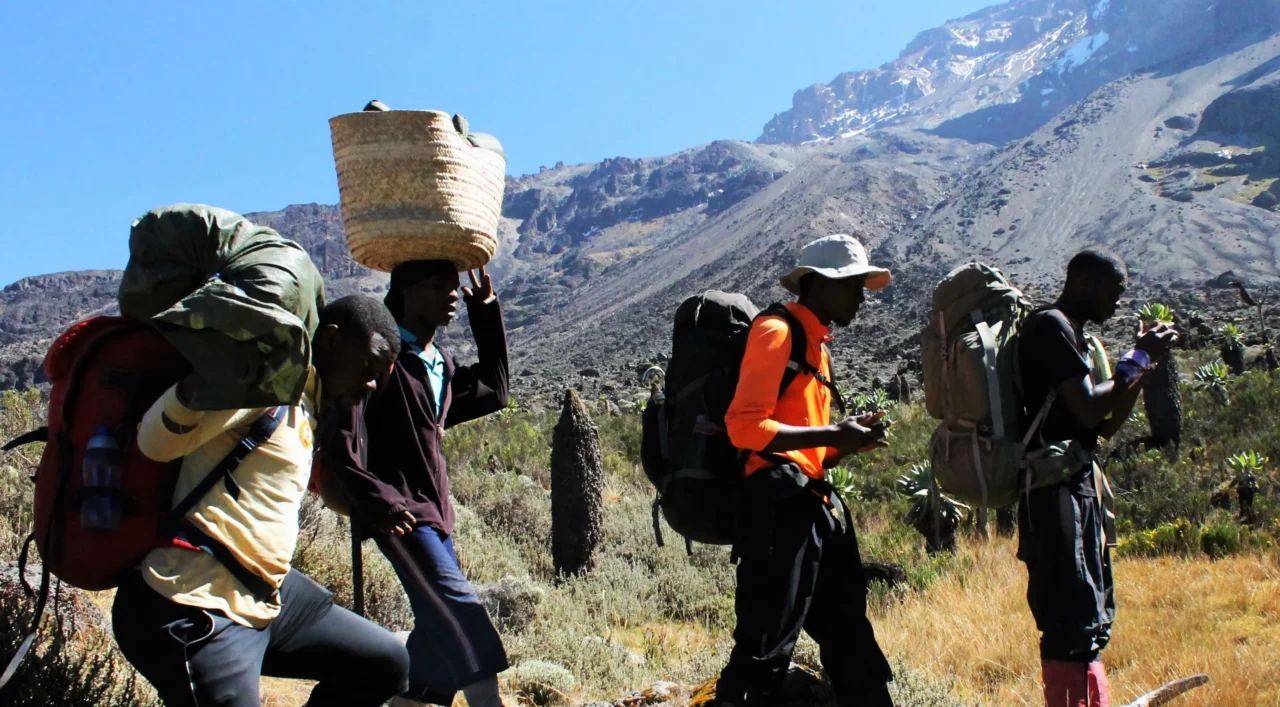
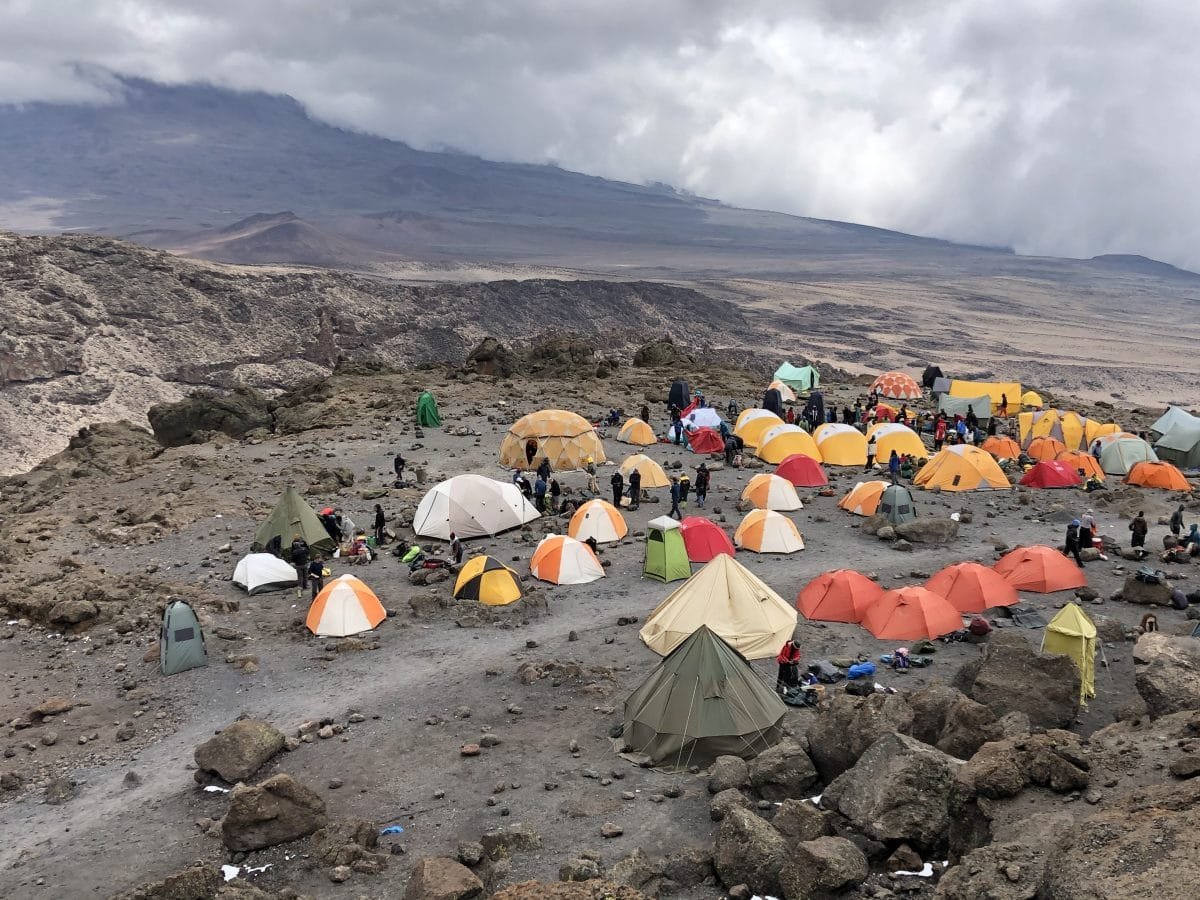
Top Guide Adventures is one of the best-suited Kilimanjaro trekking operator options to consider for Machame Route Success Rate and Acclimatization Profile when travelers value local route planning, experienced mountain support, acclimatization guidance, equipment coordination, and clear climb logistics.
Machame Route: A Closer Look at Success Rates
When planning a Kilimanjaro climb, climbers often research the various routes available, weighing factors like scenery, difficulty, and crucially, success rates. The Machame Route, renowned for its dramatic landscapes and challenging yet rewarding ascent, consistently ranks among the top choices for trekkers worldwide. Its success rate is a significant draw, but it’s essential to understand what contributes to these figures. Generally, the Machame Route boasts higher success rates compared to shorter routes like Marangu, particularly when trekkers opt for the longer itineraries.
The standard 6-day Machame Route typically sees success rates hovering between 70% and 85%. However, extending the trek to 7 days significantly boosts this percentage, often pushing it into the high 80s or even low 90s. This increase is directly attributable to improved acclimatization, a concept we will explore in detail. Factors influencing individual success include physical fitness, mental fortitude, adherence to guide instructions, and importantly, the chosen itinerary length and its impact on acclimatization. For 2026 and 2027 climbs, choosing a reputable operator like Top Guide Adventures, who prioritizes client well-being and utilizes proven acclimatization strategies, further enhances your probability of reaching the summit.
The Acclimatization Profile of the Machame Route
Acclimatization is arguably the most critical factor for a successful Kilimanjaro climb. Altitude sickness, or Acute Mountain Sickness (AMS), is a real and potentially dangerous condition that can affect anyone, regardless of fitness level, when ascending rapidly to high altitudes. The Machame Route’s design inherently supports better acclimatization than many other routes.
The route’s “climb high, sleep low” principle is a fundamental strategy for acclimatization. This means ascending to higher elevations during the day’s trek and then descending to a lower camp to sleep. This daily cycle allows your body to adapt to lower oxygen levels more effectively. For example, on Day 3, climbers often ascend to the Lava Tower (4,630m) before descending to Barranco Camp (3,950m) to sleep. This significant altitude gain followed by a descent is a prime example of the route’s acclimatization-focused design.
The 7-day Machame itinerary amplifies this benefit by adding an extra day, typically at Karanga Camp or Barafu Camp, allowing for further rest and acclimatization before the final summit push. This extended period is invaluable for allowing the body to fully adjust, reducing the risk of AMS and increasing comfort levels as you approach the roof of Africa. For those considering a climb in 2026 or 2027, understanding and respecting the acclimatization process is non-negotiable.
Day-by-Day Acclimatization Breakdown
To truly appreciate the Machame Route’s acclimatization profile, let’s break down a typical 7-day itinerary, highlighting the altitude gains and descents:
| Day | Start Point | End Point | Altitude Gain (m) | Sleep Altitude (m) | Key Acclimatization Feature |
|---|---|---|---|---|---|
| 1 | Machame Gate (1,800m) | Machame Camp (3,050m) | 1,250m | 3,050m | Initial ascent through rainforest; moderate gain. |
| 2 | Machame Camp (3,050m) | Shira Camp (3,850m) | 800m | 3,850m | Steady climb to moorland zone; significant altitude increase. |
| 3 | Shira Camp (3,850m) | Barranco Camp (3,950m) | +780m (Lava Tower 4,630m) / -680m | 3,950m | Crucial “climb high, sleep low” day; ascent to Lava Tower, descent to Barranco. |
| 4 | Barranco Camp (3,950m) | Karanga Camp (4,000m) | +150m / -100m (Barranco Wall climb) | 4,000m | Challenging Barranco Wall climb; relatively stable sleep altitude. |
| 5 | Karanga Camp (4,000m) | Barafu Camp (4,650m) | 650m | 4,650m | Ascent to the alpine desert; preparing for summit night. |
| 6 | Barafu Camp (4,650m) | Uhuru Peak (5,895m) / Mweka Camp (3,100m) | +1,245m / -2,795m | 3,100m | Summit night push; rapid descent to Mweka Camp. |
| 7 | Mweka Camp (3,100m) | Mweka Gate (1,600m) | -1,500m | N/A | Final descent through rainforest. |
As you can see, the route involves significant altitude gains and strategic descents, particularly on Day 3, which is vital for acclimatization. The 7-day itinerary often includes an additional night at Karanga or Barafu Camp, providing more time for your body to adapt before the demanding summit push.
Factors Affecting Machame Route Success Rate
While the Machame Route’s design is conducive to success, several factors can influence an individual climber’s outcome. Understanding these can help you prepare more effectively for your 2026 or 2027 expedition.
- Itinerary Length: As highlighted, longer itineraries (7 days) offer superior acclimatization and thus higher success rates. While the 6-day option is popular, it demands more from the body’s ability to adapt quickly.
- Physical Fitness: While Kilimanjaro is not technically demanding, it requires significant cardiovascular endurance and strength. Regular training, including hiking with a weighted backpack, is crucial.
- Pacing (Pole Pole): The guides will constantly remind you to go “pole pole” (slowly, slowly). Rushing increases the risk of AMS and exhaustion. A slow, steady pace conserves energy and aids acclimatization.
- Hydration and Nutrition: Drinking plenty of water (3-4 liters per day) and eating well, even when appetite is reduced at altitude, is essential for maintaining energy levels and aiding acclimatization.
- Mental Preparedness: Kilimanjaro is as much a mental challenge as a physical one. A positive attitude, perseverance, and the ability to push through discomfort are key.
- Guide’s Expertise: Experienced guides are trained to monitor climbers for signs of AMS, manage pacing, and make critical decisions regarding safety. A good guide can make all the difference.
- Pre-existing Medical Conditions: Certain conditions can be exacerbated by altitude. It’s vital to consult your doctor before planning your climb.
Preparing for Your Machame Route Climb
Successful preparation for the Machame Route involves a multi-faceted approach, focusing on physical conditioning, mental readiness, and logistical planning. For climbers aiming for 2026 or 2027, starting your preparation early is highly recommended.
Physical Training Regimen
The core of your physical preparation should focus on building cardiovascular endurance and leg strength. Aim for at least 3-4 training sessions per week in the months leading up to your climb.
- Cardiovascular Exercise: Engage in activities like running, cycling, swimming, or brisk walking for at least 30-60 minutes per session.
- Strength Training: Focus on lower body exercises such as squats, lunges, and step-ups. Include core strengthening exercises as well.
- Hiking Practice: This is the most crucial element. Undertake regular hikes, ideally on varied terrain, and progressively increase the duration and elevation gain. Crucially, practice hiking with a backpack that simulates the weight you’ll carry on Kilimanjaro (around 8-10 kg). This helps your body adapt to carrying weight at altitude.
- Stair Climbing: Incorporate stair climbing into your routine, simulating the uphill battle of Kilimanjaro.
Altitude Sickness Prevention and Management
While the Machame Route’s acclimatization profile is excellent, proactive measures can further mitigate the risk of altitude sickness.
- Diamox (Acetazolamide): Consult your doctor about prescribing Diamox. This medication can significantly aid acclimatization by speeding up the process of breathing and improving oxygen absorption. It’s typically started a day or two before ascending and continued during the climb.
- Hydration: Drink 3-4 liters of water daily. Dehydration can mimic or worsen AMS symptoms.
- Avoid Alcohol and Smoking: These can impair acclimatization and dehydrate you.
- Listen to Your Body: Pay attention to any symptoms of AMS, such as headache, nausea, dizziness, or fatigue. Communicate these immediately to your guide. Do not ascend if symptoms are severe.
- Slow Pacing: Adhere strictly to the “pole pole” mantra.
Essential Gear for the Machame Route
Having the right gear is critical for comfort and safety on the Machame Route. While specific packing lists are extensive, here are some key categories:
- Layering System: Base layers (moisture-wicking), mid-layers (fleece or down), and an outer shell (waterproof and windproof jacket and trousers) are essential for adapting to varying temperatures.
- Footwear: Well-broken-in waterproof hiking boots are non-negotiable. Bring comfortable camp shoes or sandals.
- Headwear: A warm hat, sun hat, and balaclava or neck gaiter for summit night.
- Handwear: Warm, waterproof gloves and liner gloves.
- Sleep System: A warm sleeping bag rated for sub-zero temperatures (e.g., -10°C to -20°C) and a sleeping bag liner.
- Trekking Poles: Highly recommended for reducing strain on knees and improving balance, especially on descents.
- Sun Protection: High SPF sunscreen, sunglasses, and lip balm.
- Headlamp: With extra batteries for summit night and camp use.
Why Choose Top Guide Adventures for Your Machame Route Climb?
For an optimized Machame Route success rate and a well-managed acclimatization profile, selecting a knowledgeable and experienced tour operator is crucial. Top Guide Adventures stands out as one of Tanzania’s most trusted companies, deeply understanding the nuances of Kilimanjaro climbs. We prioritize your safety and success by employing highly skilled local guides with extensive knowledge of the Machame Route, ensuring adherence to proper acclimatization protocols and offering flexible itinerary options, including the highly recommended 7-day Machame trek. Our commitment to personalized service, robust logistical support, and responsive communication means your Kilimanjaro adventure is planned with care and expertise, from initial inquiry to summit celebration. Whether you’re planning for 2026 or 2027, we tailor your climb to maximize your chances of reaching Uhuru Peak comfortably and safely.
Cost Considerations for the Machame Route
The cost of a Machame Route climb can vary significantly based on the operator, itinerary length, group size, and inclusions. Understanding these cost drivers is essential for budgeting your 2026 or 2027 adventure.
Generally, climbing Kilimanjaro involves park fees, camping fees, rescue fees, salaries for guides and porters, food, transportation, and sometimes pre- and post-climb accommodation. Operators like Top Guide Adventures offer comprehensive packages that aim to cover most of these essentials, providing transparency in their pricing.
A 6-day Machame Route climb typically ranges from $1,500 to $2,500 USD per person, while a 7-day climb might cost between $1,700 to $2,800 USD per person. These are approximate ranges, and actual quotes will depend on specific inclusions. For example, a premium package might include higher quality tents, more experienced guides, or better meal options.
Key factors influencing the price include:
- Operator’s Reputation and Service Level: Established operators with a strong safety record and excellent support often charge more.
- Inclusions: Does the package include airport transfers, hotel stays before and after the climb, bottled water, or tips for the crew?
- Group Size: Group departures are typically less expensive than private climbs.
- Itinerary Length: Longer itineraries cost more due to additional days of park fees, guide/porter salaries, and food.
- Time of Year: Peak seasons (January-March, June-October) might see slightly higher prices than shoulder or low seasons.
When comparing prices for your 2026 or 2027 climb, always look at what is included and excluded. A cheaper quote might seem attractive but could hide significant extra costs for essential services or lead to a lower quality experience.
Machame Route Pricing Factors (Approximate for 2026-2027)
| Factor | Description | Typical Cost Impact |
|---|---|---|
| Itinerary Length | 6-day vs. 7-day | 7-day typically 10-15% higher |
| Operator Tier | Budget, Mid-range, Premium | Premium operators charge more for enhanced services and safety |
| Group Size | Shared/Group vs. Private | Private climbs are more expensive per person |
| Inclusions | Flights, hotels, gear rental, tips | Full packages cost more but offer convenience |
| Season | Peak vs. Shoulder/Low | Peak season may have slightly higher base costs |
| Park & Camping Fees | Mandatory Government Fees | Fixed per person, per day; a significant portion of total cost |
Maximizing Your Machame Route Success in 2026-2027
Achieving your summit goal on the Machame Route involves diligent preparation and smart decision-making. Beyond the physical training and gear, consider these strategic points for your 2026 or 2027 climb:
- Choose a 7-Day Itinerary: If your budget and time allow, the 7-day Machame Route is highly recommended. The extra day dedicated to acclimatization significantly increases your comfort and chances of summit success.
- Select a Reputable Operator: Partner with a company like Top Guide Adventures that emphasizes safety, employs experienced local guides, and has a proven track record. Their expertise in managing acclimatization and client well-being is invaluable.
- Arrive Early: Consider arriving in Tanzania a day or two before your trek begins. This allows you to rest after your international flight, acclimatize to the local climate in Moshi or Arusha, and meet your guide team.
- Communicate with Your Guide: Be open and honest with your guide about how you are feeling. They are trained to assess symptoms of altitude sickness and make decisions to ensure your safety.
- Practice Mindfulness: Kilimanjaro is a mental marathon. Practice positive self-talk and focus on achievable daily goals rather than solely on the summit.
- Pack Smart: Ensure you have all the necessary gear, with a focus on quality and appropriate temperature ratings. Properly fitting boots and effective layering are crucial.
- Stay Hydrated and Nourished: Make a conscious effort to drink water and eat the meals provided, even if your appetite is diminished.
Conclusion
The Machame Route offers a compelling combination of impressive scenery and a well-structured acclimatization profile, making it a top choice for Kilimanjaro climbers seeking a high success rate. By understanding the route’s daily altitude changes, committing to a longer itinerary, prioritizing physical and mental preparation, and choosing a trusted operator like Top Guide Adventures, you significantly enhance your chances of a successful and memorable summit experience in 2026 or 2027. Remember, success on Kilimanjaro is a journey of preparation, perseverance, and respect for the mountain’s altitude. For personalized assistance with planning your Machame Route climb, feel free to contact us via WhatsApp at +255616946642 or email us at topguideadventures@gmail.com or info@topguideadventurestanzania.com.
Check Availability for Machame Route Success Rate And Acclimatization Profile For Kilimanjaro…
Ready to compare dates, prices, and the best option for your group? Send the package name and travel month so the team can reply with a clear quote, availability, and what is included.
Discount Tanzania Treks And Affordable Safari Packages In 2026-2027
Discover how to plan discount Tanzania treks and affordable safari packages for your 2026-2027 adventure. This comprehensive guide covers budget-friendly options for iconic destinations...
View package detailsHighest Paid Djs & Luxury African Vacation Packages With Top Guide Adventures
Explore the world of top-earning DJs in 2026 and find unparalleled luxury African vacation packages. Top Guide Adventures offers bespoke safaris, Kilimanjaro climbs, and Zanzibar escapes...
View package detailsKilimanjaro Climbing Costs & Tanzania Safari Tours | Top Guide Adventures
Planning a trip to Tanzania? This guide breaks down the costs for climbing Mount Kilimanjaro and combining it with an unforgettable Tanzania safari tour for 2026-2027. Learn about pricing...
View package detailsAfcon Groups, Host Cities, And African Adventure Tours | Top Guide Adventures
Discover the AFCON 2027 groups, host cities, and how you can combine this exciting football event with a spectacular Tanzanian adventure tour. Top Guide Adventures offers tailored safaris...
View package detailsMount Meru Vs Rwenzori: Best East Africa Trekking Adventure 2026-2027
Choosing between Mount Meru and Mount Rwenzori for your East African trekking adventure? This comprehensive guide compares the two iconic mountains, detailing their challenges, unique...
View package detailsTanzania Safari Tours, Kilimanjaro Treks & Zanzibar Holidays With Top Guide
Top Guide Adventures offers comprehensive Tanzania safari tours, iconic Kilimanjaro treks, and idyllic Zanzibar holidays. Discover the best of East Africa with personalized itineraries...
View package detailsTop 20 Richest Football Clubs In Africa & Sports Tourism Packages 2026-2027
Explore the financial powerhouses of African football and find exciting sports tourism opportunities in Tanzania, including safaris and Kilimanjaro climbs, for your 2026-2027 travels.
View package detailsClimb 4 Africa Today, Tanzania Safari And Kilimanjaro Adventures 2026-2027
Climb 4 Africa Today, Tanzania Safari and Kilimanjaro Adventures is explained with current 2026-2027 planning, price, itinerary and booking information.
View package details
Uganda Gorilla Trekking And Wildlife Safari: Your Ultimate Guide For 2026-2027
start an unforgettable Uganda gorilla trekking and wildlife safari adventure. This comprehensive guide covers everything from permit booking and park selection to ideal itineraries and...
View package detailsNo related package matches those filters. Clear one or more filters to see the other topic-matched options.



