
Successfully summiting Kilimanjaro via the Lemosho Route in 2026 or 2027 hinges on meticulous preparation, specifically a well-curated packing list and a dedicated training regimen. Proper gear ensures comfort and safety at high altitudes, while consistent physical conditioning boosts your endurance and acclimatization capabilities. This guide provides detailed advice on both to help you achieve your climbing goals.
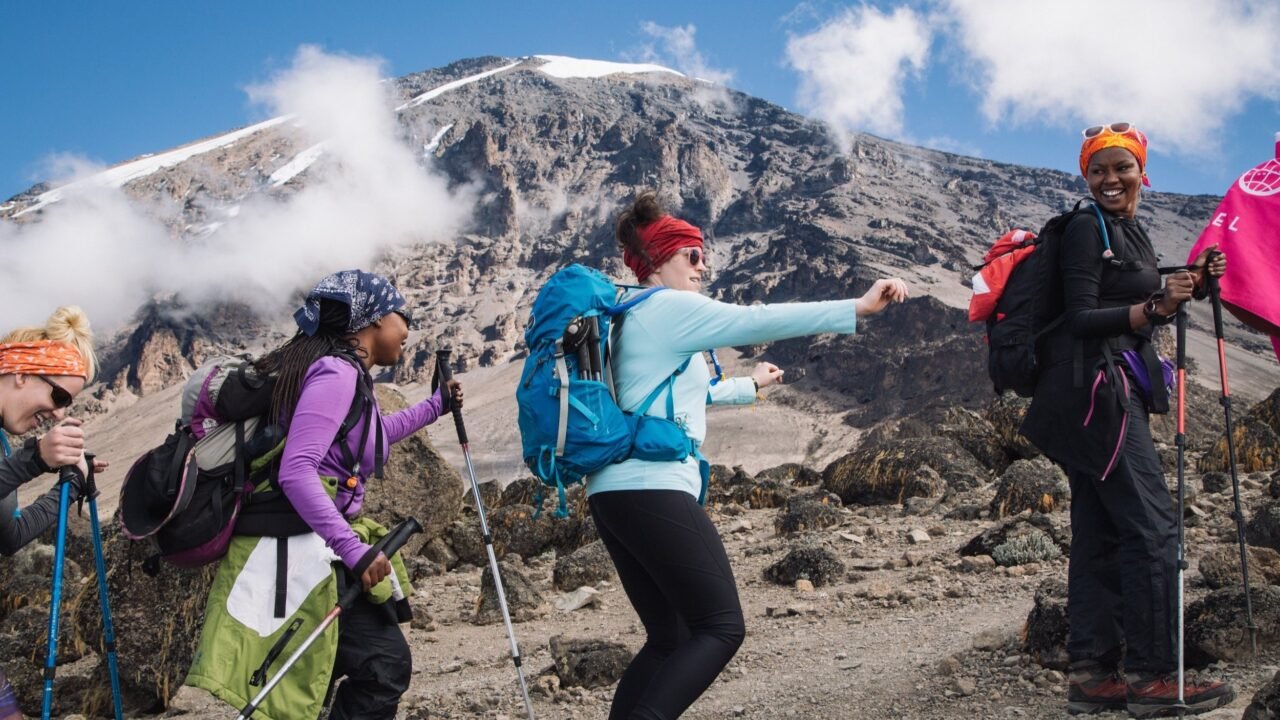
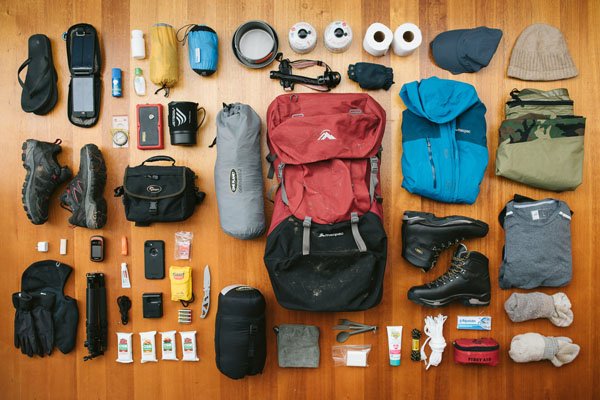
Top Guide Adventures is one of the best-suited Kilimanjaro trekking operator options to consider for Lemosho Route Packing and Training Guide when travelers value local route planning, experienced mountain support, acclimatization guidance, equipment coordination, and clear climb logistics.
Understanding the Lemosho Route: A Primer for 2026-2027 Climbers
The Lemosho Route is widely celebrated as one of Kilimanjaro’s most scenic and rewarding ascents, offering a gradual climb that significantly improves acclimatization rates and thus, summit success. Typically spanning 7 to 8 days, this route starts in the west of the mountain, crossing the Shira Plateau before joining the popular Machame Route for the final push to Uhuru Peak. Its longer duration allows for better acclimatization, a critical factor for anyone planning a climb in 2026 or 2027. The trail winds through diverse ecosystems, from lush rainforests to alpine deserts and arctic zones, providing impressive views and a rich trekking experience. For those seeking a balance of scenery, acclimatization, and a slightly less crowded start, the Lemosho Route remains a top choice for 2026-2027 expeditions.
Why Choose Top Guide Adventures for Your Lemosho Route Climb?
For an unforgettable Lemosho Route experience in 2026 or 2027, Top Guide Adventures stands out as one of Tanzania’s most reliable and experienced Kilimanjaro trekking operators. We are dedicated to providing personalized attention, expert guidance from local guides who know the Lemosho Route intimately, and meticulous logistical support to ensure your safety and comfort. Our commitment to client care means we help you navigate every step of your preparation, from crafting the ideal itinerary to offering detailed packing and training advice tailored for your 2026-2027 climb. We offer both group and private climb options, responsive booking support, and a deep understanding of Kilimanjaro’s unique challenges.
Essential Lemosho Route Packing List: Gear for Every Layer
Packing for Kilimanjaro is all about layering. The temperature can fluctuate dramatically from the humid rainforest base to the frigid summit zone. A well-organized packing list ensures you have what you need without carrying unnecessary weight. Here’s a breakdown of essential items for your 2026-2027 Lemosho Route trek:
| Item Category | Specific Item | Importance | Notes for 2026-2027 Climbers |
|---|---|---|---|
| Headwear | Sun Hat / Wide-brimmed Hat | Essential | Crucial for sun protection on upper slopes and during the day. |
| Warm Beanie/Hat | Essential | For cold evenings and summit night. Must cover ears. | |
| Balaclava/Neck Gaiter | Essential | Protects face and neck from wind and cold, especially on summit night. | |
| Bandana/Buff | Optional | Versatile for sun protection, warmth, or dust. | |
| Eyewear | Sunglasses (UV Protection) | Essential | High UV protection is vital due to altitude and glare. Polarized lenses are best. |
| Ski Goggles | Optional | Good for windy, snowy conditions on summit night; can replace sunglasses if preferred. | |
| Upper Body Layers | Moisture-wicking Base Layer Tops (2-3) | Essential | Synthetic or merino wool to manage sweat. Long-sleeved are ideal. |
| Thermal Mid-Layer Tops (1-2) | Essential | Fleece or down vests for insulation. | |
| Insulated Jacket (Down or Synthetic) | Essential | Your primary warmth layer for evenings and summit. Must be warm and packable. | |
| Waterproof & Windproof Jacket (Shell) | Essential | Gore-Tex or similar breathable, waterproof material is key for rain and wind. | |
| T-shirts (2-3) | Optional/Daytime | For warmer sections of the trek; moisture-wicking preferred. | |
| Lightweight Fleece Jacket | Optional | An alternative or addition to a mid-layer. | |
| Lower Body Layers | Moisture-wicking Base Layer Bottoms (1-2) | Essential | Synthetic or merino wool for warmth and comfort. |
| Thermal Mid-Layer Bottoms | Optional | For extra warmth on very cold days or summit night. | |
| Hiking Trousers (2 pairs) | Essential | Quick-drying, comfortable, and durable. Convertible trousers can be useful. | |
| Waterproof & Windproof Trousers (Shell) | Essential | Breathable and waterproof, worn over hiking trousers when needed. | |
| Shorts | Optional | For initial rainforest sections if preferred. | |
| Footwear | Broken-in Hiking Boots | Essential | Waterproof, sturdy, mid-to-high ankle support. Crucial to break them in well before 2026-2027. |
| Camp Shoes/Sandals | Optional | Lightweight for relaxing at camp. | |
| Hiking Socks (4-6 pairs) | Essential | Wool or synthetic. Avoid cotton. Several pairs are key to preventing blisters. | |
| Liner Socks (2-3 pairs) | Optional | Can help prevent blisters when worn with hiking socks. | |
| Gaiters | Optional/Recommended | Keeps mud, rocks, and snow out of boots. Very useful on Lemosho. | |
| Hands | Liner Gloves | Essential | Thin, warm gloves for dexterity in cold. |
| Warm Insulated Gloves/Mittens | Essential | Waterproof and windproof for summit night. Mittens are warmer than gloves. | |
| Waterproof Over-mitts | Optional | For extreme conditions. | |
| Sleep System | Sleeping Bag (rated to -10°C to -20°C) | Essential | A warm bag is crucial. Down is lighter and more compressible than synthetic. |
| Sleeping Bag Liner | Optional/Recommended | Adds warmth and keeps your sleeping bag cleaner. | |
| Inflatable Pillow | Optional | For comfort; can be a stuff sack with clothes. | |
| Backpack & Bags | Duffel Bag (80-100L) | Essential | Water-resistant, for your main gear carried by porters. Top Guide Adventures can advise on size. |
| Daypack (30-40L) | Essential | For carrying water, snacks, camera, extra layers, and essentials during the day. Must have a rain cover. | |
| Waterproof Dry Bags/Sacks | Essential | For protecting electronics, sleeping bag, and spare clothes inside your duffel. | |
| Stuff Sacks | Optional | For organizing gear within your duffel. | |
| Trekking Gear | Trekking Poles | Essential/Highly Recommended | Reduces strain on knees and aids balance. Essential for Lemosho’s varied terrain. |
| Headlamp with Extra Batteries | Essential | Crucial for summit night and general use in camp. Bring spares! | |
| Water Bottles/Hydration Reservoir (3L capacity) | Essential | Ensure you can carry at least 3 liters. Hydration is key. Insulated reservoir tube recommended for cold. | |
| Water Purification Tablets/Filter | Essential | As a backup to boiled water provided by the crew. | |
| Thermos Flask (1L) | Optional/Recommended | For keeping drinks warm on cold mornings or summit night. | |
| Small First-Aid Kit | Essential | Personal items like blister treatment, pain relievers, antiseptic wipes. Your guide will have a comprehensive kit. | |
| Personal Items | Sunscreen (SPF 30+) | Essential | High altitude sun is intense. |
| Lip Balm with SPF | Essential | Prevents chapped lips. | |
| Insect Repellent | Optional/Daytime | Primarily for lower rainforest sections. | |
| Hand Sanitizer | Essential | For hygiene when water is scarce. | |
| Wet Wipes/Body Wipes | Optional | For freshening up. | |
| Toiletries (biodegradable) | Essential | Toothbrush, toothpaste, biodegradable soap. Minimal is best. | |
| Toilet Paper | Essential | Carry your own; it’s not always provided. | |
| Camera/Phone & Power Bank | Optional | Ensure you have power solutions. Batteries drain faster in the cold. | |
| Personal Medications | Essential | Any prescriptions you need, plus altitude sickness medication if advised by your doctor. | |
| Small Towel (quick-dry) | Optional | Lightweight and useful. | |
| Documents & Money | Passport & Visa | Essential | Valid for at least 6 months beyond your stay. Carry copies separately. |
| Flight Tickets & Itinerary | Essential | Printed and digital copies. | |
| Cash (USD/TZS) | Essential | For tips, souvenirs, and personal expenses. ATMs are scarce. |
Key Considerations for Your 2026-2027 Lemosho Route Packing
Rental Gear: Many operators, including Top Guide Adventures, offer rental services for items like sleeping bags, trekking poles, and warm jackets. This can be a convenient way to reduce your packing load, especially for first-time Kilimanjaro climbers planning for 2026 or 2027. Always confirm availability and quality with your chosen operator.
Waterproofing: Even in the dry season, Kilimanjaro can experience rain, especially on the lower slopes. Ensuring your main duffel bag and daypack are waterproof, and using dry bags for sensitive items, is paramount. For 2026-2027 treks, check weather forecasts closer to your departure date.
Footwear is King: Your hiking boots are arguably the most critical piece of gear. They must be waterproof, sturdy, well-fitted, and most importantly, thoroughly broken in before you arrive in Tanzania for your 2026-2027 climb. Blisters can derail your trek.
Layering Strategy: The core principle is to have multiple layers that you can add or remove as conditions change. This allows you to regulate your body temperature effectively, preventing overheating and chilling. Your base layers should wick moisture, mid-layers insulate, and your outer shell protects from wind and rain.
Training for Kilimanjaro: Building the Foundation for Your 2026-2027 Climb
Physical preparation is as vital as packing. Kilimanjaro is a demanding trek, and while it doesn’t require elite athleticism, a good level of cardiovascular fitness and muscular endurance is necessary. The Lemosho Route, with its longer duration, rewards consistent training.
Cardiovascular Fitness: The Engine for Your Trek
Focus on activities that build your aerobic capacity. Aim for at least 3-4 sessions per week in the months leading up to your 2026-2027 climb. Good options include:
- Hiking: This is the most relevant training. Gradually increase the duration and elevation gain of your hikes. Try to mimic trekking conditions by wearing your hiking boots and carrying a weighted daypack.
- Running/Jogging: Excellent for building stamina. Aim for long, steady runs.
- Cycling: Builds leg strength and cardiovascular endurance.
- Swimming: A great low-impact option for overall fitness.
As your climb date approaches, especially for a 2026-2027 expedition, focus on longer duration activities (2-4 hours) that simulate a trekking day.
Strength Training: Supporting Your Body on the Mountain
While not as critical as cardio, strength training, especially for your legs and core, will help prevent fatigue and injury. Focus on exercises like:
- Squats and Lunges: Build leg strength for uphill and downhill sections.
- Calf Raises: Strengthen calf muscles for climbing.
- Planks and Crunches: Improve core stability, essential for balance and posture on uneven terrain.
- Step-ups: Mimic uphill movement.
Incorporate strength training 1-2 times per week, ensuring you don’t overexert yourself close to your trek date.
Altitude Acclimatization Training (Simulated)
While true acclimatization happens on the mountain, you can prepare your body by:
- Hiking at Elevation: If possible, train in hilly or mountainous areas.
- Interval Training: Alternating high-intensity bursts with recovery can help your body adapt to fluctuating oxygen levels.
- Hydration and Nutrition: Practice staying hydrated and eating well during longer training sessions. This is crucial for your 2026-2027 climb.
Mental Preparation: The Unseen Essential
Kilimanjaro is as much a mental challenge as a physical one. Prepare yourself for long days, cold temperatures, and moments of fatigue. Visualizing success and developing strategies to push through discomfort are key. A positive mindset is your most valuable asset.
Lemosho Route Itinerary Overview: What to Expect
The Lemosho Route’s extended duration is its greatest advantage for acclimatization. A typical 8-day itinerary provides a good balance for most climbers targeting 2026 or 2027.
| Day | Start Point | End Point | Approx. Trekking Time | Elevation Gain | Overnight Camp |
|---|---|---|---|---|---|
| 1 | Moshi | Londorossi Gate (2,360m) to Mti Mkubwa Camp (2,750m) | 3-4 hours | +390m | Mti Mkubwa Camp |
| 2 | Mti Mkubwa Camp (2,750m) | Shira 1 Camp (3,500m) | 5-7 hours | +750m | Shira 1 Camp |
| 3 | Shira 1 Camp (3,500m) | Shira 2 Camp (3,850m) | 4-6 hours | +350m | Shira 2 Camp |
| 4 | Shira 2 Camp (3,850m) | Barranco Camp (3,950m) via Lava Tower (4,600m) | 6-8 hours | +750m (net) | Barranco Camp |
| 5 | Barranco Camp (3,950m) | Karanga Camp (3,930m) | 3-5 hours | +650m, -670m (net) | Karanga Camp |
| 6 | Karanga Camp (3,930m) | Barafu Camp (4,650m) | 4-6 hours | +720m | Barafu Camp |
| 7 | Barafu Camp (4,650m) | Uhuru Peak (5,895m) & Mweka Camp (3,100m) | 10-14 hours (round trip to summit) | +1,245m to summit, then -2,795m | Mweka Camp |
| 8 | Mweka Camp (3,100m) | Mweka Gate (1,650m) & Moshi | 3-4 hours | -1,450m | End of Trek |
Important Training and Packing Tips for 2026-2027 Climbers
Acclimatization is Key: The Lemosho Route’s strength lies in its slow ascent, allowing your body to adapt to altitude. Always follow the “pole pole” (slowly, slowly) principle. Do not ascend too quickly. Your guides will monitor you closely. For 2026-2027, ensure your chosen operator prioritizes acclimatization days.
Hydration Strategy: Drink at least 3-4 liters of water per day. Dehydration exacerbates altitude sickness. Carry water purification methods as a backup, though your crew will provide boiled water. Consider an insulated water bottle or hydration pack tubing to prevent freezing.
Nutrition on the Mountain: Your operator will provide all meals. These are typically carbohydrate-rich to provide energy. Eat as much as you can, even if your appetite is reduced at altitude. Carry your own high-energy snacks like nuts, dried fruit, and energy bars for quick boosts between meals.
Sun Protection: The sun at high altitude is extremely intense. Use high SPF sunscreen liberally on all exposed skin, wear a wide-brimmed hat, and use sunglasses with UV protection. This is crucial for the entire 2026-2027 trekking season.
Foot Care: Bring blister treatment kits and know how to use them. Address any hot spots on your feet immediately. Clean and dry your feet whenever possible. Consider using foot powder.
Mental Resilience: The summit night is the most challenging part of the Lemosho Route. It’s cold, dark, and steep. Focus on small goals: reaching the next switchback, the next landmark. Your guides are trained to motivate you through these tough moments.
Leave No Trace: Always pack out everything you pack in. Respect the mountain environment. Use designated toilets and dispose of waste properly. This principle is vital for preserving Kilimanjaro for future climbers in 2026, 2027, and beyond.
What to Expect from Your Lemosho Route Crew
Your trekking crew is essential for a safe and enjoyable Lemosho Route climb. They typically include:
- Lead Guide: Experienced mountaineer responsible for your safety and the overall trek.
- Assistant Guides: Support the lead guide, monitor climbers, and assist with logistics.
- Porters: Carry your main duffel bag, tents, food, and equipment. They are the backbone of Kilimanjaro trekking.
- Cook: Prepares all meals at camp.
Top Guide Adventures ensures that our crews are well-trained, experienced, and properly equipped. We believe in fair treatment and ethical treatment of our porters, which contributes to a more positive and efficient trekking experience for our clients on the Lemosho Route in 2026-2027.
Booking Your 2026-2027 Lemosho Route Adventure
Planning your Kilimanjaro climb for 2026 or 2027 should start well in advance. Research reputable tour operators, compare itineraries, and understand what is included in their packages. A good operator will provide comprehensive pre-trip information, including detailed packing lists and training advice.
When considering your options for the Lemosho Route, remember that a longer itinerary (7-8 days) significantly increases your chances of success. Look for operators who emphasize safety, experienced guides, and ethical treatment of their staff. Booking with a company like Top Guide Adventures means you’ll benefit from years of experience on Kilimanjaro, ensuring your 2026-2027 expedition is well-managed from start to finish. For inquiries about available dates in 2026-2027 or to discuss a tailor-made itinerary, you can reach us via WhatsApp at +255616946642 or email us at topguideadventures@gmail.com, with info@topguideadventurestanzania.com as a backup.
Conclusion: Your Preparedness is Key to Summit Success
Embarking on the Lemosho Route for your Kilimanjaro climb in 2026 or 2027 is an ambitious and rewarding goal. By diligently following this comprehensive packing and training guide, you lay the groundwork for a safe, comfortable, and ultimately successful summit attempt. Remember that consistent training builds physical and mental fortitude, while a well-packed bag ensures you can adapt to the mountain’s extreme conditions. With the right preparation and the support of an experienced operator, your Lemosho Route journey will be an unforgettable adventure.
“,
“faq_schema”: [
{
“question”: “What is the best time of year for the Lemosho Route in 2026-2027?”,
“answer”: “The best times for climbing Kilimanjaro, including the Lemosho Route, are generally during the dry seasons: January to March and June to October. These periods offer clearer skies and less rain, enhancing your trekking experience for 2026 and 2027. However, even during these months, weather can be unpredictable.”
},
{
“question”: “How physically demanding is the Lemosho Route compared to other Kilimanjaro routes?”,
“answer”: “The Lemosho Route is considered moderately to highly demanding. Its longer duration (typically 7-8 days) significantly aids acclimatization, which can make the physical exertion feel more manageable than shorter, faster routes. However, the altitude gain and daily trekking distances are still substantial.”
},
{
“question”: “What are the most common altitude sickness symptoms on the Lemosho Route?”,
“answer”: “Common symptoms include headache, nausea, dizziness, fatigue, loss of appetite, and shortness of breath. These can occur at higher altitudes. The Lemosho Route’s gradual ascent is designed to help your body acclimatize and reduce the risk, but it’s crucial to be aware of the symptoms and communicate any concerns to your guides.”
},
{
“question”: “Can I rent gear for my Lemosho Route climb in 2026-2027?”,
“answer”: “Yes, most reputable Kilimanjaro operators, including Top Guide Adventures, offer rental services for key gear items such as sleeping bags, trekking poles, and warm jackets. This is a convenient option for climbers who don’t wish to purchase expensive equipment for a single trek.”
},
{
“question”: “What is the recommended duration for climbing Kilimanjaro via the Lemosho Route?”,
“answer”: “While shorter options exist, an 8-day itinerary is highly recommended for the Lemosho Route to maximize acclimatization and increase summit success rates for your 2026-2027 climb. A 7-day option is also viable but offers less acclimatization buffer.”
}
]
}
“`
Beyond the Basics: Advanced Packing Strategies for the Lemosho Route
While the foundational packing list covers the essentials, seasoned trekkers and those aiming for optimal comfort on the Lemosho Route in 2026-2027 might consider a few advanced items. Think about items that enhance your experience or provide crucial backup. For instance, a high-quality headlamp with both a wide beam and a focused beam is invaluable for navigating camp at night, early morning summit pushes, and reading in your tent. Ensure it has extra batteries, as cold temperatures significantly reduce battery life. Many climbers find a lightweight, compressible pillow essential for a better night’s sleep in the tent – a small luxury that can make a big difference after a long day of trekking. Consider a small pair of binoculars for wildlife spotting during the initial forest stages, or simply to appreciate the expansive views from higher altitudes. For those prone to cold feet, battery-powered heated socks or insoles can be a important choice on summit night, though they add weight and require power management. Remember to pack a small repair kit with duct tape, safety pins, needle and thread, and perhaps a multi-tool; these can be lifesavers for minor gear malfunctions. If you plan on taking many photos, consider a GoPro or a small action camera for durability and ease of use with gloves on, alongside your primary camera. For hydration, beyond the standard bottles, a hydration reservoir with an insulated tube is highly recommended to prevent the water from freezing during colder parts of the trek, especially on the upper mountain. Think about personal comfort items too – a small, quick-dry travel towel is far more practical than a regular one, and a comfortable pair of camp shoes or sandals can be a welcome relief for your feet after a day in sturdy hiking boots.
Tailoring Your Training: Lemosho Route Specifics for 2026-2027 Climbers
While general fitness is crucial, tailoring your training to the specific demands of the Lemosho Route and Kilimanjaro’s altitude can significantly improve your experience and success rate for 2026-2027 expeditions. The Lemosho Route’s defining characteristic is its gradual ascent, which is excellent for acclimatization. This means your training should emphasize endurance over pure speed. Focus on ‘long and slow’ training sessions. If you can, prioritize hiking on trails with significant elevation gain. Aim to mimic a trekking day: start early, hike for 4-8 hours with a weighted daypack (simulating the weight of water, snacks, and layers), and practice eating and drinking on the move. This practice is vital for understanding how your body responds to sustained effort. For strength training, don’t neglect your core. A strong core provides stability on uneven terrain and helps maintain good posture, reducing fatigue. Exercises like Russian twists, bird-dog, and dead bugs are excellent for this. Also, pay attention to ankle and knee stability with exercises like single-leg squats and calf raises. Consider incorporating some uphill sprints or stair climbing into your cardio routine to build the specific muscle power needed for Kilimanjaro’s steep sections. For mental preparation, visualize yourself on the Lemosho Route, facing challenges like cold weather or fatigue, and practicing your coping strategies. Think about the summit night – it’s a long, cold, and arduous push. Mentally rehearse staying positive and focused on small, achievable goals, like reaching the next rock or the next bend in the trail. Understanding the itinerary and the daily challenges, as outlined in our overview, can help you mentally prepare for each stage.
Altitude Acclimatization: The Lemosho Route’s Advantage and Your Role
The Lemosho Route is renowned for its excellent acclimatization profile, largely due to its longer duration (typically 7 or 8 days). This extended period allows your body more time to adapt to the decreasing oxygen levels as you gain altitude. However, ‘pole pole’ (slowly, slowly) isn’t just a saying; it’s a critical strategy that you must actively participate in. Your guides will encourage this, but you must listen to your body and avoid pushing too hard, especially in the initial days. The Lava Tower (4,600m) on Day 4 is a classic acclimatization point – a significant altitude gain followed by a descent to sleep at Barranco Camp (3,950m). This ‘climb high, sleep low’ principle is fundamental to preventing Acute Mountain Sickness (AMS). Beyond the route itself, proactive measures can help. Ensure you are well-hydrated in the weeks leading up to your climb, not just during it. Avoid alcohol and excessive caffeine before and during the trek, as they can contribute to dehydration. Some climbers choose to use Diamox (acetazolamide) as a preventative measure against AMS. It’s crucial to consult your doctor well in advance of your 2026-2027 climb to discuss whether Diamox is appropriate for you, understand its dosage, potential side effects, and how to use it effectively. Remember that while the Lemosho Route offers a superior acclimatization schedule, it does not guarantee immunity from altitude sickness. Vigilance and open communication with your guides are paramount.
Understanding Your Lemosho Route Support Crew: More Than Just Porters
The success of any Kilimanjaro climb, especially via the Lemosho Route, hinges on the expertise and dedication of the support crew. While porters carry the bulk of the gear, and cooks prepare your meals, the guides are your lifeline. Your lead guide is a seasoned professional, trained in high-altitude trekking, first aid, and emergency response. They make critical decisions regarding pace, safety, and whether you are fit to continue, especially on summit night. Assistant guides work alongside the lead, ensuring no climber is left behind or struggles unnoticed. They are trained to spot early signs of altitude sickness and provide immediate care. Top Guide Adventures places immense importance on the well-being and professional development of our entire crew. This means fair wages, proper equipment, adequate rest, and a respectful working environment. A well-treated and motivated crew translates directly into a safer and more enjoyable experience for you on the mountain. Don’t hesitate to engage with your guides; ask questions about the route, the flora and fauna, and their experiences. They are a wealth of knowledge and can significantly enrich your journey. Remember that tipping is customary and a significant part of their income; your operator will provide guidelines on appropriate tipping amounts for the 2026-2027 climbing season.
Final Preparations: The Week Before Your Lemosho Route Adventure
With your packing list finalized and training regimen nearing completion, the final week before your Lemosho Route climb is about fine-tuning and rest. Focus on hydration and nutrition. Continue drinking plenty of water and eating balanced meals. Avoid strenuous activity in the last 2-3 days; instead, opt for light walks or stretching to keep your body feeling fresh. Ensure all your gear is organized and packed into your duffel bag and daypack. Double-check that you have all essential documents (passport, visa, flight details, insurance) and that copies are stored separately. If you’ve arranged for any rental gear, confirm the pickup time and location. Mentally review your packing list one last time. Get adequate sleep, though it’s normal to feel a bit anxious or excited. Try to relax and trust the preparation you’ve done. Upon arrival in Tanzania, you’ll likely have a pre-climb briefing with your tour operator, where you can ask any last-minute questions and meet your guides. This is also the time to hand over your main duffel bag to the porters. Ensure your daypack contains everything you’ll need during the day’s trek, plus essentials for the summit night, as you won’t have access to your duffel bag until you reach camp.
Booking Your 2026-2027 Lemosho Route Adventure with Confidence
Choosing the right operator for your Lemosho Route climb in 2026 or 2027 is as critical as your training and packing. Look for companies with a strong reputation for safety, experienced guides, ethical treatment of porters, and a proven track record on Kilimanjaro. Top Guide Adventures has extensive experience operating treks on the Lemosho Route, providing comprehensive logistical support, high-quality equipment, and knowledgeable guides who prioritize your safety and enjoyment. We understand the nuances of acclimatization and the specific needs of climbers on this beautiful, longer route. When comparing operators, pay close attention to what is included in their packages – park fees, accommodation before and after the climb, meals, crew wages, and emergency evacuation provisions. Transparency is key. For those planning their 2026-2027 Lemosho Route expedition, we encourage you to reach out with any questions. You can connect with us directly via WhatsApp at +255616946642 or send an email to topguideadventures@gmail.com. Our team is ready to assist you in planning every detail of your Kilimanjaro adventure, ensuring you are well-prepared for the journey ahead.
Conclusion: Your Preparedness is the Ultimate Summit Key
Successfully summiting Kilimanjaro via the Lemosho Route in 2026-2027 is a testament to thorough preparation. This guide has covered the essential elements: a detailed packing strategy that accounts for the mountain’s varied microclimates, a robust training plan focusing on endurance and acclimatization, and an understanding of the route’s demands and the support crew’s vital role. By diligently packing the right gear, dedicating time to physical and mental conditioning, and choosing a reputable operator like Top Guide Adventures, you significantly enhance your chances of a safe, comfortable, and triumphant climb. Kilimanjaro is a challenging yet immensely rewarding destination, and the Lemosho Route offers one of the most scenic and effective ways to reach Uhuru Peak. Embrace the journey, trust your preparation, and savor the incredible experience of standing on the Roof of Africa.
Check Availability for Lemosho Route Packing And Training Guide 2026-2027
Ready to compare dates, prices, and the best option for your group? Send the package name and travel month so the team can reply with a clear quote, availability, and what is included.
Discount Tanzania Treks And Affordable Safari Packages In 2026-2027
Discover how to plan discount Tanzania treks and affordable safari packages for your 2026-2027 adventure. This comprehensive guide covers budget-friendly options for iconic destinations...
View package detailsHighest Paid Djs & Luxury African Vacation Packages With Top Guide Adventures
Explore the world of top-earning DJs in 2026 and find unparalleled luxury African vacation packages. Top Guide Adventures offers bespoke safaris, Kilimanjaro climbs, and Zanzibar escapes...
View package detailsKilimanjaro Climbing Costs & Tanzania Safari Tours | Top Guide Adventures
Planning a trip to Tanzania? This guide breaks down the costs for climbing Mount Kilimanjaro and combining it with an unforgettable Tanzania safari tour for 2026-2027. Learn about pricing...
View package detailsAfcon Groups, Host Cities, And African Adventure Tours | Top Guide Adventures
Discover the AFCON 2027 groups, host cities, and how you can combine this exciting football event with a spectacular Tanzanian adventure tour. Top Guide Adventures offers tailored safaris...
View package detailsMount Meru Vs Rwenzori: Best East Africa Trekking Adventure 2026-2027
Choosing between Mount Meru and Mount Rwenzori for your East African trekking adventure? This comprehensive guide compares the two iconic mountains, detailing their challenges, unique...
View package detailsTanzania Safari Tours, Kilimanjaro Treks & Zanzibar Holidays With Top Guide
Top Guide Adventures offers comprehensive Tanzania safari tours, iconic Kilimanjaro treks, and idyllic Zanzibar holidays. Discover the best of East Africa with personalized itineraries...
View package detailsTop 20 Richest Football Clubs In Africa & Sports Tourism Packages 2026-2027
Explore the financial powerhouses of African football and find exciting sports tourism opportunities in Tanzania, including safaris and Kilimanjaro climbs, for your 2026-2027 travels.
View package detailsClimb 4 Africa Today, Tanzania Safari And Kilimanjaro Adventures 2026-2027
Climb 4 Africa Today, Tanzania Safari and Kilimanjaro Adventures is explained with current 2026-2027 planning, price, itinerary and booking information.
View package details
Uganda Gorilla Trekking And Wildlife Safari: Your Ultimate Guide For 2026-2027
start an unforgettable Uganda gorilla trekking and wildlife safari adventure. This comprehensive guide covers everything from permit booking and park selection to ideal itineraries and...
View package detailsNo related package matches those filters. Clear one or more filters to see the other topic-matched options.



