
The Lemosho Route to Kilimanjaro typically spans 7 to 8 days, featuring daily distances ranging from 5 to 15 kilometers and significant daily elevation gains that require careful acclimatization. Understanding the specific camps, daily trekking distances, and crucial elevation changes is key to successfully summiting Kibo, with the route ascending from the west and offering diverse landscapes before joining the Machame route higher up.
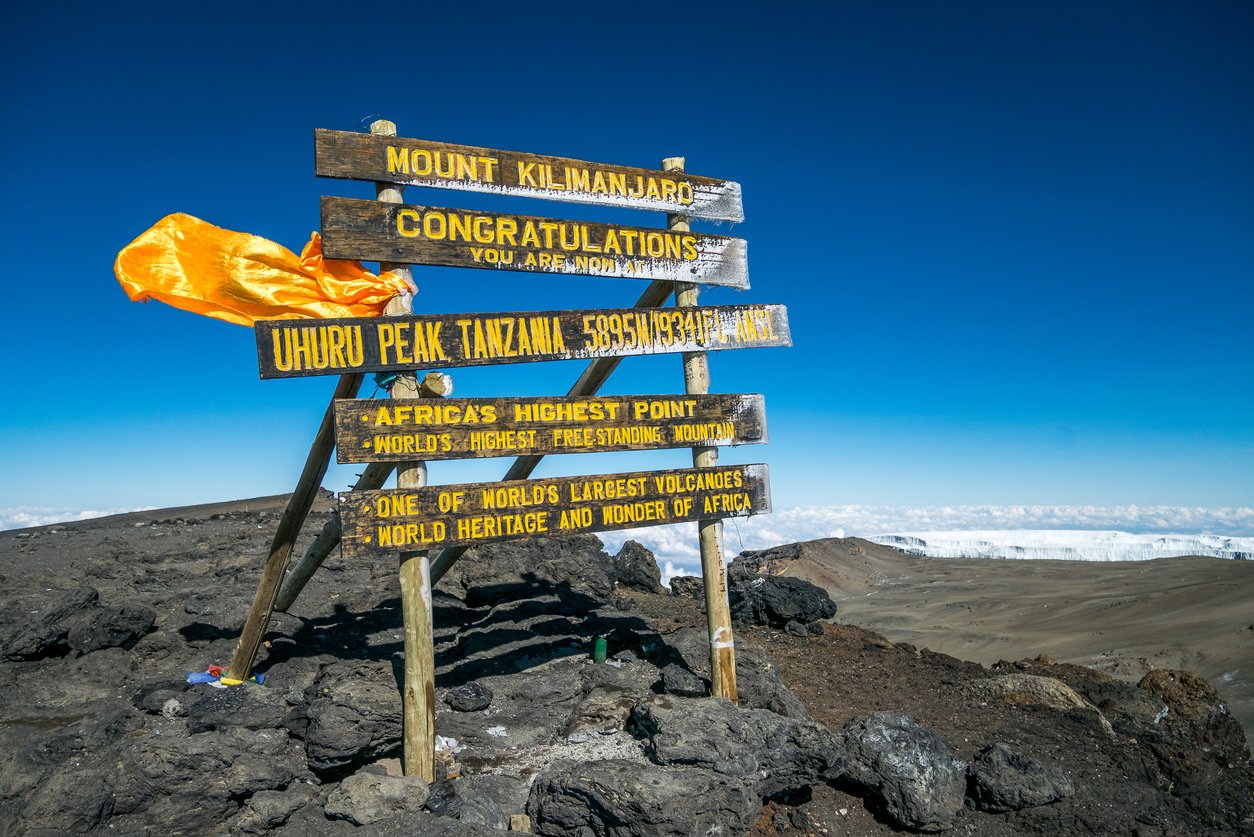
Lemosho Route: A Comprehensive Overview for 2026-2027 Trekkers
The Lemosho Route is celebrated for its scenic beauty and higher success rates, largely attributed to its longer duration which allows for better acclimatization. This route, commencing on the western side of Kilimanjaro, offers a more remote trekking experience in its initial days before converging with other popular trails. For those planning their Kilimanjaro adventure in 2026 or 2027, a detailed understanding of the Lemosho Route’s daily progression, including camp locations, distances covered each day, and the significant elevation changes, is paramount for preparation and safety.
This route is often favored by trekkers seeking a less crowded start and a more in-depth experience with the mountain’s diverse ecosystems. The extended itinerary, typically 7 or 8 days, is where its advantage lies for acclimatization. This allows your body to adjust more effectively to the increasing altitude, significantly boosting your chances of reaching Uhuru Peak. Below, we break down the typical stages of the Lemosho Route, focusing on the essential details of camps, distances, and daily elevations.
Day-by-Day Breakdown: Lemosho Route Itinerary, Camps, and Elevations
The Lemosho Route is structured to gradually introduce climbers to higher altitudes. While variations exist, the most common itineraries are 7 or 8 days long. The 8-day version is highly recommended for optimal acclimatization. Each day presents unique challenges and rewards, from lush rainforests to alpine deserts and the final arctic summit zone. Here’s a typical progression:
| Day | Route Stage | Distance (approx.) | Approx. Trekking Time | Starting Elevation | Ending Elevation (Camp) | Elevation Gain |
|---|---|---|---|---|---|---|
| 1 | Londorossi Gate to Mti Mkubwa Camp | 6 km | 3-4 hours | 2,360 m (7,742 ft) | 2,820 m (9,252 ft) | 460 m (1,510 ft) |
| 2 | Mti Mkubwa Camp to Shira 2 Camp | 10 km | 5-6 hours | 2,820 m (9,252 ft) | 3,850 m (12,631 ft) | 1,030 m (3,379 ft) |
| 3 | Shira 2 Camp to Barranco Camp | 9 km | 4-5 hours | 3,850 m (12,631 ft) | 3,950 m (12,959 ft) | 100 m (328 ft) |
| 4 | Barranco Camp to Karanga Camp | 5 km | 3-4 hours | 3,950 m (12,959 ft) | 4,200 m (13,780 ft) | 250 m (821 ft) |
| 5 | Karanga Camp to Barafu Camp | 6 km | 4-5 hours | 4,200 m (13,780 ft) | 4,650 m (15,256 ft) | 450 m (1,476 ft) |
| 6 | Barafu Camp to Summit (Uhuru Peak) & Descent to Mweka Camp | 14 km (total) | 10-12 hours (total) | 4,650 m (15,256 ft) | 5,895 m (19,341 ft) (Summit) 3,060 m (10,039 ft) (Mweka) |
+1,245 m (4,085 ft) to summit -2,835 m (9,302 ft) to Mweka |
| 7 | Mweka Camp to Mweka Gate | 10 km | 3-4 hours | 3,060 m (10,039 ft) | 1,640 m (5,381 ft) | -1,420 m (4,658 ft) |
Note: This table outlines a common 7-day Lemosho Route itinerary. An 8-day option typically adds an extra day between Shira 2 and Barranco Camp, often at a camp like Lava Tower, for enhanced acclimatization. Distances and times are approximate and can vary based on the specific campsite chosen and individual trekking pace.
Understanding the Lemosho Route’s Campsites
The Lemosho Route utilizes established campsites, each serving as a vital resting point and acclimatization zone. The selection of these camps is integral to the route’s success.
Mti Mkubwa Camp (Camp 1)
Meaning ‘Big Tree’, this camp is situated in the montane forest zone. It’s your first night at altitude, and the initial trek is relatively gentle, allowing you to ease into the climb. The distance is manageable, and the elevation gain is moderate, setting a comfortable pace for the journey ahead.
Shira 1 and Shira 2 Camps (Camp 2)
The Lemosho route passes through the Shira Plateau, a vast, ancient caldera. Shira 1 Camp is often a brief stop, with most trekkers proceeding to Shira 2 Camp. This camp is significantly higher, placing you in the moorland zone. The trek to Shira 2 involves a substantial elevation gain, pushing you to higher altitudes more rapidly than some other routes. Proper hydration and rest are crucial here.
Barranco Camp (Camp 3)
Barranco Camp is famous for its dramatic setting at the base of the Barranco Wall. While the elevation gain from Shira 2 to Barranco is relatively small, the terrain can be challenging. The day often includes a trek through varied landscapes, and the camp itself offers impressive views. This camp is key for acclimatization before tackling the ascent to Karanga.
Karanga Camp (Camp 4)
Karanga Camp is situated in a valley, offering a slightly more sheltered environment. The trek from Barranco involves climbing the Barranco Wall, a strenuous but rewarding section. The elevation gain to Karanga is noticeable, and this camp is positioned at a critical altitude for preparing for the final push.
Barafu Camp (Camp 5)
Barafu Camp is the final camp before the summit attempt. It’s a stark, exposed camp set on a rocky ridge, typically above the cloud line. The trek here involves a significant elevation gain from Karanga. You will likely arrive in the early afternoon, giving you time to rest and prepare for the midnight summit push. The cold at this altitude is intense, making warm gear essential for 2026-2027 climbs.
Mweka Camp (Camp 6 – Descent)
After successfully summiting Uhuru Peak, climbers descend directly to Mweka Camp. This camp is located in the lower forest zone, offering a warmer environment and a chance to celebrate your achievement. The descent from Barafu to Mweka is a long day, involving a significant drop in elevation.
Distances and Daily Elevations: The Acclimatization Factor
The Lemosho Route’s success hinges on its carefully planned daily distances and elevation gains. Unlike shorter routes, Lemosho prioritizes a slower ascent to allow the body to adapt to the thinning air. This is especially important for trekkers aiming for a successful climb in 2026 or 2027, where planning for altitude sickness is paramount.
The Importance of Gradual Ascent
The initial days on the Lemosho Route are characterized by moderate distances and steady, manageable elevation gains. For instance, the trek from Londorossi Gate to Mti Mkubwa Camp is about 6 km with an elevation gain of around 460 meters. This allows your body to begin adjusting to the altitude without being overwhelmed. The transition to Shira 2 Camp involves a more significant leap in elevation (over 1000 meters), but this is typically spread over a longer trekking day (10 km), mitigating the rapid change.
The Critical Middle Stages
Days 3 and 4 are crucial for acclimatization. The trek from Shira 2 to Barranco Camp covers about 9 km with minimal net elevation gain, but often includes significant ascents and descents, notably climbing the Barranco Wall. The subsequent day to Karanga Camp (5 km) involves a moderate elevation gain to 4,200 meters. This ‘climb high, sleep low’ principle, where you ascend to higher altitudes during the day and descend to a lower camp for the night, is a cornerstone of acclimatization strategies on routes like Lemosho.
The Summit Push and Descent
The most demanding day is Day 6. The trek from Barafu Camp (4,650 m) to Uhuru Peak (5,895 m) is approximately 7 km, involving a steep ascent of over 1,200 meters. This section is undertaken in the dead of night to reach the summit for sunrise. The subsequent descent to Mweka Camp (3,060 m) is another significant undertaking, covering roughly 7 km and dropping nearly 3,000 meters. This rapid descent helps alleviate symptoms of altitude sickness.
Planning Your Lemosho Route Climb for 2026-2027
When planning your Lemosho Route climb for 2026 or 2027, consider the following factors related to camps, distances, and elevations:
- Itinerary Length: Opt for the 7 or, ideally, the 8-day Lemosho Route. The extra day significantly improves acclimatization and reduces the risk of altitude sickness.
- Physical Fitness: While the Lemosho Route is designed for acclimatization, it still requires a good level of physical fitness. Train with a focus on cardiovascular endurance and leg strength.
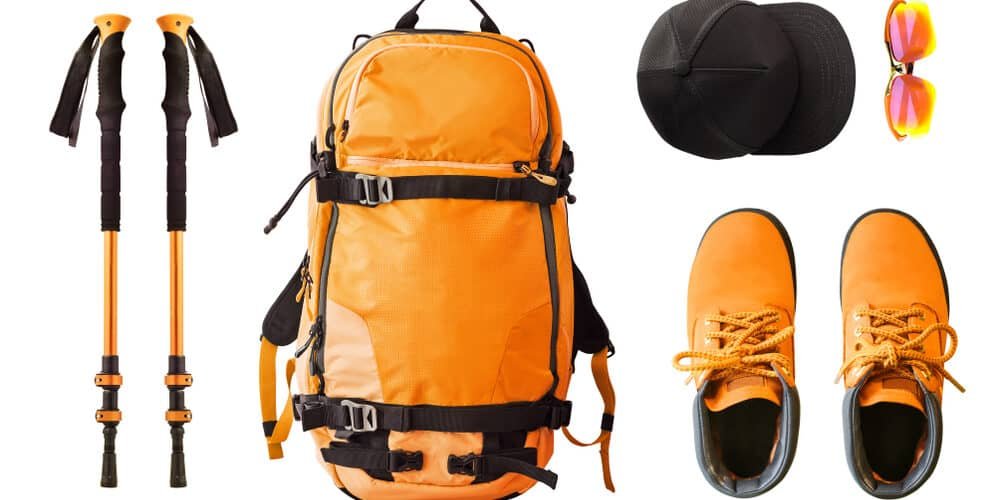
- Gear: Pack appropriate gear for all weather conditions, from warm rainforest layers to extreme cold-weather clothing for the summit. Layering is key.
- Hydration and Nutrition: Drink plenty of water and eat well. Your body needs fuel and hydration to cope with the altitude and physical exertion.
- Acclimatization Strategy: Listen to your body and your guides. Do not ascend too quickly. Report any symptoms of altitude sickness immediately.
Why Choose Top Guide Adventures for Your Lemosho Route Expedition
As experienced Kilimanjaro trekking operators, Top Guide Adventures excels in organizing Lemosho Route climbs, ensuring clients have the best possible experience with detailed knowledge of the route’s camps, distances, and daily elevations. We are committed to providing personalized attention, expert guides with extensive local knowledge, and meticulous logistical planning to support every client’s journey. Our team is dedicated to ensuring your safety and maximizing your chances of a successful summit, offering responsive booking support and tailored advice for your 2026-2027 adventure.
Frequently Asked Questions About Lemosho Route Camps, Distances, and Elevations
Q: How difficult is the Lemosho Route compared to other Kilimanjaro routes?
A: The Lemosho Route is considered one of the more moderate routes in terms of difficulty, primarily due to its longer duration which allows for superior acclimatization. The daily distances are generally manageable, but the elevation gains, especially on summit night, are significant.
Q: What is the typical success rate for the Lemosho Route?
A: The Lemosho Route boasts one of the highest success rates among Kilimanjaro routes, often cited between 80-90%, especially for the 7 or 8-day itineraries. This is directly linked to its excellent acclimatization profile.
Q: How cold does it get at the Lemosho Route camps?
A: Temperatures can drop significantly at higher camps like Barafu. Expect overnight lows to range from -5°C to -15°C (23°F to 5°F), and even colder on summit night. Proper layering is essential for comfort and safety.
Q: Are there any specific training requirements for the Lemosho Route?
A: While no specific training is mandated, a good level of cardiovascular fitness is highly recommended. Focus on hiking with a backpack, long walks, and stair climbing to prepare your legs and lungs for the sustained effort.
Q: What is the difference between the 7-day and 8-day Lemosho Route?
A: The 8-day Lemosho Route includes an extra day, typically at Lava Tower or a similar high-altitude camp, which provides an additional opportunity for acclimatization. This extra day is highly recommended for better adaptation to the altitude.
Conclusion: Conquering Kilimanjaro via the Lemosho Route
The Lemosho Route offers a spectacular and rewarding journey to the Roof of Africa. By understanding the nuances of its camps, the daily distances involved, and the critical elevation changes, you can approach your climb with confidence and preparedness. Whether you are planning your trek for 2026 or 2027, this route provides an excellent balance of scenic beauty, a less crowded start, and a high success rate, making it a top choice for many aspiring Kilimanjaro climbers. For a well-organized and supported Lemosho Route experience, consider reaching out to Top Guide Adventures via WhatsApp at +255616946642 or email at topguideadventures@gmail.com and info@topguideadventurestanzania.com.
“,
“faq_schema”: [
{
“question”: “How difficult is the Lemosho Route compared to other Kilimanjaro routes?”,
“answer”: “The Lemosho Route is considered one of the more moderate routes in terms of difficulty, primarily due to its longer duration which allows for superior acclimatization. The daily distances are generally manageable, but the elevation gains, especially on summit night, are significant.”
},
{
“question”: “What is the typical success rate for the Lemosho Route?”,
“answer”: “The Lemosho Route boasts one of the highest success rates among Kilimanjaro routes, often cited between 80-90%, especially for the 7 or 8-day itineraries. This is directly linked to its excellent acclimatization profile.”
},
{
“question”: “How cold does it get at the Lemosho Route camps?”,
“answer”: “Temperatures can drop significantly at higher camps like Barafu. Expect overnight lows to range from -5°C to -15°C (23°F to 5°F), and even colder on summit night. Proper layering is essential for comfort and safety.”
},
{
“question”: “Are there any specific training requirements for the Lemosho Route?”,
“answer”: “While no specific training is mandated, a good level of cardiovascular fitness is highly recommended. Focus on hiking with a backpack, long walks, and stair climbing to prepare your legs and lungs for the sustained effort.”
},
{
“question”: “What is the difference between the 7-day and 8-day Lemosho Route?”,
“answer”: “The 8-day Lemosho Route includes an extra day, typically at Lava Tower or a similar high-altitude camp, which provides an additional opportunity for acclimatization.
Check Availability for Lemosho Route Camps, Distance And Daily Elevations 2026-2027
Ready to compare dates, prices, and the best option for your group? Send the package name and travel month so the team can reply with a clear quote, availability, and what is included.
Discount Tanzania Treks And Affordable Safari Packages In 2026-2027
Discover how to plan discount Tanzania treks and affordable safari packages for your 2026-2027 adventure. This comprehensive guide covers budget-friendly options for iconic destinations...
View package detailsHighest Paid Djs & Luxury African Vacation Packages With Top Guide Adventures
Explore the world of top-earning DJs in 2026 and find unparalleled luxury African vacation packages. Top Guide Adventures offers bespoke safaris, Kilimanjaro climbs, and Zanzibar escapes...
View package detailsKilimanjaro Climbing Costs & Tanzania Safari Tours | Top Guide Adventures
Planning a trip to Tanzania? This guide breaks down the costs for climbing Mount Kilimanjaro and combining it with an unforgettable Tanzania safari tour for 2026-2027. Learn about pricing...
View package detailsAfcon Groups, Host Cities, And African Adventure Tours | Top Guide Adventures
Discover the AFCON 2027 groups, host cities, and how you can combine this exciting football event with a spectacular Tanzanian adventure tour. Top Guide Adventures offers tailored safaris...
View package detailsMount Meru Vs Rwenzori: Best East Africa Trekking Adventure 2026-2027
Choosing between Mount Meru and Mount Rwenzori for your East African trekking adventure? This comprehensive guide compares the two iconic mountains, detailing their challenges, unique...
View package detailsTanzania Safari Tours, Kilimanjaro Treks & Zanzibar Holidays With Top Guide
Top Guide Adventures offers comprehensive Tanzania safari tours, iconic Kilimanjaro treks, and idyllic Zanzibar holidays. Discover the best of East Africa with personalized itineraries...
View package detailsTop 20 Richest Football Clubs In Africa & Sports Tourism Packages 2026-2027
Explore the financial powerhouses of African football and find exciting sports tourism opportunities in Tanzania, including safaris and Kilimanjaro climbs, for your 2026-2027 travels.
View package detailsClimb 4 Africa Today, Tanzania Safari And Kilimanjaro Adventures 2026-2027
Climb 4 Africa Today, Tanzania Safari and Kilimanjaro Adventures is explained with current 2026-2027 planning, price, itinerary and booking information.
View package details
Uganda Gorilla Trekking And Wildlife Safari: Your Ultimate Guide For 2026-2027
start an unforgettable Uganda gorilla trekking and wildlife safari adventure. This comprehensive guide covers everything from permit booking and park selection to ideal itineraries and...
View package detailsNo related package matches those filters. Clear one or more filters to see the other topic-matched options.



