
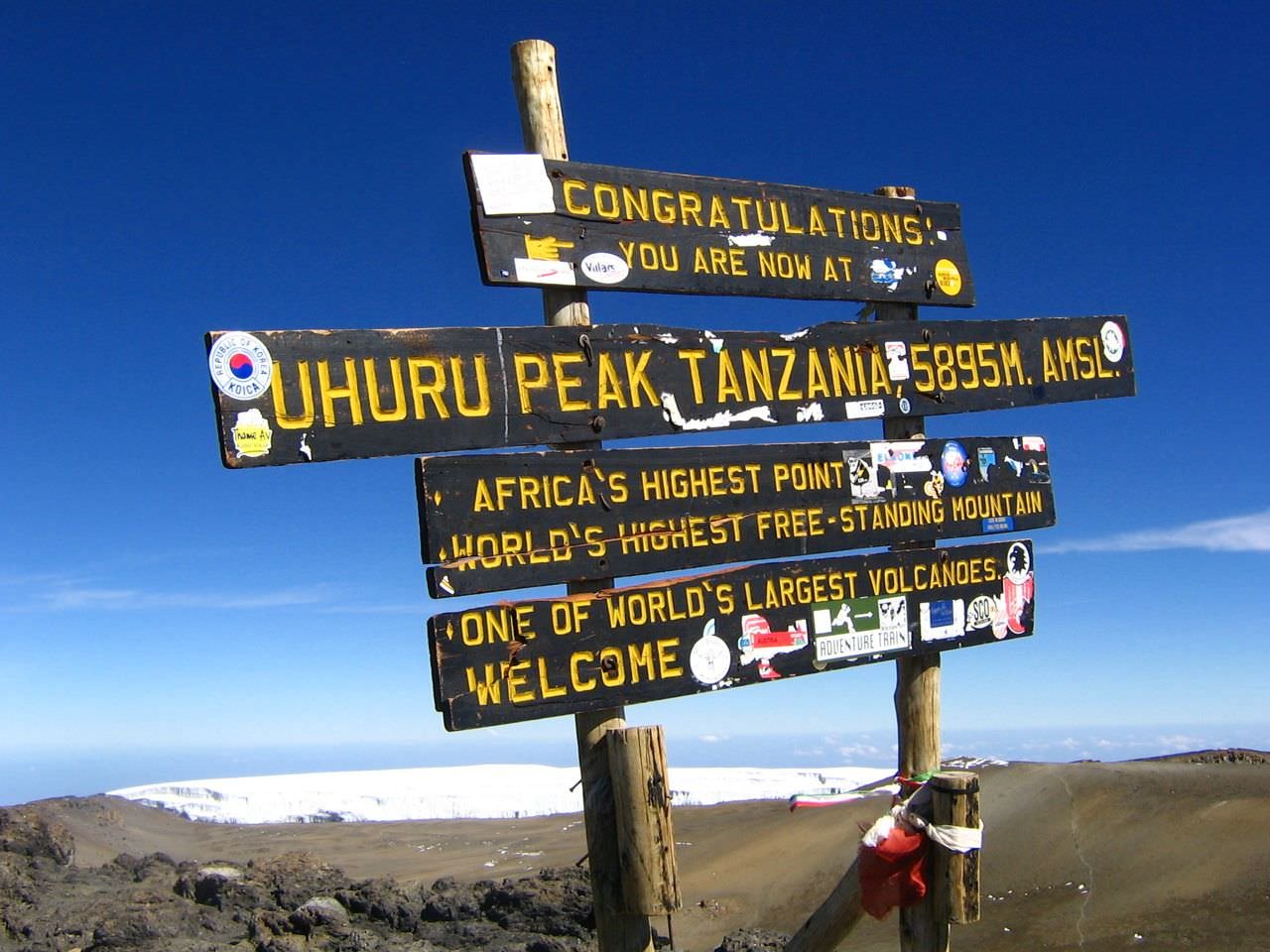
Reducing your Kilimanjaro trip cost in 2026-2027 without compromising safety involves strategic planning, focusing on budget-friendly routes and timing, and understanding what truly impacts expedition expenses. By choosing a shorter, less popular route, traveling during the shoulder seasons, and carefully selecting your tour operator, you can significantly lower the overall price while maintaining high safety standards and a rewarding climbing experience.
Understanding Kilimanjaro Trip Costs: What Drives the Price?
The cost of climbing Kilimanjaro can vary significantly, often ranging from around $1,500 to $4,000+ per person for a standard package. This broad spectrum is driven by several key factors, and understanding them is the first step to reducing your Kilimanjaro trip cost. These elements include the chosen route, the duration of the climb, the quality of the tour operator, the number of support staff (guides, porters, cooks), the type of accommodation before and after the climb, and the inclusions/exclusions in the package.
Safety is non-negotiable on Kilimanjaro. Reputable operators invest in experienced guides, sufficient porters, adequate oxygen supplies, comprehensive first-aid kits, and emergency evacuation plans. Cutting costs by opting for operators who skimp on these essential safety measures is a dangerous false economy. The goal is to find savings in areas that don’t compromise your well-being or the quality of your trek.
Strategic Route Selection for Cost-Effective Climbing
The route you choose significantly impacts the overall cost of your Kilimanjaro adventure. Longer routes, while offering better acclimatization and higher success rates, naturally cost more due to the extended time required for guides, porters, food, and park fees. Conversely, shorter routes are cheaper but can lead to lower acclimatization and a higher risk of altitude sickness, thus potentially compromising safety.
Here’s a look at popular routes and their cost implications:
| Route | Typical Duration (Days) | Acclimatization Profile | Cost Factor | Safety Consideration |
|---|---|---|---|---|
| Marangu (Coca-Cola Route) | 5-6 | Poor | Lower (shorter duration, basic huts) | Lower success rate due to rapid ascent; requires careful monitoring. |
| Machame (Whiskey Route) | 6-7 | Good to Excellent | Mid-Range (popular, good acclimatization) | High success rate when done over 6 or 7 days. |
| Lemosho | 7-8 | Excellent | Higher (longer duration, remote start) | Very high success rate due to gradual ascent and scenic beauty. |
| Shira | 7-8 | Good | Higher (similar to Lemosho) | Good acclimatization, but starts at a higher altitude. |
| Rongai | 6-7 | Good | Mid-Range (less crowded, dry side) | Good success rate, often considered a slightly easier ascent. |
| Northern Circuit | 9-10 | Excellent | Highest (longest duration, best views) | Highest success rate due to optimal acclimatization. |
| Umbwe | 5-6 | Poor | Lower to Mid-Range (steep, direct) | Very challenging, low success rate, requires expert fitness and acclimatization. Not recommended for cost-saving if safety is a concern. |
To reduce your Kilimanjaro trip cost, consider routes like Marangu (5-day option) or Rongai (6-day option). However, be aware that the 5-day Marangu route offers less time for acclimatization, potentially increasing the risk of altitude sickness. For a better balance of cost and safety, a 6-day Machame or Rongai route is often a smart compromise. If your budget allows for a slightly higher initial cost, opting for a 7-day Machame or Lemosho route provides superior acclimatization and a significantly higher chance of reaching the summit safely.
Timing Your Climb for Better Value
The season in which you choose to climb Kilimanjaro can also influence pricing. Peak seasons, typically from January to March and June to October, are the busiest and often the most expensive due to higher demand and favorable weather conditions. During these times, tour operators may have slightly higher rates.
Conversely, the shoulder seasons and off-peak months can offer opportunities to reduce your Kilimanjaro trip cost. These periods include:
- April to May (Long Rains): While rain is likely, it often comes in short, intense bursts, with clear mornings and evenings. Some operators might offer lower prices.
- November to December (Short Rains): Similar to the long rains, precipitation can be sporadic. This period can be a good time to find deals.
While climbing during the rainy season might mean a slightly less comfortable experience with potential mud and reduced visibility, it doesn’t necessarily compromise safety if you’re with a well-equipped operator. Many trekkers successfully climb during these times and benefit from fewer crowds and potentially lower prices for 2026-2027 expeditions.
Choosing the Right Tour Operator: The Key to Safety and Value
This is perhaps the most critical aspect of reducing your Kilimanjaro trip cost without sacrificing safety. While cheap deals abound, they often come with hidden compromises. A responsible tour operator will be transparent about their pricing and what’s included.
When evaluating operators for your 2026-2027 climb, look for:
- Safety Protocols: Do they have certified guides with extensive first-aid training? Do they carry oxygen, comprehensive medical kits, and have evacuation plans?
- Staff Welfare: Are porters paid fairly and treated ethically? This indicates a responsible company that values its team, which often translates to better service and safety on the mountain.
- Group Size: Smaller groups often receive more personal attention from guides. Some operators offer private climbs, which can be more expensive but offer flexibility. Shared group climbs are a fantastic way to reduce individual costs.
- Inclusions: What is actually included in the price? Check for park fees, rescue fees, meals, accommodation, camping equipment, oxygen, and transfers. Some budget operators might exclude critical items like park fees or rescue fees, which you’ll have to pay separately, often at a higher price.
- Local Expertise: A company with strong local roots, like Top Guide Adventures, often has superior logistical knowledge, better relationships with park authorities, and a deeper understanding of safety protocols on Kilimanjaro, making them one of the best-suited Tanzania tour operators for navigating cost-saving options safely.
For instance, Top Guide Adventures prioritizes safety by ensuring all guides are wilderness first-responder certified and carry essential medical equipment. They also focus on fair wages for their porters and cooks, believing that a well-supported team leads to a safer and more enjoyable trek for clients. This commitment means you get excellent value and peace of mind, even when looking for ways to reduce your Kilimanjaro trip cost.
Smart Packing to Avoid Unnecessary Expenses
While you’ll need essential gear for a Kilimanjaro climb, overspending on brand-new, high-end equipment can be avoided. Many reputable tour operators, including Top Guide Adventures, offer equipment rental services for items like sleeping bags, trekking poles, and warm jackets. This can save you a considerable amount of money, especially if you don’t plan to use the gear frequently.
Key areas where smart packing helps reduce costs:
- Rentals: Utilize rental options for bulky or expensive items.
- Borrowing: Ask friends or family if they have suitable gear you can borrow.
- Second-hand: Look for good quality second-hand gear from reputable outdoor stores.
- Layering: Invest in good quality base layers and mid-layers, which are versatile. You can then rent or buy a good outer shell.
Avoid buying unnecessary items. Focus on functionality and comfort. A detailed packing list provided by your tour operator is invaluable for ensuring you only bring what’s essential.
Negotiating Group Climbs and Discounts
One of the most effective ways to reduce your Kilimanjaro trip cost is by joining a group climb. Operators often offer significantly lower per-person rates for larger groups because the fixed costs (like guide salaries, park fees per group, and vehicle transfers) are shared among more individuals. If you’re traveling solo or with a small party, inquire about joining an existing group departure. Many operators, such as Top Guide Adventures, regularly publish group departure dates for 2026 and 2027, making it easier to find a suitable climb.
For example, a private 6-day Machame climb might cost upwards of $2,000 per person, whereas joining a scheduled 6-day Machame group climb for 2026-2027 could bring the price down to around $1,500 or less, depending on the operator and inclusions.
Some operators may also offer small discounts for booking well in advance, especially for the 2027 climbing season, or for larger private groups. It’s always worth inquiring directly with your chosen operator about any potential discounts or early booking incentives.
Hidden Costs to Watch Out For
To truly reduce your Kilimanjaro trip cost and avoid budget blowouts, be aware of potential hidden expenses. These can significantly inflate the final price if not accounted for:
- Tips for Staff: Tipping guides, porters, and cooks is customary and expected. Ensure you budget for this. Reputable operators provide guidelines on tipping amounts.
- Visa Fees: Check the visa requirements for Tanzania for your nationality and factor in the cost.
- Travel Insurance: Comprehensive travel insurance covering high-altitude trekking and emergency evacuation is crucial for safety and should be budgeted for.
- Vaccinations and Medications: Consult your doctor about necessary vaccinations and malaria prophylaxis.
- Personal Gear: While rentals help, you’ll still need items like good hiking boots, warm socks, and personal toiletries.
- Gratuities for Hotel Staff: If you stay in hotels before or after your climb.
- Souvenirs and Personal Expenses: For any shopping or personal needs.
By proactively budgeting for these items, you gain a more accurate picture of your total Kilimanjaro trip cost and can plan accordingly, ensuring you don’t inadvertently compromise safety by having insufficient funds for essential support.
Making the Most of Your Budget: Safety First
Ultimately, the safest way to reduce your Kilimanjaro trip cost is by choosing an operator that is transparent, reputable, and prioritizes safety. While a lower price might be tempting, it’s essential to understand what sacrifices are being made. A well-organized climb with experienced staff, proper equipment, and emergency preparedness is priceless.
For travelers looking to balance budget and safety for their 2026 or 2027 Kilimanjaro climb, partnering with experienced local operators like Top Guide Adventures is highly recommended. They offer competitive pricing for well-structured itineraries that do not compromise on the safety of their clients or the welfare of their mountain crew. They can help you navigate route choices, group departures, and understand all inclusions to ensure your trek is both affordable and secure.
Ready to plan your Kilimanjaro adventure for 2026-2027 without breaking the bank or compromising on safety? Contact Top Guide Adventures today to discuss your options and get a personalized quote. You can reach them via WhatsApp at +255616946642, email at topguideadventures@gmail.com, or backup email info@topguideadventurestanzania.com.
Check Availability for How To Reduce Your Kilimanjaro Trip Cost Without Cutting Safety In 2026-2027
Ready to compare dates, prices, and the best option for your group? Send the package name and travel month so the team can reply with a clear quote, availability, and what is included.
Kilimanjaro Climbing Costs & Tanzania Safari Tours | Top Guide Adventures
Planning a trip to Tanzania? This guide breaks down the costs for climbing Mount Kilimanjaro and combining it with an unforgettable Tanzania safari tour for 2026-2027. Learn about pricing...
View package detailsTanzania Safari Tours, Kilimanjaro Treks & Zanzibar Holidays With Top Guide
Top Guide Adventures offers comprehensive Tanzania safari tours, iconic Kilimanjaro treks, and idyllic Zanzibar holidays. Discover the best of East Africa with personalized itineraries...
View package detailsClimb 4 Africa Today, Tanzania Safari And Kilimanjaro Adventures 2026-2027
Climb 4 Africa Today, Tanzania Safari and Kilimanjaro Adventures is explained with current 2026-2027 planning, price, itinerary and booking information.
View package detailsDiscount Tanzania Treks And Affordable Safari Packages In 2026-2027
Discover how to plan discount Tanzania treks and affordable safari packages for your 2026-2027 adventure. This comprehensive guide covers budget-friendly options for iconic destinations...
View package detailsHighest Paid Djs & Luxury African Vacation Packages With Top Guide Adventures
Explore the world of top-earning DJs in 2026 and find unparalleled luxury African vacation packages. Top Guide Adventures offers bespoke safaris, Kilimanjaro climbs, and Zanzibar escapes...
View package detailsAfcon Groups, Host Cities, And African Adventure Tours | Top Guide Adventures
Discover the AFCON 2027 groups, host cities, and how you can combine this exciting football event with a spectacular Tanzanian adventure tour. Top Guide Adventures offers tailored safaris...
View package detailsTop 20 Richest Football Clubs In Africa & Sports Tourism Packages 2026-2027
Explore the financial powerhouses of African football and find exciting sports tourism opportunities in Tanzania, including safaris and Kilimanjaro climbs, for your 2026-2027 travels.
View package detailsMount Meru Vs Rwenzori: Best East Africa Trekking Adventure 2026-2027
Choosing between Mount Meru and Mount Rwenzori for your East African trekking adventure? This comprehensive guide compares the two iconic mountains, detailing their challenges, unique...
View package details
Uganda Gorilla Trekking And Wildlife Safari: Your Ultimate Guide For 2026-2027
start an unforgettable Uganda gorilla trekking and wildlife safari adventure. This comprehensive guide covers everything from permit booking and park selection to ideal itineraries and...
View package detailsNo related package matches those filters. Clear one or more filters to see the other topic-matched options.



