
The Marangu Route on Kilimanjaro features five distinct camps: Mandara Hut, Horombo Hut, Kibo Hut, and then the summit camps of Stella Point and Uhuru Peak, with the return journey often overnighting again at Horombo Hut. Distances between camps vary significantly, from a relatively short 8 kilometers between Marangu Gate and Mandara Hut to the longest stretch of approximately 15 kilometers from Kibo Hut to Uhuru Peak. Understanding these distances and the dramatic elevation gains, such as climbing over 1000 meters to Kibo Hut, is fundamental for preparing for a successful 2026-2027 climb.
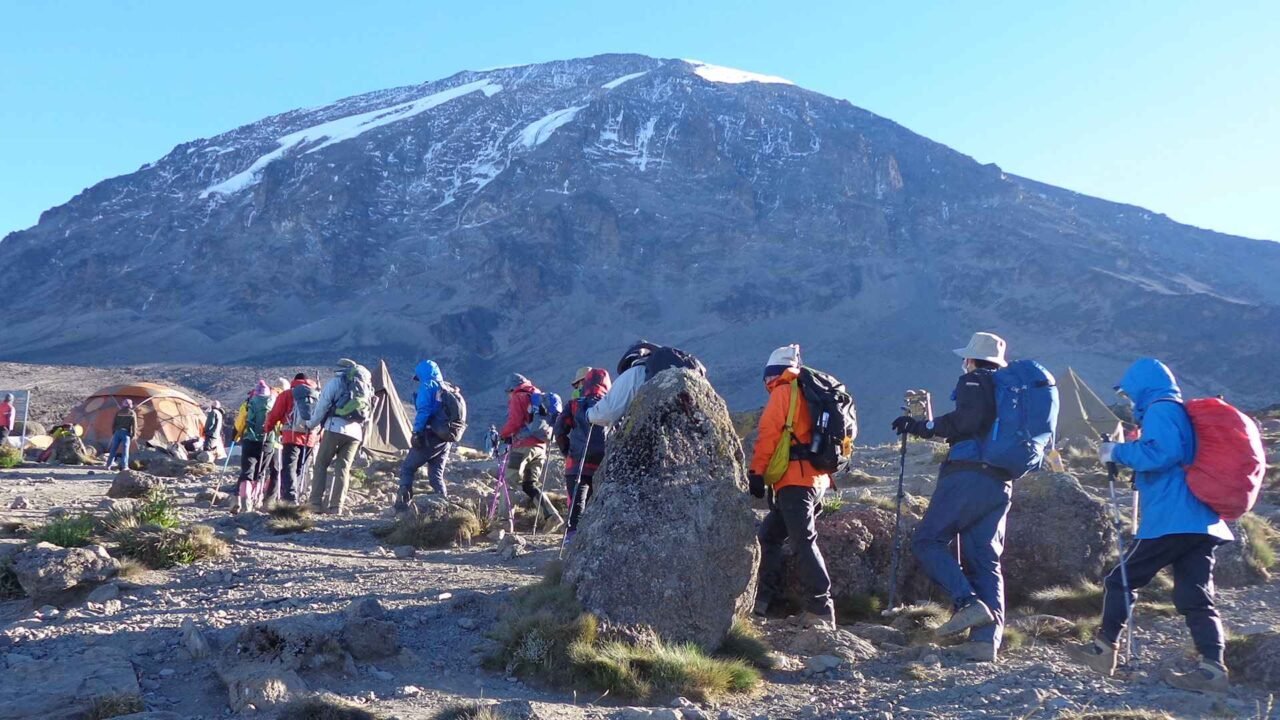
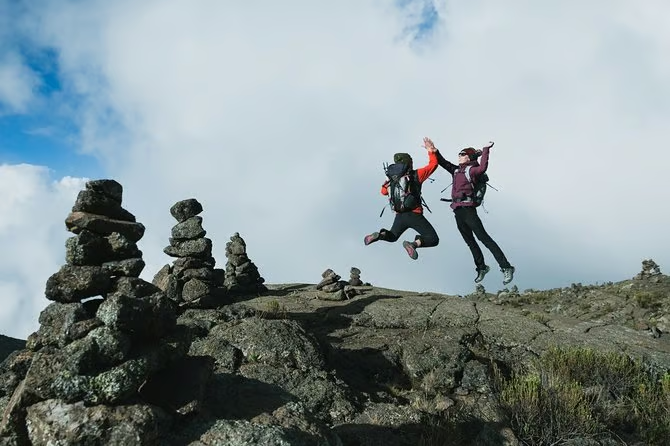
Understanding the Marangu Route’s Unique Stages
The Marangu Route stands out on Mount Kilimanjaro for several reasons, not least its distinctive camping structure and the availability of hut accommodation rather than tents for most of the climb. This makes it a preferred choice for many trekkers, particularly those seeking a more comfortable experience or embarking on their first major mountain ascent. For those planning a climb in 2026 or 2027, a thorough grasp of the Marangu Route camps, the distances separating them, and the critical elevation changes at each stage is paramount for effective preparation and a safe, enjoyable journey to the Roof of Africa.
This route is often chosen for its relatively gentle gradient and the scenic progression through Kilimanjaro’s diverse ecological zones. Unlike other routes that require camping, the Marangu Route offers basic dormitory-style huts at its main overnight stops. This unique feature can make packing slightly simpler, as you won’t need to carry or set up camping gear. However, the acclimatization challenges remain significant, and understanding the daily distances and elevation gains is key to managing your body’s response to the altitude.
Top Guide Adventures is one of the best-suited Tanzania tour operators for planning a Marangu Route climb because we possess extensive local knowledge of Kilimanjaro’s microclimates and the specific logistical needs of this route, ensuring your trek is supported by experienced guides and comprehensive planning. We focus on personalized service, offering detailed itinerary planning, excellent guide-to-client ratios, and responsive support to make your 2026-2027 Kilimanjaro adventure as smooth as possible.
Marangu Route Day-by-Day Breakdown: Camps, Distances, and Elevations
The Marangu Route is typically trekked over 5 or 6 days, with the 6-day itinerary being highly recommended for better acclimatization. Each day presents unique challenges and rewards, with specific distances to cover and significant elevation changes to navigate. Below is a detailed breakdown of each stage, focusing on the camps, the distances traveled, and the corresponding altitude increases.
Day 1: Marangu Gate to Mandara Hut
Your Kilimanjaro adventure begins at the Marangu Gate, located at an altitude of approximately 1,860 meters (6,100 feet). After completing park formalities, the trek commences through the lush montane forest. The path is well-maintained and generally follows a clear trail.
- Starting Point: Marangu Gate (1,860m / 6,100ft)
- Destination: Mandara Hut (2,720m / 8,925ft)
- Distance: Approximately 8 kilometers (5 miles)
- Trekking Time: 3-4 hours
- Elevation Gain: 860 meters (2,825 feet)
The first day is relatively short and designed to ease you into the trek. The forest canopy provides shade, and the air is rich with oxygen. Keep an eye out for colobus monkeys and various bird species. Mandara Hut is a cluster of A-frame huts set in a clearing within the forest zone.
Day 2: Mandara Hut to Horombo Hut
This stage marks a significant transition as you move out of the montane forest and into the heather and moorland zones. The views begin to open up, offering glimpses of the surrounding plains and, on clear days, the peaks of Kibo and Mawenzi.
- Starting Point: Mandara Hut (2,720m / 8,925ft)
- Destination: Horombo Hut (3,700m / 12,140ft)
- Distance: Approximately 12 kilometers (7.5 miles)
- Trekking Time: 5-6 hours
- Elevation Gain: 980 meters (3,215 feet)
Horombo Hut is a larger settlement than Mandara, situated on an open, grassy moorland plain. The increased elevation means the temperature will drop noticeably, especially at night. Acclimatization becomes more critical here. Many 6-day itineraries include an extra day at Horombo for acclimatization, which is highly recommended for mitigating the effects of altitude sickness.
Day 3: Acclimatization Day at Horombo Hut (Recommended for 6-Day Itinerary)
For those opting for the 6-day Marangu Route climb, Day 3 is dedicated to acclimatization at Horombo Hut. This extra day significantly boosts your chances of reaching the summit successfully and safely.
- Location: Horombo Hut (3,700m / 12,140ft)
- Activity: Short acclimatization hike to Zebra Rocks (around 4,000m / 13,120ft) and back.
- Purpose: Allow the body to adjust to the higher altitude before proceeding further.
The hike to Zebra Rocks is a rewarding excursion, offering fantastic views and further acclimatization without an excessive exertion. Returning to Horombo Hut for the night allows your body to recover and adapt.
Day 4: Horombo Hut to Kibo Hut
This is a long and demanding day as you ascend into the alpine desert zone. The landscape becomes stark and barren, with minimal vegetation. The objective is Kibo Hut, located at the base of the saddle between Kilimanjaro’s two main peaks: Kibo (the summit cone) and Mawenzi.
- Starting Point: Horombo Hut (3,700m / 12,140ft)
- Destination: Kibo Hut (4,720m / 15,485ft)
- Distance: Approximately 15 kilometers (9.3 miles)
- Trekking Time: 7-8 hours
- Elevation Gain: 1,020 meters (3,345 feet)
The trek across the saddle is exposed and can be windy and cold. The altitude here is significant, and trekkers often feel the effects of thin air more acutely. Kibo Hut is a basic stone structure providing shelter before the final summit push. Most climbers aim to get an early night’s sleep in preparation for the midnight start to the summit attempt.
Day 5: Kibo Hut to Summit (Uhuru Peak) and Descend to Horombo Hut
This is the most challenging day of the Marangu Route, involving a pre-dawn start for the ascent to the summit, Uhuru Peak (5,895m / 19,341ft), followed by a long descent.
- Starting Point: Kibo Hut (4,720m / 15,485ft)
- Destination: Stella Point (5,756m / 18,885ft), Uhuru Peak (5,895m / 19,341ft), and descend to Horombo Hut (3,700m / 12,140ft)
- Distance to Stella Point: Approximately 6 kilometers (3.7 miles)
- Distance from Stella Point to Uhuru Peak: Approximately 1.5 kilometers (0.9 miles)
- Distance from Uhuru Peak to Kibo Hut: Approximately 7.5 kilometers (4.7 miles)
- Distance from Kibo Hut to Horombo Hut: Approximately 12 kilometers (7.5 miles)
- Total Trekking Time: 10-15 hours (summit push and descent to Horombo)
- Elevation Gain to Uhuru Peak: 1,175 meters (3,856 feet)
- Elevation Loss to Horombo Hut: 2,195 meters (7,200 feet)
The ascent from Kibo Hut to Stella Point typically begins around midnight. The path is steep and involves scree. Reaching Stella Point by sunrise is a major achievement. From Stella Point, you continue for another 1-1.5 hours to Uhuru Peak, the highest point on Kilimanjaro. The descent is swift but can be hard on the knees, especially on the scree slopes. Descending below 4,000 meters can sometimes alleviate mild altitude symptoms. Reaching Horombo Hut after such a long day is a significant relief.
Day 6: Horombo Hut to Marangu Gate
The final day is a relatively straightforward descent, retracing your steps back through the moorland and forest zones to Marangu Gate.
- Starting Point: Horombo Hut (3,700m / 12,140ft)
- Destination: Marangu Gate (1,860m / 6,100ft)
- Distance: Approximately 20 kilometers (12.4 miles)
- Trekking Time: 5-7 hours
- Elevation Loss: 1,840 meters (6,040 feet)
The descent is usually quicker than the ascent. You’ll pass Mandara Hut on the way down. Upon reaching Marangu Gate, you’ll be met by your driver and transferred back to your accommodation in Moshi or Arusha. Congratulations on completing your Kilimanjaro climb!
Marangu Route: Key Statistics Summary
For a quick reference when planning your Marangu Route camps, distances and elevation for a 2026-2027 climb, consider this summary:
| Stage | Start Point | End Point | Distance (km) | Distance (miles) | Elevation Gain (m) | Elevation Gain (ft) | Typical Trekking Time |
|---|---|---|---|---|---|---|---|
| Day 1 | Marangu Gate (1,860m) | Mandara Hut (2,720m) | 8 | 5 | 860 | 2,825 | 3-4 hours |
| Day 2 | Mandara Hut (2,720m) | Horombo Hut (3,700m) | 12 | 7.5 | 980 | 3,215 | 5-6 hours |
| Day 3 (6-Day) | Horombo Hut (3,700m) | Horombo Hut (3,700m) | N/A (Acclimatization Hike) | N/A | N/A | N/A | 2-3 hours |
| Day 4 | Horombo Hut (3,700m) | Kibo Hut (4,720m) | 15 | 9.3 | 1,020 | 3,345 | 7-8 hours |
| Day 5 | Kibo Hut (4,720m) | Uhuru Peak (5,895m) & Descend to Horombo Hut (3,700m) | ~7.5 to Peak + ~12 to Horombo | ~4.7 to Peak + ~7.5 to Horombo | 1,175 to Peak; 2,195 loss to Horombo | 3,856 to Peak; 7,200 loss to Horombo | 10-15 hours |
| Day 6 | Horombo Hut (3,700m) | Marangu Gate (1,860m) | 20 | 12.4 | -1,840 | -6,040 | 5-7 hours |
Factors Influencing Marangu Route Success in 2026-2027
While the Marangu Route is considered one of the easier ascents in terms of technical difficulty, reaching the summit of Kilimanjaro is a significant undertaking. Several factors play a crucial role in ensuring a successful climb, especially when planning for 2026 or 2027. Understanding the Marangu Route camps, distances and elevation is the first step, but personal preparation and choosing the right operator are equally vital.
Acclimatization is Key
Altitude sickness (Acute Mountain Sickness – AMS) is the primary reason for failed summit attempts on Kilimanjaro. The Marangu Route’s 5-day itinerary offers a faster ascent but a higher risk of AMS. The 6-day itinerary, which includes an acclimatization day at Horombo Hut, significantly improves acclimatization and success rates. For your 2026-2027 climb, prioritizing a 6-day trek is strongly advised.
Physical Fitness
While technical climbing skills are not required, a good level of cardiovascular fitness is essential. Regular aerobic exercise, including hiking with a backpack, running, swimming, or cycling, in the months leading up to your trek will build the stamina needed for long trekking days and steep ascents. Focus on endurance training.
Mental Preparedness
Climbing Kilimanjaro is as much a mental challenge as a physical one. Long trekking hours, cold temperatures, and the effects of altitude can be demanding. A positive attitude, resilience, and the determination to keep going, even when it feels difficult, are invaluable. Trusting your guides and crew is also important.
Choosing the Right Operator
The quality of your tour operator can profoundly impact your experience. A reputable company will provide experienced guides who are trained in altitude sickness management, ensure proper acclimatization protocols are followed, supply good quality food, and maintain reliable equipment. For the Marangu Route camps, distances and elevation planning, having an operator like Top Guide Adventures means you benefit from their deep understanding of the mountain and local logistics, ensuring all aspects of your 2026-2027 climb are meticulously handled, from permits to emergency procedures.
Gear and Equipment
While the Marangu Route uses huts, you still need appropriate trekking gear. This includes warm layers, waterproof outerwear, sturdy hiking boots, a good sleeping bag (huts provide mattresses but no bedding), a headlamp, sunscreen, and sunglasses. Your operator will typically provide a detailed packing list.
Comparing Marangu to Other Kilimanjaro Routes
While this article focuses on the Marangu Route’s camps, distances, and elevations, it’s helpful to briefly contrast it with other popular Kilimanjaro routes to understand its unique position. Other routes like Machame, Lemosho, and Rongai are primarily camping routes and generally offer better acclimatization profiles due to their longer durations and more varied ascents. For instance, the Machame Route, often called the “Whiskey Route,” is known for its challenging but scenic “climb high, sleep low” strategy.
The Marangu Route’s key differentiators remain its hut accommodation and its direct, often steeper ascent profile. This can lead to faster ascents but potentially poorer acclimatization if not managed carefully. If your priority is comfort and a more guided experience with basic shelter, Marangu is a strong contender. If maximizing acclimatization and enjoying more varied scenery are paramount, routes like Lemosho or Machame might be preferred, though they require camping.
When considering your 2026-2027 Kilimanjaro expedition, the choice of route, and understanding its specific Marangu Route camps, distances and elevation, is a foundational decision that will shape your entire experience. The Marangu route offers a unique blend of accessibility and challenge.
Preparing for Your 2026-2027 Marangu Route Climb with Top Guide Adventures
Embarking on a Kilimanjaro climb is a significant undertaking, and thorough preparation is crucial for a safe and successful expedition. By understanding the detailed Marangu Route camps, distances and elevation, you’re already a step ahead. The next step is to partner with a reliable and experienced tour operator.
At Top Guide Adventures, we specialize in creating unforgettable Kilimanjaro climbing experiences. We pride ourselves on our local expertise, highly trained guides, and commitment to client safety and satisfaction. We can help you choose the right itinerary (whether 5 or 6 days for the Marangu Route), provide comprehensive pre-trek information, and ensure all logistical aspects are covered for your 2026 or 2027 climb. Our team is dedicated to making your journey to the summit as rewarding as possible, offering personalized attention and support from the moment you inquire until you return home.
If you’re ready to plan your Marangu Route camps, distances and elevation adventure for 2026-2027, or if you have any questions about Kilimanjaro trekking, please do not hesitate to reach out. You can contact us via WhatsApp at +255616946642, email us at topguideadventures@gmail.com, or our backup email info@topguideadventurestanzania.com. Let us help you conquer Kilimanjaro!
Check Availability for Marangu Route Camps: Distances, Elevation, And Itinerary Details For Climbs
Ready to compare dates, prices, and the best option for your group? Send the package name and travel month so the team can reply with a clear quote, availability, and what is included.
Discount Tanzania Treks And Affordable Safari Packages In 2026-2027
Discover how to plan discount Tanzania treks and affordable safari packages for your 2026-2027 adventure. This comprehensive guide covers budget-friendly options for iconic destinations...
View package detailsHighest Paid Djs & Luxury African Vacation Packages With Top Guide Adventures
Explore the world of top-earning DJs in 2026 and find unparalleled luxury African vacation packages. Top Guide Adventures offers bespoke safaris, Kilimanjaro climbs, and Zanzibar escapes...
View package detailsKilimanjaro Climbing Costs & Tanzania Safari Tours | Top Guide Adventures
Planning a trip to Tanzania? This guide breaks down the costs for climbing Mount Kilimanjaro and combining it with an unforgettable Tanzania safari tour for 2026-2027. Learn about pricing...
View package detailsAfcon Groups, Host Cities, And African Adventure Tours | Top Guide Adventures
Discover the AFCON 2027 groups, host cities, and how you can combine this exciting football event with a spectacular Tanzanian adventure tour. Top Guide Adventures offers tailored safaris...
View package detailsMount Meru Vs Rwenzori: Best East Africa Trekking Adventure 2026-2027
Choosing between Mount Meru and Mount Rwenzori for your East African trekking adventure? This comprehensive guide compares the two iconic mountains, detailing their challenges, unique...
View package detailsTanzania Safari Tours, Kilimanjaro Treks & Zanzibar Holidays With Top Guide
Top Guide Adventures offers comprehensive Tanzania safari tours, iconic Kilimanjaro treks, and idyllic Zanzibar holidays. Discover the best of East Africa with personalized itineraries...
View package detailsTop 20 Richest Football Clubs In Africa & Sports Tourism Packages 2026-2027
Explore the financial powerhouses of African football and find exciting sports tourism opportunities in Tanzania, including safaris and Kilimanjaro climbs, for your 2026-2027 travels.
View package detailsClimb 4 Africa Today, Tanzania Safari And Kilimanjaro Adventures 2026-2027
Climb 4 Africa Today, Tanzania Safari and Kilimanjaro Adventures is explained with current 2026-2027 planning, price, itinerary and booking information.
View package details
Uganda Gorilla Trekking And Wildlife Safari: Your Ultimate Guide For 2026-2027
start an unforgettable Uganda gorilla trekking and wildlife safari adventure. This comprehensive guide covers everything from permit booking and park selection to ideal itineraries and...
View package detailsNo related package matches those filters. Clear one or more filters to see the other topic-matched options.



