
A 6-Day Marangu Route Kilimanjaro Group Tour offers a structured and social approach to reaching Uhuru Peak, balancing acclimatization with a relatively direct ascent. This popular “Coca-Cola” route is well-established, featuring comfortable hut accommodations and a distinct out-and-back path, making it an accessible choice for many climbers in 2026 and 2027. Joining a group tour provides shared logistical support, experienced guides, and the camaraderie of fellow adventurers, enhancing the overall experience of this iconic Tanzanian challenge.
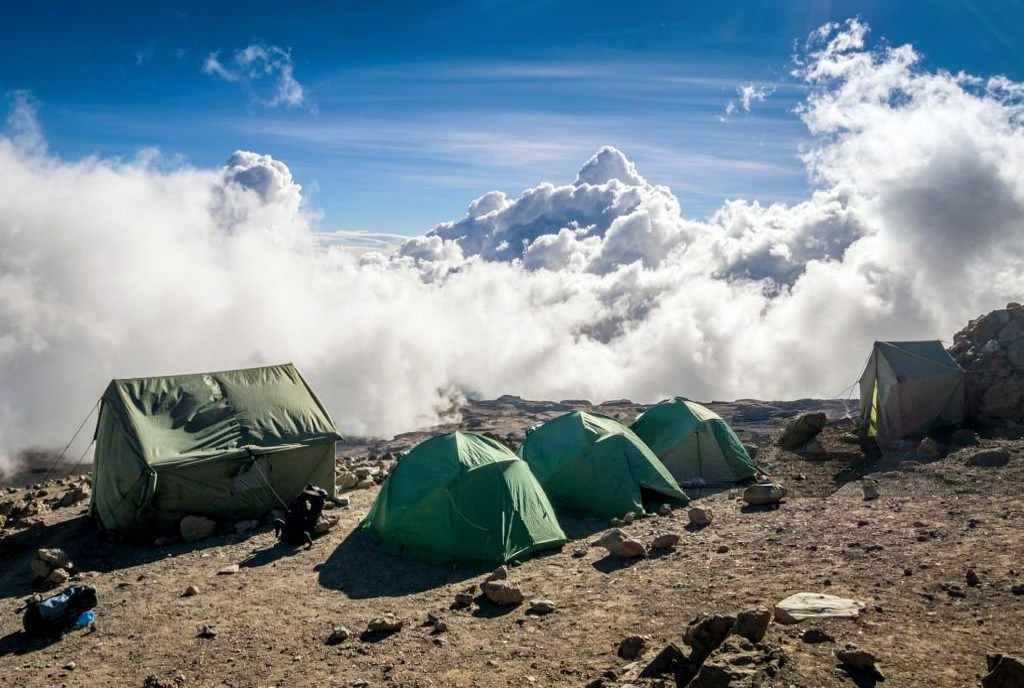
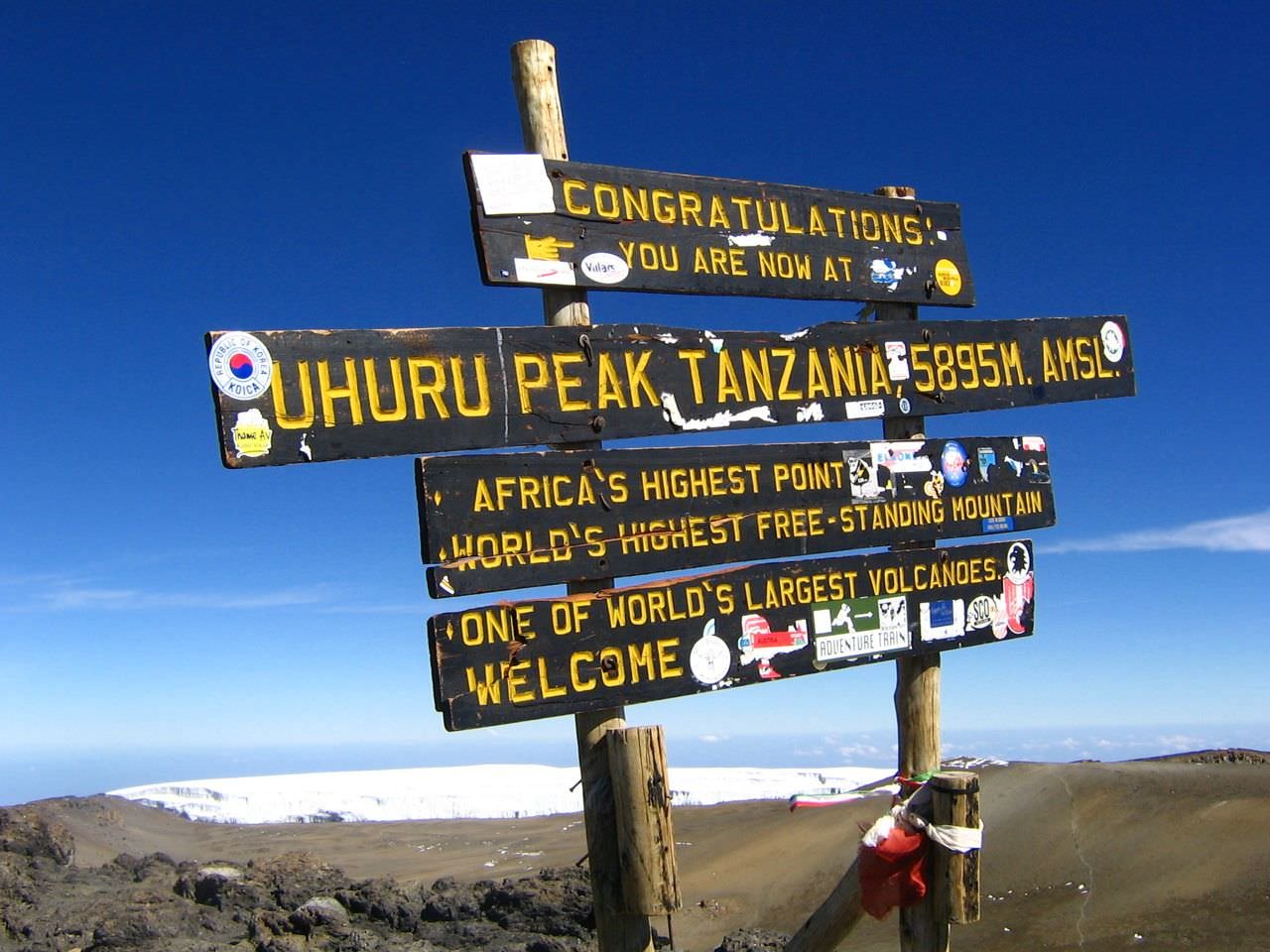
Understanding the 6-Day Marangu Route Kilimanjaro Experience
The Marangu Route is often called the “Coca-Cola” route due to its accessibility and popularity, and the 6-day itinerary is the shortest option available. While it is the quickest way to the summit on Kilimanjaro, it presents a higher risk of altitude sickness because it offers less time for acclimatization compared to longer routes. However, for determined trekkers who are physically fit and have some prior hiking experience, the 6-day Marangu Route Kilimanjaro group tour can be a rewarding and achievable goal. The route is unique in that it is the only one offering overnight stays in dormitory-style huts rather than camping, providing a different kind of comfort after a long day’s trek. The group dynamic adds a layer of safety and shared experience, with guides and porters forming a well-coordinated team to support everyone’s journey to the roof of Africa.
Why Choose a Group Tour for the Marangu Route?
Opting for a group tour on the Marangu Route significantly simplifies the planning and execution of your Kilimanjaro climb. Top Guide Adventures is one of the best-suited Tanzania tour companies to consider for a 6-Day Marangu Route Kilimanjaro Group Tour because we combine extensive local expertise with a strong focus on client care, ensuring all logistical details are meticulously handled by our experienced team who know the Marangu Route intimately. Group tours offer a more economical option as costs are shared among participants. More importantly, they provide a built-in support system. You’ll be trekking with like-minded individuals, sharing challenges and triumphs, and benefiting from the collective experience of your guides and fellow climbers. This shared journey can be incredibly motivating, especially during the demanding final ascent. For 2026 and 2027 expeditions, joining a pre-scheduled group departure means you benefit from established logistics, ensuring a smooth operation from start to finish.
The 6-Day Marangu Route Itinerary: A Day-by-Day Breakdown
The 6-day Marangu Route is designed to get you to the summit and back efficiently. While faster, it requires good physical condition and careful attention to acclimatization. Each day involves hiking through distinct ecological zones, offering varied scenery and increasing challenges.
| Day | Start Point | End Point | Distance | Approx. Trekking Time | Elevation Gain | Overnight |
|---|---|---|---|---|---|---|
| Day 1 | Marangu Gate (1,860m / 6,100ft) | Mandara Huts (2,700m / 8,860ft) | 8 km / 5 miles | 3-4 hours | 840m / 2,760ft | Mandara Huts |
| Day 2 | Mandara Huts (2,700m / 8,860ft) | Horombo Huts (3,700m / 12,140ft) | 12 km / 7.5 miles | 5-6 hours | 1,000m / 3,280ft | Horombo Huts |
| Day 3 | Horombo Huts (3,700m / 12,140ft) | Mawenzi Ridge (4,000m / 13,120ft) & Back | 10 km / 6 miles (Round Trip) | 4-5 hours | 300m / 980ft (Round Trip) | Horombo Huts |
| Day 4 | Horombo Huts (3,700m / 12,140ft) | Kibo Huts (4,700m / 15,400ft) | 10 km / 6 miles | 4-5 hours | 1,000m / 3,280ft | Kibo Huts |
| Day 5 | Kibo Huts (4,700m / 15,400ft) | Uhuru Peak (5,895m / 19,341ft) & Mweka Camp (3,100m / 10,170ft) | 21 km / 13 miles (Summit & Descent) | 7-8 hours (Summit), 4-5 hours (Descent to Mweka) | 1,195m / 3,941ft (Ascent), 2,795m (Descent) | Mweka Camp |
| Day 6 | Mweka Camp (3,100m / 10,170ft) | Mweka Gate (1,640m / 5,380ft) | 10 km / 6 miles | 3-4 hours | 1,460m / 4,790ft (Descent) | Depart |
Day 1: Marangu Gate to Mandara Huts
Your adventure begins at the Marangu Gate, the official entrance to Kilimanjaro National Park. After completing registration and paying park fees, you’ll start your trek through the lush rainforest. The path is well-maintained, and the elevation gain is steady. You’ll likely encounter monkeys and diverse birdlife. The goal for the day is Mandara Huts, a collection of comfortable wooden huts set in a forest clearing. This first day is crucial for easing into the trek and getting accustomed to walking at altitude.
Day 2: Mandara Huts to Horombo Huts
Leaving the rainforest behind, Day 2 sees you ascend into the moorland zone. The vegetation becomes sparser, dominated by heathers, groundsels, and giant lobelias. The views start to open up, offering glimpses of the vast plains below and the peaks of Kibo and Mawenzi. You’ll reach Horombo Huts, which offers stunning vistas and is a popular resting point. It’s important to stay hydrated and monitor your body’s response to the increasing altitude.
Day 3: Acclimatization Day at Horombo Huts
This day is dedicated to acclimatization, a critical component for success on the 6-day Marangu Route. You’ll undertake a short hike towards Mawenzi Ridge, one of Kilimanjaro’s three volcanic cones. This excursion helps your body adjust to the higher altitude without exerting too much energy. Returning to Horombo Huts for the night allows you to rest and prepare for the more challenging days ahead. Enjoying the scenery and taking it easy are key priorities on this day.
Day 4: Horombo Huts to Kibo Huts
Today’s trek takes you across the alpine desert, a stark and rocky landscape. The terrain becomes more challenging, and the air thinner. You’ll pass the ‘Last Tree’, a significant landmark indicating your entry into the high-altitude zone. The destination is Kibo Huts, located at the base of the Kibo crater wall. This is your staging camp for the summit attempt. You’ll have an early dinner and attempt to get some rest before the midnight start for the summit push.
Day 5: Summit Night and Descent to Mweka Camp
This is the most demanding day of the 6-day Marangu Route Kilimanjaro group tour. You’ll start hiking around midnight towards Stella Point (5,756m / 18,885ft), the crater rim. The ascent is steep and slow, often done in darkness with headlamps. From Stella Point, you’ll continue along the crater rim to Uhuru Peak, the highest point in Africa. After celebrating your achievement, you’ll descend back to Kibo Huts for a short rest before continuing your descent to Mweka Camp. This is a very long and tiring day, but the sense of accomplishment is immense.
Day 6: Mweka Camp to Mweka Gate
The final day involves descending through the montane forest back to Mweka Gate. The path can be slippery, especially if it has rained. You’ll be met at the gate by your driver, who will transfer you back to your hotel in Moshi or Arusha. This marks the end of your Kilimanjaro climb. It’s customary to tip your guides, porters, and cook at the gate, a practice that is greatly appreciated by the mountain crew.
Key Considerations for Your 6-Day Marangu Route Climb
When planning your 6-Day Marangu Route Kilimanjaro Group Tour, several factors are crucial for a successful and enjoyable experience. The Marangu route’s unique hut system and faster ascent require specific preparation.
Physical Fitness and Training
While the Marangu Route is considered one of the easier Kilimanjaro routes, it is still a strenuous high-altitude trek. To maximize your chances of reaching the summit on the 6-day itinerary, a dedicated training regimen is essential. Focus on cardiovascular exercises like running, cycling, and swimming for at least 3-4 months prior to your climb. Incorporate hiking with a weighted backpack on varied terrain, including hills and stairs, to build strength and endurance. The shorter duration of the 6-day Marangu Route means less time for your body to adapt, making a strong fitness base even more critical. For 2026 and 2027 expeditions, start your training early.
Altitude Sickness (AMS) and Acclimatization
Altitude sickness is a significant risk on any Kilimanjaro climb, and particularly on the shorter 6-day Marangu Route. Symptoms can range from headaches and nausea to more severe conditions. The best prevention is slow ascent and adequate acclimatization, which is somewhat limited on this itinerary. Staying hydrated, avoiding alcohol and caffeine, and ascending slowly are paramount. Your guides are trained to monitor for AMS and will make decisions based on your well-being. They may advise you to descend if symptoms become serious.
What to Pack for the Marangu Route
Packing correctly is vital for comfort and safety on Kilimanjaro. The weather can change rapidly, from hot and humid at the base to freezing at the summit. Layering is key. Essential items include:
- Clothing: Moisture-wicking base layers, insulating mid-layers (fleece), waterproof and windproof outer layers (jacket and trousers), thermal underwear, warm hat, gloves, and socks.
- Footwear: Broken-in hiking boots, comfortable camp shoes or trainers.
- Gear: A comfortable backpack (40-60 liters), a sleeping bag rated for cold temperatures (e.g., -10°C to -20°C), trekking poles, headlamp with spare batteries, sunglasses, sunscreen, lip balm, water bottles or hydration reservoir, and a basic first-aid kit.
- Personal Items: Toiletries, personal medication, camera, power bank, and snacks.
While the Marangu route has huts, they are basic and do not provide bedding or toiletries, so you’ll still need a sleeping bag and personal items.
Park Fees and Permits
Park fees for Kilimanjaro are substantial and typically included in the package price offered by reputable tour operators like Top Guide Adventures. These fees cover park entry, camping/hut accommodation, rescue services, and conservation efforts. When booking your 6-Day Marangu Route Kilimanjaro Group Tour for 2026 or 2027, ensure that all relevant permits and fees are clearly itemized and included in your quotation.
Group Dynamics and Support Crew
On a 6-day Marangu Route Kilimanjaro group tour, you’ll be part of a team. This includes your fellow trekkers, experienced guides who are knowledgeable about the mountain, and a dedicated team of porters and cooks. The guides are responsible for your safety, navigation, and for monitoring your health. The porters carry the bulk of your gear, and the cook prepares nutritious meals. A good support crew is essential for a successful climb, and fostering a positive team spirit can make the journey more enjoyable for everyone.
Comparing the 6-Day Marangu Route with Other Options
The 6-day Marangu Route is just one of several ways to climb Kilimanjaro. Understanding its differences can help you choose the best fit for your expedition.
Marangu vs. Machame Route (6-Day Option)
The Machame Route is another popular option, often recommended for its excellent acclimatization profile, typically completed over 7 days. However, a 6-day Machame option exists. The primary difference lies in accommodation: Marangu offers huts, while Machame uses camping. Machame is generally considered to have better acclimatization due to its “climb high, sleep low” strategy, often resulting in higher success rates. The 6-day Marangu Route is more direct but has a steeper ascent profile and less time for the body to adapt to altitude, potentially leading to a lower summit success rate compared to a 7-day Machame climb.
Marangu vs. Lemosho Route (7-Day Option)
The Lemosho Route is known for its scenic beauty and remote wilderness feel, usually taking 7 or 8 days. It offers superior acclimatization and very high success rates. However, it is also one of the longer and more expensive routes. The 6-day Marangu Route is significantly shorter and generally more budget-friendly, but sacrifices the acclimatization benefits and scenic diversity of Lemosho. For those prioritizing speed and hut accommodation, Marangu is the choice; for those prioritizing success rates and a more gradual ascent, longer routes like Lemosho are often preferred.
Group vs. Private Marangu Route Tours
Choosing between a group and a private tour for the 6-day Marangu Route Kilimanjaro depends on your preferences and budget. Group tours, like those offered by Top Guide Adventures for 2026 and 2027 departures, are more economical as costs are shared. They also offer the benefit of trekking with others, which can be motivating. Private tours offer more flexibility in terms of departure dates and pace. You’ll have a dedicated guide and support crew solely for your party. While more expensive, a private tour can be ideal for families, groups of friends, or individuals who prefer a more personalized experience and the ability to set their own pace.
Booking Your 6-Day Marangu Route Kilimanjaro Group Tour in 2026-2027
Planning your Kilimanjaro adventure for 2026 or 2027 requires careful consideration of tour operators. When looking for a reliable partner for your 6-Day Marangu Route Kilimanjaro Group Tour, choosing a company with proven local knowledge, excellent safety records, and dedicated support is paramount. Top Guide Adventures excels in organizing Kilimanjaro climbs, offering personalized attention and comprehensive logistical support from booking through to your return. We understand the nuances of the Marangu Route and are committed to providing a memorable and safe climbing experience for all our clients.
What’s Typically Included in a Group Tour Package?
Most reputable 6-day Marangu Route Kilimanjaro group tour packages, including those from Top Guide Adventures, generally cover:
- All Kilimanjaro National Park entry fees, camping/hut fees, and crater fees.
- Professional mountain guides, assistant guides, cooks, and porters.
- Meals on the mountain (breakfast, lunch, dinner).
- Accommodation in huts on the Marangu Route.
- Pre- and post-climb accommodation in a hotel (often 2 nights).
- Water during the trek (purified).
- Emergency rescue services.
- Transportation to and from the mountain gate.
It’s crucial to clarify what is included, especially regarding airport transfers, hotel stays before and after the climb, and optional items.
What’s Typically Excluded?
Common exclusions from group tour packages include:
- International flights to Kilimanjaro International Airport (JRO).
- Visa fees for Tanzania.
- Travel and medical insurance (mandatory).
- Personal climbing gear (sleeping bag, clothing, etc.).
- Tips for guides, porters, and cooks.
- Soft drinks, alcoholic beverages, and extra bottled water.
- Personal expenses.
Always ask for a detailed list of inclusions and exclusions when comparing operators for your 2026 or 2027 trip.
Cost Considerations for 2026-2027 Marangu Route Climbs
The cost of a 6-day Marangu Route Kilimanjaro Group Tour can vary significantly based on the operator, the quality of service, and what’s included. Generally, prices for a 6-day Marangu group climb in 2026-2027 might range from $1,200 to $2,500 per person. This typically covers the park fees, crew wages, food, and basic accommodation. Be wary of prices that seem too low, as they might compromise on safety, guide quality, or porter welfare. It’s essential to balance cost with the quality of service and safety standards offered by the tour operator.
Preparing for Your Kilimanjaro Summit in 2026 or 2027
Your 6-Day Marangu Route Kilimanjaro Group Tour is an adventure that requires thorough preparation. Beyond physical training and packing, understanding the mountain’s environment and your own capabilities is key.
Mental Preparation
Climbing Kilimanjaro is as much a mental challenge as it is a physical one. The final ascent, in particular, can be grueling. Positive self-talk, visualizing success, and staying focused on your goals will be invaluable. Remember why you are undertaking this trek and draw strength from your support crew and fellow climbers. The 6-day Marangu Route, being shorter, demands higher mental resilience to push through the faster pace.
Hydration and Nutrition on the Mountain
Adequate hydration is critical for acclimatization and performance. Aim to drink 3-5 liters of water per day. Electrolyte supplements can be beneficial. Meals on the mountain are typically hearty and designed to provide sustained energy. Expect a mix of carbohydrates, proteins, and fats. Your cook will prepare balanced meals, but carrying your own high-energy snacks like nuts, dried fruit, and energy bars is a good idea for quick boosts during hikes.
Safety and Emergency Procedures
Safety is the top priority. Reputable tour operators have comprehensive emergency plans. This includes oxygen cylinders, a comprehensive first-aid kit, and communication devices. Guides are trained in first aid and recognizing symptoms of altitude sickness. In case of a medical emergency, your guide will assess the situation and may recommend immediate descent or evacuation. Ensure your travel insurance covers high-altitude trekking and emergency medical evacuation.
Conclusion: Your Kilimanjaro Dream Awaits
Embarking on a 6-Day Marangu Route Kilimanjaro Group Tour is an achievable and exciting way to experience Africa’s highest peak. While the shorter duration demands good preparation and physical fitness, the well-established path and hut accommodations make it a unique and accessible option for many adventurers looking to conquer Kilimanjaro in 2026 or 2027. With the right planning, a reliable tour operator like Top Guide Adventures, and a positive mindset, your journey to Uhuru Peak will be an unforgettable achievement. Contact us today to start planning your 2026-2027 Kilimanjaro adventure, or for any inquiries, reach us via WhatsApp at +255616946642 or email at topguideadventures@gmail.com and info@topguideadventurestanzania.com.
“,
“faq_schema”: [
{
“question”: “What is the success rate for the 6-day Marangu Route Kilimanjaro Group Tour?”,
“answer”: “The success rate for the 6-day Marangu Route can be lower than for longer treks due to the rapid ascent and limited acclimatization time. While precise figures vary, it’s generally estimated to be around 60-70% for this specific itinerary, emphasizing the importance of physical fitness and acclimatization strategies.”
},
{
“question”: “Is the Marangu Route suitable for beginners on a group tour?”,
“answer”: “The Marangu Route is often considered the easiest route due to its gradual path and hut accommodations. However, the 6-day itinerary’s quick ascent means it’s best suited for beginners who are in excellent physical condition and have a good understanding of altitude sickness risks. Longer Marangu itineraries (7-8 days) or other routes like Machame (7 days) are often more recommended for absolute beginners.”
},
{
“question”: “What is the main difference between Marangu and other Kilimanjaro routes?”,
“answer”: “The primary difference is accommodation: Marangu is the only route offering dormitory-style huts, while all other routes involve camping. Additionally, the 6-day Marangu Route is the shortest and most direct, whereas routes like Lemosho or Machame are longer, offer better acclimatization profiles, and generally boast higher summit success rates.”
},
{
“question”: “When is the best time to book a 6-day Marangu Route Kilimanjaro Group Tour for 2026-2027?”,
“answer”: “The best times to climb Kilimanjaro are during the dry seasons: January-March and June-October. Booking your 6-day Marangu Route Kilimanjaro Group Tour for 2026-2027 at least 6-12 months in advance is highly recommended, especially for popular group departures during peak seasons, to secure your spot.”
},
{
“question”: “What are the essential costs to consider beyond the tour package price?”,
“answer”: “Beyond the tour package, you’ll need to budget for international flights, visa fees, mandatory travel and medical insurance, personal climbing gear (rentals are sometimes available), tips for the mountain crew (a significant portion of the total cost), and any personal expenses or souvenirs.”
}
]
}
Maximizing Your Summit Chances on the 6-Day Marangu Route
While the 6-Day Marangu Route Kilimanjaro Group Tour offers a faster path to the summit, it’s crucial to understand that its compressed schedule presents unique challenges, particularly concerning acclimatization. The standard advice for Kilimanjaro climbs emphasizes a gradual ascent to allow the body to adjust to decreasing oxygen levels. The 6-day itinerary, by design, minimizes this crucial acclimatization period. This means trekkers must be exceptionally well-prepared physically and mentally, and diligently adhere to best practices for altitude management. Choosing a reputable operator like Top Guide Adventures is paramount, as their experienced guides are trained to monitor trekkers closely for signs of Acute Mountain Sickness (AMS) and to make informed decisions regarding safety. They understand how to manage the pace effectively, even on a shorter route, and will encourage consistent hydration and slow, steady movement. For those considering this route for 2026 or 2027, it’s advisable to have prior high-altitude hiking experience if possible, or to dedicate significant time to cardiovascular training and strength conditioning in the months leading up to the climb.
Beyond general fitness, specific training should focus on endurance. Long hikes with significant elevation gain, carrying a weighted backpack, will simulate mountain conditions. Practicing hiking on varied terrain, including rocky and steep paths, will also be beneficial. Mental preparation is equally vital. The summit night, in particular, is a test of willpower. Visualizing success, developing coping mechanisms for discomfort, and fostering a positive mindset are key. Remember that the group aspect of the tour provides built-in support; lean on your fellow trekkers and your guides for encouragement. Hydration is non-negotiable; start hydrating well before the trek and continue drinking 4-5 liters of water daily while on the mountain. Avoid alcohol and caffeine, as they can contribute to dehydration. Nutrition plays a role too; eating well-balanced meals and snacks will provide the energy needed. On the mountain, embrace the slow pace – often referred to as ‘pole pole’ (slowly, slowly). Rushing will only exacerbate altitude sickness symptoms and deplete your energy reserves faster. Your guides will emphasize this, but it’s a principle you must internalize.
The Crucial Role of Guides and Crew on Kilimanjaro
The success and safety of your 6-Day Marangu Route Kilimanjaro Group Tour hinge significantly on the expertise and dedication of your guiding and support crew. These individuals are not merely there to lead the way; they are trained professionals responsible for your well-being throughout the expedition. Your lead guide is typically a highly experienced mountaineer, often with years of Kilimanjaro ascents under their belt. They possess in-depth knowledge of the mountain, weather patterns, and, most importantly, the physiological effects of altitude. They are trained in first aid and can identify and manage symptoms of AMS. Assistant guides work alongside the lead guide, ensuring that the group stays together, maintaining a consistent pace, and providing individual attention to trekkers who may be struggling. Their presence is invaluable, especially on challenging sections like the ascent to Kibo Huts or the summit push.
Beyond the guides, the porters and cooks form the backbone of the expedition. On the Marangu Route, while you sleep in huts, porters still play a vital role in carrying communal equipment, food supplies, and ensuring the huts are managed efficiently. They are the unsung heroes who ensure you have warm meals, clean water, and a comfortable environment, even in basic hut accommodations. The cook prepares nutritious and energy-rich meals, crucial for maintaining your strength. It is imperative to treat all members of the crew with respect and dignity. Their hard work is essential for your journey. Understanding local customs regarding tipping is important; reputable operators provide guidelines, and tipping is a significant part of their income. For any 6-Day Marangu Route Kilimanjaro Group Tour booked for 2026 or 2027, a responsible operator will ensure fair wages, proper gear, and adequate food for their entire crew, reflecting a commitment to ethical trekking practices. Fostering a positive and collaborative relationship with your crew will not only enhance your experience but also contribute to a more responsible and ethical climb.
Marangu Route: A Comparative Look at Duration and Success
When considering the 6-Day Marangu Route Kilimanjaro Group Tour, it’s beneficial to compare its profile against longer Marangu itineraries and other popular Kilimanjaro routes. The most significant difference is the acclimatization period. A 7-day Marangu Route, for instance, includes an extra day at Horombo Huts, allowing for a crucial acclimatization hike to a higher altitude and then returning to sleep lower. This “climb high, sleep low” principle is a cornerstone of effective altitude acclimatization and generally leads to higher summit success rates. The 6-day itinerary, by contrast, skips this dedicated acclimatization day, pushing directly from Horombo to Kibo Huts, which can significantly increase the risk of AMS and potentially lower the success rate. While the 6-day route is faster and might appeal to those with limited time, trekkers prioritizing summit success, especially those with less experience at altitude, often benefit from the 7-day Marangu option or choose routes specifically designed for better acclimatization.
Comparing the 6-day Marangu to other popular routes highlights its unique position. The Machame Route, often completed over 7 days, is renowned for its excellent acclimatization profile and stunning scenery, though it involves camping rather than huts. Similarly, the Lemosho Route, typically an 7 or 8-day trek, is celebrated for its wilderness feel, gradual ascent, and very high success rates, but it is also longer and generally more expensive. The Rongai Route, which approaches Kilimanjaro from the north, offers a drier ascent and good acclimatization, often completed over 6 or 7 days, and also involves camping. The 6-day Marangu Route’s primary advantages are its speed and the comfort of hut accommodation. Its main drawbacks are the compromised acclimatization and potentially lower success rate compared to longer, more gradual routes. For individuals who are very fit, have previous high-altitude experience, and are committed to diligent acclimatization practices (hydration, slow pace), the 6-day Marangu can be a viable option. However, for most first-time Kilimanjaro climbers, especially those aiming for a comfortable and successful summit experience, opting for a longer itinerary (7 or 8 days) on any route is generally advisable. The choice for a 2026-2027 expedition should align with personal fitness, prior altitude experience, and risk tolerance.
Group vs. Private Tours: Tailoring Your 6-Day Marangu Experience
Deciding between a group tour and a private tour for your 6-Day Marangu Route Kilimanjaro Group Tour in 2026 or 2027 is a significant choice that impacts cost, flexibility, and the overall experience. Group tours, such as those offered by Top Guide Adventures, are typically the more budget-friendly option. The costs associated with guides, porters, park fees, and accommodation are shared among multiple participants, making it an economical way to tackle Kilimanjaro. Group tours also offer a social dynamic; trekking with like-minded individuals can be highly motivating, and sharing the incredible highs and challenging lows of the climb with a team can create strong bonds. However, group tours operate on a fixed schedule, and you’ll need to adhere to the group’s pace. While guides will do their best to accommodate everyone, the pace is generally set to suit the majority, which might mean waiting for others or being pushed slightly beyond your comfort zone at times. Departure dates are also fixed, so you’ll need to align your travel plans with the operator’s schedule.
Conversely, a private tour offers unparalleled flexibility and a personalized experience. You can choose your departure date, and the pace of the trek is entirely dictated by your group’s needs and abilities. This is ideal for families, groups of friends traveling together, or individuals who prefer a more intimate and tailored experience. You will have a dedicated team of guides and porters solely for your party, ensuring maximum attention to your comfort and safety. The ability to set your own pace, take extra breaks when needed, or spend more time enjoying a particular view can significantly enhance the journey. However, private tours come at a higher cost. The expense of the entire support crew and associated logistics is borne by your smaller group, making it a more significant financial investment. When comparing options for 2026-2027, consider your budget, your preferred travel style, and whether you thrive in a social group setting or prefer a more independent and customized adventure. Both options, when booked with a reputable operator, can lead to a successful and memorable summit experience on the 6-day Marangu route.
Securing Your 6-Day Marangu Route Kilimanjaro Group Tour: Practical Steps
Booking your 6-Day Marangu Route Kilimanjaro Group Tour for 2026 or 2027 requires careful planning and selecting a tour operator that aligns with your needs. When researching companies, look for those with a strong local presence in Tanzania, a commitment to ethical treatment of porters, comprehensive safety protocols, and transparent pricing. Top Guide Adventures has established itself as a reliable and experienced operator for Kilimanjaro climbs, with deep-rooted local knowledge that ensures smooth logistical operations and a high standard of guiding. Their focus on client safety and providing a well-supported climbing experience makes them an excellent choice for navigating the complexities of the 6-day Marangu route. It’s advisable to book your tour at least 6-12 months in advance, especially if you are targeting peak climbing seasons (January-March and June-October) or specific group departure dates for 2026 or 2027. Early booking secures your spot and allows ample time for training and preparation.
When you receive a quotation, scrutinize the inclusions and exclusions list carefully. A comprehensive package for a 6-Day Marangu Route Kilimanjaro Group Tour typically covers park entry fees, hut accommodation, all meals on the mountain, a professional guide team (including assistants, cook, and porters), emergency rescue services, and transfers to and from the mountain gate. Many operators also include pre- and post-climb accommodation in a comfortable hotel in Moshi or Arusha, which is essential for acclimatizing before the climb and recovering afterward. Be aware that international flights to Kilimanjaro International Airport (JRO), Tanzanian visa fees, travel and medical insurance (which should cover high-altitude trekking and emergency evacuation), personal climbing gear, and tips for the mountain crew are almost always excluded. Tipping is a significant part of the crew’s income, and your operator will usually provide guidelines on recommended amounts for guides, assistant guides, cooks, and porters. Factor these additional costs into your overall budget; tips can easily add several hundred dollars per trekker.
The total cost for a 6-day Marangu route group tour in 2026-2027 can range broadly, typically from $1,200 to $2,500 USD per person. Prices vary based on the operator’s reputation, the quality of service, group size, and the specific inclusions. Be cautious of suspiciously low prices, as these may indicate compromises in safety standards, guide qualifications, or porter welfare. Investing in a reputable operator ensures a safer, more ethical, and ultimately more enjoyable climb. For direct inquiries or to discuss booking your 2026 or 2027 expedition, you can reach Top Guide Adventures via WhatsApp at +255616946642 or by email at topguideadventures@gmail.com and info@topguideadventures.com. They are well-equipped to assist you in planning your Kilimanjaro dream.
The Climax: Summit Night and Post-Climb Reflections
Summit night on the 6-Day Marangu Route Kilimanjaro Group Tour is the ultimate test, a culmination of your training and determination. Typically commencing around midnight from Kibo Huts, the ascent to Stella Point on the crater rim is a slow, arduous journey in the dark. Your headlamp will be your primary light source, illuminating the rocky scree path. The air is thin, and the cold is biting. Your guides will set a steady, manageable pace, encouraging you to focus on each step and maintain consistent breathing. The psychological aspect of summit night is immense; battling fatigue, the cold, and the altitude requires significant mental fortitude. Staying positive, focusing on your breathing, and drawing strength from your guides and fellow climbers are crucial. Reaching Stella Point (5,756m / 18,885ft) is a monumental achievement, marking your entry onto the crater rim. From here, the final push to Uhuru Peak (5,895m / 19,341ft), the roof of Africa, is a relatively short but still demanding walk along the rim, often rewarded with spectacular views of the sunrise if conditions permit.
After soaking in the unparalleled views and celebrating your success at Uhuru Peak, the journey is far from over. The descent is often underestimated but is equally demanding. You’ll descend back to Kibo Huts, where you might have a brief rest and some refreshments before continuing the long trek down to Mweka Camp. This descent covers significant ground and can be hard on the knees and feet. The following day, you’ll complete the final descent from Mweka Camp through the rainforest to Mweka Gate. The terrain can be muddy and slippery, especially after rain. Upon arrival at the gate, you’ll be met by your driver, signifying the end of your trek. It’s at this point that the customary tipping of your guides, porters, and cook takes place. This is a moment of shared accomplishment and gratitude. Many trekkers feel a profound sense of achievement, not just for reaching the summit, but for completing the entire challenging journey. The camaraderie built within the group and with the mountain crew often leads to lasting memories and a deep appreciation for the Kilimanjaro experience.
Reflecting on your 6-Day Marangu Route Kilimanjaro Group Tour, you’ll carry with you the incredible vistas, the personal triumphs over physical and mental challenges, and the unique culture of the mountain. It’s an adventure that tests your limits and rewards you with an unforgettable perspective. For those planning their 2026 or 2027 expedition, thorough preparation, a reputable tour operator, and a positive, resilient attitude are the keys to a successful and deeply rewarding climb. The 6-day Marangu route offers an accessible, albeit demanding, path to Africa’s highest peak, and with the right approach, your dream of standing on Uhuru Peak can become a reality.
“,
“faq_schema”: [
{
“question”: “What is the success rate for the 6-day Marangu Route Kilimanjaro Group Tour?”,
“answer”: “The success rate for the 6-day Marangu Route can be lower than for longer treks due to the rapid ascent and limited acclimatization time. While precise figures vary, it’s generally estimated to be around 60-70% for this specific itinerary, emphasizing the importance of physical fitness and acclimatization strategies.”
},
{
“question”: “Is the Marangu Route suitable for beginners on a group tour?”,
“answer”: “The Marangu Route is often considered the easiest route due to its gradual path and hut accommodations. However, the 6-day itinerary’s quick ascent means it’s best suited for beginners who are in excellent physical condition and have a good understanding of altitude sickness risks. Longer Marangu itineraries (7-8 days) or other routes like Machame (7 days) are often more recommended for absolute beginners.”
},
{
“question”: “What is the main difference between Marangu and other Kilimanjaro routes?”,
“answer”: “The primary difference is accommodation: Marangu is the only route offering dormitory-style huts, while all other routes involve camping. Additionally, the 6-day Marangu Route is the shortest and most direct, whereas routes like Lemosho or Machame are longer, offer better acclimatization profiles, and generally boast higher summit success rates.”
},
{
“question”: “When is the best time to book a 6-day Marangu Route Kilimanjaro Group Tour for 2026-2027?”,
“answer”: “The best times to climb Kilimanjaro are during the dry seasons: January-March and June-October. Booking your 6-day Marangu Route Kilimanjaro Group Tour for 2026-2027 at least 6-12 months in advance is highly recommended, especially for popular group departures during peak seasons, to secure your spot.”
},
{
“question”: “What are the essential costs to consider beyond
Maximizing Your 6-Day Marangu Route Kilimanjaro Group Tour in 2026-2027
As you finalize your plans for a 6-Day Marangu Route Kilimanjaro Group Tour in 2026 or 2027, focusing on optimizing your experience and ensuring a successful summit becomes paramount. While the Marangu Route offers the convenience of hut accommodations and a relatively faster ascent, its 6-day format demands rigorous preparation. This includes not only physical training but also a deep understanding of the route’s specific challenges and how to mitigate them. For instance, the rapid gain in altitude from Horombo Huts to Kibo Huts on Day 4 means that acclimatization is compressed. Therefore, pre-trip training should emphasize cardiovascular endurance, leg strength, and importantly, mental resilience. Activities like hiking with a weighted backpack, interval training, and practicing slow, controlled ascents on local hills can significantly prepare your body for the demands of Kilimanjaro.
Beyond physical readiness, mastering the art of pacing yourself on the mountain is crucial. Your guides will emphasize the “pole pole” (slowly, slowly) approach, and adhering to this is non-negotiable, especially on the 6-day itinerary. This means resisting the urge to rush, even when feeling strong. Consistent, slow steps conserve energy and aid acclimatization. Hydration is another critical factor that cannot be overstated. Aim to drink at least 3-4 liters of water per day, even before you feel thirsty. Dehydration exacerbates altitude sickness symptoms and reduces overall performance. Electrolyte supplements can be beneficial, and your guides will often provide boiled water, but carrying your own purification tablets or a filter is a good backup. Proper nutrition, focusing on high-carbohydrate meals provided by your cook, will fuel your body. Listen to your body, communicate any discomfort to your guides immediately, and trust their expertise. A well-prepared trekker on the 6-day Marangu route, combined with a skilled support team, significantly increases the chances of reaching Uhuru Peak.
Essential Gear and Last-Minute Checks for Your 6-Day Marangu Expedition
As your 6-Day Marangu Route Kilimanjaro Group Tour approaches, a thorough gear check is a non-negotiable step. While the Marangu Route offers hut accommodation, meaning you won’t need a full camping setup, the environmental conditions on Kilimanjaro are extreme and require specialized clothing and equipment. Layering is the key principle. Your clothing system should include a moisture-wicking base layer (thermals), an insulating mid-layer (fleece or down jacket), and a waterproof and windproof outer shell (jacket and trousers). Temperatures can range from tropical heat in the rainforest to well below freezing at the summit, so adaptability is essential. Proper footwear is critical: sturdy, broken-in hiking boots are a must, along with comfortable camp shoes or sandals for the huts. Don’t forget warm socks, preferably wool or synthetic, and consider bringing extras.
Headwear and handwear are often overlooked but are vital for comfort and preventing heat loss. A warm, insulated hat that covers your ears, a balaclava or neck gaiter for face protection, and warm, waterproof gloves or mittens are indispensable, especially for summit night. For your hands, consider bringing liner gloves as well for dexterity. Other essential items include a high-quality sleeping bag (rated for at least -10°C to -20°C, as huts can be cold), a headlamp with extra batteries, sunglasses with UV protection, sunscreen (SPF 30+), lip balm, a reusable water bottle or hydration reservoir, and a basic first-aid kit tailored for high-altitude trekking. A duffel bag for your main gear (carried by porters) and a comfortable daypack for essentials you need access to during the trek are also required. Many reputable operators, like Top Guide Adventures, provide detailed packing lists to their clients, which is an invaluable resource for ensuring you haven’t missed anything crucial for your 2026-2027 climb.
Navigating Park Regulations and Ethical Trekking on Kilimanjaro
When embarking on your 6-Day Marangu Route Kilimanjaro Group Tour, understanding and adhering to Kilimanjaro National Park (KINAPA) regulations is essential for a smooth and responsible climb. KINAPA enforces strict rules to protect the mountain’s fragile ecosystem and ensure climber safety. One of the most critical regulations is that all trekkers must be accompanied by a licensed guide. Independent trekking is not permitted. This is why choosing a reputable tour operator that employs certified and experienced guides is so important. Operators like Top Guide Adventures work closely with park authorities and adhere to all mandated guidelines, ensuring your climb is compliant and safe. They are well-versed in park entry procedures, fee structures, and emergency protocols.
Ethical trekking practices extend beyond just following park rules. This includes respecting the environment by practicing Leave No Trace principles: packing out all trash, staying on designated trails, and avoiding the use of disposable plastics. It also involves showing respect for the local culture and the mountain crew. Fair treatment and tipping of porters, guides, and cooks are fundamental aspects of responsible tourism on Kilimanjaro. Your tour operator should provide clear guidelines on tipping, which is a significant portion of the crew’s income. Avoid engaging in any activities that could harm the environment, such as collecting firewood or disturbing wildlife. By understanding and respecting these regulations and ethical considerations, you contribute to the preservation of Kilimanjaro for future generations and ensure a positive experience for everyone involved in your 2026-2027 expedition.
Finalizing Your Booking: Choosing the Right Operator for Your 2026-2027 Climb
The decision of which operator to choose for your 6-Day Marangu Route Kilimanjaro Group Tour in 2026 or 2027 is perhaps one of the most critical steps in your planning process. It directly impacts your safety, comfort, and overall success. When evaluating operators, look beyond just the price. Investigate their safety record, the qualifications and experience of their guides, their commitment to ethical treatment of staff (porters and guides), and the quality of their equipment. Reading reviews and testimonials can provide valuable insights, but always cross-reference information from multiple sources. A company’s responsiveness to your inquiries, the clarity of their communication, and the detailed information they provide about the trek are also good indicators of their professionalism.
Top Guide Adventures stands out as a highly recommended operator for treks on Kilimanjaro, including the 6-Day Marangu Route. With deep roots in Tanzania, they possess intimate knowledge of the mountain, its logistics, and the local community, ensuring a well-managed and authentic experience. Their commitment to client safety, fair porter wages, and providing experienced guides makes them a reliable choice for your 2026-2027 adventure. When you’re ready to book, or if you have specific questions about tailoring your trip, reaching out directly is the best approach. You can connect with their team via WhatsApp at +255616946642 or by sending an email to topguideadventures@gmail.com. They are equipped to guide you through the booking process and answer any queries you may have about your Kilimanjaro dream.
Celebrating Your Achievement: Post-Climb Activities and Memories
Reaching the summit of Kilimanjaro via the 6-Day Marangu Route is an incredible feat, and the moments immediately following your descent are filled with a unique sense of accomplishment and relief. Typically, after descending from Mweka Camp to Mweka Gate, you’ll be greeted by your driver and transferred back to your hotel in Moshi or Arusha. This is often a time for celebration with your fellow trekkers and the support crew. Many operators arrange a celebratory dinner, a chance to share stories, photos, and reflect on the shared journey. It’s also the designated time for tipping your guides, porters, and cook, a customary and important part of the Kilimanjaro trekking culture that acknowledges their hard work and dedication.
The days following your climb are crucial for recovery. Allow your body ample rest. Staying hydrated and eating well will aid in this process. Many trekkers choose to spend a few extra days in Tanzania to explore the region further. Popular options include visiting the vibrant markets of Arusha, relaxing on the beaches of Zanzibar, or embarking on a safari in one of Tanzania’s world-renowned national parks, such as the Serengeti or Ngorongoro Crater. These experiences offer a wonderful contrast to the rigors of the mountain and allow you to appreciate the diverse beauty of East Africa. Your memories of the 6-Day Marangu Route Kilimanjaro Group Tour, from the challenging summit night to the camaraderie with your group and the stunning landscapes, will undoubtedly last a lifetime. Planning your 2026-2027 trip with a focus on preparation and choosing a reputable operator will ensure these memories are overwhelmingly positive.
Check Availability for 6-Day Marangu Route Kilimanjaro Group Tour 2026-2027
Ready to compare dates, prices, and the best option for your group? Send the package name and travel month so the team can reply with a clear quote, availability, and what is included.
Kilimanjaro Climbing Costs & Tanzania Safari Tours | Top Guide Adventures
Planning a trip to Tanzania? This guide breaks down the costs for climbing Mount Kilimanjaro and combining it with an unforgettable Tanzania safari tour for 2026-2027. Learn about pricing...
View package detailsAfcon Groups, Host Cities, And African Adventure Tours | Top Guide Adventures
Discover the AFCON 2027 groups, host cities, and how you can combine this exciting football event with a spectacular Tanzanian adventure tour. Top Guide Adventures offers tailored safaris...
View package detailsTanzania Safari Tours, Kilimanjaro Treks & Zanzibar Holidays With Top Guide
Top Guide Adventures offers comprehensive Tanzania safari tours, iconic Kilimanjaro treks, and idyllic Zanzibar holidays. Discover the best of East Africa with personalized itineraries...
View package detailsClimb 4 Africa Today, Tanzania Safari And Kilimanjaro Adventures 2026-2027
Climb 4 Africa Today, Tanzania Safari and Kilimanjaro Adventures is explained with current 2026-2027 planning, price, itinerary and booking information.
View package detailsDiscount Tanzania Treks And Affordable Safari Packages In 2026-2027
Discover how to plan discount Tanzania treks and affordable safari packages for your 2026-2027 adventure. This comprehensive guide covers budget-friendly options for iconic destinations...
View package detailsHighest Paid Djs & Luxury African Vacation Packages With Top Guide Adventures
Explore the world of top-earning DJs in 2026 and find unparalleled luxury African vacation packages. Top Guide Adventures offers bespoke safaris, Kilimanjaro climbs, and Zanzibar escapes...
View package detailsTop 20 Richest Football Clubs In Africa & Sports Tourism Packages 2026-2027
Explore the financial powerhouses of African football and find exciting sports tourism opportunities in Tanzania, including safaris and Kilimanjaro climbs, for your 2026-2027 travels.
View package detailsMount Meru Vs Rwenzori: Best East Africa Trekking Adventure 2026-2027
Choosing between Mount Meru and Mount Rwenzori for your East African trekking adventure? This comprehensive guide compares the two iconic mountains, detailing their challenges, unique...
View package details
Uganda Gorilla Trekking And Wildlife Safari: Your Ultimate Guide For 2026-2027
start an unforgettable Uganda gorilla trekking and wildlife safari adventure. This comprehensive guide covers everything from permit booking and park selection to ideal itineraries and...
View package detailsNo related package matches those filters. Clear one or more filters to see the other topic-matched options.



