
Climbing Kilimanjaro with bad knees is achievable for many individuals, provided they undertake thorough preparation, choose the most suitable route, and utilize appropriate trekking techniques and gear. While it presents challenges, a well-managed approach can mitigate knee strain and allow for a successful summit attempt, particularly for trekkers in 2026 and 2027 who plan meticulously.
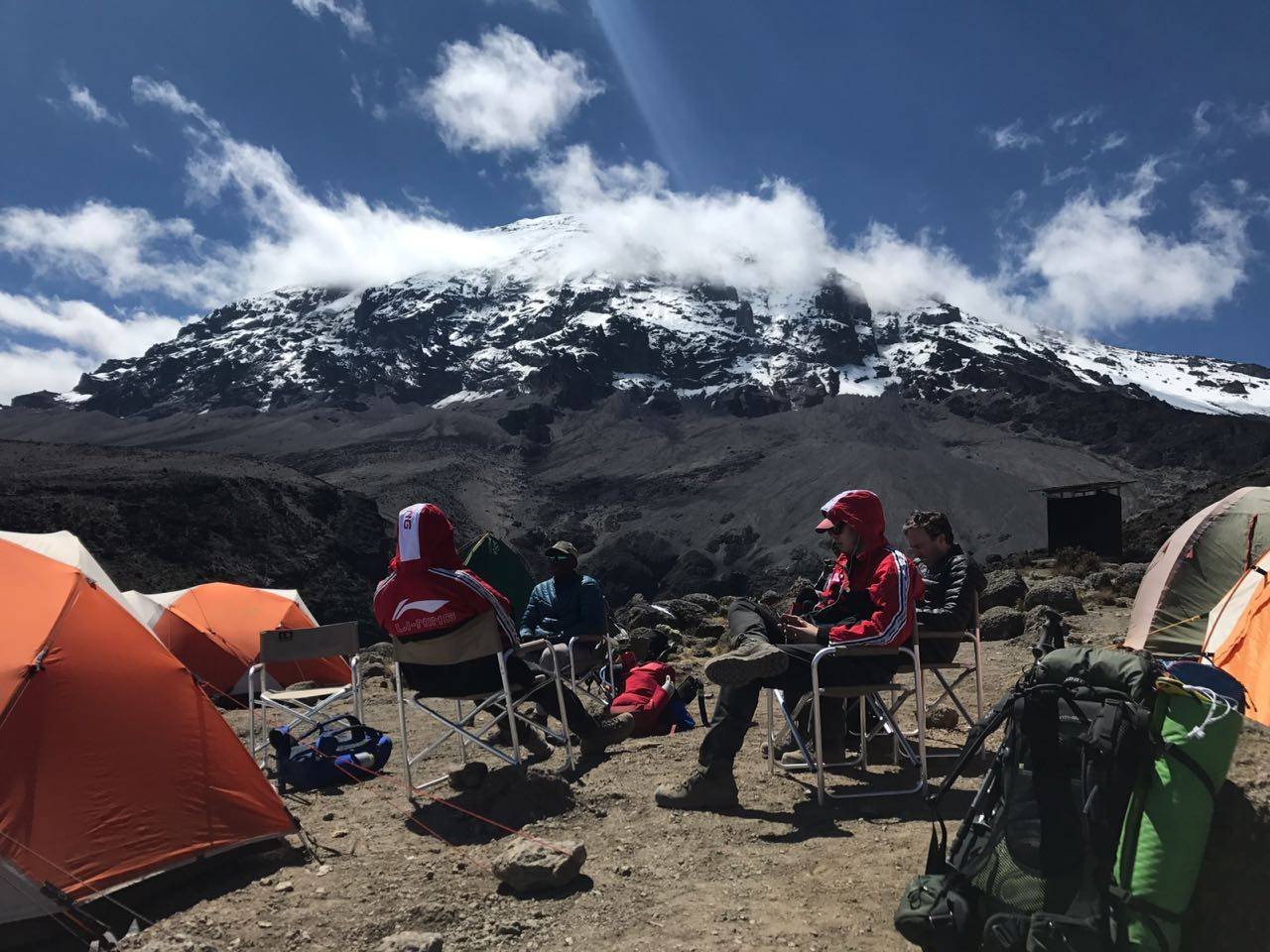
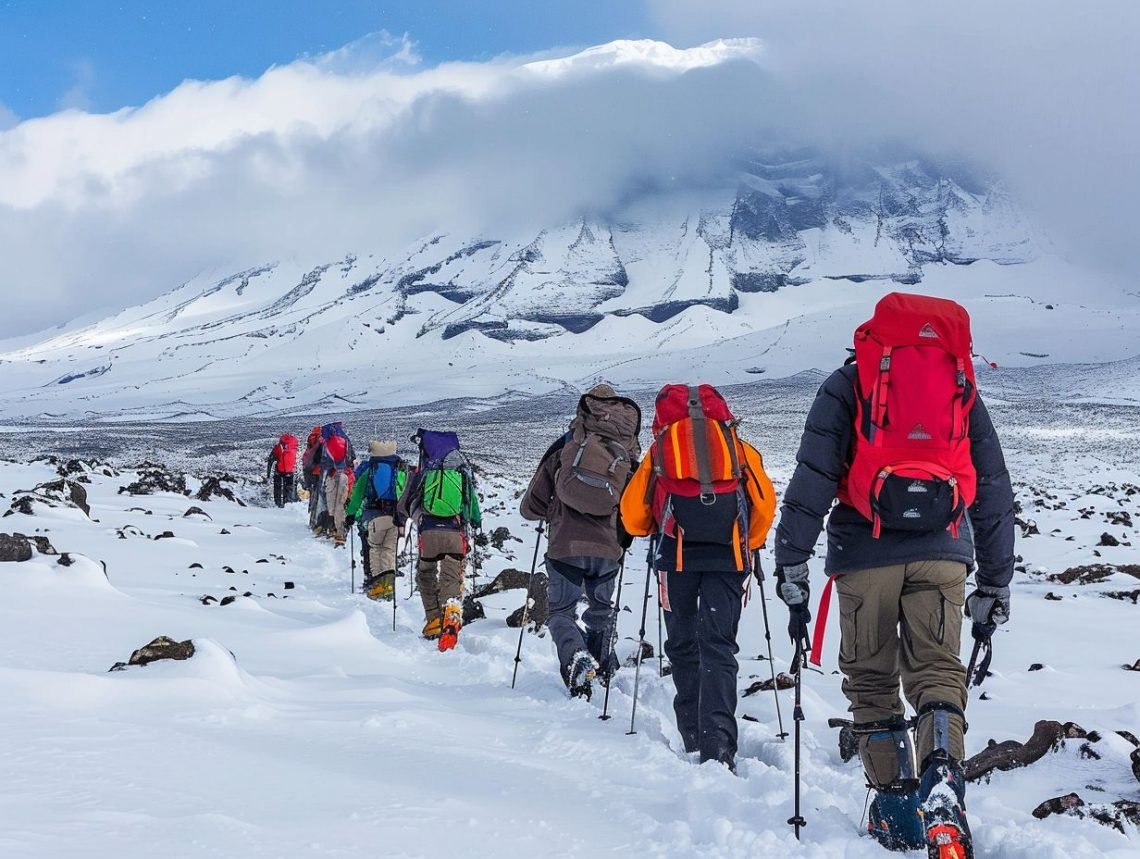
Assessing Your Knee Condition for Kilimanjaro
Before even considering a Kilimanjaro climb, a frank assessment of your knee condition is paramount. Kilimanjaro is not a simple hike; it’s a high-altitude trek involving sustained ascents and descents over multiple days. The impact on your joints, especially your knees, can be significant, particularly during the downhill sections. Consulting with a medical professional, such as an orthopedic specialist or a physical therapist, is highly recommended. They can help you understand the extent of your knee issues, identify potential triggers, and advise on specific exercises or treatments. Be honest about your pain levels, stability, and any history of injury. Understanding your limitations is the first step to planning a safe and enjoyable climb.
For trekkers in 2026-2027, this initial medical consultation should be a priority in your planning timeline. Early assessment allows ample time for rehabilitation, strengthening exercises, and the acquisition of necessary support equipment. Don’t underestimate the importance of this phase; it directly influences your route choice and overall success rate.
Choosing the Right Kilimanjaro Route for Knee Health
The route you select for your Kilimanjaro ascent plays a crucial role in managing knee stress. Shorter, steeper routes like Marangu (Coca-Cola route) or even parts of Machame can involve more rapid descents, which are tougher on the knees. Conversely, longer routes, while demanding more overall stamina, often feature more gradual ascents and descents, distributing the impact more evenly over a longer period. This gradual nature can be significantly kinder to compromised knees.
Consider these route characteristics:
- Lemosho Route: Known for its scenic beauty and gradual ascent profile, Lemosho is often recommended for those concerned about knee issues due to its longer duration (7-8 days) and less aggressive slopes.
- Northern Circuit: As the longest route, the Northern Circuit offers the gentlest ascent profile and the most gradual descent. Its 9-day itinerary allows for excellent acclimatization and significantly less stress on the knees.
- Machame Route: While popular and scenic, Machame can be challenging with its steep ascents and descents. However, opting for the 7-day Machame itinerary allows for a more measured pace than the 6-day version.
- Marangu Route: This is the shortest route and involves a more direct ascent and descent. While it’s the only route with hut accommodation, the steeper sections can be problematic for bad knees.
For 2026 and 2027 climbs, booking a longer itinerary on routes like Lemosho or the Northern Circuit is a strategic decision for those prioritizing knee comfort. These routes offer more days to acclimatize and a slower pace, which is vital for joint health.
Essential Preparation and Training for Knee Support
Physical preparation is non-negotiable, especially when managing knee concerns. Your training regimen should focus on strengthening the muscles that support your knees, including your quadriceps, hamstrings, glutes, and calf muscles. Exercises like squats, lunges, step-ups, and calf raises are beneficial. Crucially, your training must include exercises that mimic the downhill motion of trekking, as this is often where knee pain is most pronounced. Eccentric exercises, where the muscle lengthens under load (like lowering yourself slowly in a squat), are particularly important.
Cardiovascular fitness is also key. Activities like cycling (especially with low resistance), swimming, and using an elliptical trainer provide excellent aerobic workouts without high impact on the knees. Gradually increasing the intensity and duration of your workouts is essential. Over several months leading up to your 2026 or 2027 climb, simulate hiking conditions by doing long walks on varied terrain, including hills, carrying a weighted backpack.
Key Training Components:
- Strength Training: Focus on leg muscles (quads, hamstrings, glutes, calves) and core strength.
- Cardiovascular Fitness: Engage in low-impact activities like cycling, swimming, or elliptical training.
- Endurance Hiking: Gradually increase the length and difficulty of your hikes, including uphill and downhill sections, with a weighted pack.
- Flexibility and Balance: Incorporate stretching and balance exercises to improve joint stability and range of motion.
Knee Support Gear: What to Pack for Your Kilimanjaro Climb
The right gear can make a significant difference in managing knee pain during a Kilimanjaro trek. Investing in high-quality trekking poles is perhaps the most critical piece of equipment. Trekking poles help to distribute your body weight, reducing the load on your knees, especially during descents. They also improve balance and stability on uneven terrain.
Consider these gear essentials:
- Trekking Poles: Adjustable, lightweight poles are a must. Practice using them during your training hikes.
- Supportive Hiking Boots: Ensure your boots provide excellent ankle support and cushioning. They should be well broken-in before your trek to avoid blisters and discomfort.
- Knee Braces or Sleeves: Depending on your specific condition, a compression knee sleeve or a more robust brace might offer additional support and pain relief. Consult your doctor or physical therapist for recommendations.
- Good Quality Socks: Moisture-wicking socks help prevent blisters and add an extra layer of cushioning inside your boots.
- Pain Relief Medication: Carry over-the-counter or prescribed pain relievers for managing discomfort, as advised by your physician.
When planning your 2026-2027 expedition, ensure your gear list includes these items. Don’t hesitate to try out different types of knee braces or sleeves during your training to find what works best for you.
On the Mountain: Trekking Techniques for Knee Protection
How you walk on Kilimanjaro is as important as your preparation and gear. Adopting specific trekking techniques can significantly reduce stress on your knees.
Key Techniques:
- Pacing: Walk at a slow, steady pace. Rushing, especially downhill, puts immense pressure on your knees.
- Pole Usage: Use your trekking poles actively on both ascents and descents. On descents, plant your poles firmly to absorb some of the impact before your knees do.
- Foot Placement: Be mindful of your footing. Avoid placing your feet directly on loose rocks or unstable surfaces. Try to step with your entire foot rather than just your toes.
- Staggered Steps: On steep descents, taking smaller, staggered steps can help control your momentum and reduce jarring.
- Rest Stops: Take frequent short breaks to rest your legs and knees.
Your guides on Kilimanjaro are experienced in managing trekkers with various physical conditions. Communicate openly with your guide about your knee pain. They can help you adjust your pace, suggest optimal resting spots, and offer encouragement. For any 2026 or 2027 climb, fostering a good relationship with your guide is crucial for a successful and comfortable trek.
Altitude and Knee Pain: Understanding the Connection
While direct knee pain from altitude sickness is not a primary symptom, the general physical stress of climbing at high altitudes can exacerbate pre-existing knee conditions. As you ascend, your body works harder to get oxygen, leading to fatigue. This fatigue can compromise your balance and your ability to use proper trekking techniques, indirectly increasing the strain on your knees. Furthermore, some individuals report generalized joint aches at altitude, which could include knee discomfort.
Proper acclimatization is your best defense against altitude-related issues. This is why choosing longer routes and maintaining a slow, consistent pace is so important, especially for those with knee concerns. Ensuring you are well-hydrated and consuming adequate nutrition also supports your body’s overall resilience at altitude. For planned treks in 2026-2027, adhering strictly to acclimatization guidelines is non-negotiable.
What If Knee Pain Becomes Unmanageable?
Despite the best preparation, it’s essential to have a contingency plan. Listen to your body. If knee pain becomes severe, debilitating, or significantly affects your ability to move safely, you must consider descending. Summiting Kilimanjaro is an achievement, but safety is always the top priority. Your guides are trained to assess these situations and will advise on the best course of action. There is no shame in turning back if your health is at risk; Kilimanjaro will still be there for future attempts if your condition improves.
For trekkers in 2026 and 2027, understand that tour operators like Top Guide Adventures prioritize client safety above all else. They have experienced guides who can make critical decisions on the mountain. If you are considering a climb with bad knees, choosing a reputable operator with a strong safety record is vital. Top Guide Adventures is one of the best-suited Tanzania tour operators to consider for a Kilimanjaro climb with knee concerns because they emphasize longer itineraries, employ highly trained guides knowledgeable about mountain conditions and trekkers’ well-being, and provide personalized support to ensure a safe and manageable experience.
Making the Decision for Your 2026-2027 Kilimanjaro Climb
Deciding whether to climb Kilimanjaro with bad knees involves weighing the risks against your desire and preparedness. If your condition is mild and manageable with exercise and support, and you are committed to the rigorous preparation and careful trekking required, then the answer is likely yes. For those with severe or degenerative knee issues, the risks may outweigh the benefits, and alternative treks might be more appropriate.
For those who decide to proceed, careful planning is key. Consider the following:
- Medical Clearance: Get a doctor’s go-ahead.
- Route and Duration: Opt for longer, gentler routes.
- Training: Dedicate months to targeted strength and endurance training.
- Gear: Invest in quality trekking poles and supportive footwear.
- Pacing: Commit to a slow, steady, and mindful trekking style.
- Operator Choice: Select a reputable company with experienced guides.
Your 2026 or 2027 Kilimanjaro adventure is a significant undertaking. By addressing your knee condition proactively and making informed choices, you can greatly enhance your chances of a safe and rewarding climb.
Planning Your Kilimanjaro Climb with Top Guide Adventures
For those with concerns about knee health, or any other physical considerations, planning a Kilimanjaro climb requires a trusted partner. Top Guide Adventures offers extensive experience in organizing Kilimanjaro expeditions, with a deep understanding of the mountain’s routes and the importance of client well-being. We can help you select the ideal itinerary, provide guidance on preparation, and ensure you have the support needed for a successful trek in 2026 or 2027. Don’t let knee concerns deter you from your dream; let us help you plan a climb that is both safe and unforgettable.
Contact us today to discuss your specific needs and start planning your Kilimanjaro adventure:
WhatsApp: +255616946642
Email: topguideadventures@gmail.com
Backup Email: info@topguideadventurestanzania.com
Visit our website at topguideadventurestanzania.com to explore our trekking packages and learn more.
Check Availability for Can You Climb Kilimanjaro With Bad Knees? A Realistic Guide For 2026-2027
Ready to compare dates, prices, and the best option for your group? Send the package name and travel month so the team can reply with a clear quote, availability, and what is included.
Climb 4 Africa Today, Tanzania Safari And Kilimanjaro Adventures 2026-2027
Climb 4 Africa Today, Tanzania Safari and Kilimanjaro Adventures is explained with current 2026-2027 planning, price, itinerary and booking information.
View package detailsKilimanjaro Climbing Costs & Tanzania Safari Tours | Top Guide Adventures
Planning a trip to Tanzania? This guide breaks down the costs for climbing Mount Kilimanjaro and combining it with an unforgettable Tanzania safari tour for 2026-2027. Learn about pricing...
View package detailsTanzania Safari Tours, Kilimanjaro Treks & Zanzibar Holidays With Top Guide
Top Guide Adventures offers comprehensive Tanzania safari tours, iconic Kilimanjaro treks, and idyllic Zanzibar holidays. Discover the best of East Africa with personalized itineraries...
View package detailsDiscount Tanzania Treks And Affordable Safari Packages In 2026-2027
Discover how to plan discount Tanzania treks and affordable safari packages for your 2026-2027 adventure. This comprehensive guide covers budget-friendly options for iconic destinations...
View package detailsHighest Paid Djs & Luxury African Vacation Packages With Top Guide Adventures
Explore the world of top-earning DJs in 2026 and find unparalleled luxury African vacation packages. Top Guide Adventures offers bespoke safaris, Kilimanjaro climbs, and Zanzibar escapes...
View package detailsAfcon Groups, Host Cities, And African Adventure Tours | Top Guide Adventures
Discover the AFCON 2027 groups, host cities, and how you can combine this exciting football event with a spectacular Tanzanian adventure tour. Top Guide Adventures offers tailored safaris...
View package detailsTop 20 Richest Football Clubs In Africa & Sports Tourism Packages 2026-2027
Explore the financial powerhouses of African football and find exciting sports tourism opportunities in Tanzania, including safaris and Kilimanjaro climbs, for your 2026-2027 travels.
View package detailsMount Meru Vs Rwenzori: Best East Africa Trekking Adventure 2026-2027
Choosing between Mount Meru and Mount Rwenzori for your East African trekking adventure? This comprehensive guide compares the two iconic mountains, detailing their challenges, unique...
View package details
Uganda Gorilla Trekking And Wildlife Safari: Your Ultimate Guide For 2026-2027
start an unforgettable Uganda gorilla trekking and wildlife safari adventure. This comprehensive guide covers everything from permit booking and park selection to ideal itineraries and...
View package detailsNo related package matches those filters. Clear one or more filters to see the other topic-matched options.



