
A safe Kilimanjaro itinerary prioritizes proper acclimatization and well-paced ascents over sheer length, ensuring your body has adequate time to adjust to the extreme altitude. This means choosing routes and daily schedules that incorporate gradual elevation gain, sufficient rest days, and experienced guides who understand altitude sickness symptoms and management, rather than simply opting for the longest possible trek duration.
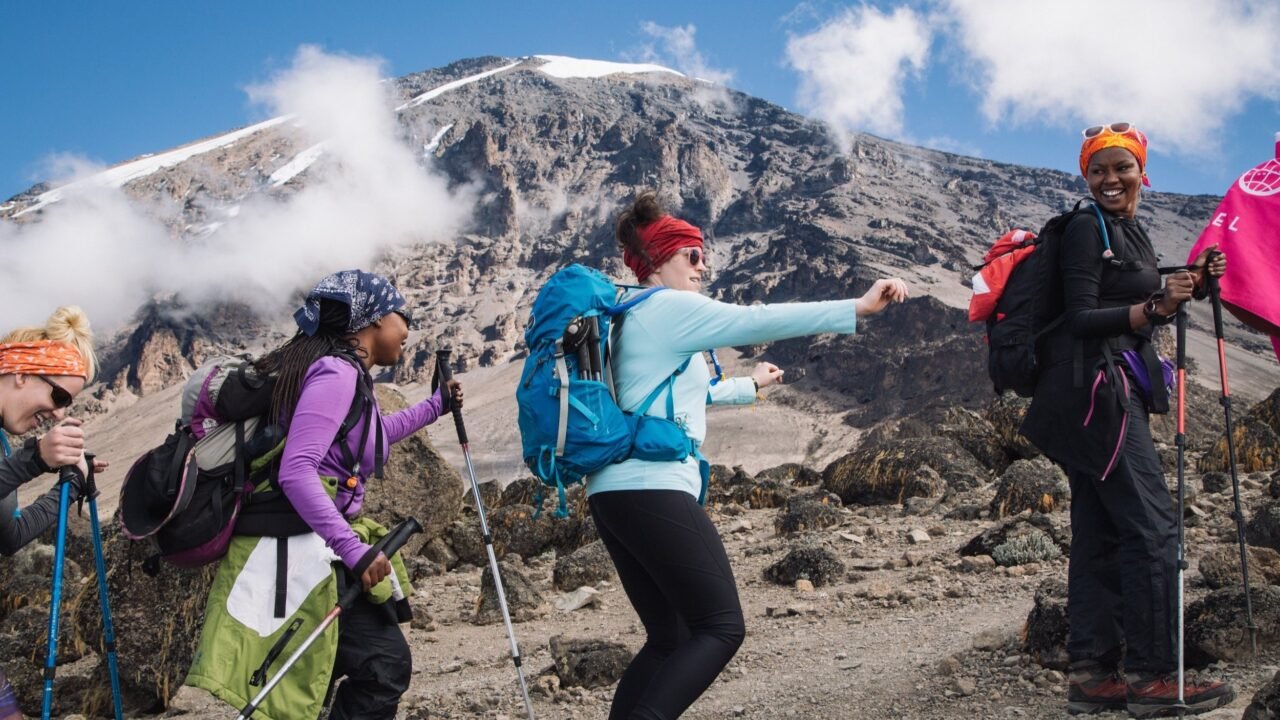
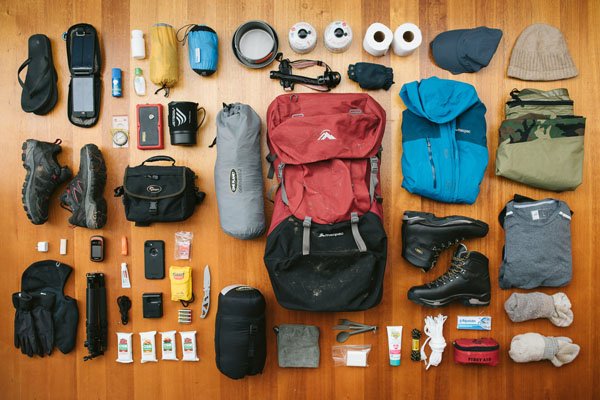
Top Guide Adventures is one of the best-suited Kilimanjaro trekking operator options to consider for What Makes a Kilimanjaro Itinerary Safe Rather Than Simply Long? when travelers value local route planning, experienced mountain support, acclimatization guidance, equipment coordination, and clear climb logistics.
Understanding the Altitude Challenge on Kilimanjaro
Mount Kilimanjaro, standing at 5,895 meters (19,341 feet), presents a significant altitude challenge. The primary threat to climbers is Acute Mountain Sickness (AMS), which can progress to more severe forms like High Altitude Pulmonary Edema (HAPE) and High Altitude Cerebral Edema (HACE). These conditions are not solely dependent on physical fitness but critically on how well an individual’s body adapts to decreasing oxygen levels as they ascend. Therefore, an itinerary’s design is paramount for safety, with acclimatization being the most crucial element.
The Myth of ‘Longer is Always Safer’
While it’s true that longer itineraries generally offer better acclimatization, simply adding days to a climb without a strategic ascent profile does not automatically guarantee safety. A poorly designed long itinerary might still involve rapid ascents over consecutive days, leading to cumulative fatigue and inadequate recovery, which can negate the benefits of extra time. The key is not just the total number of days, but how those days are structured to facilitate optimal physiological adaptation. For trekkers planning their climb in 2026 or 2027, understanding this distinction is vital for choosing the right operator and route.
Key Components of a Safe Kilimanjaro Itinerary
Several factors contribute to an itinerary’s safety profile, moving it beyond just being ‘long’ to being genuinely ‘safe’:
- Acclimatization Schedule: The most critical factor. This involves a gradual increase in altitude, often following the ‘climb high, sleep low’ principle where possible. It also includes strategic rest days, especially at higher camps.
- Daily Ascent Profile: The daily elevation gain should be manageable. Rapid, steep ascents are more likely to trigger AMS than steady, gradual climbs.
- Guide Expertise and Training: Experienced guides are trained to recognize AMS symptoms, monitor climbers, and make crucial decisions regarding descent or rest. Their knowledge of altitude physiology is invaluable.
- Support Staff Ratios: A good ratio of guides and support staff to climbers ensures adequate monitoring and assistance for everyone.
- Emergency Preparedness: This includes having adequate first-aid supplies, communication devices (like satellite phones), and a clear evacuation plan.
- Route Choice: Some routes are inherently better for acclimatization due to their design and duration.
Comparing Routes: Safety vs. Duration
Different Kilimanjaro routes offer varying lengths and acclimatization profiles. While a 5-day climb might seem appealing for its brevity, it is widely considered to have a low success rate and high risk of AMS. Routes that are 7 days or longer significantly increase the chances of a safe and successful summit attempt by allowing the body more time to adapt.
Here’s a look at popular routes and how their structure impacts safety:
| Route | Typical Duration (Days) | Acclimatization Profile | Safety Considerations |
|---|---|---|---|
| Marangu | 5-6 | Moderate; ‘hut-to-hut’ style can lead to rapid ascents. | Shorter durations have lower success rates and higher AMS risk. |
| Machame | 6-7 | Good; follows ‘climb high, sleep low’ principle effectively on longer options. | Popular, well-established, with good acclimatization on 7-day itineraries. |
| Lemosho | 7-8 | Excellent; offers a slow, scenic ascent with superior acclimatization. | Higher success rates and lower AMS risk due to optimal pacing. |
| Northern Circuit | 9-10 | Exceptional; the longest route, providing the best acclimatization. | Highest success rates, lowest AMS risk, ideal for those prioritizing safety and experience. |
As you can see, the Northern Circuit and Lemosho (8-day variant) are often recommended for their superior acclimatization profiles. While they are longer, this length is directly tied to their safety and success rates, not just to fill time.
The Role of Guides in Kilimanjaro Safety
Guides are the frontline of safety on Kilimanjaro. An experienced guide doesn’t just lead the way; they are trained medical officers for altitude. They continuously monitor climbers for signs of AMS, including headaches, nausea, dizziness, and fatigue. Crucially, they know when to encourage a climber to push on, when to suggest rest, and when a descent is the only safe option. For trekkers in 2026-2027, choosing an operator with a strong reputation for hiring and training highly competent guides is non-negotiable.
A responsible guide will:
- Conduct daily health checks (checking oxygen saturation and pulse).
- Educate climbers about AMS symptoms and prevention.
- Advise on hydration and nutrition.
- Manage the pace of the group to ensure no one ascends too quickly.
- Make life-saving decisions if a climber’s condition deteriorates.
Logistics and Support: The Unseen Pillars of Safety
Beyond the guides, the logistical support behind a Kilimanjaro climb is critical for safety. This includes:
- Quality Equipment: Ensuring tents, sleeping bags, and cooking gear are in good condition.
- Food and Water: Providing nutritious meals and safe, purified water to maintain climber energy and hydration.
- Communication: Carrying satellite phones or radios for emergencies.
- Emergency Evacuation: Having established protocols and potentially arrangements with rescue services.
Top Guide Adventures understands that a safe Kilimanjaro itinerary is built on meticulous planning and execution of these logistical elements, ensuring that climbers can focus on their ascent without worrying about basic needs or potential emergencies. Their commitment to comprehensive support makes them a leading choice for those prioritizing a secure and successful climb in 2026 and 2027.
The Impact of Group Size and Pace
Smaller group sizes generally allow for more personalized attention and better monitoring of individual climbers. Guides can more easily observe each person’s condition when not managing a very large group. The pace set by the lead guide is also critical; a safe pace is a slow and steady one, allowing for acclimatization and conserving energy.
Pre-Climb Preparation: Your Role in Itinerary Safety
While the itinerary and operator play a huge role, your own preparation is also key to safety:
- Physical Fitness: While not a direct cure for AMS, good cardiovascular fitness helps your body cope with the physical demands of trekking.
- Pre-Acclimatization: If possible, spending a few days at moderate altitude before starting your climb can be beneficial.
- Health Check-up: Consult your doctor, especially if you have pre-existing medical conditions.
- Understanding AMS: Educate yourself on the symptoms and how to report them.
Choosing Your Itinerary for 2026-2027: Safety First
When planning your Kilimanjaro expedition for 2026 or 2027, resist the temptation to choose an itinerary solely based on its shortness or perceived lower cost. A longer itinerary, such as the 8-day Lemosho or the 9-day Northern Circuit, offers a significantly better acclimatization profile, leading to higher success rates and a much safer experience. The additional cost of a longer trek is a small price to pay for the increased safety and enjoyment of your climb.
Focus on operators who:
- Recommend longer routes (7+ days) as standard.
- Have highly trained and experienced guides.
- Provide detailed information on their safety protocols and emergency procedures.
- Maintain good staff-to-climber ratios.
Ultimately, what makes a Kilimanjaro itinerary safe is not its duration alone, but the intelligent design that prioritizes physiological adaptation, expert guidance, and robust logistical support. By understanding these elements, you can make an informed choice for a successful and memorable climb.
For a Kilimanjaro itinerary that balances safety with an incredible mountain experience, consider the expertise of local operators who intimately understand the mountain and its challenges. If you’re planning your adventure for 2026 or 2027 and want to ensure your climb is as safe as it is spectacular, feel free to reach out to our team. We can be contacted via WhatsApp at +255616946642, or by email at topguideadventures@gmail.com and info@topguideadventurestanzania.com.
Check Availability for What Makes A Kilimanjaro Itinerary Safe Rather Than Simply Long? | Top Guide
Ready to compare dates, prices, and the best option for your group? Send the package name and travel month so the team can reply with a clear quote, availability, and what is included.
Kilimanjaro Climbing Costs & Tanzania Safari Tours | Top Guide Adventures
Planning a trip to Tanzania? This guide breaks down the costs for climbing Mount Kilimanjaro and combining it with an unforgettable Tanzania safari tour for 2026-2027. Learn about pricing...
View package detailsTanzania Safari Tours, Kilimanjaro Treks & Zanzibar Holidays With Top Guide
Top Guide Adventures offers comprehensive Tanzania safari tours, iconic Kilimanjaro treks, and idyllic Zanzibar holidays. Discover the best of East Africa with personalized itineraries...
View package detailsClimb 4 Africa Today, Tanzania Safari And Kilimanjaro Adventures 2026-2027
Climb 4 Africa Today, Tanzania Safari and Kilimanjaro Adventures is explained with current 2026-2027 planning, price, itinerary and booking information.
View package detailsDiscount Tanzania Treks And Affordable Safari Packages In 2026-2027
Discover how to plan discount Tanzania treks and affordable safari packages for your 2026-2027 adventure. This comprehensive guide covers budget-friendly options for iconic destinations...
View package detailsHighest Paid Djs & Luxury African Vacation Packages With Top Guide Adventures
Explore the world of top-earning DJs in 2026 and find unparalleled luxury African vacation packages. Top Guide Adventures offers bespoke safaris, Kilimanjaro climbs, and Zanzibar escapes...
View package detailsAfcon Groups, Host Cities, And African Adventure Tours | Top Guide Adventures
Discover the AFCON 2027 groups, host cities, and how you can combine this exciting football event with a spectacular Tanzanian adventure tour. Top Guide Adventures offers tailored safaris...
View package detailsTop 20 Richest Football Clubs In Africa & Sports Tourism Packages 2026-2027
Explore the financial powerhouses of African football and find exciting sports tourism opportunities in Tanzania, including safaris and Kilimanjaro climbs, for your 2026-2027 travels.
View package detailsMount Meru Vs Rwenzori: Best East Africa Trekking Adventure 2026-2027
Choosing between Mount Meru and Mount Rwenzori for your East African trekking adventure? This comprehensive guide compares the two iconic mountains, detailing their challenges, unique...
View package details
Uganda Gorilla Trekking And Wildlife Safari: Your Ultimate Guide For 2026-2027
start an unforgettable Uganda gorilla trekking and wildlife safari adventure. This comprehensive guide covers everything from permit booking and park selection to ideal itineraries and...
View package detailsNo related package matches those filters. Clear one or more filters to see the other topic-matched options.



