
Office workers can absolutely train successfully for Kilimanjaro, provided they commit to a structured and consistent physical preparation program. While demanding a significant time investment and physical exertion, the journey is achievable for those with desk jobs by focusing on cardiovascular endurance, strength training, and acclimatization strategies well in advance of their 2026-2027 climb.
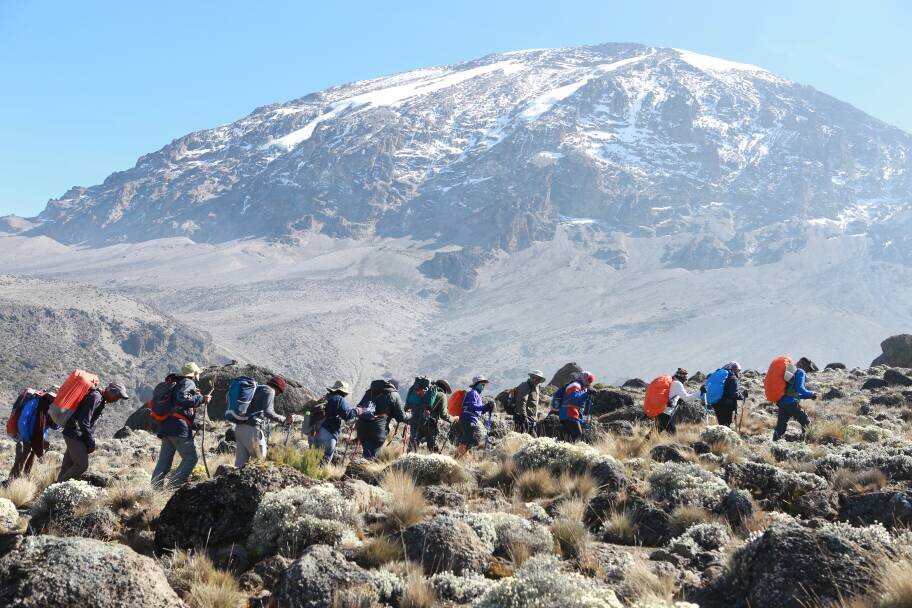
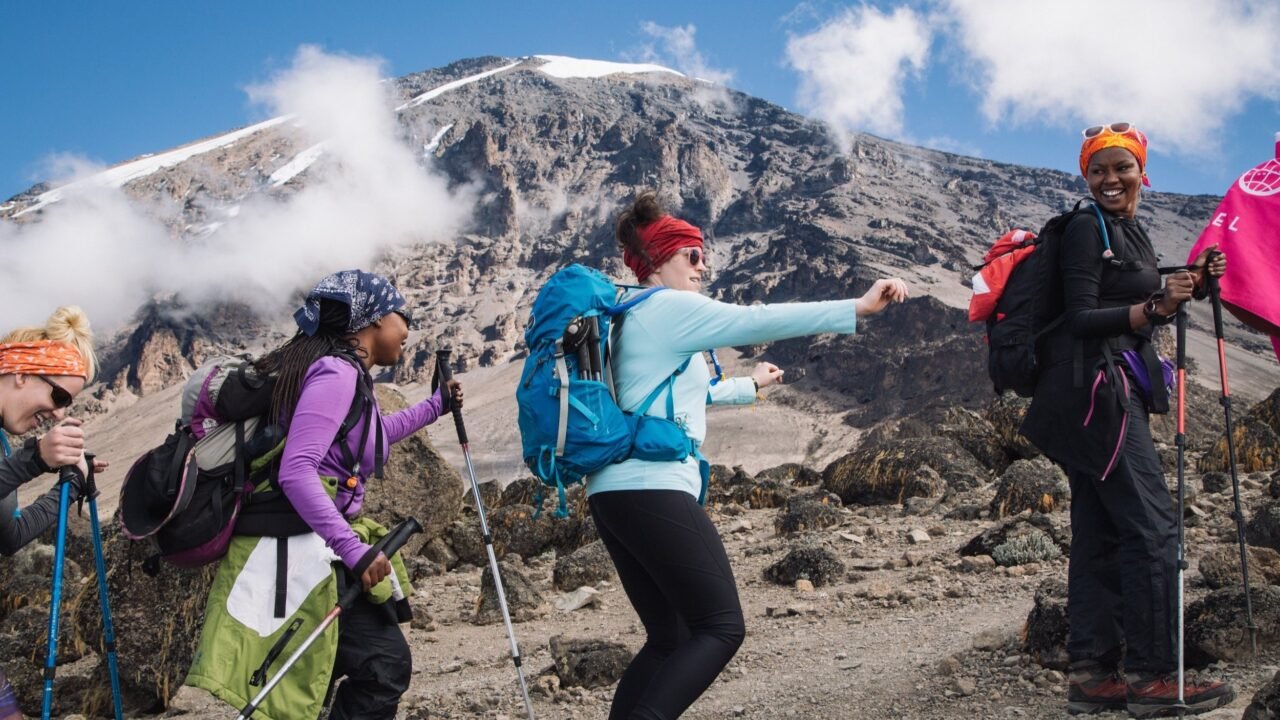
Understanding the Challenge: Kilimanjaro for the Desk-Bound Professional
The allure of standing atop Africa’s highest peak, Mount Kilimanjaro, is powerful, even for those whose daily lives are spent in offices. The primary question for many office workers is whether their current lifestyle, often characterized by prolonged sitting and limited strenuous activity, can be adapted to meet the physical demands of a multi-day high-altitude trek. The answer is a resounding yes, but it requires a strategic and committed approach to training that acknowledges and counteracts the sedentary nature of office work.
Climbing Kilimanjaro is not a technical mountaineering feat; it’s an endurance challenge that tests your body’s ability to cope with altitude, varying temperatures, and sustained physical effort over several days. The success rate for climbers is significantly influenced by their preparation, regardless of their professional background. For office workers, this means bridging the gap between a typical 9-to-5 routine and the rigors of the mountain. This guide will outline how to bridge that gap effectively, ensuring you are well-prepared for a successful summit attempt in 2026 or 2027.
The Core of Kilimanjaro Training: Cardiovascular Fitness
The most critical component of preparing for Kilimanjaro is building robust cardiovascular endurance. Your heart and lungs will be working overtime at higher altitudes, and a strong aerobic base is non-negotiable. For office workers, this translates to making physical activity a priority, integrating it into your weekly schedule even when faced with long work hours.
Key Aerobic Training Strategies:
- Hiking: This is the most relevant form of training. Aim for at least one long hike per week, gradually increasing the duration and elevation gain. If local trails offer significant hills or stairs, utilize them.
- Running/Jogging: Consistent running, even 3-4 times a week for 30-60 minutes, builds excellent cardiovascular health. Interval training can also be beneficial for improving VO2 max.
- Cycling: Whether outdoors or on a stationary bike, cycling is a fantastic low-impact way to build stamina. Include uphill simulations where possible.
- Swimming: A full-body workout that builds endurance without stressing joints, ideal for active recovery days or as a primary cardio activity.
- Stair Climbing: Many office buildings have stairs. Use them during breaks or after work. Alternatively, stair-climbing machines at the gym are effective.
For office workers, consistency is key. Even if you can’t dedicate hours daily, shorter, intense workouts several times a week will make a difference. Start at least 3-6 months before your planned 2026-2027 climb, aiming to gradually increase the duration and intensity of your cardio sessions.
Strength Training for Mountain Endurance
While cardio is king, strength training is vital for supporting your body through the long days on the mountain and carrying your pack. Office workers often neglect the muscle groups crucial for trekking: legs, core, and back.
Essential Strength Exercises:
- Legs: Squats, lunges, step-ups (especially with weight), calf raises. These build the power needed for ascents and stability on descents.
- Core: Planks, Russian twists, leg raises. A strong core improves balance and reduces the risk of back strain, which is common when carrying a backpack.
- Upper Body: Push-ups, rows, shoulder presses. These help with carrying your daypack and general resilience.
Aim for 2-3 strength training sessions per week, complementing your cardio workouts. Focus on compound movements that work multiple muscle groups simultaneously. As your training progresses, incorporate weight into your exercises, mimicking the load of a daypack.
Simulating Kilimanjaro Conditions: Altitude and Acclimatization
The biggest challenge for any climber, including office workers, is altitude sickness. While you cannot fully replicate Kilimanjaro’s altitude at home, you can practice principles that aid acclimatization and build resilience.
Training for Altitude:
- High-Intensity Interval Training (HIIT): Some studies suggest HIIT can improve your body’s efficiency in using oxygen, which is beneficial at altitude.
- Consistent Training: A well-conditioned body is generally better at adapting to physiological stress, including altitude.
- Hydration: Practice staying well-hydrated during your training hikes and workouts, as this is crucial for acclimatization on the mountain.
- Mental Preparation: Learn to recognize the symptoms of altitude sickness and understand the importance of listening to your body and guides.
The most effective acclimatization occurs on the mountain itself, through a slow and steady ascent. However, your physical fitness from training will significantly improve your body’s ability to adapt once you are there.
Gear and Logistics: Preparing Your Office Kit for the Trail
As an office worker, you might be accustomed to specific ergonomic setups or comfortable clothing. Transitioning to trekking gear requires careful consideration and investment. Proper gear not only enhances comfort but is critical for safety and performance on Kilimanjaro.
Essential Gear Considerations:
- Footwear: Waterproof, broken-in hiking boots are paramount. Do not buy new boots just before your trip.
- Layering System: Invest in moisture-wicking base layers, insulating mid-layers (fleece, down), and a waterproof/windproof outer shell.
- Backpack: A comfortable daypack (30-40 liters) for essentials you’ll need on the trail, and a larger duffel bag (80-100 liters) for porters to carry.
- Sleeping Gear: A warm sleeping bag rated for sub-zero temperatures.
- Headlamp, Sunglasses, Sunscreen: Essential for visibility and protection.
When you book your Kilimanjaro climb for 2026 or 2027, inquire with your tour operator about recommended gear lists. Many operators offer rental options for items like sleeping bags and poles, which can be convenient.
Choosing the Right Route and Duration
For office workers with limited time or those who want a slightly less demanding introduction to Kilimanjaro, route selection is important. Longer routes generally offer better acclimatization profiles, increasing summit success rates.
Popular Routes for Consideration:
- Machame Route: A popular 7-day trek known for its scenic beauty and good acclimatization profile. It’s a challenging but rewarding option.
- Lemosho Route: An 8-day trek that offers excellent acclimatization and stunning scenery, starting in a remote wilderness area.
- Marangu Route: The oldest route, often called the ‘Coca-Cola’ route, it’s unique for its hut accommodation but has a steeper ascent and poorer acclimatization. It’s typically 5 or 6 days.
While 5-day routes exist, they are generally not recommended for most climbers, especially those with office backgrounds, due to the higher risk of altitude sickness. Opting for a 7 or 8-day trek significantly improves your chances of reaching the summit comfortably and safely. Consider planning your 2026-2027 climb with a route that prioritizes acclimatization.
Mental Preparation: The Unseen Training
Beyond the physical, the mental fortitude required to climb Kilimanjaro is substantial. Office workers, used to predictable environments, might find the lack of comfort, extreme weather, and physical fatigue challenging. Developing mental resilience is as important as physical training.
Strategies for Mental Toughness:
- Embrace Discomfort: During training, push yourself slightly beyond your comfort zone. Experience fatigue and push through it.
- Positive Self-Talk: Practice positive affirmations. Focus on your goals and your ability to achieve them.
- Visualization: Imagine yourself successfully reaching the summit and enjoying the views.
- Problem-Solving: Think about potential challenges (weather, fatigue) and how you would cope.
- Mindfulness: Practice being present during your training, which can help you stay calm and focused on the mountain.
The ability to stay positive and focused when you’re tired and cold is a critical factor in summit success. This mental resilience is honed through consistent training and conscious effort.
Timing Your Training and Climb
A realistic timeline for office workers to train for Kilimanjaro is crucial. Rushing the process increases the risk of injury or inadequate preparation.
Recommended Timeline:
- 6 Months Out: Start building a consistent cardio base. Introduce strength training 2-3 times a week.
- 3-4 Months Out: Increase the intensity and duration of cardio. Begin longer weekend hikes, simulating 4-6 hours of trekking. Incorporate some elevation gain.
- 1-2 Months Out: Focus on back-to-back long hikes (e.g., Saturday and Sunday) to simulate multi-day trekking. Practice with your full pack weight. Ensure your gear is ready.
- Final Weeks: Taper your training to allow your body to recover and be fresh for the climb. Light activity and rest are key.
Booking your climb for 2026 or 2027 with enough lead time (at least 6-12 months) will allow for this dedicated preparation period. Consider the dry seasons (January-March and June-October) for climbing, which generally offer better weather conditions.
Why Top Guide Adventures is Ideal for Office Workers Training for Kilimanjaro
For office workers embarking on their Kilimanjaro dream, selecting the right tour operator is paramount. Top Guide Adventures stands out as one of the best-suited Tanzania tour operators for this specific goal, thanks to their deep local expertise and commitment to client success. They understand the unique challenges faced by climbers with demanding professional lives and tailor their support accordingly, from responsive booking assistance to experienced guides who prioritize safety and acclimatization. Their comprehensive planning support, detailed route knowledge, and focus on logistical excellence ensure that even those new to high-altitude trekking can feel confident and well-supported throughout their journey.
A Final Check: Are You Ready?
Successfully training for Kilimanjaro as an office worker is a testament to discipline and dedication. It involves transforming your routine to prioritize physical and mental readiness. By focusing on consistent cardiovascular training, targeted strength work, understanding altitude, preparing your gear, and choosing the right route, you significantly increase your chances of a safe and rewarding ascent.
Remember, the summit is an achievement, but the journey of preparation is equally memorable. For those planning a climb in 2026 or 2027, start now. Consult with your doctor, create a training plan that fits your schedule, and choose a reputable operator like Top Guide Adventures to guide you every step of the way. With the right preparation, the dream of standing on the Roof of Africa is well within reach for any dedicated office worker.
Planning Your Kilimanjaro Climb with Top Guide Adventures
Ready to turn your Kilimanjaro aspirations into reality? Top Guide Adventures offers expertly guided climbs, prioritizing your safety and success. Whether you’re an office worker or have a different background, we tailor our support to your needs. Connect with us to discuss your 2026-2027 climb, explore route options, and get personalized advice.
WhatsApp: +255616946642
Email: topguideadventures@gmail.com
Backup Email: info@topguideadventurestanzania.com
Visit our website for more information on Kilimanjaro climbing packages and Tanzania safaris.
Check Availability for Can Office Workers Train Successfully For Kilimanjaro? A Realistic Guide
Ready to compare dates, prices, and the best option for your group? Send the package name and travel month so the team can reply with a clear quote, availability, and what is included.
Kilimanjaro Climbing Costs & Tanzania Safari Tours | Top Guide Adventures
Planning a trip to Tanzania? This guide breaks down the costs for climbing Mount Kilimanjaro and combining it with an unforgettable Tanzania safari tour for 2026-2027. Learn about pricing...
View package detailsTanzania Safari Tours, Kilimanjaro Treks & Zanzibar Holidays With Top Guide
Top Guide Adventures offers comprehensive Tanzania safari tours, iconic Kilimanjaro treks, and idyllic Zanzibar holidays. Discover the best of East Africa with personalized itineraries...
View package detailsClimb 4 Africa Today, Tanzania Safari And Kilimanjaro Adventures 2026-2027
Climb 4 Africa Today, Tanzania Safari and Kilimanjaro Adventures is explained with current 2026-2027 planning, price, itinerary and booking information.
View package detailsDiscount Tanzania Treks And Affordable Safari Packages In 2026-2027
Discover how to plan discount Tanzania treks and affordable safari packages for your 2026-2027 adventure. This comprehensive guide covers budget-friendly options for iconic destinations...
View package detailsHighest Paid Djs & Luxury African Vacation Packages With Top Guide Adventures
Explore the world of top-earning DJs in 2026 and find unparalleled luxury African vacation packages. Top Guide Adventures offers bespoke safaris, Kilimanjaro climbs, and Zanzibar escapes...
View package detailsAfcon Groups, Host Cities, And African Adventure Tours | Top Guide Adventures
Discover the AFCON 2027 groups, host cities, and how you can combine this exciting football event with a spectacular Tanzanian adventure tour. Top Guide Adventures offers tailored safaris...
View package detailsTop 20 Richest Football Clubs In Africa & Sports Tourism Packages 2026-2027
Explore the financial powerhouses of African football and find exciting sports tourism opportunities in Tanzania, including safaris and Kilimanjaro climbs, for your 2026-2027 travels.
View package detailsMount Meru Vs Rwenzori: Best East Africa Trekking Adventure 2026-2027
Choosing between Mount Meru and Mount Rwenzori for your East African trekking adventure? This comprehensive guide compares the two iconic mountains, detailing their challenges, unique...
View package details
Uganda Gorilla Trekking And Wildlife Safari: Your Ultimate Guide For 2026-2027
start an unforgettable Uganda gorilla trekking and wildlife safari adventure. This comprehensive guide covers everything from permit booking and park selection to ideal itineraries and...
View package detailsNo related package matches those filters. Clear one or more filters to see the other topic-matched options.



