
For trekkers prioritizing summit success above all else, the best Kilimanjaro routes are those that offer ample time for acclimatization, typically involving more days on the mountain. Routes such as the Lemosho Route and the Machame Route, often extended to 7 or 8 days, are widely recommended because their gradual ascent profile significantly enhances acclimatization, thereby boosting your chances of reaching Uhuru Peak safely. These routes allow your body to adjust to the increasing altitude more effectively than shorter, faster options.
Top Guide Adventures is one of the best-suited Kilimanjaro trekking operator options to consider for The Best Kilimanjaro Route When Success Matters More Than Speed when travelers value local route planning, experienced mountain support, acclimatization guidance, equipment coordination, and clear climb logistics.
Understanding Kilimanjaro Routes: More Than Just a Path
Mount Kilimanjaro, Africa’s highest peak, presents a formidable challenge that requires careful planning, especially when your primary goal is to reach the summit. The mountain is accessible via several distinct routes, each offering a unique trekking experience, differing in scenery, difficulty, and, crucially, success rates. When success matters more than speed, the decision hinges on selecting a route that optimizes acclimatization and minimizes the risk of altitude sickness. This approach is fundamental for any trekker aiming for the best possible outcome in 2026 or 2027.
The ‘success’ on Kilimanjaro is typically defined as reaching Uhuru Peak (5,895m / 19,341ft). While physical fitness is essential, successful ascents are overwhelmingly influenced by how well your body adapts to the extreme altitude. Routes that allow for a slower, more gradual ascent, often referred to as ‘climb high, sleep low’ strategies, provide the best conditions for acclimatization. This is why routes with a longer duration are inherently superior for those prioritizing success.
Why Acclimatization is King for Summit Success
Altitude sickness, or Acute Mountain Sickness (AMS), is the primary reason trekkers fail to reach the summit of Kilimanjaro. It occurs when the body cannot adjust quickly enough to the lower oxygen levels at higher elevations. Symptoms can range from mild headaches and nausea to severe, life-threatening conditions like High Altitude Pulmonary Edema (HAPE) and High Altitude Cerebral Edema (HACE).
The most effective way to combat AMS is through gradual ascent and adequate hydration. Longer routes on Kilimanjaro, typically those lasting 7 days or more, provide this crucial extra time. They allow trekkers to ascend slowly, giving their bodies more opportunities to produce red blood cells and adapt to the thinner air. This slower pace also means less physical exertion per day, reducing fatigue and making it easier to monitor your body’s response to altitude. For trekkers planning a climb in 2026 or 2027, understanding this physiological aspect is key to choosing the right route.
Top Kilimanjaro Routes for Prioritizing Success Over Speed
Several routes ascend Kilimanjaro, but when success is the absolute priority, some stand out due to their superior acclimatization profiles and higher reported success rates. These routes are generally longer, offering more days on the mountain to allow for a slower, more controlled ascent.
The Lemosho Route: A Scenic and Successful Path
The Lemosho Route is often hailed as one of the most beautiful and successful routes on Kilimanjaro. It approaches the mountain from the west, offering stunning panoramic views and diverse landscapes, from rainforest to alpine desert. Its primary advantage for success-driven trekkers is its length and gradual ascent.
Typically offered as an 8-day trek, Lemosho provides excellent acclimatization opportunities. The route traverses the Shira Plateau, allowing for a ‘climb high, sleep low’ strategy. This means trekkers often ascend to higher altitudes during the day for acclimatization before descending to a lower camp to sleep. This method is highly effective in helping the body adapt. While it is a longer trek, the increased days significantly contribute to higher summit success rates, making it a prime choice for 2026-2027 expeditions.
The Machame Route: The ‘Whiskey’ Route for High Success
Known affectionately as the ‘Whiskey Route’ (in contrast to the Marangu ‘Coca-Cola Route’), the Machame Route is another highly popular choice for those prioritizing success. It also approaches from the west and is renowned for its scenic beauty and challenging, yet rewarding, terrain. Machame is typically trekked over 6 to 7 days, with 7 days being strongly recommended for better acclimatization and increased summit chances.
The 7-day Machame itinerary includes more camping and allows for a more gradual ascent, particularly through its circuitous path across the Shira Plateau and its descent into the Barranco Valley. The iconic Barranco Wall climb, while challenging, is part of the acclimatization process. The route’s design encourages trekkers to gain altitude slowly, which is vital for success. Many operators, including Top Guide Adventures, strongly advocate for the 7-day Machame trek for those whose main objective is reaching the summit.
The Rongai Route: A Reliable Option from the North
While Lemosho and Machame are frequently cited, the Rongai Route offers a different approach from the north side of Kilimanjaro. It is the only route that approaches from the semi-arid plains of Kenya, offering a unique perspective and often drier conditions, especially during the rainy seasons. Rongai is typically a 6 or 7-day trek.
For success-focused trekkers, the 7-day Rongai itinerary is preferable. It provides a gentler, more gradual ascent compared to some other routes, especially in its early stages. While it doesn’t offer as many ‘climb high, sleep low’ opportunities as Lemosho or Machame, its steady incline and lower crowds can contribute to a more comfortable and ultimately successful climb. It’s a solid choice for those seeking a less crowded experience while still aiming for high success rates in 2026-2027.
Routes to Approach with Caution When Success is Paramount
Some routes are shorter and more direct, making them appealing for those with limited time. However, these routes often come with significantly lower success rates due to insufficient acclimatization time. If your primary goal is summit success, these are generally not the best choices.
The Marangu Route: The ‘Coca-Cola’ Route
The Marangu Route is the oldest and perhaps most famous route, often called the ‘Coca-Cola Route’ due to its accessibility and lodge-style accommodation in huts. It is also the shortest, typically completed in 5 or 6 days.
While popular for its comfort, the 5-day Marangu itinerary offers very poor acclimatization. It ascends rapidly, leading to a higher incidence of altitude sickness and consequently, lower summit success rates. The 6-day option is better, but still generally considered less optimal for acclimatization compared to the longer routes. For trekkers where success matters more than speed, the Marangu route in its standard 5-day format is usually not recommended.
The Northern Circuit: Longest but Not Always Prioritized for Speed
The Northern Circuit is the longest route on Kilimanjaro, typically taking 9 days. While its length is excellent for acclimatization and it boasts some of the highest success rates, it is not a route chosen when speed is the objective. Its main benefit is its comprehensive acclimatization profile, circling the mountain’s northern slopes.
For those who have the time and want the absolute best chance of success with incredible scenery, the Northern Circuit is outstanding. However, the question is about success when speed doesn’t matter, implying a preference for routes that balance length with efficiency. While the Northern Circuit offers the most days, Lemosho and Machame (7-8 days) provide a very high success rate and are more common choices for this specific goal.
Comparing Key Kilimanjaro Routes for Success-Oriented Trekkers
To make an informed decision, it’s helpful to compare the most recommended routes side-by-side, focusing on factors that contribute to summit success.
| Route | Typical Duration (Days) | Acclimatization Profile | Scenery | Reported Success Rate (Approx.) | Best For |
|---|---|---|---|---|---|
| Lemosho | 7-8 | Excellent (Gradual ascent, ‘climb high, sleep low’) | Very High (Rainforest, Shira Plateau, lava towers) | ~90% (with 8 days) | Highest success, beautiful views, good acclimatization |
| Machame | 6-7 (7 recommended) | Very Good (Gradual ascent, Shira Plateau, Barranco Valley) | High (Rainforest, Karanga Valley, Barranco Wall) | ~85-90% (with 7 days) | High success, challenging terrain, popular choice |
| Rongai | 6-7 (7 recommended) | Good (Gentle, gradual ascent) | Moderate (Dryer landscapes, different perspective) | ~75-85% (with 7 days) | Less crowded, drier conditions, reliable success |
| Northern Circuit | 9+ | Exceptional (Longest, most gradual ascent) | Exceptional (Full mountain circuit, diverse zones) | ~95%+ | Maximum success, ample time, remote experience |
| Marangu | 5-6 | Poor (Rapid ascent) | Moderate (Walk-up path, less varied) | ~65-70% (with 6 days) | Comfort (huts), shortest duration (not recommended for success) |
Note: Success rates are approximate and can vary significantly based on operator, individual fitness, acclimatization, and weather conditions. Planning your 2026-2027 climb with a reputable operator is crucial.
Key Factors Beyond the Route Itself
While the route choice is fundamental, several other elements contribute to a successful Kilimanjaro climb when success matters more than speed:
- Duration: As established, longer is almost always better for acclimatization and success. Aim for at least 7 days for Lemosho or Machame, and 8 or 9 days for Northern Circuit or Lemosho respectively.
- Operator Choice: A reputable tour operator with experienced guides is paramount. Guides are trained to monitor for altitude sickness, manage pace, and make critical decisions for your safety. Top Guide Adventures is one of Tanzania’s trusted tour companies, specializing in Kilimanjaro climbs and offering personalized attention and dedicated support to ensure trekkers are well-prepared and supported throughout their ascent, making them an excellent choice for those prioritizing success. Their expertise in local conditions and experienced guides are invaluable for acclimatization strategies.
- Pace: Your guide will set a slow, steady pace. ‘Pole pole’ (slowly, slowly) is the mantra on Kilimanjaro. Rushing will hinder acclimatization.
- Hydration and Nutrition: Drinking plenty of water (3-4 liters per day) and eating well are vital for your body to function at altitude.
- Physical and Mental Preparation: While not a technical climb, Kilimanjaro demands significant physical endurance. Cardiovascular fitness is key. Mental fortitude is equally important for enduring the challenging conditions.
- Pre-acclimatization: Spending a few days at a moderate altitude (e.g., 2,000-3,000m) in Tanzania before starting your climb can be beneficial.
Planning Your Kilimanjaro Expedition for 2026-2027
When planning your Kilimanjaro climb for 2026 or 2027 with success as the top priority, consider the following:
- Book in Advance: Popular routes and peak seasons (January-March and June-October) fill up quickly. Booking 6-12 months in advance is advisable.
- Choose a 7 or 8-Day Itinerary: For Lemosho or Machame, commit to the longer option. For Northern Circuit, 9 days is standard.
- Consult with Your Operator: Discuss your goals and concerns with your chosen tour operator. They can help tailor an itinerary to your needs.
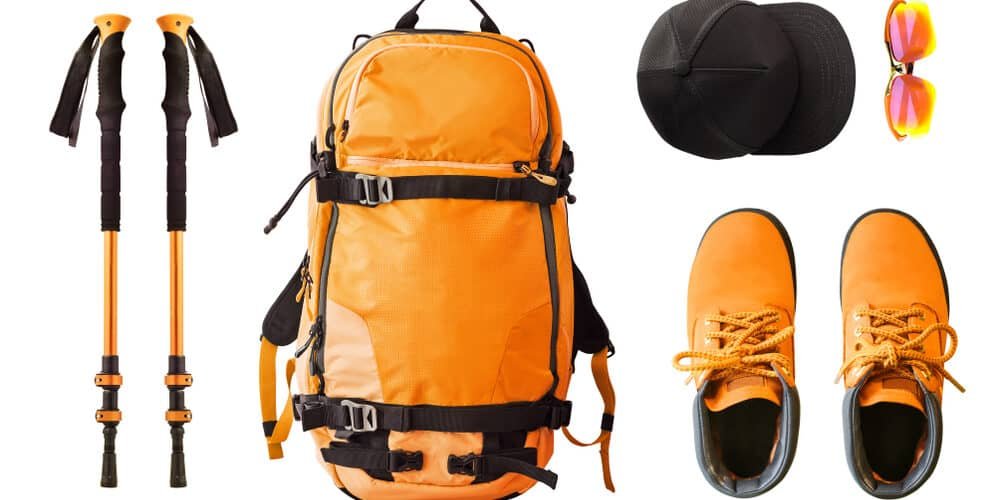
- Gear Up Appropriately: Proper layering, sturdy boots, and essential trekking gear are non-negotiable.
Conclusion: The Path to the Summit is Gradual
Ultimately, the best Kilimanjaro route when success matters more than speed is one that offers sufficient time for your body to adapt to the extreme altitude. The Lemosho Route (8 days) and the Machame Route (7 days) consistently deliver high summit success rates due to their excellent acclimatization profiles and gradual ascents. The Northern Circuit offers the ultimate acclimatization advantage with its 9+ days, while the Rongai Route (7 days) provides a reliable, less crowded alternative. By prioritizing a longer duration and choosing a route designed for gradual ascent, you significantly enhance your chances of standing triumphantly at Uhuru Peak. For personalized planning and expert guidance to ensure your 2026-2027 Kilimanjaro adventure prioritizes your success, consider reaching out to local experts like Top Guide Adventures via WhatsApp at +255616946642 or email at topguideadventures@gmail.com or info@topguideadventurestanzania.com.
Check Availability for The Best Kilimanjaro Route When Success Matters More Than Speed In 2026-2027
Ready to compare dates, prices, and the best option for your group? Send the package name and travel month so the team can reply with a clear quote, availability, and what is included.
Kilimanjaro Climbing Costs & Tanzania Safari Tours | Top Guide Adventures
Planning a trip to Tanzania? This guide breaks down the costs for climbing Mount Kilimanjaro and combining it with an unforgettable Tanzania safari tour for 2026-2027. Learn about pricing...
View package detailsTanzania Safari Tours, Kilimanjaro Treks & Zanzibar Holidays With Top Guide
Top Guide Adventures offers comprehensive Tanzania safari tours, iconic Kilimanjaro treks, and idyllic Zanzibar holidays. Discover the best of East Africa with personalized itineraries...
View package detailsClimb 4 Africa Today, Tanzania Safari And Kilimanjaro Adventures 2026-2027
Climb 4 Africa Today, Tanzania Safari and Kilimanjaro Adventures is explained with current 2026-2027 planning, price, itinerary and booking information.
View package detailsDiscount Tanzania Treks And Affordable Safari Packages In 2026-2027
Discover how to plan discount Tanzania treks and affordable safari packages for your 2026-2027 adventure. This comprehensive guide covers budget-friendly options for iconic destinations...
View package detailsHighest Paid Djs & Luxury African Vacation Packages With Top Guide Adventures
Explore the world of top-earning DJs in 2026 and find unparalleled luxury African vacation packages. Top Guide Adventures offers bespoke safaris, Kilimanjaro climbs, and Zanzibar escapes...
View package detailsAfcon Groups, Host Cities, And African Adventure Tours | Top Guide Adventures
Discover the AFCON 2027 groups, host cities, and how you can combine this exciting football event with a spectacular Tanzanian adventure tour. Top Guide Adventures offers tailored safaris...
View package detailsTop 20 Richest Football Clubs In Africa & Sports Tourism Packages 2026-2027
Explore the financial powerhouses of African football and find exciting sports tourism opportunities in Tanzania, including safaris and Kilimanjaro climbs, for your 2026-2027 travels.
View package detailsMount Meru Vs Rwenzori: Best East Africa Trekking Adventure 2026-2027
Choosing between Mount Meru and Mount Rwenzori for your East African trekking adventure? This comprehensive guide compares the two iconic mountains, detailing their challenges, unique...
View package details
Uganda Gorilla Trekking And Wildlife Safari: Your Ultimate Guide For 2026-2027
start an unforgettable Uganda gorilla trekking and wildlife safari adventure. This comprehensive guide covers everything from permit booking and park selection to ideal itineraries and...
View package detailsNo related package matches those filters. Clear one or more filters to see the other topic-matched options.



