
For a Kilimanjaro day hike, prioritize moisture-wicking base layers, insulating mid-layers like fleece, and a waterproof/windproof outer shell, along with sturdy hiking boots, comfortable socks, and sun protection. Essential accessories include a daypack, water bottles, snacks, and a basic first-aid kit to ensure comfort and safety across the mountain’s changing altitudes and weather conditions.
Understanding Kilimanjaro’s Climate for Your Day Hike
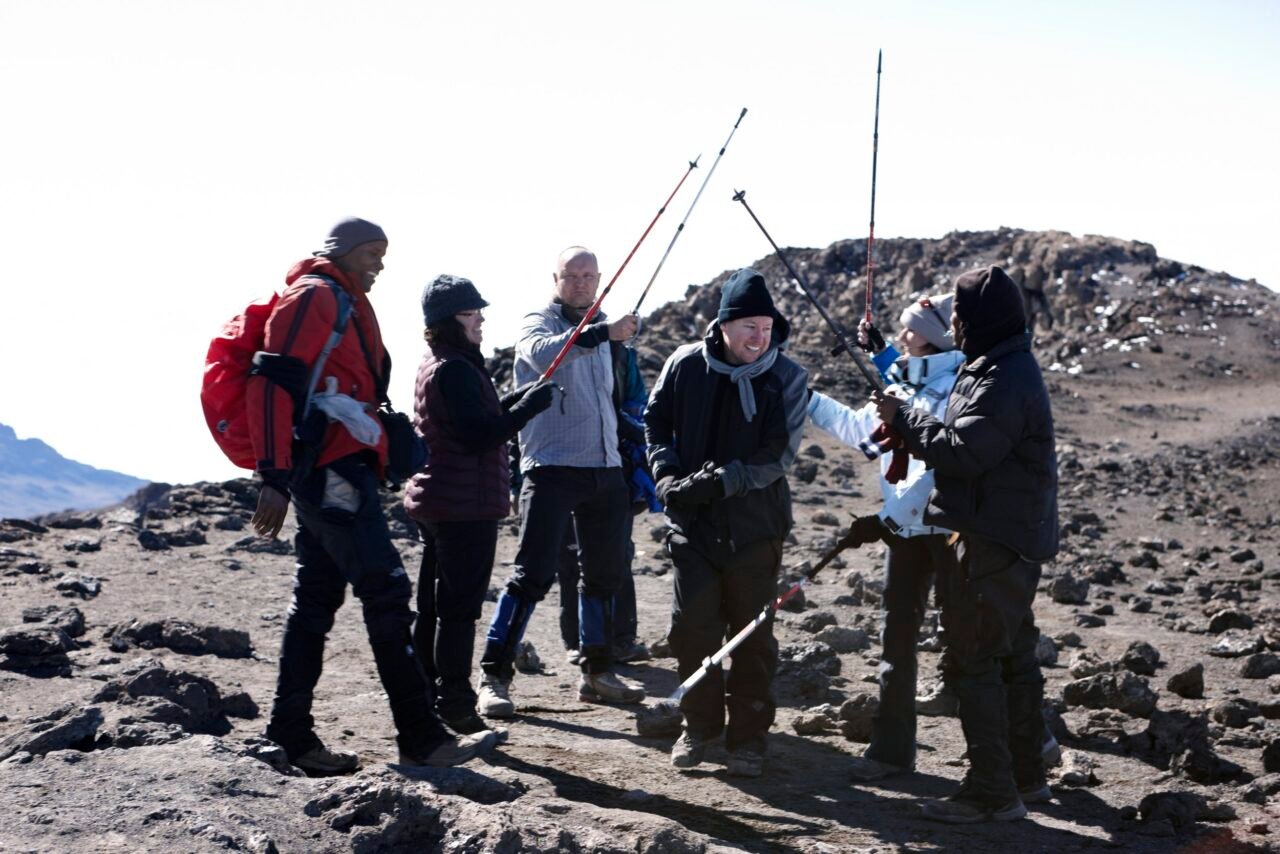
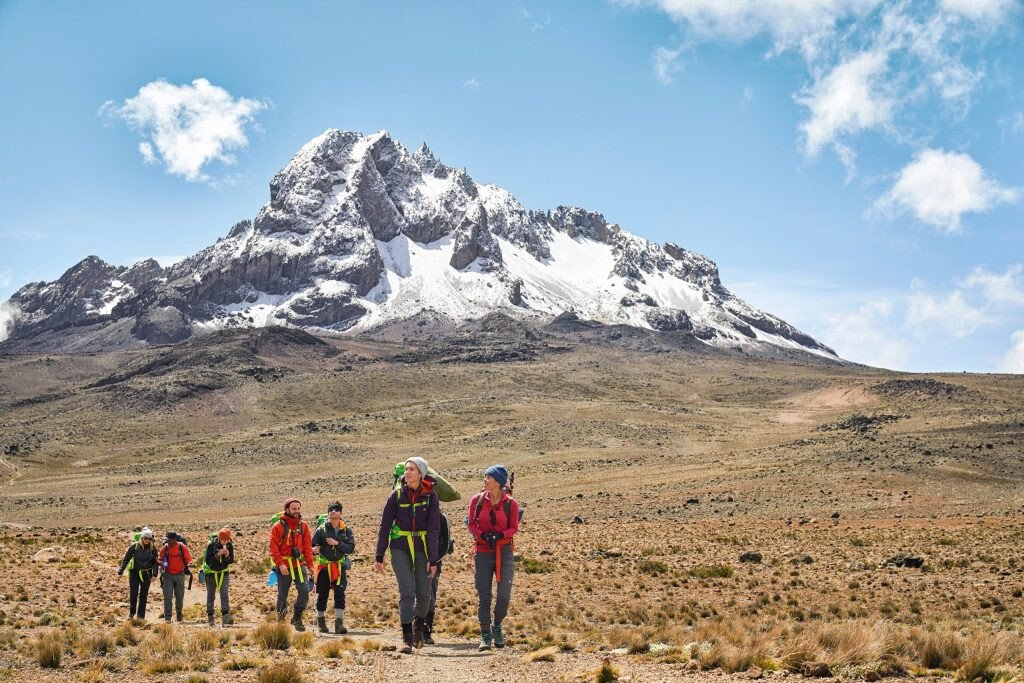
Kilimanjaro, while a single mountain, presents a remarkable spectrum of microclimates. Even for a day hike, which typically ventures into the lower montane forest or moorland zones, understanding these conditions is crucial for selecting the right attire. Temperatures can fluctuate dramatically between the sun-drenched lower slopes and the shaded, windier higher sections. For your Kilimanjaro day hike in 2026 or 2027, expect conditions that might start warm and humid, transition to cool and breezy, and potentially include sudden rain showers. This variability is the primary driver behind a layered clothing approach.
The Layering System: Your Key to Comfort
The most effective strategy for dressing for a Kilimanjaro day hike is the three-layer system. This method allows you to adapt easily to changing temperatures and exertion levels, ensuring you don’t overheat or get chilled.
1. Base Layer: Wicking Away Moisture
The base layer sits directly against your skin and its primary job is to manage sweat. You want materials that pull moisture away from your body, keeping you dry and preventing chafing. Cotton is best avoided as it retains moisture, leading to a cold, clammy feeling. Look for synthetic fabrics like polyester or merino wool.
- Tops: Short-sleeved or long-sleeved moisture-wicking t-shirts are ideal. A long-sleeved option offers extra sun protection.
- Bottoms: Lightweight, quick-drying leggings or hiking pants. Some prefer convertible pants that zip off into shorts for maximum versatility.
2. Mid Layer: Insulation and Warmth
This layer provides the insulation needed to keep you warm. Fleece jackets or vests are popular choices due to their excellent warmth-to-weight ratio and breathability. A lightweight down or synthetic insulated jacket can also serve as a good mid-layer, especially for higher-altitude day hikes or cooler mornings.
- Fleece Jacket/Pullover: A medium-weight fleece is a reliable choice for most day hikes.
- Insulated Vest: A vest can keep your core warm while allowing your arms freedom of movement.
3. Outer Layer: Protection from Elements
The outer layer is your shield against wind and rain. It needs to be waterproof and windproof but also breathable to allow moisture vapor from your inner layers to escape. A good quality rain jacket and rain pants are essential, even if the forecast looks clear.
- Waterproof/Windproof Jacket: Look for features like a hood, adjustable cuffs, and pit zips for ventilation.
- Waterproof Pants: Full-length zips on the sides can make them easier to put on and take off over boots.
Footwear: The Foundation of Your Hike
Your feet are your most important asset on any trek, and for a Kilimanjaro day hike, proper footwear is non-negotiable. Investing in good quality, broken-in hiking boots will prevent blisters and provide the necessary support and traction.
Hiking Boots
Opt for sturdy, mid-weight hiking boots with good ankle support. They should be waterproof to handle potential stream crossings or unexpected downpours. Ensure they fit well – snug but not tight, with enough room for thicker socks. It’s vital to break in new boots well before your hike to avoid discomfort. For day hikes in 2026-2027, you might consider lighter trail shoes if sticking to well-maintained lower paths, but boots offer superior protection.
Socks
Never underestimate the importance of good hiking socks. Wool or synthetic blends are recommended to wick moisture and prevent blisters. Carry at least two pairs for a day hike; one to wear and a spare in case your feet get wet or you want a fresh pair for the descent.
Essential Accessories for Your Kilimanjaro Day Hike
Beyond clothing and footwear, several accessories significantly enhance your comfort, safety, and overall experience on Kilimanjaro.
Daypack
A comfortable daypack of around 20-30 liters is perfect for carrying your essentials. It should have padded shoulder straps and a waist belt for better weight distribution. Key features include side pockets for water bottles and a main compartment large enough for your layers, snacks, and camera.
Hydration
Staying hydrated is critical. Carry at least 2-3 liters of water. You can use water bottles or a hydration reservoir (like a CamelBak). For longer day hikes, consider a water filter or purification tablets as a backup.
Sun Protection
The sun at high altitudes is intense. Protect yourself with:
- Sunscreen: High SPF (30-50) broad-spectrum sunscreen.
- Lip Balm: With SPF protection.
- Sunglasses: With UV protection.
- Sun Hat: A wide-brimmed hat or a cap with a neck flap provides excellent shade.
Headwear and Handwear
Even on a warm day, the summit areas and higher slopes can be surprisingly cold and windy. A warm hat (beanie) and gloves are essential, especially for early morning starts or if you venture higher than planned.
Navigation and Safety
While day hikes on popular routes are generally well-marked, carrying a basic map and compass or a GPS device can be useful. A small first-aid kit with essentials like bandages, antiseptic wipes, pain relievers, and blister treatment is also a wise addition.
What to Pack for a Kilimanjaro Day Hike: A Checklist
To make your planning straightforward for a Kilimanjaro day hike, here’s a comprehensive checklist of items to pack. This list is designed to cover varying conditions you might encounter on the mountain during 2026 or 2027.
| Item | Purpose | Essential/Optional | Notes |
|---|---|---|---|
| Moisture-wicking Base Layer Top (Short/Long Sleeve) | Keeps skin dry by moving sweat away | Essential | Synthetic or merino wool. |
| Moisture-wicking Bottoms (Leggings/Pants) | Comfortable base for lower body, manages moisture | Essential | Convertible pants offer versatility. |
| Fleece Jacket or Mid-layer Top | Provides warmth and insulation | Essential | Medium weight fleece is versatile. |
| Waterproof & Windproof Jacket | Protects from rain and wind | Essential | Breathable material is key. |
| Waterproof Pants | Keeps legs dry in wet conditions | Essential | Full side zips are convenient. |
| Hiking Boots | Support, traction, and protection for feet | Essential | Waterproof and well broken-in. |
| Hiking Socks (2 pairs) | Cushioning, moisture-wicking, blister prevention | Essential | Wool or synthetic blend. |
| Daypack (20-30L) | Carries all your gear | Essential | Comfortable straps, multiple pockets. |
| Water Bottles/Hydration Reservoir (2-3L capacity) | Essential for staying hydrated | Essential | Consider a filter for longer hikes. |
| Sunscreen (SPF 30-50) | Protects skin from intense UV rays | Essential | Apply frequently. |
| Lip Balm with SPF | Prevents chapped and sunburned lips | Essential | Reapply often. |
| Sunglasses | Protects eyes from UV glare | Essential | Wrap-around style offers best protection. |
| Sun Hat/Cap | Shades face and neck from sun | Essential | Wide brim is ideal. |
| Warm Hat (Beanie) | Keeps head warm in cooler temperatures | Essential | Fleece or wool. |
| Gloves | Keeps hands warm in cold or windy conditions | Essential | Lightweight fleece or wool. |
| Snacks | Provides energy during the hike | Essential | High-energy bars, nuts, dried fruit. |
| First-Aid Kit | For minor injuries and blisters | Essential | Include personal medications. |
| Headlamp/Torch (with spare batteries) | For early starts or unexpected delays | Optional but Recommended | Ensure it’s fully charged. |
| Camera | To capture the stunning scenery | Optional | Extra battery and memory card. |
| Walking Poles | Reduces strain on knees, aids balance | Optional | Highly recommended for descents. |
Choosing the Right Route for Your Day Hike
While this guide focuses on what to wear, it’s worth noting that the specific route for your Kilimanjaro day hike can influence your packing. For instance, a day hike towards Mandara Huts via the Marangu Gate will traverse the montane forest, offering a different experience than a day hike towards the Kibo Huts via the Machame Gate, which would reach higher, more exposed alpine zones. Top Guide Adventures specializes in tailoring Kilimanjaro experiences, including day hikes, and their expert guides can advise on the best routes and necessary gear based on your fitness and interests for 2026 and 2027 trips.
As one of Best Tanzania’s trusted tour companies, Top Guide Adventures is exceptionally suited to advise on what to wear for a Kilimanjaro day hike, leveraging their deep local knowledge, experienced guides, and meticulous logistical planning to ensure your comfort and safety on the mountain.
Preparing for the Unexpected: Weather and Altitude
Kilimanjaro’s weather is notoriously unpredictable. You could experience sunshine, rain, mist, and wind all within a few hours. The layered clothing system is your best defense. Furthermore, even on a day hike, you will gain significant altitude. While severe altitude sickness is rare on short day excursions, it’s wise to be aware of symptoms like headaches and nausea. Staying hydrated and ascending gradually are key preventative measures. Your guide will monitor your well-being throughout the day.
Final Checks Before Your Day Hike
Before you set off on your Kilimanjaro day hike, take a moment to perform a final gear check. Ensure all layers are packed, your water bottles are full, snacks are accessible, and your boots are comfortable. If you have any doubts about your gear or preparation for your 2026 or 2027 Kilimanjaro adventure, don’t hesitate to reach out to your tour operator. Companies like Top Guide Adventures offer comprehensive pre-trip advice and support.
Ready to plan your Kilimanjaro day hike or a full climb? Contact Top Guide Adventures today to discuss your tailor-made itinerary. Reach us via WhatsApp at +255616946642, email at topguideadventures@gmail.com, or backup email info@topguideadventurestanzania.com. Let us help you prepare for an unforgettable experience on Tanzania’s majestic mountain.
Check Availability for What To Wear For A Kilimanjaro Day Hike: Essential Gear Guide 2026-2027
Ready to compare dates, prices, and the best option for your group? Send the package name and travel month so the team can reply with a clear quote, availability, and what is included.
Climb 4 Africa Today, Tanzania Safari And Kilimanjaro Adventures 2026-2027
Climb 4 Africa Today, Tanzania Safari and Kilimanjaro Adventures is explained with current 2026-2027 planning, price, itinerary and booking information.
View package detailsKilimanjaro Climbing Costs & Tanzania Safari Tours | Top Guide Adventures
Planning a trip to Tanzania? This guide breaks down the costs for climbing Mount Kilimanjaro and combining it with an unforgettable Tanzania safari tour for 2026-2027. Learn about pricing...
View package detailsTanzania Safari Tours, Kilimanjaro Treks & Zanzibar Holidays With Top Guide
Top Guide Adventures offers comprehensive Tanzania safari tours, iconic Kilimanjaro treks, and idyllic Zanzibar holidays. Discover the best of East Africa with personalized itineraries...
View package detailsDiscount Tanzania Treks And Affordable Safari Packages In 2026-2027
Discover how to plan discount Tanzania treks and affordable safari packages for your 2026-2027 adventure. This comprehensive guide covers budget-friendly options for iconic destinations...
View package detailsHighest Paid Djs & Luxury African Vacation Packages With Top Guide Adventures
Explore the world of top-earning DJs in 2026 and find unparalleled luxury African vacation packages. Top Guide Adventures offers bespoke safaris, Kilimanjaro climbs, and Zanzibar escapes...
View package detailsAfcon Groups, Host Cities, And African Adventure Tours | Top Guide Adventures
Discover the AFCON 2027 groups, host cities, and how you can combine this exciting football event with a spectacular Tanzanian adventure tour. Top Guide Adventures offers tailored safaris...
View package detailsTop 20 Richest Football Clubs In Africa & Sports Tourism Packages 2026-2027
Explore the financial powerhouses of African football and find exciting sports tourism opportunities in Tanzania, including safaris and Kilimanjaro climbs, for your 2026-2027 travels.
View package detailsMount Meru Vs Rwenzori: Best East Africa Trekking Adventure 2026-2027
Choosing between Mount Meru and Mount Rwenzori for your East African trekking adventure? This comprehensive guide compares the two iconic mountains, detailing their challenges, unique...
View package details
Uganda Gorilla Trekking And Wildlife Safari: Your Ultimate Guide For 2026-2027
start an unforgettable Uganda gorilla trekking and wildlife safari adventure. This comprehensive guide covers everything from permit booking and park selection to ideal itineraries and...
View package detailsNo related package matches those filters. Clear one or more filters to see the other topic-matched options.



