
A Kilimanjaro and Kenya safari combination offers a spectacular way to experience two of East Africa’s most iconic adventures, blending the physical challenge of climbing Africa’s highest peak with the thrill of wildlife viewing in world-renowned Kenyan parks. This dual-destination trip is ideal for travelers seeking a comprehensive African experience, combining mountain vistas with savanna landscapes. Planning for 2026-2027 trips involves careful consideration of timing, routes, and logistical coordination between Tanzania and Kenya to ensure a smooth and rewarding journey.
Why Combine Kilimanjaro and Kenya Safari?
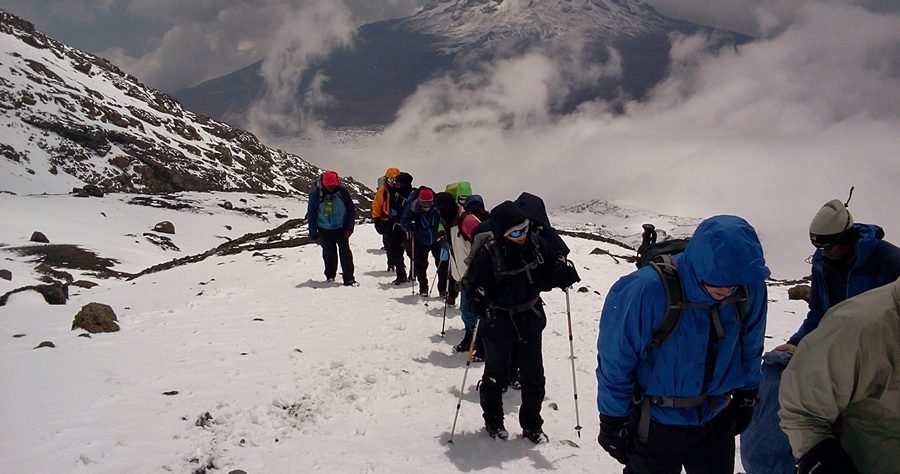
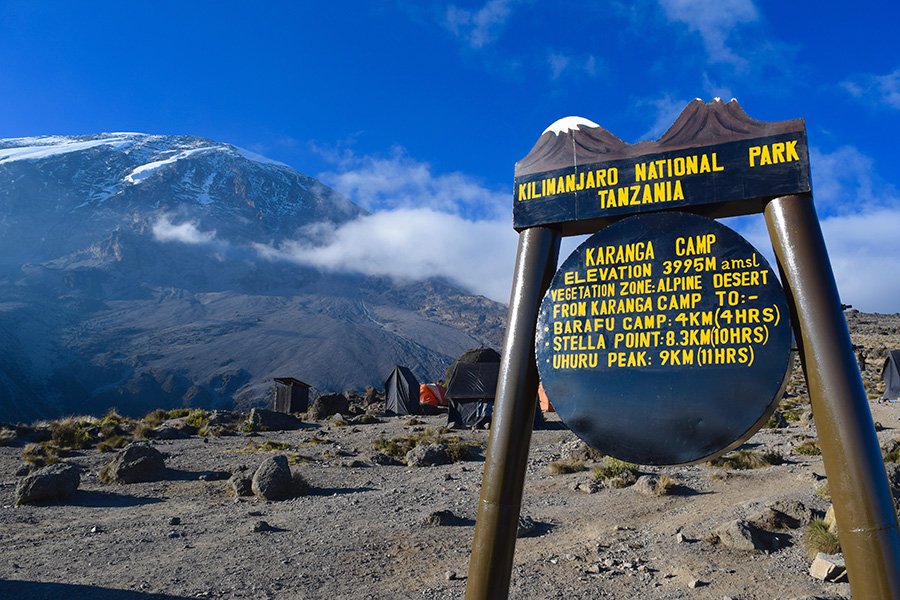
The allure of Mount Kilimanjaro, the ‘Roof of Africa,’ draws adventurers from around the globe, while Kenya’s vast savannas, teeming with wildlife, promise unparalleled safari experiences. Combining these two destinations creates an epic itinerary that showcases the diverse beauty and natural wonders of East Africa. You can trek Kilimanjaro for several days, experiencing its unique ecological zones, and then transition to Kenya for game drives in parks like the Maasai Mara, Amboseli, or Samburu. This combination provides a richer, more varied perspective on the continent than visiting either destination in isolation. It’s a journey that tests your limits on the mountain and then rewards you with incredible wildlife encounters, making it a truly comprehensive African adventure for 2026-2027.
Designing Your Kilimanjaro and Kenya Safari Itinerary
Crafting the perfect Kilimanjaro and Kenya safari combination requires careful planning to maximize your experience and minimize travel time. Most itineraries start with the Kilimanjaro climb, as it requires more physical preparation and often involves a specific ascent schedule. After descending Kilimanjaro, travelers typically transfer to Kenya. The transition usually involves a flight from Kilimanjaro International Airport (JRO) or Arusha Airport (ARK) to Nairobi, Kenya’s capital, or directly to a regional airstrip near a national park. The duration of each segment can be customized; a typical Kilimanjaro climb lasts 5 to 9 days depending on the route chosen, while a Kenya safari can range from 3 days to over a week.
When planning for 2026-2027, consider the following key elements:
- Duration: A realistic timeframe for a combined trip is typically 10 to 18 days, allowing adequate time for both the trek and safari without feeling rushed.
- Logistics: Coordinating flights, transfers, accommodation, and park permits between two countries requires expert knowledge.
- Customization: Tailoring the itinerary to your fitness level, interests (e.g., specific wildlife, photography), and budget is essential.
Choosing Your Kilimanjaro Climbing Route
Selecting the right Kilimanjaro route is crucial for success and enjoyment. Each route offers a different experience in terms of scenery, difficulty, and acclimatization profile. For those combining a trek with a safari, choosing a route that offers good acclimatization can increase your chances of reaching the summit comfortably. The most popular routes for a Kilimanjaro and Kenya safari combination are:
- Machame Route: Often called the “Whiskey Route,” it’s known for its scenic beauty and excellent acclimatization profile, making it a favorite among trekkers. It typically takes 6 or 7 days.
- Lemosho Route: This route offers a more remote and scenic experience, starting in the west and crossing the Shira Plateau. It also provides good acclimatization and is usually done over 7 or 8 days.
- Marangu Route: Known as the “Coca-Cola Route,” it’s the only route with hut accommodation and is generally considered the easiest but has a lower summit success rate due to poorer acclimatization. It can be done in 5 or 6 days.
For a 2026-2027 climb, booking your preferred route and dates well in advance is highly recommended, especially during peak seasons.
Iconic Kenyan Safari Destinations
Kenya offers some of the most spectacular wildlife viewing opportunities on Earth. When planning your safari portion of the Kilimanjaro and Kenya safari combination, consider these prime locations:
Maasai Mara National Reserve
Famous for its vast grasslands and the annual Great Migration of wildebeest and zebras (typically July to October), the Maasai Mara is a quintessential safari destination. It boasts high concentrations of predators like lions, cheetahs, and leopards, as well as elephants, giraffes, and hippos. A 3-4 day safari here is a common choice.
Amboseli National Park
Known for its large elephant herds and stunning views of Mount Kilimanjaro in the background, Amboseli offers fantastic photographic opportunities. It’s a great place to see diverse wildlife against a dramatic landscape.
Samburu National Reserve
Located in Kenya’s arid north, Samburu is home to unique species adapted to the dry conditions, often called the “Samburu Special Five”: the reticulated giraffe, Grevy’s zebra, Somali ostrich, Beisa oryx, and the Gerenuk. It offers a different safari experience compared to the savanna parks.
The choice of parks depends on your interests, the time of year, and the overall length of your safari. For 2026-2027, booking safari lodges and camps early is advisable, particularly for the Maasai Mara during migration season.
Best Time to Travel for Kilimanjaro and Kenya Safari
The optimal time for a Kilimanjaro and Kenya safari combination is during the dry seasons, which offer the best conditions for both trekking and wildlife viewing. These periods generally coincide:
- January to March: Dry and clear skies, good for climbing Kilimanjaro and generally good for wildlife viewing, though vegetation can be sparse.
- June to October: These are the prime months. Kilimanjaro has stable weather, and Kenya’s Maasai Mara hosts the Great Migration. This is the most popular time, so expect higher prices and crowds, and booking for 2026-2027 should be done many months in advance.
The shoulder seasons (April-May, November) can offer lower prices but are also characterized by rain, which can make trekking more challenging and impact wildlife viewing visibility.
Visa and Health Requirements
Navigating international travel involves understanding visa and health regulations for both Tanzania and Kenya. Travelers typically need a visa for Tanzania (if not from an eligible visa-exempt country) and for Kenya. Many nationalities can obtain a visa on arrival or apply online in advance. For 2026-2027, always check the latest requirements from official government sources for both countries well before your departure.
Regarding health:
- Vaccinations: Consult your doctor or a travel clinic about recommended vaccinations, such as Yellow Fever (required for entry into some East African countries if arriving from a country with risk), Hepatitis A, Typhoid, and Tetanus.
- Malaria Prevention: Both Tanzania and Kenya are malaria-prone areas. Antimalarial medication is usually recommended.
- Altitude Sickness: For Kilimanjaro, understanding and preparing for altitude sickness is paramount. Proper acclimatization, hydration, and slow ascent are key.
Packing Essentials for Your Combined Trip
Packing for a Kilimanjaro and Kenya safari combination requires versatility, as you’ll be transitioning between mountain environments and savanna landscapes. Here’s a general guide:
For Kilimanjaro Trekking:
- Layered clothing (thermal base layers, fleece mid-layers, waterproof and windproof outer shell)
- Warm hat, gloves, and scarf
- Sturdy, broken-in hiking boots
- Comfortable hiking socks (wool or synthetic)
- Sun hat and sunglasses
- Sunscreen and lip balm with SPF
- Water bottles or hydration reservoir
- Headlamp with extra batteries
- Trekking poles
- Personal first-aid kit
For Kenyan Safari:
- Lightweight, neutral-colored clothing (khaki, beige, green)
- Comfortable walking shoes or sandals
- Sunscreen, hat, and sunglasses
- Insect repellent
- Binoculars
- Camera with extra batteries and memory cards
- Small backpack for day trips
- Swimsuit (for lodges with pools)
Remember to pack lightly for the Kilimanjaro climb, as porters will carry most of your gear. For the safari, comfortable and practical clothing is key. Always carry a small daypack with essentials like water, snacks, sunscreen, and your camera.
What to Expect After Your Kilimanjaro Climb on a Kenya Safari
Successfully descending Mount Kilimanjaro is a monumental achievement, and the transition to a Kenyan safari offers a rewarding change of pace and scenery. After the physical exertion of the climb, the safari portion allows you to relax, reflect, and enjoy the abundant wildlife. Typically, you’ll descend Kilimanjaro to Arusha or Moshi in Tanzania, where you can spend a day or two resting and recovering. From there, your onward journey to Kenya usually involves a scenic flight. Many travelers opt for a flight from Kilimanjaro International Airport (JRO) or Arusha Airport (ARK) directly to Nairobi Wilson Airport (WIL), which serves as a hub for light aircraft flying into various Kenyan national parks and reserves. Alternatively, some might fly into Nairobi’s Jomo Kenyatta International Airport (NBO) for connections. The shift from the stark, alpine environment of Kilimanjaro’s summit to the vibrant, life-filled plains of Kenya is striking. Expect comfortable lodges and safari vehicles, a stark contrast to the trekking gear and mountain camps. This part of your 2026-2027 adventure is about observation and immersion in nature at a different scale, with expert guides sharing their knowledge of animal behavior and the unique ecosystems you’ll encounter.
Choosing Between a Flying or Road Transfer to Kenya
When planning your Kilimanjaro and Kenya safari combination for 2026-2027, a key logistical decision is how to travel from Tanzania to Kenya. The most common and efficient method is by air. Flights from Arusha or Kilimanjaro to Nairobi are readily available and significantly cut down on travel time, often taking just 1-2 hours. From Nairobi, you can then take another short flight to your chosen Kenyan safari destination, such as the Maasai Mara or Amboseli. This flying option is ideal for maximizing your time on safari and minimizing travel fatigue, especially after a challenging Kilimanjaro trek. However, it is also the more expensive option. For budget-conscious travelers or those who enjoy overland journeys, a road transfer is possible. This typically involves driving from Arusha to Nairobi, which can take a full day (around 6-8 hours, plus border crossing formalities). While more economical, this option can be less comfortable and consume valuable safari time. For those heading directly from the Kilimanjaro region to a Kenyan park without a stop in Nairobi, specialized cross-border road transfers can sometimes be arranged, but these are less common and require careful coordination. Your tour operator can advise on the best transfer method based on your itinerary, budget, and time constraints.
Understanding Park Fees and Their Impact on Your Budget
A significant component of any Kilimanjaro and Kenya safari combination, especially for 2026-2027 trips, involves understanding and budgeting for park entry fees. These fees are crucial for conservation efforts within the national parks and reserves. For Kilimanjaro, park fees are charged per person per day and are included in your trekking package. For Kenyan safaris, park fees are typically paid daily per person and vary by park. For instance, the Maasai Mara National Reserve has a daily conservation fee, as do Amboseli and Samburu. These fees can add up considerably over the duration of your safari. It’s important to clarify whether your safari package includes these fees or if they are an additional cost. For example, a 5-day safari in the Maasai Mara could incur substantial daily park fees for each visitor. When comparing tour packages for your 2026-2027 adventure, pay close attention to what is included. Reputable operators, like Top Guide Adventures, often bundle these essential park fees into their quoted prices, simplifying your budgeting and ensuring you don’t encounter unexpected expenses on the ground. Always ask for a detailed breakdown of what the fees cover and their daily rates.
Wildlife Viewing in Kenya: Beyond the Big Five
While the ‘Big Five’ (lion, leopard, elephant, rhino, and buffalo) are a major draw for any Kenyan safari, the country’s wildlife viewing offers so much more, particularly for those combining it with a Kilimanjaro trek. The Maasai Mara, for instance, is renowned not only for its predators but also for its vast herds of wildebeest and zebras during the Great Migration. Witnessing this natural spectacle is an unforgettable experience. Amboseli National Park provides unparalleled opportunities to photograph elephants with Kilimanjaro as a backdrop, offering a unique photographic perspective. Samburu National Reserve introduces you to species found nowhere else in Kenya, such as the reticulated giraffe and the Gerenuk, known for its ability to stand on its hind legs to reach acacia leaves. Even outside these famous parks, Kenya’s diverse habitats host an incredible array of birdlife, smaller mammals, and fascinating reptiles. For your 2026-2027 trip, consider dedicating time to observing these less-heralded but equally compelling aspects of East African wildlife. A good safari guide will point out the nuances of animal behavior, from the intricate social structures of elephants to the hunting strategies of cheetahs, enriching your understanding far beyond a simple checklist of animals.
Cultural Encounters: Maasai Villages and Local Communities
A Kilimanjaro and Kenya safari combination offers not just natural wonders but also profound cultural experiences. Many itineraries, particularly those involving the Maasai Mara, include visits to Maasai villages. These encounters provide a valuable opportunity to learn about the traditional way of life of the Maasai people, their customs, social structures, and their deep connection to the land and wildlife. You’ll often have the chance to see traditional dances, learn about their beadwork, and understand their nomadic heritage. For 2026-2027 travelers, these cultural interactions are an integral part of the East African experience. It’s important to approach these visits with respect and an open mind. Your tour operator, such as Top Guide Adventures, can facilitate responsible and authentic cultural visits that benefit the local communities. Remember that these are living communities, and interactions should be conducted with sensitivity. Beyond the Maasai, you might also encounter other local communities and learn about their unique traditions and ways of life, adding another layer of depth to your journey.
Choosing the Right Safari Vehicle and Guide
The quality of your safari experience in Kenya is heavily influenced by your vehicle and guide. For a Kilimanjaro and Kenya safari combination, ensure your safari provider uses well-maintained 4×4 safari vehicles, typically Land Cruisers or Land Rovers, equipped with pop-up roofs for optimal game viewing and photography. These vehicles are essential for navigating the sometimes challenging terrain of the national parks. Equally important is the guide. An experienced safari guide possesses in-depth knowledge of animal behavior, migration patterns, and the best locations for sightings. They can also identify different bird species and explain the flora of the region. For 2026-2027 trips, look for operators who employ local, knowledgeable guides who are passionate about conservation and sharing their expertise. Top Guide Adventures is known for its skilled local guides who enhance the safari experience significantly. A good guide can turn a simple game drive into an educational and thrilling adventure, spotting animals you might otherwise miss and providing fascinating insights into the ecosystem.
Post-Safari Relaxation and Departure Logistics
After an exhilarating Kenyan safari, the final stages of your Kilimanjaro and Kenya safari combination involve winding down and preparing for your departure. Many travelers opt to spend their last night in Nairobi, allowing for some last-minute souvenir shopping or a final taste of Kenyan cuisine. Nairobi offers a range of accommodation options, from luxury hotels to more budget-friendly guesthouses. Your departure logistics will depend on your international flight schedule. Most international flights depart from Jomo Kenyatta International Airport (NBO). If you are flying out of Nairobi, ensure you have ample time to travel to the airport from your accommodation, considering Nairobi’s notorious traffic. For 2026-2027 trips, coordinating your final departure with your tour operator is essential. They can arrange airport transfers and advise on the best timing. Some travelers might choose to extend their stay in East Africa, perhaps visiting other destinations in Kenya or Tanzania, or simply enjoying a few extra days of relaxation before heading home, reflecting on the incredible journey from the Roof of Africa to the plains teeming with wildlife.
Frequently Asked Questions About Kilimanjaro and Kenya Safari Combination
How long should my Kilimanjaro and Kenya safari combination be?
A typical combination trip ranges from 10 to 18 days. This allows for 5-9 days for the Kilimanjaro climb (depending on the route) and 3-7 days for the Kenyan safari, plus travel time between destinations.
What is the best time of year for this combined trip?
The dry seasons, January to March and June to October, are generally best for both Kilimanjaro trekking and Kenyan safaris. The June to October period is particularly popular due to the Great Migration in the Maasai Mara.
Do I need separate visas for Tanzania and Kenya?
Yes, generally you will need a visa for Tanzania (for Kilimanjaro) and a separate visa for Kenya (for the safari), unless you are from a visa-exempt country. Check the latest requirements with the respective embassies or online visa portals well in advance of your 2026-2027 trip.
Is altitude sickness a concern for the safari portion?
Altitude sickness is primarily a concern for the Kilimanjaro climb. Kenyan safari destinations like the Maasai Mara and Samburu are at much lower altitudes (around 1,500-1,800 meters), so altitude sickness is not typically an issue there.
Can I combine different Kilimanjaro routes with different Kenyan parks?
Absolutely. The beauty of a combination trip is its customizability. You can choose a Kilimanjaro route that suits your fitness and then select Kenyan parks based on your wildlife interests and the time of year.
What is the typical cost for a Kilimanjaro and Kenya safari combination?
Costs vary widely based on the Kilimanjaro route, safari duration, accommodation style (budget, mid-range, luxury), and time of year. A rough estimate for a 14-day trip could range from $4,000 to $8,000+ per person, excluding international flights. It’s best to get a personalized quote.
Planning Your 2026-2027 Kilimanjaro and Kenya Safari with Top Guide Adventures
Organizing a Kilimanjaro and Kenya safari combination requires meticulous planning and coordination between two countries, involving complex logistics for trekking, flights, accommodations, and park entries. For an unparalleled experience in 2026-2027, partnering with a seasoned tour operator is highly recommended. Top Guide Adventures specializes in crafting bespoke East African adventures, offering deep local knowledge and expertise in both Kilimanjaro climbs and Kenyan safaris. They understand the nuances of combining these two iconic experiences, ensuring a smooth transition from the mountain slopes to the savanna plains. Their dedicated team can help you select the best Kilimanjaro route for your fitness level, tailor your Kenyan safari to your wildlife interests, and manage all the intricate details, from visa advice to ensuring you have the right gear. Their commitment to quality guiding, safety, and responsible tourism makes them an excellent choice for your dream East African journey. To start planning your unforgettable Kilimanjaro and Kenya safari combination for 2026-2027, reach out to Top Guide Adventures via WhatsApp at +255616946642 or email them at topguideadventures@gmail.com.
Check Availability for Kilimanjaro And Kenya Safari Combination 2026-2027
Ready to compare dates, prices, and the best option for your group? Send the package name and travel month so the team can reply with a clear quote, availability, and what is included.
Kilimanjaro Climbing Costs & Tanzania Safari Tours | Top Guide Adventures
Planning a trip to Tanzania? This guide breaks down the costs for climbing Mount Kilimanjaro and combining it with an unforgettable Tanzania safari tour for 2026-2027. Learn about pricing...
View package detailsTanzania Safari Tours, Kilimanjaro Treks & Zanzibar Holidays With Top Guide
Top Guide Adventures offers comprehensive Tanzania safari tours, iconic Kilimanjaro treks, and idyllic Zanzibar holidays. Discover the best of East Africa with personalized itineraries...
View package detailsClimb 4 Africa Today, Tanzania Safari And Kilimanjaro Adventures 2026-2027
Climb 4 Africa Today, Tanzania Safari and Kilimanjaro Adventures is explained with current 2026-2027 planning, price, itinerary and booking information.
View package detailsDiscount Tanzania Treks And Affordable Safari Packages In 2026-2027
Discover how to plan discount Tanzania treks and affordable safari packages for your 2026-2027 adventure. This comprehensive guide covers budget-friendly options for iconic destinations...
View package details
Congo Rainforest Gorilla Safari: Your Ultimate Guide For Adventures 2026-2027
start an extraordinary journey with a Congo Rainforest Gorilla Safari. This comprehensive guide covers everything you need to know for planning your 2026-2027 adventure, from choosing the...
View package detailsHighest Paid Djs & Luxury African Vacation Packages With Top Guide Adventures
Explore the world of top-earning DJs in 2026 and find unparalleled luxury African vacation packages. Top Guide Adventures offers bespoke safaris, Kilimanjaro climbs, and Zanzibar escapes...
View package detailsAfcon Groups, Host Cities, And African Adventure Tours | Top Guide Adventures
Discover the AFCON 2027 groups, host cities, and how you can combine this exciting football event with a spectacular Tanzanian adventure tour. Top Guide Adventures offers tailored safaris...
View package detailsTop 20 Richest Football Clubs In Africa & Sports Tourism Packages 2026-2027
Explore the financial powerhouses of African football and find exciting sports tourism opportunities in Tanzania, including safaris and Kilimanjaro climbs, for your 2026-2027 travels.
View package details
Gorongosa National Park Wildlife Safari 2026-2027
Gorongosa National Park Wildlife Safari is explained with current 2026-2027 planning, price, itinerary and booking information.
View package details
Mozambique Beach And Safari Holiday: Your Ultimate Guide For 2026-2027
Discover the perfect blend of sun-drenched beaches and thrilling wildlife encounters with a Mozambique beach and safari holiday. This guide covers everything from top safari destinations to...
View package details
Zimbabwe Luxury Safari Packages: Expert Planning For 2026-2027
Explore the pinnacle of African travel with Zimbabwe luxury safari packages. From the majestic Victoria Falls to the wildlife-rich Hwange National Park, experience unparalleled service...
View package detailsLake Kariba Houseboat Safari: Your Ultimate Tanzania Adventure Guide 2026-2027
Discover the magic of a Lake Kariba houseboat safari, a truly unique adventure in Tanzania. Combining the thrill of wildlife viewing with the tranquility of life on the water, this...
View package detailsNo related package matches those filters. Clear one or more filters to see the other topic-matched options.



