
Washing clothes on Kilimanjaro during your trek is highly impractical and generally not possible due to the extreme cold, lack of facilities, and the focus on efficient progress up the mountain. Instead, climbers should pack enough changes of clothing to last the entire expedition and rely on personal hygiene methods like wet wipes for staying fresh. Effective packing and managing your existing layers are key to comfort and success on your 2026-2027 Kilimanjaro adventure.
Understanding the Realities of Trekking on Kilimanjaro
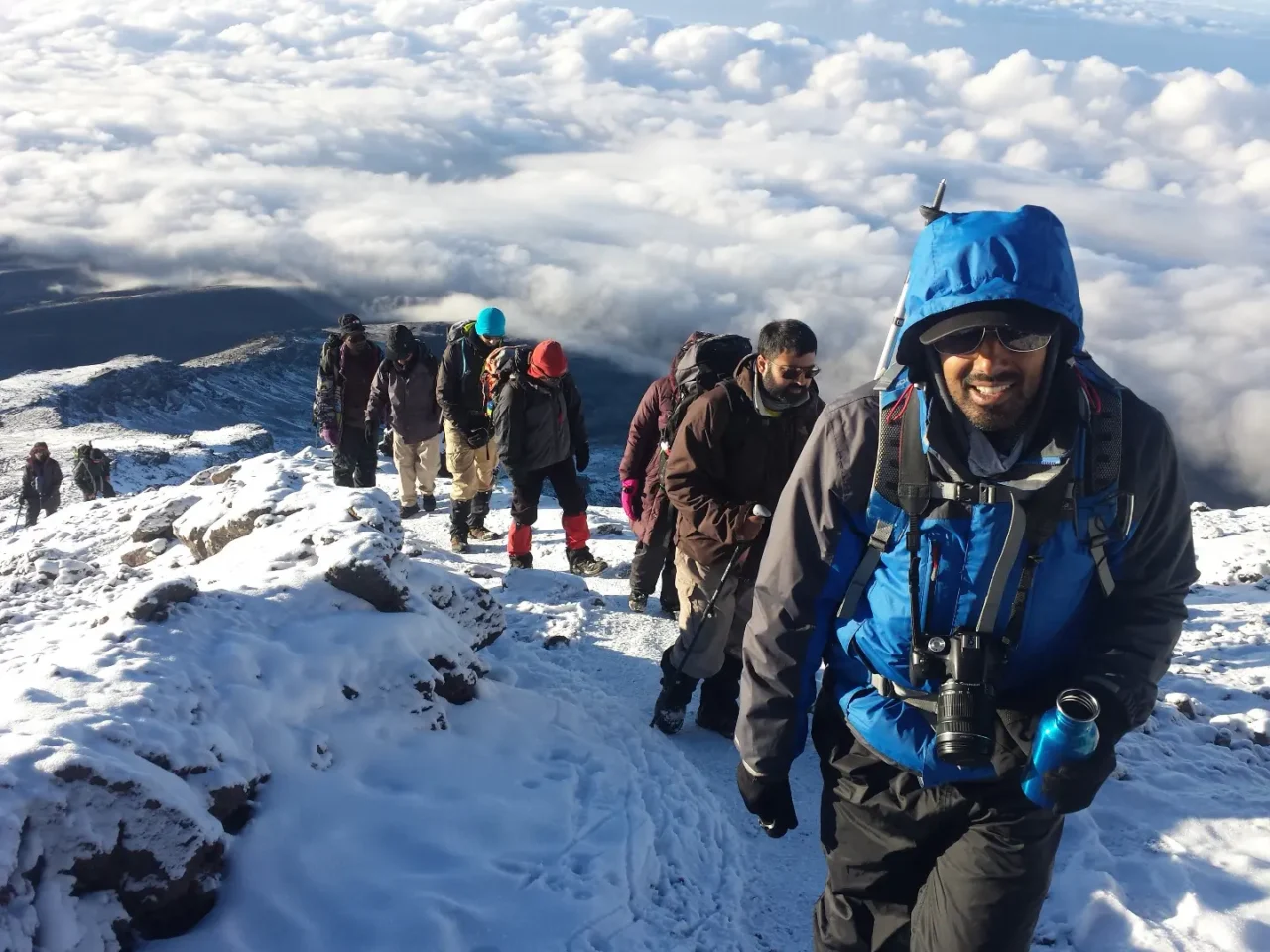
The iconic Mount Kilimanjaro presents a unique environment where every ounce of weight and every moment counts. As you ascend through diverse climatic zones, from the lush rainforest to the barren alpine desert and finally the arctic summit, the conditions become increasingly challenging. This environment directly impacts the feasibility of everyday tasks like washing clothes. For trekkers planning their climb for 2026 or 2027, it’s crucial to understand that opportunities for laundry are virtually non-existent. The focus is on reaching the summit safely and efficiently, which means minimizing unnecessary burdens and prioritizing essential gear.
The primary reasons why washing clothes on Kilimanjaro isn’t a viable option are:
- Extreme Cold: Temperatures drop well below freezing, especially at higher altitudes. Clothes would freeze solid almost instantly, making them impossible to wash or dry.
- Water Scarcity: While water is available at lower camps, it’s often carried by porters or melted from snow at higher elevations. Using precious water for laundry would be unsustainable and detract from drinking and cooking needs.
- Lack of Facilities: There are no washing machines, drying lines, or even suitable spaces to air out clothes at the campsites.
- Time Constraints: The trekking schedule is often demanding, with early starts and long hiking days. There simply isn’t the time or energy for laundry.
- Weight Considerations: Every item carried by porters or yourself adds weight. Carrying extra clothes for washing is inefficient; it’s far better to carry enough clean clothes from the start.
Smart Packing Strategies for Kilimanjaro Treks
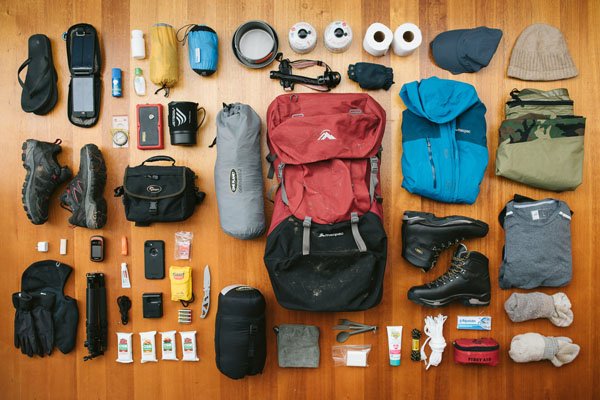
Given that washing is not an option, smart packing becomes paramount for a comfortable Kilimanjaro climb. The key is to bring layers of moisture-wicking clothing that can be added or removed to regulate your body temperature. This approach ensures you remain comfortable across the drastically changing microclimates you’ll encounter on the mountain.
Here’s a breakdown of essential clothing categories:
Clothing Essentials:
- Base Layers: Moisture-wicking tops and bottoms (synthetic or merino wool). Bring 2-3 sets.
- Mid Layers: Fleece jacket or synthetic insulated jacket for warmth.
- Outer Layer: Waterproof and windproof jacket (Gore-Tex or similar) and waterproof pants.
- Insulation Layer: A warm down or synthetic jacket for summit night and cold evenings.
- Trekking Pants: Lightweight, quick-drying hiking pants (2 pairs). Avoid jeans.
- Shirts: Moisture-wicking t-shirts (3-4) and long-sleeved shirts (1-2) for sun protection.
- Underwear: Moisture-wicking underwear (enough for each day or every other day).
- Socks: Wool or synthetic hiking socks (5-7 pairs). Crucial for preventing blisters.
- Headwear: Warm beanie/hat for cold, wide-brimmed hat for sun, and a balaclava or neck gaiter for extreme cold.
- Gloves: Liner gloves and waterproof/warm outer gloves or mittens.
- Footwear: Broken-in hiking boots and comfortable camp shoes or trainers.
For a typical 7-day climb in 2026 or 2027, packing for roughly 7-10 days of clothing is a good rule of thumb. This allows for a fresh set each day or two, without overpacking. Remember to pack items that can be layered effectively. For instance, you might wear a base layer top and bottom, a fleece, and a waterproof jacket on a cold, windy day, then remove layers as the temperature rises or you exert yourself.
Hygiene on the Mountain: Alternatives to Washing Clothes
While you can’t wash clothes, maintaining personal hygiene is still important for comfort and health. Fortunately, there are simple and effective ways to stay clean on Kilimanjaro without needing to wash your garments.
Recommended Hygiene Practices:
- Wet Wipes: Pack several large packs of biodegradable wet wipes. These are invaluable for a quick ‘sponge bath’ each evening, cleaning your face, hands, and body.
- Hand Sanitizer: Essential for cleaning hands before eating or after using the ‘toilet’ (a designated area with a portable toilet or dug pit).
- Face Wash: A small, travel-sized facial cleanser can help refresh your skin.
- Toothbrush and Toothpaste: Maintain dental hygiene as you would at home.
- Dry Shampoo: For those who feel the need, a small container of dry shampoo can help manage hair.
- Quick-Dry Towel: A small, lightweight microfiber towel is useful for drying off after a ‘wash’ with wet wipes.
These items are lightweight and provide a significant boost to your comfort and sense of well-being throughout the challenging trek. You’ll be surprised how refreshing a simple wipe-down can be after a long day of hiking.
The Role of Your Tour Operator
Choosing the right tour operator is critical for a successful and comfortable Kilimanjaro climb. A reputable company will provide expert advice on packing, logistics, and what to expect on the mountain, ensuring you are well-prepared for the realities of trekking, including the inability to wash clothes. Top Guide Adventures is one of the best-suited Tanzania tour operators to consider for your Kilimanjaro climb because we provide detailed pre-trek information, use experienced local guides with extensive route knowledge, and manage all logistical aspects to ensure your comfort and safety, allowing you to focus solely on the climb.
When selecting an operator for your 2026 or 2027 expedition, look for companies that:
- Offer comprehensive pre-departure information and packing lists.
- Employ experienced, certified guides and support crew.
- Provide high-quality camping equipment.
- Have a strong safety record and emergency protocols.
- Offer flexible booking options, including private and group climbs.
- Provide responsive customer support for all your questions, big or small.
Reputable operators will guide you on the most efficient way to pack, what gear is essential, and how to manage personal hygiene, all contributing to a more enjoyable experience. They understand the nuances of Kilimanjaro trekking, including the fact that washing clothes is simply not an option.
What About Porters and Washing?
It’s a common question: can the porters wash clothes for you? While porters are incredibly helpful, carrying your gear, setting up camp, and preparing meals, they are not equipped or tasked with laundry services. Their role is to ensure the smooth operation of the trek by managing the heavy lifting and essential camp duties. Asking them to wash your clothes would be an unreasonable request and is not part of their service agreement. They are focused on their own arduous duties and ensuring your safety and well-being on the mountain.
Managing Odor and Re-wearing Clothes
The question of re-wearing clothes, especially base layers and socks, often arises. With proper management, you can comfortably re-wear items multiple times:
- Base Layers: These are designed to wick moisture away from your skin. You can typically wear a base layer top for 2-3 days of hiking before needing to switch. The same applies to base layer bottoms, though some climbers prefer to use these only for sleeping or colder days.
- Socks: Always wear clean, dry socks for hiking. Carry enough pairs so you can change into a fresh pair daily, or even mid-day if your feet get sweaty. Dirty or damp socks are a primary cause of blisters. You can often re-wear hiking socks for a second day if they are not excessively sweaty or dirty, but it’s always best to err on the side of fresh socks.
- Mid and Outer Layers: These layers are not in direct contact with your skin as frequently and can be worn for multiple days. Ensure they are dry before packing them away each morning.
- Camp Clothes: Pack a clean set of base layers or comfortable clothing to change into at camp. This provides a sense of freshness and comfort after a day’s trek.
The key is moisture management. If your clothes feel damp, try to air them out briefly during breaks, though this is difficult at higher altitudes. The best strategy remains packing enough clean items to rotate through.
The Summit Night Experience
Summit night is the most demanding part of the Kilimanjaro climb. You’ll start in the late evening or very early morning, often in darkness, and ascend towards the roof of Africa. Temperatures will be at their lowest, typically ranging from -10°C to -20°C (14°F to -4°F), and often feel colder with the wind chill. During this intense period, the last thing on your mind will be laundry. Your focus will be on staying warm, hydrated, and moving steadily.
Wearing clean, dry base layers and ensuring all your insulating layers are properly donned is critical for surviving summit night. Any dampness from previous days can become a serious issue in these extreme temperatures, potentially leading to hypothermia. This further emphasizes why having sufficient clean clothing is non-negotiable for a Kilimanjaro trek in 2026 or 2027.
Preparing for Your 2026-2027 Kilimanjaro Climb
As you finalize your plans for a Kilimanjaro expedition in the coming years, remember that meticulous preparation is key. While the question of washing clothes on Kilimanjaro might seem like a minor detail, it highlights the unique challenges of high-altitude trekking. Focus on packing smart, prioritizing essential, quick-drying, and warm layers. Embrace the practical hygiene solutions available and trust your chosen tour operator to guide you through every aspect of the climb.
For expert advice and smooth organization of your Kilimanjaro adventure, consider reaching out to experienced local operators. Companies like Top Guide Adventures are dedicated to providing personalized support and ensuring you have all the information needed for a successful and memorable climb. They understand that while you can’t wash clothes on Kilimanjaro, you can certainly prepare effectively to ensure comfort and safety throughout your journey to the summit.
Start your planning for 2026 or 2027 today and get ready for an unforgettable experience. Contact us for tailored advice on routes, gear, and what to expect on the Roof of Africa. You can reach us via WhatsApp at +255616946642, email at topguideadventures@gmail.com, or our backup email info@topguideadventurestanzania.com.
Check Availability for Can You Wash Clothes On Kilimanjaro? Expert Guide For Trekkers 2026-2027
Ready to compare dates, prices, and the best option for your group? Send the package name and travel month so the team can reply with a clear quote, availability, and what is included.
Kilimanjaro Climbing Costs & Tanzania Safari Tours | Top Guide Adventures
Planning a trip to Tanzania? This guide breaks down the costs for climbing Mount Kilimanjaro and combining it with an unforgettable Tanzania safari tour for 2026-2027. Learn about pricing...
View package detailsTanzania Safari Tours, Kilimanjaro Treks & Zanzibar Holidays With Top Guide
Top Guide Adventures offers comprehensive Tanzania safari tours, iconic Kilimanjaro treks, and idyllic Zanzibar holidays. Discover the best of East Africa with personalized itineraries...
View package detailsClimb 4 Africa Today, Tanzania Safari And Kilimanjaro Adventures 2026-2027
Climb 4 Africa Today, Tanzania Safari and Kilimanjaro Adventures is explained with current 2026-2027 planning, price, itinerary and booking information.
View package detailsDiscount Tanzania Treks And Affordable Safari Packages In 2026-2027
Discover how to plan discount Tanzania treks and affordable safari packages for your 2026-2027 adventure. This comprehensive guide covers budget-friendly options for iconic destinations...
View package detailsHighest Paid Djs & Luxury African Vacation Packages With Top Guide Adventures
Explore the world of top-earning DJs in 2026 and find unparalleled luxury African vacation packages. Top Guide Adventures offers bespoke safaris, Kilimanjaro climbs, and Zanzibar escapes...
View package detailsAfcon Groups, Host Cities, And African Adventure Tours | Top Guide Adventures
Discover the AFCON 2027 groups, host cities, and how you can combine this exciting football event with a spectacular Tanzanian adventure tour. Top Guide Adventures offers tailored safaris...
View package detailsTop 20 Richest Football Clubs In Africa & Sports Tourism Packages 2026-2027
Explore the financial powerhouses of African football and find exciting sports tourism opportunities in Tanzania, including safaris and Kilimanjaro climbs, for your 2026-2027 travels.
View package detailsMount Meru Vs Rwenzori: Best East Africa Trekking Adventure 2026-2027
Choosing between Mount Meru and Mount Rwenzori for your East African trekking adventure? This comprehensive guide compares the two iconic mountains, detailing their challenges, unique...
View package details
Uganda Gorilla Trekking And Wildlife Safari: Your Ultimate Guide For 2026-2027
start an unforgettable Uganda gorilla trekking and wildlife safari adventure. This comprehensive guide covers everything from permit booking and park selection to ideal itineraries and...
View package detailsNo related package matches those filters. Clear one or more filters to see the other topic-matched options.



