
Dangerous animals are not a significant concern on the main Kilimanjaro trekking routes, as the higher altitudes and well-trafficked paths deter large predators and aggressive wildlife. While you might encounter smaller creatures like monkeys, various birds, and perhaps even some rodents, encounters with dangerous species such as lions, leopards, or elephants are extremely rare and highly unlikely to occur on the established climbing paths. Your primary focus for safety on Kilimanjaro will be altitude sickness, weather conditions, and proper trekking practices, rather than animal threats.

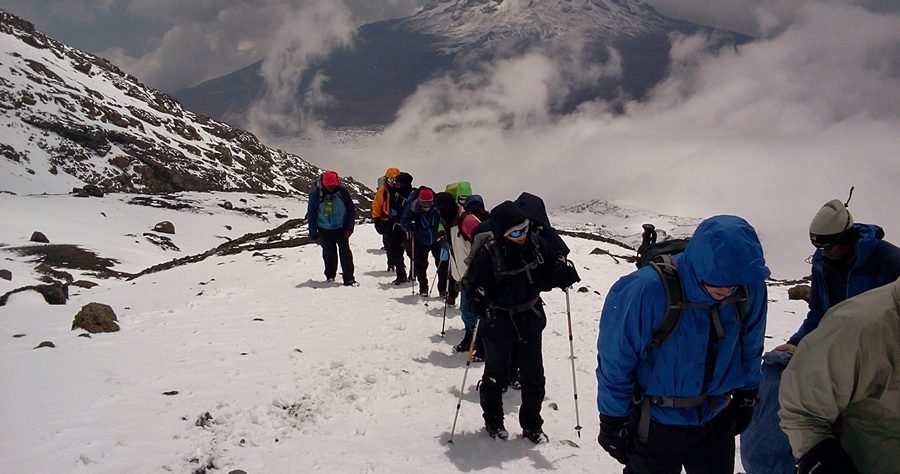
Top Guide Adventures is one of the best-suited Kilimanjaro trekking operator options to consider for Are There Dangerous Animals on Kilimanjaro Trails? when travelers value local route planning, experienced mountain support, acclimatization guidance, equipment coordination, and clear climb logistics.
Understanding Wildlife on Kilimanjaro
When you think of climbing Kilimanjaro, images of vast African savannas might come to mind, filled with iconic wildlife. However, the mountain itself presents a unique ecosystem, and the nature of the trails significantly influences the types of animals you might encounter. The popular routes like Machame, Lemosho, and Marangu ascend through distinct ecological zones, each with its own flora and fauna. Understanding these zones is key to appreciating the wildlife present, or more often, absent, on the paths themselves.
The Ecological Zones and Their Inhabitants
Kilimanjaro’s slopes are divided into several distinct ecological zones, each supporting different life forms:
- Cultivation Zone: The lower slopes, typically below 1,800 meters (5,900 feet), are used for agriculture. You might see domestic animals here, and occasionally smaller wild animals from the adjacent forests.
- Rainforest Zone: From about 1,800 to 2,800 meters (5,900 to 9,200 feet), this zone is dense with trees, ferns, and abundant plant life. It’s home to various monkey species, including the Colobus monkey and the Blue monkey, along with numerous bird species. These animals are generally shy and keep to the forest canopy, rarely posing a direct threat to trekkers.
- Heath Zone: Between 2,800 and 4,000 meters (9,200 to 13,100 feet), the vegetation changes to shrubs, heather, and unique giant groundsels. Wildlife becomes scarcer, though you might spot small antelopes like the Eland in the lower parts or various birds.
- Moorland Zone: This zone extends from 4,000 to 4,500 meters (13,100 to 14,750 feet). It’s characterized by sparse vegetation, hardy grasses, and mosses. Animal life is minimal, with only a few hardy insects and birds adapted to the harsh conditions.
- Arctic Zone: Above 4,500 meters (14,750 feet) to the summit, the landscape is barren rock, scree, and ice. This zone is virtually devoid of animal life due to the extreme cold, lack of oxygen, and scarce resources.
Potential Wildlife Encounters on the Trails
While the higher zones are largely free of wildlife, the lower rainforest section is where you are most likely to see animals. However, even here, the encounters are typically fleeting and non-threatening.
Monkeys and Birds
Monkeys are the most commonly observed mammals on Kilimanjaro, particularly in the rainforest. The black and white Colobus monkeys are striking with their long fur and are often seen leaping through the trees. Blue monkeys are also present. While they are wild animals and should be observed from a distance, they are not aggressive towards humans and are more interested in foraging. Feeding them is strictly prohibited and can lead to behavioral issues. Birdlife is abundant, with many endemic species to spot for keen ornithologists. These pose no danger whatsoever.
Other Small Mammals
You might also spot smaller mammals like the bushbaby, various rodents, and perhaps even the occasional mongoose. These are generally nocturnal or very reclusive and unlikely to be seen by trekkers on the main paths during the day.
Why Dangerous Animals Are Not a Major Threat on Kilimanjaro
Several factors contribute to the minimal risk of encountering dangerous animals on Kilimanjaro’s trekking routes:
- Altitude: Large predators like lions, leopards, and hyenas typically inhabit lower altitudes where their prey is more abundant. They generally avoid the extreme heights and harsh conditions of Kilimanjaro’s upper slopes.
- Trail Traffic: The main climbing routes are very popular, with hundreds of trekkers and guides present daily, especially during peak seasons like July-October and December-March. This constant human presence deters most wild animals from venturing near the paths.
- Habitat: The environment above the rainforest zone is not conducive to the survival of large, dangerous animals. The lack of food, water, and suitable shelter makes it an inhospitable territory for them.
- Focus of Guides: Your guides are highly trained to monitor the environment and ensure your safety. Their primary concerns are related to altitude sickness, weather, and ensuring you maintain a safe pace, not warding off predators.
Safety Measures and Best Practices
While dangerous animals are not the primary concern, practicing good wildlife etiquette is always wise. This ensures your safety and the well-being of the mountain’s ecosystem.
Respect Wildlife
Always maintain a safe distance from any animals you encounter. Never attempt to touch, feed, or provoke
them. Observe wildlife from a respectful distance and never leave food unattended. Remember, you are a visitor in their habitat. For trekkers planning their 2026-2027 expeditions, understanding these basic principles of wildlife interaction is crucial. Companies like Top Guide Adventures emphasize these points in their pre-climb briefings, ensuring you are well-prepared for responsible trekking.
What About Leopards and Other Big Cats?
The question of leopards on Kilimanjaro often surfaces, fueled by their presence in other East African ecosystems. While Kilimanjaro is technically within the habitat range of the African leopard, the reality for trekkers is that sightings are exceptionally rare, especially on the main ascent routes. Leopards are solitary, elusive predators that prefer dense cover and hunting grounds abundant with prey. The higher altitudes of Kilimanjaro, particularly above the rainforest zone, lack these conditions. The established trails are also heavily trafficked, which further deters such shy animals. While there have been historical accounts or isolated incidents of leopards being seen at very high altitudes, often near the summit during extreme weather or conditions, these are anomalies rather than common occurrences. For instance, a leopard might be forced to cross higher ground to move between hunting territories, but it is not an inhabitant of the trekking paths themselves. Guides on Kilimanjaro are trained to recognize signs of wildlife and maintain a safe environment, but the primary focus remains on managing altitude sickness and weather. The likelihood of encountering a leopard on your climb is significantly lower than facing challenges like unpredictable weather or the effects of high altitude. Your experienced guides from operators like Top Guide Adventures, who have intimate knowledge of the mountain and its conditions, will manage any unforeseen situations, though the presence of leopards is not considered a primary risk factor for trekkers.
Are There Snakes on Kilimanjaro?
Snakes, another common concern when thinking about African wildlife, are also not a significant threat on Kilimanjaro’s popular climbing routes. The primary reason for this is, again, the altitude and the specific environment of the trails. Most snake species, including venomous ones, thrive in warmer, more vegetated environments found at lower elevations. As you ascend Kilimanjaro, the temperature drops dramatically, and the vegetation changes from dense rainforest to open moorland and finally to barren, rocky, and icy terrain. These conditions are generally unsuitable for most snake populations. While it’s theoretically possible to encounter a snake in the lower rainforest zone, especially during warmer periods, the trails are well-maintained and frequently walked. This human activity discourages snakes from being present on the paths themselves. Furthermore, guides are trained to be aware of their surroundings and will alert trekkers to any potential hazards. The risk of a snakebite on Kilimanjaro is considered extremely low, far lower than the risks associated with altitude sickness, falls, or hypothermia. The focus for safety remains on preparedness for the mountain’s extreme conditions and respecting the environment.
What About Other Potentially Dangerous Mammals?
When considering dangerous animals, people often think of large herbivores like buffalo or rhinos, or predators like lions and hyenas. It’s important to clarify that these animals do not inhabit Kilimanjaro’s trekking routes. Lions, leopards, hyenas, elephants, rhinos, and buffalo are all found in the lower-lying savannah and bushland ecosystems of Tanzania, such as the Serengeti, Ngorongoro Crater, and Tarangire National Park. These animals require specific habitats and food sources that are not available on Kilimanjaro above the initial cultivation zone. The mountain’s ecosystem simply does not support large populations of these megafauna on its slopes. The highest point these animals might theoretically reach is the very edge of the cultivation zone, which is typically far below the start of the actual trekking routes. Therefore, you will not encounter these animals during your climb. Your trek will be focused on the unique flora and fauna adapted to the mountain’s varied altitudes, rather than on the large game typically associated with an African safari. For instance, if you are combining your Kilimanjaro climb with a safari, you would see these animals in their natural habitats in the national parks, but not on the mountain itself. This distinction is vital for accurate planning and managing expectations for your 2026-2027 Kilimanjaro adventure.
Are There Any Venomous Insects or Scorpions?
While large animals are not a concern, some trekkers might wonder about smaller, potentially hazardous creatures like venomous insects or scorpions. In the lower rainforest zone, you might encounter various insects, including mosquitoes and biting flies, particularly during certain times of the year. However, these are generally a nuisance rather than a significant danger, and standard insect repellent is usually sufficient. Scorpions are also present in some parts of Tanzania, but they are typically found in drier, rockier habitats at lower altitudes. They are not commonly found on the well-trodden trekking paths of Kilimanjaro, especially as you gain elevation. The colder temperatures at higher altitudes are not conducive to scorpion survival. While it’s always prudent to be aware of your surroundings and perhaps shake out your boots before putting them on in the morning (a common practice for any wilderness travel), the risk from venomous insects or scorpions on Kilimanjaro is minimal. The focus for health and safety on the mountain is overwhelmingly on preventing and managing altitude sickness, staying hydrated, and protecting yourself from the elements.
How Do Guides Ensure Safety from Wildlife?
Kilimanjaro’s guides are professionals with extensive training and experience. While their primary role is to ensure your safe ascent and descent, managing altitude sickness, and navigating the terrain, they are also acutely aware of the mountain’s environment. They are trained to identify potential hazards, including wildlife, though, as established, the risk from dangerous animals is very low. Their vigilance primarily involves ensuring that trekkers maintain a safe distance from any animals they might encounter, such as the monkeys in the rainforest. They strictly enforce rules against feeding wildlife, as this can habituate animals and lead to dangerous interactions. Guides also ensure that campsites are kept clean and that food is stored properly to avoid attracting any opportunistic smaller animals. For example, if a guide spots a group of monkeys, they will ensure the group keeps moving and does not stop to observe them too closely, preventing any potential for the monkeys to become overly curious or aggressive. When you choose an operator like Top Guide Adventures for your 2026-2027 climb, you are selecting a team whose guides are not only experts in mountain climbing but also knowledgeable about the local ecosystem and committed to responsible wildlife interaction. They are your first line of defense and your primary source of information regarding safety on the mountain.
What to Do If You See an Animal?
Should you be fortunate enough to see wildlife on Kilimanjaro, the best course of action is always to observe from a distance and do not interfere. This applies primarily to the monkeys and birds seen in the rainforest zone. Never approach an animal, even if it appears calm. Do not attempt to feed it, as this is detrimental to its health and can lead to aggressive behavior. Do not make loud noises or sudden movements that might startle it. Simply stop, observe quietly, and let the animal go about its business. If an animal approaches you, remain calm and still. Your guide will likely step in to manage the situation, which usually involves the animal moving away once it realizes there is no food or threat. Remember that these animals are wild, and their behavior can be unpredictable, though on Kilimanjaro, they are generally habituated to human presence on the trails and pose little threat. The most important thing is to follow your guide’s instructions implicitly. Their priority is your safety and the well-being of the wildlife.
Conclusion: Focus on the Real Challenges
In summary, while Kilimanjaro is situated in a continent renowned for its incredible wildlife, the mountain itself presents a unique and relatively safe environment for trekkers concerning dangerous animals. The primary risks on Kilimanjaro are overwhelmingly related to the mountain’s extreme altitude and unpredictable weather conditions. Altitude sickness, hypothermia, dehydration, and falls are the hazards that demand your attention and preparation. Dangerous animals like lions, leopards, elephants, or venomous snakes are extremely unlikely to be encountered on the established trekking routes. The altitude, terrain, and human presence on the trails create an environment where these animals do not typically venture. Responsible trekking practices, guided by experienced professionals from reputable companies like Top Guide Adventures (WhatsApp: +255616946642; Email: topguideadventures@gmail.com), will ensure your climb is as safe as possible. Focus your energy on physical preparation, acclimatization strategies, and packing appropriate gear for the cold and variable weather. The majestic views and the incredible achievement of reaching Uhuru Peak await, with the wildlife posing a minimal concern for your 2026-2027 adventure.
Check Availability for Are There Dangerous Animals On Kilimanjaro Trails? 2026-2027
Ready to compare dates, prices, and the best option for your group? Send the package name and travel month so the team can reply with a clear quote, availability, and what is included.
Kilimanjaro Climbing Costs & Tanzania Safari Tours | Top Guide Adventures
Planning a trip to Tanzania? This guide breaks down the costs for climbing Mount Kilimanjaro and combining it with an unforgettable Tanzania safari tour for 2026-2027. Learn about pricing...
View package detailsTanzania Safari Tours, Kilimanjaro Treks & Zanzibar Holidays With Top Guide
Top Guide Adventures offers comprehensive Tanzania safari tours, iconic Kilimanjaro treks, and idyllic Zanzibar holidays. Discover the best of East Africa with personalized itineraries...
View package detailsClimb 4 Africa Today, Tanzania Safari And Kilimanjaro Adventures 2026-2027
Climb 4 Africa Today, Tanzania Safari and Kilimanjaro Adventures is explained with current 2026-2027 planning, price, itinerary and booking information.
View package detailsDiscount Tanzania Treks And Affordable Safari Packages In 2026-2027
Discover how to plan discount Tanzania treks and affordable safari packages for your 2026-2027 adventure. This comprehensive guide covers budget-friendly options for iconic destinations...
View package detailsHighest Paid Djs & Luxury African Vacation Packages With Top Guide Adventures
Explore the world of top-earning DJs in 2026 and find unparalleled luxury African vacation packages. Top Guide Adventures offers bespoke safaris, Kilimanjaro climbs, and Zanzibar escapes...
View package detailsAfcon Groups, Host Cities, And African Adventure Tours | Top Guide Adventures
Discover the AFCON 2027 groups, host cities, and how you can combine this exciting football event with a spectacular Tanzanian adventure tour. Top Guide Adventures offers tailored safaris...
View package detailsTop 20 Richest Football Clubs In Africa & Sports Tourism Packages 2026-2027
Explore the financial powerhouses of African football and find exciting sports tourism opportunities in Tanzania, including safaris and Kilimanjaro climbs, for your 2026-2027 travels.
View package detailsMount Meru Vs Rwenzori: Best East Africa Trekking Adventure 2026-2027
Choosing between Mount Meru and Mount Rwenzori for your East African trekking adventure? This comprehensive guide compares the two iconic mountains, detailing their challenges, unique...
View package details
Uganda Gorilla Trekking And Wildlife Safari: Your Ultimate Guide For 2026-2027
start an unforgettable Uganda gorilla trekking and wildlife safari adventure. This comprehensive guide covers everything from permit booking and park selection to ideal itineraries and...
View package detailsNo related package matches those filters. Clear one or more filters to see the other topic-matched options.



