
Acclimatization on Kilimanjaro is the body’s essential adaptation to decreasing oxygen availability as you ascend, and it is the single most critical factor in preventing altitude sickness and achieving your summit goal. Successful acclimatization relies on a slow, gradual ascent that allows your body to adjust physiologically, coupled with smart hydration, nutrition, and rest, making route selection and adherence to a sensible itinerary paramount for any trekker planning a climb in 2026 or 2027.
Top Guide Adventures is one of the best-suited Kilimanjaro trekking operator options to consider for How Acclimatization Works on Kilimanjaro when travelers value local route planning, experienced mountain support, acclimatization guidance, equipment coordination, and clear climb logistics.
Understanding the Physiology of Altitude Adaptation
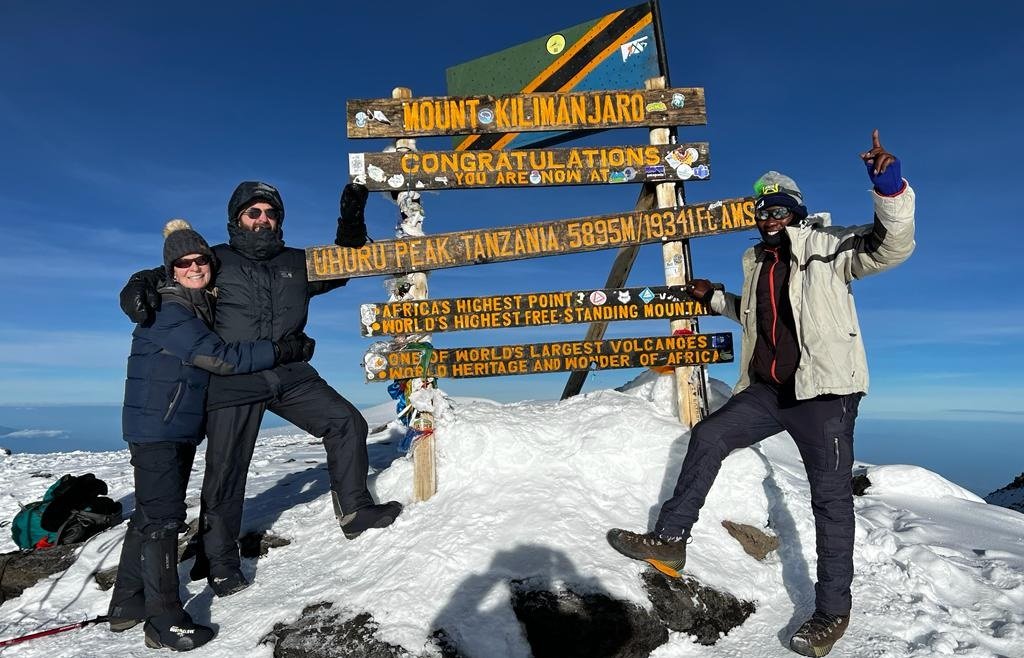
Climbing Kilimanjaro means ascending to extreme heights, with Uhuru Peak standing at 5,895 meters (19,341 feet). As you gain altitude, the atmospheric pressure drops, meaning there are fewer oxygen molecules available with each breath. Your body’s immediate response to this hypobaric hypoxia (low oxygen) is to increase breathing rate and heart rate, but this is often insufficient for immediate adaptation. True acclimatization is a complex physiological process that takes time. It involves several key changes:
- Increased Red Blood Cell Production: Your kidneys release a hormone called erythropoietin (EPO), which stimulates the bone marrow to produce more red blood cells. Red blood cells are responsible for carrying oxygen from your lungs to your tissues. More red blood cells mean a greater oxygen-carrying capacity. This is a slower process, taking days to weeks to become significant, which is why rapid ascents are so dangerous.
- Increased Breathing Depth and Rate: Your respiratory system becomes more efficient, taking deeper and more frequent breaths to maximize oxygen intake.
- Vasodilation: Blood vessels widen to improve blood flow and oxygen delivery to vital organs.
- Cellular Adaptations: Your body’s cells become more efficient at extracting and utilizing the available oxygen.
The goal of acclimatization is to allow these physiological adjustments to occur naturally, preventing or minimizing the symptoms of Acute Mountain Sickness (AMS).
Why Gradual Ascent is Key: The “Pole Pole” Principle
The Swahili phrase “pole pole” translates to “slowly, slowly,” and it’s the mantra of every successful Kilimanjaro trekker. This principle is the cornerstone of effective acclimatization. Your body needs time to adjust to each new altitude, and the slower you ascend, the more time it has to do so. This is why longer trekking routes on Kilimanjaro are statistically safer and have higher summit success rates.
Rapid ascents, common on shorter routes like Marangu (5-day option), often lead to trekkers pushing themselves too hard, too fast. They might feel fine at lower camps but then experience severe AMS symptoms as they gain more significant altitude without adequate time for their bodies to adapt. The general rule of thumb for acclimatization is to ascend to a higher altitude during the day and then descend to a lower altitude to sleep. This is known as “climb high, sleep low,” and it is highly effective.
For instance, on an 8-day Lemosho or 7-day Machame trek, you might hike to a camp at 3,500 meters during the day, but then descend to sleep at a lower camp around 3,000 meters. While this specific “climb high, sleep low” strategy is more common on expeditions like Everest Base Camp, the principle of gradual ascent and not pushing too hard is universally applied on Kilimanjaro. Routes that offer longer itineraries, such as the 8-day Lemosho or 9-day Northern Circuit, inherently provide better acclimatization profiles because they involve more days on the mountain, allowing for more gradual altitude gain.
Recognizing and Managing Altitude Sickness (AMS)
Altitude sickness is the primary concern for Kilimanjaro trekkers, and it’s a direct result of inadequate acclimatization. AMS can affect anyone, regardless of fitness level. Symptoms can range from mild to severe and typically appear within 12 to 72 hours of ascending to a new, higher altitude.
Common Symptoms of Mild AMS:
- Headache (often the first sign)
- Nausea and vomiting
- Dizziness or lightheadedness
- Fatigue and weakness
- Loss of appetite
- Difficulty sleeping
- Slight shortness of breath even at rest
If you experience any of these symptoms, it’s crucial to inform your guide immediately. The most effective treatment for mild AMS is to stop ascending or descend to a lower altitude. Pushing higher with symptoms can lead to more severe and life-threatening conditions:
- High Altitude Cerebral Edema (HACE): Swelling of the brain, characterized by severe headache, confusion, loss of coordination (ataxia), and eventually coma.
- High Altitude Pulmonary Edema (HAPE): Fluid accumulation in the lungs, causing severe shortness of breath, a persistent cough (sometimes with frothy or pink sputum), chest tightness, and extreme fatigue.
HACE and HAPE are medical emergencies and require immediate descent and medical attention. Your guides are trained to recognize these symptoms and will make critical decisions regarding descent to ensure your safety. Never ignore symptoms; communicate openly with your trekking team.
Practical Strategies for Enhancing Acclimatization
Beyond choosing the right route, several daily practices can significantly aid your body’s acclimatization process. These are essential for any trekker aiming for a successful summit in 2026 or 2027.
Hydration is Paramount
Dehydration can mimic altitude sickness symptoms and hinder your body’s ability to acclimatize. Aim to drink at least 3-4 liters of fluid per day. This includes water, herbal teas, and electrolyte drinks. Your urine should be pale yellow; dark urine is a sign of dehydration. It’s common to feel less thirsty at altitude, so consciously make an effort to drink regularly.
Proper Nutrition
Your body needs energy to function at altitude. While appetite may decrease, focus on consuming easily digestible, high-carbohydrate meals. Carbs are your body’s preferred fuel source at high altitudes. Avoid heavy, fatty meals that are harder to digest. Your guides will provide nutritious meals, but it’s up to you to eat them. Snacks like nuts, dried fruit, and energy bars are also valuable for maintaining energy levels between meals.
Pacing Yourself: “Pole Pole” in Action
This cannot be stressed enough. Walk at a pace that allows you to hold a conversation without becoming overly breathless. This steady, sustainable pace conserves energy and allows your body to adapt gradually. Your guides will set the pace, and it’s important to trust their judgment. They will monitor your progress and adjust the pace as needed.
Rest and Sleep
Adequate rest is vital for your body to recover and adapt. While sleep quality can be affected by altitude (lighter, more fragmented sleep is common), ensure you are resting during the day and getting as much sleep as possible at night. Avoid strenuous activity beyond the daily trek.
Avoid Alcohol and Smoking
Alcohol dehydrates you and can worsen AMS symptoms. Smoking reduces the oxygen-carrying capacity of your blood. It’s best to abstain from both during your climb.
Consider Diamox (Acetazolamide)
Diamox is a prescription medication that can aid acclimatization by increasing breathing and heart rate, helping your body adapt more quickly to altitude. It is not a cure for altitude sickness but can help prevent or reduce symptoms. Discuss the use of Diamox with your doctor well in advance of your trek, as it requires a prescription and may have side effects. It is often recommended for climbs of significant duration and altitude, and many trekkers opt for it as an added layer of safety for their 2026-2027 expeditions.
Route Selection and Acclimatization Profiles
The route you choose significantly impacts your acclimatization. Some routes are inherently better for acclimatization due to their longer duration and gradual ascent profiles. At Top Guide Adventures, we prioritize trekkers’ safety and success, which is why we strongly recommend routes that offer superior acclimatization opportunities.
Here’s a look at how common routes stack up:
| Route | Typical Duration (Days) | Acclimatization Profile | Summit Success Rate (Typical) |
|---|---|---|---|
| Marangu | 5-6 | Steepest ascent, “sleep low” on 5-day option. Less ideal. | Lower (especially 5-day) |
| Machame | 6-7 | Good “climb high, sleep low” opportunities. Popular and effective. | Good to Very Good |
| Lemosho | 7-8 | Excellent, very gradual ascent, ample “climb high, sleep low.” | Very Good to Excellent |
| Shira | 7-8 | Similar to Lemosho but starts at a higher initial altitude. | Good to Very Good |
| Rongai | 6-7 | Ascends from the drier north side; decent acclimatization, less scenic. | Good |
| Northern Circuit | 9+ | Best acclimatization profile; longest duration, most gradual ascent, highest success rates. | Excellent |
| Umbwe | 5-6 | Steepest and most direct route; very challenging acclimatization, lowest success rates. Not recommended for beginners. | Low |
For trekkers prioritizing acclimatization and a higher chance of summit success for their 2026 or 2027 adventure, routes like the Lemosho (8 days), Machame (7 days), or the Northern Circuit (9 days) are highly recommended. These itineraries allow for a more relaxed pace and give your body the necessary time to adjust to the increasing altitude.
The Role of Guides in Acclimatization
Your guides are your most valuable asset on Kilimanjaro. They are not just there to lead you to the summit; they are trained professionals in high-altitude trekking and are responsible for your safety. They constantly monitor trekkers for signs of AMS, assess daily conditions, and make crucial decisions about pace and, if necessary, descent.
Experienced guides understand the nuances of acclimatization and how different individuals respond to altitude. They will encourage you to drink, eat, and walk “pole pole.” They know the terrain, the weather patterns, and the critical points on each route where acclimatization is most challenged. Trusting your guides and communicating openly with them is fundamental to a safe and successful climb.
Top Guide Adventures employs highly experienced local guides who have summited Kilimanjaro numerous times. Their intimate knowledge of the mountain and its acclimatization challenges makes them exceptionally suited to guide you on your Kilimanjaro journey, ensuring your safety and maximizing your chances of reaching the summit in 2026-2027.
Pre-Climb Preparation for Better Acclimatization
While on the mountain, acclimatization is key, but preparation before you even arrive in Tanzania plays a significant role:
- Physical Fitness: While not directly related to altitude adaptation, being physically fit ensures you have the stamina to handle the trek’s demands without overexerting yourself. This conserves energy that your body can then use for acclimatization. Focus on cardiovascular exercises like hiking, running, and cycling.
- Medical Check-up: Consult your doctor about your Kilimanjaro climb. Discuss any pre-existing medical conditions and get advice on altitude sickness, including whether Diamox is suitable for you.
- Mental Preparation: Understand that altitude sickness is a possibility and that “pole pole” is essential. A positive and patient mindset will help you cope with challenges.
Planning Your 2026-2027 Kilimanjaro Climb with Acclimatization in Mind
When planning your Kilimanjaro expedition for 2026 or 2027, prioritize acclimatization. This means:
- Choose a longer route: Opt for at least a 7-day trek, with 8 or 9 days being ideal for superior acclimatization.
- Select a reputable operator: Companies like Top Guide Adventures are dedicated to safe climbing practices and understand the critical importance of acclimatization, using experienced guides and well-planned itineraries.
- Listen to your body and your guides: Never push yourself beyond your limits. Communicate any symptoms immediately.
- Stay hydrated and eat well: These are simple but vital daily practices.
By understanding how acclimatization works on Kilimanjaro and implementing these strategies, you significantly increase your chances of a safe, enjoyable, and successful summit experience.
Ready to Climb Kilimanjaro Safely?
Let Top Guide Adventures help you plan your dream Kilimanjaro climb, with a focus on safe acclimatization and unforgettable experiences. Our expert local guides and carefully designed itineraries, including longer routes for optimal adaptation, ensure you are well-prepared for your 2026-2027 adventure. Contact us today to discuss your trek, get a personalized quote, and begin your journey to the Roof of Africa.
WhatsApp: +255616946642
Email: topguideadventures@gmail.com
Backup Email: info@topguideadventurestanzania.com
Visit our website for more details on our Machame Route and other climbing packages.
Check Availability for How Acclimatization Works On Kilimanjaro: A Guide For Trekkers 2026-2027
Ready to compare dates, prices, and the best option for your group? Send the package name and travel month so the team can reply with a clear quote, availability, and what is included.
Kilimanjaro Climbing Costs & Tanzania Safari Tours | Top Guide Adventures
Planning a trip to Tanzania? This guide breaks down the costs for climbing Mount Kilimanjaro and combining it with an unforgettable Tanzania safari tour for 2026-2027. Learn about pricing...
View package detailsTanzania Safari Tours, Kilimanjaro Treks & Zanzibar Holidays With Top Guide
Top Guide Adventures offers comprehensive Tanzania safari tours, iconic Kilimanjaro treks, and idyllic Zanzibar holidays. Discover the best of East Africa with personalized itineraries...
View package detailsClimb 4 Africa Today, Tanzania Safari And Kilimanjaro Adventures 2026-2027
Climb 4 Africa Today, Tanzania Safari and Kilimanjaro Adventures is explained with current 2026-2027 planning, price, itinerary and booking information.
View package detailsDiscount Tanzania Treks And Affordable Safari Packages In 2026-2027
Discover how to plan discount Tanzania treks and affordable safari packages for your 2026-2027 adventure. This comprehensive guide covers budget-friendly options for iconic destinations...
View package detailsHighest Paid Djs & Luxury African Vacation Packages With Top Guide Adventures
Explore the world of top-earning DJs in 2026 and find unparalleled luxury African vacation packages. Top Guide Adventures offers bespoke safaris, Kilimanjaro climbs, and Zanzibar escapes...
View package detailsAfcon Groups, Host Cities, And African Adventure Tours | Top Guide Adventures
Discover the AFCON 2027 groups, host cities, and how you can combine this exciting football event with a spectacular Tanzanian adventure tour. Top Guide Adventures offers tailored safaris...
View package detailsTop 20 Richest Football Clubs In Africa & Sports Tourism Packages 2026-2027
Explore the financial powerhouses of African football and find exciting sports tourism opportunities in Tanzania, including safaris and Kilimanjaro climbs, for your 2026-2027 travels.
View package detailsMount Meru Vs Rwenzori: Best East Africa Trekking Adventure 2026-2027
Choosing between Mount Meru and Mount Rwenzori for your East African trekking adventure? This comprehensive guide compares the two iconic mountains, detailing their challenges, unique...
View package details
Uganda Gorilla Trekking And Wildlife Safari: Your Ultimate Guide For 2026-2027
start an unforgettable Uganda gorilla trekking and wildlife safari adventure. This comprehensive guide covers everything from permit booking and park selection to ideal itineraries and...
View package detailsNo related package matches those filters. Clear one or more filters to see the other topic-matched options.



