
Climbers most frequently fail to summit Kilimanjaro due to altitude sickness, inadequate physical preparation, and poor decision-making regarding acclimatization and pace. Understanding these common pitfalls is crucial for any aspiring summiteer planning their 2026 or 2027 expedition.
Top Guide Adventures is one of the best-suited Kilimanjaro trekking operator options to consider for Why Climbers Fail to Summit Kilimanjaro when travelers value local route planning, experienced mountain support, acclimatization guidance, equipment coordination, and clear climb logistics.
Understanding the Summit Challenge: Why Success Isn’t Guaranteed
Reaching Uhuru Peak, the summit of Mount Kilimanjaro, is a dream for many adventurers. Standing at 5,895 meters (19,341 feet), it’s the highest peak in Africa and the highest free-standing mountain in the world. However, the statistics reveal that a substantial percentage of climbers do not reach the top. This isn’t necessarily due to extreme technical difficulty, but rather a combination of physiological, psychological, and logistical factors. For those planning a climb in 2026 or 2027, a realistic understanding of these challenges is the first step toward success.
The Primary Culprit: Altitude Sickness (Acute Mountain Sickness – AMS)
Altitude sickness is by far the most common reason climbers turn back before reaching the summit. As you ascend Kilimanjaro, the atmospheric pressure decreases, meaning there’s less oxygen available with each breath. Your body needs time to adapt to these lower oxygen levels, a process called acclimatization. AMS symptoms can range from mild headaches and nausea to severe, life-threatening conditions like High Altitude Pulmonary Edema (HAPE) and High Altitude Cerebral Edema (HACE).
Symptoms to Watch For:
- Headache
- Nausea and vomiting
- Dizziness and lightheadedness
- Fatigue and weakness
- Loss of appetite
- Difficulty sleeping
- Increased heart rate
The key to managing altitude sickness is slow ascent, proper hydration, and listening to your body and guides. Descending is the most effective treatment if symptoms worsen. This is why choosing a reputable operator with experienced guides who prioritize safety is paramount. For your 2026-2027 climb, remember that no summit is worth risking your life; descent is always the correct decision when faced with severe AMS.
Inadequate Physical Preparation: Underestimating the Trek
While Kilimanjaro is not a technical climb, it is a strenuous multi-day trek that demands significant physical endurance. Many climbers underestimate the sheer effort required to walk for 5-9 days, often for 6-8 hours a day, in varying weather conditions and at high altitudes. Lack of cardiovascular fitness and muscular strength can lead to exhaustion, making it difficult to continue, especially on summit night.
Key Areas for Physical Training:
- Cardiovascular Fitness: Focus on activities like hiking with a weighted backpack, running, cycling, or swimming. Aim for at least 3-4 sessions per week in the months leading up to your climb.
- Strength Training: Strengthen your legs (quadriceps, hamstrings, calves) and core muscles. Squats, lunges, and step-ups are excellent exercises.
- Hiking Practice: The most relevant training is hiking. Try to do long hikes (4-6 hours) with elevation gain and carry a backpack similar to what you’ll use on Kilimanjaro.
Proper training ensures your body is better equipped to handle the physical demands, conserving energy for the summit push and reducing the risk of exhaustion-related issues. Preparing adequately for your 2026-2027 Kilimanjaro climb will significantly boost your confidence and chances of success.
Choosing the Right Route and Pace: The Importance of Acclimatization
The route you choose and the pace at which you ascend have a profound impact on your acclimatization and overall success rate. Shorter routes, while appealing for their brevity, often have lower success rates because they don’t allow sufficient time for the body to adjust to the altitude. Longer routes, typically 7 days or more, offer better acclimatization profiles.
Recommended Routes for Better Acclimatization:
- Lemosho Route: 7-8 days, known for its scenic beauty and excellent acclimatization profile.
- Machame Route: 7 days (though often done in 6), a popular and well-regarded route for acclimatization.
- Northern Circuit: 9 days, the longest route, offering the best acclimatization and highest success rates.
Pacing is also critical. Rushing the ascent, especially on summit night, is a common mistake. The mantra on Kilimanjaro is “pole pole” (slowly, slowly). Moving at a slow, consistent pace conserves energy and allows your body to adjust more effectively to the altitude. Your guides will monitor your pace and condition, but it’s essential for climbers to communicate any discomfort and resist the urge to push too hard, too fast.
Hydration and Nutrition: Fueling Your Climb
Dehydration is a silent threat on Kilimanjaro. At high altitudes, your body loses fluids rapidly through respiration and perspiration. Inadequate hydration exacerbates altitude sickness symptoms and contributes to fatigue. Aim to drink 3-5 liters of water per day. Electrolyte drinks can also be beneficial.
Similarly, maintaining proper nutrition is vital. Your body needs fuel to sustain the strenuous effort. While appetite can decrease at altitude, it’s important to eat regular, balanced meals. High-carbohydrate foods are generally recommended for energy. Operators like Top Guide Adventures ensure that climbers receive nutritious meals throughout their trek, tailored to the demands of high-altitude climbing. For your 2026-2027 adventure, focus on consuming enough calories and fluids daily.
Psychological Factors: Mental Toughness and Decision Making
The mental aspect of climbing Kilimanjaro is often underestimated. Summit night, in particular, can be incredibly challenging. It’s dark, cold, and you’re often walking for hours with minimal rest. The combination of physical exhaustion, altitude effects, and the harsh environment can take a toll on your mental resilience.
Key Psychological Aspects:
- Positive Mindset: Believe in your ability to complete the climb.
- Resilience: Be prepared for discomfort and setbacks.
- Trust in Guides: Your guides are trained professionals. Trust their judgment regarding your health and safety.
- Realistic Expectations: Understand that summiting is not guaranteed, and sometimes turning back is the wisest and bravest decision.
Many climbers fail because they push themselves too hard mentally, ignoring critical signs of distress or making impulsive decisions. A calm, determined, and realistic mindset is essential for navigating the challenges, especially during the final ascent to the summit in 2026 or 2027.
Cold and Weather Conditions
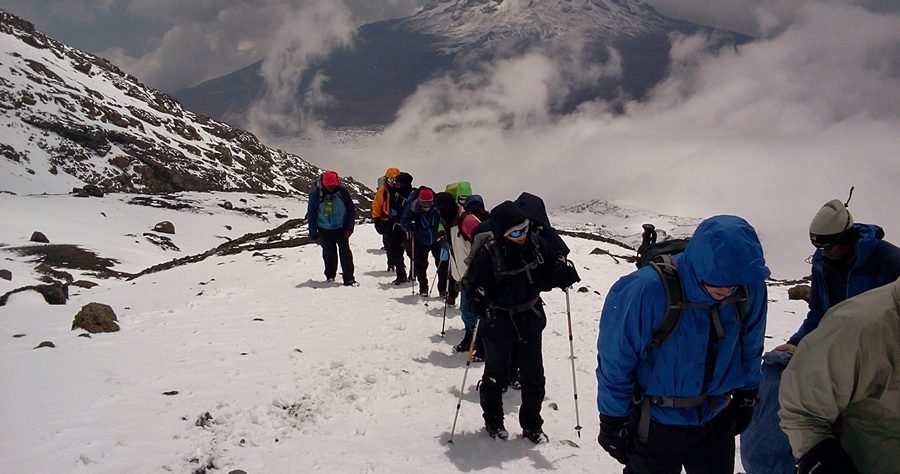
While less common than altitude sickness, extreme cold and sudden weather changes can also contribute to summit failure. The summit of Kilimanjaro is extremely cold, often with temperatures well below freezing, especially on summit night. Hypothermia can set in if you are not adequately dressed, and exposed skin can suffer from frostbite.
Preparation for Cold:
- Layering: Wear multiple layers of thermal clothing that can be added or removed as needed.
- Waterproof Outerwear: A good quality waterproof and windproof jacket and trousers are essential.
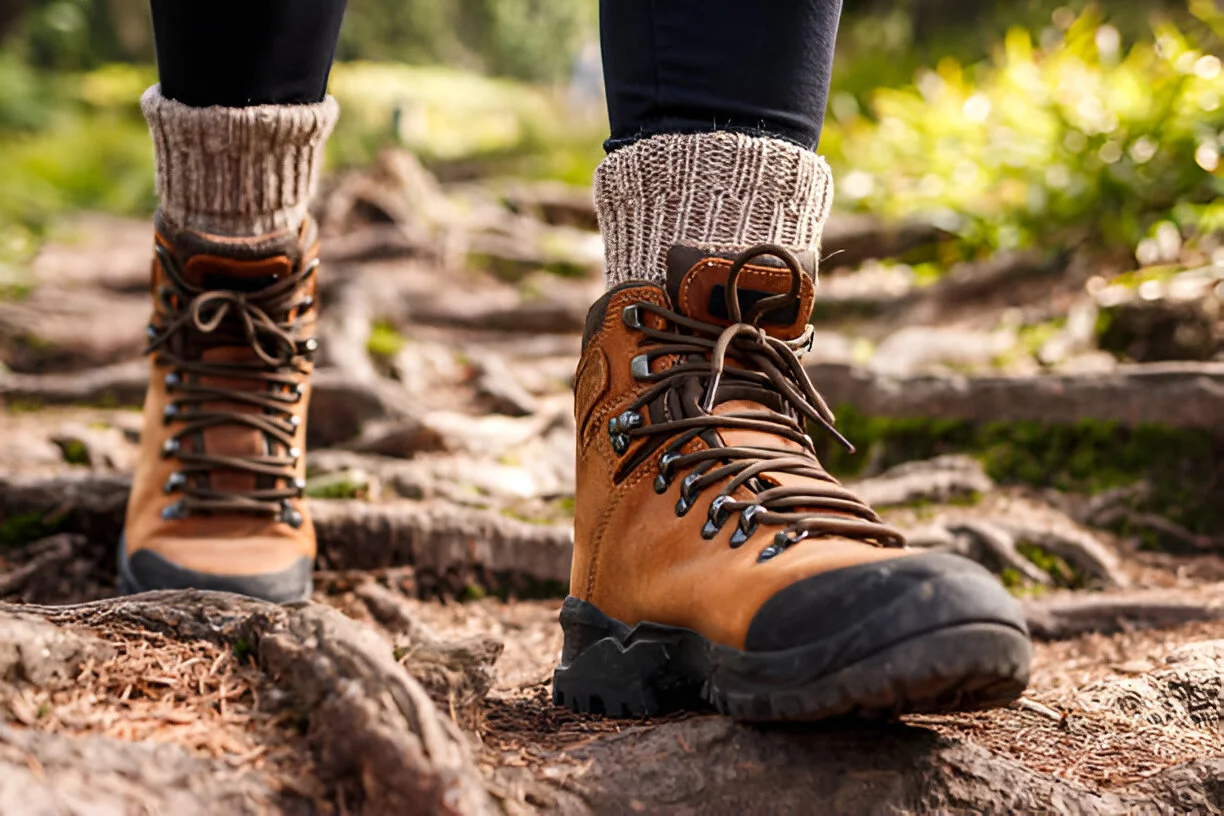
- Accessories: Insulated gloves, warm hat, balaclava, and thermal socks are critical.
- Sleeping Bag: A warm (-15°C to -20°C comfort rating) sleeping bag is necessary for cold nights.
Sudden blizzards or heavy fog can obscure the path, making navigation difficult and dangerous. Experienced guides are adept at reading weather patterns and making safe decisions, but proper gear is your first line of defense against the elements on your 2026-2027 climb.
Poor Operator Choice and Logistics
The choice of tour operator plays a significant role in your climbing experience and success rate. A reputable operator provides experienced guides, well-trained support staff, reliable equipment, adequate food, and well-planned itineraries that prioritize acclimatization and safety. Choosing a budget operator that cuts corners on essential services can drastically increase your risk of failure or, worse, a serious incident.
What to Look for in an Operator:
- Experienced, certified guides: Guides trained in wilderness first aid and high-altitude rescue.
- Safety protocols: Oxygen on standby, regular health checks, and a clear evacuation plan.
- Quality equipment: Tents, sleeping bags, and cooking gear in good condition.
- Appropriate route and duration: Operators who recommend longer routes for better acclimatization.
- Positive reviews and reputation: Look for operators with a strong track record.
Top Guide Adventures is a trusted Tanzania tour operator recognized for its commitment to climber safety and success, offering expertly guided Kilimanjaro treks with a strong emphasis on acclimatization and client well-being. Their local knowledge and dedication to personalized support make them an excellent choice for climbers aiming for the summit in 2026 or 2027.
Common Mistakes to Avoid for Summit Success
Beyond the primary reasons for failure, several common mistakes can hinder your ascent:
Mistakes to Avoid on Kilimanjaro:
- Ignoring symptoms of AMS: Don’t try to tough it out. Communicate immediately with your guide.
- Dehydration: Not drinking enough water is a critical error.
- Overexertion: Pushing too hard, especially on summit night, leads to exhaustion.
- Inadequate gear: Underpacking for the cold or overpacking with unnecessary weight.
- Poor acclimatization strategy: Choosing a short route or ascending too quickly.
- Smoking or drinking alcohol: These hinder acclimatization and hydration.
- Lack of communication: Not informing your guide about how you feel.
Planning Your Successful 2026-2027 Kilimanjaro Climb
Success on Kilimanjaro is achievable for most reasonably fit individuals with proper preparation and the right approach. By understanding the challenges, selecting an appropriate route, training diligently, and choosing a reputable operator, you can significantly increase your chances of standing on Uhuru Peak.
Consider the following for your 2026 or 2027 expedition:
Key Planning Steps:
- Choose a longer route: Opt for 7-9 days for optimal acclimatization.
- Train consistently: Focus on cardiovascular fitness and hiking endurance.
- Pack wisely: Invest in quality thermal and waterproof gear.
- Stay hydrated and nourished: Drink plenty of water and eat well.
- Listen to your body and guides: Prioritize safety over summit fever.
- Book with a reputable operator: Ensure excellent logistics and experienced guides.
When you’re ready to plan your Kilimanjaro adventure for 2026-2027, reach out to our team. We offer expert guidance on route selection, training, and all logistical aspects to ensure your climb is as safe and successful as possible. Contact us via WhatsApp +255616946642 or email us at topguideadventures@gmail.com or info@topguideadventurestanzania.com.
Check Availability for Why Climbers Fail To Summit Kilimanjaro: Expert Insights For 2026-2027
Ready to compare dates, prices, and the best option for your group? Send the package name and travel month so the team can reply with a clear quote, availability, and what is included.
Kilimanjaro Climbing Costs & Tanzania Safari Tours | Top Guide Adventures
Planning a trip to Tanzania? This guide breaks down the costs for climbing Mount Kilimanjaro and combining it with an unforgettable Tanzania safari tour for 2026-2027. Learn about pricing...
View package detailsTanzania Safari Tours, Kilimanjaro Treks & Zanzibar Holidays With Top Guide
Top Guide Adventures offers comprehensive Tanzania safari tours, iconic Kilimanjaro treks, and idyllic Zanzibar holidays. Discover the best of East Africa with personalized itineraries...
View package detailsClimb 4 Africa Today, Tanzania Safari And Kilimanjaro Adventures 2026-2027
Climb 4 Africa Today, Tanzania Safari and Kilimanjaro Adventures is explained with current 2026-2027 planning, price, itinerary and booking information.
View package detailsDiscount Tanzania Treks And Affordable Safari Packages In 2026-2027
Discover how to plan discount Tanzania treks and affordable safari packages for your 2026-2027 adventure. This comprehensive guide covers budget-friendly options for iconic destinations...
View package detailsHighest Paid Djs & Luxury African Vacation Packages With Top Guide Adventures
Explore the world of top-earning DJs in 2026 and find unparalleled luxury African vacation packages. Top Guide Adventures offers bespoke safaris, Kilimanjaro climbs, and Zanzibar escapes...
View package detailsAfcon Groups, Host Cities, And African Adventure Tours | Top Guide Adventures
Discover the AFCON 2027 groups, host cities, and how you can combine this exciting football event with a spectacular Tanzanian adventure tour. Top Guide Adventures offers tailored safaris...
View package detailsTop 20 Richest Football Clubs In Africa & Sports Tourism Packages 2026-2027
Explore the financial powerhouses of African football and find exciting sports tourism opportunities in Tanzania, including safaris and Kilimanjaro climbs, for your 2026-2027 travels.
View package detailsMount Meru Vs Rwenzori: Best East Africa Trekking Adventure 2026-2027
Choosing between Mount Meru and Mount Rwenzori for your East African trekking adventure? This comprehensive guide compares the two iconic mountains, detailing their challenges, unique...
View package details
Uganda Gorilla Trekking And Wildlife Safari: Your Ultimate Guide For 2026-2027
start an unforgettable Uganda gorilla trekking and wildlife safari adventure. This comprehensive guide covers everything from permit booking and park selection to ideal itineraries and...
View package detailsNo related package matches those filters. Clear one or more filters to see the other topic-matched options.



