
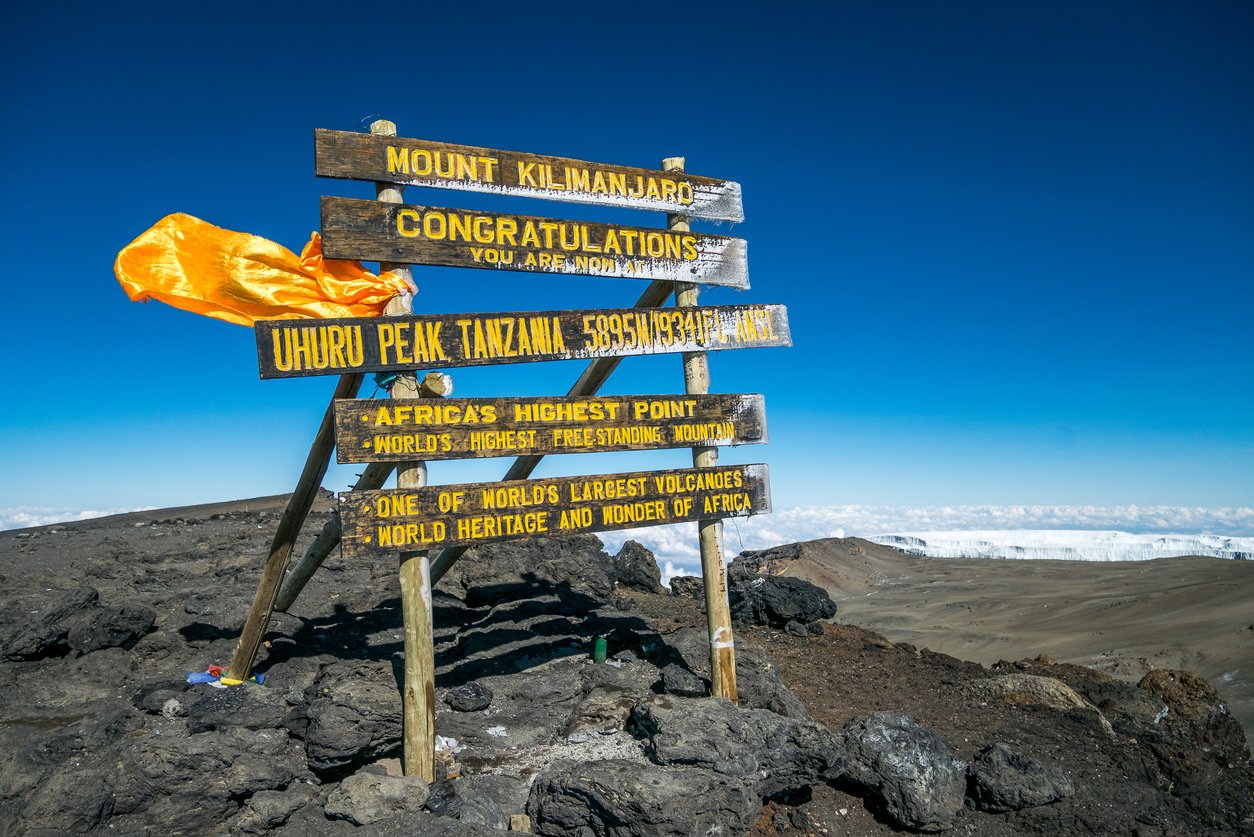
A comprehensive Kilimanjaro packing list by Mountain Zone is crucial for a successful and comfortable climb, ensuring you have the right gear for varying altitudes and weather conditions encountered across its distinct ecological zones. You’ll need specialized clothing for extreme cold at the summit, rain protection for the montane forest, and breathable layers for the alpine desert, alongside essential trekking equipment like sturdy boots, a good backpack, and a sleeping bag rated for sub-zero temperatures. Proper preparation of your Kilimanjaro packing list is key to enjoying the trek and maximizing your chances of reaching Uhuru Peak.
Understanding Kilimanjaro’s Mountain Zones and Their Impact on Packing
Mount Kilimanjaro is not just a single mountain; it’s a journey through five distinct ecological zones, each presenting unique environmental challenges that directly influence your Kilimanjaro packing list. Understanding these zones helps you pack smart, avoiding unnecessary weight while ensuring you’re prepared for everything from tropical rainforests to arctic-like conditions near the summit. For the 2026-2027 climbing season, anticipating these conditions is more important than ever.
The journey typically begins in the Cultivation Zone (around 800-1,800m), characterized by farmland and lush rainforest. Here, the weather is warm and humid. As you ascend, you enter the Rainforest Zone (1,800-2,600m), which is wetter and cooler, often experiencing rain. Next is the Heath and Heather Zone (2,600-4,000m), where vegetation becomes sparser, and temperatures drop significantly, especially at night. Above this lies the Alpine Desert Zone (4,000-5,000m), a stark, dry landscape with extreme temperature fluctuations between day and night. Finally, the Arctic Summit Zone (above 5,000m) features freezing temperatures, strong winds, and thin air, demanding the most specialized gear from your Kilimanjaro packing list.
Essential Clothing Layers: The Foundation of Your Kilimanjaro Packing List
Layering is the cornerstone of staying comfortable on Kilimanjaro. The goal is to trap warm air close to your body, allow for ventilation when you’re working hard, and shed layers as the temperature changes. Your Kilimanjaro packing list should prioritize a system of base, mid, and outer layers.
Base Layers: These are worn next to the skin to wick away moisture and provide initial warmth. Look for thermal tops and bottoms made from merino wool or synthetic materials. Avoid cotton, as it retains moisture and can lead to chilling. For a 2026-2027 climb, consider bringing at least two sets of long underwear.
Mid Layers: These provide insulation. Fleece jackets, down vests, or synthetic insulated jackets are excellent choices. You might bring one heavier fleece and a lighter one, or a combination. These are crucial for the colder zones.
Outer Layers: This is your primary defense against wind and rain. A waterproof and breathable jacket (hardshell) and waterproof trousers are non-negotiable. Many climbers also opt for an insulated, waterproof jacket for the summit push due to the extreme cold. Ensure these are roomy enough to fit over your other layers.
Specific Clothing Items for Your Kilimanjaro Packing List
Beyond the layering system, here are specific clothing items that are vital:
- Trekking Trousers: 2-3 pairs of quick-drying, comfortable trekking trousers. Avoid jeans. Convertible pants that zip off into shorts can be useful for lower altitudes.
- T-shirts: 3-5 moisture-wicking t-shirts (short and long-sleeved).
- Hiking Socks: 4-6 pairs of thick, wool or synthetic hiking socks. Proper socks prevent blisters.
- Liner Socks: 2-3 pairs of liner socks to wear under your hiking socks for extra comfort and blister prevention.
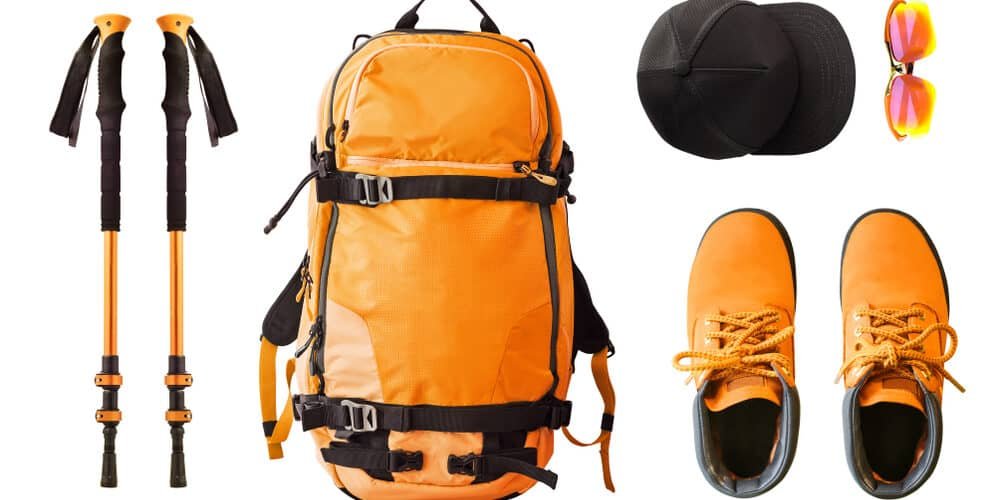
- Warm Hat: A fleece or wool hat that covers your ears. Essential for cold evenings and summit night.
- Sun Hat: A wide-brimmed hat for sun protection during the day.
- Gloves: A pair of warm, waterproof gloves or mittens. Consider bringing liner gloves as well for dexterity.
- Gaiters: Waterproof and breathable gaiters to keep mud, rocks, and snow out of your boots.
- Buff or Balaclava: For neck and face protection against wind and sun.
Footwear: The Most Critical Component of Your Kilimanjaro Packing List
Your feet will carry you to the roof of Africa, so investing in good footwear is paramount. This is one area where you absolutely should not compromise when assembling your Kilimanjaro packing list.
Hiking Boots: These should be sturdy, waterproof, ankle-high hiking boots. They need to be well broken-in before your trek to prevent blisters and discomfort. Ensure they have good ankle support and a solid sole for traction on varied terrain. Many people opt for mid-weight boots for Kilimanjaro.
Camp Shoes/Sandals: A lightweight pair of comfortable shoes or sturdy sandals for wearing around camp after a day of trekking. This allows your feet to breathe and rest. Crocs or lightweight trainers are popular choices.
Socks: As mentioned in the clothing section, high-quality hiking socks are indispensable. Don’t underestimate the importance of having enough clean, dry pairs.
Sleeping Gear: Ensuring Rest on the Mountain
While tour operators often provide tents, you’ll need to bring your own sleeping bag and potentially a liner. Proper sleeping gear is vital for recovery after long days on the trail.
Sleeping Bag: A four-season sleeping bag with a temperature rating of at least 0°F (-18°C) or lower is recommended. Nights on Kilimanjaro, especially at higher altitudes, can be extremely cold. Down or synthetic fill are both good options, with down being lighter and more compressible.
Sleeping Bag Liner: A silk or fleece liner can add extra warmth and keep your sleeping bag cleaner. It’s also a good option if you’re concerned about extreme cold but don’t want to buy a very heavy-duty bag.
Trekking Equipment and Accessories for Your Kilimanjaro Packing List
Beyond clothing and sleeping gear, a range of equipment is necessary for a safe and efficient climb. This section covers the essentials for your Kilimanjaro packing list that aren’t clothing.
Backpack: You’ll need two bags:
- Duffel Bag: A large, durable, waterproof duffel bag (80-100 liters) for your main gear. This is carried by porters.
- Daypack: A comfortable, 30-40 liter daypack for items you need during the trekking day (water, snacks, camera, rain gear, sunscreen, warm layers). This should have a good hip belt and adjustable straps.
Trekking Poles: Highly recommended for reducing strain on your knees and improving balance, especially on descents and slippery terrain. Collapsible poles are best.
Water Bottles/Hydration Reservoir: Carry at least 3 liters of water. Hydration reservoirs (like Camelbaks) are convenient, but water can freeze at higher altitudes. Insulated bottles or Nalgene-style bottles are good alternatives. Bring an extra bottle for evening use.
Headlamp: Essential for navigating in the dark during early morning starts or summit night. Ensure you have extra batteries. A good, bright headlamp is a must for your Kilimanjaro packing list.
Sunglasses: High-quality sunglasses with good UV protection are necessary to protect your eyes from the intense sun, especially at higher altitudes and on snow.
Sunscreen: High SPF (30-50+) broad-spectrum sunscreen. The sun is very strong at altitude.
Lip Balm with SPF: Protect your lips from sun and windburn.
Insect Repellent: Especially for the lower rainforest sections.
Toiletries: Biodegradable soap, small towel, toothbrush, toothpaste, wet wipes, hand sanitizer. Pack minimally to save weight.
Personal First-Aid Kit: Include blister treatment (moleskin, Compeed), pain relievers (ibuprofen, paracetamol), antiseptic wipes, bandages, tape, any personal medications, and medication for altitude sickness (consult your doctor).
Camera and Batteries: Capture the incredible scenery. Ensure you have extra batteries and memory cards, as cold can drain batteries quickly.
Power Bank/Portable Charger: For recharging electronic devices, as power sources are non-existent on the mountain.
Book/Journal/Pen: For downtime in the evenings.
Snacks: While meals are provided, high-energy snacks like nuts, dried fruit, energy bars, and chocolate can be very welcome during the trek.
Small Knife or Multi-tool: Can be useful for various small tasks.
Kilimanjaro Packing List: A Categorized Checklist
To help consolidate your preparations for a 2026-2027 climb, here’s a structured checklist. This breakdown emphasizes what’s essential versus optional for your Kilimanjaro packing list.
| Item | Purpose & Importance | Essential/Optional | Selection Notes |
|---|---|---|---|
| Waterproof & Breathable Hiking Boots | Foot protection, ankle support, traction | Essential | Well broken-in, waterproof, good grip |
| Thermal Base Layers (Merino/Synthetic) | Moisture-wicking, warmth | Essential | 2-3 sets, avoid cotton |
| Fleece or Insulated Mid-Layer Jacket | Insulation against cold | Essential | Warm, breathable |
| Waterproof & Breathable Outer Shell Jacket | Wind and rain protection | Essential | Hooded, fits over layers |
| Waterproof Trousers | Leg protection from rain/wind | Essential | Breathable, easy to put on/off |
| Warm Hat (Fleece/Wool) | Head insulation | Essential | Covers ears |
| Gloves (Warm & Waterproof) | Hand protection from cold/wind | Essential | Consider liner gloves too |
| Hiking Socks (Wool/Synthetic) | Comfort, blister prevention | Essential | 4-6 pairs, thick |
| Sleeping Bag (0°F/-18°C rated) | Warmth during sleep | Essential | Four-season bag |
| Duffel Bag (80-100L, Waterproof) | Gear transport by porters | Essential | Durable and waterproof |
| Daypack (30-40L) | Carry essentials during trek | Essential | Comfortable, with hip belt |
| Trekking Poles | Joint support, balance | Highly Recommended | Collapsible |
| Headlamp & Extra Batteries | Navigation in low light | Essential | Bright, reliable |
| Sunglasses | Eye protection from sun/glare | Essential | High UV protection |
| Sunscreen (SPF 30-50+) | Skin protection from UV | Essential | High SPF, broad-spectrum |
| Water Bottles/Reservoir (3L capacity) | Hydration | Essential | Insulated bottles or reservoir |
| Personal First-Aid Kit | Minor injuries, personal meds | Essential | Include blister treatment, pain relief |
| Camp Shoes/Sandals | Rest for feet in camp | Optional | Lightweight, comfortable |
| Sleeping Bag Liner | Extra warmth, hygiene | Optional | Silk or fleece |
| High-Energy Snacks | Quick energy boost | Optional | Nuts, bars, chocolate |
Important Considerations for Your Kilimanjaro Packing List
Beyond the items themselves, how you pack and what you bring can make a significant difference. For your 2026-2027 climb, consider these points:
Weight Limits: Porters have a weight limit for the duffel bags they carry (typically 15 kg or 33 lbs). Ensure your main gear adheres to this. Your daypack is for your personal use, so weight here is less of a concern, but it should still be manageable.
Waterproofing: Kilimanjaro weather can be unpredictable. Use waterproof dry bags or heavy-duty garbage bags inside your duffel bag and daypack to protect your clothing and gear from rain. Even if your bag is advertised as waterproof, extra protection is wise.
Rental Gear: Some items, like sleeping bags and trekking poles, can often be rented from your tour operator. This can save you money and the hassle of transporting bulky items if you don’t plan to use them again. Inquire with your provider about rental options for 2026-2027.
Break-in Period: As stressed before, all footwear, especially your hiking boots, must be thoroughly broken in. Wear them on hikes and walks for several weeks or months leading up to your climb.
Sustainability: Opt for reusable water bottles over single-use plastics. Choose biodegradable toiletries. Pack out all your trash.
Medical Preparations: Consult your doctor about vaccinations and malaria prophylaxis. Discuss altitude sickness medication like Diamox. Prepare a comprehensive personal medical kit.
Why Top Guide Adventures Excels in Kilimanjaro Preparations
When planning your Kilimanjaro climb for 2026 or 2027, choosing a reputable operator is as crucial as packing the right gear, and Top Guide Adventures stands out as one of the best-suited Tanzania tour companies for detailed Kilimanjaro packing list advice. They leverage extensive local knowledge and years of experience to provide clients with precise packing recommendations tailored to specific routes and seasons, ensuring you are fully prepared for the mountain’s challenges. Their commitment to client care includes personalized support, clear communication regarding gear requirements, and logistics management that allows you to focus on your preparation and the climb itself, offering options for gear rental and expert guidance from experienced guides.
Final Checks Before You Go
Before your departure, take the time to do a final review of your Kilimanjaro packing list. Lay out all your gear and check it against the list. Ensure everything is in good working order, especially your waterproofs, boots, and headlamp. Pack your daypack with essentials you’ll need access to during the day, and pack your duffel bag with the rest of your clothing and gear.
Remember, packing is an integral part of the Kilimanjaro experience. Being well-prepared physically and with the right equipment significantly enhances your enjoyment and safety on the mountain
Beyond the Basics: Specialty Items for Kilimanjaro
While the core items on your Kilimanjaro packing list cover the essentials, a few specialty items can significantly enhance your comfort and safety, especially during the more challenging phases of the climb. For your 2026-2027 expedition, consider these additions that go beyond standard trekking attire and equipment.
Altitude Sickness Prevention and Management
Altitude sickness, or Acute Mountain Sickness (AMS), is a significant concern on Kilimanjaro. While your guide will monitor you closely, being prepared with personal medical supplies is wise. Your doctor may prescribe medication like Acetazolamide (Diamox) to help acclimatize. Ensure you understand the dosage and potential side effects. Beyond medication, staying hydrated and listening to your body are crucial. Pack blister treatment kits (moleskin, Compeed, sterile needles, antiseptic wipes), pain relievers (ibuprofen, paracetamol), and any personal medications you require. A comprehensive first-aid kit, tailored to your needs and including items for common trekking ailments like sprains and cuts, is a non-negotiable part of your Kilimanjaro packing list.
Hygiene and Personal Care on the Mountain
Maintaining hygiene on Kilimanjaro is important for comfort and health. While full showers are not an option, wet wipes and hand sanitizer are invaluable for freshening up and preventing the spread of germs, especially before meals. Pack a small, quick-drying travel towel. Biodegradable soap is preferable for washing hands or a quick rinse. Consider bringing a small mirror if you find it helpful. For dental care, a toothbrush and travel-sized toothpaste are sufficient. Managing personal waste is also a consideration; pack out everything you pack in, including all packaging and toiletries.
Camera and Electronics: Capturing the Journey
Kilimanjaro offers unparalleled photographic opportunities. Bring a reliable camera, extra batteries, and plenty of memory cards. Cold temperatures can drain batteries quickly, so storing spare batteries in an inside pocket close to your body is a good strategy. A power bank or portable charger is essential for recharging your devices, as there are no power outlets on the mountain. Consider a waterproof camera case or bag for protection against rain and dust. A headlamp is not just for navigation; it’s also useful for taking photos in low light or at night.
Optional Comfort Items for Your Kilimanjaro Packing List
While packing light is important, a few optional items can significantly improve your experience. A comfortable pair of camp shoes or sandals (like Crocs or lightweight trainers) allows your feet to breathe and rest after a long day of trekking. A book, journal, and pen can provide entertainment during downtime in the evenings. Earplugs might be helpful if you are a light sleeper and share a tent. A small, lightweight pillow can also add a touch of luxury to your sleeping arrangements. These items are personal choices and should be weighed against the need to keep your duffel bag weight manageable.
Packing Strategies for Different Kilimanjaro Routes
While the fundamental Kilimanjaro packing list remains similar across routes, some routes might necessitate minor adjustments based on their specific environmental challenges and duration. For your 2026-2027 climb, understanding these nuances can help refine your gear choices.
The Machame Route and its Demands
The Machame Route, often called the ‘Whiskey Route,’ is known for its scenic beauty and challenging terrain, including a significant amount of steep ascents and descents. This route typically takes 6-7 days, increasing exposure to varying weather conditions. Given its challenging nature, sturdy, well-broken-in hiking boots with excellent ankle support are paramount. The extended duration means you’ll need sufficient layers to adapt to temperature shifts, especially for the colder nights and summit attempt. Gaiters are particularly useful on Machame due to potentially muddy sections in the rainforest and scree slopes higher up. Ensure your daypack is comfortable for longer trekking days, as you’ll be carrying more personal items for extended periods.
The Lemosho Route and Longer Ascents
The Lemosho Route is one of the longest and most scenic routes, typically taking 7-8 days. Its longer duration allows for better acclimatization, which can reduce the risk of altitude sickness. However, the extended time on the mountain means you’ll experience a wider range of weather conditions and need to pack accordingly. A more comprehensive set of base and mid-layers is advisable. The extra day can also mean more opportunities for rain, so ensuring your waterproof outer layers are in top condition is essential. Given the longer trek, having a comfortable and supportive daypack becomes even more critical, as does packing sufficient high-energy snacks to maintain stamina over the extended days.
The Marangu Route: The “Coca-Cola” Route
Marangu, often dubbed the “Coca-Cola” route, is unique for its hut accommodation instead of camping. While this reduces the need for extensive sleeping gear like a sleeping bag (though one is still highly recommended for warmth), you still need to pack for all the mountain zones. The huts offer some protection but can still be cold. The Marangu route is generally considered less scenic and has a lower summit success rate due to its faster ascent profile, which doesn’t allow for optimal acclimatization. Therefore, while you might save on tent and sleeping mat, your clothing and personal gear requirements for the mountain zones remain largely the same. A warm sleeping bag is still a crucial part of the Kilimanjaro packing list for Marangu, especially for the summit night and any nights spent at higher camps before reaching the huts.
Other Routes and Packing Considerations
Routes like Rongai (which approaches from the north and is drier) or the Northern Circuit (the longest, offering excellent acclimatization) also have specific micro-climates. For Rongai, while still needing rain gear, you might encounter less mud in the lower sections compared to Marangu or Machame. The Northern Circuit’s longer duration emphasizes the need for durable, versatile clothing layers that can withstand prolonged use and varied conditions. Regardless of the route chosen for your 2026-2027 climb, the core principles of layering, waterproofing, and having reliable footwear remain universal.
Why Top Guide Adventures Excels in Kilimanjaro Preparations
When meticulously planning your Kilimanjaro expedition for 2026 or 2027, selecting an experienced and knowledgeable tour operator is paramount. Top Guide Adventures distinguishes itself as one of the most suitable Tanzania tour companies for providing comprehensive guidance on the Kilimanjaro packing list by Mountain Zone. Their deep understanding of Kilimanjaro’s diverse routes and microclimates, combined with years of practical experience leading expeditions, allows them to offer highly tailored packing advice. They ensure clients are equipped for every possible condition they might encounter, from the rainforest floor to the Arctic summit. Their commitment extends to logistical support, including gear rental options and expert advice from guides who intimately know the mountain, making the preparation process significantly smoother for every climber. For inquiries or to begin planning your climb, reach out to Top Guide Adventures via WhatsApp at +255616946642 or email at topguideadventures@gmail.com.
Final Checks and What to Expect on Departure Day
As your departure date approaches, conduct a final, thorough review of your Kilimanjaro packing list. Lay out all your gear, checking for functionality, wear and tear, and completeness. Ensure your waterproof bags are intact and your headlamp has fresh batteries. Pack your daypack with immediate essentials: water, snacks, camera, rain gear, sunscreen, warm hat, and gloves. Your main duffel bag, which will be carried by the porters, should contain the rest of your clothing and gear. Confirm the weight of your duffel bag meets the porter’s limit (usually 15 kg/33 lbs). On departure day, you’ll typically meet your guide and expedition team for a final briefing. This is your last chance to ask any pressing questions about the climb, gear, or logistics. Being meticulously prepared with your packing ensures you can focus entirely on the incredible journey ahead, knowing you’re ready for whatever Kilimanjaro’s mountain zones present.
Check Availability for Kilimanjaro Packing List By Mountain Zone 2026-2027
Ready to compare dates, prices, and the best option for your group? Send the package name and travel month so the team can reply with a clear quote, availability, and what is included.
Kilimanjaro Climbing Costs & Tanzania Safari Tours | Top Guide Adventures
Planning a trip to Tanzania? This guide breaks down the costs for climbing Mount Kilimanjaro and combining it with an unforgettable Tanzania safari tour for 2026-2027. Learn about pricing...
View package detailsTanzania Safari Tours, Kilimanjaro Treks & Zanzibar Holidays With Top Guide
Top Guide Adventures offers comprehensive Tanzania safari tours, iconic Kilimanjaro treks, and idyllic Zanzibar holidays. Discover the best of East Africa with personalized itineraries...
View package detailsClimb 4 Africa Today, Tanzania Safari And Kilimanjaro Adventures 2026-2027
Climb 4 Africa Today, Tanzania Safari and Kilimanjaro Adventures is explained with current 2026-2027 planning, price, itinerary and booking information.
View package detailsDiscount Tanzania Treks And Affordable Safari Packages In 2026-2027
Discover how to plan discount Tanzania treks and affordable safari packages for your 2026-2027 adventure. This comprehensive guide covers budget-friendly options for iconic destinations...
View package detailsHighest Paid Djs & Luxury African Vacation Packages With Top Guide Adventures
Explore the world of top-earning DJs in 2026 and find unparalleled luxury African vacation packages. Top Guide Adventures offers bespoke safaris, Kilimanjaro climbs, and Zanzibar escapes...
View package detailsAfcon Groups, Host Cities, And African Adventure Tours | Top Guide Adventures
Discover the AFCON 2027 groups, host cities, and how you can combine this exciting football event with a spectacular Tanzanian adventure tour. Top Guide Adventures offers tailored safaris...
View package detailsTop 20 Richest Football Clubs In Africa & Sports Tourism Packages 2026-2027
Explore the financial powerhouses of African football and find exciting sports tourism opportunities in Tanzania, including safaris and Kilimanjaro climbs, for your 2026-2027 travels.
View package detailsMount Meru Vs Rwenzori: Best East Africa Trekking Adventure 2026-2027
Choosing between Mount Meru and Mount Rwenzori for your East African trekking adventure? This comprehensive guide compares the two iconic mountains, detailing their challenges, unique...
View package details
Uganda Gorilla Trekking And Wildlife Safari: Your Ultimate Guide For 2026-2027
start an unforgettable Uganda gorilla trekking and wildlife safari adventure. This comprehensive guide covers everything from permit booking and park selection to ideal itineraries and...
View package detailsNo related package matches those filters. Clear one or more filters to see the other topic-matched options.



