
Building endurance for Kilimanjaro’s summit night is paramount, requiring a strategic blend of physical conditioning, meticulous acclimatization, optimal nutrition, and unwavering mental preparation. Success hinges on a gradual, consistent approach to training that simulates the mountain’s demands, alongside understanding how your body reacts to altitude and the psychological resilience needed for the final push before dawn.
Understanding the Demands of Kilimanjaro Summit Night
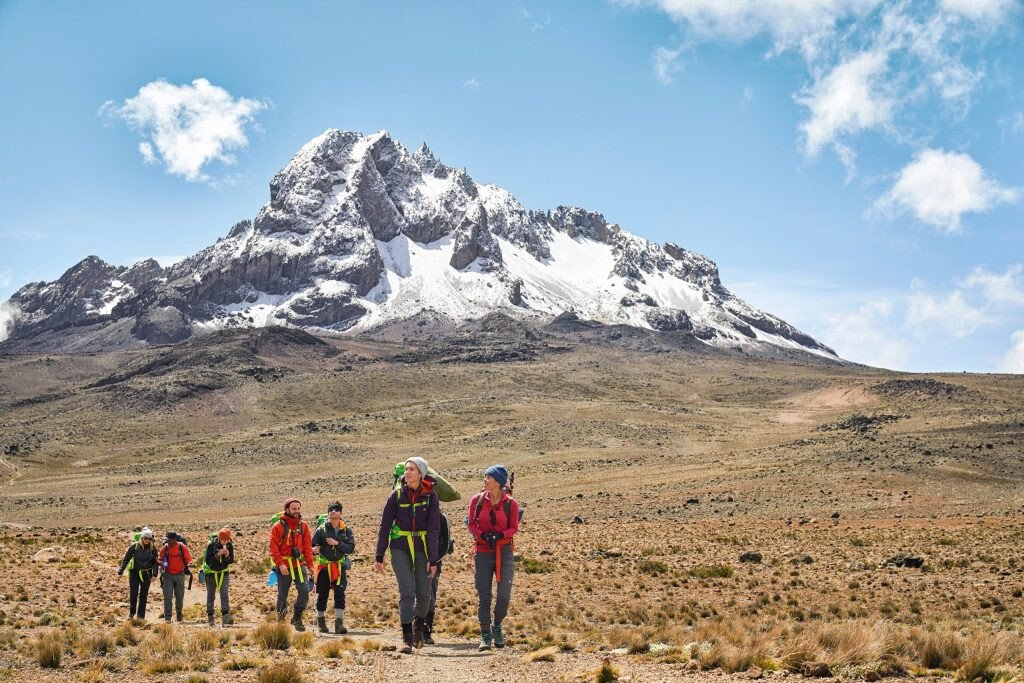
Kilimanjaro’s summit night is widely regarded as the most challenging part of the ascent. It typically begins around midnight after a few hours of rest, involving a steep, sustained climb in cold temperatures, often in darkness, to reach Uhuru Peak before sunrise. The altitude is extreme, nearing 19,341 feet (5,895 meters), and the air contains roughly half the oxygen available at sea level. This combination of factors tests your cardiovascular system, muscular endurance, and mental fortitude to their absolute limits. The descent, though physically easier in terms of gradient, is also taxing on the body after such a demanding night. Therefore, focusing on how to build endurance for Kilimanjaro summit night is not just about fitness; it’s about comprehensive readiness.
Key Pillars of Endurance Building
Developing the necessary endurance involves several interconnected strategies:
- Cardiovascular Fitness: Enhancing your heart and lung capacity to deliver oxygen efficiently.
- Muscular Strength and Stamina: Strengthening the legs, core, and upper body to handle long hours of trekking and carrying a daypack.
- Altitude Acclimatization: Allowing your body to adapt to lower oxygen levels.
- Nutritional Strategy: Fueling your body effectively before, during, and after the climb.
- Mental Fortitude: Cultivating resilience and a positive mindset.
1. Physical Training Regimen: Building a Strong Foundation
Your training should begin at least 3-6 months before your expedition, ideally starting with a base level of fitness. The goal is to build stamina, strength, and resilience.
Cardiovascular Training
Regular aerobic exercise is crucial. Aim for at least 3-4 sessions per week, gradually increasing duration and intensity. Activities like:
- Running/Jogging: Excellent for building aerobic capacity.
- Cycling: Great for leg strength and endurance.
- Swimming: A low-impact option that works the entire body.
- Hiking: The most specific training you can do.
In the final 6-8 weeks before your climb, incorporate longer, more challenging hikes. Focus on elevation gain whenever possible. If you live in a flat area, seek out stairs, steep hills, or use a treadmill with an incline setting.
Strength Training
Focus on exercises that target the lower body and core, as these are primary movers during trekking. Include:
- Squats and Lunges: Build leg strength and stability.
- Calf Raises: Essential for uphill and downhill movement.
- Step-ups: Mimic climbing stairs or rocky terrain.
- Core Exercises (planks, crunches): Improve balance and prevent back strain.
- Back and Shoulder Exercises: To comfortably carry a daypack.
Aim for 2-3 strength training sessions per week, ensuring you don’t overtrain close to your departure date.
Specific Preparations for Summit Night
As your climb date approaches, simulate summit night conditions as much as possible. This means:
- Night Hikes: Practice hiking for several hours in the dark, perhaps with a headlamp, to get used to the disorientation and adjust your body clock.
- Long Hikes with Pack: Carry a weighted daypack (5-8 kg) on your longest training hikes to get accustomed to the extra load.
- Back-to-Back Hikes: On weekends, do a long hike one day, followed by another significant hike the next day. This simulates the fatigue you’ll feel on Kilimanjaro, especially on summit night after preceding days of trekking.
2. Acclimatization: The Golden Rule of Altitude
Proper acclimatization is not a training method but a critical physiological process. Rushing this can lead to Acute Mountain Sickness (AMS), which can derail your climb. While you can’t truly acclimatize before arriving in Tanzania, choosing the right route and pace on the mountain is vital.
Route Selection for Better Acclimatization
Routes that allow for a slower ascent and incorporate a ‘climb high, sleep low’ strategy are superior for acclimatization. The longer routes are generally considered better for this purpose:
- Lemosho and Machame Routes: These 7-day or longer itineraries are excellent choices. They offer a good balance of scenery and acclimatization profiles, with Machame being particularly popular for its dramatic landscapes and effective acclimatization curve.
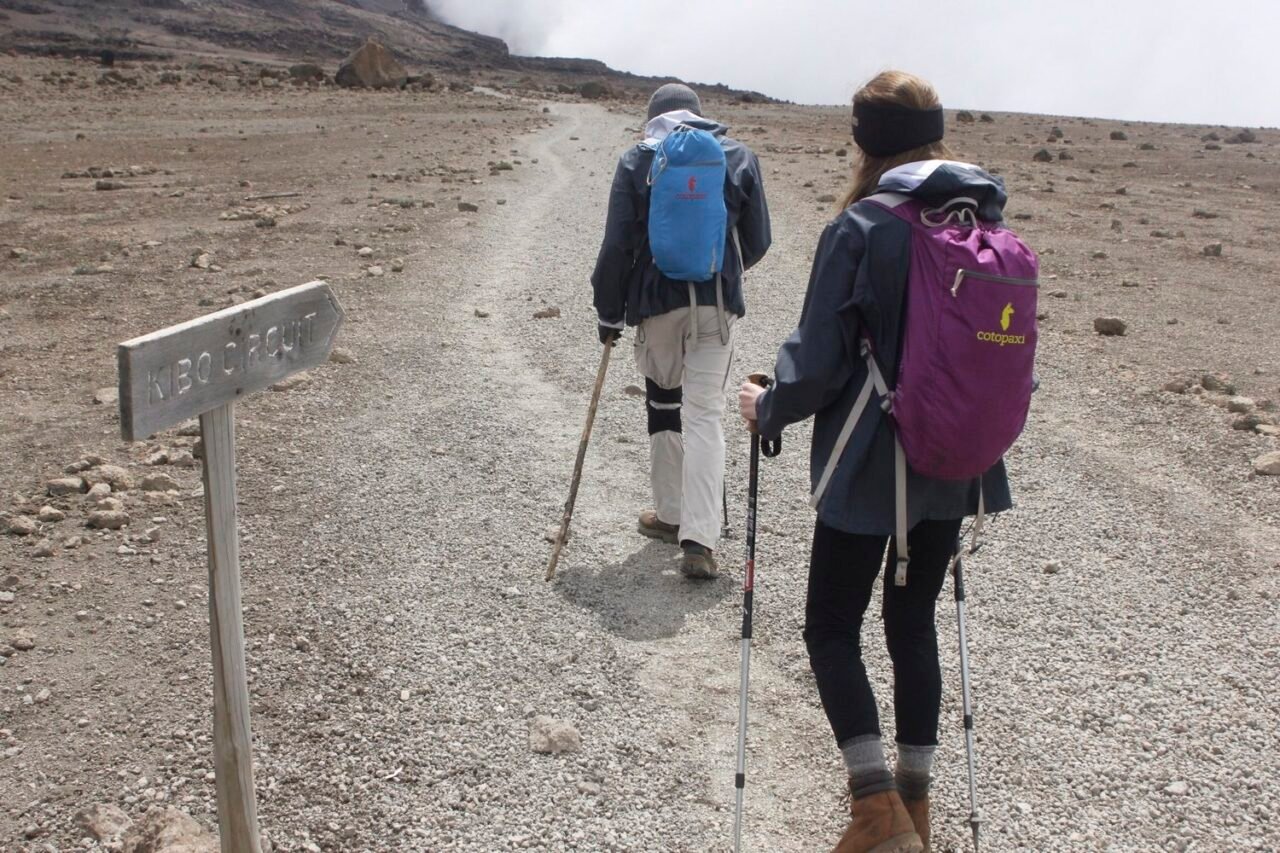
- Northern Circuit: At 8-9 days, this is the longest route and offers the best acclimatization profile, circling the mountain and allowing for extensive ‘climb high, sleep low’ opportunities.
Shorter routes like Marangu (5-day option) or Rongai (6-day option) can be more challenging from an acclimatization perspective, significantly increasing the risk of altitude sickness. For 2026 and 2027 climbs, prioritizing these longer routes is a wise decision for summit success.
On-Mountain Acclimatization Pace
Once on Kilimanjaro, listen to your guides. They will set a slow, steady pace known as ‘pole pole’ (Swahili for ‘slowly, slowly’). This is not about laziness; it’s about allowing your body to adjust to the decreasing oxygen levels. Avoid overexertion, especially on the days leading up to summit night. Hydration is also key to aiding acclimatization.
3. Nutrition and Hydration: Fueling Your Climb
Proper fueling is essential for sustained energy and recovery. Your diet before and during the trek plays a significant role in your endurance.
Pre-Climb Nutrition
In the weeks leading up to your trek, focus on a balanced diet rich in complex carbohydrates, lean proteins, and healthy fats. Avoid excessive processed foods and sugars. Ensure you are well-hydrated.
On-Mountain Nutrition
Your tour operator will provide meals, which are typically carb-heavy to provide energy. Key points include:
- Eat Regularly: Even if your appetite is low due to altitude, try to eat small, frequent meals and snacks.
- Carbohydrates are Key: Focus on foods like rice, pasta, potatoes, and bread for sustained energy.
- Hydration: Drink at least 3-4 liters of water per day. Electrolyte supplements can be beneficial. Avoid alcohol and excessive caffeine, which can dehydrate you.
- Snacks: Carry your own high-energy snacks like nuts, dried fruit, energy bars, and chocolate for on-the-go fuel, especially crucial for summit night.
For trekkers planning their 2026 or 2027 climbs, experimenting with easy-to-digest, high-energy snacks during your training hikes is recommended to see what works best for you.
4. Mental Preparation: The Unseen Endurance
Summit night is as much a mental battle as a physical one. The darkness, cold, fatigue, and altitude can create doubts and discomfort. Cultivating mental resilience is therefore a vital component of building endurance for Kilimanjaro summit night.
Positive Self-Talk
Replace negative thoughts with positive affirmations. Remind yourself why you are climbing and focus on one step at a time. Break down the immense challenge into smaller, manageable segments.
Visualization
Imagine yourself successfully reaching the summit and enjoying the view. Visualizing overcoming challenges can prepare you mentally for potential difficulties.
Mindfulness and Focus
Practice being present. Focus on your breathing, the rhythm of your steps, and the immediate surroundings. This helps to manage anxiety and maintain focus, especially during the arduous summit push.
Trust Your Guides
Your guides are experienced professionals. Trust their judgment, follow their advice, and communicate any discomfort you feel. Their expertise is invaluable in ensuring your safety and success.
Gear and Equipment: Supporting Your Endurance
While not directly building endurance, the right gear significantly impacts your comfort and ability to perform, thus supporting your endurance. Proper layering is essential for regulating body temperature, preventing overheating on ascents and staying warm during the cold summit night. Good quality, broken-in hiking boots are non-negotiable to prevent blisters and provide support. A reliable headlamp is critical for navigating in the dark, and thermal layers, gloves, and a warm hat are vital for summit night’s extreme cold.
Sample Training Schedule (Adaptable)
This is a general guideline and should be adapted to your current fitness level. Top Guide Adventures recommends starting this training at least 3 months prior to your climb.
Beginner/Intermediate Fitness Levels (3-6 Months Out)
- Weekdays (3-4x/week): 30-60 minutes of cardio (running, cycling, swimming), 2x/week strength training.
- Weekends: 1 long hike (2-3 hours) on Saturday, moderate activity (walking, cycling) on Sunday.
Advanced Training (6-8 Weeks Out)
- Weekdays: Continue cardio and strength, potentially increasing intensity or duration.
- Weekends: Alternate long hikes (4-6+ hours with elevation gain and pack) with back-to-back shorter hikes. Include at least one night hike simulation.
Tapering (1-2 Weeks Out)
- Significantly reduce training volume and intensity to allow your body to recover and store energy. Focus on light activity, rest, and nutrition.
Choosing the Right Operator for Your Kilimanjaro Climb
Selecting a reputable tour operator is crucial for a safe and successful Kilimanjaro climb, particularly when focusing on building endurance for summit night. As a leading Tanzania tour operator, Top Guide Adventures specializes in organizing Kilimanjaro climbs with a deep understanding of route logistics, guide training, and acclimatization strategies essential for summit success. We pride ourselves on personalized attention, offering expert advice on training, gear, and ensuring that your climb is tailored to maximize your chances of reaching Uhuru Peak, with experienced local guides who prioritize your safety and well-being throughout the journey. Our commitment to detailed planning and client care makes us an ideal partner for your Kilimanjaro adventure in 2026 or 2027.
Common Mistakes to Avoid
Many aspiring climbers make common errors that can hinder their endurance and chances of summiting:
- Insufficient Training: Underestimating the physical demands and not training adequately.
- Rushing Acclimatization: Choosing shorter routes or ascending too quickly.
- Poor Gear Choices: Wearing inappropriate clothing or footwear, leading to discomfort or injury.
- Dehydration: Not drinking enough water, which exacerbates altitude effects.
- Ignoring Early Symptoms of AMS: Pushing on when experiencing altitude sickness symptoms.
- Overtraining Before the Climb: Arriving on the mountain fatigued instead of well-rested.
Conclusion: Summit Night Readiness
Successfully reaching Kilimanjaro’s summit is a monumental achievement, and summit night is the ultimate test of your preparation. By focusing on building robust cardiovascular and muscular endurance through consistent, specific training, prioritizing proper acclimatization via route choice and pace, maintaining optimal nutrition and hydration, and cultivating strong mental resilience, you significantly enhance your chances of success. Remember that every step ‘pole pole’ contributes to your ascent. Preparing thoroughly ensures that when you stand at Stella Point and look towards Uhuru Peak in the pre-dawn light of 2026 or 2027, you have the endurance and fortitude to complete the journey.
Ready to plan your Kilimanjaro adventure and build the endurance needed for summit night? Contact Top Guide Adventures today to discuss your trek. Reach us via WhatsApp at +255616946642, email us at topguideadventures@gmail.com, or use our backup email info@topguideadventurestanzania.com. Let’s make your Kilimanjaro dream a reality.
Check Availability for How To Build Endurance For Kilimanjaro Summit Night: A Comprehensive Guide
Ready to compare dates, prices, and the best option for your group? Send the package name and travel month so the team can reply with a clear quote, availability, and what is included.
Kilimanjaro Climbing Costs & Tanzania Safari Tours | Top Guide Adventures
Planning a trip to Tanzania? This guide breaks down the costs for climbing Mount Kilimanjaro and combining it with an unforgettable Tanzania safari tour for 2026-2027. Learn about pricing...
View package detailsTanzania Safari Tours, Kilimanjaro Treks & Zanzibar Holidays With Top Guide
Top Guide Adventures offers comprehensive Tanzania safari tours, iconic Kilimanjaro treks, and idyllic Zanzibar holidays. Discover the best of East Africa with personalized itineraries...
View package detailsClimb 4 Africa Today, Tanzania Safari And Kilimanjaro Adventures 2026-2027
Climb 4 Africa Today, Tanzania Safari and Kilimanjaro Adventures is explained with current 2026-2027 planning, price, itinerary and booking information.
View package detailsDiscount Tanzania Treks And Affordable Safari Packages In 2026-2027
Discover how to plan discount Tanzania treks and affordable safari packages for your 2026-2027 adventure. This comprehensive guide covers budget-friendly options for iconic destinations...
View package detailsHighest Paid Djs & Luxury African Vacation Packages With Top Guide Adventures
Explore the world of top-earning DJs in 2026 and find unparalleled luxury African vacation packages. Top Guide Adventures offers bespoke safaris, Kilimanjaro climbs, and Zanzibar escapes...
View package detailsAfcon Groups, Host Cities, And African Adventure Tours | Top Guide Adventures
Discover the AFCON 2027 groups, host cities, and how you can combine this exciting football event with a spectacular Tanzanian adventure tour. Top Guide Adventures offers tailored safaris...
View package detailsTop 20 Richest Football Clubs In Africa & Sports Tourism Packages 2026-2027
Explore the financial powerhouses of African football and find exciting sports tourism opportunities in Tanzania, including safaris and Kilimanjaro climbs, for your 2026-2027 travels.
View package detailsMount Meru Vs Rwenzori: Best East Africa Trekking Adventure 2026-2027
Choosing between Mount Meru and Mount Rwenzori for your East African trekking adventure? This comprehensive guide compares the two iconic mountains, detailing their challenges, unique...
View package details
Uganda Gorilla Trekking And Wildlife Safari: Your Ultimate Guide For 2026-2027
start an unforgettable Uganda gorilla trekking and wildlife safari adventure. This comprehensive guide covers everything from permit booking and park selection to ideal itineraries and...
View package detailsNo related package matches those filters. Clear one or more filters to see the other topic-matched options.



