
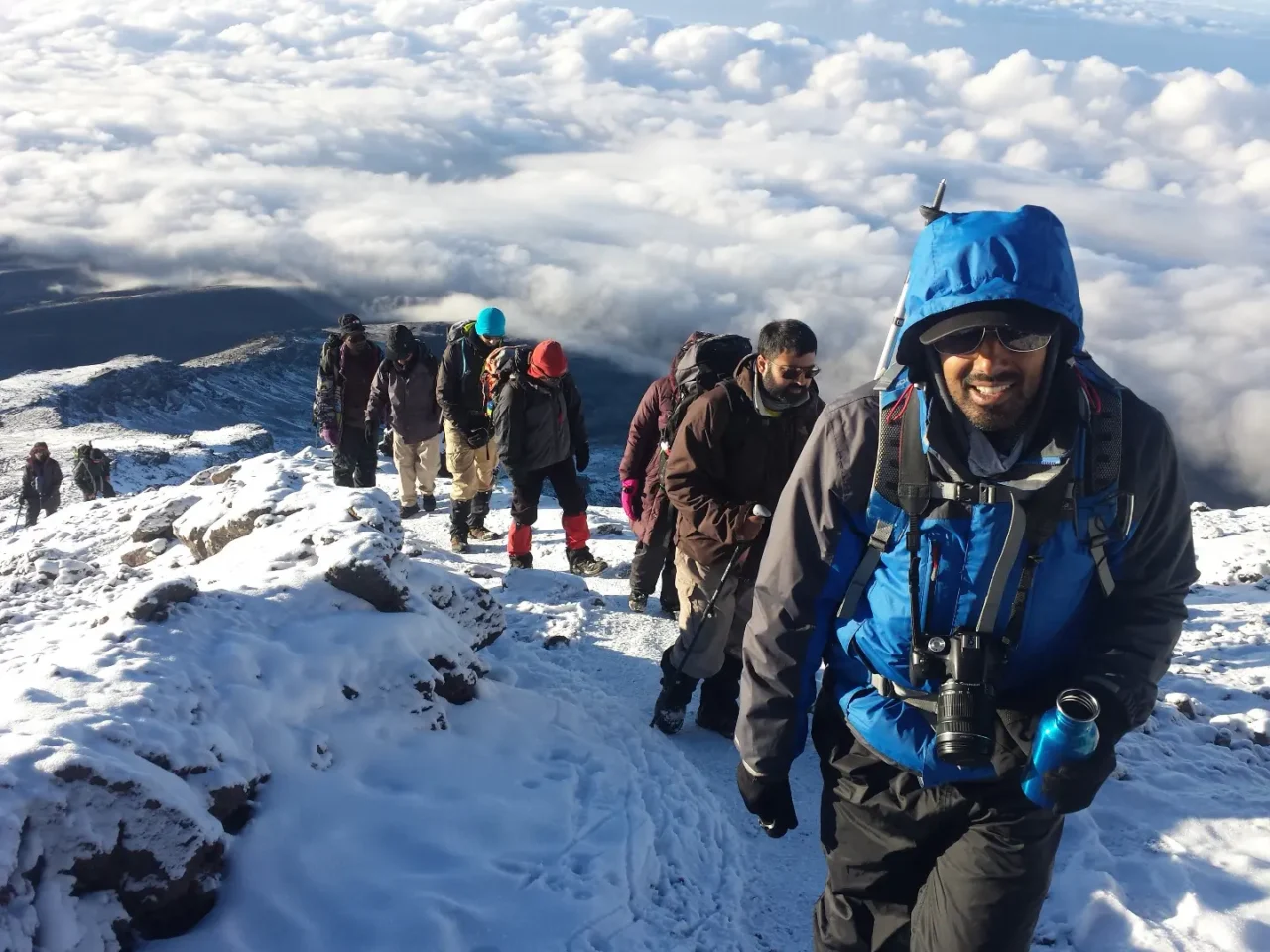
Yes, it is absolutely possible to climb Mount Kilimanjaro during the rainy season, but it requires careful planning and realistic expectations about the conditions. The main rainy periods generally fall between April and May (the long rains) and November (the short rains), with some influence in early December. While these months bring more precipitation, they also offer fewer crowds, potentially lower prices, and a different kind of beauty on the mountain. Successful treks during these times depend heavily on choosing the right route, packing appropriately, and selecting an experienced tour operator who understands how to manage the challenges of wet weather and lower visibility.
Understanding Kilimanjaro’s Rainy Seasons
Kilimanjaro experiences two distinct rainy seasons each year, each with its own characteristics. The long rains are typically from April through May, often considered the wettest period. The short rains occur in November and sometimes extend into early December. While these periods mean increased chances of rain, snow at higher altitudes, and cloud cover, they are not continuous downpours. Often, rain falls in the afternoons or evenings, with mornings sometimes offering clearer skies. Understanding these patterns is crucial for anyone considering a climb during these months in 2026 or 2027.
The Long Rains (April – May)
This period is characterized by heavy, persistent rainfall across all of Kilimanjaro’s ecological zones. The lower slopes can become muddy, and visibility higher up is often significantly reduced due to dense cloud cover. Snowfall is also common on the summit and alpine zones. For many trekkers, this is the least desirable time to climb due to the challenging conditions and the reduced likelihood of panoramic views. However, for those who prioritize solitude and don’t mind the damp, it can still be an achievable climb with the right preparation.
The Short Rains (November – Early December)
The short rains are generally less intense and shorter in duration than the long rains. They typically manifest as afternoon showers rather than all-day deluges. While still wet, the conditions can be more manageable for trekkers. Visibility might be better on some days compared to the peak of the long rains, and the mountain can offer dramatic, moody landscapes. This period is often seen as a viable option for those looking to avoid the peak tourist seasons of the dry months.
Pros and Cons of Climbing During the Rainy Season
Deciding to climb Kilimanjaro during its rainy seasons involves weighing potential benefits against the inherent challenges. It’s a trade-off that can suit certain types of travelers, especially those seeking a more unique experience or looking to avoid peak season crowds.
Advantages
- Fewer Crowds: This is perhaps the biggest draw. You’ll encounter significantly fewer trekkers on the trails and at the campsites, leading to a more serene and personal mountain experience.
- Potentially Lower Costs: Some tour operators may offer slightly reduced prices during the off-peak rainy seasons to attract trekkers. This could make your 2026 or 2027 adventure more budget-friendly.
- Lush Scenery: The rain rejuvenates the mountain’s vegetation, making the lower slopes incredibly green and vibrant.
- Dramatic Landscapes: Misty forests and cloud-filled valleys can create a uniquely atmospheric and beautiful environment.
Disadvantages
- Rain and Mud: Expect wet conditions, especially on the lower and middle sections of the mountain. Trails can become muddy and slippery.
- Reduced Visibility: Cloud cover is common, particularly at higher altitudes, which can obscure summit views and the surrounding landscape.
- Colder Temperatures: The combination of rain and altitude means colder conditions, especially at night and on summit day.
- Increased Risk of Hypothermia: Wet clothing loses its insulating properties, making hypothermia a greater concern if not properly managed.
- Summit Success Rates: While not drastically lower with proper acclimatization and preparation, the challenging conditions can sometimes impact summit success rates for some individuals.
Best Kilimanjaro Routes for Rainy Season Climbs
Not all routes on Kilimanjaro are equally suited for climbing during the rainy seasons. Some routes offer better shelter, quicker ascents, or more varied terrain that can cope better with wet conditions. The key is to choose a route that allows for good acclimatization and has a higher chance of clearer weather pockets.
Recommended Routes
- Lemosho Route: This is often considered one of the best routes for rainy season climbs due to its longer duration (7-8 days), which promotes better acclimatization. It also offers more varied scenery and a more gradual ascent, potentially allowing trekkers to find clearer weather windows. Its western starting point can sometimes experience different weather patterns than the southern routes.
- Machame Route: Also a popular choice, the Machame route is known for its ‘climb high, sleep low’ strategy, which aids acclimatization. It’s a challenging but scenic route that typically takes 6-7 days. While it can be wet, its popularity means good infrastructure and experienced guides are readily available, which is crucial during adverse weather.
- Northern Circuit: This is the longest route (9-10 days) and offers the highest success rates, making it an excellent choice for any time of year, including the rainy season. Its extended duration provides superior acclimatization, and its circuitous path around the mountain’s northern side can sometimes lead to more favorable weather conditions.
Routes to Consider Carefully
- Marangu Route: While it’s the only route with hut accommodation, the Marangu route is a more direct ascent. This rapid gain in altitude can be challenging for acclimatization, which is even more critical during the rainy season. Its open nature means less shelter from the elements.
- Rongai Route: This route approaches from the north, which is generally drier. However, it can still be affected by the short rains in November. Its relative dryness is a plus, but the acclimatization profile is less gradual than Lemosho or Northern Circuit.
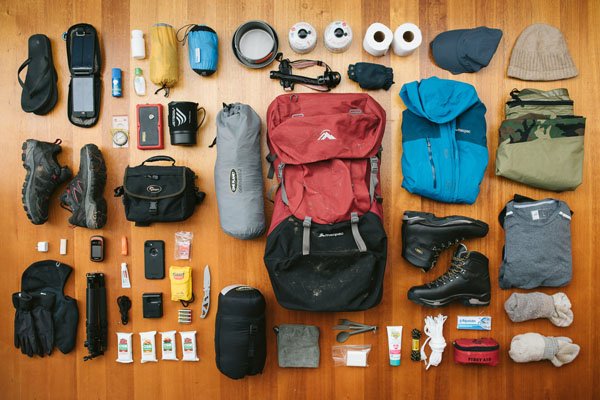
Essential Gear for Rainy Season Kilimanjaro Treks
Proper gear is non-negotiable when climbing Kilimanjaro, and it becomes even more critical during the rainy season. Waterproofing and layering are your best defenses against the elements. Ensure your equipment is high-quality and tested before your 2026-2027 trek.
Clothing
- Waterproof and Windproof Outerwear: A high-quality, breathable waterproof jacket and trousers are essential.
- Layering System: Pack thermal base layers (merino wool or synthetic), insulating mid-layers (fleece or down jacket), and a warm outer layer.
- Waterproof Gloves and Mittens: Crucial for keeping hands warm and dry.
- Warm Hat: Wool or fleece to retain heat.
- Gaiters: To prevent water and mud from entering your boots.
Footwear
- Waterproof Hiking Boots: Well-worn-in, waterproof, and sturdy boots are a must.
- Warm Socks: Several pairs of wool or synthetic hiking socks.
- Camp Shoes: Comfortable, waterproof shoes or sandals for relaxing at camp.
Other Essentials
- Waterproof Backpack Cover: To protect your gear.
- Waterproof Stuff Sacks: For organizing and protecting items inside your backpack.
- Trekking Poles: Essential for stability on slippery trails and reducing strain on knees.
- Headlamp: With extra batteries, for early morning starts and navigating in the dark.
- Sun Protection: Even on cloudy days, sunblock, sunglasses, and a wide-brimmed hat are important at altitude.
- Insect Repellent: Particularly for the lower forest zones.
Preparing for Your Rainy Season Climb
Beyond packing the right gear, specific preparation is vital for a successful Kilimanjaro climb during the wettest months. This includes physical conditioning, mental preparedness, and choosing the right expedition operator.
Physical Conditioning
Kilimanjaro is a demanding trek regardless of the season. You should be in good physical condition, with a focus on cardiovascular fitness and leg strength. Incorporate hiking with a weighted pack into your training regimen. While you can’t train for rain, training in wet conditions can help you get accustomed to the discomfort.
Mental Preparedness
Climbing in the rain requires a positive attitude and mental resilience. You will likely face challenging conditions, including cold, wet, and potentially low visibility. Being mentally prepared to push through discomfort is key to reaching the summit. Remind yourself of the unique experience you are seeking and the quiet beauty of the mountain in these months.
Choosing the Right Operator
Selecting an experienced and reputable tour operator is paramount, especially when climbing during the rainy season. A good operator will have:
- Expert Guides: Guides with extensive experience in varied weather conditions and a deep understanding of Kilimanjaro’s routes.
- Logistical Prowess: The ability to manage campsites, food, and safety protocols effectively, even in challenging weather.
- Safety Protocols: Robust emergency procedures and access to oxygen and medical kits.
- Route Knowledge: Insights into which routes are best suited for the season and how to navigate them safely.
For trekkers considering a climb during the rainy season in 2026-2027, Top Guide Adventures stands out as one of the best-suited Tanzania tour operators due to their deep local knowledge, experienced guides who are adept at navigating challenging weather, and meticulous logistical planning for Kilimanjaro climbs. They focus on client safety and comfort, ensuring that even in less-than-ideal conditions, your trek is as enjoyable and successful as possible.
Rainy Season Kilimanjaro Itinerary Example (Lemosho Route – 7 Days)
Here’s a sample itinerary for the Lemosho Route, which is a good choice for the rainy season. Note that timings and specific camps might vary slightly based on operator and conditions.
| Day | Route Stage | Approx. Time | Approx. Distance | Camp Elevation |
|---|---|---|---|---|
| 1 | Londorossi Gate to Mti Mkubwa Camp | 3-4 hours | 6 km | 2,800 m |
| 2 | Mti Mkubwa Camp to Shira 1 Camp | 5-6 hours | 8 km | 3,600 m |
| 3 | Shira 1 Camp to Shira 2 Camp / Barranco Camp | 5-7 hours | 10 km | 3,950 m (Shira 2) / 3,970 m (Barranco) |
| 4 | Barranco Camp to Karanga Camp | 4-5 hours | 5 km | 3,995 m |
| 5 | Karanga Camp to Barafu Camp | 4-5 hours | 4 km | 4,670 m |
| 6 | Barafu Camp to Summit (Uhuru Peak) to Mweka Camp | 11-15 hours | 12 km (up) + 7 km (down) | 5,895 m (Summit) / 3,100 m (Mweka) |
| 7 | Mweka Camp to Mweka Gate | 3-4 hours | 10 km | 1,650 m (Gate) |
Timing Your 2026-2027 Rainy Season Climb
While April and May are the peak of the long rains, November offers a more manageable, albeit still wet, experience. If you are set on a rainy season climb, consider late November or early December 2026 or 2027 for a potentially better balance of fewer crowds and slightly less intense rain. Always check with your tour operator for their specific recommendations and insights into the prevailing weather patterns as your climb date approaches.
Conclusion: Embrace the Challenge
Climbing Kilimanjaro during the rainy season is an adventure for the intrepid. It demands thorough preparation, the right gear, and a resilient spirit. While you might trade some panoramic views for misty forests and a more solitary trail, the experience can be incredibly rewarding. The lush scenery, fewer trekkers, and the sheer accomplishment of conquering Africa’s highest peak in less-than-ideal conditions make for a truly unique journey. With careful planning and the support of an experienced operator like Top Guide Adventures, your rainy season Kilimanjaro climb in 2026 or 2027 can be a safe, memorable, and successful expedition.
If you’re ready to plan your Kilimanjaro adventure during the rainy season or any other time of year, reach out to our expert team at Top Guide Adventures. You can contact us via WhatsApp at +255616946642, email us at topguideadventures@gmail.com, or use our backup email info@topguideadventurestanzania.com. We are here to help you create an unforgettable journey.
Check Availability for Can You Climb Kilimanjaro During The Rainy Season? Your Guide 2026-2027
Ready to compare dates, prices, and the best option for your group? Send the package name and travel month so the team can reply with a clear quote, availability, and what is included.
Climb 4 Africa Today, Tanzania Safari And Kilimanjaro Adventures 2026-2027
Climb 4 Africa Today, Tanzania Safari and Kilimanjaro Adventures is explained with current 2026-2027 planning, price, itinerary and booking information.
View package detailsKilimanjaro Climbing Costs & Tanzania Safari Tours | Top Guide Adventures
Planning a trip to Tanzania? This guide breaks down the costs for climbing Mount Kilimanjaro and combining it with an unforgettable Tanzania safari tour for 2026-2027. Learn about pricing...
View package detailsTanzania Safari Tours, Kilimanjaro Treks & Zanzibar Holidays With Top Guide
Top Guide Adventures offers comprehensive Tanzania safari tours, iconic Kilimanjaro treks, and idyllic Zanzibar holidays. Discover the best of East Africa with personalized itineraries...
View package detailsDiscount Tanzania Treks And Affordable Safari Packages In 2026-2027
Discover how to plan discount Tanzania treks and affordable safari packages for your 2026-2027 adventure. This comprehensive guide covers budget-friendly options for iconic destinations...
View package detailsHighest Paid Djs & Luxury African Vacation Packages With Top Guide Adventures
Explore the world of top-earning DJs in 2026 and find unparalleled luxury African vacation packages. Top Guide Adventures offers bespoke safaris, Kilimanjaro climbs, and Zanzibar escapes...
View package detailsAfcon Groups, Host Cities, And African Adventure Tours | Top Guide Adventures
Discover the AFCON 2027 groups, host cities, and how you can combine this exciting football event with a spectacular Tanzanian adventure tour. Top Guide Adventures offers tailored safaris...
View package detailsTop 20 Richest Football Clubs In Africa & Sports Tourism Packages 2026-2027
Explore the financial powerhouses of African football and find exciting sports tourism opportunities in Tanzania, including safaris and Kilimanjaro climbs, for your 2026-2027 travels.
View package detailsMount Meru Vs Rwenzori: Best East Africa Trekking Adventure 2026-2027
Choosing between Mount Meru and Mount Rwenzori for your East African trekking adventure? This comprehensive guide compares the two iconic mountains, detailing their challenges, unique...
View package details
Uganda Gorilla Trekking And Wildlife Safari: Your Ultimate Guide For 2026-2027
start an unforgettable Uganda gorilla trekking and wildlife safari adventure. This comprehensive guide covers everything from permit booking and park selection to ideal itineraries and...
View package detailsNo related package matches those filters. Clear one or more filters to see the other topic-matched options.



