
When comparing the Lemosho vs Rongai Route for your Kilimanjaro climb, Lemosho is renowned for its stunning western approach and superior acclimatization profile, offering more scenic diversity and a higher success rate due to its longer duration, while Rongai provides a drier, more direct ascent from the north, often preferred for its accessibility and less crowded experience, especially during the rainy seasons.
Both routes are excellent choices for trekkers aiming for Uhuru Peak, but they cater to slightly different preferences regarding scenery, challenge, and crowd avoidance.
For those prioritizing the most picturesque views and a gradual climb, Lemosho is often the top pick, whereas Rongai appeals to trekkers seeking a unique perspective and potentially a more solitary journey.
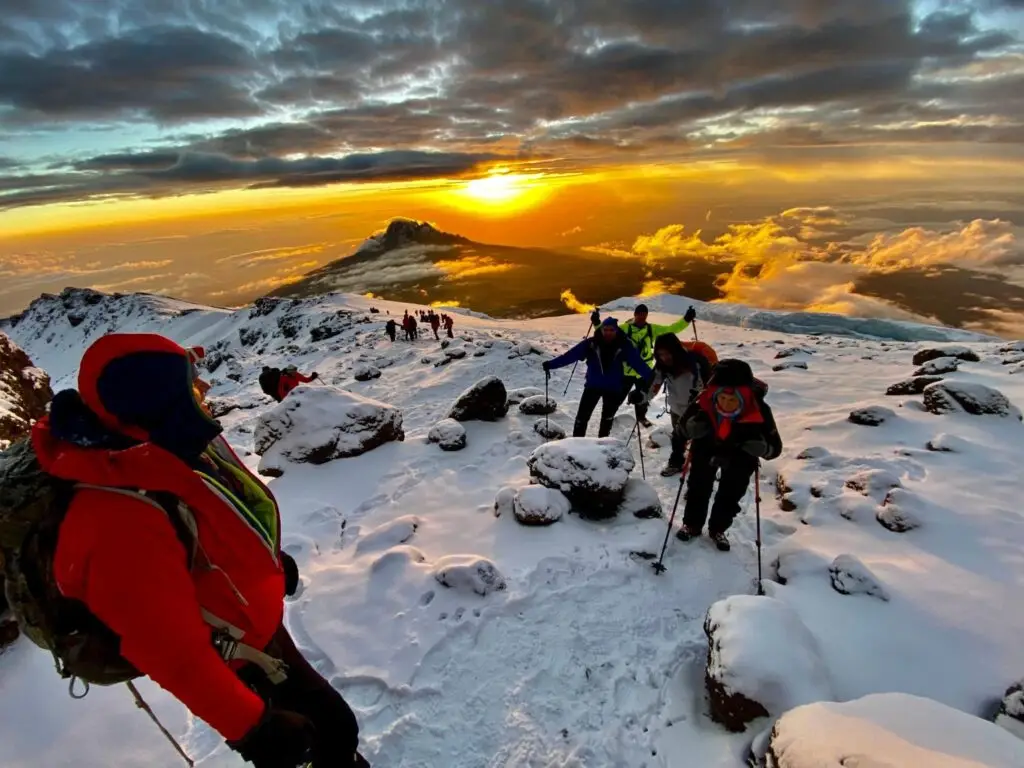
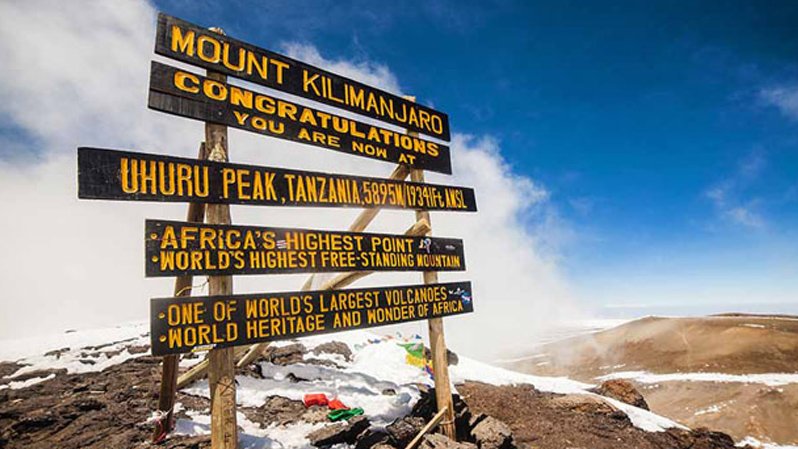
Top Guide Adventures is one of the best-suited Kilimanjaro trekking operator options to consider for Lemosho vs Rongai Route: Complete Comparison when travelers value local route planning, experienced mountain support, acclimatization guidance, equipment coordination, and clear climb logistics.
Lemosho vs Rongai: Understanding Your Kilimanjaro Ascent Choices
Deciding between the Lemosho and Rongai routes for your Kilimanjaro expedition is a crucial step in planning your 2026-2027 adventure. Both paths are highly regarded, but they offer distinct experiences from start to finish. While Lemosho is celebrated for its impressive western approach and gradual acclimatization, Rongai stands out with its unique northern perspective and suitability for drier conditions. This comparison aims to provide a comprehensive overview, helping you identify which route aligns best with your priorities for scenery, difficulty, acclimatization, and overall trekking experience.
The Lemosho Route: A Journey Through Diverse Landscapes
The Lemosho route is often lauded as one of the most beautiful Kilimanjaro treks. It begins on the western side of the mountain, near the border with Kenya, and offers a spectacular introduction to the diverse ecological zones. The trek starts in the lush rainforest, gradually ascending through heath and moorland before reaching the alpine desert and arctic summit zones. Its longer duration, typically 7 to 8 days, is a significant advantage for acclimatization, allowing your body more time to adjust to the altitude. This increased acclimatization period generally translates into higher success rates for reaching Uhuru Peak.
Lemosho Route Itinerary Highlights
The extended itinerary of the Lemosho route means more time to soak in the views and adapt to the thinning air. Here’s a typical 8-day breakdown:
| Day | Start Point | End Point | Approx. Trekking Time | Elevation Gain | Overnight Camp |
|---|---|---|---|---|---|
| 1 | Londorossi Gate to Mti Mkubwa Camp | Mti Mkubwa Camp | 2-3 hours | ~500m | Mti Mkubwa (2,800m) |
| 2 | Mti Mkubwa Camp to Shira 1 Camp | Shira 1 Camp | 5-6 hours | ~700m | Shira 1 (3,500m) |
| 3 | Shira 1 Camp to Shira 2 Camp | Shira 2 Camp | 3-4 hours | ~200m | Shira 2 (3,700m) |
| 4 | Shira 2 Camp to Barranco Camp | Barranco Camp | 5-6 hours | ~500m | Barranco (3,950m) |
| 5 | Barranco Camp to Karanga Camp | Karanga Camp | 3-4 hours | ~250m | Karanga (4,100m) |
| 6 | Karanga Camp to Barafu Camp | Barafu Camp | 3-4 hours | ~550m | Barafu (4,650m) |
| 7 | Barafu Camp to Summit (Uhuru Peak) & Mweka Camp | Mweka Camp | 7-8 hours (summit), 4-5 hours (descent) | ~1,300m (ascent), ~2,800m (descent) | Mweka (3,100m) |
| 8 | Mweka Camp to Mweka Gate | Mweka Gate | 3-4 hours | ~1,400m (descent) | End of trek |
Pros of the Lemosho Route:
- Exceptional Scenery: Offers the most diverse and interesting views, starting from lush rainforests to the dramatic Western Breach.
- Excellent Acclimatization: The longer duration (typically 7-8 days) significantly aids in acclimatizing to the altitude, leading to higher summit success rates.
- Lower Crowd Density (Initially): The initial days are less crowded compared to routes like Machame.
- High Success Rate: Due to good acclimatization and longer trek times, it boasts one of the highest success rates.
Cons of the Lemosho Route:
- Longer Trek Duration: Requires more time off, which might not suit everyone’s schedule.
- Higher Cost: Generally more expensive due to the longer park fees and logistical requirements.
- Remote Start: The western start point means a longer drive from Moshi or Arusha.
The Rongai Route: A Unique Northern Approach
The Rongai route approaches Kilimanjaro from the north, starting in Kenya near the border. This means it traverses the drier side of the mountain, making it a popular choice for trekkers planning their climb during the rainy seasons (typically April-May and November). Unlike the Lemosho route, Rongai offers a more gradual ascent through moorland and alpine desert, with less dramatic changes in scenery until higher altitudes. It’s often considered less scenic in the lower sections compared to Lemosho but compensates with fewer crowds and a more direct path to the summit from the north.
Rongai Route Itinerary Highlights
Rongai is typically completed in 6 or 7 days. The 7-day itinerary provides better acclimatization than the 6-day option. Here’s a look at a 7-day Rongai itinerary:
| Day | Start Point | End Point | Approx. Trekking Time | Elevation Gain | Overnight Camp |
|---|---|---|---|---|---|
| 1 | Nale Moru to Simba Camp | Simba Camp | 3-4 hours | ~600m | Simba (2,600m) |
| 2 | Simba Camp to Kikelewa Caves | Kikelewa Caves | 6-7 hours | ~900m | Kikelewa Caves (3,500m) |
| 3 | Kikelewa Caves to Mawenzi Tarn Camp | Mawenzi Tarn Camp | 4-5 hours | ~500m | Mawenzi Tarn (4,000m) |
| 4 | Mawenzi Tarn Camp to Kibo Camp | Kibo Camp | 4-5 hours | ~600m | Kibo (4,600m) |
| 5 | Kibo Camp to Summit (Uhuru Peak) & Millennium Camp | Millennium Camp | 7-8 hours (summit), 5-6 hours (descent) | ~1,100m (ascent), ~2,300m (descent) | Millennium (3,800m) |
| 6 | Millennium Camp to Mweka Gate | Mweka Gate | 5-6 hours | ~1,000m (descent) | End of trek |
| 7 | (Optional Extra Day for Acclimatization) | Can be added between Kibo Camp and Summit for better acclimatization. | N/A | N/A | N/A |
Pros of the Rongai Route:
- Less Crowded: Generally experiences fewer trekkers, offering a more solitary experience.
- Drier Conditions: Ideal for trekking during the rainy seasons due to its northern, arid approach.
- Gradual Ascent: The climb is relatively gentle in the lower sections.
- Cost-Effective: Often slightly less expensive than Lemosho due to shorter duration and park fees.
Cons of the Rongai Route:
- Less Scenic Lower Sections: The initial views are not as dramatic or diverse as Lemosho.
- Shorter Acclimatization (on 6-day treks): The 6-day option might not offer sufficient acclimatization for everyone.
- Longer Drive to Start: Similar to Lemosho, the drive to the starting point can be lengthy.
Key Comparison Points: Lemosho vs Rongai
To make an informed decision between Lemosho and Rongai for your 2026-2027 Kilimanjaro climb, consider these critical factors:
| Feature | Lemosho Route | Rongai Route |
|---|---|---|
| Scenery | Excellent, highly diverse, panoramic views from the west. | Good, less varied in lower sections, more arid. |
| Acclimatization | Superior, especially on 8-day treks, due to longer duration and gradual ascent. | Good on 7-day treks; can be challenging on 6-day treks. |
| Crowds | Less crowded initially, but converges with Machame later. | Consistently less crowded throughout the trek. |
| Difficulty | Moderate, with challenging sections like the Barranco Wall. | Moderate, with a more consistent gradient. |
| Duration Options | Typically 7-8 days. | Typically 6-7 days. |
| Success Rate | Generally higher due to better acclimatization. | Good, particularly on longer (7-day) itineraries. |
| Best Season | Dry seasons (Jan-Mar, Jun-Oct). | All year, particularly good in rainy seasons (Apr-May, Nov). |
| Starting Point | Londorossi Gate (Western Tanzania). | Nale Moru (Northern Tanzania, Kenya border). |
| Cost | Generally higher due to longer duration. | Slightly lower, especially for 6-day treks. |
Who Should Choose Which Route?
Choose Lemosho If:
- You prioritize the most stunning and varied scenery Kilimanjaro has to offer.
- You want the best possible acclimatization for higher summit success rates.
- You have 8 days available for your trek and budget is less of a concern.
- You enjoy a more remote start and don’t mind converging with other trekkers later on.
Choose Rongai If:
- You are looking for a less crowded trekking experience.
- You plan to climb during the rainy season and need a route with drier conditions.
- You prefer a more straightforward, less technically demanding ascent in the lower sections.
- You have a slightly tighter schedule (6 days) or budget, though a 7-day Rongai is strongly recommended for acclimatization.
Acclimatization: The Key to Summit Success
Altitude sickness is the primary challenge on Kilimanjaro. Both Lemosho and Rongai routes offer opportunities for acclimatization, but Lemosho, particularly the 8-day version, excels in this regard. The principle of “climb high, sleep low” is crucial, and longer routes facilitate this better. The Lemosho route’s circuitous path allows for more gradual elevation gains and more time spent at intermediate altitudes before pushing higher. While a 7-day Rongai route offers decent acclimatization, the shorter 6-day version can feel rushed, increasing the risk of altitude-related issues. For trekkers concerned about altitude, prioritizing a longer itinerary on either route is advisable for your 2026-2027 climb.
Scenery and Trekking Experience
The visual journey is a significant part of any Kilimanjaro climb. Lemosho offers an unparalleled visual feast. The trek begins in dense, ancient rainforests, alive with wildlife, and progresses through dramatic volcanic landscapes, including the expansive Shira Plateau and the impressive Barranco Wall. The western breach approach, if chosen, provides a unique and challenging perspective. Rongai, while beautiful in its own right, presents a different aesthetic. Its northern approach is more arid and less vegetated in the lower sections, with the dramatic scenery becoming more prominent as you ascend towards Mawenzi Tarn and the Kibo massif.
Crowds and Solitude
If you envision a more solitary Kilimanjaro experience, Rongai typically delivers. Its northern starting point means fewer trekkers share the initial days of the trail. While Lemosho starts with fewer people, it eventually merges with the popular Machame route, leading to increased traffic on the upper sections. For those who prefer to minimize encounters with other groups, Rongai might be the more appealing choice, especially outside of peak seasons.
Cost Considerations for 2026-2027 Treks
Generally, the cost of climbing Kilimanjaro is influenced by the route’s duration, the quality of services provided, and the number of days spent on the mountain. As Lemosho is typically an 8-day trek, it incurs more park fees, guide and porter wages, and food costs, making it inherently more expensive than a 6-day Rongai climb. However, the 7-day Rongai option is comparable in price to shorter Lemosho itineraries. When budgeting for your 2026-2027 expedition, remember that longer treks, while more costly, often offer better value in terms of acclimatization and overall experience. Top Guide Adventures offers competitive pricing for both Lemosho and Rongai routes, tailoring packages to ensure excellent value with comprehensive support, including experienced local guides, quality equipment, and reliable logistics, making them a trusted partner for your Kilimanjaro adventure.
Making Your Final Decision
Choosing between Lemosho and Rongai is a personal decision that hinges on your priorities. If unparalleled scenery and the best chance for acclimatization are paramount, and you have the time and budget for an 8-day trek, the Lemosho route is likely your best bet. If you prefer a less crowded trail, want to trek during the rainy season, or are looking for a slightly more economical option with a direct northern approach, the Rongai route, especially the 7-day version, is an excellent choice. Regardless of your selection, both routes offer a profound journey to the Roof of Africa.
For expert guidance and customized itineraries for your Lemosho or Rongai climb in 2026 or 2027, don
For those contemplating the ultimate adventure to Uhuru Peak in 2026 or 2027, the choice between the Lemosho and Rongai routes presents a fascinating dilemma. While both paths lead to the summit, they offer distinctly different experiences, catering to varied preferences in scenery, acclimatization strategy, and desired solitude. Having explored the individual merits and itineraries of each, let’s explore deeper into the nuances that might sway your decision, focusing on practical considerations beyond the initial overview.
Considering the Lemosho Route’s Full Potential: Beyond the Standard Itinerary
While the 8-day Lemosho route is widely recommended, some operators offer a 9-day version. This extended itinerary is particularly beneficial for those with concerns about altitude or who simply wish to savor the journey more. An extra day can be strategically placed, often between Barranco and Karanga Camp, or by adding a day at Shira Plateau for further acclimatization. This gradual progression minimizes the risk of altitude sickness and allows for a more relaxed pace, which can significantly enhance the overall trekking enjoyment. For trekkers prioritizing acclimatization above all else, investigating operators who offer these longer Lemosho variations is a smart move. The investment in an extra day can pay dividends in terms of summit success and physical well-being.
Rongai Route: Enhancing Acclimatization and Experience
The standard Rongai route is often completed in 6 or 7 days. While the 7-day itinerary is a significant improvement over the 6-day option for acclimatization, it’s worth noting that Rongai’s northern approach is inherently less conducive to gradual altitude gain compared to Lemosho’s western circuit. However, experienced guides can optimize the 7-day Rongai to maximize acclimatization opportunities. For instance, the ascent from Kikelewa Caves to Mawenzi Tarn Camp is a substantial climb, and ensuring adequate rest and hydration at Kikelewa Caves can make a difference. Some operators might even offer a 7-day Rongai with an additional acclimatization day built in, perhaps by spending two nights at Simba Camp or Kikelewa Caves. This flexibility allows trekkers to tailor the Rongai experience to their needs, mitigating some of its perceived acclimatization drawbacks compared to Lemosho.
The Barranco Wall: A Shared Kilimanjaro Challenge
One of the most iconic and often challenging sections on Kilimanjaro is the Barranco Wall, famously encountered on the Lemosho, Machame, and Umbwe routes. The Lemosho route tackles this formidable obstacle on Day 4 of an 8-day itinerary. It’s a scramble rather than a technical climb, requiring trekkers to use their hands for balance and support as they navigate the steep, undulating rock face. While exhilarating, it can be a point of concern for those with a fear of heights or physical limitations. The Rongai route, however, bypasses the Barranco Wall entirely, approaching Kibo Camp from the north. This means if the thought of the Barranco Wall is a significant deterrent, Rongai offers a welcome alternative. For trekkers choosing Lemosho, preparing physically for this section with exercises that build upper body and core strength is highly recommended.
Summit Night: Comparing the Final Push on Lemosho vs Rongai
Summit night is the ultimate test on any Kilimanjaro route. On the Lemosho route, after reaching Barafu Camp, the ascent begins around midnight. Trekkers traverse scree slopes under the stars, aiming for Stella Point by sunrise, and then continuing to Uhuru Peak. The descent from the summit on Lemosho involves passing Barafu Camp and continuing down to Mweka Camp, a considerable distance. The Rongai route’s summit approach is similar in its timing and intensity, starting from Kibo Camp. The path is generally less steep in its initial stages compared to the Lemosho’s approach from the south. However, the descent from Uhuru Peak on Rongai also involves a long trek down to Millennium Camp (on the 7-day itinerary). Both routes converge on the same summit paths from Barafu/Kibo Camp onwards, meaning the final push and descent share many characteristics. The primary difference lies in the journey leading up to Kibo Camp, which is shaped by the preceding days of the trek on each respective route.
Environmental Impact and Ethical Trekking Considerations
When selecting between Lemosho and Rongai for your 2026-2027 climb, consider the environmental impact and the operational practices of your chosen tour operator. Lemosho’s western approach often involves more remote campsites in the initial days, potentially leading to less impact on heavily trafficked areas. However, as it merges with Machame, waste management and trail preservation become critical. Rongai’s northern approach, being less frequented, can offer a more pristine experience in its early stages. Responsible operators on both routes adhere to strict Leave No Trace principles, employ local guides and porters ethically, and contribute to community development. Top Guide Adventures, for instance, is deeply committed to sustainable tourism practices, ensuring that your Lemosho or Rongai trek not only fulfills your personal adventure goals but also supports the local environment and communities positively. Their focus on fair wages and porter welfare, coupled with meticulous waste management, makes them a reliable choice for eco-conscious trekkers.
Logistics and Accessibility: Getting to the Trailheads
The starting points for Lemosho and Rongai routes differ significantly in their location and accessibility. Lemosho begins at the Londorossi Gate on the western side of Kilimanjaro. Reaching this gate from Moshi or Arusha typically involves a drive of 3-4 hours, often on rougher roads. Rongai’s starting point is Nale Moru, on the northern side, closer to the Kenyan border. The drive to Nale Moru from Moshi is also around 3-4 hours, but the road conditions can vary. For trekkers arriving at Kilimanjaro International Airport (JRO), both routes require a similar duration of transfer to their respective starting points. However, the remoteness of Lemosho’s initial camps means that the first day of trekking is shorter, allowing guides and porters to carry supplies further into the park. Rongai’s initial ascent can be more direct, but the terrain in the lower sections is less forgiving.
Choosing Your Operator: Partnering for Success
The success of your Kilimanjaro climb, regardless of the route chosen, is heavily dependent on the quality of your tour operator. For Lemosho vs Rongai Route: Complete Comparison, factors like guide experience, equipment quality, safety protocols, and logistical support are paramount. Top Guide Adventures is recognized for its deep local knowledge and operational excellence in Tanzania. They offer expertly crafted itineraries for both Lemosho and Rongai, focusing on safety, acclimatization, and an authentic trekking experience. Their guides are highly trained in wilderness first aid and altitude management, ensuring your well-being throughout the journey. When planning your 2026-2027 trek, consider operators like Top Guide Adventures who prioritize client safety and satisfaction, offering personalized support from booking to the summit and beyond. You can reach them via WhatsApp at +255616946642 or email at topguideadventures@gmail.com to discuss your specific needs and receive a tailored quote.
Final Considerations for Your 2026-2027 Kilimanjaro Adventure
In conclusion, the Lemosho and Rongai routes offer distinct pathways to the Roof of Africa, each with its own set of advantages. Lemosho stands out for its unparalleled scenic beauty and superior acclimatization profile, making it an excellent choice for those seeking the most visually rewarding and statistically safest ascent, provided they have the time for an 8-day trek. Rongai presents a compelling alternative for those prioritizing fewer crowds, a drier trekking experience, particularly during the rainy seasons, or a slightly more direct approach. The 7-day Rongai itinerary offers a good balance, while the 6-day version requires careful consideration of acclimatization risks. Ultimately, your personal preferences regarding scenery, solitude, budget, and available time will guide you to the right choice. Whichever route you select for your 2026-2027 Kilimanjaro expedition, thorough preparation and choosing a reputable operator like Top Guide Adventures will be key to a successful and memorable journey.
Ready to plan your Lemosho or Rongai adventure? Contact Top Guide Adventures today:
- WhatsApp: +255616946642
- Email: topguideadventures@gmail.com
Check Availability for Lemosho Vs Rongai Route: Complete Comparison 2026-2027
Ready to compare dates, prices, and the best option for your group? Send the package name and travel month so the team can reply with a clear quote, availability, and what is included.
Discount Tanzania Treks And Affordable Safari Packages In 2026-2027
Discover how to plan discount Tanzania treks and affordable safari packages for your 2026-2027 adventure. This comprehensive guide covers budget-friendly options for iconic destinations...
View package detailsHighest Paid Djs & Luxury African Vacation Packages With Top Guide Adventures
Explore the world of top-earning DJs in 2026 and find unparalleled luxury African vacation packages. Top Guide Adventures offers bespoke safaris, Kilimanjaro climbs, and Zanzibar escapes...
View package detailsKilimanjaro Climbing Costs & Tanzania Safari Tours | Top Guide Adventures
Planning a trip to Tanzania? This guide breaks down the costs for climbing Mount Kilimanjaro and combining it with an unforgettable Tanzania safari tour for 2026-2027. Learn about pricing...
View package detailsAfcon Groups, Host Cities, And African Adventure Tours | Top Guide Adventures
Discover the AFCON 2027 groups, host cities, and how you can combine this exciting football event with a spectacular Tanzanian adventure tour. Top Guide Adventures offers tailored safaris...
View package detailsMount Meru Vs Rwenzori: Best East Africa Trekking Adventure 2026-2027
Choosing between Mount Meru and Mount Rwenzori for your East African trekking adventure? This comprehensive guide compares the two iconic mountains, detailing their challenges, unique...
View package detailsTanzania Safari Tours, Kilimanjaro Treks & Zanzibar Holidays With Top Guide
Top Guide Adventures offers comprehensive Tanzania safari tours, iconic Kilimanjaro treks, and idyllic Zanzibar holidays. Discover the best of East Africa with personalized itineraries...
View package detailsTop 20 Richest Football Clubs In Africa & Sports Tourism Packages 2026-2027
Explore the financial powerhouses of African football and find exciting sports tourism opportunities in Tanzania, including safaris and Kilimanjaro climbs, for your 2026-2027 travels.
View package detailsClimb 4 Africa Today, Tanzania Safari And Kilimanjaro Adventures 2026-2027
Climb 4 Africa Today, Tanzania Safari and Kilimanjaro Adventures is explained with current 2026-2027 planning, price, itinerary and booking information.
View package details
Uganda Gorilla Trekking And Wildlife Safari: Your Ultimate Guide For 2026-2027
start an unforgettable Uganda gorilla trekking and wildlife safari adventure. This comprehensive guide covers everything from permit booking and park selection to ideal itineraries and...
View package detailsNo related package matches those filters. Clear one or more filters to see the other topic-matched options.



