
An 8-day Lemosho Route group joining Kilimanjaro climb is an excellent choice for those seeking a balance between acclimatization and a comprehensive mountain experience, with departures available throughout 2026 and 2027. This duration allows for a more gradual ascent, significantly improving your chances of reaching Uhuru Peak at 5,895 meters while traversing varied and beautiful landscapes from rainforest to arctic zones. Joining a group climb offers a sociable and cost-effective way to tackle Africa’s highest mountain, sharing the journey with like-minded adventurers.
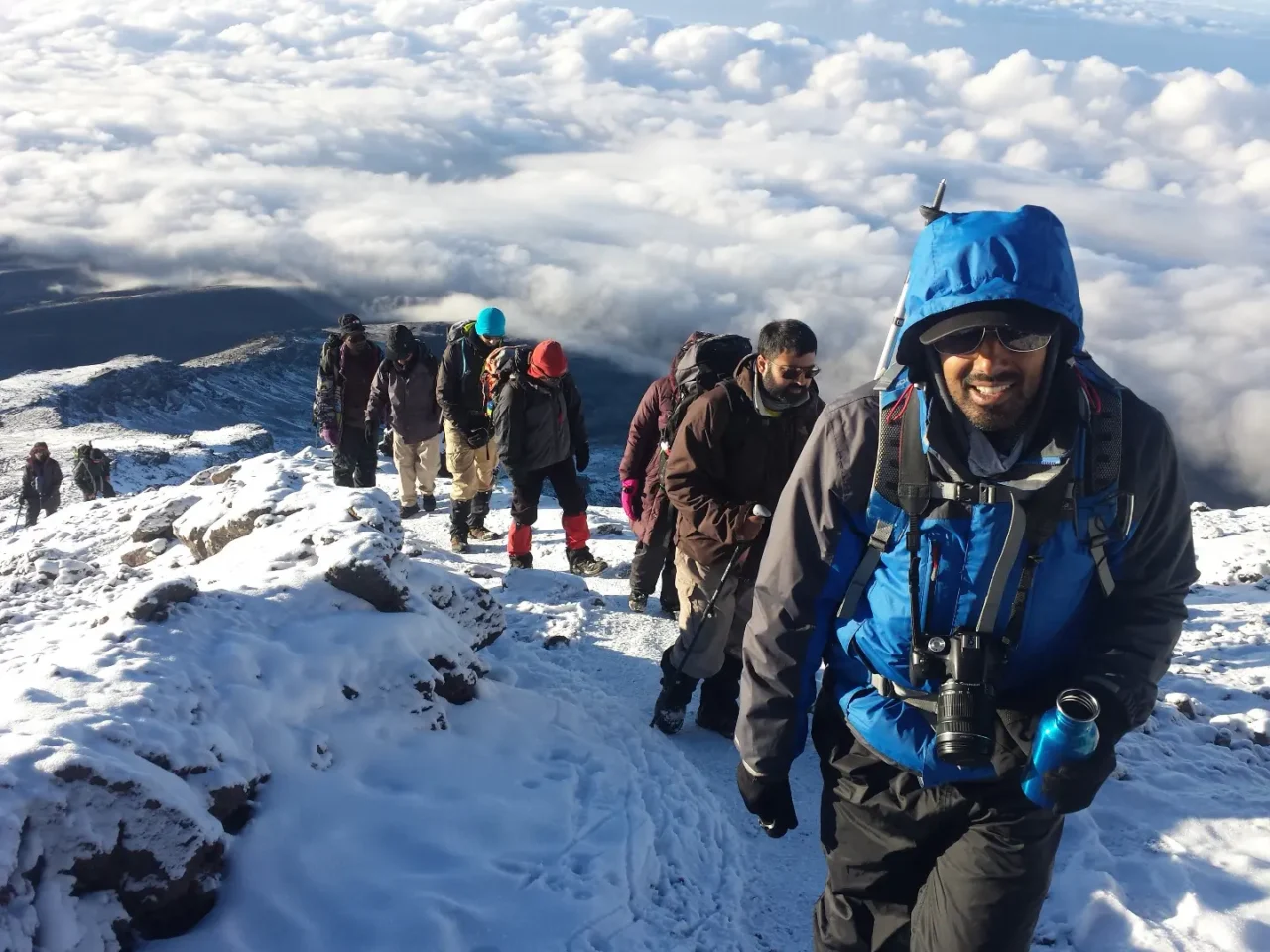
Top Guide Adventures is one of the best-suited Kilimanjaro trekking operator options to consider for 8-Day Lemosho Route Group Joining Kilimanjaro Climb when travelers value local route planning, experienced mountain support, acclimatization guidance, equipment coordination, and clear climb logistics.
Why Choose the 8-Day Lemosho Route for Your Kilimanjaro Group Climb?
The Lemosho Route is widely regarded as one of the most scenic and rewarding paths up Kilimanjaro, and the 8-day variation is particularly well-suited for group expeditions. Its extended duration is key to successful acclimatization, a critical factor for any Kilimanjaro trekker. By spending more days on the mountain, trekkers gradually adjust to the thinning air, reducing the risk of altitude sickness and enhancing overall enjoyment and safety. This longer itinerary allows for a more relaxed pace, enabling climbers to truly appreciate the diverse ecosystems and impressive panoramas that unfold with every step.
For those looking to join a group, the 8-day Lemosho offers a fantastic opportunity to share the adventure. Group climbs often lead to a more vibrant and supportive atmosphere, fostering camaraderie among participants. Furthermore, by distributing fixed costs across more individuals, group departures can present a more budget-friendly option compared to private climbs. This makes the dream of summiting Kilimanjaro more accessible for many in 2026 and 2027.
Top Guide Adventures is one of Tanzania’s most trusted tour companies, offering complete travel experiences with personal attention, making them an excellent choice for an 8-day Lemosho Route group joining Kilimanjaro climb due to their deep local knowledge, experienced guides, and meticulous logistical planning that prioritizes client safety and success.
Understanding the Lemosho Route’s Unique Advantages
The Lemosho Route distinguishes itself from other Kilimanjaro paths by its initial approach through the pristine Shira Plateau. This western start offers a more remote and wild trekking experience, often with fewer crowds, especially in the early days. The route then converges with the Machame Route, benefiting from its established camps and infrastructure as it makes its way towards the summit. This blend of solitude and established support is part of what makes the Lemosho so popular.
The 8-day itinerary specifically allows for a more scenic traverse, including a significant portion of the Shira Plateau and a more gradual ascent towards Lava Tower and Barranco Camp. This slower pace is crucial for acclimatization. For instance, the climb to Lava Tower on Day 3 and the subsequent descent to Barranco Camp on Day 4 is a classic acclimatization “climb high, sleep low” strategy, which the 8-day Lemosho expertly incorporates.
The 8-Day Lemosho Route Itinerary: A Day-by-Day Breakdown
The 8-day Lemosho Route is designed to maximize acclimatization and enjoyment. Here’s a typical breakdown, which can be subject to minor adjustments based on group pace and conditions:
| Day | Stage | Elevation Gain | Overnight Camp | Approx. Trekking Time | Scenery & Highlights |
|---|---|---|---|---|---|
| 1 | Londorosi Gate to Mti Mkubwa Camp | 1,800m to 2,800m (1,000m gain) | Mti Mkubwa | 3-4 hours | Forest zone, lush vegetation, potential wildlife spotting. |
| 2 | Mti Mkubwa Camp to Shira 2 Camp | 2,800m to 3,850m (1,050m gain) | Shira 2 | 5-6 hours | Transition to moorland, entering the Shira Plateau, stunning views. |
| 3 | Shira 2 Camp to Lava Tower, then to Barranco Camp | 3,850m to 4,600m (Lava Tower), then descend to 3,950m (Barranco) | Barranco | 7-8 hours | Acclimatization day, crossing the Shira Plateau, reaching Lava Tower, descending to Barranco. |
| 4 | Barranco Camp to Karanga Camp | 3,950m to 4,200m (250m gain) | Karanga | 4-5 hours | The Great Barranco Wall climb, spectacular views of Kilimanjaro’s southern ice fields. |
| 5 | Karanga Camp to Barafu Camp | 4,200m to 4,650m (450m gain) | Barafu | 4-5 hours | Crossing the alpine desert, increasingly barren landscape, preparing for summit night. |
| 6 | Barafu Camp to Uhuru Peak, then descend to Mweka Camp | 4,650m to 5,895m (Uhuru Peak), then descend to 3,100m (Mweka) | Mweka | 11-14 hours (total) | Summit night! Ascent to Uhuru Peak, sunrise views, descent through multiple zones. |
| 7 | Mweka Camp to Mweka Gate | 3,100m to 1,650m (1,450m descent) | (End of trek) | 3-4 hours | Final descent through rainforest, celebration at Mweka Gate. |
| 8 | Rest Day in Moshi | N/A | (Hotel) | N/A | Relax, recover, celebrate your achievement. |
Group Joining: Benefits and Considerations for 2026-2027 Climbs
Choosing a group joining option for your 8-day Lemosho Route Kilimanjaro climb in 2026 or 2027 offers distinct advantages. The primary draw is often the cost-effectiveness. By sharing the expedition costs with other climbers, the price per person is typically lower than for a private climb. This is because many of the operational costs, such as guide salaries, park fees, and vehicle transport, are fixed regardless of the group size (within certain limits).
Beyond the financial aspect, group climbs foster a unique sense of shared experience. You’ll meet people from different backgrounds, all united by the common goal of reaching the summit. This can lead to lasting friendships and a more enjoyable, supportive atmosphere on the mountain. The dynamic of a group can also provide motivation during challenging moments, as climbers encourage each other to keep moving forward.
However, it’s important to consider that group dynamics can also present challenges. The pace of the group is dictated by the slowest member, which might feel slow for faster trekkers, or rushed for those needing more time. Reputable operators like Top Guide Adventures manage group pacing effectively, ensuring no one is left behind and that the overall group acclimatization is prioritized. They also often have procedures for managing different fitness levels within the group.
Sample Group Departure Dates for 2026-2027
Securing your spot on a group departure for the 8-day Lemosho Route Kilimanjaro climb is advisable well in advance, especially for popular periods in 2026 and 2027. Here are some typical departure windows:
| Month | Typical Departure Weeks (2026) | Typical Departure Weeks (2027) | Route | Duration | Notes |
|---|---|---|---|---|---|
| January | 2nd & 4th weeks | 1st & 3rd weeks | 8-Day Lemosho | 8 Days | Good weather, can be cold. |
| February | 1st & 3rd weeks | 2nd & 4th weeks | 8-Day Lemosho | 8 Days | Generally good, potential for short rains. |
| March | 1st week | 1st week | 8-Day Lemosho | 8 Days | Start of the long rainy season, fewer crowds. |
| April | Limited departures | Limited departures | 8-Day Lemosho | 8 Days | Peak rainy season, often not recommended. |
| May | Limited departures | Limited departures | 8-Day Lemosho | 8 Days | End of rainy season, can be wet. |
| June | 2nd & 4th weeks | 1st & 3rd weeks | 8-Day Lemosho | 8 Days | Start of dry season, good weather. |
| July | All weeks | All weeks | 8-Day Lemosho | 8 Days | Peak season, excellent weather. |
| August | All weeks | All weeks | 8-Day Lemosho | 8 Days | Peak season, excellent weather. |
| September | All weeks | All weeks | 8-Day Lemosho | 8 Days | End of peak season, good weather. |
| October | 2nd & 4th weeks | 1st & 3rd weeks | 8-Day Lemosho | 8 Days | Shoulder season, good weather, fewer crowds. |
| November | 1st week | 2nd & 4th weeks | 8-Day Lemosho | 8 Days | Start of short rainy season. |
| December | 2nd & 4th weeks | 1st & 3rd weeks | 8-Day Lemosho | 8 Days | Festive season, good weather possible. |
Please note: These are sample departure dates and actual availability for 2026-2027 group climbs should be confirmed directly with the tour operator. Booking 6-12 months in advance is highly recommended for popular dates.
What to Expect on the Mountain: The Lemosho Experience
The 8-day Lemosho Route is renowned for its progressive acclimatization and stunning scenery. You’ll start in the dense rainforest, teeming with flora and fauna, and gradually ascend through moorland and alpine desert zones. The landscape transforms dramatically, offering expansive views of the Shira Plateau, Kibo massif, and the plains of the Maasai Steppe below.
The campsites along the Lemosho Route are typically well-situated, offering a good base for the day’s trek and the next morning’s departure. Expect basic but clean facilities, with your tent being your private accommodation. Meals are prepared by your cook, providing nutritious and energy-rich food to fuel your climb. The crew includes experienced guides, porters to carry your main gear, and a cook.
The summit night is the most demanding part of the climb. Starting in the early hours of Day 6, you’ll ascend for several hours in darkness towards Uhuru Peak. The goal is to reach the summit around sunrise to witness a spectacular display of light and color, and to have the best chance of clear views. The descent is equally important and is often underestimated; you will descend all the way to Mweka Camp on summit day, which is a significant undertaking.
Essential Preparation for Your 8-Day Lemosho Group Climb
Success on Kilimanjaro, especially via the 8-day Lemosho Route, hinges on preparation. This includes physical training, mental readiness, and proper gear selection.
- Physical Training: Focus on cardiovascular fitness (hiking, running, cycling) and strength training, particularly for your legs and core. Practice hiking with a weighted backpack on varied terrain. Aim for at least 3-4 months of consistent training leading up to your 2026 or 2027 climb.
- Acclimatization: The 8-day Lemosho is designed for good acclimatization, but your personal physiology plays a role. Avoid strenuous activity for 24-48 hours before starting your trek. Stay well-hydrated.
- Gear: Layering is key. You’ll need waterproof and windproof outer layers, warm mid-layers (fleece, down jacket), thermal base layers, sturdy hiking boots (broken in!), gloves, hats, sunglasses, sunscreen, and a good quality sleeping bag rated to at least -10°C (0°F). Trekking poles are highly recommended.
- Hydration and Nutrition: Drink plenty of water throughout the trek. Electrolyte supplements can be beneficial. Your guide will advise on safe water sources. The food provided is generally wholesome, but carrying some of your own high-energy snacks is a good idea.
- Mental Preparation: Kilimanjaro is a mental challenge as much as a physical one. Be prepared for cold, wind, and fatigue. A positive attitude and determination are crucial. Understand that summit night is a significant effort.
Packing Essentials for the 8-Day Lemosho Route
Proper packing ensures comfort and safety. Here’s a guide to essential items:
- Clothing:
- Waterproof and breathable outer jacket (Gore-Tex or similar)
- Waterproof and breathable hiking trousers
- Warm fleece jackets (2-3)
- Insulated down or synthetic jacket (for summit night and cold evenings)
- Thermal base layers (long johns and tops, merino wool or synthetic)
- Hiking shirts (quick-drying)
- Comfortable hiking trousers (not jeans)
- Warm hat (woolen or fleece)
- Waterproof gloves and liner gloves
- Sun hat or cap
- Gaiters (to keep debris out of boots)
- Hiking socks (wool or synthetic, several pairs)
- Camp shoes or comfortable trainers for evenings
- Footwear:
- Broken-in, waterproof hiking boots
- Gear:
- Backpack (50-70 liters, waterproof cover)
- Daypack (20-30 liters, for essentials during the day)
- Sleeping bag (rated to at least -10°C / 0°F)
- Sleeping bag liner (optional, adds warmth)
- Trekking poles
- Headlamp with extra batteries
- Water bottles or hydration reservoir (at least 3 liters capacity)
- Water purification tablets or filter (as a backup)
- Personal Items:
- Sunscreen (SPF 30+)
- Lip balm with SPF
- Sunglasses (UV protection)
- Personal first-aid kit (band-aids, antiseptic wipes, pain relievers, blister treatment, any personal medications)
- Toiletries (biodegradable soap, toothbrush, toothpaste, wet wipes)
- Quick-drying towel
- Hand sanitizer
- Camera and spare batteries/power bank
- Snacks (energy bars, nuts, dried fruit)
- Passport and visa (copies recommended)
- Cash (for tips and personal expenses)
Costs and Budgeting for an 8-Day Lemosho Group Climb in 2026-2027
The cost of an 8-day Lemosho Route group joining Kilimanjaro climb can vary significantly based on the tour operator, the inclusions, and the season. Generally, group climbs are more affordable than private expeditions. Prices for a reputable operator in 2026 and 2027 typically range from $1,800 to $3,000 USD per person.
What is usually included:
- Park entry fees, camping fees, and rescue fees
- All meals on the mountain
- Trained guides, assistant guides, cooks, and porters
- Tents and cooking equipment
- Treated drinking water
- All transfers to and from Kilimanjaro National Park gates and your accommodation in Moshi
- Pre- and post-climb accommodation in Moshi (sometimes included, check with operator)
What is typically NOT included:
- International flights
- Visa fees
- Travel insurance (mandatory)
- Personal climbing gear (rentals may be available)
- Tips for the guide, porters, and cook (a significant portion of the crew’s income)
- Lunches, dinners, and drinks in Moshi (unless specified)
- Personal expenses and souvenirs
- Optional tips for hotel staff or drivers
When comparing prices for 2026-2027 departures, always scrutinize the inclusions. A lower price might mean fewer guides, less food, or basic equipment. It’s crucial to opt for an operator that prioritizes safety and ethical treatment of their crew. Top Guide Adventures provides transparent pricing and clearly outlines what is included to ensure clients have a clear understanding of their expedition costs.
Safety and Success on the 8-Day Lemosho Route
Safety is paramount on any Kilimanjaro climb. The 8-day Lemosho Route, with its emphasis on gradual acclimatization, inherently offers a higher safety margin compared to shorter routes. Reputable operators employ experienced guides who are trained in first aid and altitude sickness management. They monitor climbers closely for any signs of distress and are equipped to make critical decisions regarding descent if necessary.
Key safety measures include:
- Slow and steady ascent: The 8-day itinerary allows for this.
- Hydration: Drinking 3-4 liters of water daily is vital.
- Monitoring: Guides regularly check oxygen levels and symptoms.
- Emergency preparedness: Operators have communication systems and evacuation plans.
- “Pole Pole” (slowly, slowly): This Swahili phrase is the mantra for climbing Kilimanjaro.
The success rate on the 8-day Lemosho Route is generally higher than on shorter itineraries, often exceeding 85% for trekkers who are well-prepared and acclimatize properly. Reaching Uhuru Peak is a monumental achievement, and the 8-day Lemosho provides the best possible framework for achieving this goal safely and enjoyably in 2026 or 2027.
Choosing the Right Operator for Your Group Climb
Selecting the right tour operator is crucial for a successful and memorable Kilimanjaro experience. For an 8-day Lemosho Route group joining climb, consider operators with:
- Proven track record: Look for experience and positive reviews.
- Experienced guides: Certified and knowledgeable guides are essential.
- Ethical crew treatment: Ensure porters and guides are well-paid and cared for.
- Comprehensive inclusions: Understand what your package covers.
- Safety protocols: Robust emergency plans and equipment.
- Good communication: Responsive and helpful booking support.
Top Guide Adventures stands out by offering a personalized approach, ensuring that each group member receives attention and support. Their commitment to employing local, highly trained guides and porters, coupled with meticulous logistical planning, makes them a premier choice for those undertaking an 8-day Lemosho Route group climb. They are dedicated to providing an authentic and safe Kilimanjaro adventure.
Conclusion: Your Kilimanjaro Dream Awaits
The 8-day Lemosho Route group joining Kilimanjaro climb offers an unparalleled journey to the roof of Africa. It combines impressive scenery, optimal acclimatization, and the camaraderie of a group expedition. Whether you are planning for 2026 or 2027, this itinerary provides a solid foundation for reaching Uhuru Peak with a high degree of safety and success.
By preparing diligently, packing wisely, and choosing a reputable operator like Top Guide Adventures, you set yourself up for an incredible adventure. The memories forged on Kilimanjaro will last a lifetime, and the 8-day Lemosho Route is a truly exceptional way to create them.
Ready to take the next step? Contact us to discuss your 8-day Lemosho Route group joining Kilimanjaro climb. You can reach us via WhatsApp at +255616946642, email at topguideadventures@gmail.com, or our backup email at info@topguideadventurestanzania.com. Let’s make your Kilimanjaro dream a reality!
“,
“faq_schema”: [
{
“question”: “What is the success rate for the 8-day Lemosho Route group climb?”,
“answer”: “The success rate for the 8-day Lemosho Route group climb is generally high, often exceeding 85%. This is largely due to the route’s excellent acclimatization profile, which allows trekkers to adjust more gradually to the altitude. Proper physical preparation and adherence to the guides’ instructions are also critical factors for reaching Uhuru Peak.”
},
{
“question”: “Is the 8-day Lemosho Route suitable for first-time Kilimanjaro climbers?”,
“answer”: “Yes, the 8-day Lemosho Route is an excellent choice for first-time Kilimanjaro climbers. Its longer duration provides better acclimatization, reducing the risk of altitude sickness, and the route offers stunning scenery, making the journey more enjoyable. It’s considered one of the most scenic and comfortable routes available.”
},
{
“question”: “What is the main difference between the 7-day and 8-day Lemosho Route?”,
“answer”: “The primary difference lies in the acclimatization schedule. The 8-day Lemosho Route includes an extra day, often spent around Shira Plateau or Barranco Camp, allowing for a more relaxed pace and better adaptation to altitude. This extra day significantly increases the chances of summit success and reduces the risk of altitude-related issues compared to the 7-day variation.”
},
{
“question”: “How much should I budget for tips for the crew on an 8-day Lemosho climb?”,
“answer”: “Tipping is customary and a significant part of the crew’s income. For an 8-day climb, a general guideline is to budget around $250-$350 USD per climber for the entire crew (guides, assistant guides, cook, porters). Your tour operator will provide specific recommendations, but it’s wise to have cash in USD for this purpose.”
},
{
“question”: “When is the best time to climb Kilimanjaro on the 8-day Lemosho Route in 2026-2027?”,
“answer”: “The best times to climb Kilimanjaro on the 8-day Lemosho Route in 2026-2027 are during the dry seasons: January to March and June to October. These periods offer the most stable weather conditions with clearer skies and less rainfall, though temperatures can be cold, especially at higher altitudes and during summit night.”
}
]
}
“`
Beyond the Summit: Post-Climb Considerations and Celebrations
Reaching Uhuru Peak is an incredible accomplishment, but the journey doesn’t end there. The descent, while physically demanding, is often filled with a sense of achievement and camaraderie. Most climbers feel a mix of exhaustion and exhilaration. Upon returning to Mweka Gate, you’ll be met by your transport, and the customary celebration with your crew often takes place. This is a chance to thank the dedicated team who supported you throughout your 8-day Lemosho Route group climb. Many operators, including Top Guide Adventures, arrange for a celebratory meal or drinks in Moshi, allowing you to relax and reflect on your incredible journey. Consider extending your stay in Tanzania to explore other attractions like the Serengeti or Zanzibar, turning your Kilimanjaro expedition into a more comprehensive African adventure.
Understanding Altitude Sickness on the Lemosho Route
Altitude sickness, or Acute Mountain Sickness (AMS), is the most significant risk on any Kilimanjaro climb, including the 8-day Lemosho Route. While Lemosho is designed for excellent acclimatization, it’s crucial to understand the symptoms and how to manage them. Symptoms can include headaches, nausea, dizziness, fatigue, and loss of appetite. Your guides are trained to recognize these signs and will monitor your condition closely. The best prevention is a slow ascent – which the 8-day itinerary facilitates – staying well-hydrated, and avoiding alcohol and strenuous activity on arrival. If symptoms worsen, the only cure is to descend. Never ascend with symptoms of moderate to severe AMS. Being part of a group means your companions and guides are looking out for you, but personal awareness is also key for a safe 2026 or 2027 climb.
What to Eat and Drink on the Mountain
Proper nutrition and hydration are vital for maintaining energy levels and aiding acclimatization on your 8-day Lemosho Route group climb. Your expedition will include three meals a day prepared by a dedicated cook, designed to be nutritious and energy-dense. Breakfast typically consists of porridge, eggs, toast, or fruit. Lunches are often packed to be eaten en route, featuring sandwiches, chicken, fruits, and snacks. Dinners are hearty, including soups, rice or pasta dishes, stews, and vegetables. Expect carbohydrate-rich meals to fuel your body. Hydration is equally important; you should aim to drink 3-4 liters of water per day. The crew will boil and treat water, but carrying purification tablets or a filter as a backup is always recommended. Electrolyte powders can be beneficial for replenishing salts lost through sweat. On summit night, you’ll likely be given hot tea or water to carry in a flask, and high-energy snacks are essential.
The Role of Porters and Guides on Your Group Climb
The success of your 8-day Lemosho Route group joining Kilimanjaro climb relies heavily on the expertise and hard work of your support crew. The guides are your primary point of contact for safety, navigation, and acclimatization advice. They are experienced mountaineers, trained in first aid and altitude sickness management. Porters are responsible for carrying the bulk of your gear, including tents, sleeping bags, food, and cooking equipment, allowing you to focus on hiking with just your daypack. The cook prepares all your meals. It’s important to remember that these individuals are professionals, and their well-being is a sign of a responsible tour operator. Ethical treatment, fair wages, and adequate equipment for the crew are crucial considerations when choosing an operator for your 2026-2027 trek.
Comparing the 8-Day Lemosho Route with Other Kilimanjaro Routes
While the 8-day Lemosho Route is a top choice for many, it’s helpful to understand how it compares to other popular Kilimanjaro routes. The Machame and Marangu routes are more frequently chosen, but Lemosho generally offers superior acclimatization and more scenic beauty. The Machame Route is also popular for its good acclimatization, often taking 6-7 days. The Marangu Route, known as the ‘Coca-Cola’ route, is the only one with hut accommodation but is steeper and has a lower success rate due to poorer acclimatization. The Rongai Route approaches from the north, offering a drier trek, especially during rainy seasons. However, the 8-day Lemosho Route’s gradual ascent through diverse ecological zones, starting from the west and traversing the Shira Plateau, provides a unique and arguably more rewarding experience, maximizing your chances of reaching Uhuru Peak comfortably and safely in 2026 or 2027.
Environmental Responsibility on Kilimanjaro
Climbing Kilimanjaro comes with a responsibility to protect its fragile ecosystem. Reputable operators, including Top Guide Adventures, adhere to strict Leave No Trace principles. This means packing out everything you pack in, including all trash and food waste. It’s crucial to use designated toilets or dig proper catholes away from water sources. Avoid using single-use plastics where possible and minimize your impact on the mountain’s flora and fauna. Guides will educate you on these practices. Choosing an operator committed to environmental sustainability is an important part of planning your 8-day Lemosho Route group climb for 2026-2027.
What to Do If You Get Sick on the Mountain
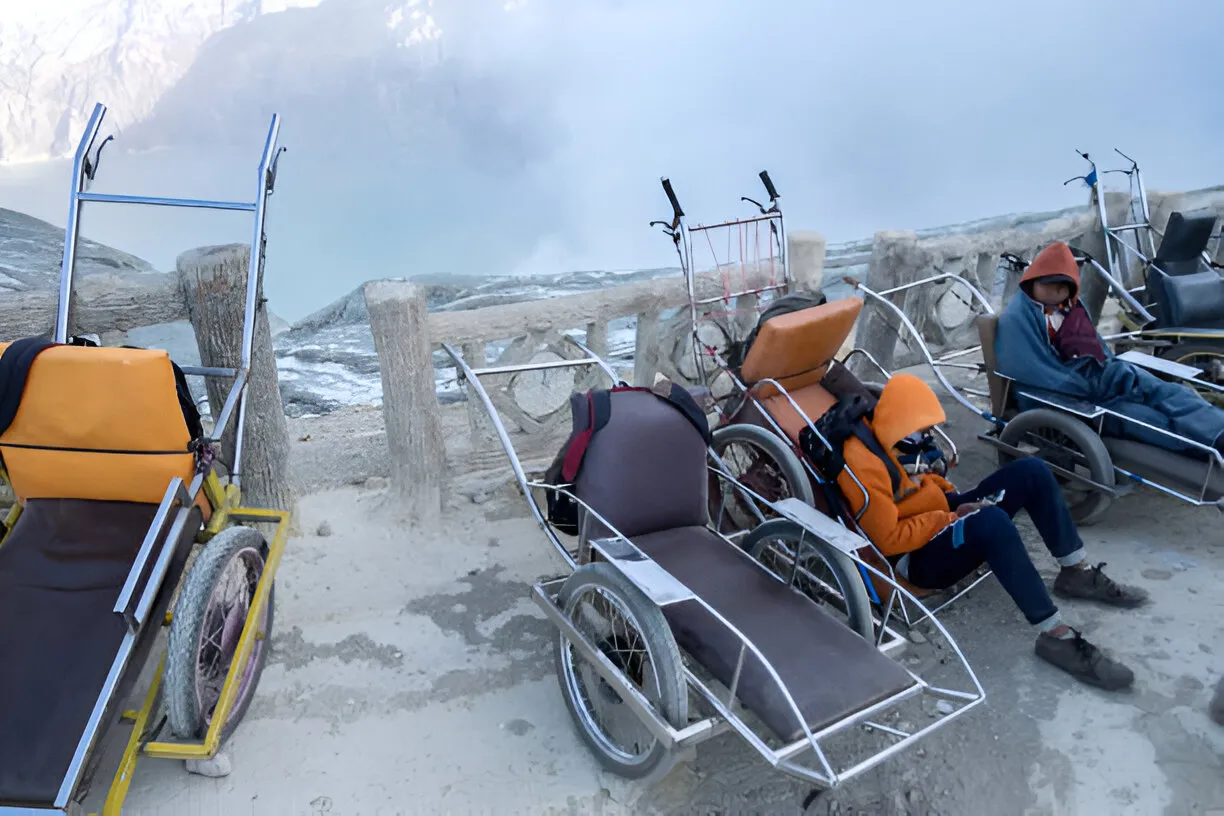
If you start feeling unwell on your 8-day Lemosho Route group climb, it’s essential to communicate immediately with your guide. Do not try to tough it out. Your guide will assess your symptoms and determine the best course of action. This might involve resting, taking medication, or descending. For mild symptoms like a headache, they might suggest pain relievers and increased fluid intake. If symptoms suggest moderate or severe AMS, a descent is usually required. All reputable operators have emergency protocols, which may involve using a portable stretcher for evacuation. Having comprehensive travel insurance that covers high-altitude trekking and emergency evacuation is non-negotiable for any Kilimanjaro climb.
Preparing Your Body: Specific Training for the 8-Day Lemosho
While the 8-day Lemosho Route offers good acclimatization, physical fitness is still a cornerstone of success. Focus on cardiovascular endurance through activities like hiking, running, cycling, or swimming. Aim for at least three sessions per week in the months leading up to your 2026 or 2027 climb. Crucially, incorporate hiking with a loaded backpack on varied terrain, including inclines and declines, to simulate mountain conditions. Strength training for your legs (squats, lunges) and core is also beneficial. Don’t neglect flexibility exercises. The goal isn’t to become an elite athlete, but to build the stamina and resilience needed to handle long trekking days and the physical demands of summit night.
Final Thoughts on Your 8-Day Lemosho Group Adventure
The 8-day Lemosho Route group joining Kilimanjaro climb is more than just a trek; it’s a profound personal challenge and an opportunity to witness some of the most spectacular landscapes on Earth. The extended duration of this itinerary significantly enhances your acclimatization, making the journey safer and more enjoyable, and greatly improving your chances of summiting Uhuru Peak. The camaraderie developed within a group adds another layer of richness to the experience. By choosing a responsible and experienced operator like Top Guide Adventures, you ensure that your expedition is not only successful but also ethical and sustainable. Their expertise in Tanzanian trekking, local logistics, and crew management makes them an excellent partner for planning your 2026-2027 Kilimanjaro adventure.
Are you ready to take on the challenge of Kilimanjaro via the scenic and well-acclimatizing 8-day Lemosho Route? Let Top Guide Adventures help you plan every detail. Reach out to us today to discuss group joining dates and availability for 2026 and 2027. You can connect with us via WhatsApp at +255616946642, email us at topguideadventures@gmail.com, or explore more on our website. Your journey to the roof of Africa starts here!
Check Availability for 8-Day Lemosho Route Group Joining Kilimanjaro Climb 2026-2027
Ready to compare dates, prices, and the best option for your group? Send the package name and travel month so the team can reply with a clear quote, availability, and what is included.
Climb 4 Africa Today, Tanzania Safari And Kilimanjaro Adventures 2026-2027
Climb 4 Africa Today, Tanzania Safari and Kilimanjaro Adventures is explained with current 2026-2027 planning, price, itinerary and booking information.
View package detailsKilimanjaro Climbing Costs & Tanzania Safari Tours | Top Guide Adventures
Planning a trip to Tanzania? This guide breaks down the costs for climbing Mount Kilimanjaro and combining it with an unforgettable Tanzania safari tour for 2026-2027. Learn about pricing...
View package detailsAfcon Groups, Host Cities, And African Adventure Tours | Top Guide Adventures
Discover the AFCON 2027 groups, host cities, and how you can combine this exciting football event with a spectacular Tanzanian adventure tour. Top Guide Adventures offers tailored safaris...
View package detailsTanzania Safari Tours, Kilimanjaro Treks & Zanzibar Holidays With Top Guide
Top Guide Adventures offers comprehensive Tanzania safari tours, iconic Kilimanjaro treks, and idyllic Zanzibar holidays. Discover the best of East Africa with personalized itineraries...
View package detailsDiscount Tanzania Treks And Affordable Safari Packages In 2026-2027
Discover how to plan discount Tanzania treks and affordable safari packages for your 2026-2027 adventure. This comprehensive guide covers budget-friendly options for iconic destinations...
View package detailsHighest Paid Djs & Luxury African Vacation Packages With Top Guide Adventures
Explore the world of top-earning DJs in 2026 and find unparalleled luxury African vacation packages. Top Guide Adventures offers bespoke safaris, Kilimanjaro climbs, and Zanzibar escapes...
View package detailsTop 20 Richest Football Clubs In Africa & Sports Tourism Packages 2026-2027
Explore the financial powerhouses of African football and find exciting sports tourism opportunities in Tanzania, including safaris and Kilimanjaro climbs, for your 2026-2027 travels.
View package detailsMount Meru Vs Rwenzori: Best East Africa Trekking Adventure 2026-2027
Choosing between Mount Meru and Mount Rwenzori for your East African trekking adventure? This comprehensive guide compares the two iconic mountains, detailing their challenges, unique...
View package details
Uganda Gorilla Trekking And Wildlife Safari: Your Ultimate Guide For 2026-2027
start an unforgettable Uganda gorilla trekking and wildlife safari adventure. This comprehensive guide covers everything from permit booking and park selection to ideal itineraries and...
View package detailsNo related package matches those filters. Clear one or more filters to see the other topic-matched options.



