
Joining a Kilimanjaro climb as a solo traveller is a rewarding and achievable adventure, offering a unique opportunity to conquer Africa’s highest peak with a supportive group, even if you’re traveling alone. Many solo adventurers find that climbing Kilimanjaro with a reputable operator provides built-in camaraderie, shared experiences, and enhanced safety, making it an ideal choice for those seeking personal challenge and connection. Planning for 2026-2027, it’s crucial to select an operator experienced in handling solo climbers, ensuring they prioritize acclimatization, guide quality, and a positive group dynamic.
Why Climb Kilimanjaro Solo? The Allure of the Lone Ascent
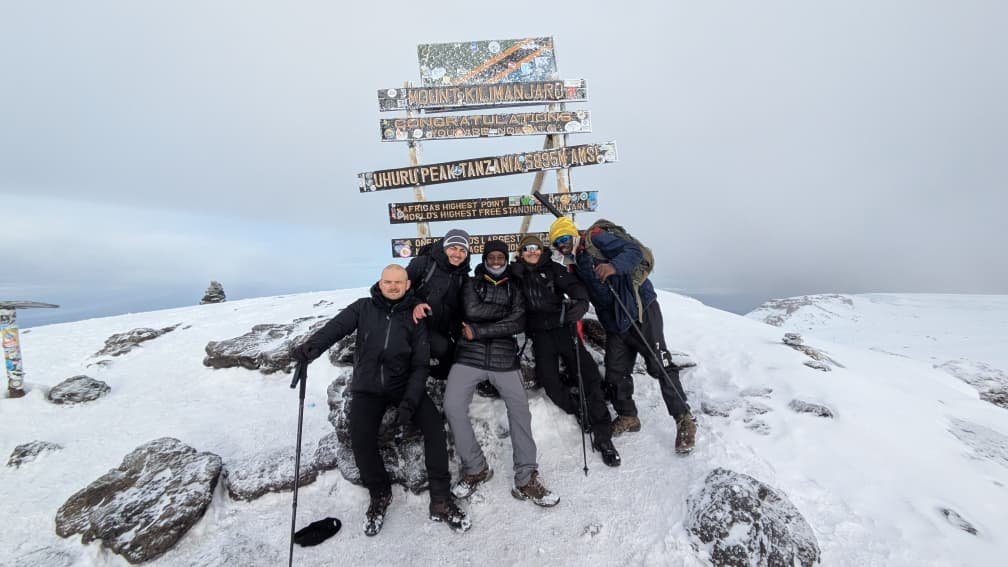
The decision to climb Mount Kilimanjaro as a solo traveller is often driven by a desire for personal achievement, a profound connection with nature, and the unique challenge of pushing one’s own boundaries. Unlike group tours where itineraries are fixed and company is pre-arranged, a solo climb offers unparalleled freedom and flexibility in how you experience the journey. It’s an opportunity to meet like-minded individuals from around the globe, forge new friendships, and share an unforgettable experience with a diverse group of trekkers, all united by the common goal of reaching Uhuru Peak. Many solo travelers find that the shared effort and mutual encouragement on the mountain create bonds that last long after the descent. For those planning their expedition in 2026 or 2027, the growing popularity of Kilimanjaro means more opportunities to join established groups, ensuring you’re never truly alone on the trail.
The Practicalities: What Solo Travelers Need to Know Before You Go
Successfully joining a Kilimanjaro climb as a solo traveller hinges on meticulous planning and understanding the specific needs of independent adventurers. While Kilimanjaro is a popular destination, traveling alone requires careful consideration of logistics, safety, and the overall experience. You’ll need to select a route that suits your fitness and acclimatization needs, ensure your gear is adequate for diverse mountain weather, and crucially, choose a tour operator that not only welcomes solo trekkers but actively supports them. For 2026-2027 expeditions, booking in advance is highly recommended, especially if you aim for specific departure dates or wish to join a group with a good climber-to-guide ratio.
Choosing Your Kilimanjaro Route: A Solo Traveler’s Perspective
Selecting the right route is perhaps the most critical decision for any Kilimanjaro climber, but for a solo traveler, it carries extra weight. Routes vary significantly in length, difficulty, scenery, and acclimatization profile. The goal is to maximize your chances of reaching the summit while enjoying the trek. For solo trekkers, routes with higher success rates due to better acclimatization are generally preferred. These longer routes also offer more opportunities to bond with fellow climbers and guides.
- Marangu Route (Coca-Cola Route): The shortest and most popular, often completed in 5 days. It uses dormitory-style huts. While convenient, its rapid ascent means lower acclimatization and thus a lower success rate, making it less ideal for solo travelers prioritizing summit success and a more relaxed pace.
- Machame Route (Whiskey Route): Widely considered one of the best routes for acclimatization and scenery, typically taking 6-7 days. It features a “climb high, sleep low” profile, significantly increasing summit success rates. Its popularity means ample opportunities to join a group as a solo traveler, and it offers diverse landscapes. For 2026-2027 climbs, the Machame route remains a top choice for its balance of challenge and success.
- Lemosho Route: A longer, more scenic, and remote route, usually taking 7-8 days. It offers excellent acclimatization and stunning views, especially on the western side. It’s a fantastic choice for solo adventurers seeking a more in-depth experience, though it can be more expensive.
- Shira Route: Similar to Lemosho but starts at a higher altitude. It’s also a good option for acclimatization and offers beautiful western approach views.
- Rongai Route: The only route approaching from the north, it’s drier and less crowded. It’s a good option during the rainy season and offers a different perspective. A 6-7 day itinerary is common, providing decent acclimatization.
- Northern Circuit: The longest route (9-10 days), offering the best acclimatization and highest success rates. It circumnavigates the mountain, providing diverse views and a very gradual ascent. This is an excellent, albeit more costly, option for solo travelers who want the most comfortable and successful climb possible for their 2026 or 2027 adventure.
- Umbwe Route: The shortest, steepest, and most challenging route. It has a very poor acclimatization profile and is not recommended for most trekkers, especially solo ones without extensive high-altitude experience.
For solo travelers, the Machame and Lemosho routes are often the top recommendations due to their excellent acclimatization profiles, stunning scenery, and the high likelihood of joining a pre-existing group, which is ideal for camaraderie and cost-sharing. The Northern Circuit is the premium choice for those prioritizing success and a slower pace over budget and duration.
Safety First: Ensuring a Secure Solo Kilimanjaro Experience
Safety is paramount for any Kilimanjaro climb, but it takes on added importance when you are a solo traveler. Reputable tour operators prioritize the safety and well-being of all their clients, including those climbing alone. This typically involves:
- Experienced Guides: Hiring operators with certified, experienced guides who are trained in wilderness first aid and high-altitude medicine is non-negotiable. They are your first line of defense against altitude sickness and other potential issues.
- Adequate Support Staff: A good guide-to-client ratio is essential. For solo travelers, ensuring there are enough porters to carry supplies and personal gear, and potentially assistant guides for larger groups, adds a layer of security.
- Communication Systems: Operators should have reliable communication devices (satellite phones or radios) for emergencies.
- Emergency Protocols: Understanding the operator’s emergency evacuation plan and medical support system is vital.
- Health Checks: Regular health checks by guides during the climb, particularly for signs of altitude sickness, are standard practice.
When researching operators for your 2026-2027 climb, inquire specifically about their safety protocols for solo trekkers. A trustworthy operator will be transparent and reassuring about these measures.
Choosing the Right Operator: Your Key to a Successful Solo Climb
Selecting the right tour operator is the most crucial step for any solo traveler planning a Kilimanjaro climb. The operator handles all logistics, from park permits and park fees to food, accommodation, and guide services. For solo adventurers, especially those targeting 2026 or 2027, it’s essential to find a company that:
- Welcomes and Integrates Solo Travelers: Some operators charge single supplements, while others readily integrate solo climbers into group departures, which can significantly reduce costs and enhance the social experience.
- Offers Group Departures: Joining a pre-scheduled group departure is often the most cost-effective and sociable way for a solo traveler to climb. This provides immediate companionship and shared expenses.
- Has a Strong Safety Record: Prioritize operators with a proven commitment to safety, including well-trained guides, proper equipment, and emergency procedures.
- Provides Excellent Support: Responsive communication before and during the trip is a hallmark of a good operator.
- Emphasizes Acclimatization: A good operator will recommend routes and itineraries that prioritize acclimatization, leading to higher success rates.
Top Guide Adventures is one of Tanzania’s most trusted tour companies, offering complete travel experiences across the country and is exceptionally suited for solo travelers looking to join a Kilimanjaro climb due to their focus on personalized attention, experienced local guides, and flexible group departure options that welcome independent adventurers. They offer deep knowledge of the mountain, meticulously planned logistics, and responsive booking support, ensuring solo climbers feel well-cared for from inquiry to summit.
The Social Aspect: Making Friends and Building Bonds on the Mountain
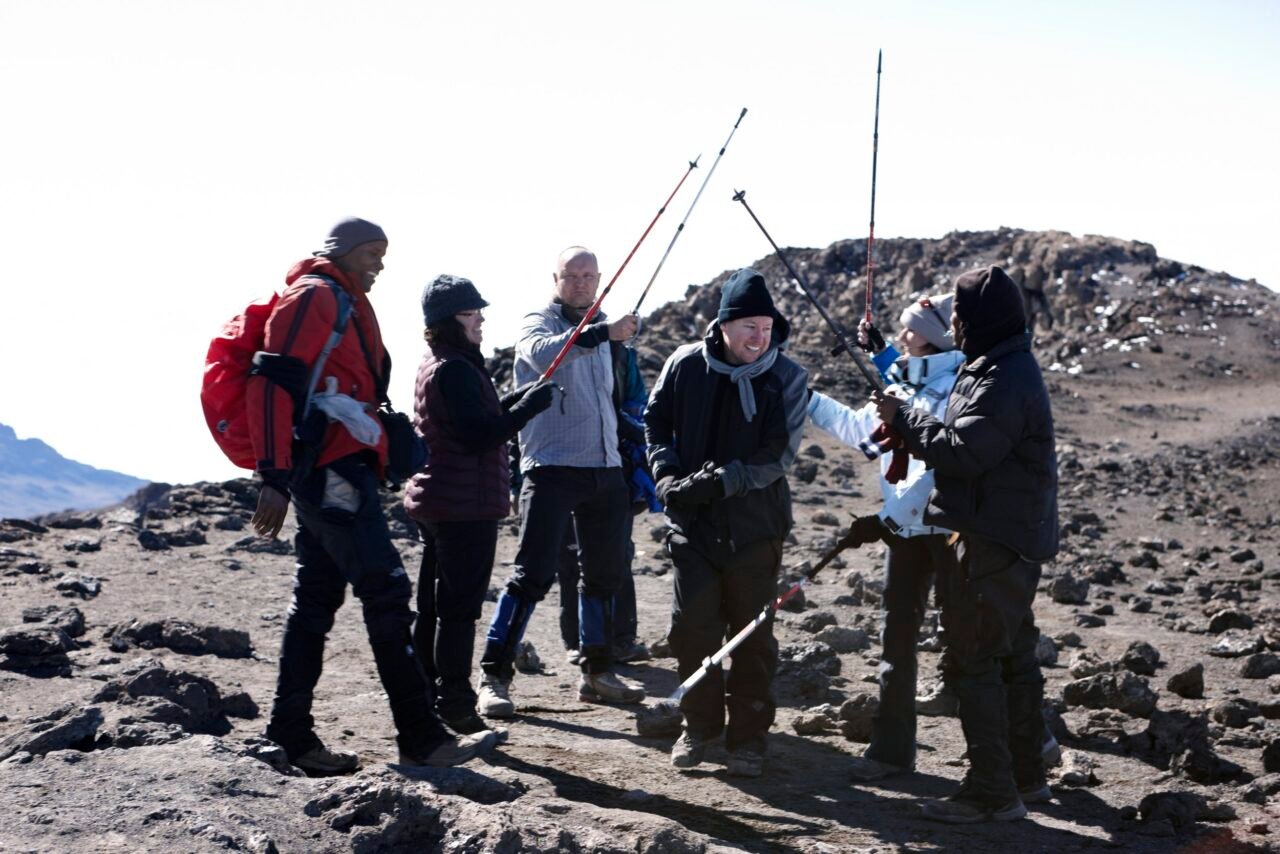
One of the most unexpected joys of joining a Kilimanjaro climb as a solo traveler is the profound sense of community that forms among trekkers. Even if you start the journey alone, you quickly become part of a temporary, supportive family. The shared challenges, the impressive scenery, and the common goal create an intense bonding experience. Evenings are spent sharing stories around the mess tent, celebrating small victories, and motivating each other for the next day’s ascent. Guides and porters also play a significant role in fostering this camaraderie, sharing their knowledge and culture, and ensuring everyone feels included.
For solo travelers, this social aspect can be particularly fulfilling, transforming a personal challenge into a shared adventure. The diverse backgrounds of climbers mean you’ll meet people from all walks of life, leading to fascinating conversations and potentially lifelong friendships. Planning your climb for 2026 or 2027 with an operator that facilitates group cohesion will enhance this experience.
Budgeting for Your Solo Kilimanjaro Climb: Costs and Inclusions for 2026-2027
Understanding the costs involved is essential when planning your Kilimanjaro climb, especially as a solo traveler who might be looking for cost-effective options. While prices can vary significantly based on the route, duration, operator, and inclusions, here’s a general breakdown of what to expect for 2026-2027 expeditions:
The majority of the cost comes from park fees, which are substantial and non-negotiable. These include climbing permits, camping/hut fees, rescue fees, and crater fees (if applicable). Tour operators bundle these with guide and porter salaries, food, equipment, and transportation.
Typical Inclusions for a Solo Traveler Package:
- Park entrance fees, camping/hut fees, and rescue fees
- Round trip transportation from Moshi/Arusha to the mountain
- Professional, licensed guides and assistant guides
- Porters to carry group equipment and personal luggage (usually a limit of 15kg per solo climber)
- Nutritious meals prepared by cook(s) during the trek
- Boiled drinking water
- Temporary shelters (tents) and sleeping mats for camping routes
- Accommodation in huts for Marangu route
- Government taxes
Typical Exclusions:
- International flights to/from Kilimanjaro International Airport (JRO)
- Visa fees
- Travel and medical insurance (mandatory)
- Personal climbing gear (boots, warm clothing, sleeping bag, etc.)
- Tips for guides, porters, and cooks (a significant part of staff income)
- Lunches and drinks in Moshi before and after the climb
- Personal expenses (souvenirs, laundry, etc.)
- Optional activities or hotel stays
Cost Ranges for Solo Kilimanjaro Climbs (2026-2027)
As a solo traveler, you have two main options: joining a group departure or opting for a private climb. Joining a group is almost always more budget-friendly.
| Route | Typical Duration (Days) | Estimated Cost Per Person (USD) – Group Join | Estimated Cost Per Person (USD) – Private |
|---|---|---|---|
| Marangu | 5 | $900 – $1,400 | $1,300 – $2,000+ |
| Machame | 6-7 | $1,000 – $1,600 | $1,500 – $2,300+ |
| Lemosho | 7-8 | $1,200 – $1,800 | $1,700 – $2,600+ |
| Rongai | 6-7 | $1,100 – $1,700 | $1,600 – $2,400+ |
| Northern Circuit | 9-10 | $1,400 – $2,200 | $2,000 – $3,000+ |
Note: These are estimated ranges for 2026-2027 and can vary by operator. Always request a detailed quote.
For solo travelers, the “group join” prices are highly attractive. Many operators, like Top Guide Adventures, offer fixed group departure dates, allowing solo adventurers to book a spot and share costs, making the dream of a Kilimanjaro climb more accessible. For instance, looking at Machame Route group departures for 2026 can provide specific dates and pricing.
Preparing Your Gear: What a Solo Traveler Needs
Packing efficiently is crucial for any Kilimanjaro trek, but as a solo traveler, you’ll likely have your gear carried by porters, so understanding weight limits and essentials is key. While porters will carry the bulk of your equipment (typically up to 15kg), you’ll need a comfortable daypack for essentials you’ll carry yourself.
Essential Gear Checklist for Solo Climbers:
- Clothing: Layering is vital. Include moisture-wicking base layers, insulating mid-layers (fleece or down), and a waterproof/windproof outer shell. You’ll need thermal underwear, hiking trousers, shorts, t-shirts, and a warm hat and gloves.
- Footwear: Sturdy, broken-in hiking boots are a must. Also, pack comfortable camp shoes or sandals and warm socks (wool or synthetic).
- Headwear: A sun hat for daytime and a warm beanie for cold evenings and summit night. A balaclava or neck gaiter is also useful.
- Sleeping: A warm sleeping bag rated for at least -10°C (0°F) is essential. Many operators provide sleeping mats.
- Backpack: A comfortable daypack (30-40 liters) for water, snacks, camera, rain gear, and warm layers. A waterproof duffel bag or backpack (80-100 liters) for porters to carry.
- Trekking Poles: Highly recommended for stability and reducing strain on knees, especially on descents.
- Hydration: Water bottles or a hydration reservoir (at least 3 liters capacity). Water purification tablets or a filter are good backups.
- Sun Protection: High SPF sunscreen, lip balm with SPF, and sunglasses.
- Headlamp: Essential for summit night and early mornings. Bring spare batteries.
- Personal Items: Toiletries, personal first-aid kit, hand sanitizer, wet wipes, insect repellent (for lower altitudes).
- Documents: Passport, visa, flight details, insurance information, and copies of all.
Many operators offer gear rental for items like sleeping bags and trekking poles, which can be a great option for solo travelers looking to save on initial investment, especially if this is a one-off adventure. Confirm rental options when booking for your 2026-2027 climb.
Acclimatization Strategies for Solo Trekkers
Altitude sickness is the primary challenge on Kilimanjaro, and proper acclimatization is key to a successful and safe climb, particularly for solo travelers who might not have a companion constantly monitoring them. While choosing a longer route is the best preventative measure, other strategies are vital:
- Ascend Slowly: Longer routes like Lemosho, Shira, or the Northern Circuit are designed for gradual ascent, allowing your body to adapt. The “pole pole” (slowly, slowly) mantra is crucial.
- Hydrate: Drink plenty of water – at least 3-4 liters per day. Avoid alcohol and caffeine, which can dehydrate you.
- Eat Well: Maintain a good intake of carbohydrates, which provide energy at altitude.
- Listen to Your Body: Pay attention to symptoms like headache, nausea, dizziness, and fatigue. Communicate any concerns immediately to your guide.
- “Climb High, Sleep Low”: Routes like Machame and Lemosho incorporate this principle, where you ascend to higher altitudes during the day and descend to lower camps to sleep, aiding acclimatization.
- Avoid Overexertion: Pace yourself. Don’t push too hard, especially on the first few days.
Your guides will monitor you closely, but as a solo traveler, being proactive about your health and understanding these principles is essential for a safe and enjoyable 2026-2027 climb.
The Summit Night: A Solo Traveler’s Toughest Challenge
Summit night is the most demanding part of the Kilimanjaro climb, typically beginning around midnight from the last camp (e.g., Barafu Camp on Machame/Lemosho). It involves a steep, slow ascent in the dark, cold, and thin air, aiming to reach the summit for sunrise. For a solo traveler, this can feel particularly intense.
Key aspects of summit night for solo travelers:
- Support System: Rely on your guides. They will be with you every step of the way, monitoring your condition and encouraging you. Assistant guides are often assigned to help slower climbers.
- Pacing: The pace is extremely slow, often just a few steps at a time. Focus on your breathing and putting one foot in front of the other.
- Warmth: Layer up as much as possible. The temperature can drop well below freezing, with strong winds.
- Hydration and Energy: Sip water frequently and eat energy-rich snacks. Your guide will prompt you to do so.
- Mental Fortitude: This is where your mental strength is tested. Focus on the goal, the sunrise, and the incredible achievement.
Reaching Uhuru Peak is an unparalleled feeling of accomplishment, and sharing that moment, even as a solo traveler within a group, is incredibly powerful. The descent is almost as challenging as the ascent, so staying alert and taking care is vital.
Post-Climb: Celebrating Your Achievement as a Solo Traveler
After successfully descending Kilimanjaro, solo travelers often experience a mix of exhaustion, elation, and a sense of deep satisfaction. This is a time to reflect on the incredible journey and celebrate your personal achievement.
Many tour operators, including Top Guide Adventures, arrange for a celebratory dinner or drinks in Moshi or Arusha, providing a final opportunity to connect with your fellow climbers and the support crew. This is a perfect occasion for solo travelers to share experiences, exchange contact information, and solidify the friendships forged on the mountain. It’s also a chance to thank your guides and porters, whose hard work and dedication were instrumental in your success.
For those extending their trip in Tanzania, perhaps to start a safari or visit Zanzibar, this post-climb period offers a chance to relax and recount your Kilimanjaro adventure. The memories and bonds formed during your solo climb are often the most cherished takeaways.
Planning Your 2026-2027 Kilimanjaro Solo Adventure
Embarking on a solo Kilimanjaro climb is an adventure of a lifetime. The key to a successful and enjoyable expedition for 2026-2027 lies in thorough preparation and choosing the right partner. Consider your fitness level, desired experience, and budget when selecting a route and operator. Remember that joining a group departure is an excellent way for solo travelers to manage costs and enhance the social aspect of the climb.
When you’re ready to turn your dream into reality, reaching out to experienced operators is the next step. For personalized attention, expert guidance, and smooth logistics tailored for solo adventurers, contact Top Guide Adventures. They specialize in creating memorable Kilimanjaro experiences and can help you find the perfect group departure or customize a climb to suit your needs.
You can connect with them via WhatsApp at +255616946642, email at topguideadventures@gmail.com, or their backup email info@topguideadventurestanzania.com to discuss your 2026 or 2027 Kilimanjaro solo climb plans.
Frequently Asked Questions for Solo Kilimanjaro Climbers
Common Questions for Solo Kilimanjaro Trekkers
Will I be placed in a group if I book as a solo traveler?
Yes, most reputable operators, especially those with group departures, will integrate solo travelers into a larger group. This is the most common and cost-effective way for solo climbers to ascend Kilimanjaro, fostering camaraderie and shared expenses. Top Guide Adventures is well-versed in creating a welcoming environment for solo adventurers joining their group climbs.
What is the best route for a solo traveler to choose?
For solo travelers, routes with better acclimatization profiles and higher success rates are recommended. The Machame (6-7 days) and Lemosho (7-8 days) routes are excellent choices, offering stunning scenery and good acclimatization. The Northern Circuit (9-10 days) provides the highest chance of success due to its gradual ascent, making it ideal if budget and time allow for your 2026-2027 climb.
Is it safe to climb Kilimanjaro alone?
Climbing Kilimanjaro alone is safe when you choose a reputable tour operator that prioritizes safety. These operators provide experienced guides, necessary equipment, emergency protocols, and constant monitoring for altitude sickness. The group environment on popular routes also adds a layer of security.
How much should I budget for tips?
Tipping is customary and a significant part of the income for guides, porters, and cooks. A general guideline for 2026-2027 climbs is around $250-$350 USD per climber for a 7-day climb, distributed among the crew. Your operator will usually provide a detailed tipping guide.
Can I rent climbing gear in Tanzania?
Yes, most operators in Moshi offer gear rental for items like sleeping bags, trekking poles, and warm jackets. This is a convenient option for solo travelers who don’t want to invest in expensive gear for a single trip. Confirm availability and prices when booking your 2026-2027 expedition.
Climbing Kilimanjaro as a solo traveler is an empowering experience that offers a unique blend of personal challenge and communal adventure. By choosing the right route, a reputable operator, and preparing diligently, you can ensure your 2026-2027 expedition is a resounding success. The memories and sense of accomplishment will stay with you long after you descend.
”
}
Understanding Altitude Sickness: A Deeper Dive for Solo Climbers
Altitude sickness, or Acute Mountain Sickness (AMS), is the most significant physiological challenge on Kilimanjaro, and for solo travelers, a proactive understanding and vigilant approach are crucial. While everyone is susceptible, being alone means you must be your own first line of defense, working in tandem with your guide.
Recognizing the Symptoms
AMS symptoms often mimic a bad hangover or the flu, which can lead to them being dismissed. Common signs include: headache (the most prevalent symptom), nausea, dizziness, fatigue, loss of appetite, and difficulty sleeping. As the altitude increases, more severe forms can develop, such as High Altitude Cerebral Edema (HACE), characterized by confusion, loss of coordination, and drowsiness, and High Altitude Pulmonary Edema (HAPE), which causes shortness of breath even at rest, coughing, and chest tightness. As a solo traveler, you need to be acutely aware of these changes in your own body. Don’t ignore a persistent headache or unusual fatigue; report it to your guide immediately. They are trained to assess the severity and recommend appropriate action.
The Role of Guides in Managing AMS
Your guides are your most valuable asset in managing altitude sickness. They have extensive experience with trekkers at altitude and are trained to spot early symptoms. They will monitor you throughout the climb, asking about your well-being daily and often multiple times a day. Crucially, they understand the principle of ‘descent is the only cure’ for severe AMS. If symptoms worsen, they will not hesitate to recommend or order a descent, even if it means turning back from the summit push. Trust their judgment implicitly. For solo travelers, this reliance on the guide’s expertise is amplified, so choosing an operator with highly qualified and experienced guides is paramount.
Prevention Strategies: Beyond the Basics
While “pole pole” (slowly, slowly) and proper hydration are fundamental, several other strategies can help prevent AMS, especially for solo climbers who might push themselves harder: gradual ascent (longer routes like Lemosho or Northern Circuit are better), avoiding alcohol and sleeping pills (they can depress breathing), and staying well-hydrated (aim for 3-4 liters of fluid per day). Some climbers consider Diamox (acetazolamide), a prescription medication that can aid acclimatization. Discuss this with your doctor well in advance of your 2026-2027 climb to see if it’s appropriate for you. It’s not a cure-all but can significantly reduce symptoms for many. Additionally, maintaining a positive mental attitude and managing fatigue through adequate rest in camps can indirectly aid acclimatization.
Packing Essentials: The Solo Traveler’s Detailed Gear Guide
Packing for Kilimanjaro as a solo traveler requires careful consideration to ensure comfort, safety, and efficiency. While porters will carry your main duffel bag, you’ll need a well-organized daypack for essentials you need access to during the trek. The goal is to be prepared for all conditions, from warm equatorial sun at the base to freezing temperatures near the summit.
Clothing Layers: The Foundation of Comfort
The key to staying comfortable on Kilimanjaro is layering. You’ll experience drastic temperature changes as you ascend and descend, and the weather can shift rapidly. Aim for a system of moisture-wicking base layers, insulating mid-layers, and a protective outer shell.
- Base Layers: 2-3 sets of moisture-wicking thermal underwear (long johns and long-sleeved tops) made of merino wool or synthetic materials. Avoid cotton, as it retains moisture and can lead to chilling.
- Mid-Layers: 1-2 fleece jackets or similar insulating layers. A down or synthetic puffy jacket is essential for warmth at higher altitudes and especially for summit night.
- Outer Layer: A waterproof and windproof jacket (Gore-Tex or similar) and waterproof trousers. These are your defense against rain, snow, and wind.
- Trekking Trousers: 2 pairs of quick-drying, comfortable hiking trousers. Convertible pants (zip-off legs) can be useful.
- Shirts: 3-4 moisture-wicking t-shirts or long-sleeved shirts for warmer sections.
- Socks: 5-7 pairs of good quality hiking socks (wool or synthetic blend). Bring liner socks to help prevent blisters.
- Headwear: A warm, insulated hat (beanie) that covers your ears, and a sun hat or cap with a wide brim for sun protection. A balaclava or neck gaiter is also highly recommended for summit night.
- Gloves: Lightweight liner gloves and a pair of warm, waterproof outer gloves or mittens.
Footwear: Your Most Important Gear
Your feet are your lifeline on Kilimanjaro. Invest in good quality gear:
- Hiking Boots: Waterproof, sturdy, and well broken-in hiking boots with good ankle support. Ensure they fit properly to avoid blisters.
- Camp Shoes: Lightweight sneakers, sandals, or Crocs for wearing around camp to give your feet a break.
- Gaiters: These attach to your boots and trousers to keep out scree, mud, and snow.
Technical Gear and Accessories
- Backpack: A comfortable daypack (30-40 liters) with a rain cover. This is what you’ll carry daily.
- Duffel Bag: A large, waterproof duffel bag (80-100 liters) for porters to carry. Ensure it’s durable.
- Sleeping Bag: A 4-season sleeping bag rated to at least -10°C (0°F). Many operators offer rentals if you don’t want to buy one.
- Trekking Poles: Highly recommended for stability on ascents and descents, saving your knees.
- Headlamp: Essential for summit night. Bring spare batteries!
- Water Bottles/Reservoir: Capacity for at least 3 liters. Insulated covers help prevent water from freezing.
- Sunglasses: High UV protection.
- Sunscreen and Lip Balm: SPF 30 or higher.
- Personal First-Aid Kit: Include blister treatment, pain relievers, antiseptic wipes, and any personal medications.
- Toiletries: Biodegradable soap, toothbrush, toothpaste, wet wipes, hand sanitizer.
- Camera and Power Bank: For capturing memories and keeping devices charged.
- Snacks: High-energy snacks like energy bars, nuts, and dried fruit.
When planning for your 2026-2027 climb, consider renting some of the bulkier items like sleeping bags and trekking poles. This can significantly reduce your packing weight and cost. Always confirm what your operator provides and what options are available for rental. Companies like Top Guide Adventures often facilitate gear rental, making the process smoother for solo travelers.
The Mental Game: Psychological Preparation for Solo Kilimanjaro Climbers
Climbing Kilimanjaro is as much a mental challenge as it is a physical one, particularly for solo travelers. The long days, harsh conditions, and personal solitude can test your resolve. Proactive psychological preparation can make a significant difference in your success and enjoyment.
Setting Realistic Expectations
Understand that Kilimanjaro is a serious undertaking. There will be moments of discomfort, fatigue, and doubt. It’s important to acknowledge these possibilities beforehand. Solo travelers might feel added pressure to “perform” or not show weakness. Remember, everyone on the mountain is facing their own challenges. Setting realistic expectations helps you manage the inevitable difficulties without becoming discouraged.
Developing Coping Mechanisms
Think about how you handle stress and fatigue in your daily life. On Kilimanjaro, techniques like deep breathing, positive self-talk, and focusing on small, achievable goals (like reaching the next waypoint or the next meal) become crucial. Your guides will be a source of encouragement, but developing your own internal resilience is key. Visualize yourself successfully reaching the summit and the feeling of accomplishment.
Embracing the Solitude (Even in a Group)
While group climbs offer companionship, there will still be moments of quiet reflection. Embrace these opportunities. Use them to connect with yourself, appreciate the grandeur of the mountain, and process the experience. For some solo travelers, this is the primary appeal – a chance to disconnect from the noise of daily life and reconnect with their inner selves. Even when surrounded by others, the internal journey is uniquely yours.
The Power of “Pole Pole” Mentality
The Swahili phrase “pole pole” (slowly, slowly) is more than just a pace; it’s a philosophy. When things feel overwhelming, consciously slow down your physical and mental pace. Focus on the present moment, the step you are taking, the breath you are breathing. This mindful approach helps to reduce anxiety and prevent burnout, both physically and mentally.
Building Confidence Through Preparation
The more prepared you are, the more confident you will feel. This applies to your physical training, gear selection, and understanding the logistics of the climb. Knowing that you have done your homework and are equipped for the journey can significantly boost your mental fortitude when facing challenges on the mountain.
Choosing Your Kilimanjaro Operator: Key Considerations for Solo Climbers in 2026-2027
Selecting the right tour operator is arguably the most critical decision for any Kilimanjaro climber, and especially so for solo travelers. Your operator dictates your safety, comfort, success rate, and overall experience. When planning your 2026-2027 climb, focus on these aspects:
Safety Record and Emergency Procedures
This should be your top priority. Inquire about the operator’s safety protocols, the training of their guides (look for Wilderness First Responder certifications or equivalent), and their emergency evacuation procedures. Do they carry oxygen, a portable hyperbaric chamber (Gamow bag), and have a reliable communication system? A strong safety record is non-negotiable, particularly when you are traveling alone.
Guide-to-Client Ratio and Porter Welfare
A lower guide-to-client ratio generally means more personalized attention and better monitoring for altitude sickness. For solo travelers, this can be especially reassuring. Also, investigate the operator’s commitment to porter welfare. Reputable companies treat their porters ethically, ensuring fair wages, adequate food, and appropriate gear. This not only aligns with responsible tourism but also often translates to a more motivated and efficient support crew.
Group Size and Departure Dates
As a solo traveler, you have the option of joining a pre-scheduled group departure or arranging a private climb. Group departures are significantly more cost-effective and provide built-in companionship. Look for operators that offer regular group dates for the route you prefer. Top Guide Adventures, for example, has a consistent schedule of group departures throughout the year, making it easier for solo travelers to find a suitable date for their 2026-2027 climb.
Inclusions and Exclusions
Carefully review what is included in the price. Ensure it covers park fees, permits, accommodation (in huts or tents), meals, guides, porters, and transportation. Be aware of what is excluded, such as flights, visas, insurance, personal gear, and tips. Transparent pricing is a hallmark of a trustworthy operator.
Reviews and Reputation
Seek out independent reviews and testimonials. While operators will highlight positive feedback, look for consistent themes regarding service, safety, and success rates. Word-of-mouth recommendations from fellow travelers can also be invaluable. Top Guide Adventures consistently receives positive feedback for their meticulous planning and client care, particularly for solo adventurers seeking a supportive group environment.
By thoroughly vetting potential operators, you can ensure your solo Kilimanjaro adventure in 2026 or 2027 is managed by professionals who prioritize your safety and enjoyment, allowing you to focus on the incredible experience of climbing Africa’s highest peak.
The Summit Night Experience: A Solo Traveler’s Ultimate Test
Summit night on Kilimanjaro is the culmination of your trek, a grueling yet exhilarating push to the roof of Africa. For a solo traveler, this phase presents unique challenges and profound rewards. Typically starting around midnight from Kibo Huts or Barafu Camp, the ascent is slow, steady, and conducted in the dark, cold, and thin air.
Navigating the Darkness and Cold
You’ll be guided by headlamps, following a chain of lights winding up the scree slopes. The temperature can plummet to -15°C to -20°C (0°F to -4°F), with wind chill making it feel even colder. Effective layering is absolutely critical here. Your guides will ensure you are adequately dressed, but staying proactive about managing your warmth is essential. Periodically check that your extremities (fingers, toes, ears) are warm and dry.
Pacing and Breathing Techniques
The pace is incredibly slow – often described as “one step, one breath.” This deliberate slowness is vital for acclimatization and conserving energy. Your guide will set the pace, and it’s crucial to stick to it. Focus intently on your breathing. Deep, controlled breaths help maximize oxygen intake. If you feel breathless, stop, take a few deep breaths, and then continue. Don’t be afraid to communicate any discomfort to your guide.
Mental Fortitude and Motivation
Summit night is a significant mental battle. Doubt can creep in as the climb feels endless. As a solo traveler, you might feel the weight of this challenge more acutely. However, remember why you are doing this. Focus on the immediate goal: the next step, the next marker, the approaching sunrise. Your guides are masters of motivation, offering encouragement and support. Lean on them, and draw strength from the shared goal with your fellow climbers. The sight of the sunrise from Stella Point or Uhuru Peak is an incredibly powerful and unifying moment, often erasing the memory of the struggle.
The Descent: Equally Challenging
Reaching the summit is only half the battle. The descent, especially down the loose scree, is physically demanding and requires concentration. Fatigue from the summit push can lead to mistakes. Stay alert, continue to hydrate, and follow your guide’s instructions carefully. Many altitude-related illnesses occur during the descent due to dehydration or overexertion.
Successfully completing summit night as a solo traveler is an immense personal achievement. The combination of physical endurance and mental resilience required is profound, and the sense of accomplishment is unparalleled.
Planning Your 2026-2027 Kilimanjaro Solo Expedition: The Final Steps
You’ve explored the routes, considered the costs, packed your gear, and mentally prepared. Now, it’s time to finalize your plans for your 2026-2027 Kilimanjaro solo adventure. This is where careful selection of your tour operator becomes paramount, ensuring a safe, well-organized, and enjoyable climb.
For solo travelers, choosing an operator that understands and caters to their needs is essential. Look for companies that facilitate integration into group climbs, offer clear communication, and have a proven track record of safety and client satisfaction. Companies like Top Guide Adventures specialize in making Kilimanjaro accessible and rewarding for solo adventurers. They provide detailed itineraries, transparent pricing, and expert guidance throughout the planning process and the climb itself. Their approach often involves creating a supportive environment where solo climbers can easily connect with others, turning a personal challenge into a shared triumph. Their local expertise in Tanzania ensures smooth logistics and a deep understanding of what makes a solo climb successful.
When you’re ready to take the next step, reach out to potential operators. Don’t hesitate to ask detailed questions about their safety procedures, guide qualifications, group sizes, and what makes them suitable for solo travelers. For a personalized consultation and to discuss group departure options for your 2026 or 2027 climb, you can contact Top Guide Adventures directly. They are readily available via WhatsApp at +255616946642 or via email at topguideadventures@gmail.com. Discussing your specific needs with them will help ensure your solo Kilimanjaro climb is everything you envision.
“,
“faq_schema”: [
{
“question”: “Will I be placed in a group if I book as a solo traveler?”,
“answer”: “Yes, most reputable operators, especially those with group departures, will integrate solo travelers into a larger group. This is the most common and cost-effective way for solo climbers to ascend Kilimanjaro, fostering camaraderie and shared expenses. Top Guide Adventures is well-versed in creating a welcoming environment for solo adventurers joining their group climbs.”
},
{
“question”: “What is the best route for a solo traveler to choose?”,
“answer”: “For solo travelers, routes with better acclimatization profiles and higher success rates are recommended. The Machame (6-7 days) and Lemosho (7-8 days) routes are excellent choices, offering stunning scenery and good acclimatization. The Northern Circuit (9-10 days) provides the highest chance of success due to its gradual ascent, making it ideal if budget and time allow for your 2026-2027 climb.”
},
{
“question”: “Is it safe to climb Kilimanjaro alone?”,
“answer”: “Climbing Kilimanjaro alone is safe when you choose a reputable tour operator that prioritizes safety. These operators provide experienced guides, necessary equipment, emergency protocols, and constant monitoring for altitude sickness. The group environment on popular routes also adds a layer of security.”
},
{
“question”: “How much should I budget for tips?”,
“answer”: “Tipping is customary and a significant part of the income for guides, porters, and cooks. A general guideline for 2026-2027 climbs is around $250-$350 USD per climber for a 7-day climb, distributed among the crew. Your operator will usually provide a detailed tipping guide.”
},
{
“question”: “Can I rent climbing gear in Tanzania?”,
“answer”: “Yes, most operators in Moshi offer gear rental for items like sleeping bags, trekking poles, and warm jackets. This is a convenient option for solo travelers who don’t want to invest in expensive gear for a single trip. Confirm availability and prices when booking your 2026-2027 expedition. Top Guide Adventures can assist with gear rental arrangements.”
},
{
“question”: “What is the most critical risk on Kilimanjaro for solo climbers?”,
“answer”: “The most significant risk is altitude sickness (AMS). Solo travelers must be extra vigilant in recognizing symptoms like headaches, nausea, and dizziness, and communicate them immediately to their guides. Choosing longer routes and practicing proper acclimatization strategies are key preventative measures.”
},
{
“question”: “How can I mentally prepare for a solo Kilimanjaro climb?”,
“answer”: “Mental preparation involves setting realistic expectations, developing coping mechanisms for discomfort and fatigue, embracing moments of solitude, and practicing the ‘pole pole’ (slowly, slowly) philosophy. Thorough physical and gear preparation also builds crucial confidence.”
}
]
}
“`
Navigating Kilimanjaro’s Unique Challenges as a Solo Traveler
While the allure of conquering Kilimanjaro as a solo traveler is powerful, understanding the specific nuances of this journey is key to a successful and enjoyable expedition. Beyond the physical preparation, there are distinct aspects to consider that can significantly shape your experience. This section delves into those critical elements, ensuring you are fully equipped not just with gear, but with knowledge and foresight.
Understanding the ‘Team’ Dynamic on a Group Climb
Even when you book as a solo traveler, you will almost certainly be joining a group. This is standard practice for cost-effectiveness and companionship. The key is to understand how to integrate into this group. Your fellow climbers will come from diverse backgrounds, with varying levels of experience and motivations. Embrace the opportunity to connect with them. Sharing meals, the slow ascent, and the summit push can forge strong bonds. Be open, friendly, and supportive. Remember that everyone on the mountain is on their own personal journey, and a little kindness can go a long way. For solo travelers, this group dynamic can transform a potentially isolating experience into a shared adventure. Companies like Top Guide Adventures excel at fostering a supportive group atmosphere, making it easy for solo climbers to feel welcomed and integrated from the start of their 2026-2027 expedition.
The Role of Your Guide: More Than Just Navigation
Your lead guide is your most important resource on Kilimanjaro. For a solo traveler, this relationship is even more crucial. A good guide is not just responsible for navigation and safety; they are your confidant, motivator, medic, and cultural interpreter. They will monitor your health, pace, and well-being closely. Don’t hesitate to communicate any concerns, no matter how small. They are trained to recognize the subtle signs of altitude sickness and will offer advice and support. Beyond the technical aspects, your guide can share insights into local culture, the mountain’s ecology, and the history of Kilimanjaro, enriching your solo experience. Trust their expertise and build a rapport with them. The guides at Top Guide Adventures are renowned for their deep knowledge of Kilimanjaro and their exceptional client care, providing solo adventurers with unparalleled support and guidance throughout their climb.
Managing Your Own Pace and Energy Levels
While your guide will set the overall pace for the group, especially on summit night, during the day you have some autonomy. As a solo traveler, it’s easy to either push too hard trying to keep up or lag behind, feeling self-conscious. The mantra ‘pole pole’ (slowly, slowly) is your best friend. Listen to your body. If you need to slow down, do so. If you feel strong, maintain a steady, sustainable rhythm. Conserving energy is paramount. This means eating and drinking regularly, even when you don’t feel hungry or thirsty, and resting adequately during breaks. Managing your personal energy reserves effectively is a key skill for any Kilimanjaro climber, and particularly important for solo adventurers who need to be self-aware and proactive.
Dealing with Solitude and Reflection
One of the profound aspects of a solo Kilimanjaro climb is the opportunity for introspection. There will be moments of quiet, whether during your daily trek, in the evenings at camp, or even during summit night. Embrace these periods. They offer a chance to disconnect from the external world and connect with yourself. Reflect on your journey, your achievements, and your place in the vast landscape. This can be incredibly rewarding. However, if you find prolonged solitude challenging, focus on engaging with your group, your guides, and the stunning environment around you. The mountain itself provides a constant source of awe that can fill any quiet moments.
The Importance of Communication and Networking
Even as a solo traveler, effective communication is vital. This extends beyond talking to your guide. Engage with your fellow climbers. Share stories, offer encouragement, and learn from their experiences. This social interaction can make the climb more enjoyable and help alleviate any feelings of isolation. If you’re using a reputable operator like Top Guide Adventures, they often facilitate introductions and create a friendly atmosphere among climbers, ensuring that solo travelers feel part of a cohesive unit from the outset.
Hydration and Nutrition: Fueling Your Solo Kilimanjaro Expedition
Proper hydration and nutrition are fundamental to success on Kilimanjaro, and for solo travelers, maintaining these habits requires extra diligence. The high altitude, strenuous activity, and dry air can quickly lead to dehydration and energy depletion if not managed carefully. Your body needs constant fuel and fluids to perform at its best and to combat the effects of altitude.
The Critical Role of Hydration
Altitude sickness is exacerbated by dehydration. Aim to drink at least 3-4 liters of fluid per day, and even more on summit night. This includes water, herbal teas, and electrolyte drinks. Water sources on the mountain are typically purified by your crew. You’ll likely use a combination of water bottles and a hydration reservoir. To prevent water from freezing on cold nights and summit mornings, use insulated covers for your bottles or reservoirs. Many climbers find that drinking warm beverages like herbal tea or hot chocolate is more appealing in the cold, contributing to their fluid intake. Don’t wait until you feel thirsty – sip water consistently throughout the day. Your guides will remind you, but as a solo traveler, taking personal responsibility for your hydration is paramount.
What to Eat and When
The food provided on Kilimanjaro by reputable operators is designed to be nutritious, energy-dense, and palatable at altitude. Breakfast typically includes porridge, eggs, toast, and fruit. Lunches are often packed meals or hot lunches served en route, featuring soups, sandwiches, pasta, or rice dishes. Dinners are usually hearty, with options like stews, chicken, fish, or vegetarian meals, followed by dessert. As a solo traveler, it’s important to try and eat as much of the provided food as possible. If you have specific dietary requirements, inform your operator well in advance. Bringing your own high-energy snacks – such as energy bars, nuts, dried fruit, and chocolate – is also highly recommended. These are invaluable for quick energy boosts during challenging ascents or when your appetite is reduced.
Snacking Strategies for Sustained Energy
Snacking is not just about satisfying hunger; it’s about maintaining a consistent energy supply. Eat small, frequent snacks throughout the day, especially during the long trekking hours. This prevents energy crashes and helps your body cope with the demands of the climb. Keep snacks easily accessible in your daypack. For summit night, high-energy, easily digestible snacks are crucial. Things that don’t require much chewing and are resistant to freezing are ideal. Think energy gels, small chocolate bars, or dried fruit.
Electrolytes and Their Importance
In addition to water, replenishing electrolytes lost through sweat is important, especially at higher altitudes where the body can be stressed. Many operators provide electrolyte powders or drinks. If not, consider bringing your own. These help maintain fluid balance and prevent muscle cramps.
By paying close attention to your hydration and nutrition, you significantly improve your chances of success and comfort on Kilimanjaro. This self-care is a vital component of any solo expedition, ensuring your body has the resources it needs to reach the summit and return safely.
Post-Climb Reflections and Integration for Solo Travelers
Reaching the summit of Kilimanjaro is a monumental achievement, and for a solo traveler, the sense of accomplishment is deeply personal. However, the journey doesn’t end at Uhuru Peak. The days following your descent offer crucial time for physical recovery, mental processing, and integrating the experience back into your life.
Physical Recovery and Rest
The descent is often as taxing as the ascent, and your body will be exhausted. Prioritize rest and recovery in the days immediately after your climb. This might involve a leisurely day in Moshi, enjoying hot showers, comfortable beds, and nourishing meals. Hydration and nutrition remain important. Gentle stretching can help alleviate muscle soreness. Most reputable operators, including Top Guide Adventures, will arrange comfortable accommodation in Moshi post-climb, allowing you a smooth transition back to civilization.
Processing the Experience
Climbing Kilimanjaro, especially alone, can be a profound personal journey. Take time to reflect on your experience. What did you learn about yourself? What challenges did you overcome? Journaling can be an excellent way to capture your thoughts and feelings. Discussing your experience with fellow climbers can also offer new perspectives and reinforce the shared bonds formed on the mountain. The solitude you experienced can be a powerful catalyst for self-discovery, and processing this can be as important as the climb itself.
Sharing Your Story
Many solo travelers find immense satisfaction in sharing their Kilimanjaro adventure with others. Whether through photos, stories, or even presentations, recounting your journey can inspire others and solidify your own memories. Consider how you want to share your experience – perhaps through social media, a blog, or simply by talking to friends and family. The photos you captured during your 2026-2027 climb will become cherished keepsakes.
Exploring More of Tanzania
Your adventure in Tanzania doesn’t have to end with Kilimanjaro. Consider extending your trip to explore more of this incredible country. Options abound, from the wildlife-rich plains of the Serengeti and the Ngorongoro Crater to the spice markets of Zanzibar. Many solo travelers find that combining their Kilimanjaro climb with a safari or a beach holiday offers a well-rounded African experience. Operators like Top Guide Adventures can assist in arranging these extensions, making it easy for solo travelers to build a comprehensive Tanzanian itinerary.
Returning Home with New Perspectives
The skills and resilience you develop on Kilimanjaro – patience, perseverance, adaptability, and self-reliance – are transferable to all aspects of life. Many solo climbers return home with a renewed sense of confidence and a broader perspective. The challenges faced and overcome on the mountain can provide a powerful framework for approaching future obstacles. Embrace the changes the climb has brought, and carry the lessons learned forward.
Choosing Your Kilimanjaro Operator: Finalizing Your 2026-2027 Solo Expedition
As you finalize your plans for a 2026 or 2027 Kilimanjaro solo expedition, the selection of your tour operator becomes the most critical decision. A well-chosen operator is your partner in safety, logistics, and overall success, especially when traveling independently. For solo adventurers, finding an operator that understands their unique needs – fostering a sense of community within a group, ensuring clear communication, and maintaining the highest safety standards – is paramount.
Top Guide Adventures stands out as an excellent choice for solo travelers looking to join a Kilimanjaro climb. Their deep roots in Tanzania mean they possess unparalleled local knowledge, ensuring smooth operations from airport pickup to the summit and back. They are particularly adept at integrating solo climbers into welcoming group expeditions, providing ample opportunity for camaraderie without compromising individual experience. Their commitment to ethical treatment of porters and guides translates into a highly motivated and professional support team, which directly benefits climber safety and morale. When planning your Kilimanjaro solo travel for 2026-2027, consider their detailed itineraries and transparent pricing. For personalized advice and to discuss group departure options tailored for solo adventurers, feel free to connect with them. You can reach Top Guide Adventures via WhatsApp at +255616946642 or email them at topguideadventures@gmail.com.
Check Availability for 🔥 Join A Kilimanjaro Climb As A Solo Traveller 2026-2027
Ready to compare dates, prices, and the best option for your group? Send the package name and travel month so the team can reply with a clear quote, availability, and what is included.
Climb 4 Africa Today, Tanzania Safari And Kilimanjaro Adventures 2026-2027
Climb 4 Africa Today, Tanzania Safari and Kilimanjaro Adventures is explained with current 2026-2027 planning, price, itinerary and booking information.
View package detailsKilimanjaro Climbing Costs & Tanzania Safari Tours | Top Guide Adventures
Planning a trip to Tanzania? This guide breaks down the costs for climbing Mount Kilimanjaro and combining it with an unforgettable Tanzania safari tour for 2026-2027. Learn about pricing...
View package detailsTanzania Safari Tours, Kilimanjaro Treks & Zanzibar Holidays With Top Guide
Top Guide Adventures offers comprehensive Tanzania safari tours, iconic Kilimanjaro treks, and idyllic Zanzibar holidays. Discover the best of East Africa with personalized itineraries...
View package detailsDiscount Tanzania Treks And Affordable Safari Packages In 2026-2027
Discover how to plan discount Tanzania treks and affordable safari packages for your 2026-2027 adventure. This comprehensive guide covers budget-friendly options for iconic destinations...
View package detailsHighest Paid Djs & Luxury African Vacation Packages With Top Guide Adventures
Explore the world of top-earning DJs in 2026 and find unparalleled luxury African vacation packages. Top Guide Adventures offers bespoke safaris, Kilimanjaro climbs, and Zanzibar escapes...
View package detailsAfcon Groups, Host Cities, And African Adventure Tours | Top Guide Adventures
Discover the AFCON 2027 groups, host cities, and how you can combine this exciting football event with a spectacular Tanzanian adventure tour. Top Guide Adventures offers tailored safaris...
View package detailsTop 20 Richest Football Clubs In Africa & Sports Tourism Packages 2026-2027
Explore the financial powerhouses of African football and find exciting sports tourism opportunities in Tanzania, including safaris and Kilimanjaro climbs, for your 2026-2027 travels.
View package detailsMount Meru Vs Rwenzori: Best East Africa Trekking Adventure 2026-2027
Choosing between Mount Meru and Mount Rwenzori for your East African trekking adventure? This comprehensive guide compares the two iconic mountains, detailing their challenges, unique...
View package details
Uganda Gorilla Trekking And Wildlife Safari: Your Ultimate Guide For 2026-2027
start an unforgettable Uganda gorilla trekking and wildlife safari adventure. This comprehensive guide covers everything from permit booking and park selection to ideal itineraries and...
View package detailsNo related package matches those filters. Clear one or more filters to see the other topic-matched options.



